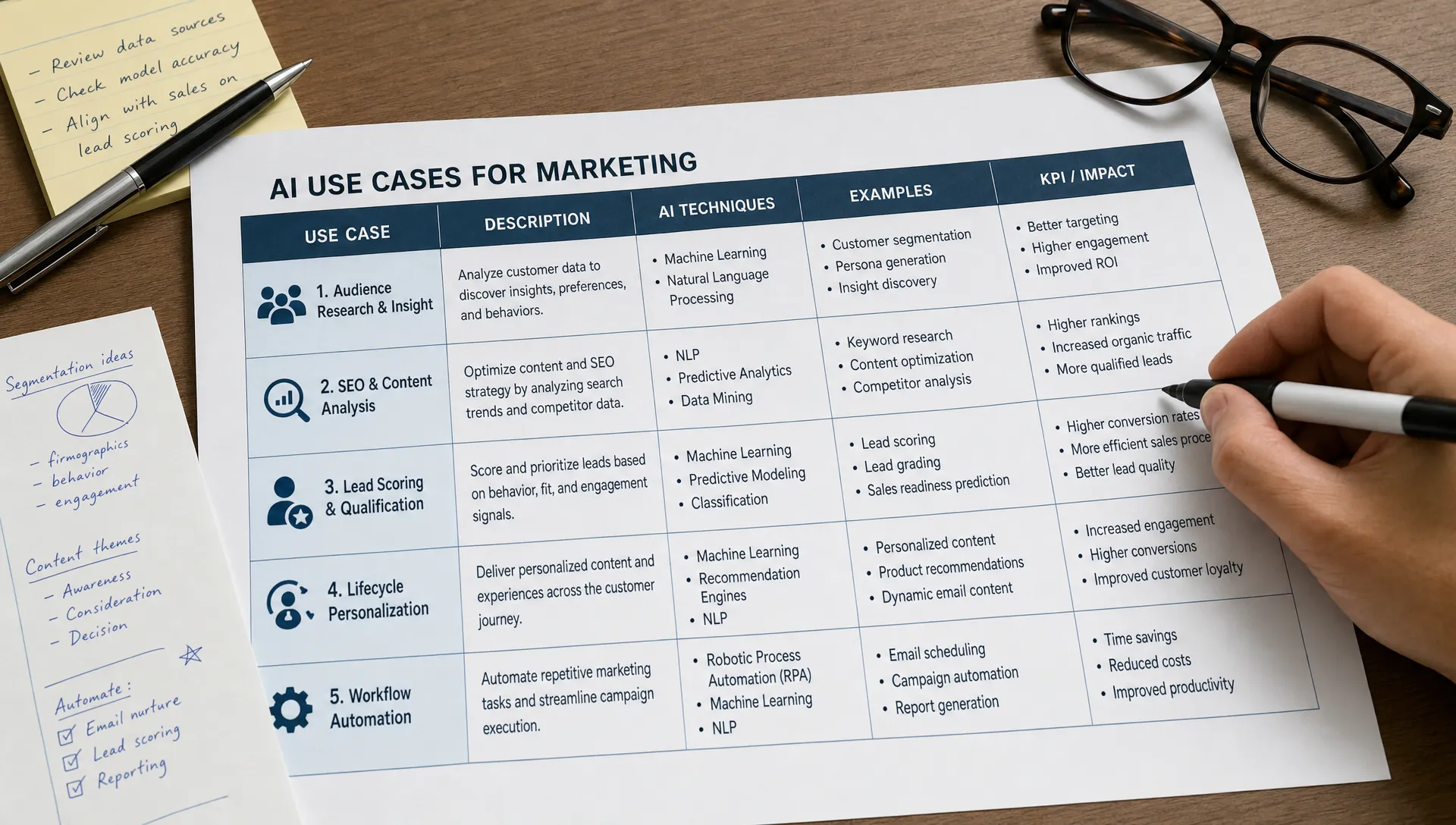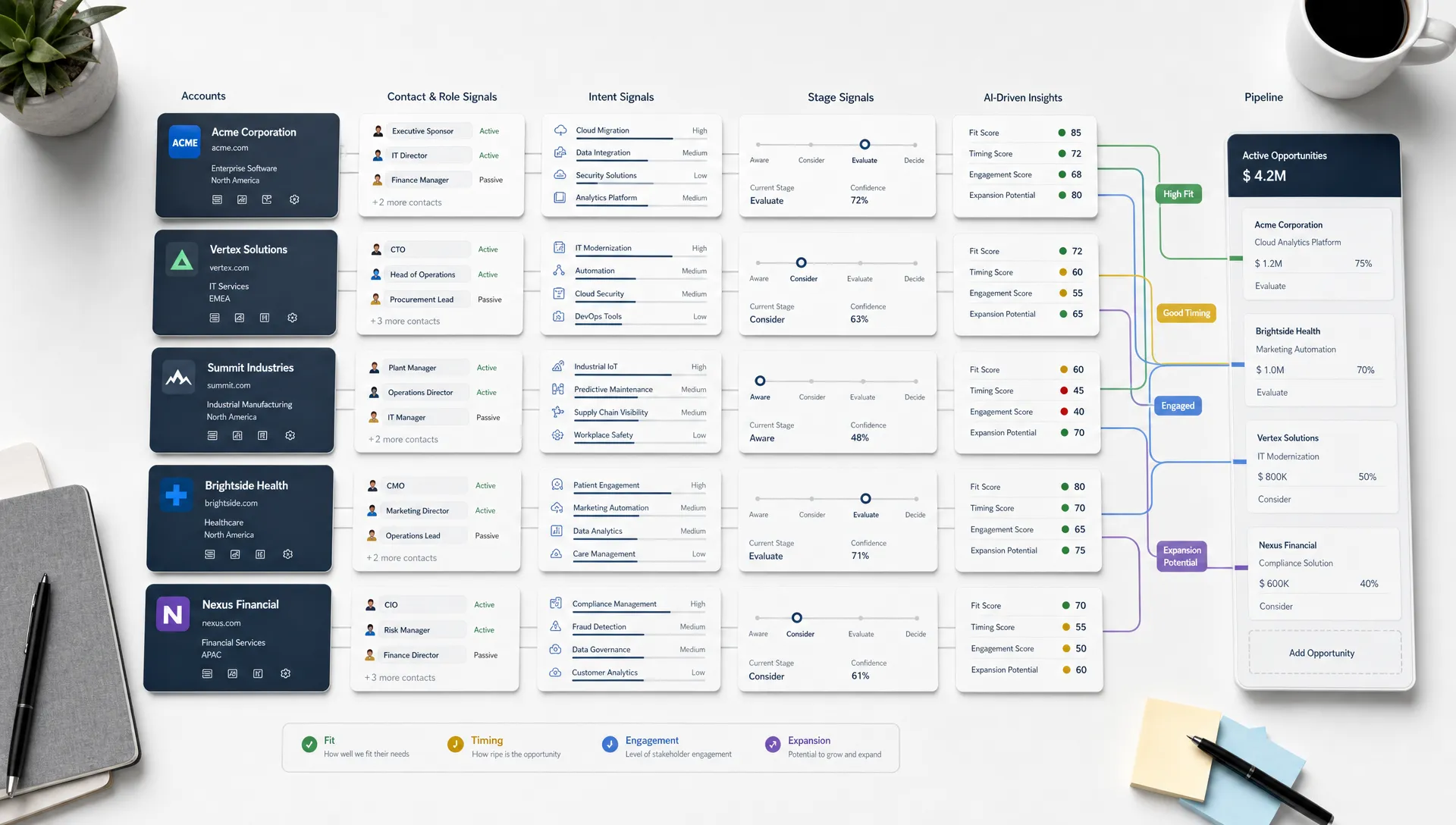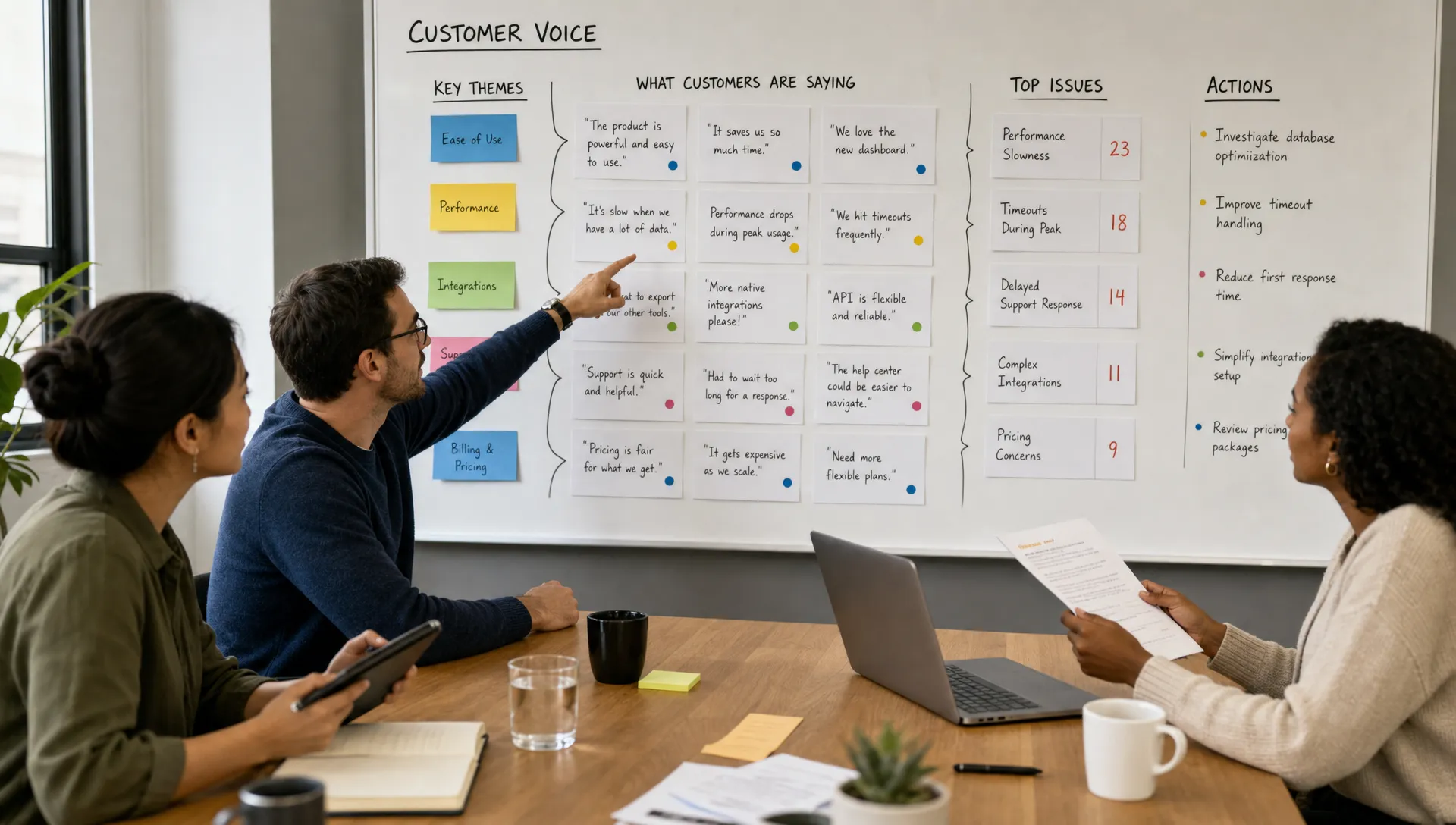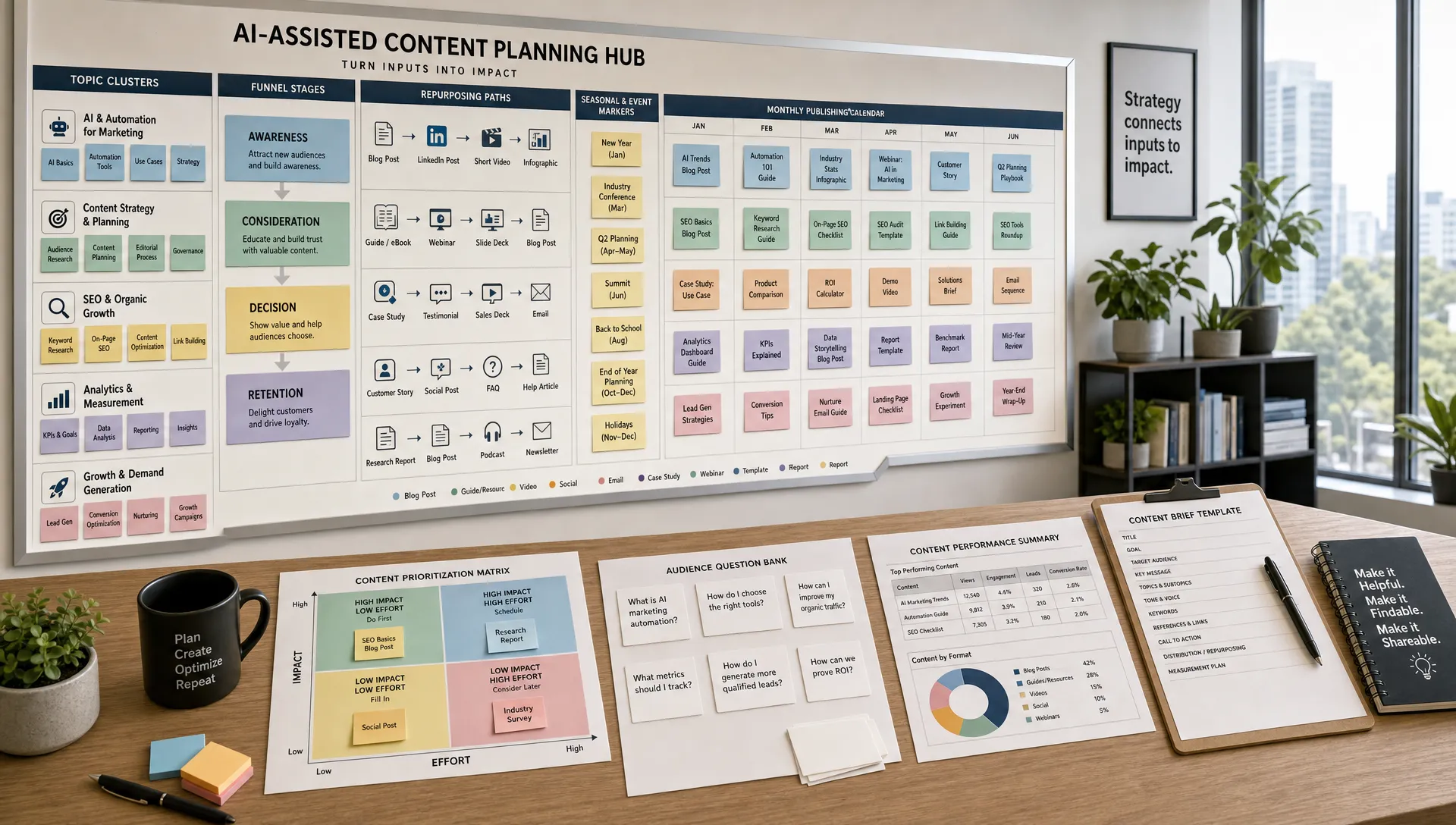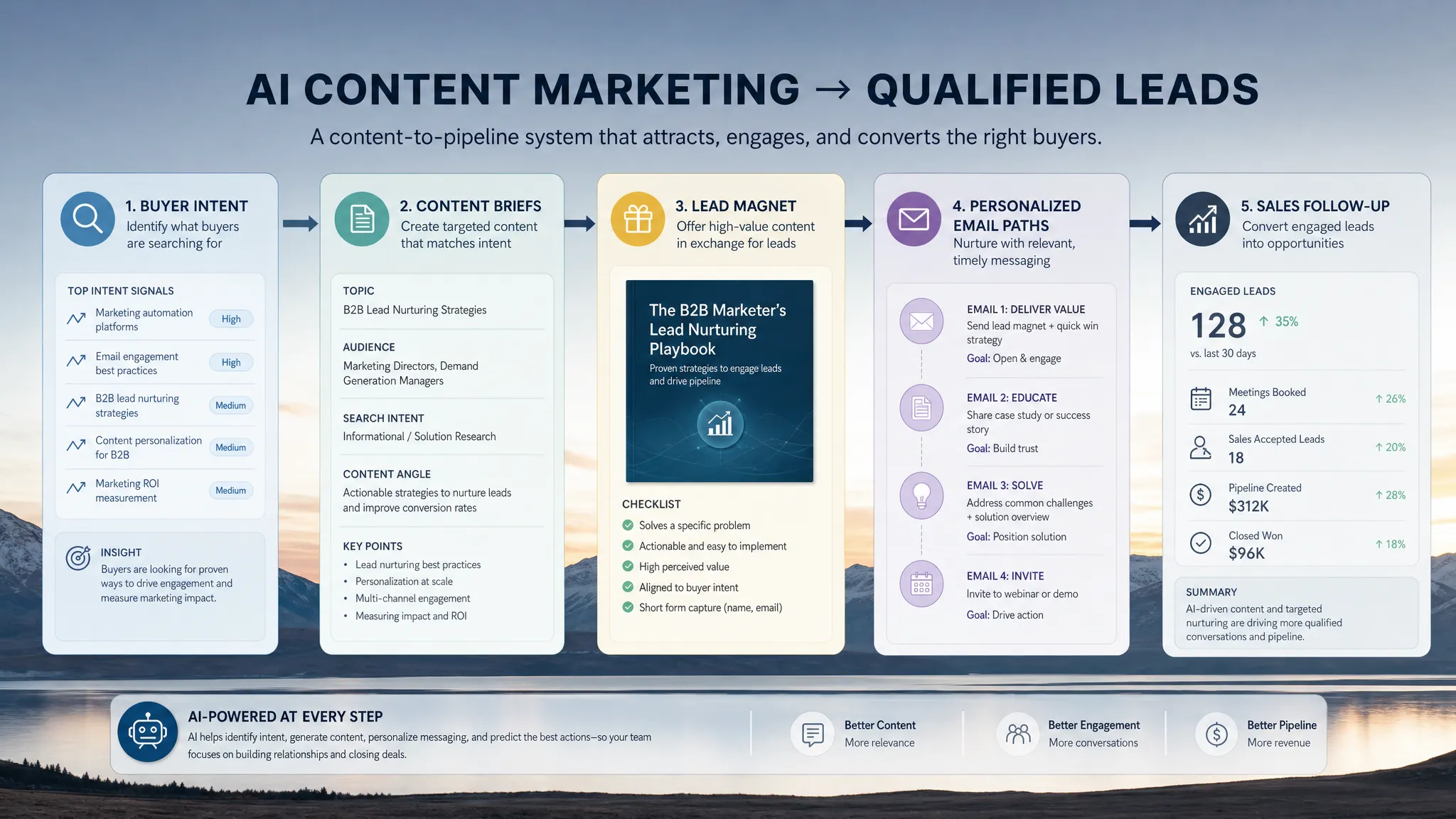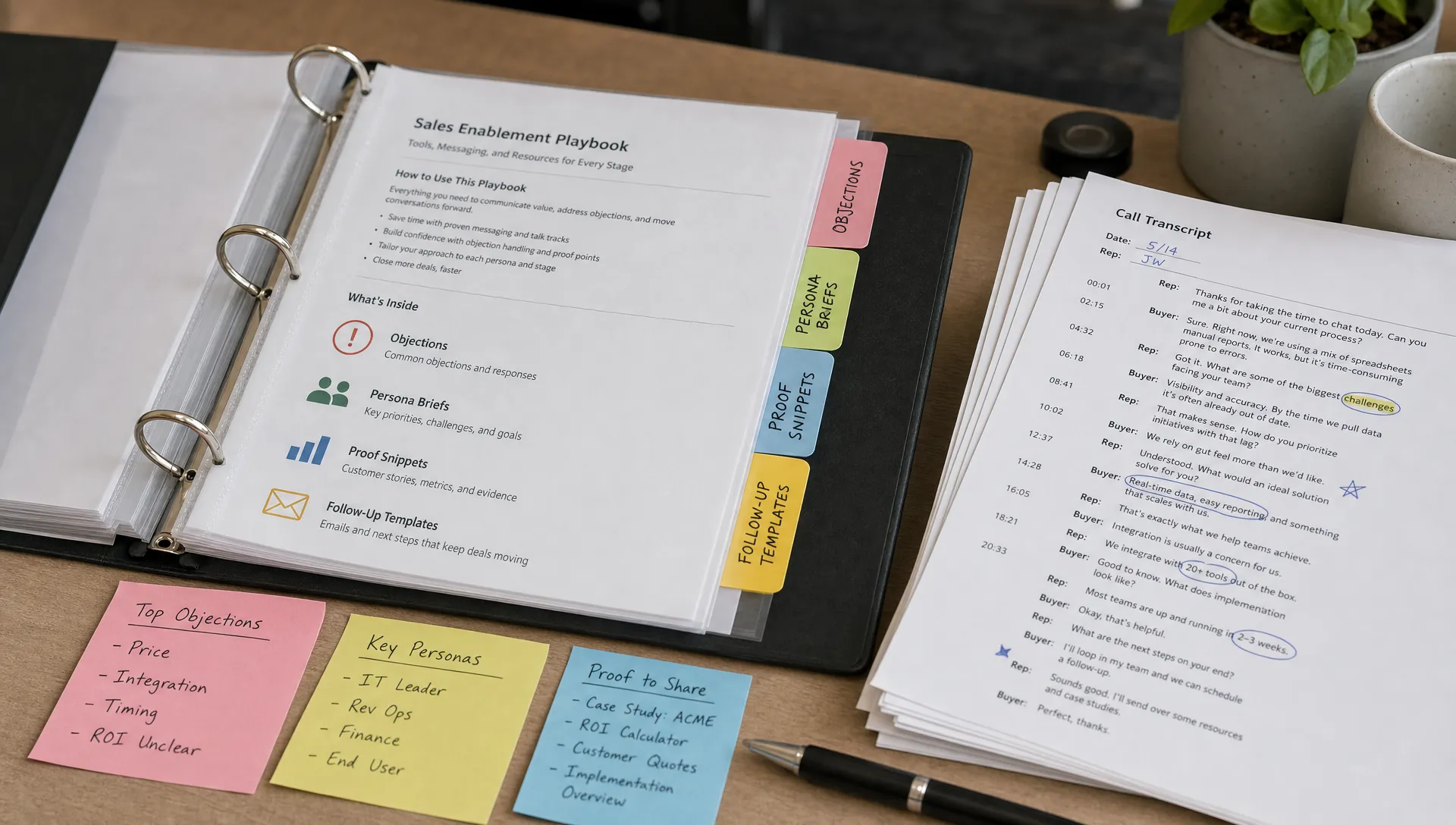
Sales teams rarely need more collateral. They need the right message, proof point, answer or follow-up at the moment a buyer is deciding whether to move forward. AI-powered sales enablement content helps marketing and sales teams turn scattered knowledge into useful assets that reps can trust, personalize and send without starting from a blank page.
The goal is not to replace sales judgment. The goal is to give every rep faster access to approved positioning, buyer-specific insight and content that reflects real conversations. When AI is connected to your ideal customer profile, objection patterns, product messaging and customer proof, it becomes a force multiplier for revenue conversations.
Traditional enablement often starts with a campaign calendar or a product launch. AI-powered sales enablement content starts with buyer friction. It asks where prospects stall, what questions they ask, which objections repeat and what information helps them feel safe enough to act.
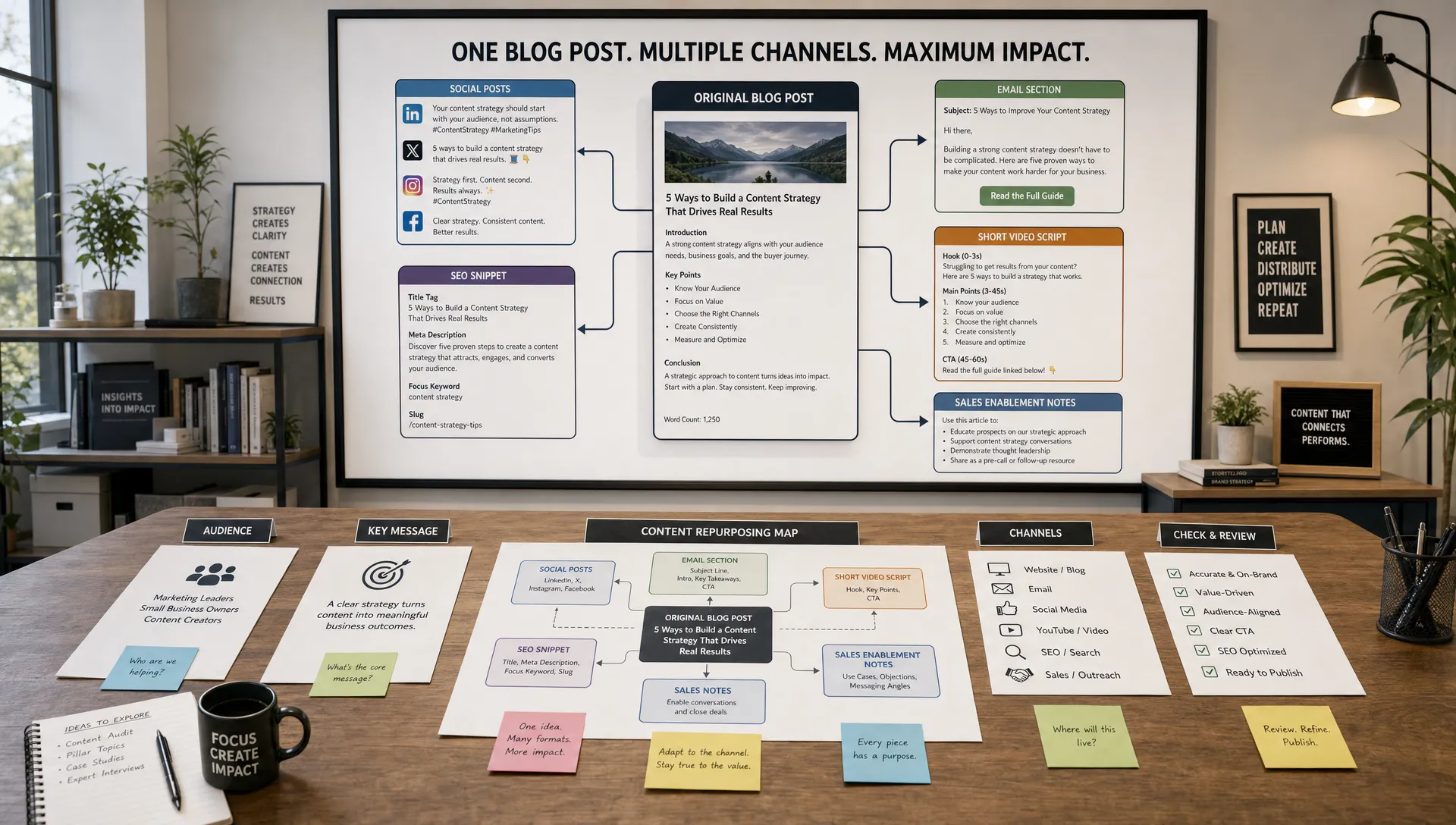
That difference changes the content you create. Instead of one static sales deck for every scenario, you build modular assets that can be adapted by industry, buyer role, deal stage and account context. AI helps assemble those modules into emails, call talk tracks, competitive notes, discovery summaries and follow-up resources.
| Ordinary sales collateral | AI-supported enablement asset | Why it helps sales |
|---|---|---|
| Generic product one-pager | Persona-specific value brief | Connects features to role-specific pain points |
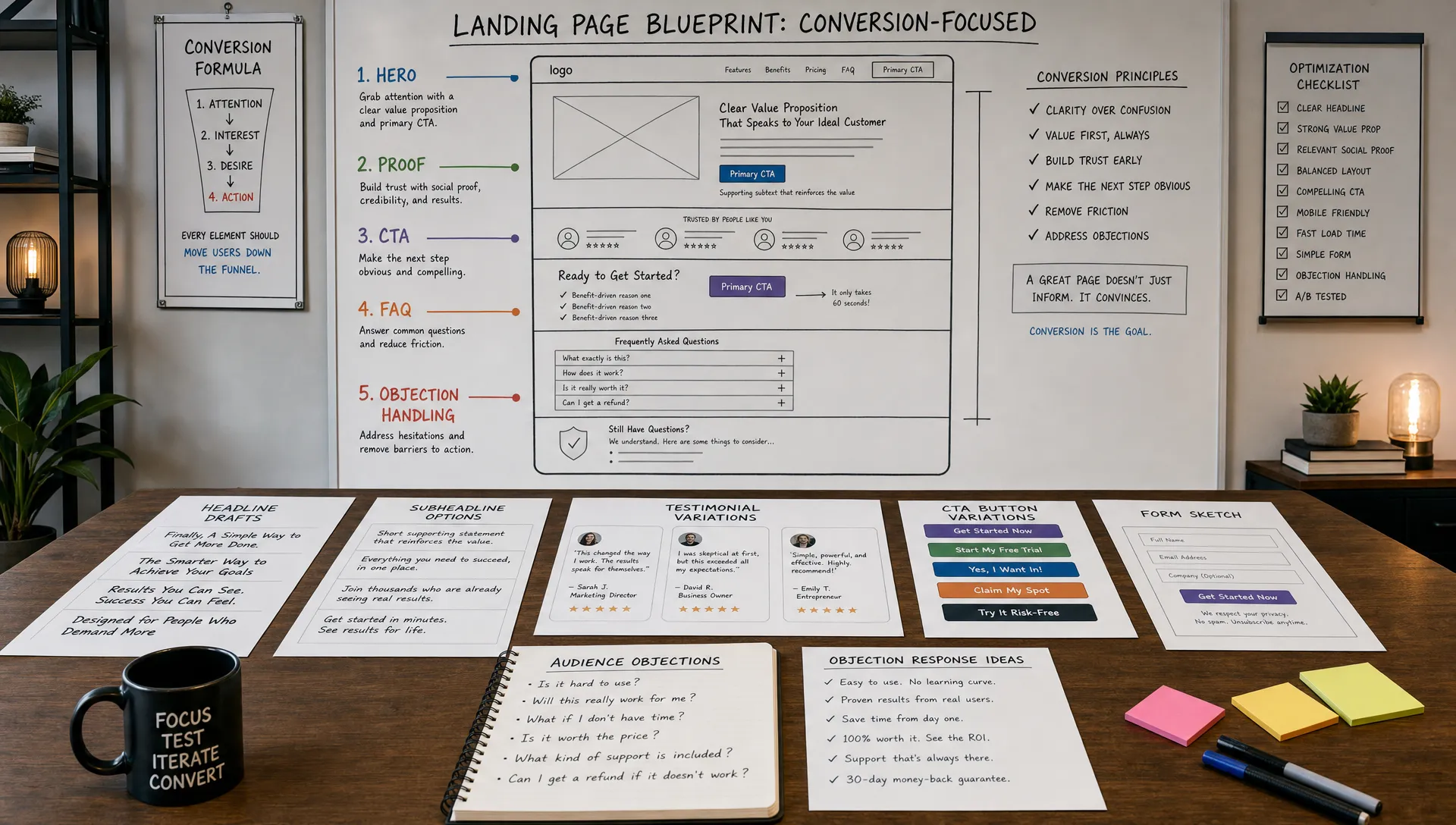
| Static objection document | Searchable objection response library | Helps reps answer concerns quickly and consistently |
| Long case study PDF | Short proof snippets by industry or use case | Makes customer proof easier to use in live deals |
| Single email sequence | Stage-based email variations | Matches timing, urgency and buyer awareness |
| Manual meeting recap | AI-assisted follow-up summary | Reduces admin work and improves next-step clarity |
AI can produce words quickly, but speed is only useful if the content is grounded in reality. The best AI-powered sales enablement content is built from verified inputs, reviewed by humans and measured against sales outcomes rather than content volume.
AI quality depends heavily on context. If your prompts only include a product name and a request for a sales email, you will get generic copy. If your prompts include buyer pain points, sales stage, industry language, approved proof points and known objections, the output becomes much more useful.
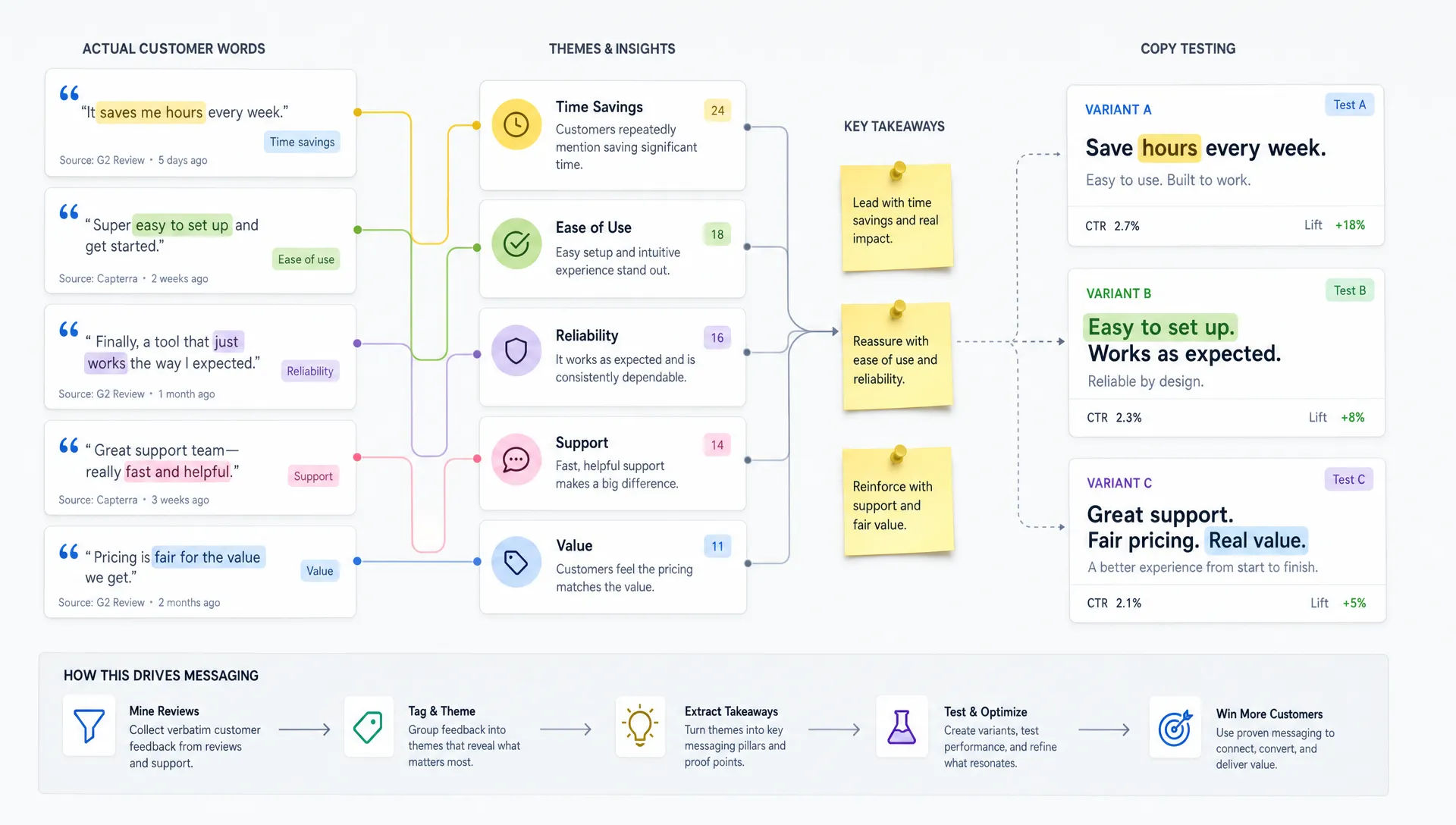
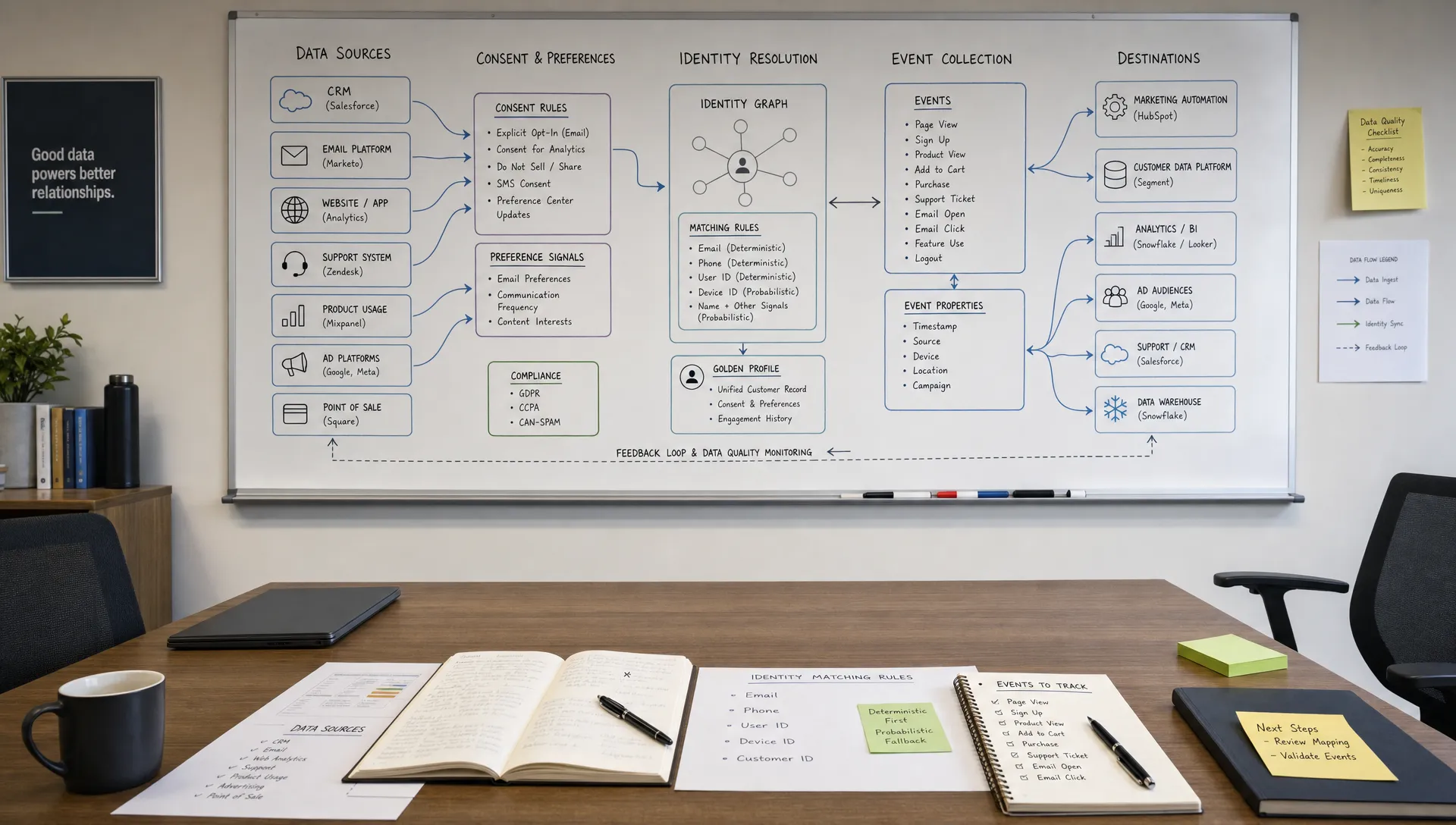
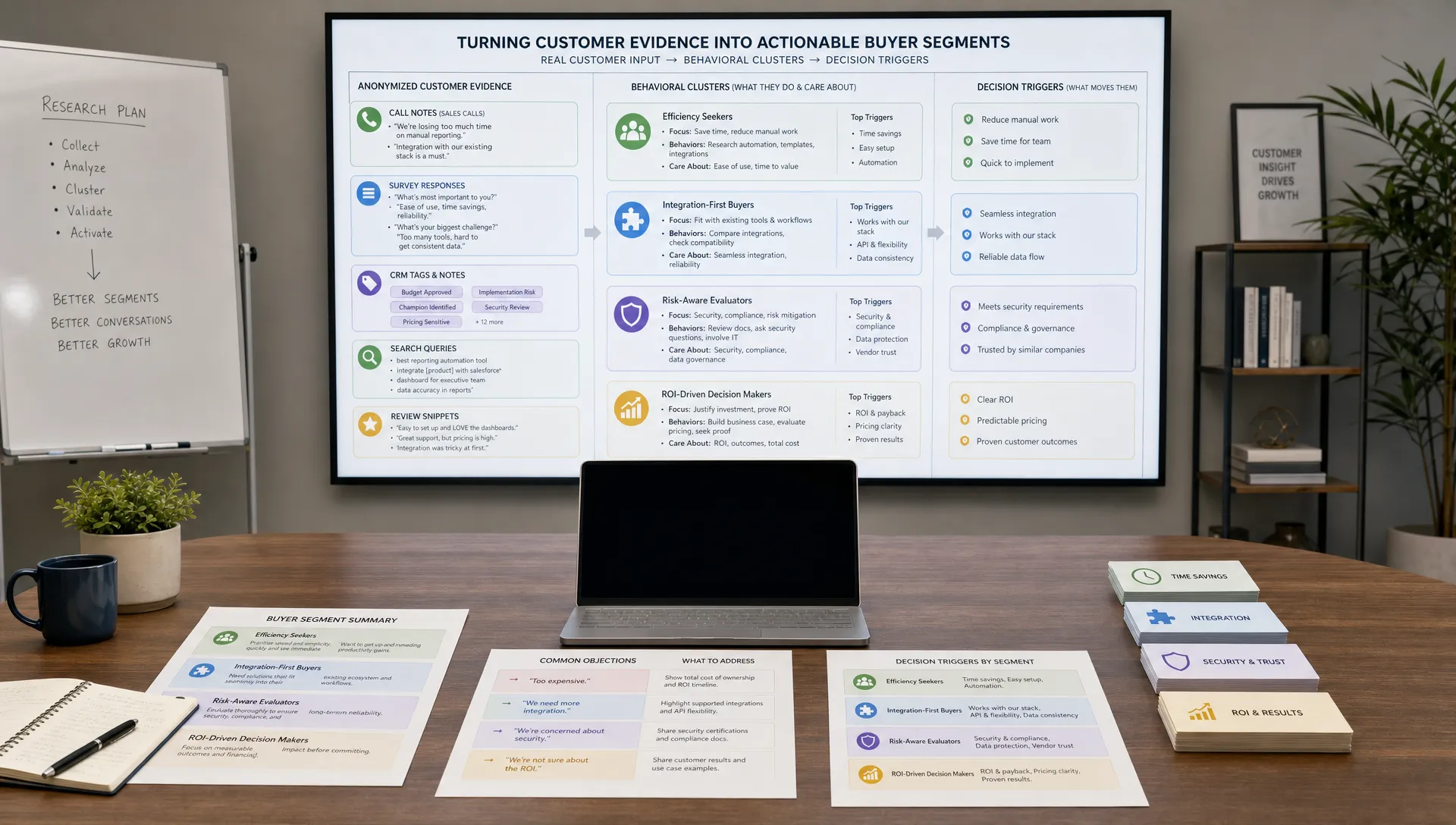
Start by collecting inputs from the places where buyer truth already lives. That usually includes CRM notes, recorded sales calls, support tickets, win-loss notes, onboarding feedback, product marketing documents and high-performing sales emails. If your team is already creating a structured source of approved context, this is where a marketing knowledge base for AI assistants becomes especially valuable.
| Source input | What to extract | Sales enablement use |
|---|---|---|
| CRM notes | Deal stage, objections, stakeholders and next steps | Follow-up emails and account briefs |
| Sales calls | Buyer language, pain points and hesitation signals | Talk tracks and objection responses |
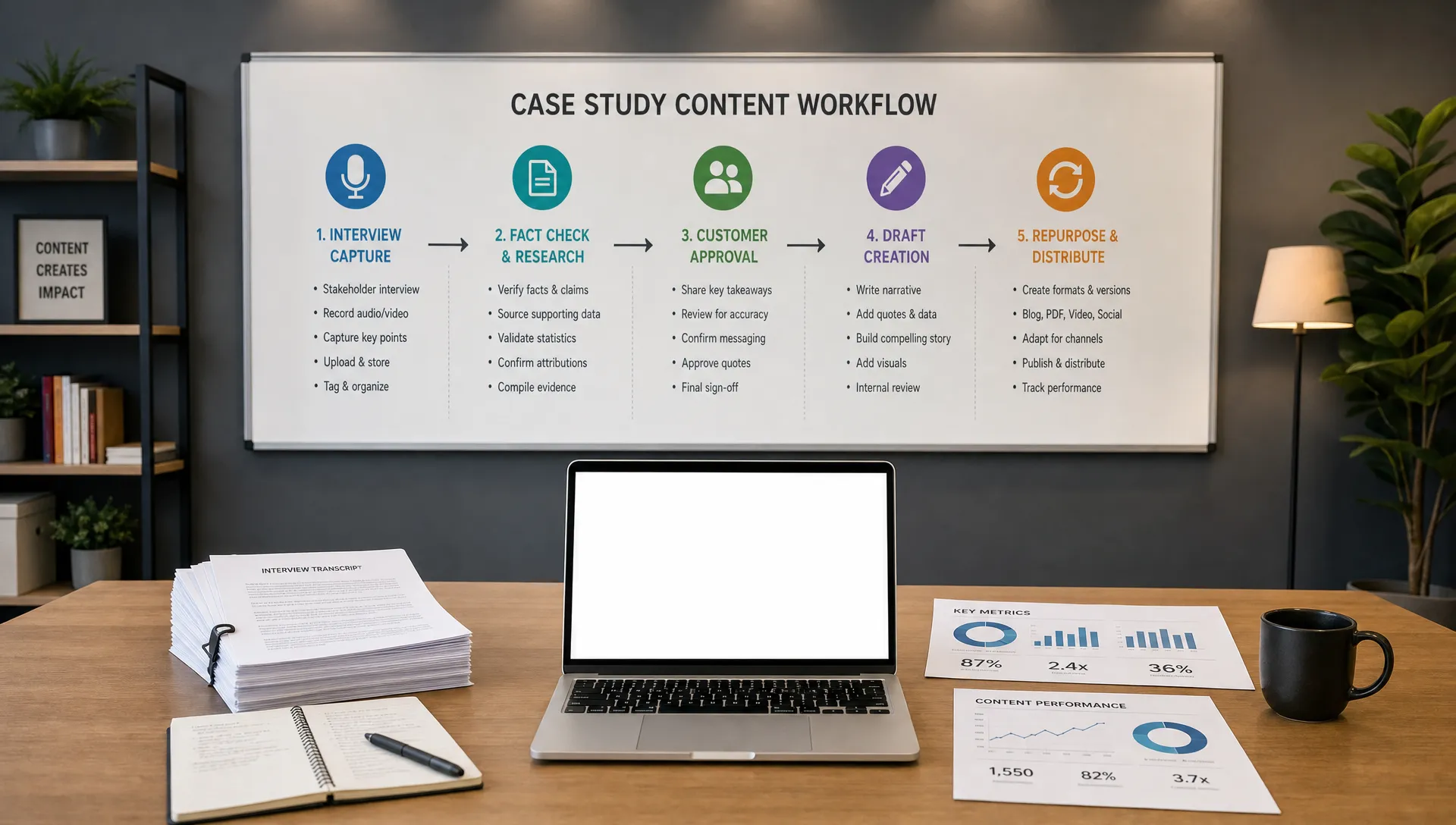
| Customer interviews | Outcomes, before-and-after context and proof | Case study snippets and value narratives |
| Product messaging | Approved claims, differentiators and positioning | Sales decks, one-pagers and battlecards |
| Support tickets | Common confusion, implementation concerns and FAQs | Risk-reduction content and late-stage answers |
Not every input should carry the same weight. Approved messaging, pricing guidance and legal claims should sit in a high-trust layer. Sales notes, call transcripts and informal customer comments are useful, but they need human review before they become reusable content.
This matters because AI-powered sales enablement content often reaches buyers directly. A small hallucination about integration capabilities, compliance, implementation timelines or ROI can create real business risk. Labeling source material by trust level helps your team decide what AI can use freely, what needs review and what should never be generated without approval.
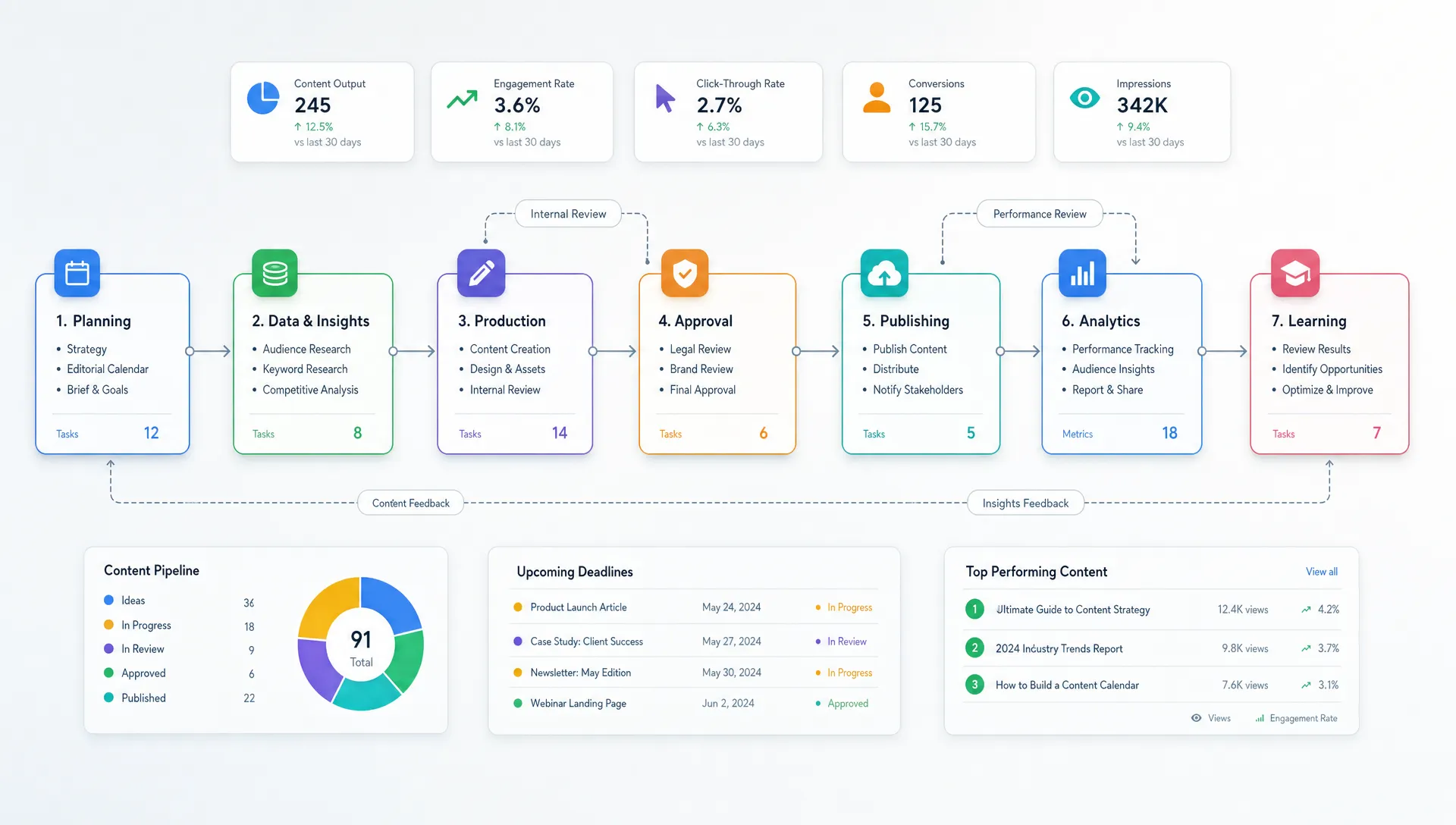
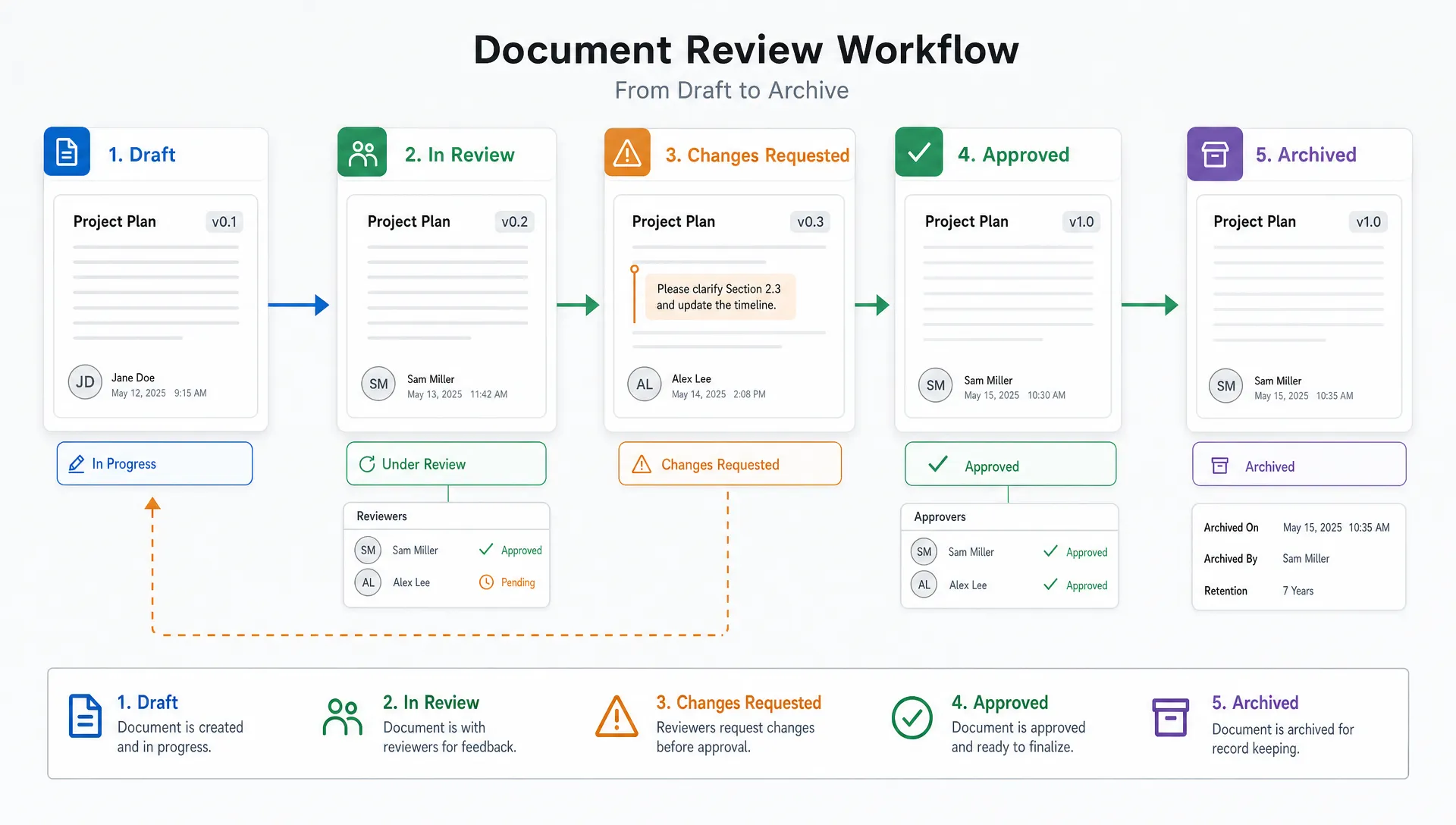
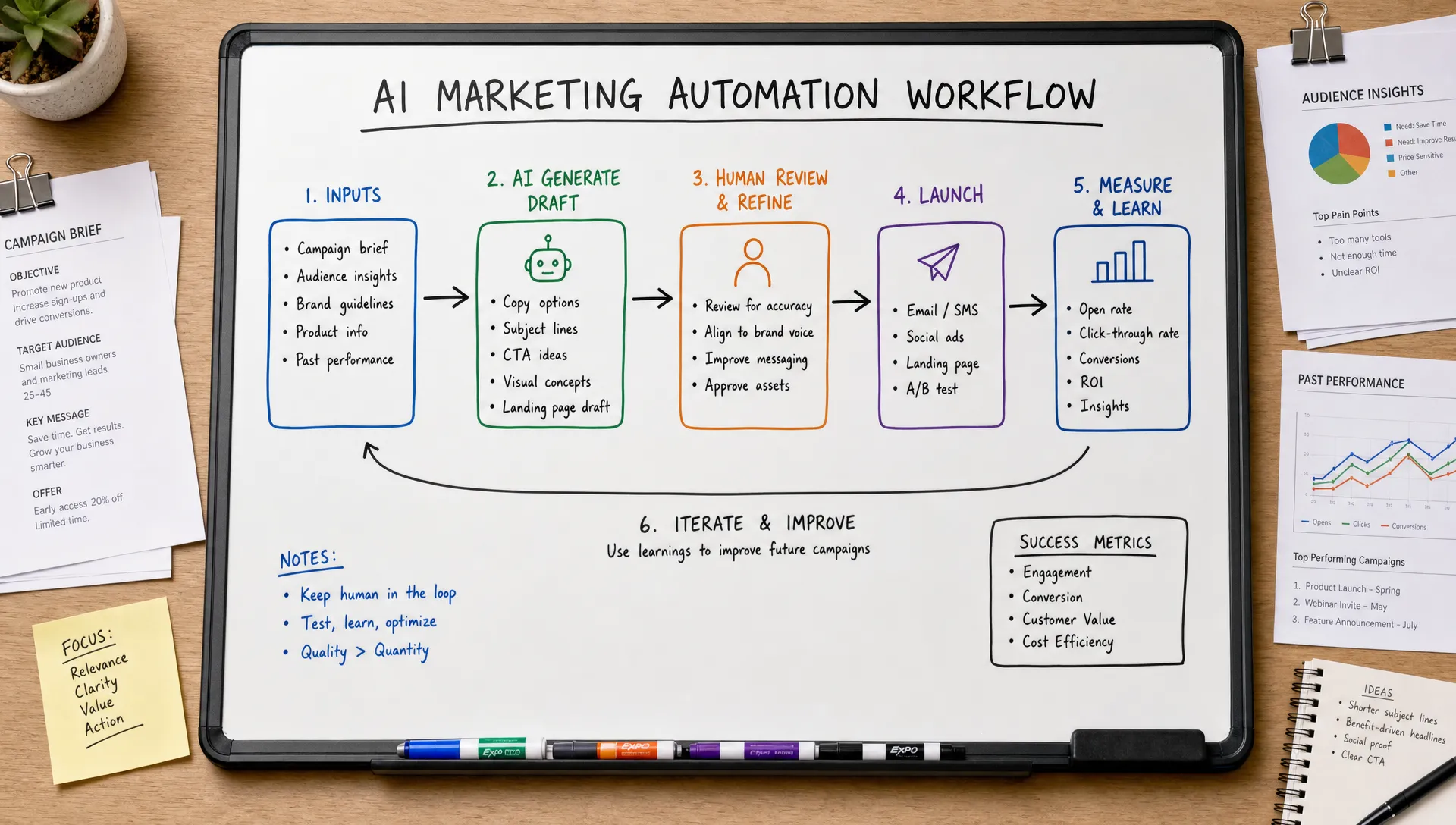
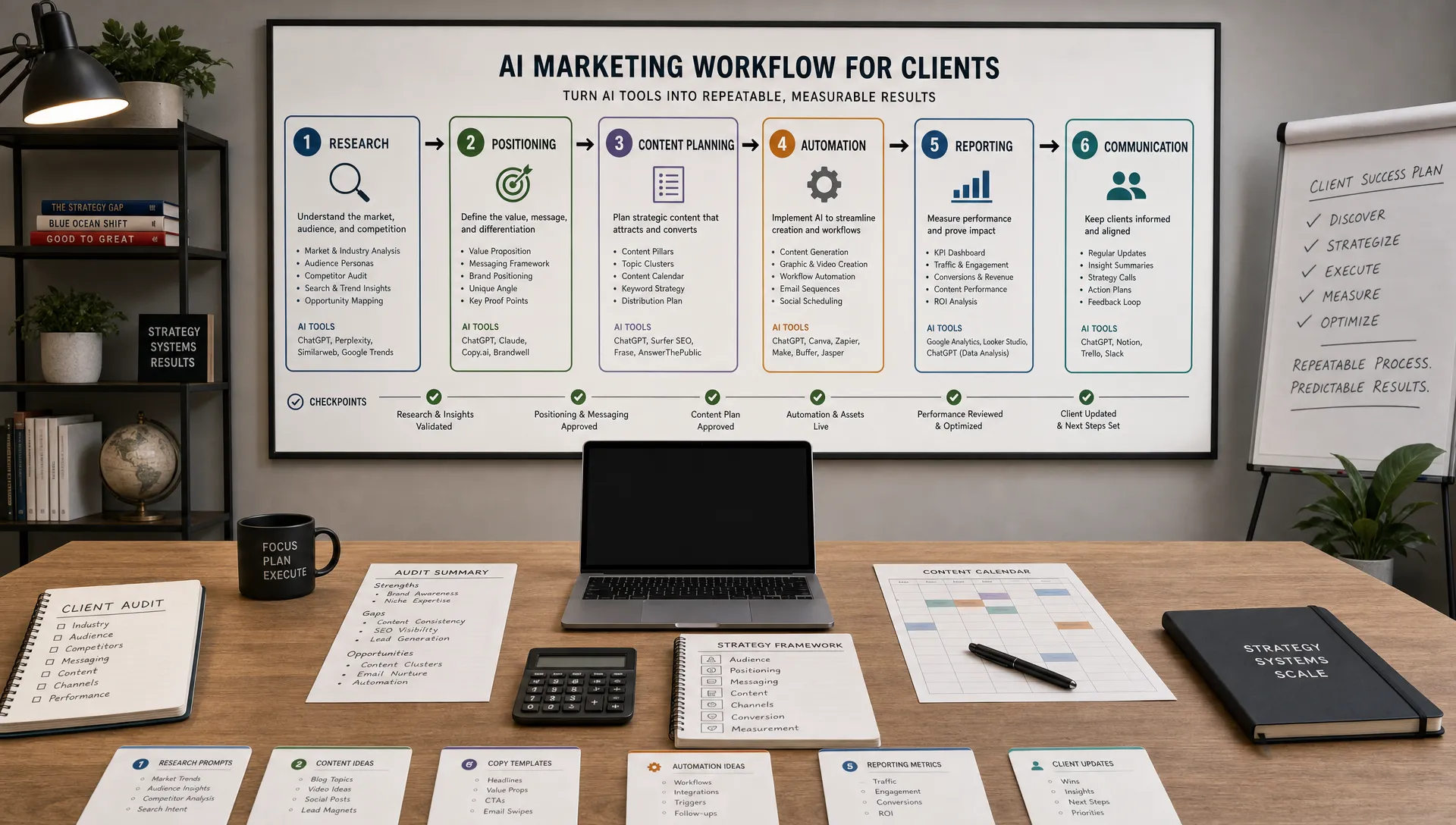
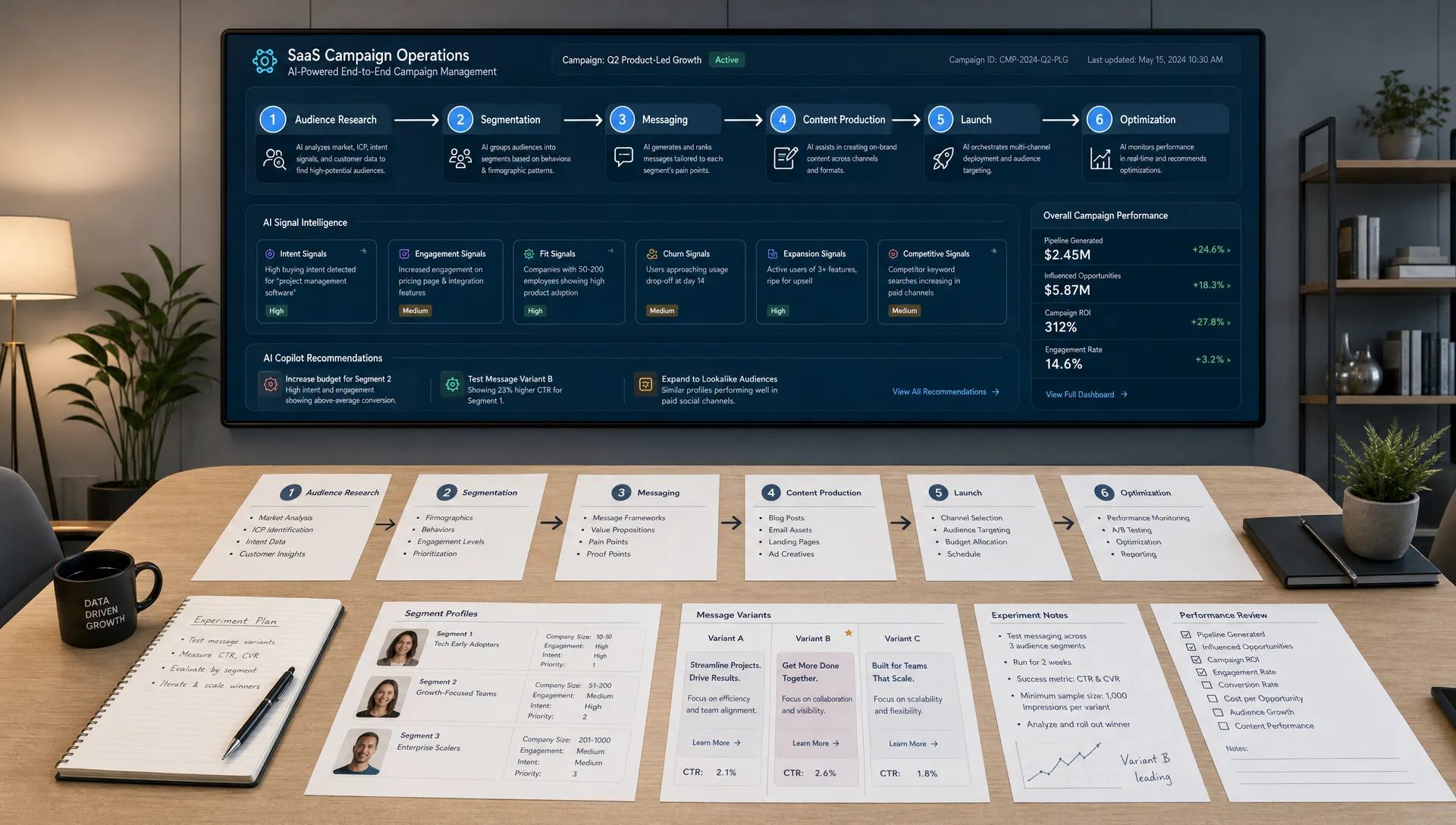
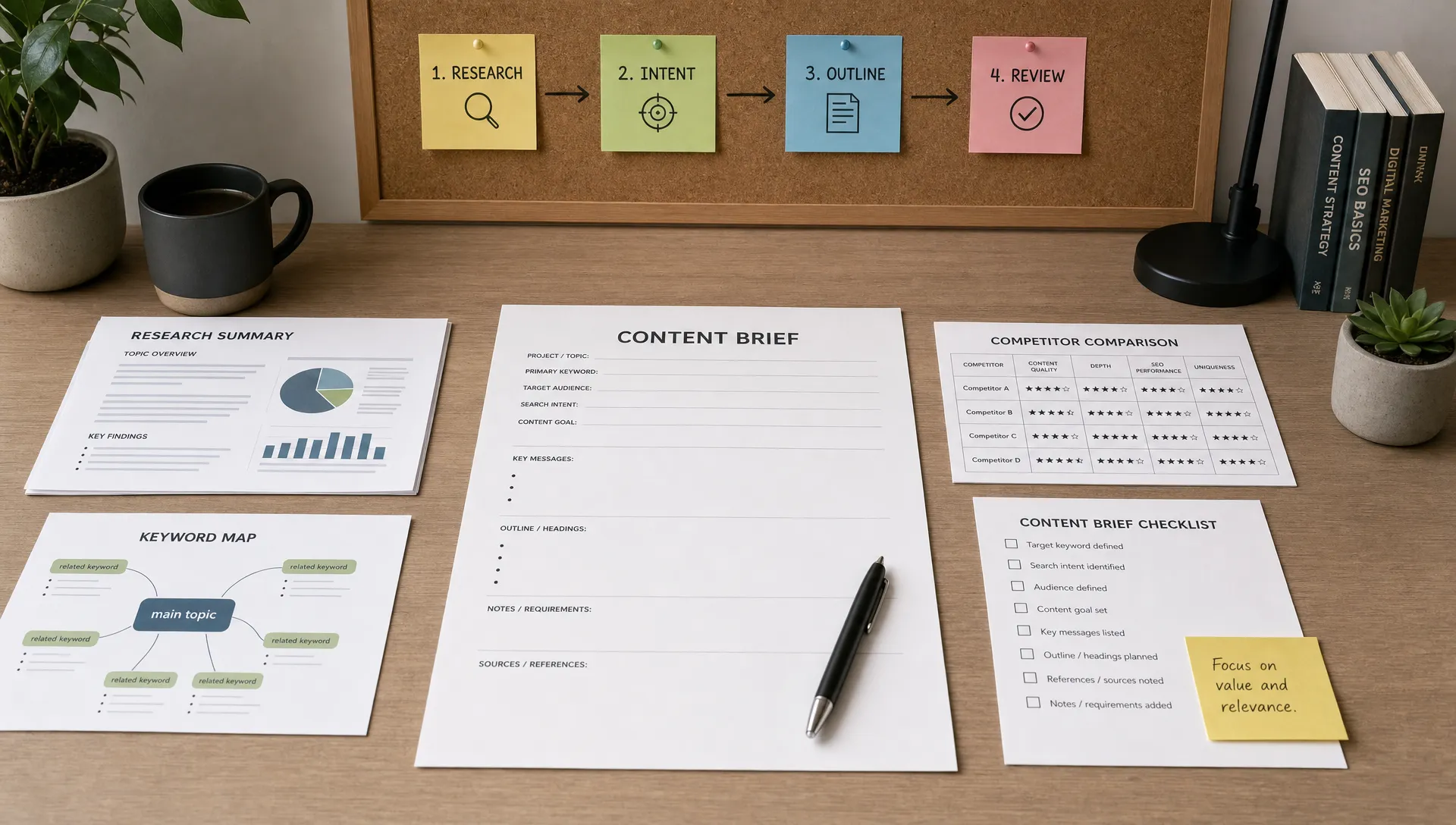
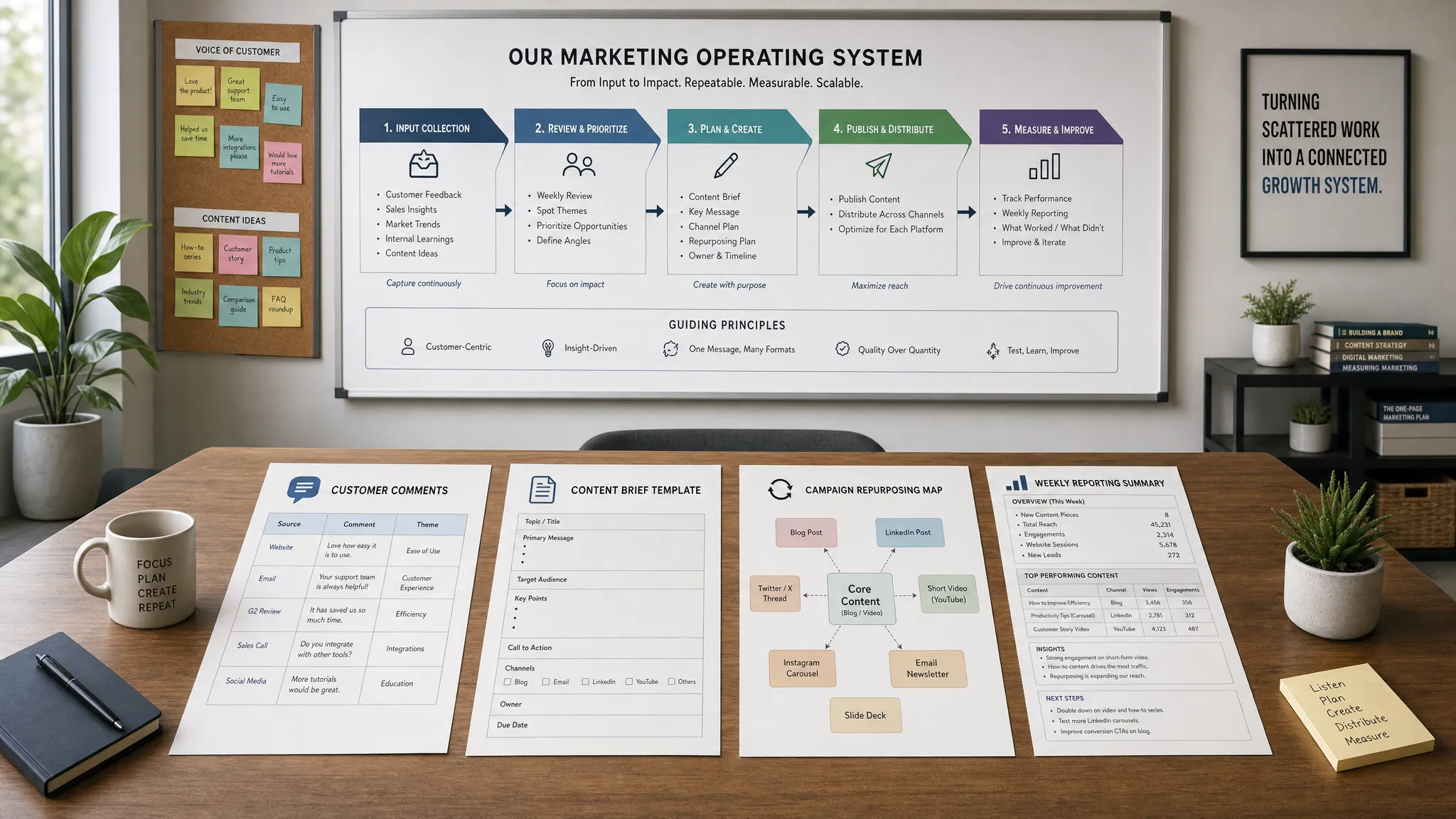
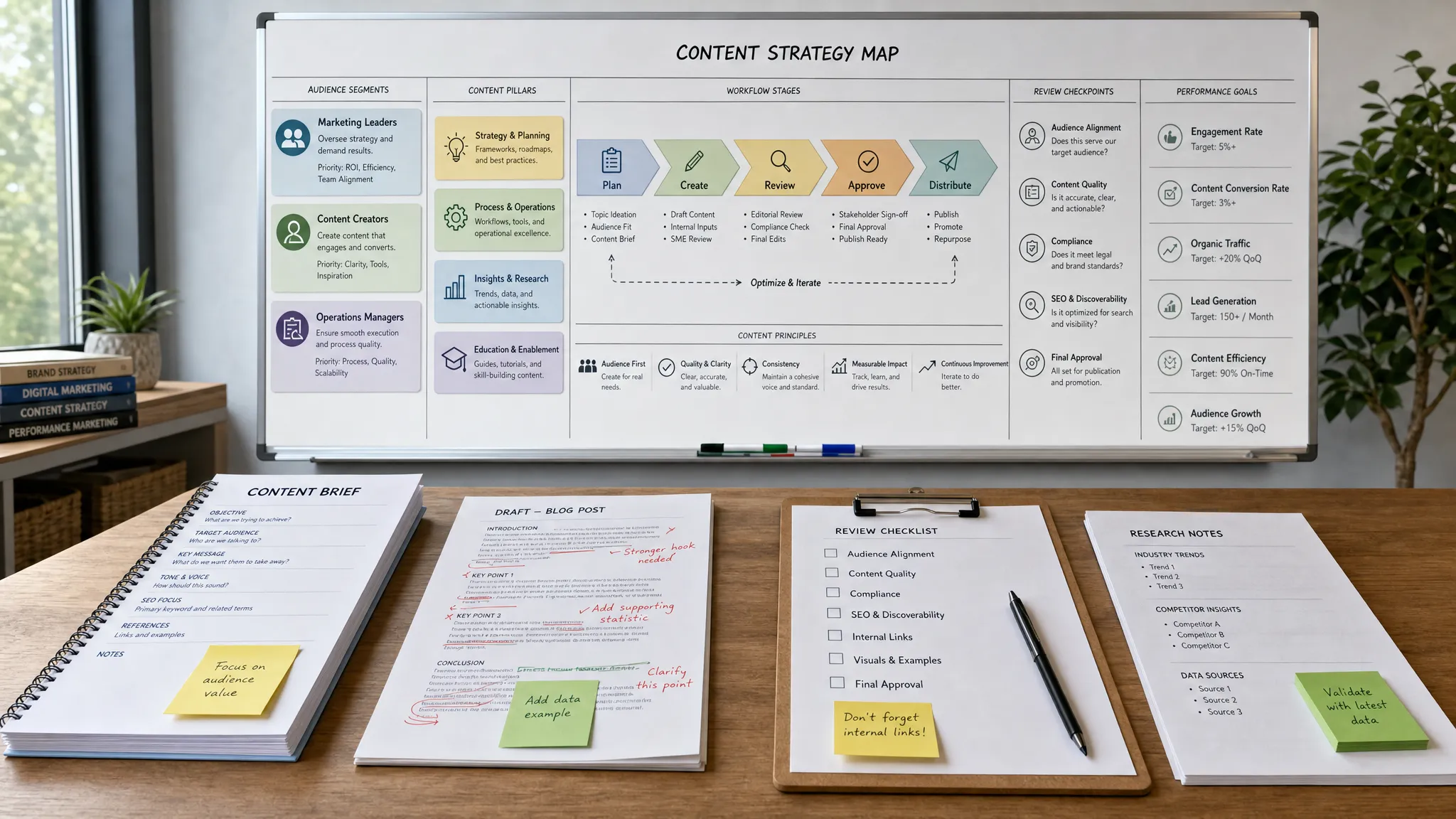
A practical workflow keeps AI from becoming another disconnected experiment. Use the following process to move from raw sales knowledge to content your reps can actually use.
Before generating assets, map your sales cycle by buyer questions. Early-stage buyers may ask why they should change. Mid-funnel buyers may compare vendors. Late-stage buyers may need implementation clarity, internal approval material or risk reduction.
This map prevents your team from creating content based on assumptions. For each sales stage, document the buyer question, the rep goal, the content format and the decision barrier. AI-powered sales enablement content performs best when it is tied to a specific moment in the deal rather than a vague goal like nurture leads.
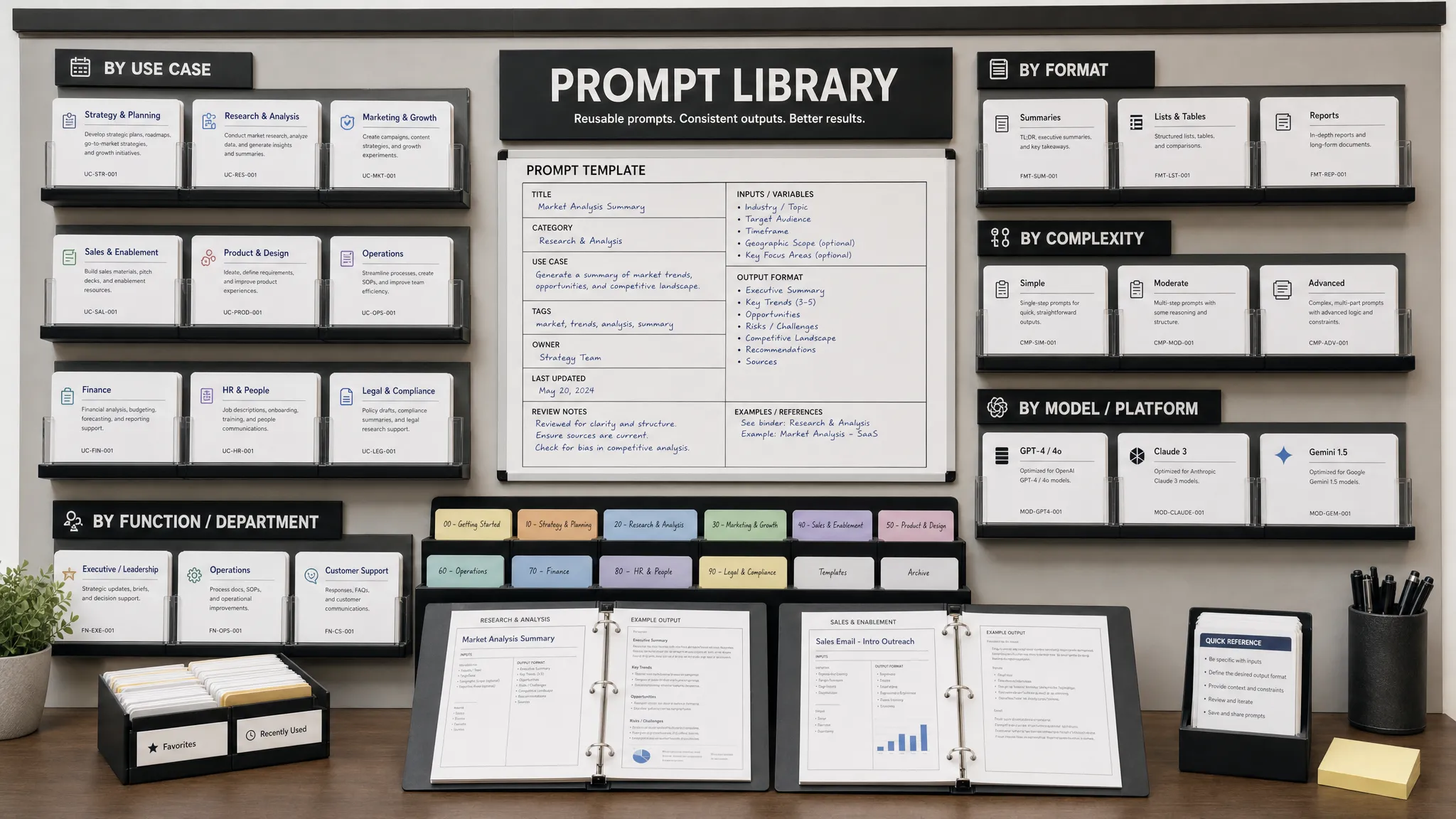
Do not ask AI to create every asset from scratch. Build reusable modules first, then let AI assemble and adapt them. Modules make your content more consistent and easier to govern.
Useful modules include value propositions, approved product explanations, objection responses, customer proof snippets, competitor differentiation, discovery questions, implementation talking points and short ROI narratives. Each module should be tagged by persona, industry, funnel stage and confidence level.
When these modules are ready, AI can create tailored outputs faster without drifting away from your message. This is the difference between AI-powered sales enablement content as a system and AI as a one-off writing assistant.
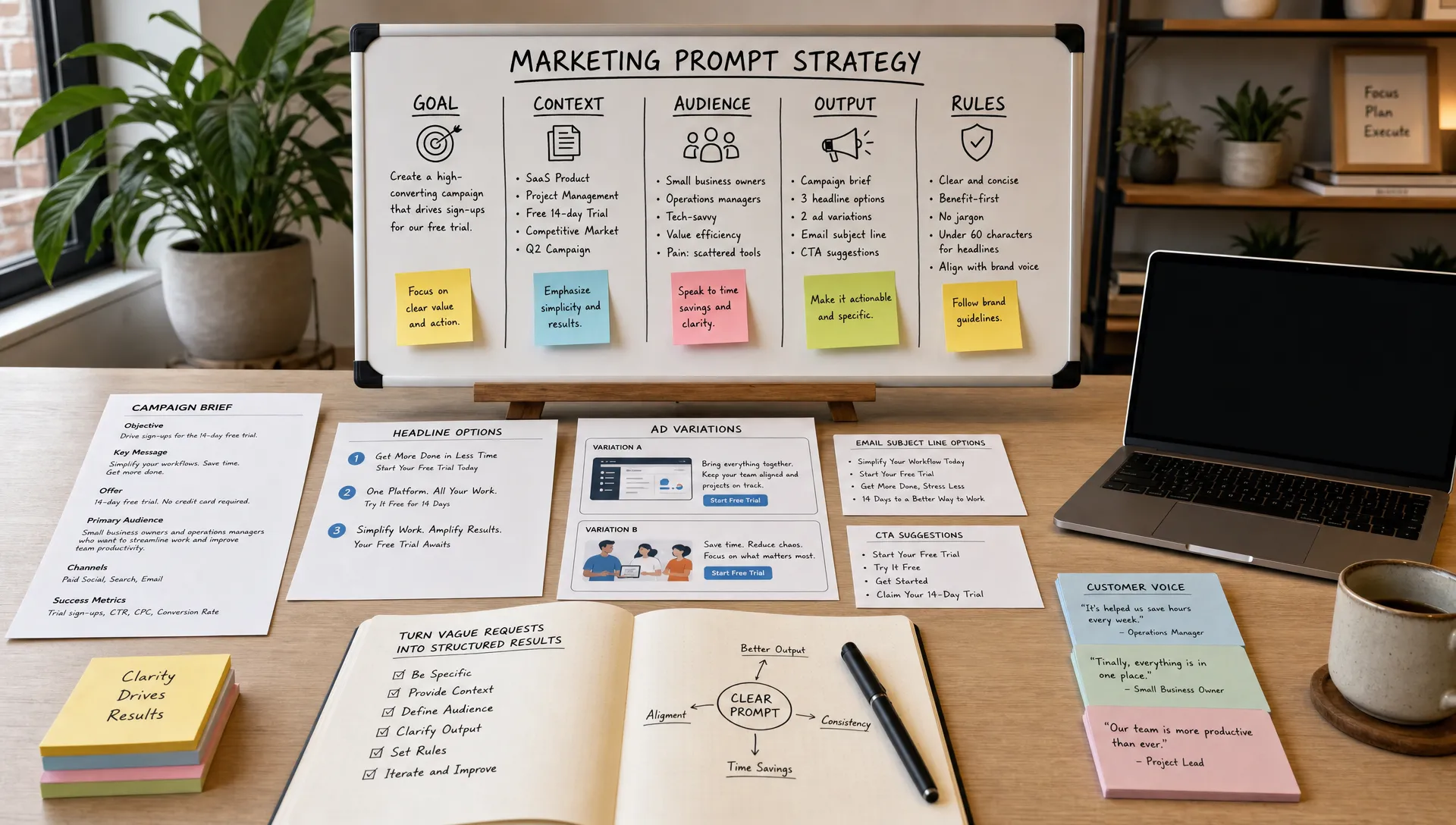
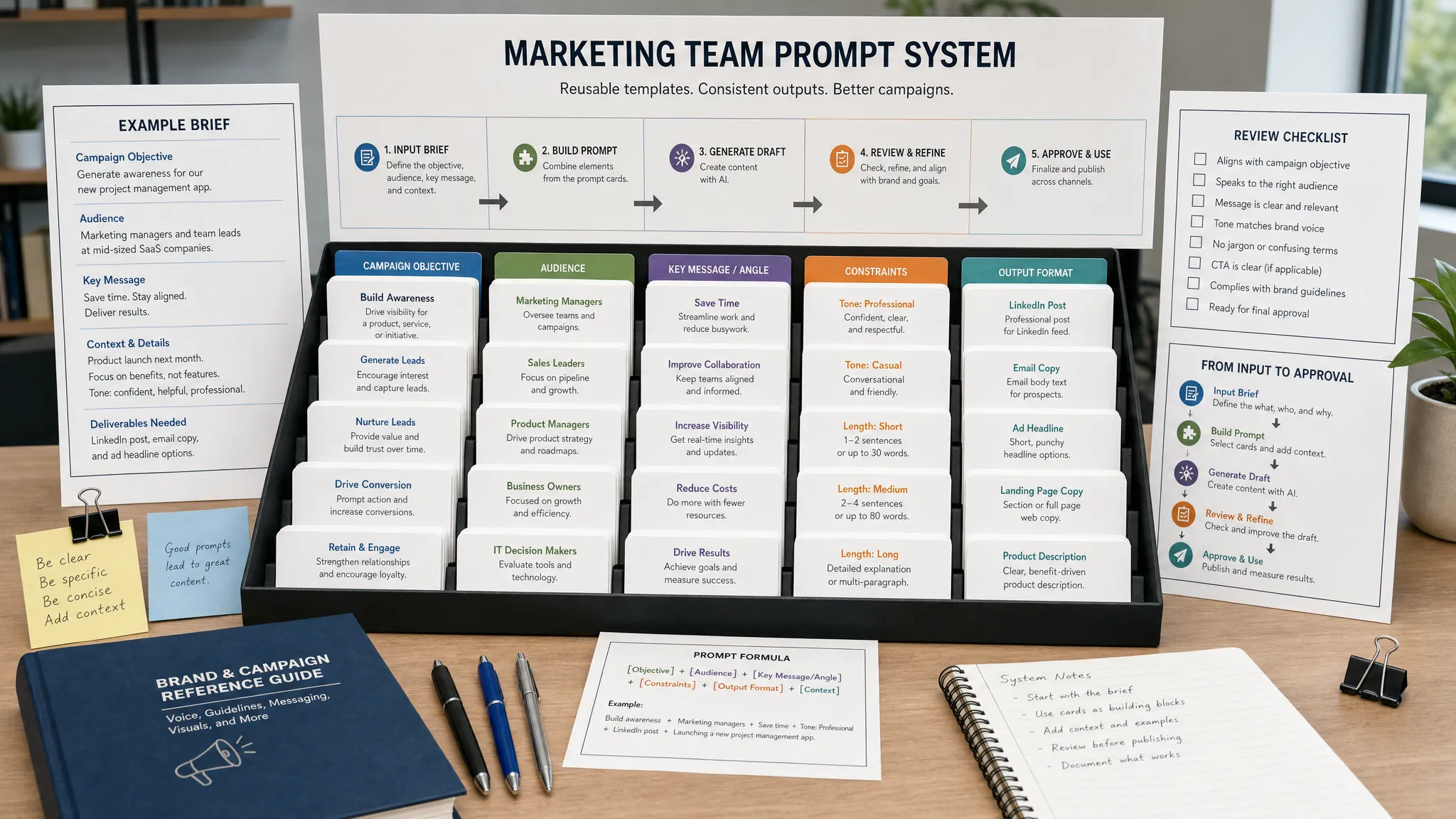
A weak prompt asks for a follow-up email. A strong prompt explains who the buyer is, what they care about, what happened in the conversation and what action should happen next.
Use a prompt structure like this:
Create a concise sales follow-up email for a B2B operations leader at a 500-person company. The buyer is evaluating workflow automation options and is concerned about implementation effort. Use the approved value proposition below, address the objection with a practical explanation and include one customer proof point. The tone should be helpful, specific and low pressure. End with one clear next step.
This structure gives AI enough context to produce something a rep can edit instead of rewrite. It also makes review easier because the output can be checked against the inputs.
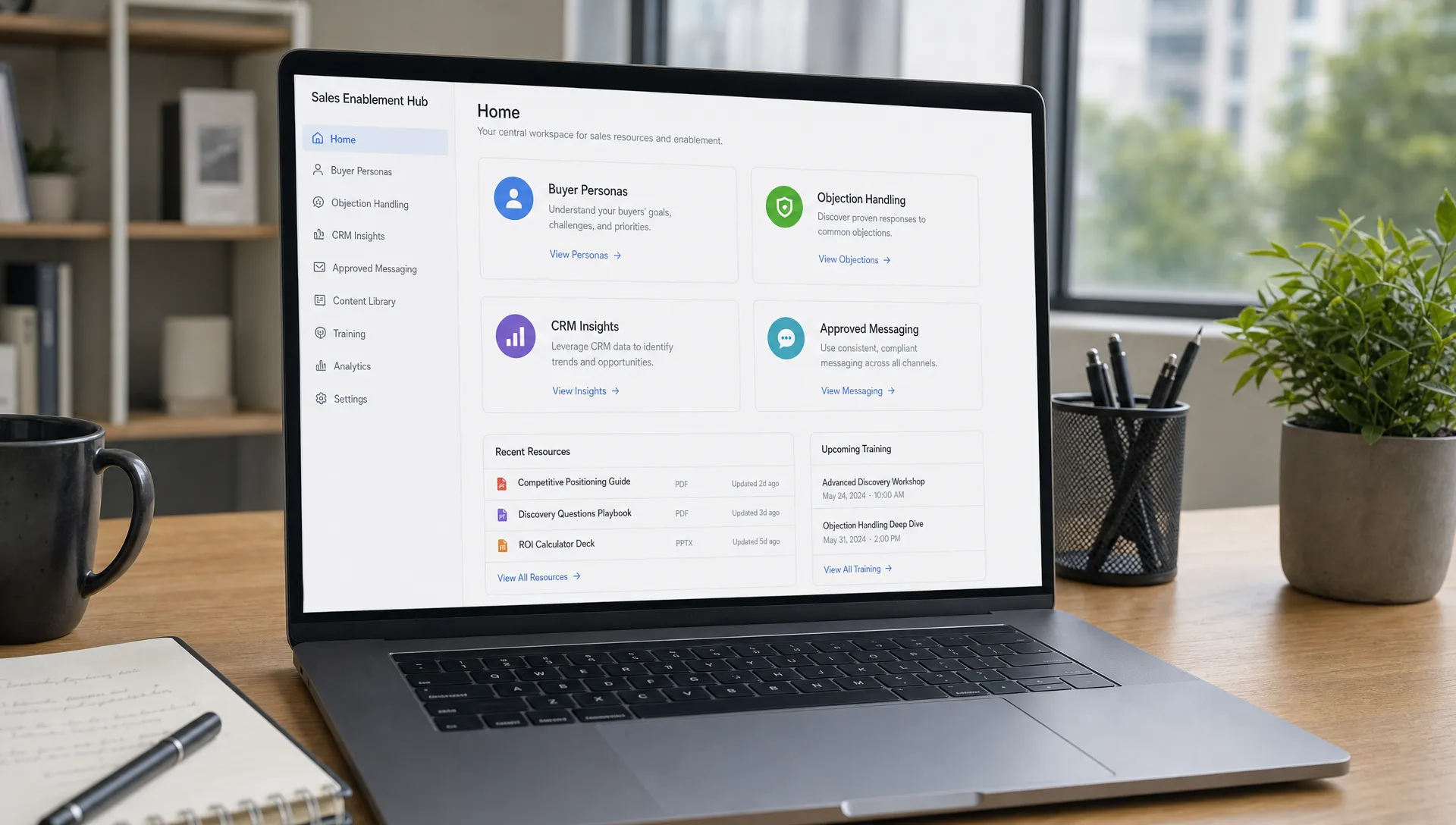
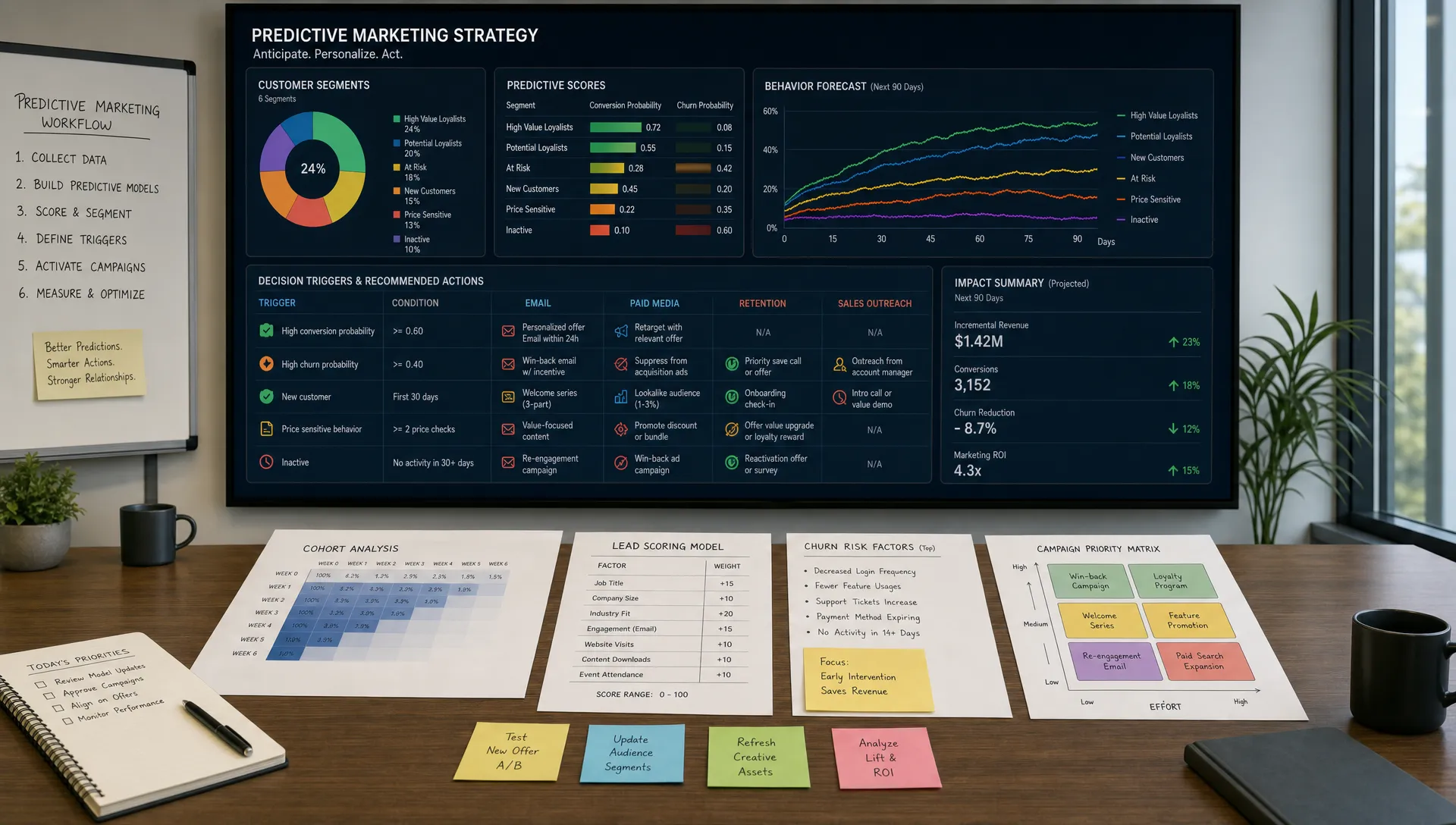
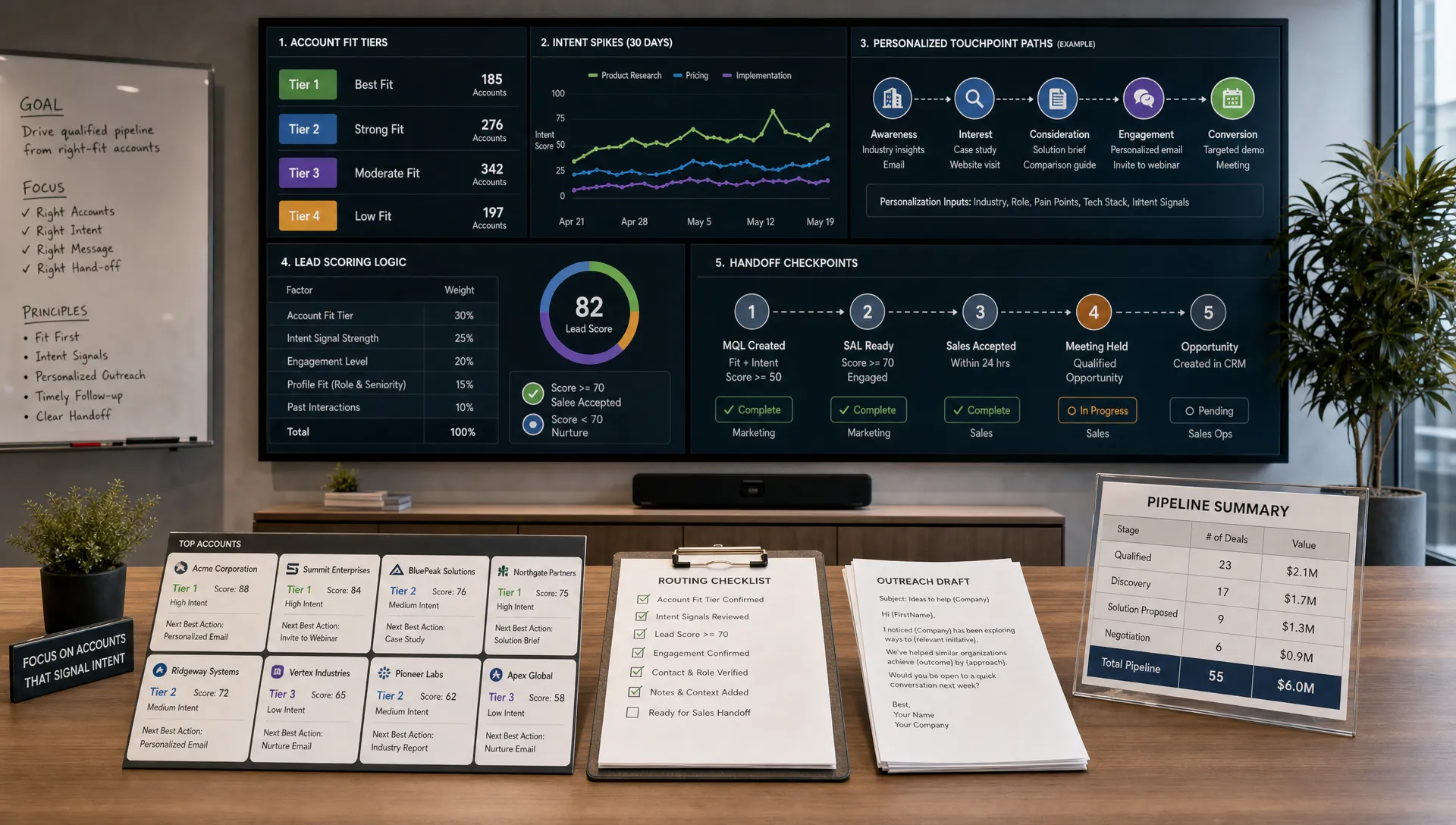
Personalization should not mean adding a first name to a template. It should reflect what the buyer is trying to solve. A CFO, sales leader and operations manager may all evaluate the same product, but each one needs different proof and language.
AI can help translate the same core message into role-specific angles. For example, a sales leader may care about pipeline velocity and rep adoption, while a CFO may care about cost control and measurable business impact. The safest approach is to keep the underlying claims fixed while allowing AI to adapt emphasis, examples and wording.
Even strong content fails if reps cannot find it during the deal. Store assets where sellers already work, such as your CRM, sales engagement platform, shared knowledge base or proposal workflow. The fewer steps required to use content, the more likely it is to influence conversations.
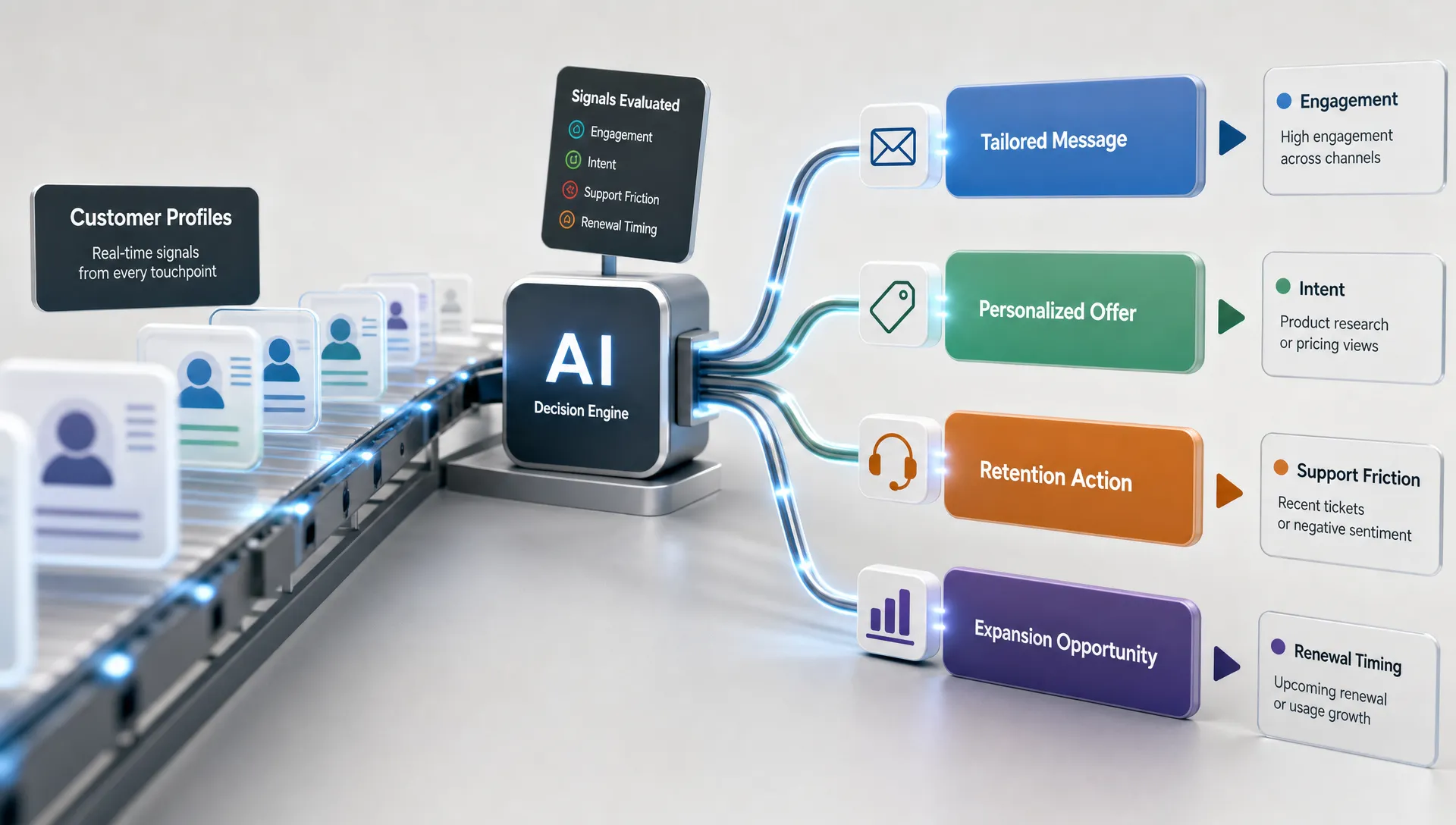
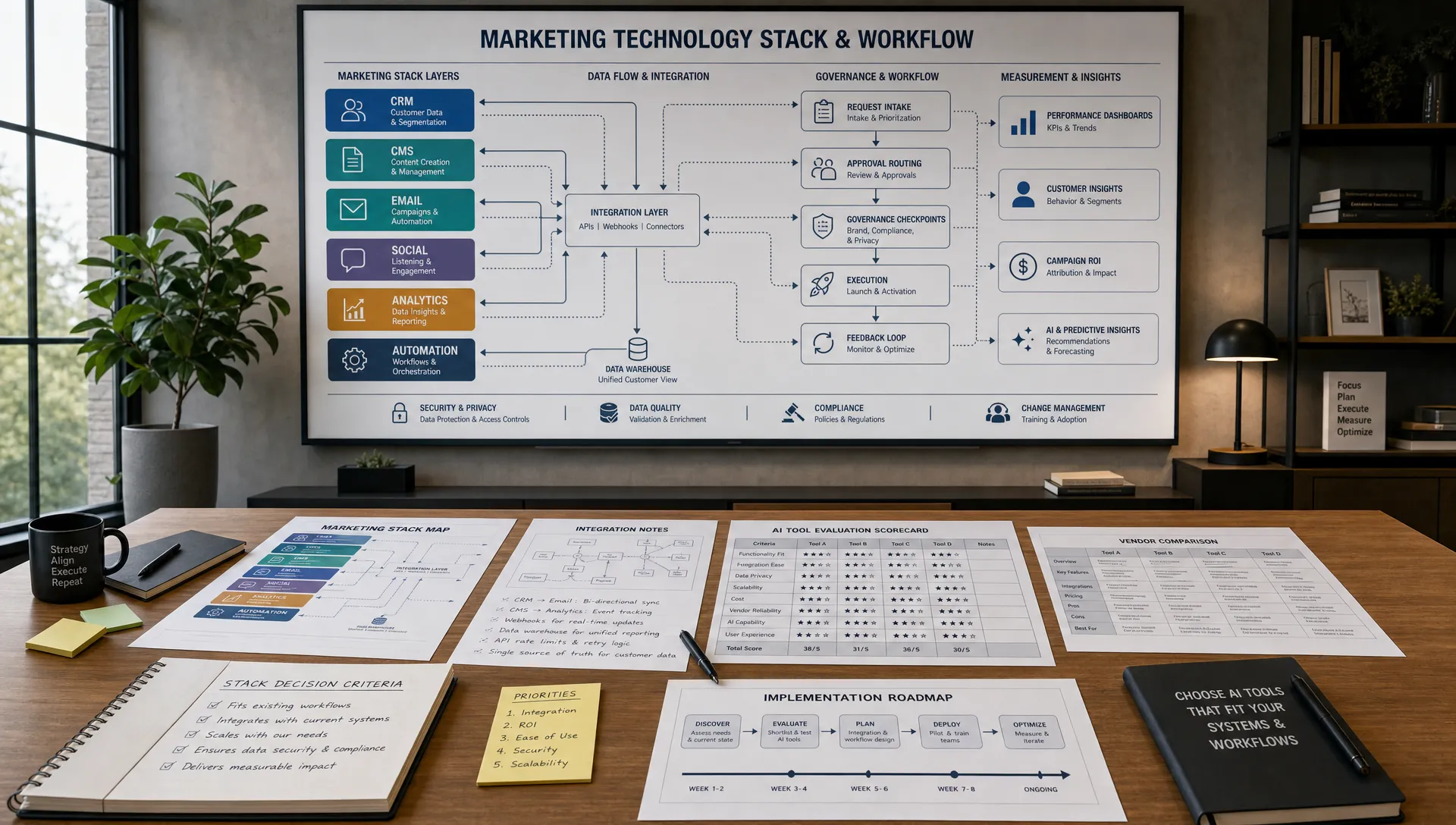
If your enablement plan includes conversational touchpoints, chat-based qualification or autonomous support workflows, this guide to AI chatbots and agents for sales, support and marketing is a useful overview of how data, automation and AI agents fit into implementation planning.
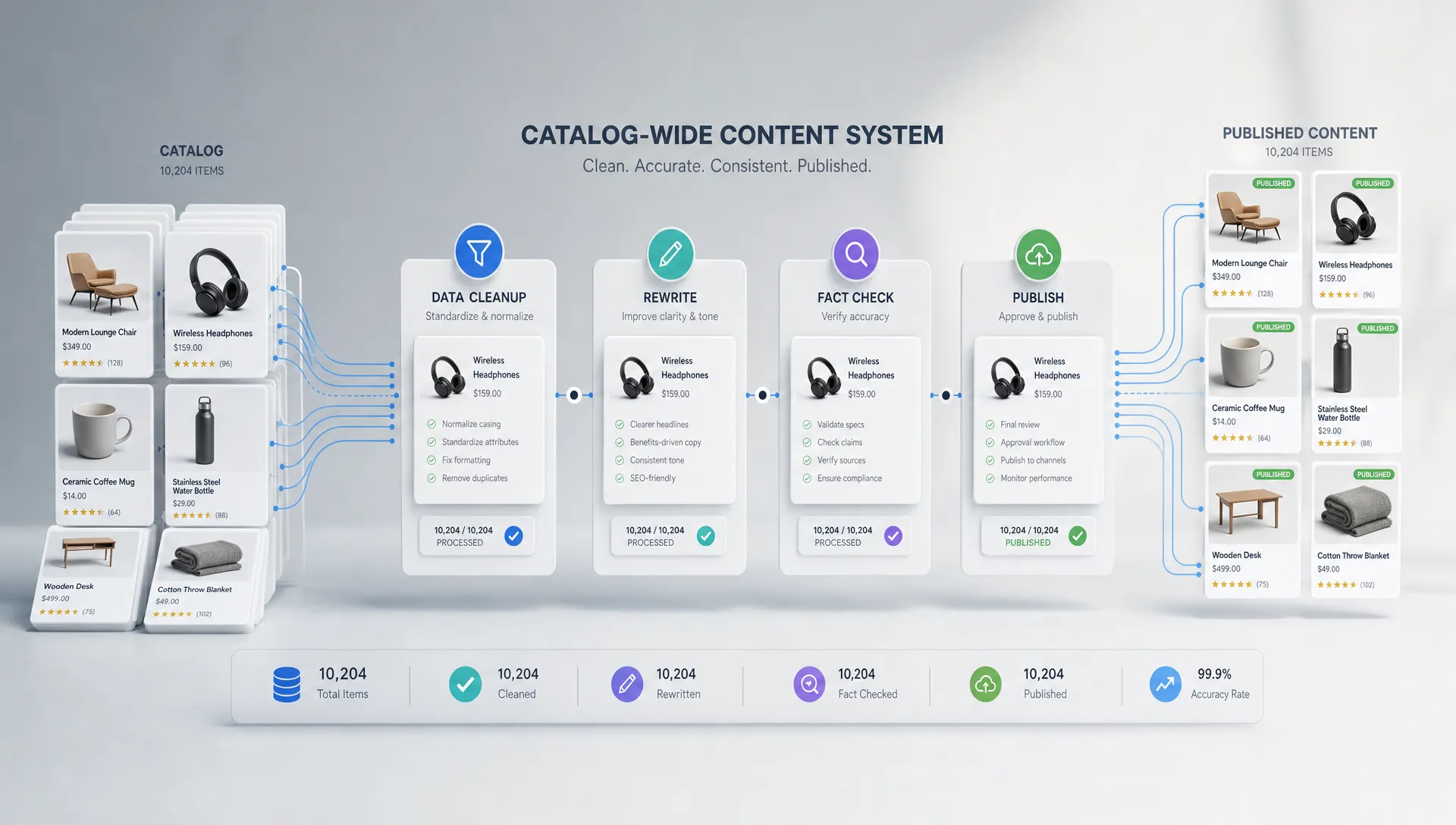
For teams building the broader production process, a structured AI content workflow that scales can help connect briefs, prompts, review steps and publishing operations without losing quality control.
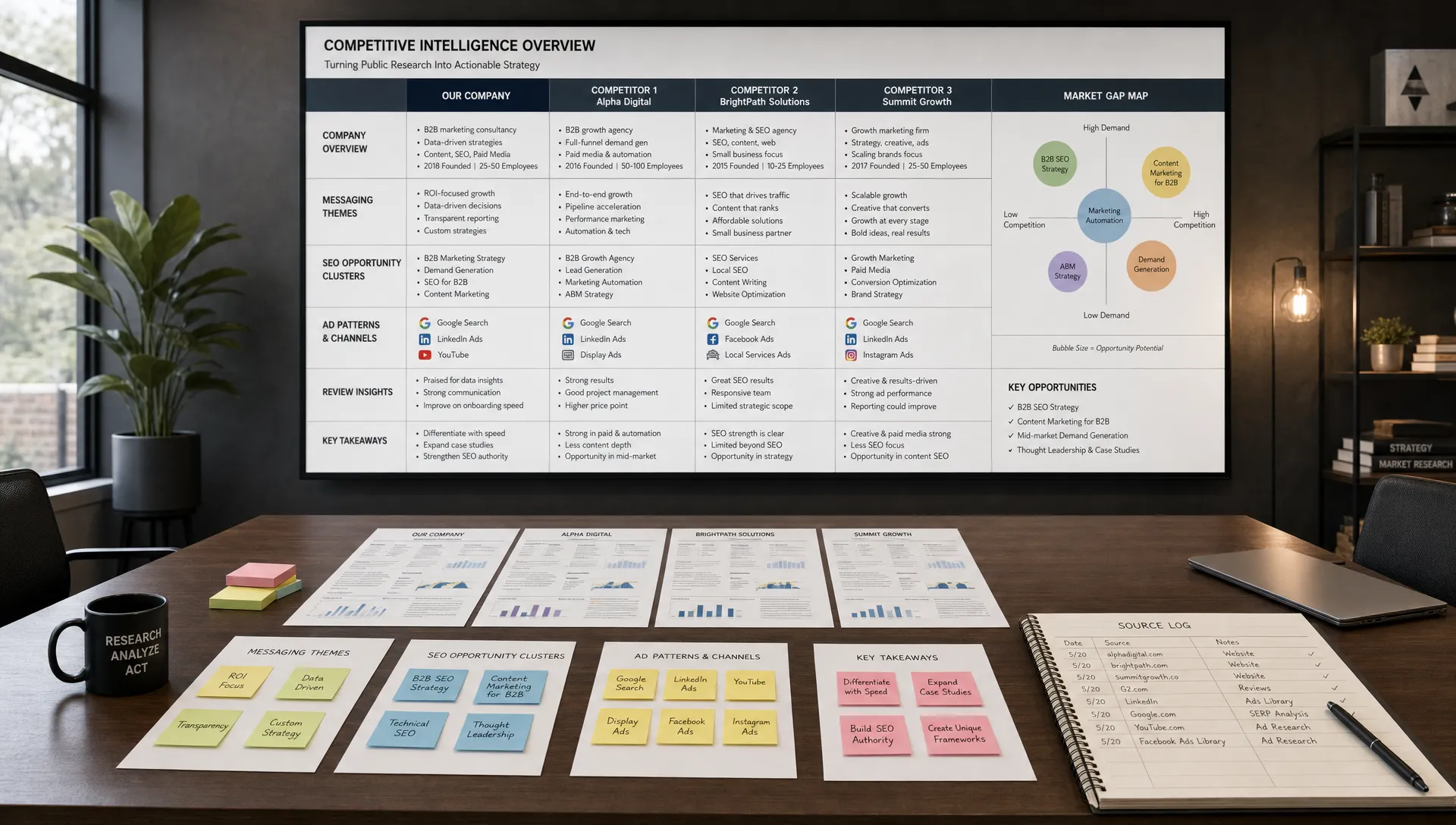
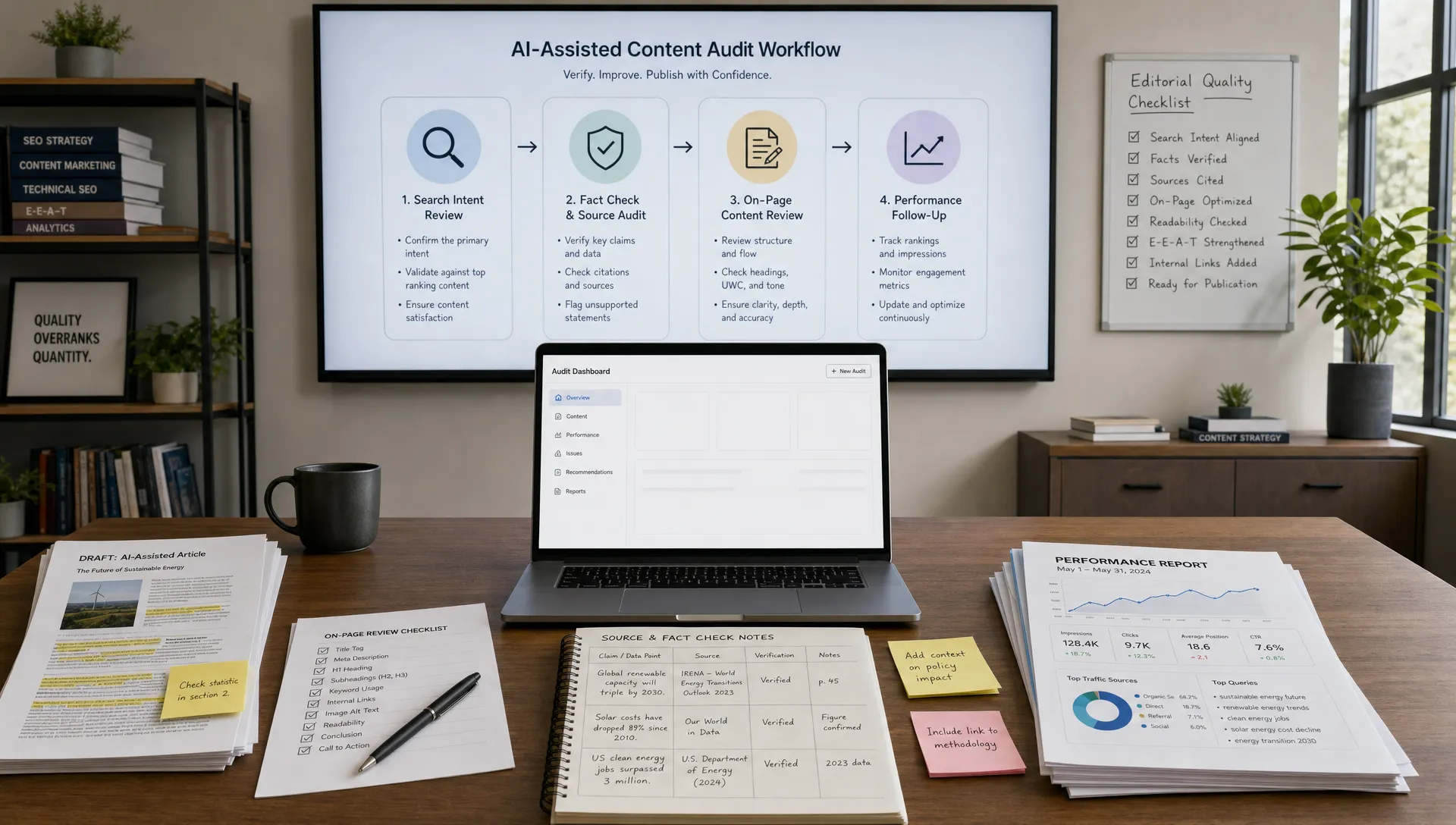
AI is strongest when the asset requires speed, variation or synthesis from existing knowledge. It is weaker when the content requires unverified claims, sensitive negotiation guidance or final legal approval. For that reason, AI-powered sales enablement content should be created inside a review process that matches the risk of the asset.
| Content type | Best use case | How AI helps | Human review priority |
|---|---|---|---|
| Discovery call guides | Preparing reps for first meetings | Generates questions by persona and pain point | Medium |
| Objection responses | Handling common concerns | Summarizes approved answers into rep-friendly language | High |
| Competitive battlecards | Supporting vendor comparisons | Organizes differentiators and talk tracks | High |
| Follow-up emails | Moving deals to the next step | Adapts tone and content to meeting notes | Medium |
| Case study snippets | Sharing relevant proof quickly | Pulls short outcome-based examples from longer stories | High |
| Internal business case drafts | Helping champions sell internally | Frames value by stakeholder and priority | High |
| Demo scripts | Aligning demos to buyer problems | Turns use cases into guided storylines | Medium |
A useful rule is to automate the first draft, not the final decision. Reps should still own judgment, timing and relationship context.
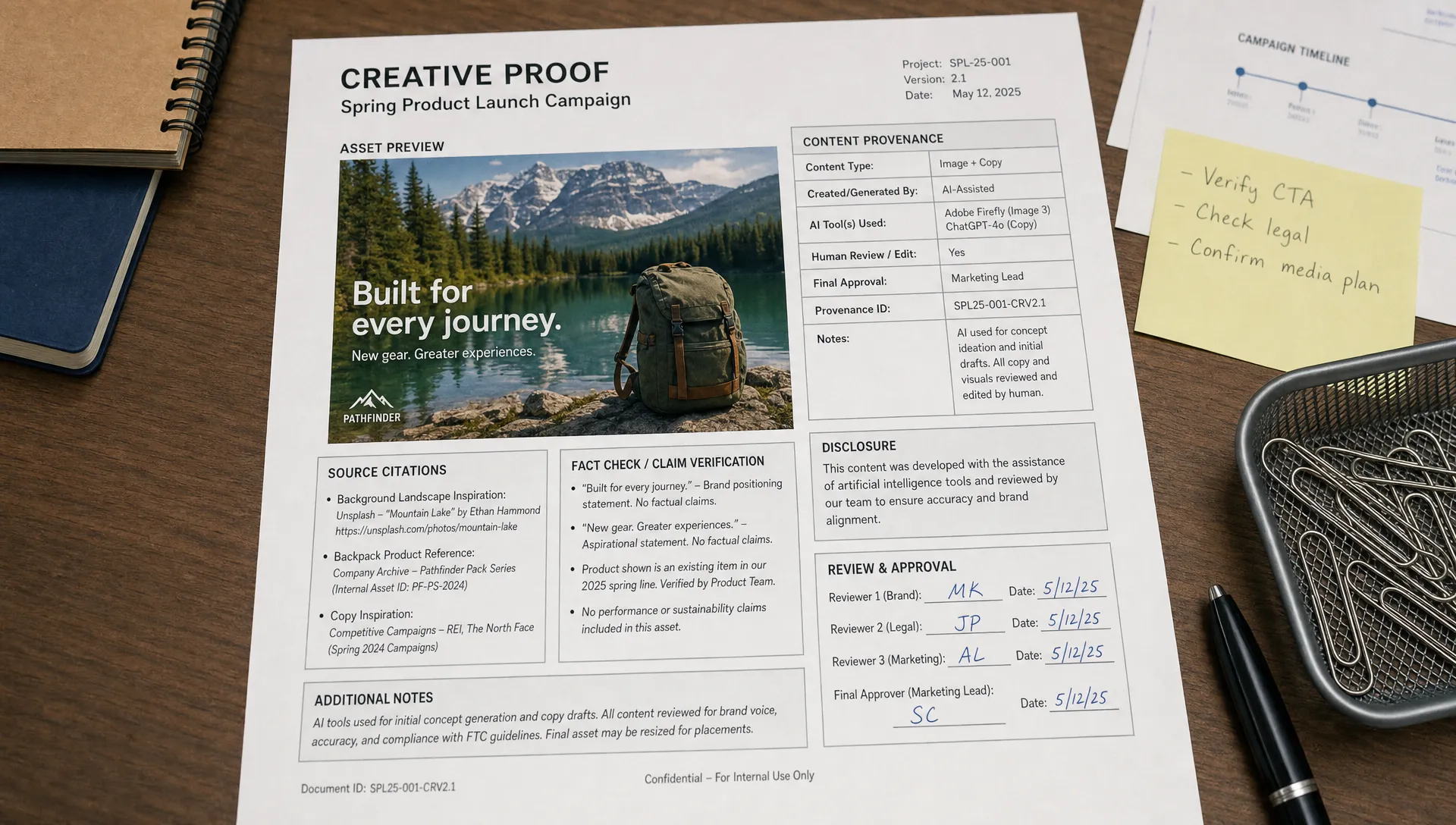
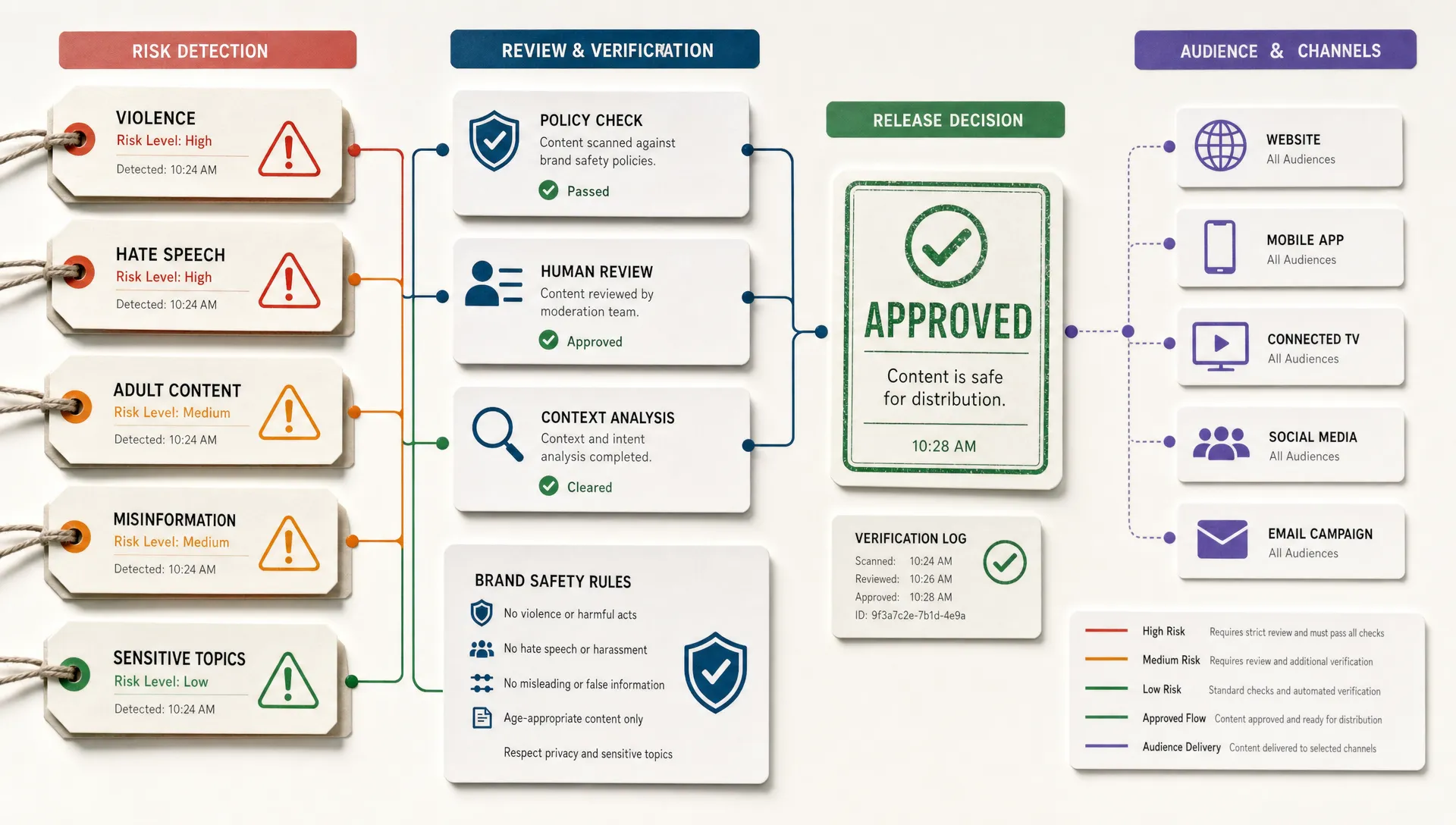
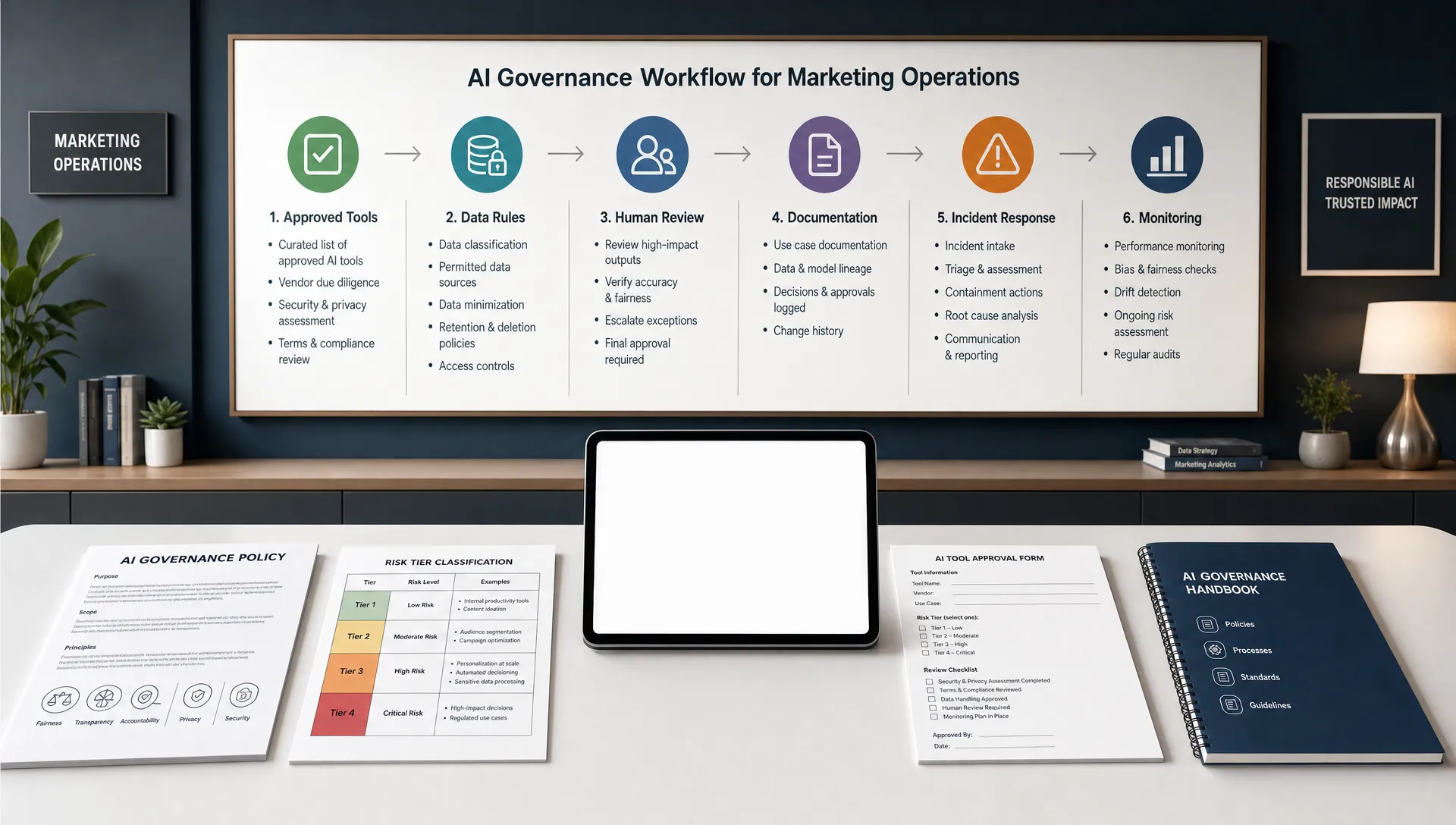
Governance does not need to make AI slow. It should make the content safer and easier to trust. Create simple review paths based on risk. A low-risk prospecting email may only need sales manager review, while a competitive battlecard or ROI claim should pass through product marketing, legal or finance depending on the topic.
Use a review checklist that covers the issues most likely to harm buyer trust:
The last question is easy to overlook. Sales enablement is not an archive. If an asset is technically accurate but too long, too dense or hard to apply during a live opportunity, it will not get used.
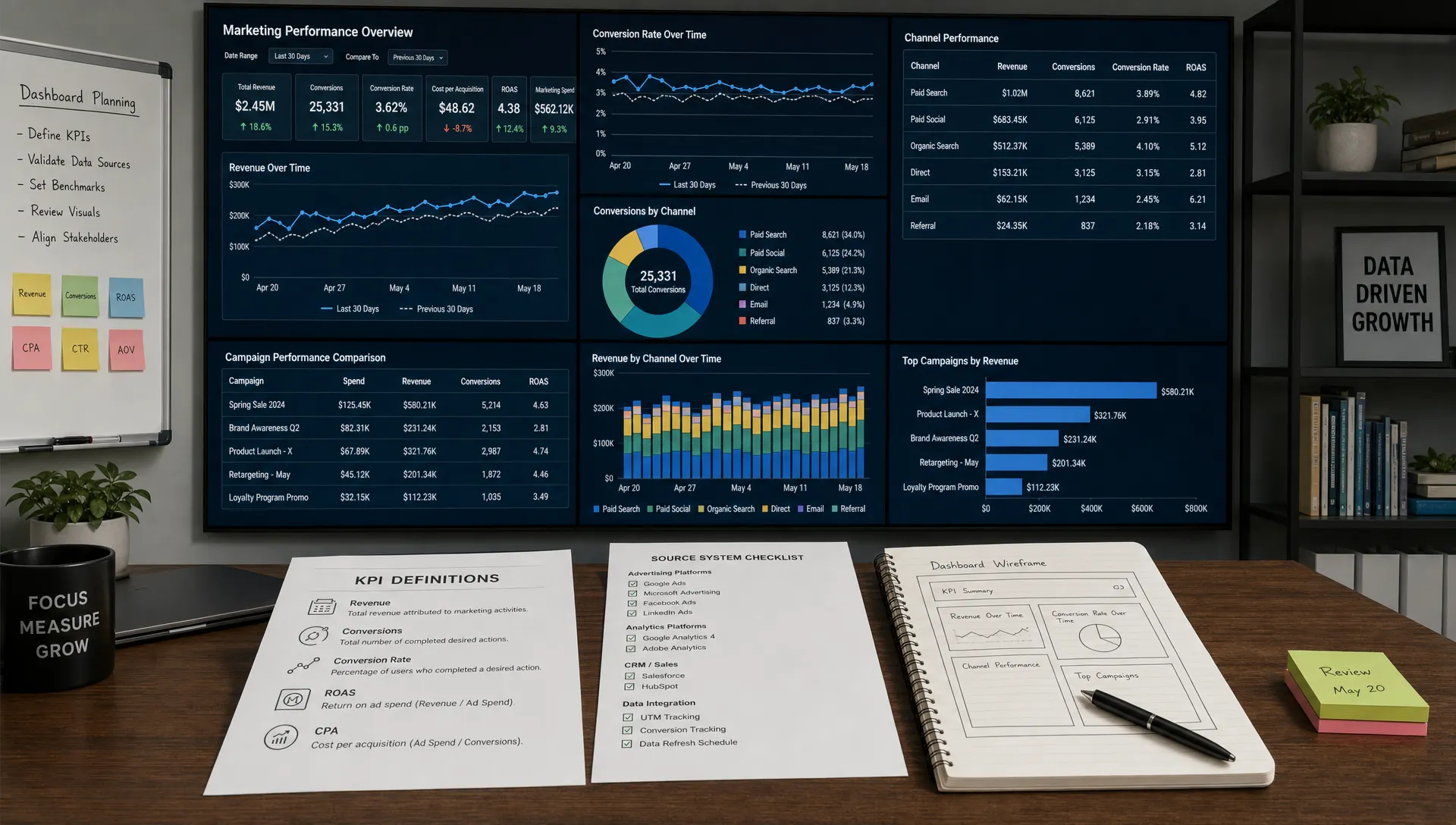
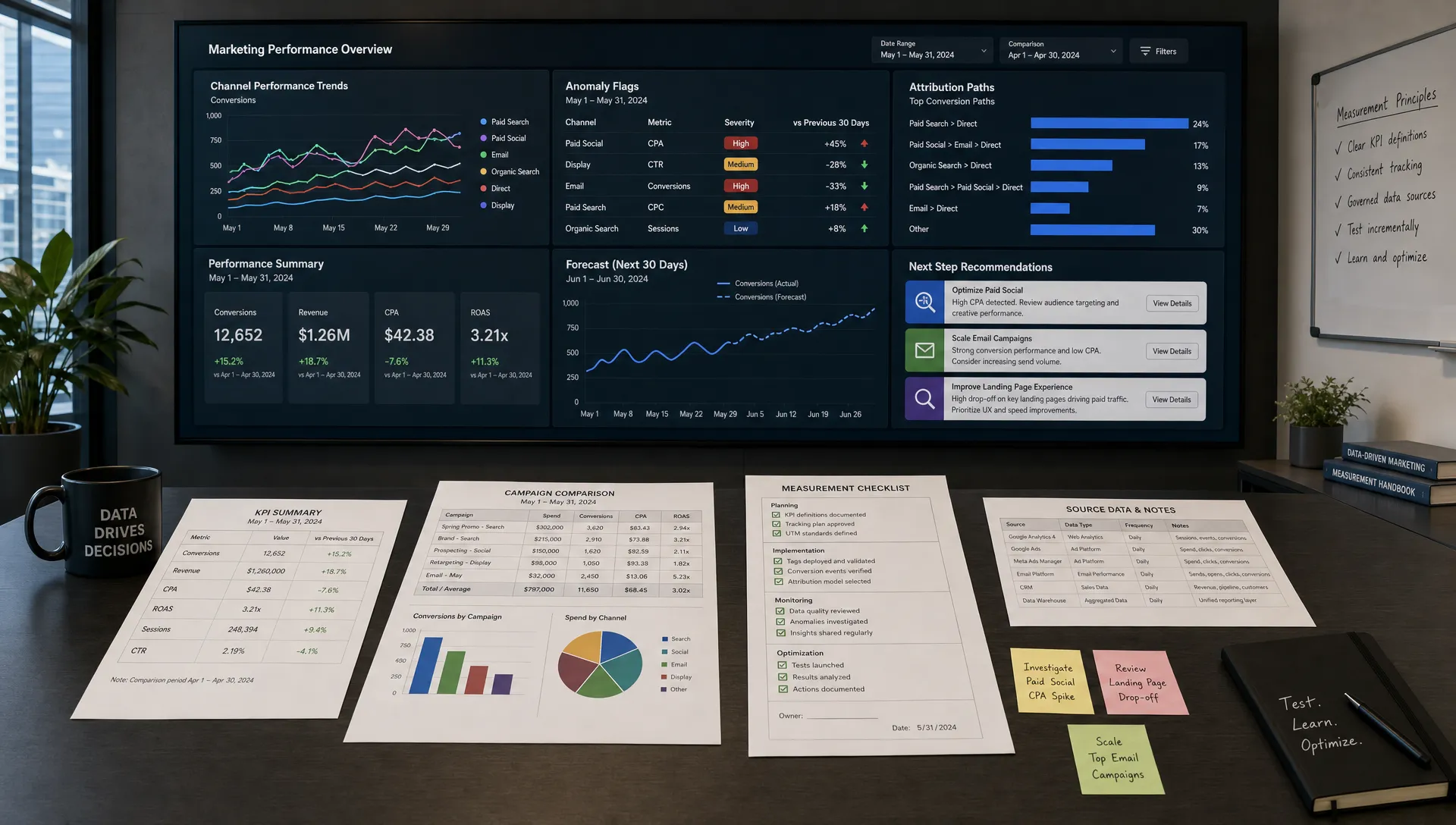
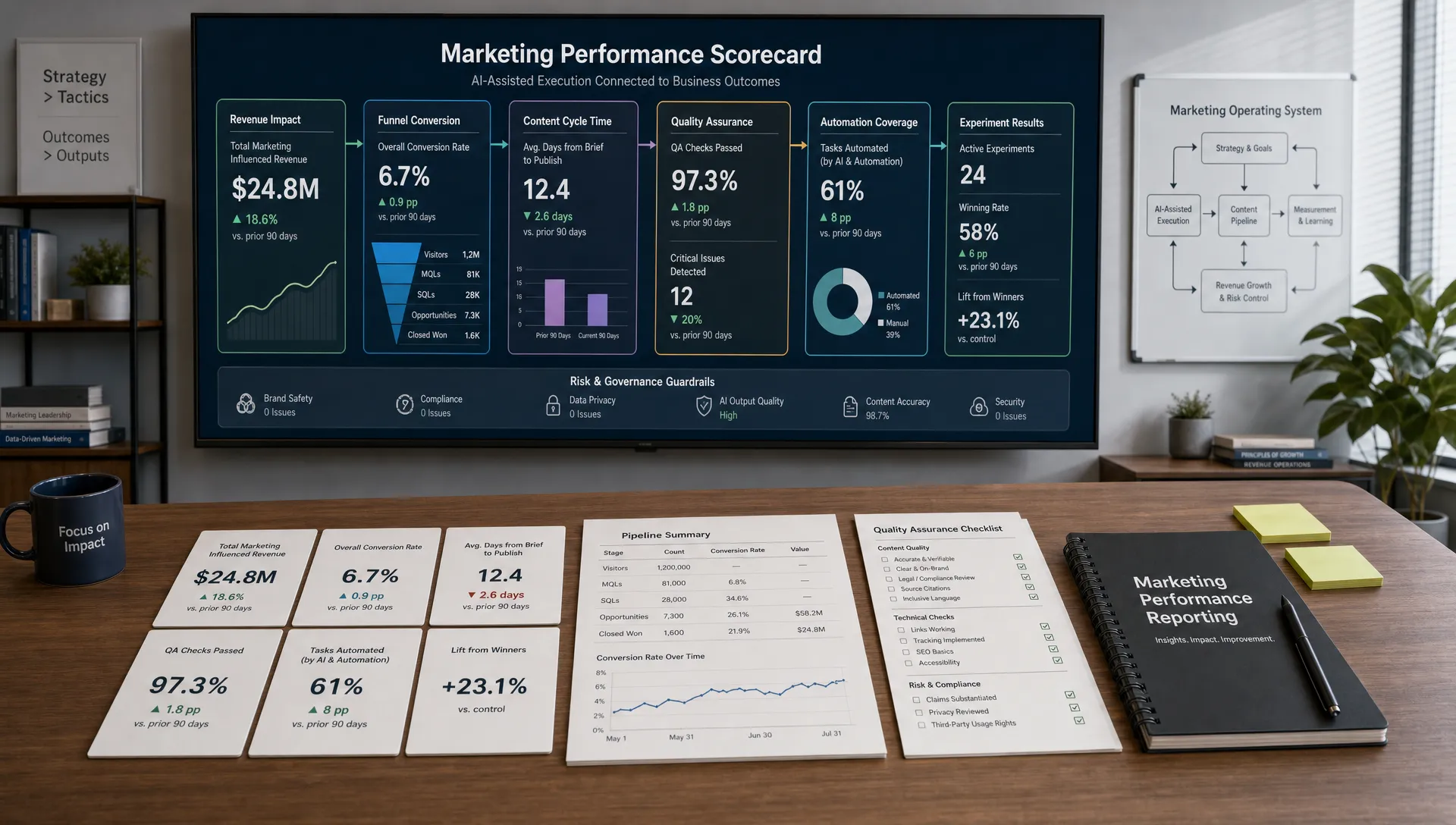
A team can create hundreds of AI-assisted assets and still have no revenue impact. Measure whether the content improves sales behavior and buyer movement. AI-powered sales enablement content should be judged by usefulness in the field, not by how quickly it was produced.
| Metric | What it tells you | How to use it |
|---|---|---|
| Asset usage rate | Whether reps can find and apply the content | Remove or improve assets with low adoption |
| Stage conversion rate | Whether content helps buyers move forward | Compare deals using content against similar deals without it |
| Time to follow up | Whether AI reduces post-meeting delays | Track speed from call completion to buyer follow-up |
| Objection resolution rate | Whether responses address real concerns | Update modules based on stalled deals |
| Sales cycle length | Whether enablement reduces friction | Review by segment, deal size and use case |
| Win-loss feedback | Why buyers chose or rejected your offer | Feed new objections and proof gaps into the content library |
Measurement also keeps your AI system current. If a battlecard is often used but deals still stall after competitive conversations, the asset may need sharper differentiation or better proof. If follow-up emails reduce response times but do not improve meeting conversion, the next-step language may need adjustment.
AI makes it easy to produce more assets than sales can absorb. More is not the goal. A smaller set of accurate, searchable and frequently used assets will outperform a bloated library of generic one-pagers.
Marketing teams should not build AI-powered sales enablement content in isolation. Reps know which objections actually appear, which proof points land and which assets buyers ignore. Create a simple feedback loop so sellers can flag missing content, confusing language and outdated guidance.
AI should never create customer results, case study numbers, product capabilities or compliance claims unless those details come from verified sources. This is especially important for regulated industries, enterprise sales and any content that references ROI or performance outcomes.
Buyer priorities change, competitors adjust messaging and product capabilities evolve. Review your source layer and enablement modules on a regular schedule. The more current the inputs, the more reliable your AI outputs become.
What is AI-powered sales enablement content? AI-powered sales enablement content is sales material created or adapted with AI using approved context, buyer insights and deal-stage information. Examples include follow-up emails, call guides, objection responses, battlecards, case study snippets and internal business case drafts.
Can AI replace a sales enablement team? No. AI can speed up drafting, personalization and content retrieval, but sales enablement still needs strategy, messaging judgment, training, governance and performance analysis.
What data should I use to create better enablement content? Start with CRM notes, sales calls, customer interviews, support tickets, product messaging, win-loss notes and existing high-performing sales emails. The strongest outputs come from verified, current and well-structured inputs.
How do I prevent AI from creating inaccurate sales claims? Use approved source material, separate high-trust and low-trust inputs, require human review for sensitive assets and block AI from inventing customer results, pricing details, compliance language or technical capabilities.
Which sales enablement asset should I create first? Start with the asset tied to the biggest sales bottleneck. If deals stall after demos, create follow-up templates and objection responses. If reps struggle with comparisons, prioritize competitive battlecards.
The best AI-powered sales enablement content is never static. It learns from sales conversations, buyer objections, content usage and win-loss feedback. Start with one sales stage, one persona and one recurring friction point, then build a controlled workflow before expanding.
AIMarketer Hub gives marketers and business teams practical AI marketing resources, prompt ideas, SEO tools, calculators and guides for building smarter workflows. Explore AIMarketer Hub when you are ready to turn AI from a drafting shortcut into a structured marketing and sales growth system.