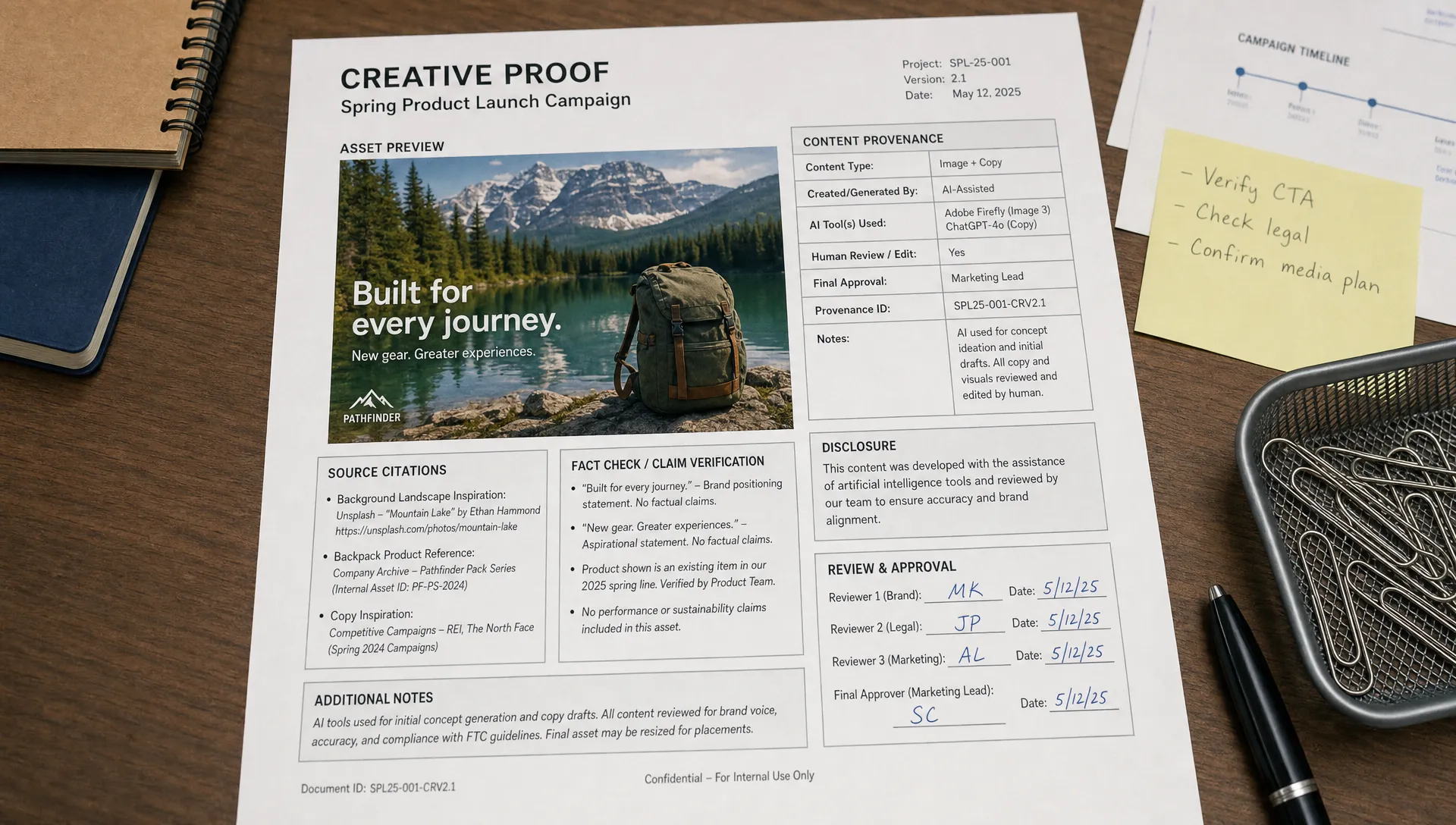
AI content watermarks are becoming part of everyday marketing governance, not just a technical topic for AI labs. If your team uses AI tools for blog drafts, product images, ad variations, social posts or sales enablement content, you need to know what these signals can prove, what they cannot prove and how they should fit into your review process.
The short version: watermarks can help identify or trace AI-generated media, but they are not a complete trust system. Marketers still need clear policies, human review, documentation and disclosure standards that match the channel, audience and risk level of the claim.
AI content watermarks are signals embedded in or attached to content to indicate that AI helped create it. Depending on the tool and media format, that signal might be visible to the audience, hidden inside the file or stored as metadata that travels with the asset.
For marketers, the key distinction is between detection and disclosure. Detection helps a platform, vendor or internal team identify synthetic content. Disclosure helps a customer understand how content was made. A watermark may support disclosure, but it does not replace plain-language labeling when the context calls for it.
| Watermark type | How it works | Common use case | Marketing risk |
|---|---|---|---|
| Visible label | A text label, badge or mark is shown to the viewer | AI-generated images, edited videos, social content | Can affect engagement or brand perception if applied inconsistently |
| Invisible watermark | A pattern is embedded into pixels, audio or text structure | Platform detection, provenance checks, internal asset tracking | Can be weakened by cropping, compression, paraphrasing or reformatting |
| Metadata or credentials | File metadata records how and when content was made or edited | Image provenance, agency handoffs, creative asset management | Metadata can be stripped when files move between systems |
| Cryptographic provenance | A signed record links an asset to its origin and edit history | High-trust media, news, regulated communications | Requires compatible tools across the workflow |
The most visible industry effort is the Coalition for Content Provenance and Authenticity, better known as C2PA. Its Content Credentials approach gives creators and publishers a way to attach tamper-evident information to digital media. Google has also discussed SynthID, its watermarking approach for AI-generated and AI-edited media across several formats.
The practical reason AI content watermarks matter is simple: marketing teams are producing more content with more tools, more partners and more automated workflows. Without a way to track origin, review status and AI involvement, content governance becomes guesswork.
Watermarks and provenance signals can help your team answer basic operational questions. Was this product image generated, retouched or photographed? Did an agency use an AI voiceover? Was this testimonial paraphrased by a model? Did the final asset preserve the usage rights and disclosure notes from the draft?
Audiences are becoming more sensitive to synthetic content, especially when a brand uses AI to represent people, health outcomes, financial results or real-world product performance. A hidden watermark may not be enough for those situations, but provenance records can support internal accountability and make it easier to disclose clearly when needed.
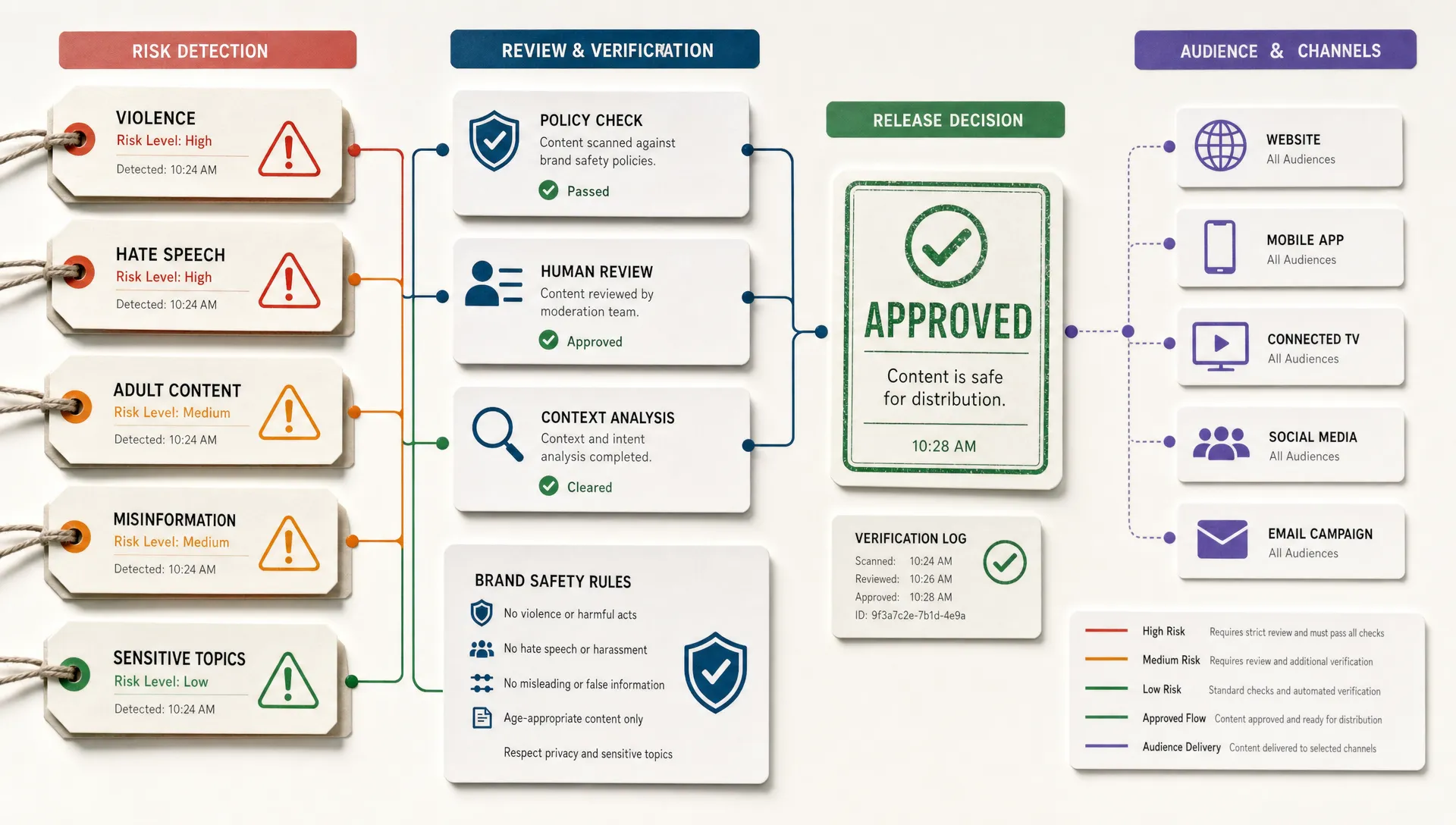
This overlaps with broader AI brand risk. If your team is still defining where AI is acceptable, where human approval is mandatory and where claims need extra scrutiny, AIMarketer Hub's guide to AI brand safety risks marketers need to manage is a useful companion to this topic.
Most marketing organizations do not create everything in-house. Freelancers, agencies, production vendors and creators may all use generative tools. AI content watermarks give you one more way to maintain a chain of custody, especially when paired with contract language that requires vendors to document AI use.
That does not mean you should reject every unwatermarked asset. Many legitimate AI-assisted assets will not carry durable watermarks after editing or export. Instead, treat watermarking as part of a larger proof package that includes source files, model or tool notes, rights documentation and human review records.
Some industries need more caution because content can influence medical, financial or legal decisions. A healthcare marketer, for example, should not rely on a watermark to validate an AI-assisted claim about eligibility, results or treatment options. A clinic offering medically supervised weight loss and coaching would still need qualified review, accurate risk language and local advertising compliance before publishing any AI-supported content.
The same principle applies to finance, insurance, legal services, education and B2B SaaS products that make performance claims. A watermark can help identify AI involvement, but it cannot verify whether the claim is true.
AI content watermarks are useful, but marketers should avoid treating them as a silver bullet. They are technical signals, not final proof of originality, legality or accuracy.
A watermark can be removed unintentionally when a designer exports an image for web use, a social platform compresses a file or a CMS strips metadata. Invisible marks can also be degraded by editing, screenshots, cropping, transcription, paraphrasing and format conversion.
Watermarks also do not answer the most important editorial question: is the content good enough to publish? A watermarked AI image can still be misleading. A human-written article can still contain false claims. A synthetic voice can still be used ethically if consent, labeling and rights are handled properly.
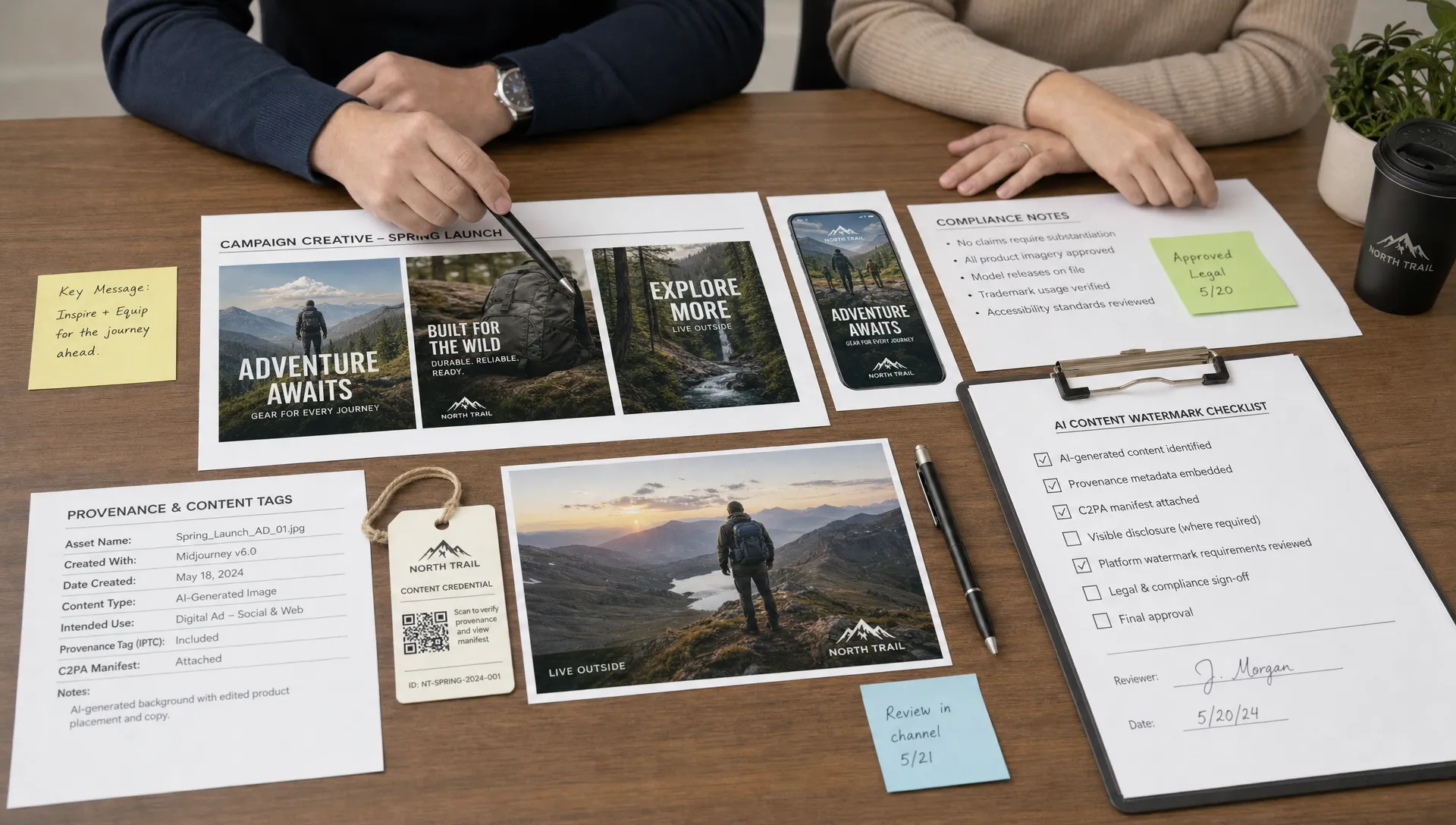
AI detectors and watermark readers should be used carefully. Text detection in particular can create false positives and false negatives, especially after editing, translation or paraphrasing. If a vendor dispute or employee performance issue depends on whether something was AI-generated, do not base the decision on a single automated detector.
A better approach is to ask for process evidence: the brief, prompt history when available, source material, drafts, edits, approvals and rights records. That is especially important if content will appear in paid campaigns, sales decks, investor materials or public relations assets.
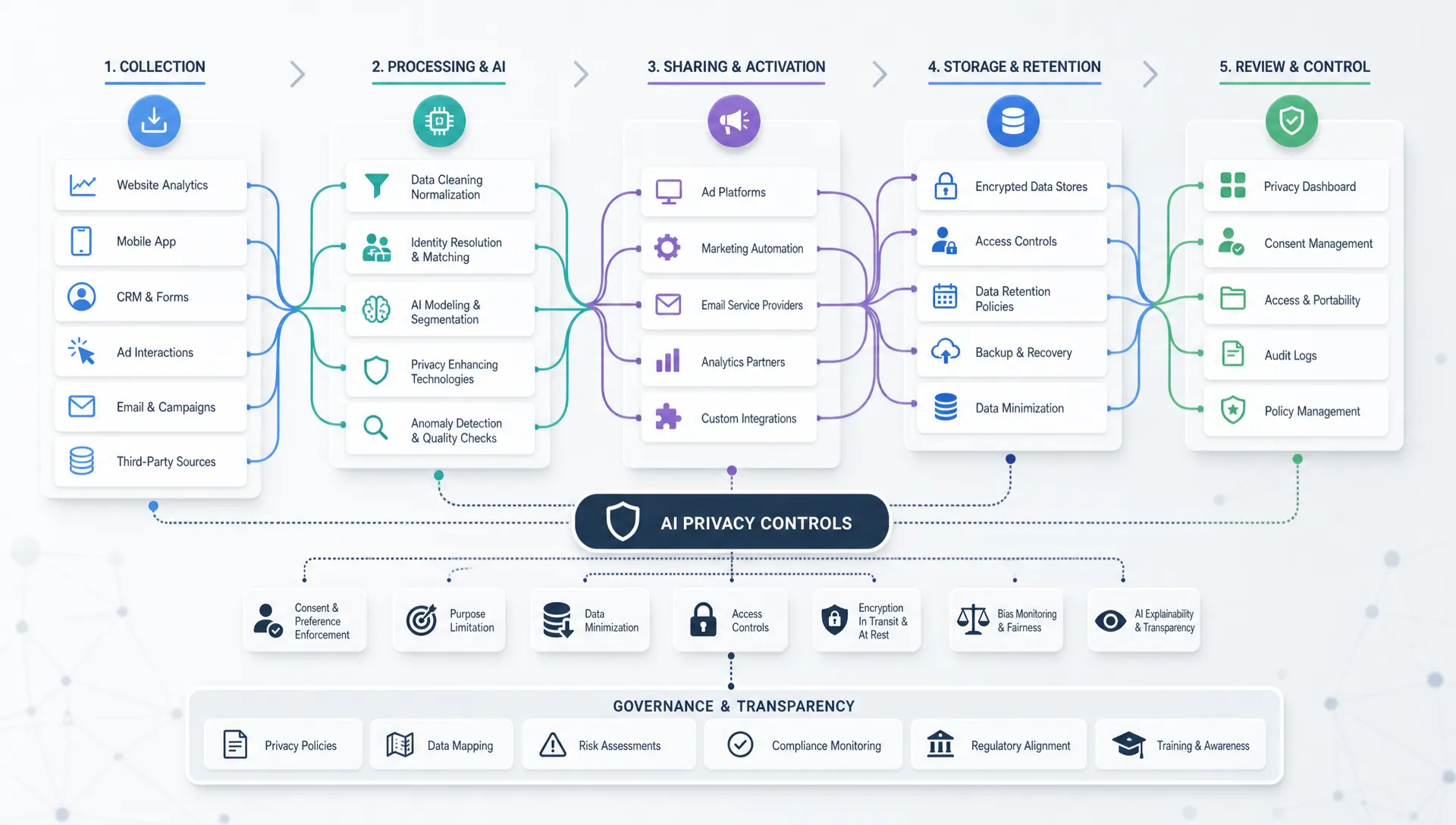
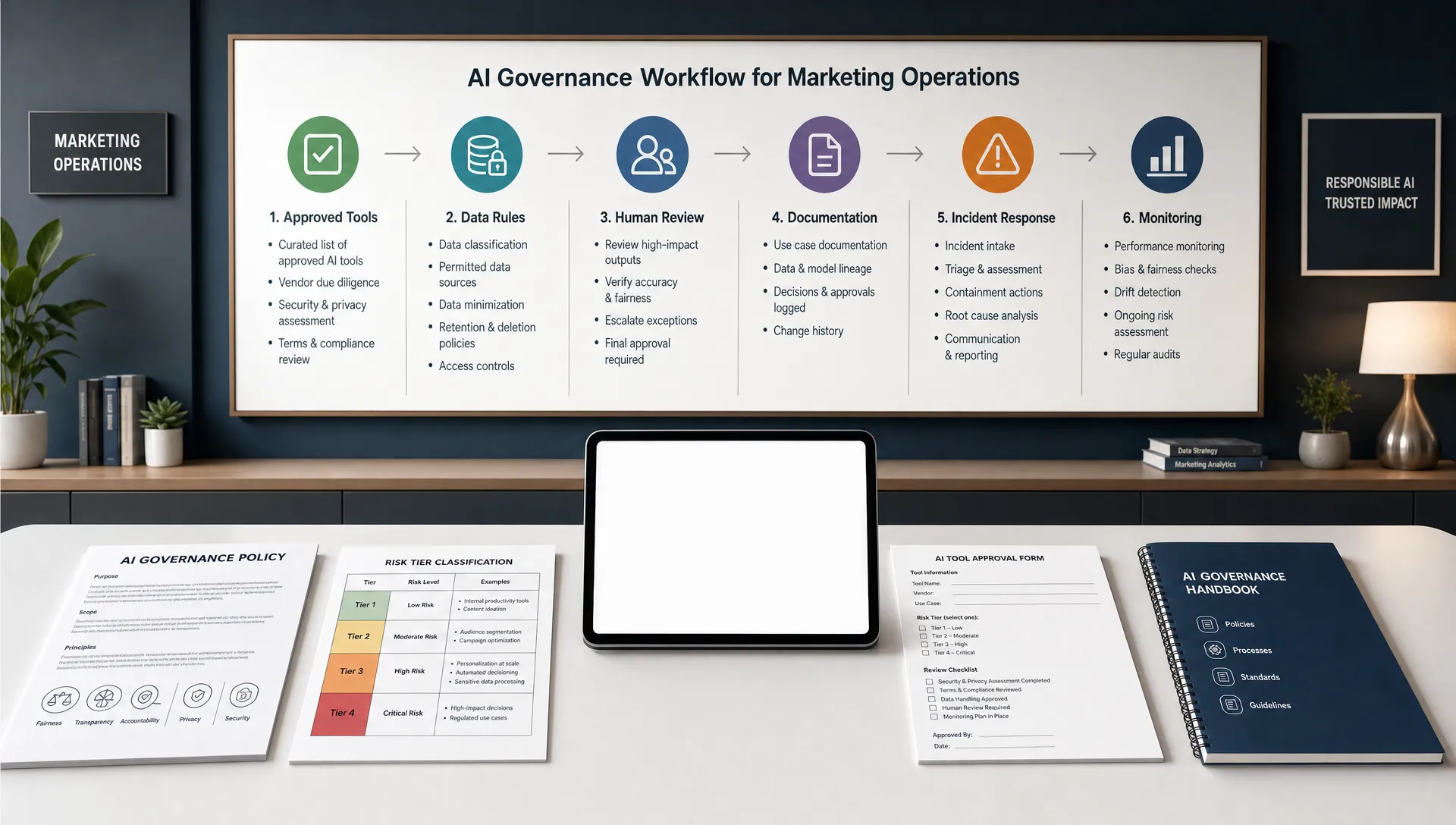
A practical policy should tell marketers what to label, what to preserve, what to document and who approves higher-risk content. Keep it short enough that teams can follow it during real production cycles.
Start by defining content categories. Blog outlines, internal brainstorming and early ad concepts may need light documentation. Public-facing claims, executive communications, customer stories, health content, financial guidance and realistic depictions of people should receive stricter review.
Tool-based policies age quickly because new AI tools appear constantly. A risk-based policy lasts longer. Focus on how the content is used, who sees it and what harm could happen if it is wrong or misleading.
| Content scenario | Watermark expectation | Additional review needed |
|---|---|---|
| Internal brainstorm or rough draft | Optional | Basic human review |
| SEO article assisted by AI | Document AI use in the workflow | Editorial review, fact-checking and plagiarism review |
| AI-generated image for a blog | Preserve credentials when available | Rights, bias and realism review |
| Product claim or performance claim | Preserve provenance and source documentation | Legal, product or subject-matter review |
| Health, finance or legal content | Preserve all provenance records available | Qualified expert review and compliance approval |
| Realistic synthetic person, voice or testimonial | Visible disclosure is usually safer | Consent, rights and brand safety review |
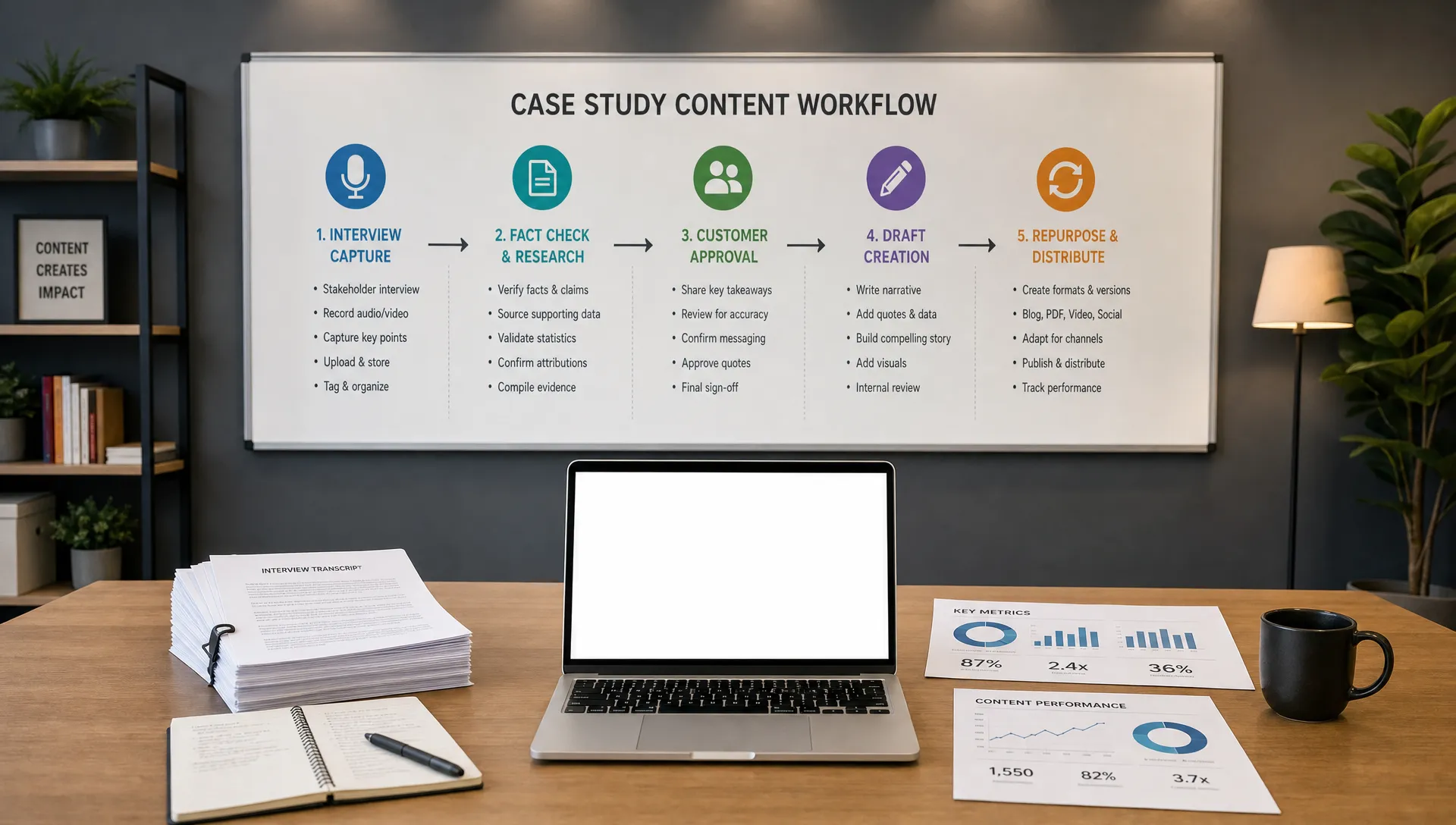
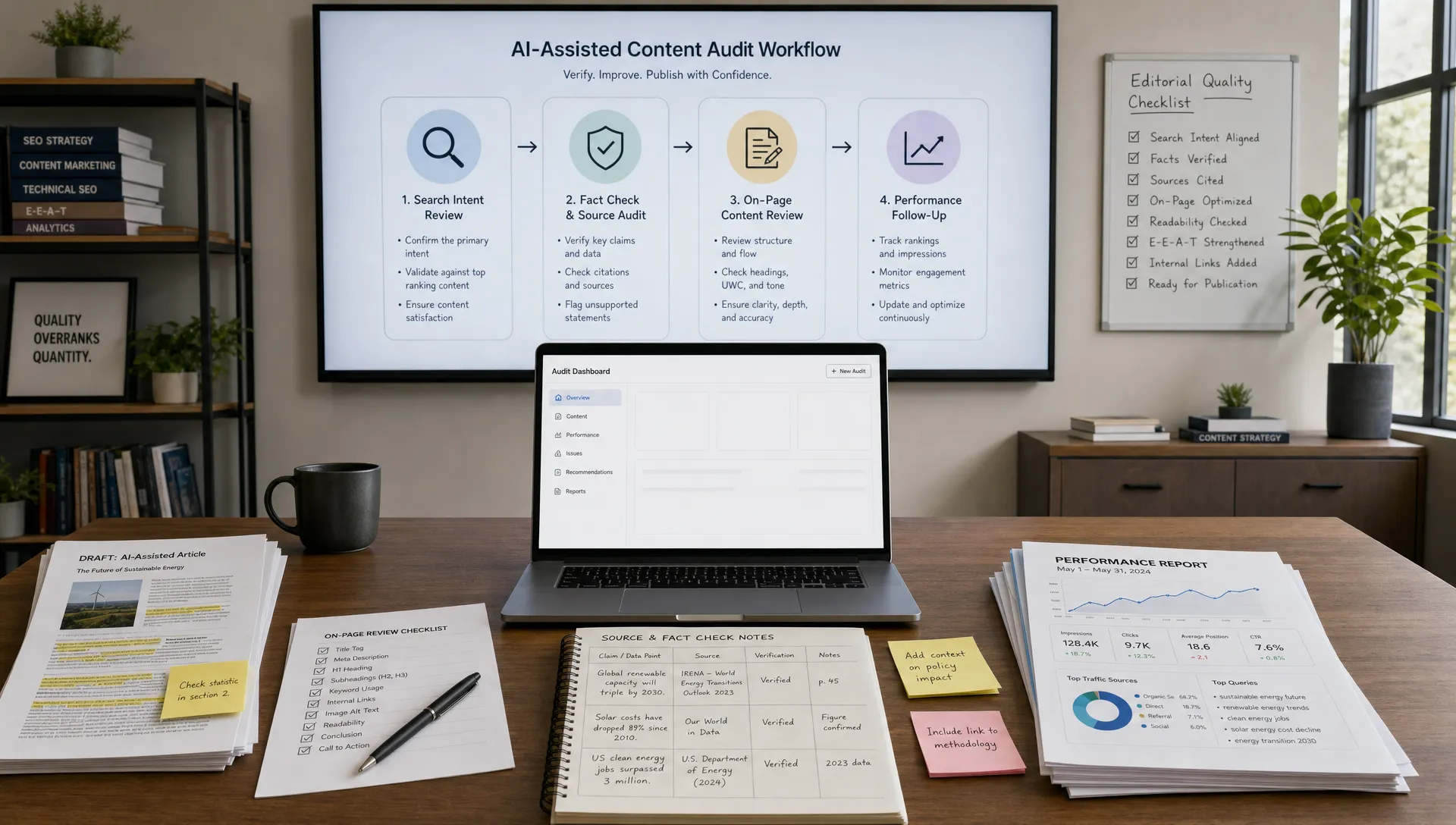
This is also where quality control matters. Watermarking should be part of your publication checklist, not a separate technical afterthought. If you need a fuller review framework, use this AI content quality control checklist for marketing teams to connect provenance checks with fact-checking, tone, SEO quality and approval steps.
Not every use of AI requires a front-facing label. An AI-assisted grammar edit usually does not need the same disclosure as a photorealistic synthetic customer image. The right question is whether a reasonable audience member would feel misled if they learned how the content was made.
Visible disclosure is safer when AI materially changes what the audience believes they are seeing or hearing. That includes synthetic people, recreated voices, simulated product results, altered before-and-after images, generated news-style visuals and content in sensitive categories.
Many watermarking systems fail in marketing workflows because files pass through design tools, compression services, social schedulers and CMS exports. Ask your creative operations team to test whether metadata survives each step.
A simple test can reveal where signals are lost. Generate or edit an asset with credentials, move it through your normal workflow and check the final published file. If the credentials disappear, decide whether you need different export settings, a different asset management process or a separate disclosure record.
For image-heavy campaigns, pair watermarking with the same truthfulness and rights standards you would apply to any visual asset. AIMarketer Hub's guide to AI-generated images for marketing rules and best practices covers consent, bias review, rights checks and recordkeeping in more detail.
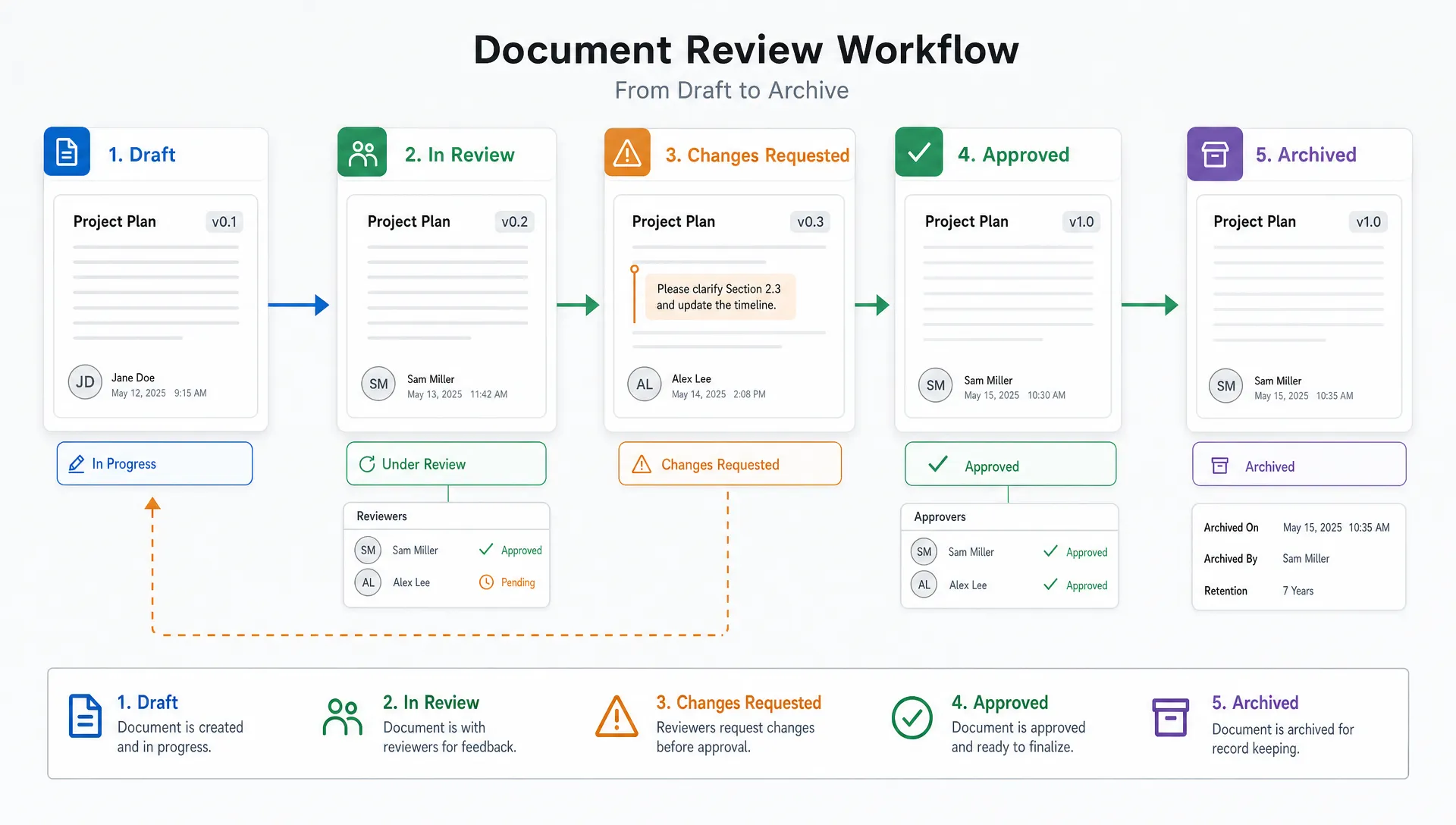
The best place to handle AI content watermarks is inside your workflow, not at the end. If the team waits until publication day to ask whether content is AI-generated, it is already too late to collect clean records.
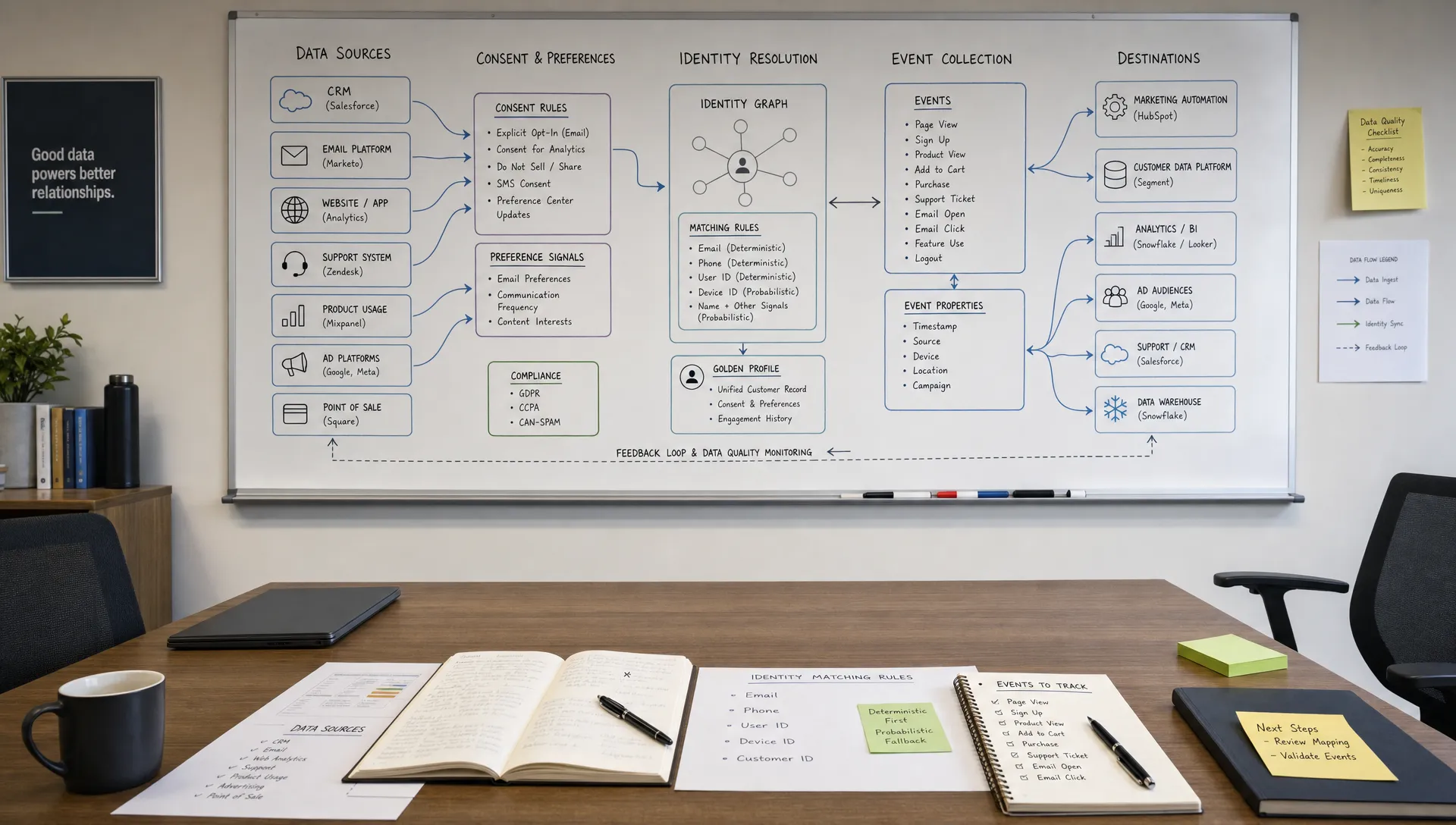
Add AI provenance fields to your intake form, creative brief or project management template. The fields do not need to be complex. Ask whether AI was used, which tools were used, whether outputs include embedded credentials, whether any realistic person or voice was generated and whether the asset needs visible disclosure.
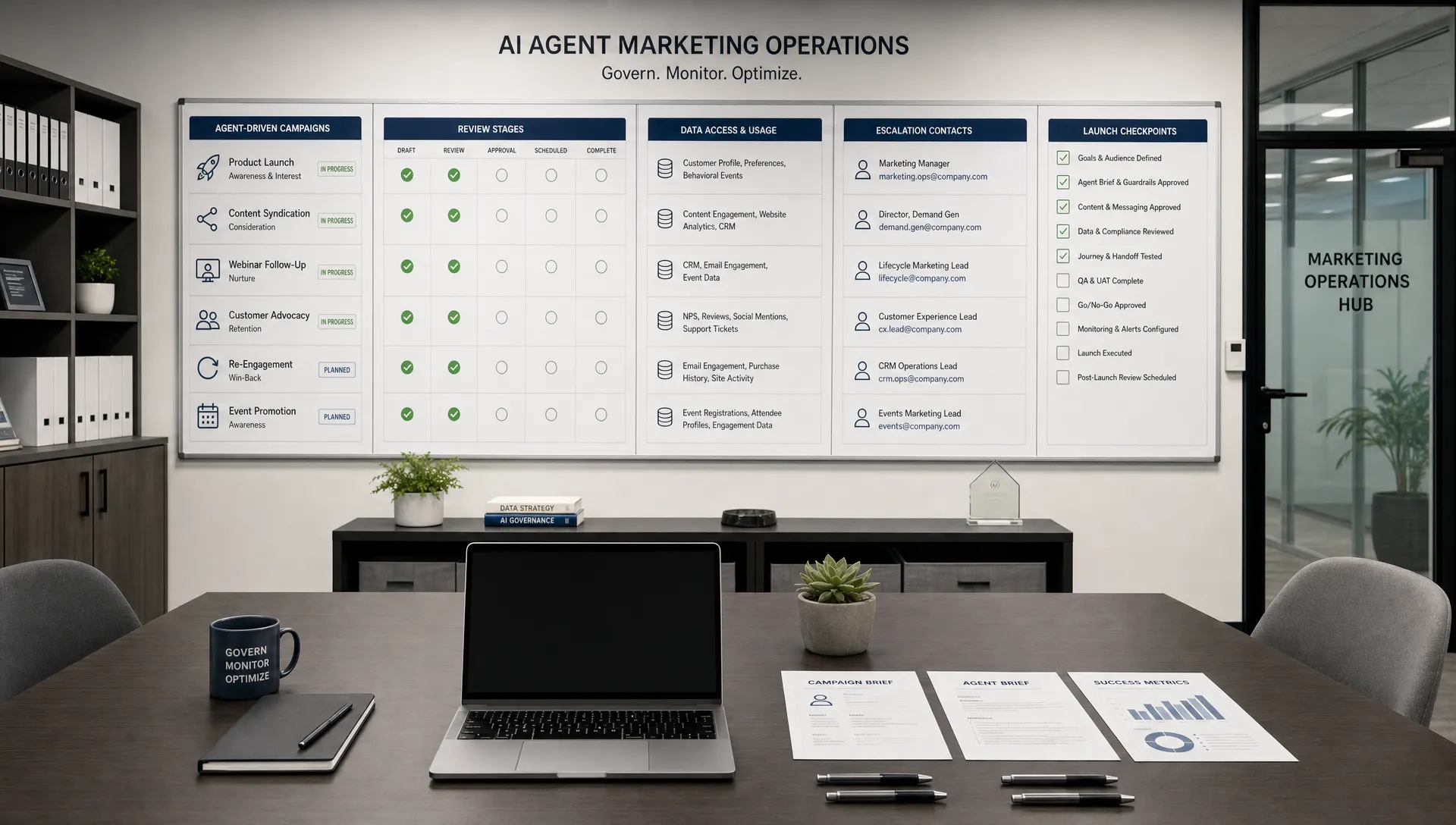
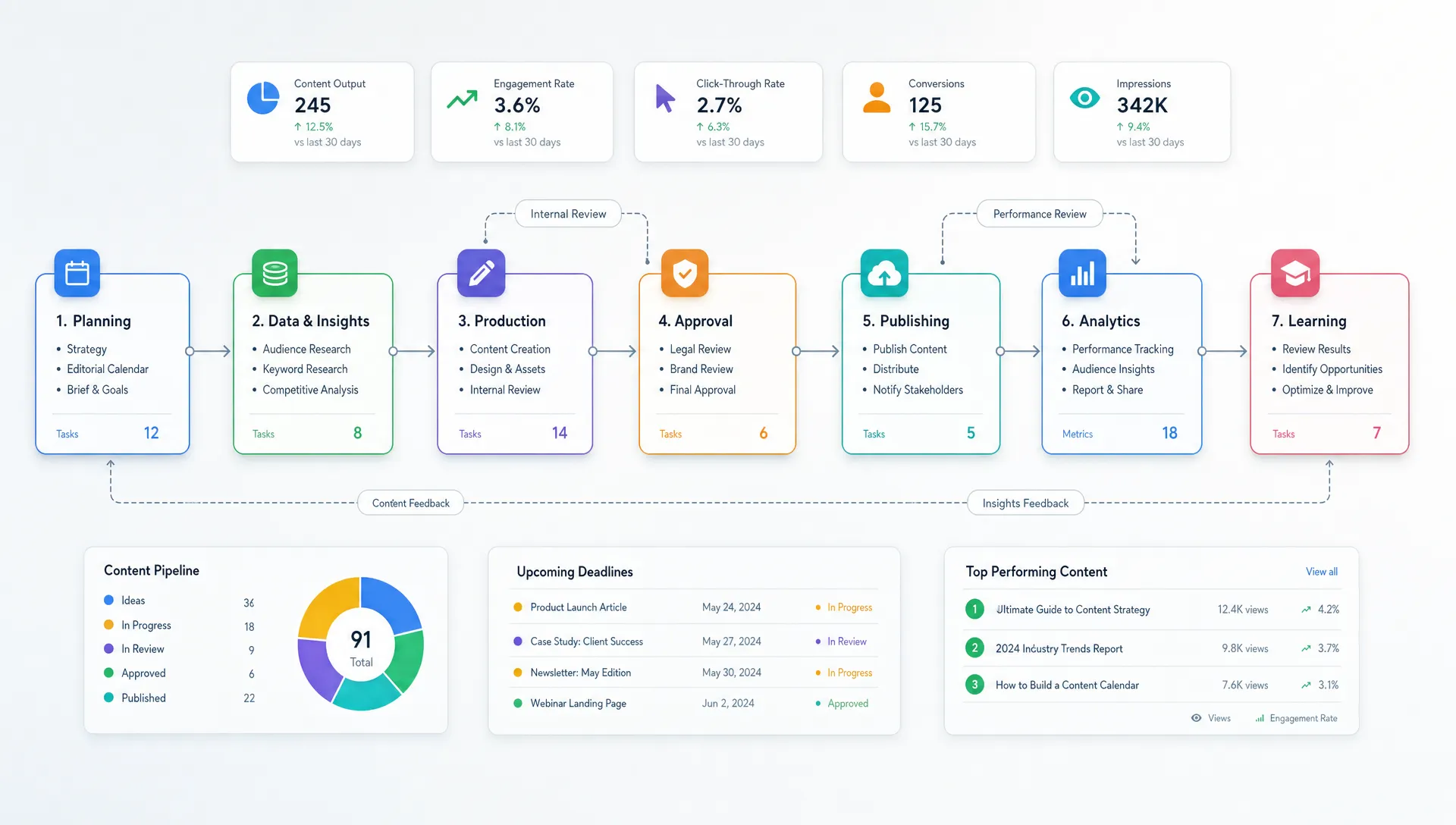
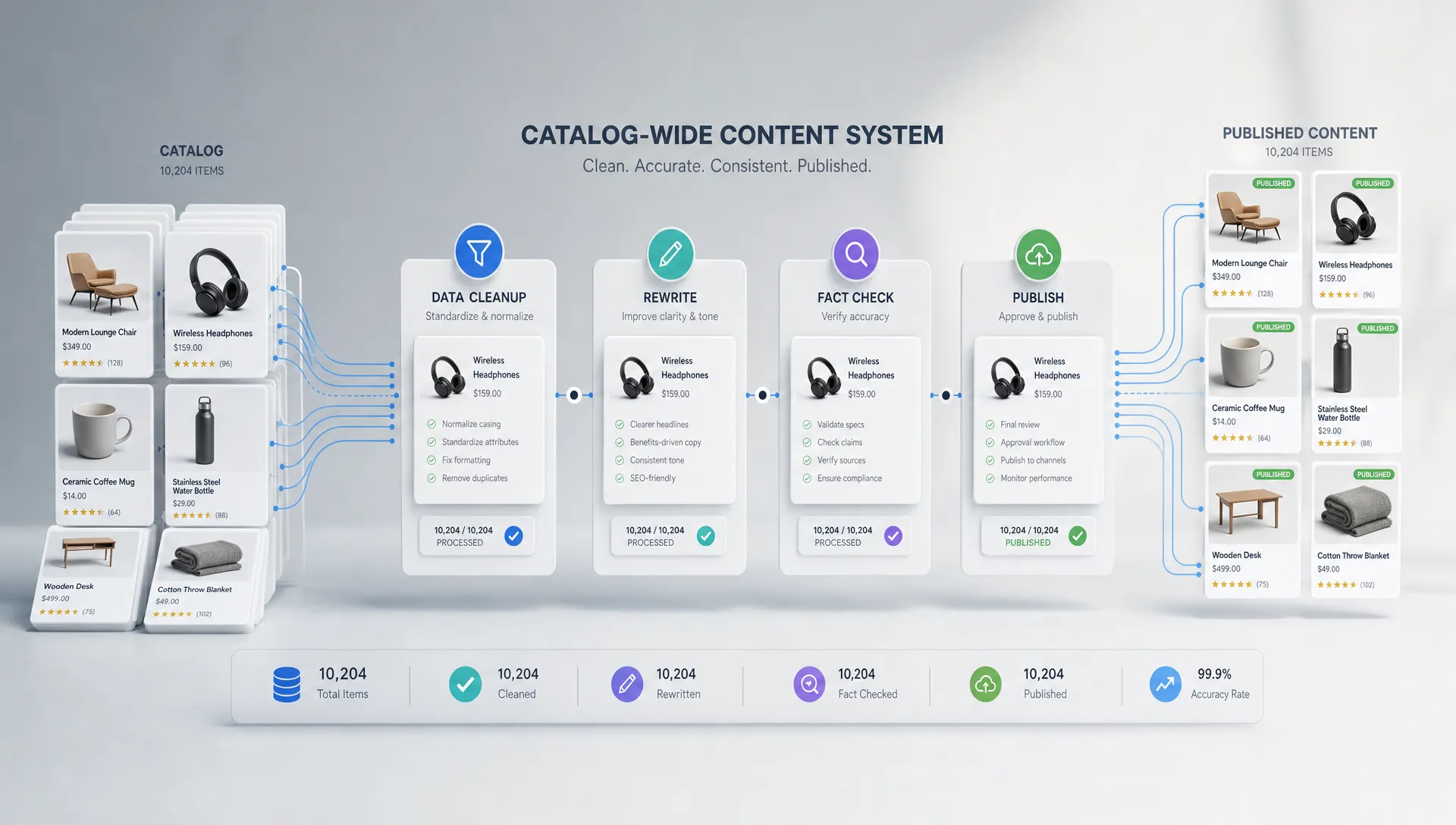
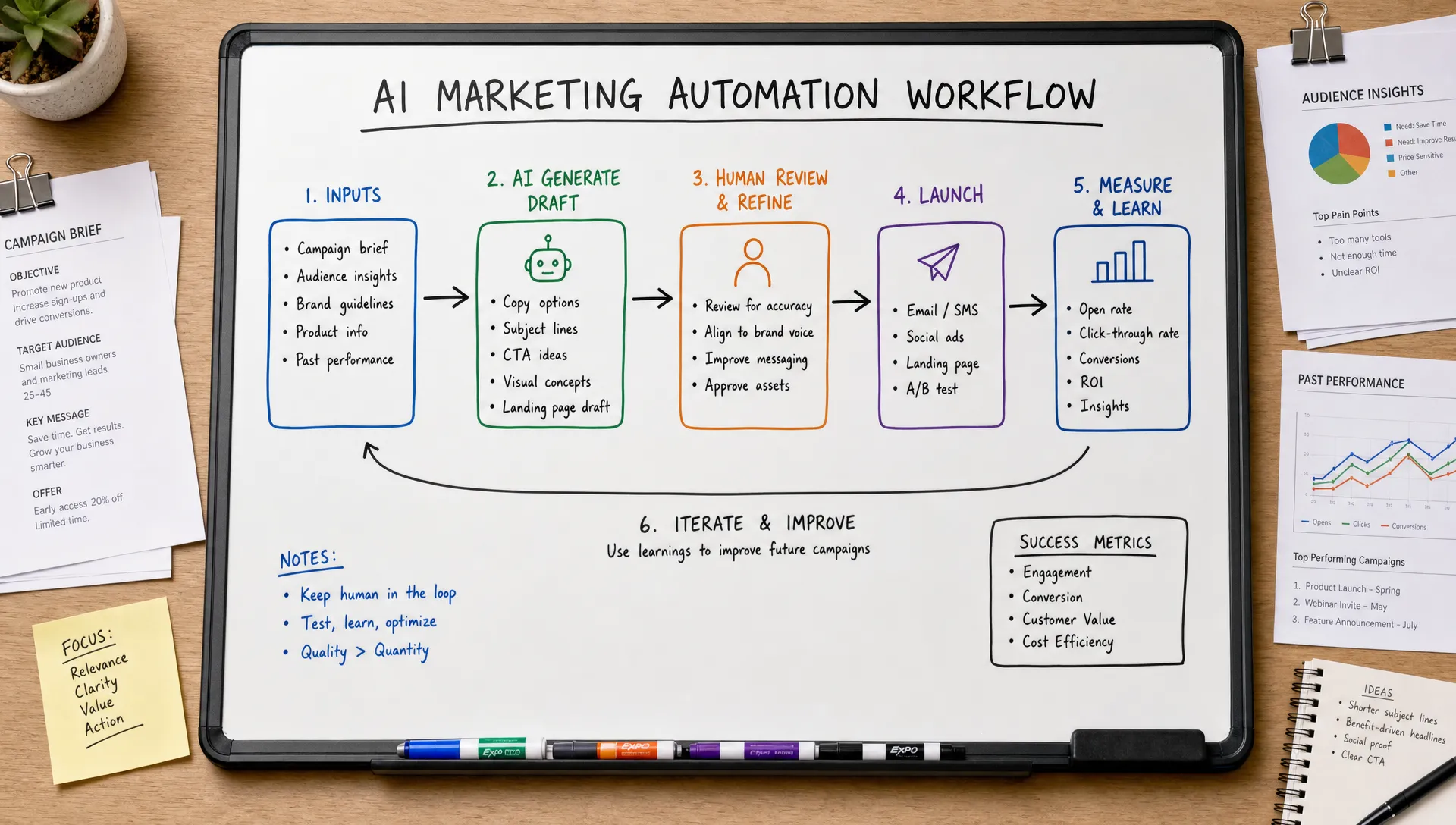
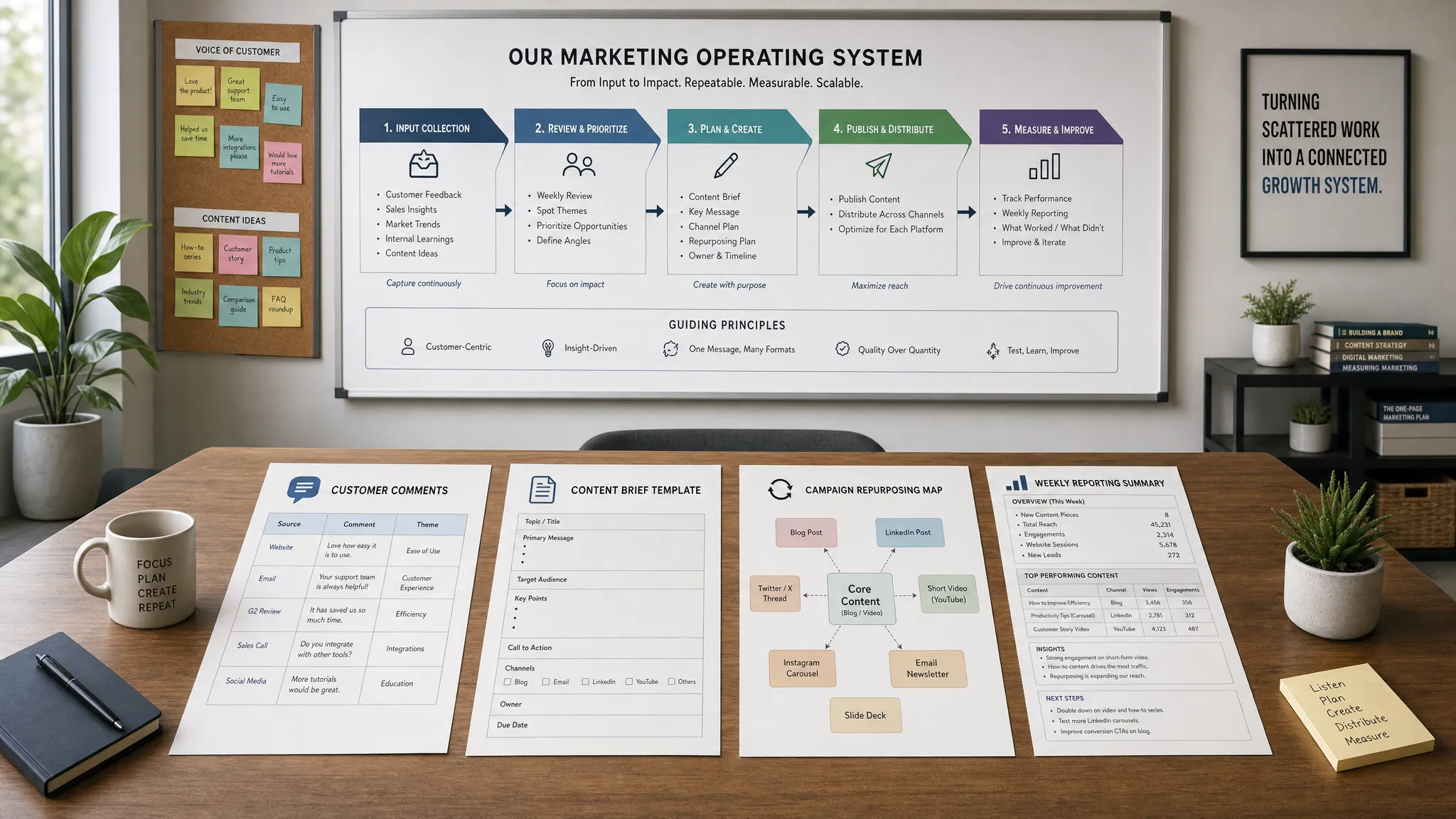
This works especially well when connected to AI marketing automation. Automated content creation can speed up production, but the workflow should still pause at the right review gates. If your team is building a larger operating model, the guide on how to build an AI content workflow that scales explains how to combine briefs, prompt libraries, SEO inputs, human review and governance.
Marketers should expect more watermarking and provenance requirements from platforms, ad networks, agencies and enterprise buyers. The pressure will not come from one place. It will come from a mix of regulation, platform policy, consumer trust, procurement standards and brand safety demands.
In the European Union, the AI Act includes transparency obligations for certain AI-generated and AI-manipulated content as its requirements phase in. In the United States, rules remain more fragmented, but regulators have shown concern about deceptive AI claims, impersonation and misleading endorsements. Global brands should plan for the stricter standard, because campaign assets often cross borders quickly.
At the same time, watermarking technology will remain uneven. Some tools will support robust provenance credentials. Others will not. Some channels will preserve metadata. Others will strip it. That means the marketer's job is not to chase perfect detection, but to build a defensible process.
Use this checklist when AI-supported content moves from draft to publication:
If you cannot answer these questions, delay publication until you can. The cost of one missed campaign slot is usually smaller than the cost of a misleading asset, rights dispute or public correction.
Do AI content watermarks prove that a piece of content was generated by AI? Not always. A watermark can provide strong evidence when it is intact and supported by a trusted system, but it can be removed, damaged or absent. Treat it as one signal among several.
Do marketers need to label every AI-assisted blog post? Usually not for minor drafting, editing or ideation, but disclosure may be needed when AI materially affects what the audience believes, especially in sensitive categories or when synthetic media looks real.
Can AI content watermarks help with SEO? Indirectly. Watermarks do not make content rank better, but a good governance process can improve trust, accuracy and quality. Search performance still depends on usefulness, originality, expertise and technical SEO.
Should agencies be required to disclose AI use? Yes. Contracts and briefs should require agencies and freelancers to document AI use, preserve provenance records where possible and confirm that outputs meet rights, consent and brand safety standards.
What is the biggest mistake marketers make with watermarking? The biggest mistake is assuming that watermarking solves the whole problem. You still need human review, source documentation, clear disclosure rules and a workflow that preserves records from draft to publication.
AI content watermarks are valuable because they bring more transparency to fast-moving content operations. They help marketers track origin, manage risk and show that AI use is being handled deliberately.
They are not a replacement for judgment. The strongest AI marketing teams will combine provenance signals with editorial standards, brand safety review, legal awareness and practical workflow automation. That is how you get the speed of AI tools without losing the trust that makes marketing work.