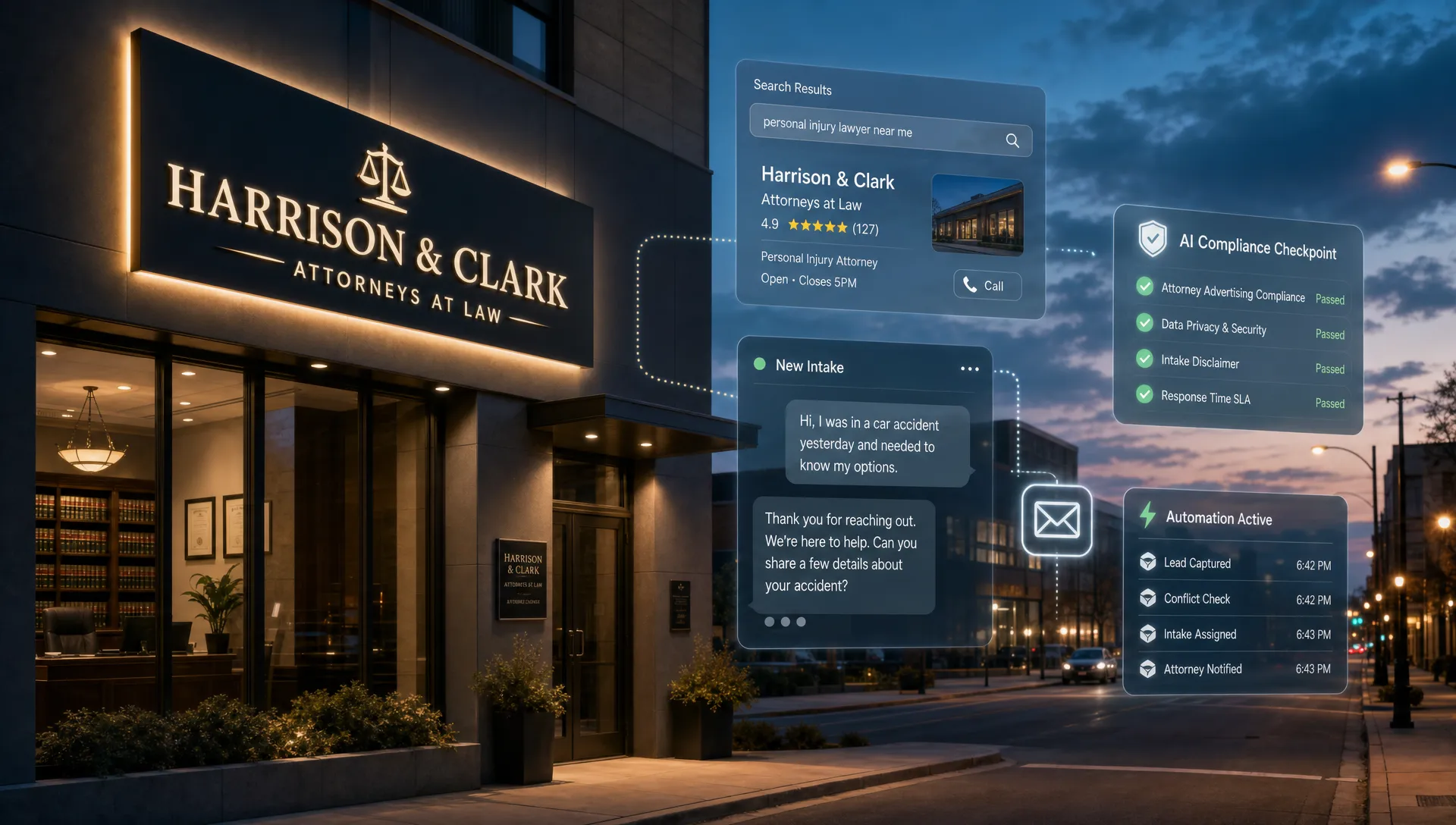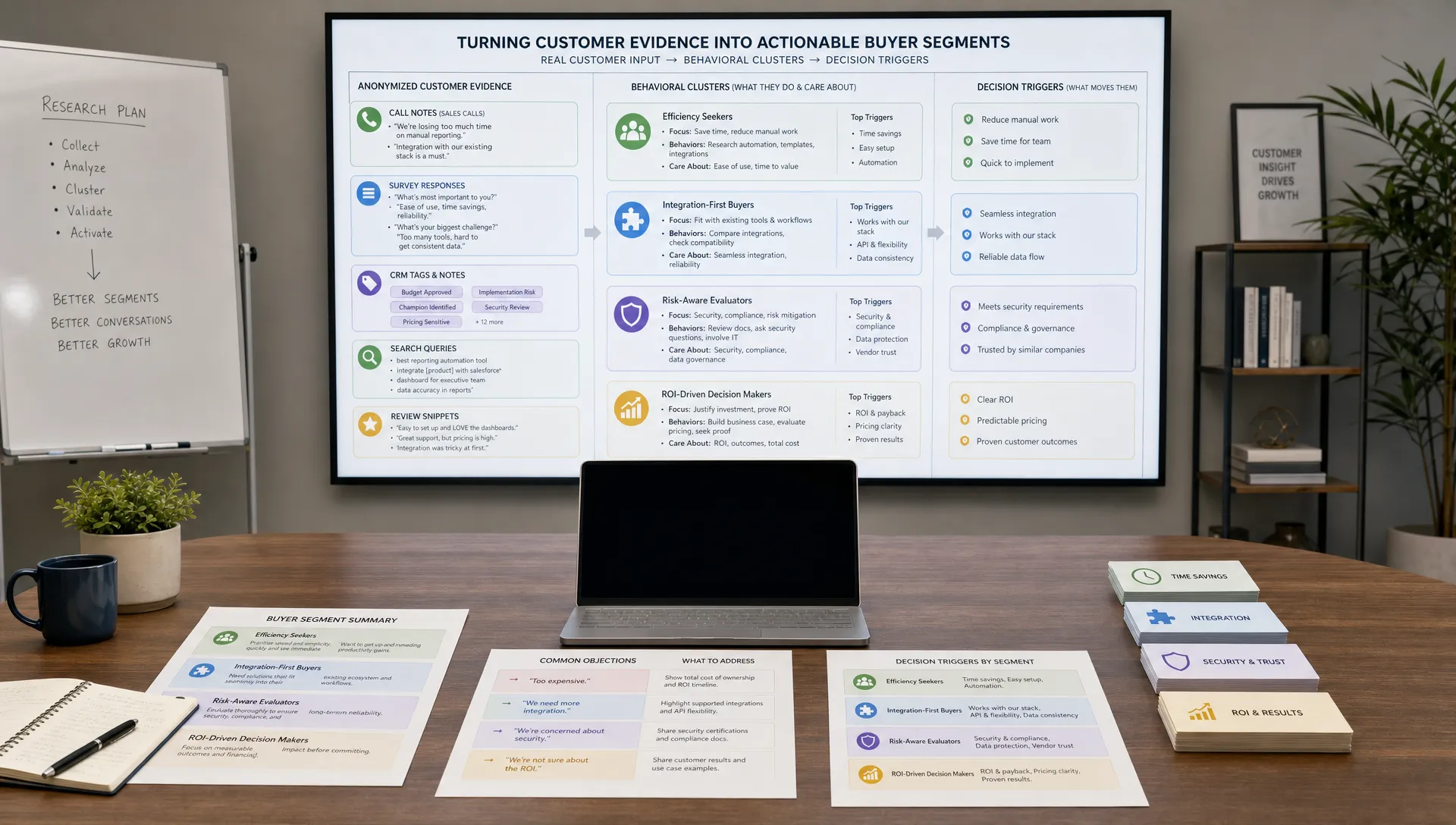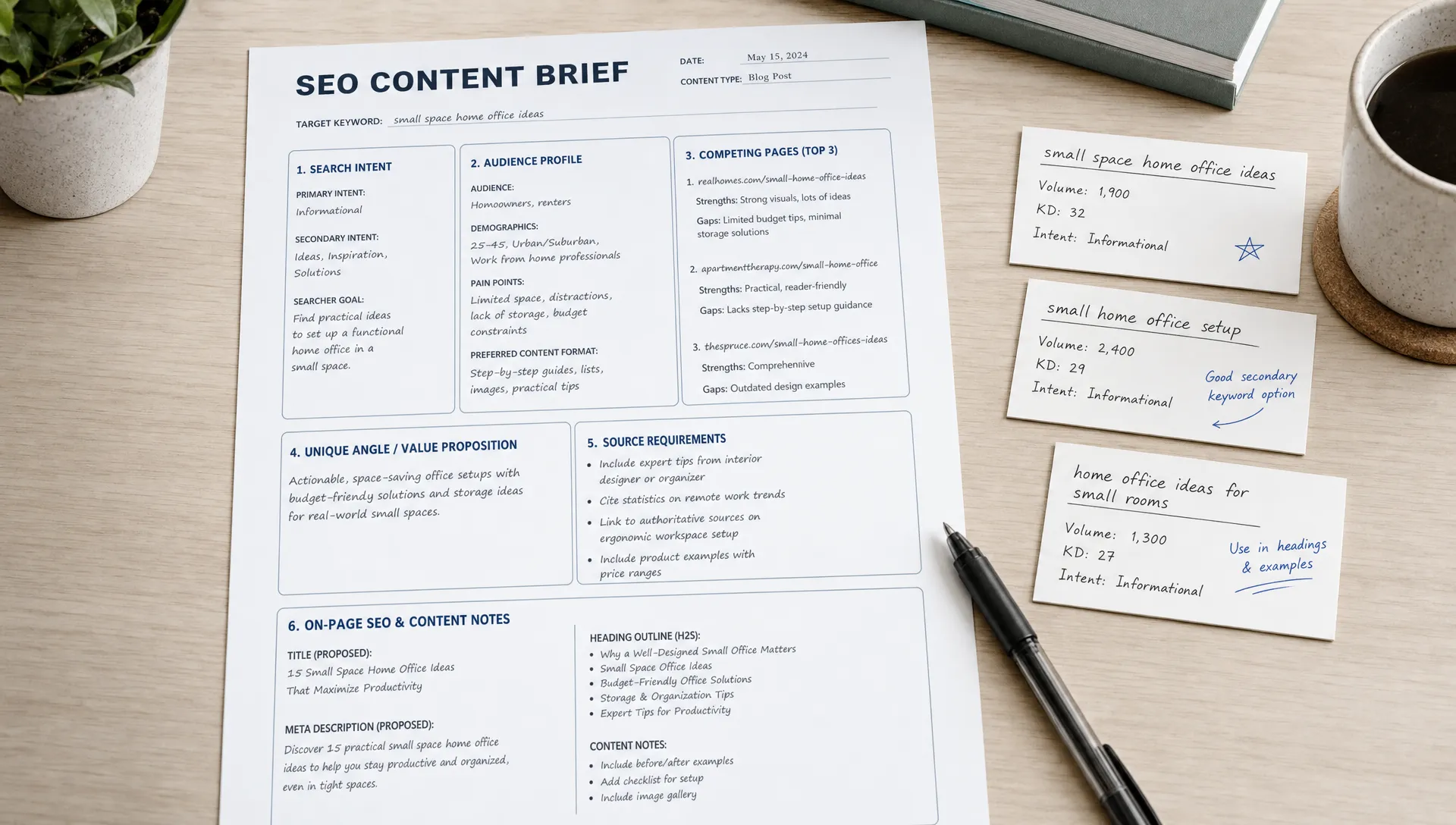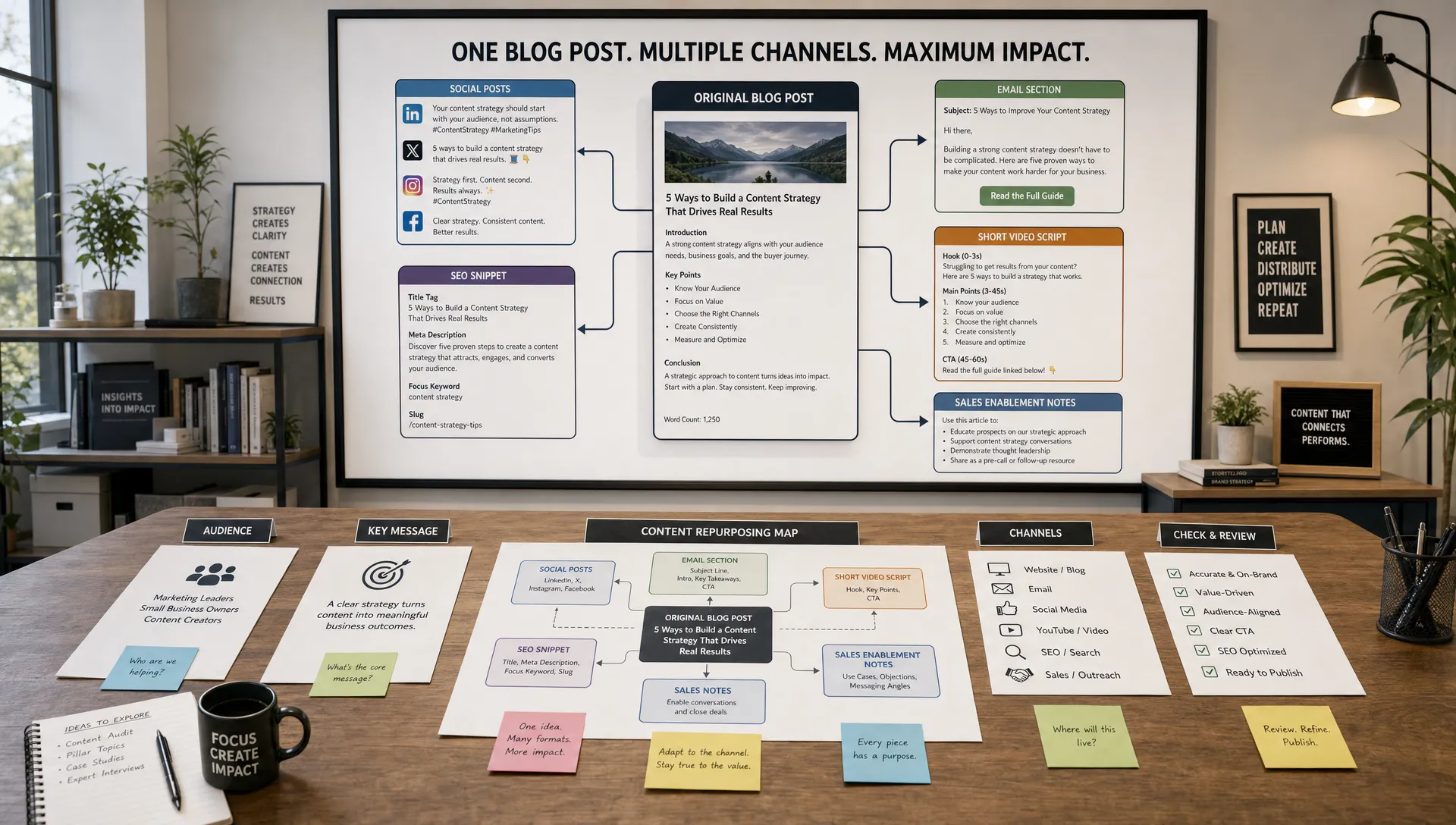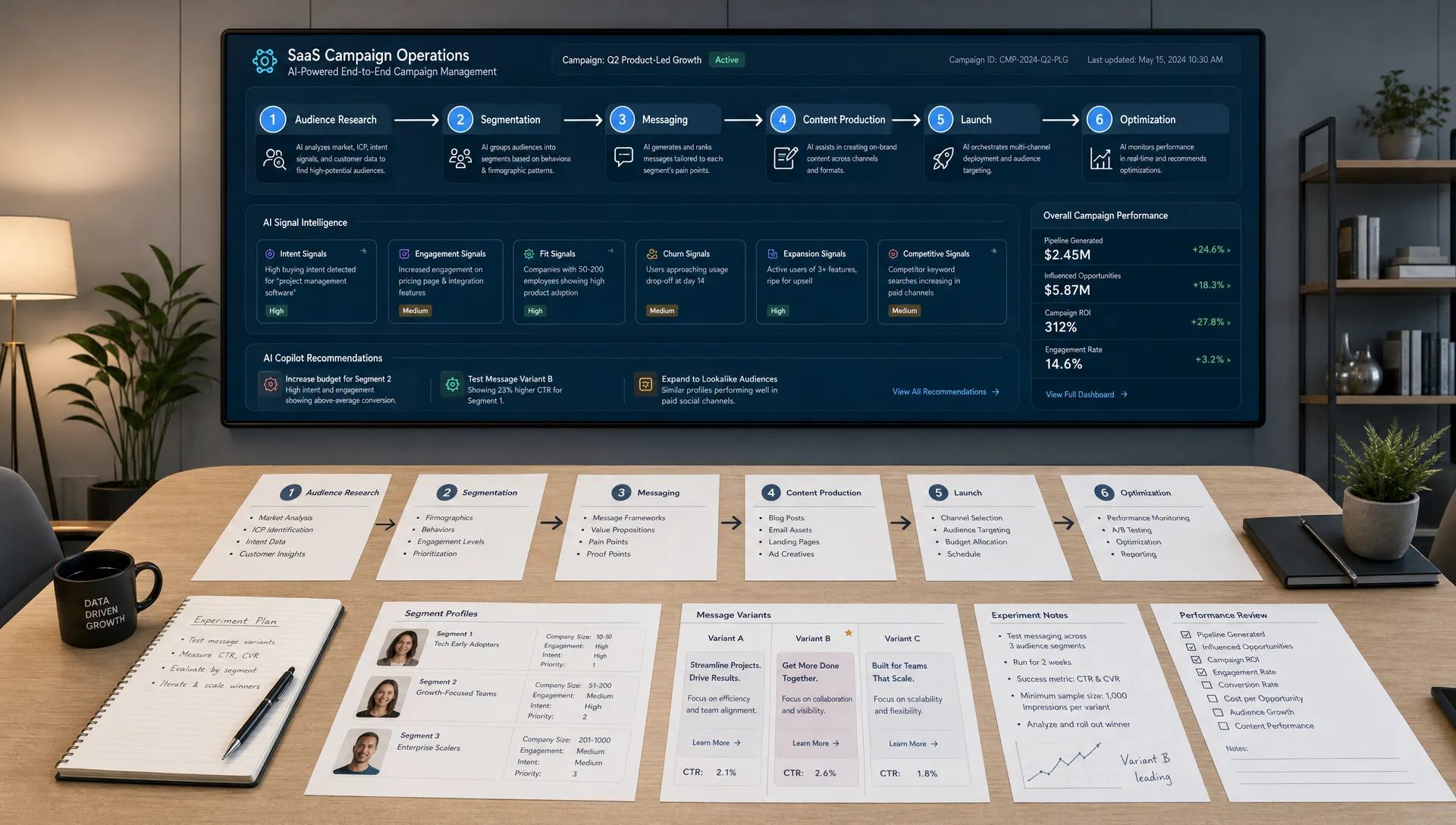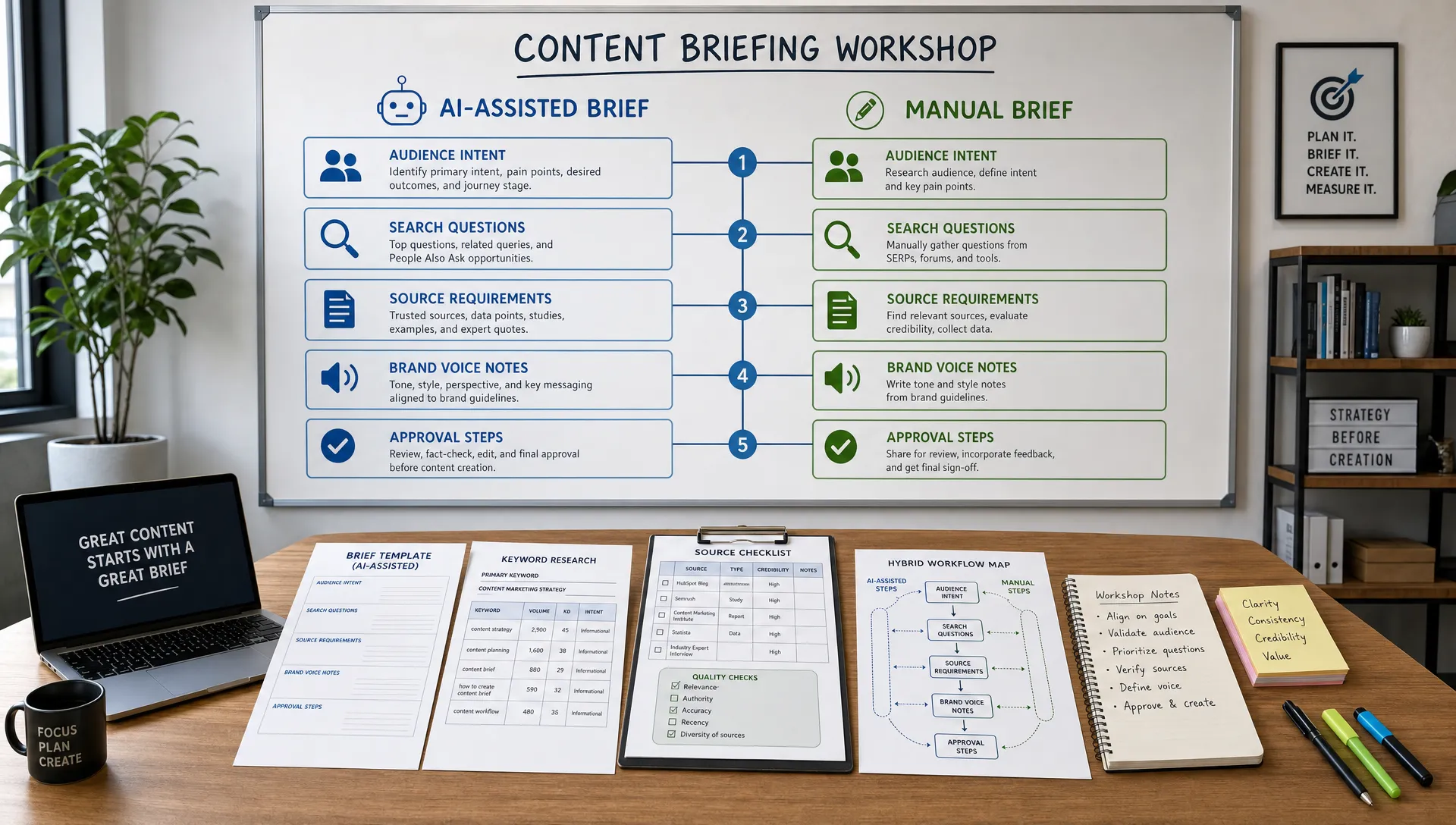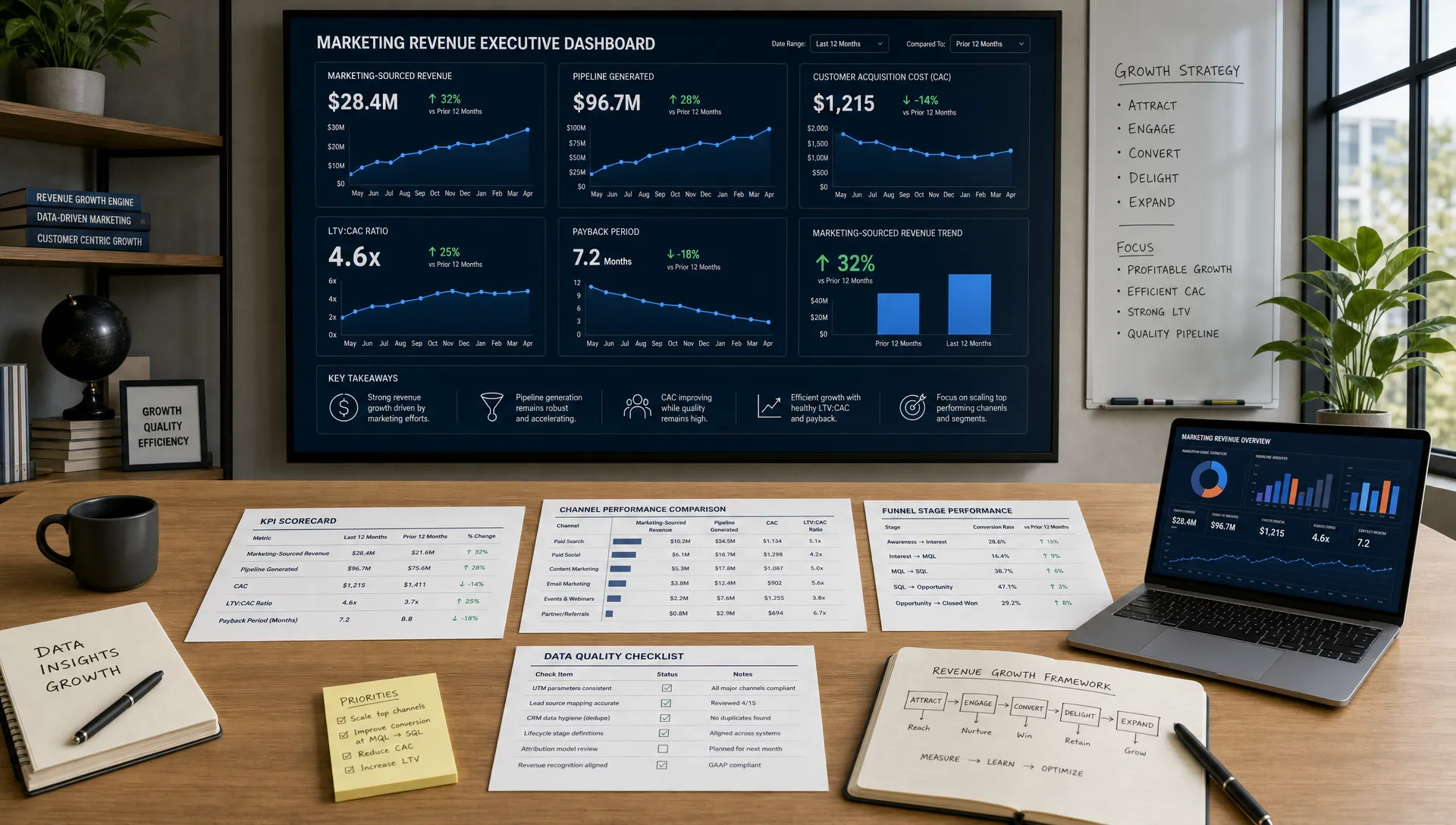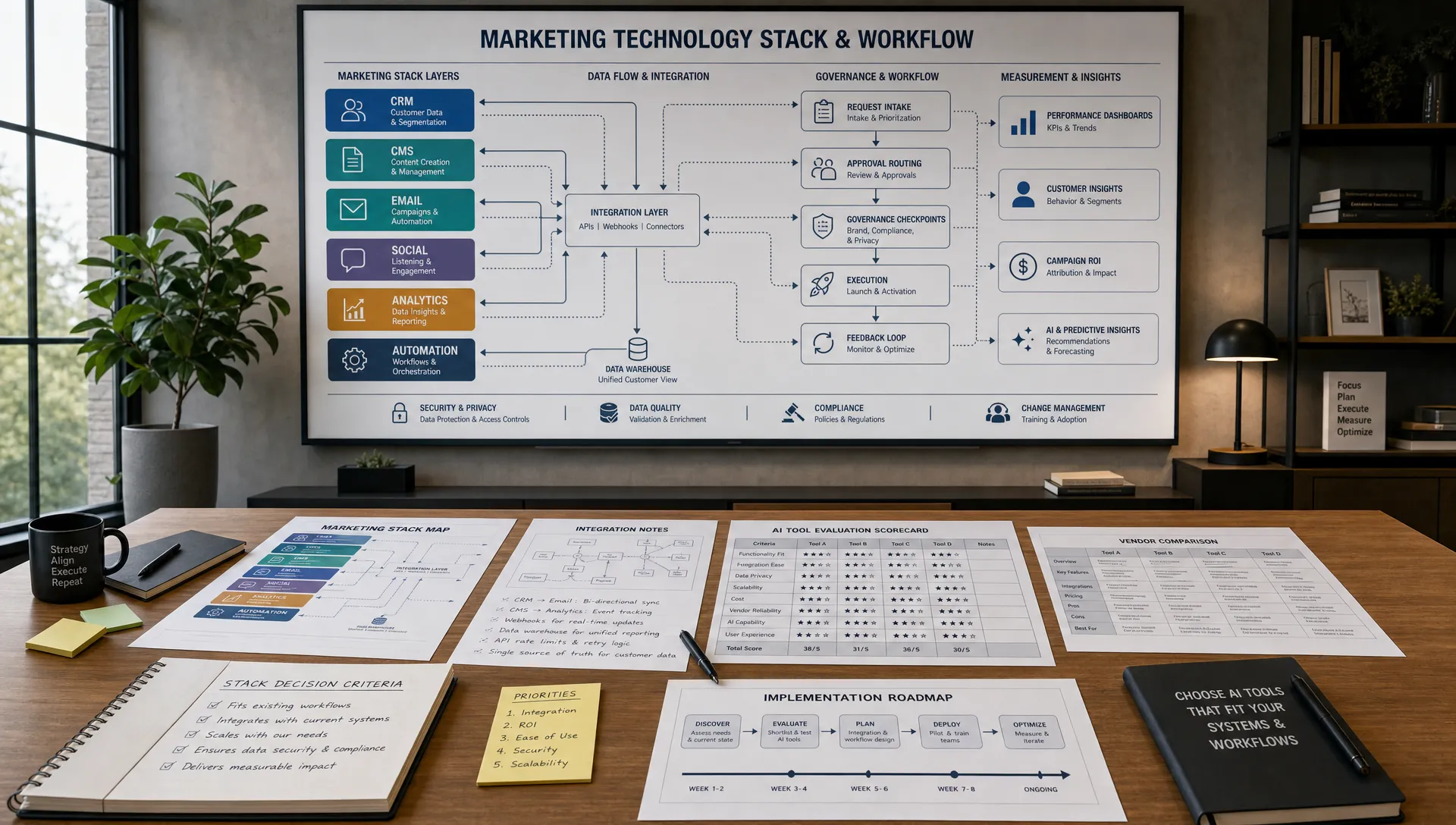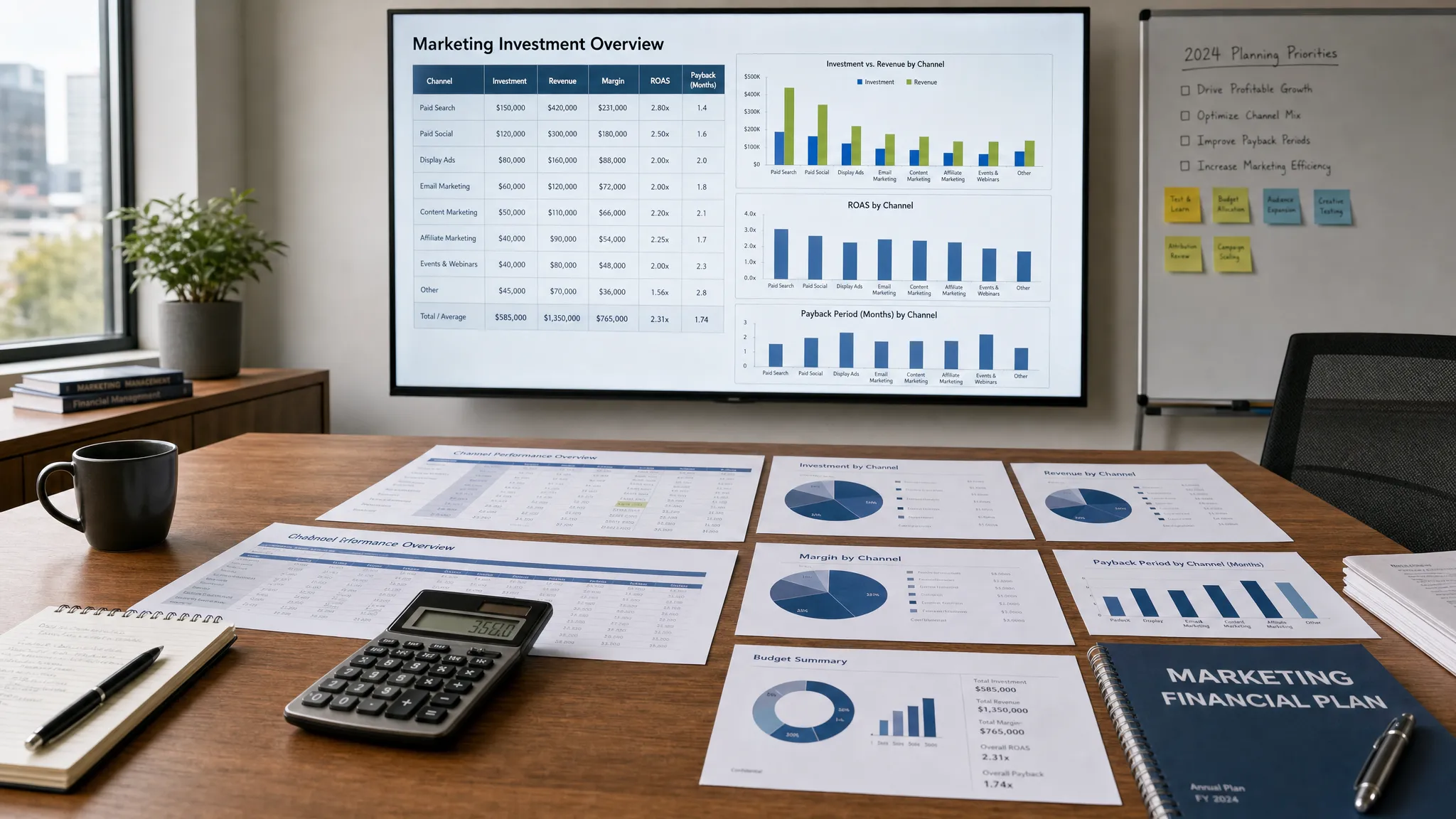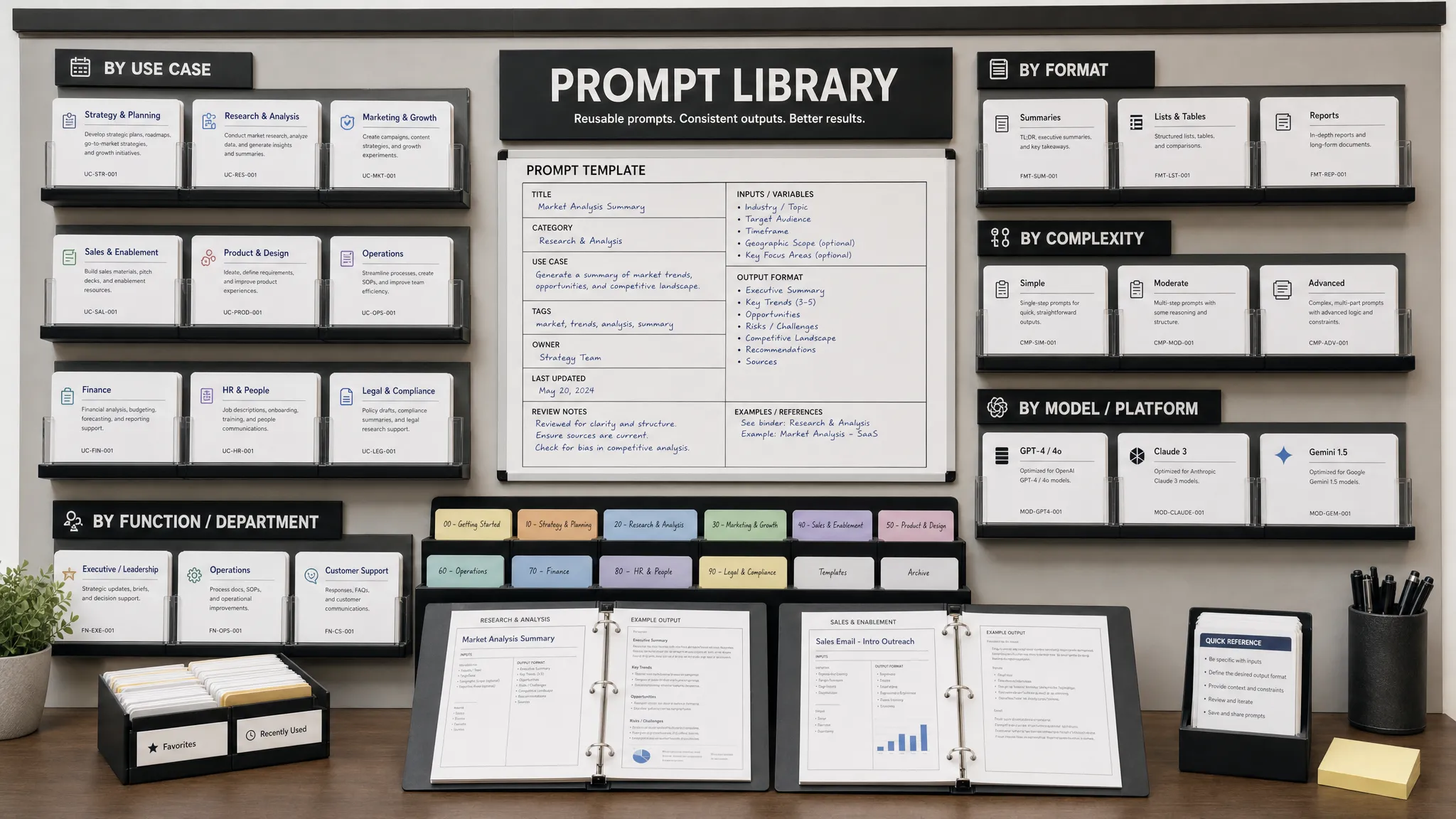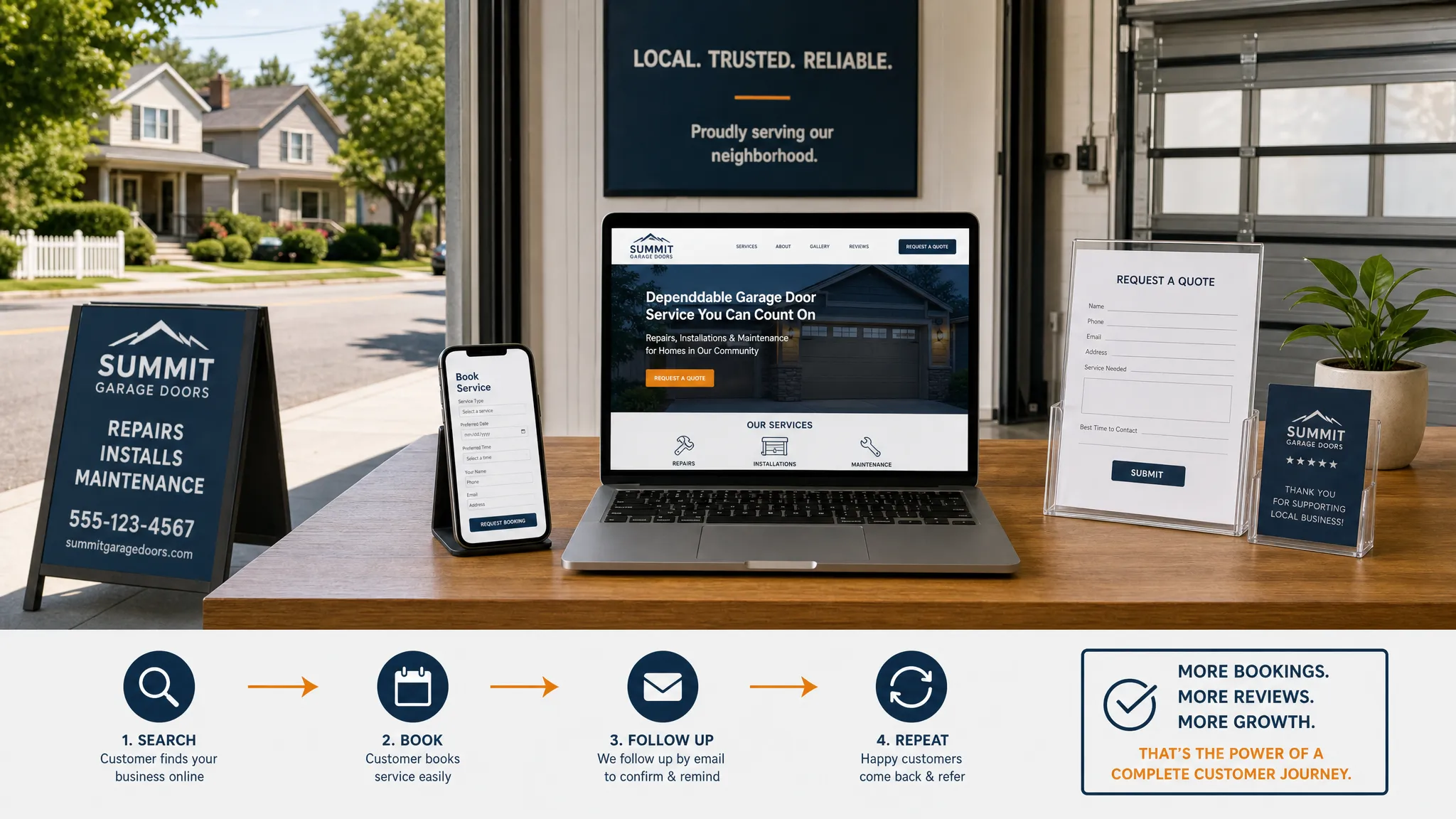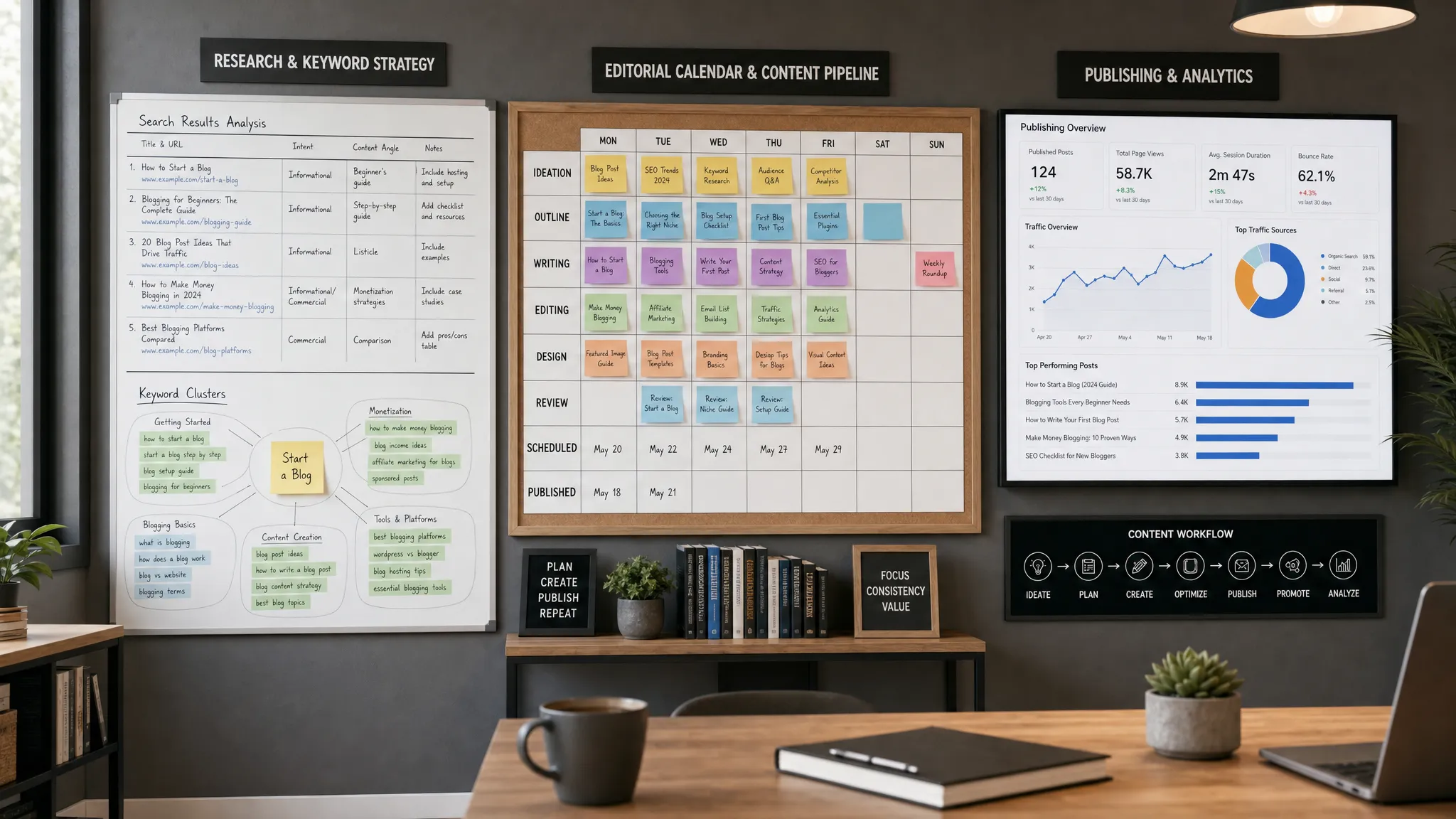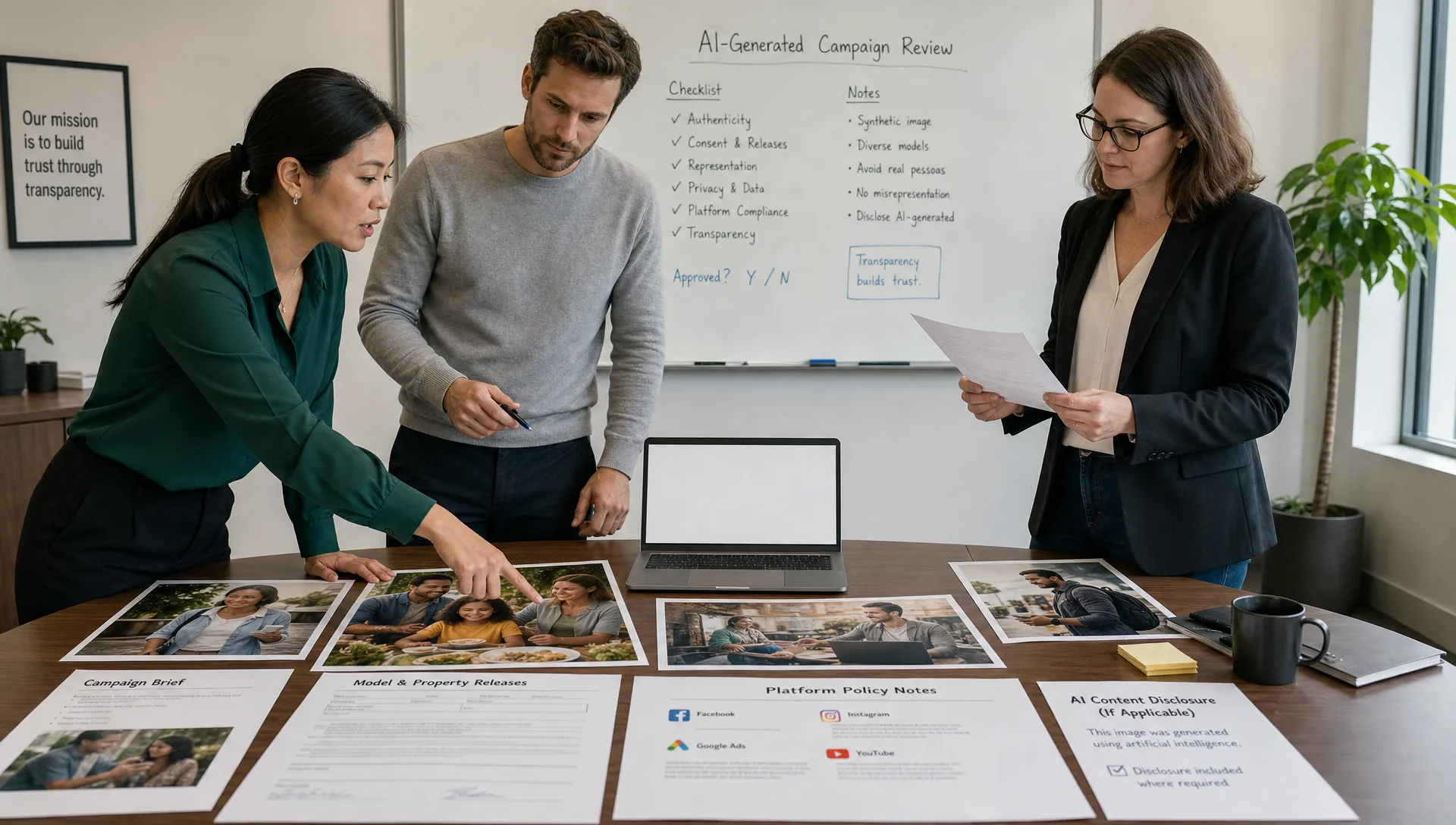
AI-generated images for marketing can move a campaign from idea to publishable creative in hours instead of weeks. They can also create legal confusion, off-brand visuals, inaccurate product scenes and trust problems if teams treat them like ordinary stock photos.
The right approach is not to ban AI visuals or publish them without review. It is to build a repeatable workflow that separates safe creative exploration from public-facing assets that need legal, brand and performance checks. The rules below are designed for marketers who want speed without handing control of their brand to a model.
An AI-generated marketing image is any visual made or materially changed by a generative model. That includes text-to-image outputs, AI-edited product backgrounds, synthetic lifestyle scenes, image expansions, AI headshots, mockups, illustrations and ad concepts.
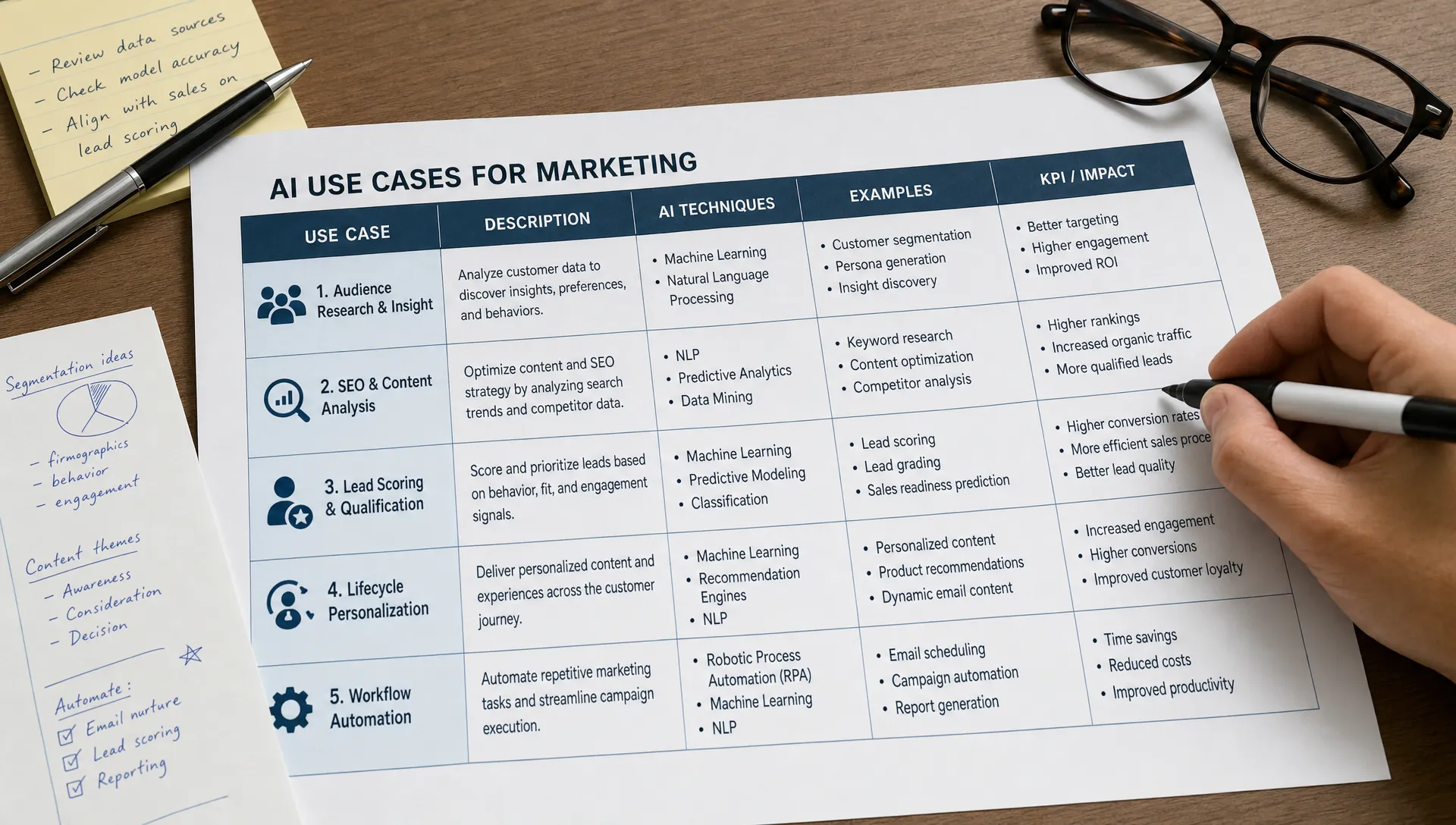
For marketing teams, the most common use cases are:
The risk level changes by use case. A playful abstract image for a blog post is lower risk than a synthetic product demo, a generated customer testimonial image or an AI-edited photo of a real person. AI-generated images for marketing need a review process that reflects that difference.
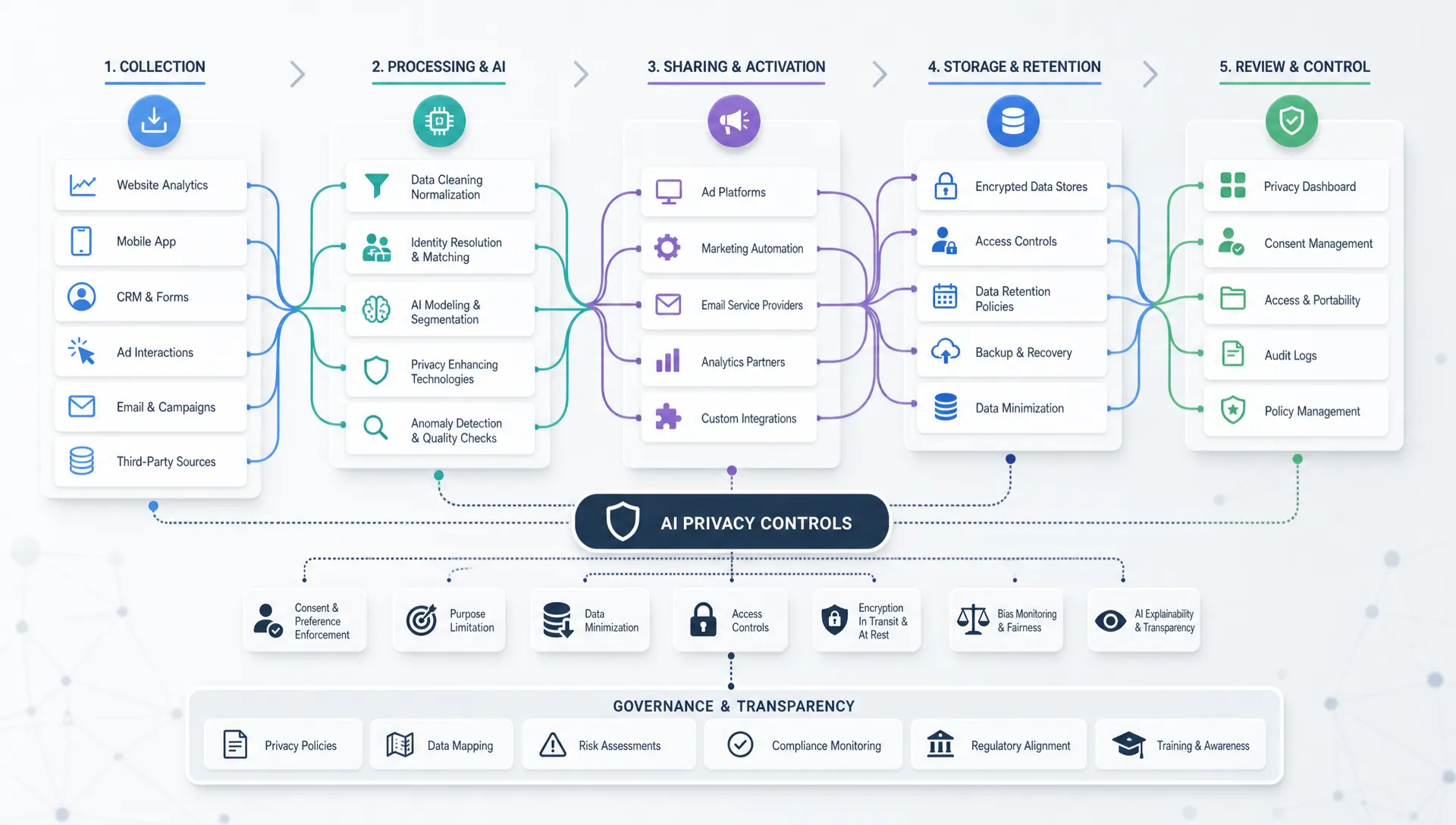
AI image rules are still evolving, but marketers do not need to wait for perfect regulation to act responsibly. Most best practices come from existing advertising, privacy, intellectual property and consumer protection principles.
| Rule | What it means in practice | Common mistake to avoid |
|---|---|---|
| Be truthful | The image should not imply a product feature, result, event or endorsement that is not real | Showing a software dashboard feature that has not shipped |
| Respect rights | Use tools, inputs and outputs in ways allowed by licenses, contracts and brand agreements | Prompting for a famous logo, character or artist style without permission |
| Get consent | Do not generate, alter or reuse someone's likeness in a way they did not approve | Turning an employee photo into an ad image without written approval |
| Disclose when material | If the synthetic nature of the image could affect trust or interpretation, make it clear | Presenting a fictional customer or fake event photo as real |
| Review for bias | Check whether people, roles, settings and visual signals reinforce stereotypes | Always showing leadership as one demographic and support roles as another |
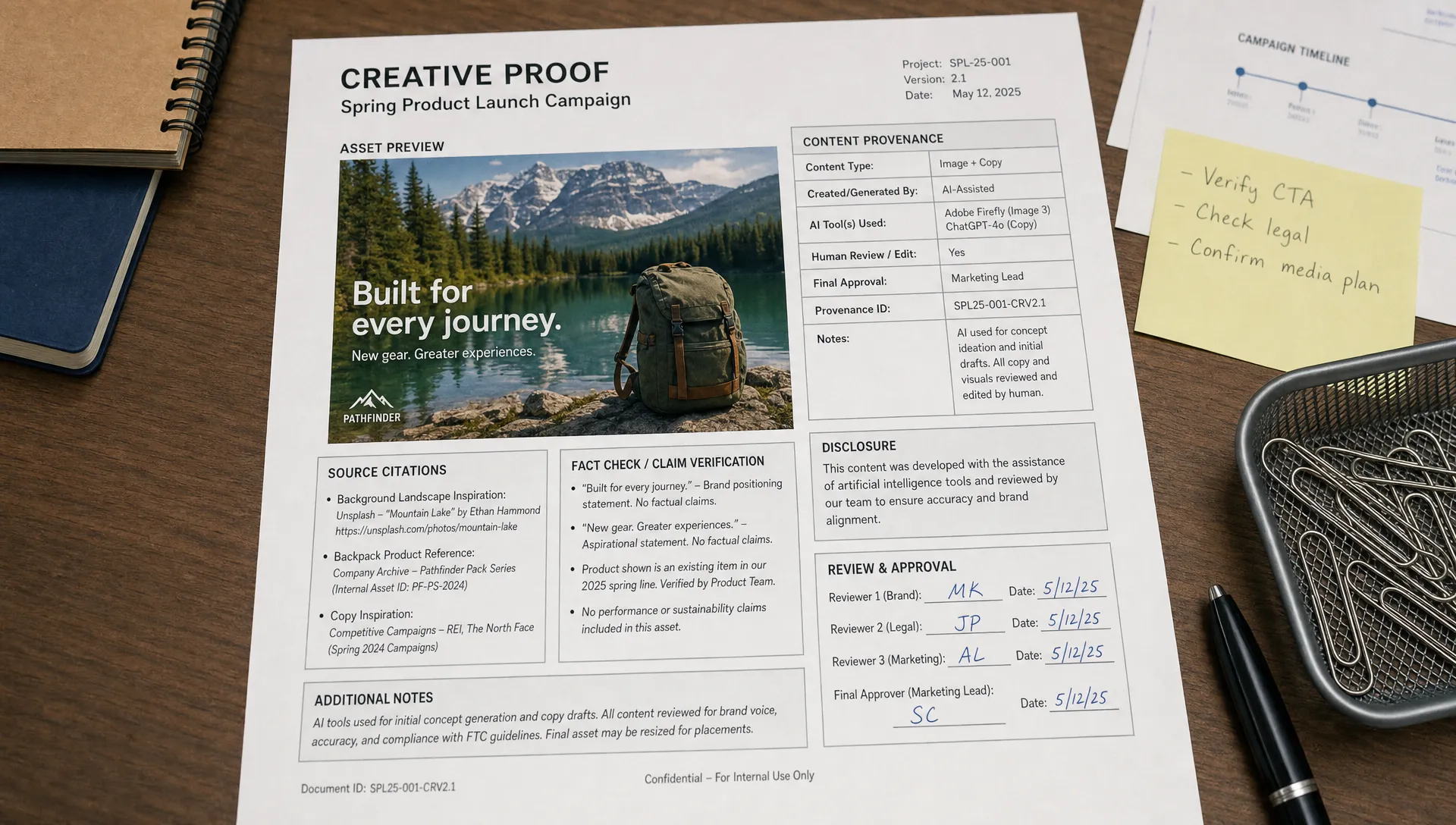
| Keep records | Save prompts, source assets, approvals and final files | Publishing without knowing which tool, license or prompt created the image |
Two legal points deserve special attention. First, copyright protection for AI outputs can be complicated. The U.S. Copyright Office has repeatedly emphasized that copyright protects human authorship, not purely machine-generated expression. That does not mean marketers cannot use AI outputs, but it does mean teams should document human creative contribution, tool terms and licensing assumptions.
Second, advertising law still applies. The U.S. Federal Trade Commission has warned businesses not to make deceptive AI claims, and that same principle applies to synthetic visuals. If an image creates a misleading impression about performance, availability, quality, identity or endorsement, the fact that AI made it will not excuse the campaign.
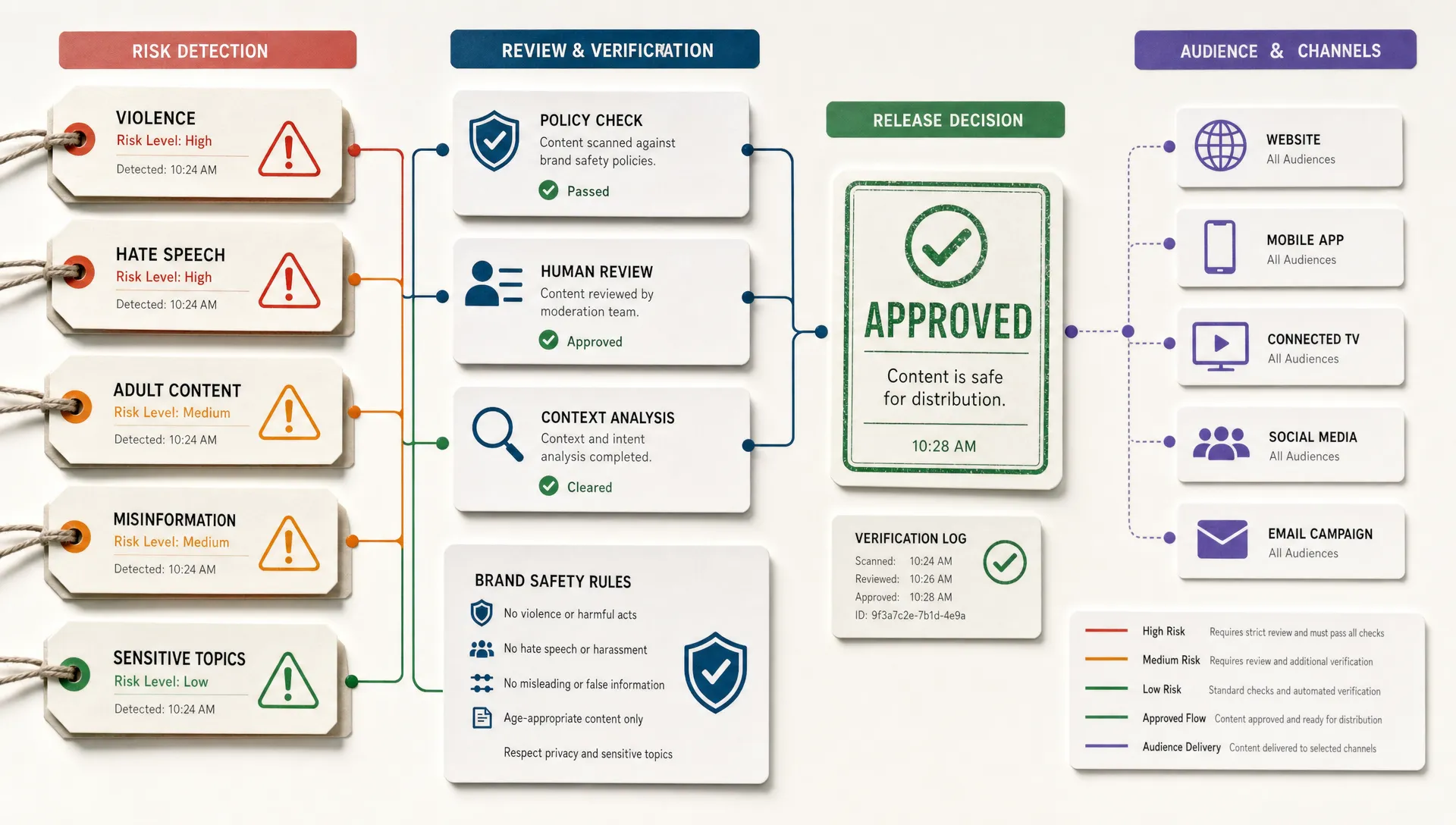
The fastest teams do not review every visual with the same intensity. They classify images before production, then apply the right approval path.
Low-risk images include abstract blog illustrations, mood boards, internal brainstorming images and non-product social graphics. These still need brand review, but they usually do not need legal approval unless they use recognizable people, protected marks or regulated claims.
Medium-risk images include campaign hero visuals, paid social ads, industry-specific illustrations and visuals that represent customers, workplaces or product usage. These need closer checks for stereotypes, factual accuracy, accessibility and platform compliance.
High-risk images include before-and-after visuals, customer success scenes, regulated industry claims, AI-generated people used as testimonials, medical or financial outcomes, political content, synthetic executives and images based on real people's likenesses. These should trigger human approval from brand, legal or compliance stakeholders.
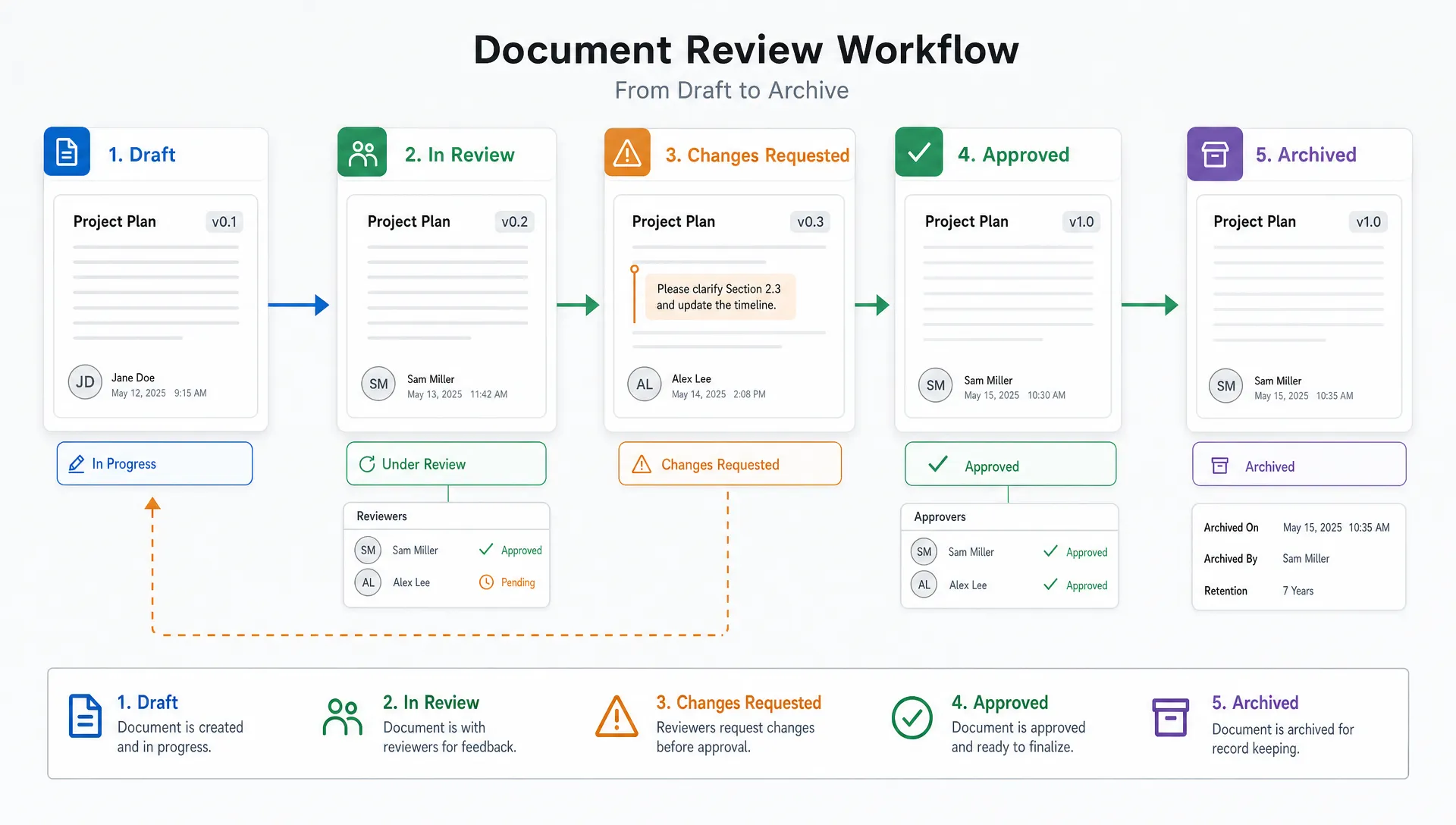
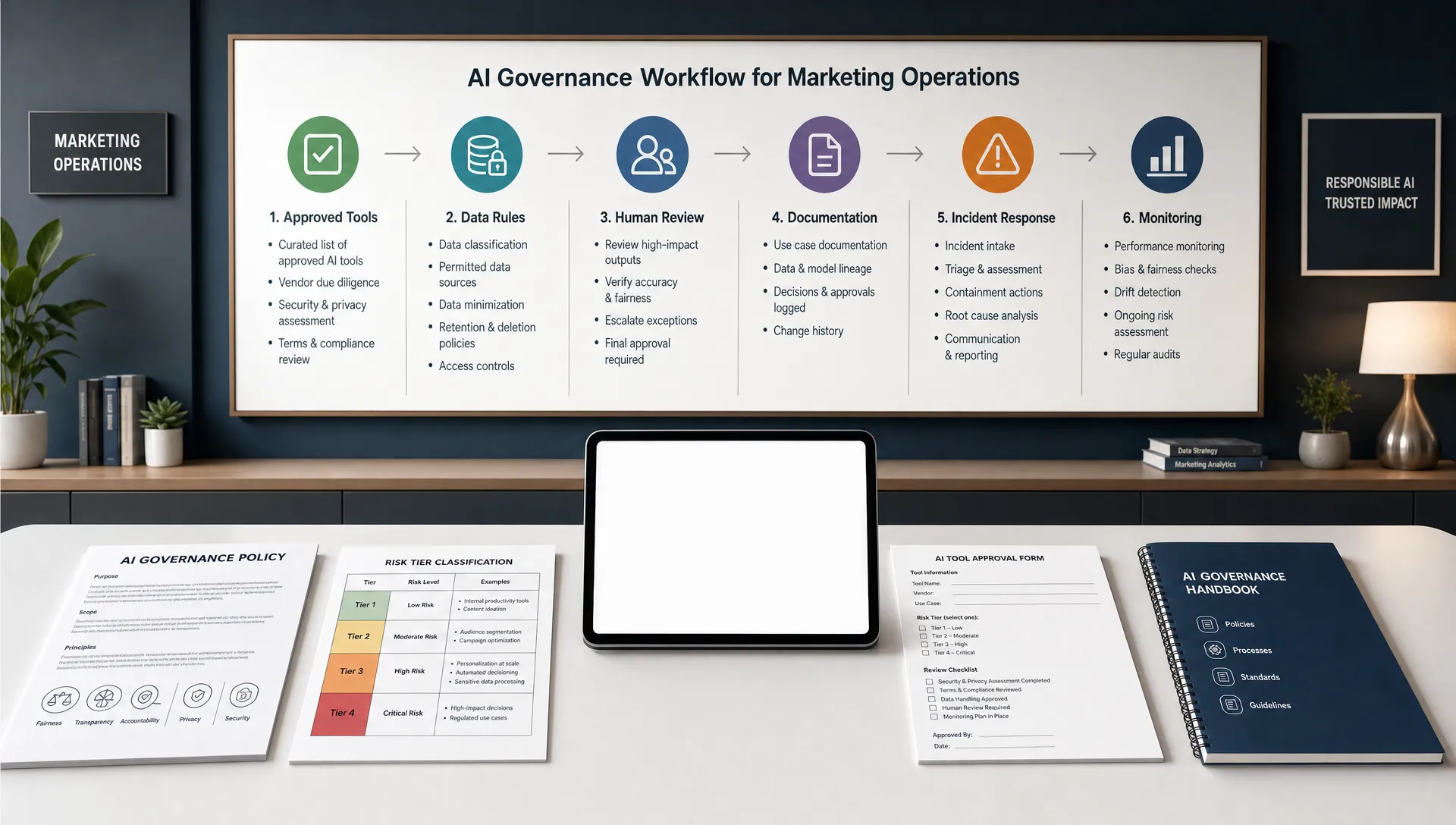
A written review path prevents AI image generation from becoming a private judgment call. If your team already uses AI across copy, SEO or advertising, connect this process to a broader AI marketing governance policy so visual standards are not managed separately from the rest of your workflow.
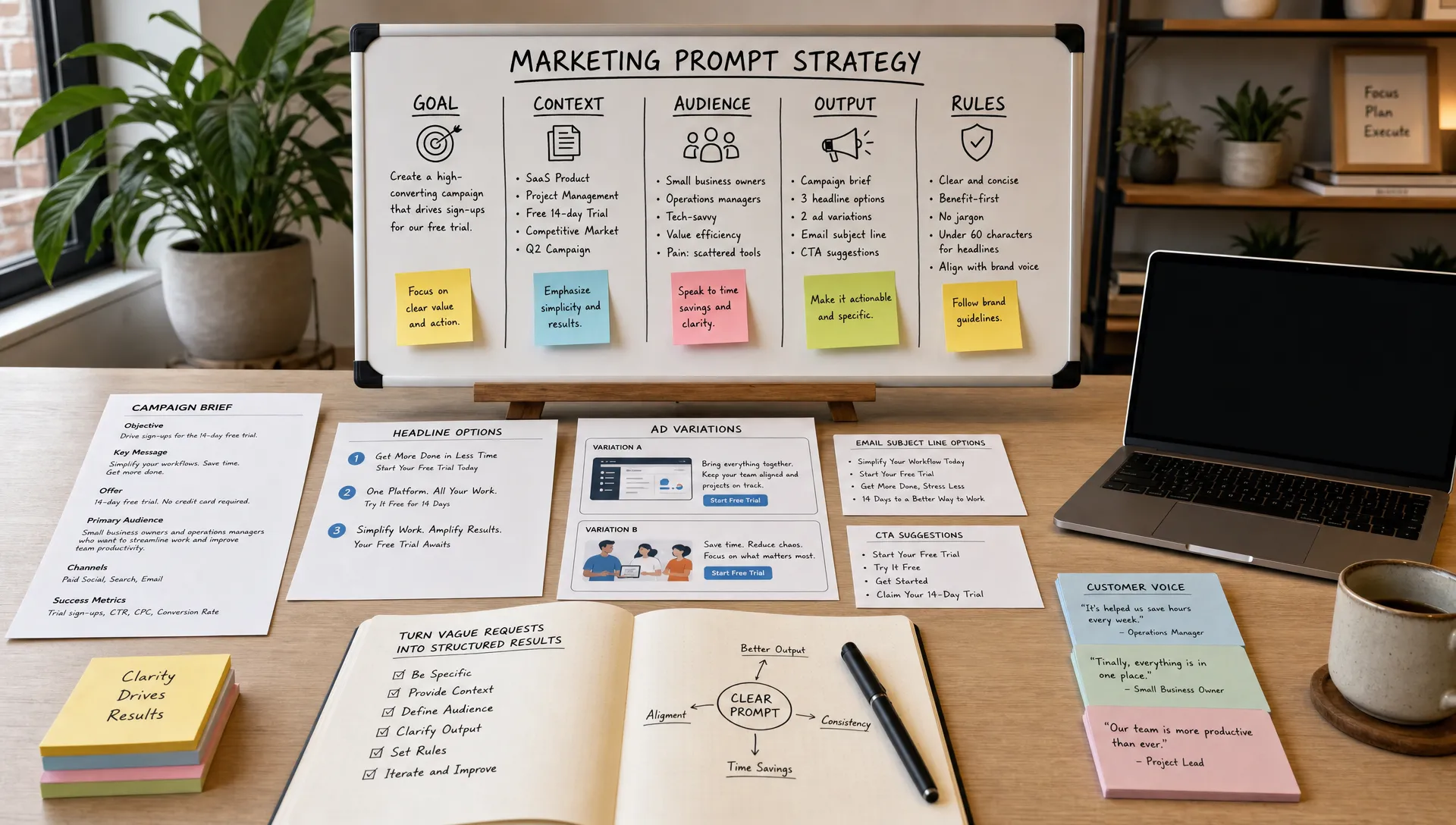
A weak prompt asks for a pretty image. A strong prompt translates a campaign brief into visual requirements the model can follow.
Start with the marketing job. Are you trying to explain a technical concept, create emotional resonance, increase ad thumb-stopping power or support a conversion page? The answer should shape composition, visual hierarchy, color, realism and the amount of detail.
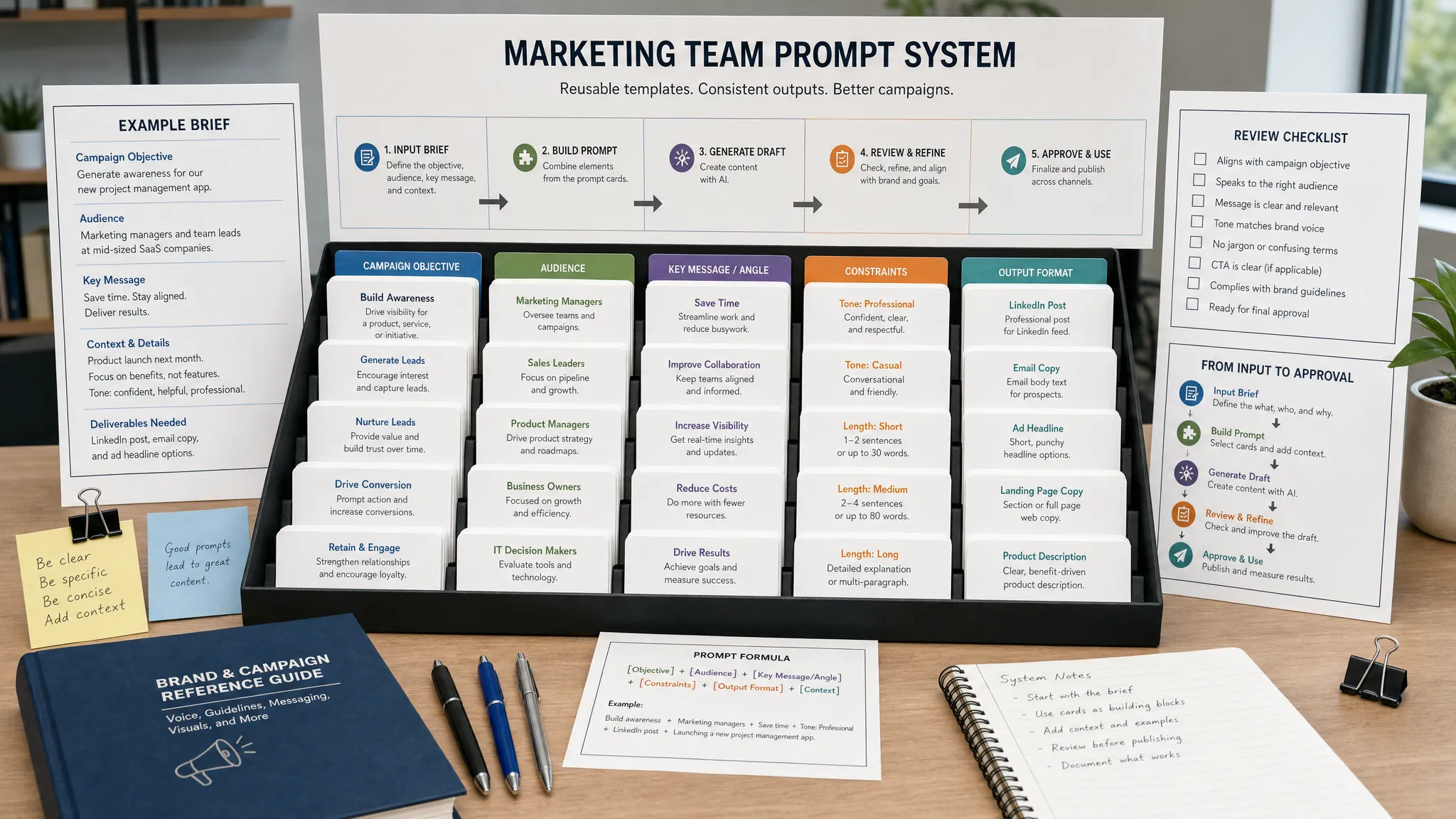
A practical prompt structure looks like this:
Avoid prompts that ask for a living artist's exact style, a competitor's trade dress or recognizable copyrighted characters. Also avoid prompting with private customer data, confidential product roadmaps or non-public campaign strategy unless your tool, contract and internal policy allow it.
For AI-generated images for marketing, negative instructions are often as important as creative instructions. Tell the tool what not to include: fake logos, distorted text, extra fingers, unrealistic UI screens, stereotyped roles, medical claims, exaggerated results or confusing product details.
Product visuals deserve stricter rules than general campaign illustrations. If you sell software, do not generate a dashboard that suggests analytics, integrations or controls your product does not have. If you sell a physical product, do not create synthetic packaging, materials, dimensions or safety cues that differ from the real item.
A safe standard is simple: use real product photography, verified screenshots or approved renders for product-specific claims. AI can help with backgrounds, lighting, crops, concepting and scene extensions, but the product itself should remain accurate unless the image is clearly labeled as conceptual.
This matters most for SaaS, finance, legal, healthcare and other trust-heavy markets. In these categories, a misleading visual can do more damage than a weak headline because viewers process images quickly and may not notice fine print.
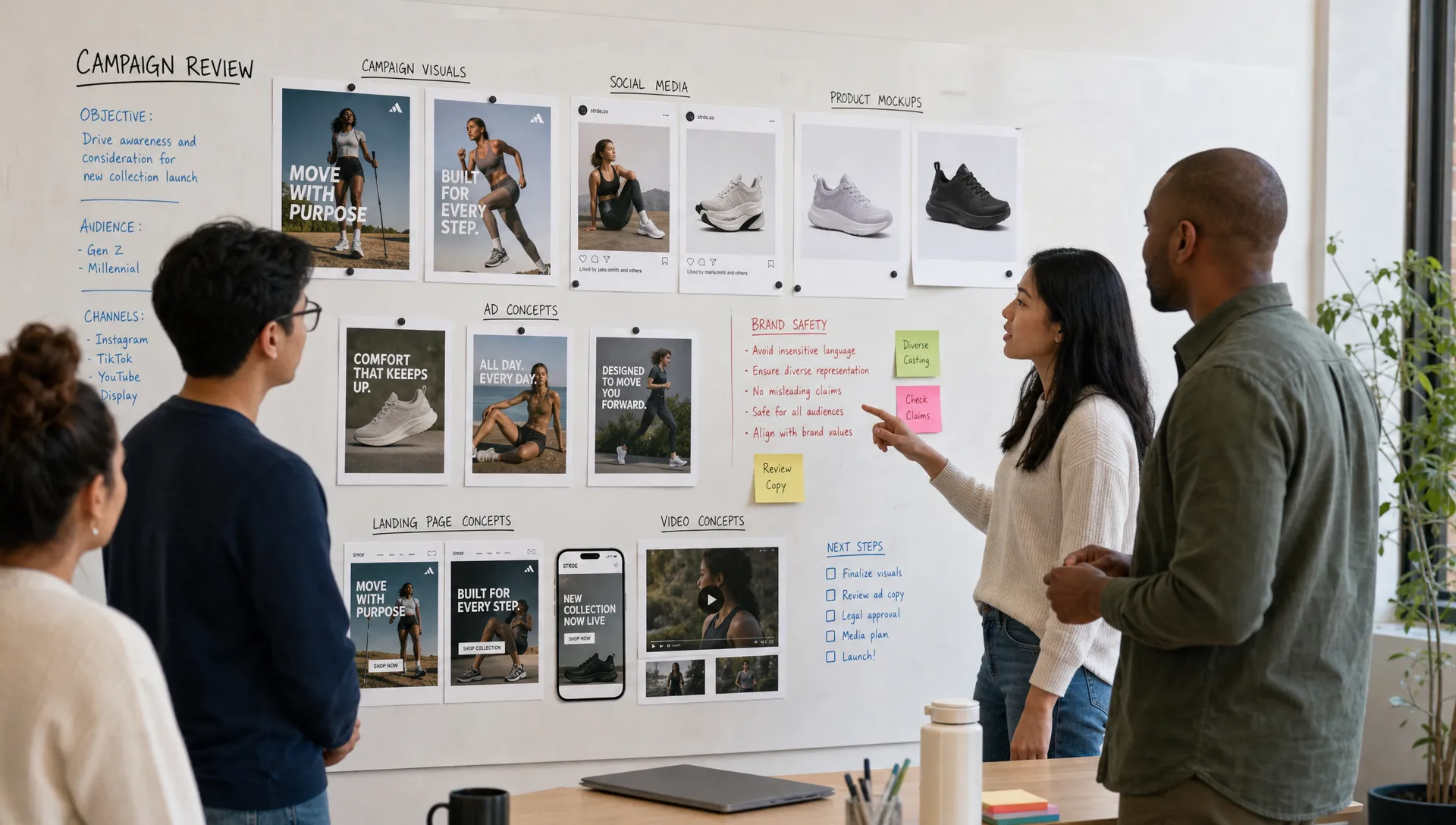
AI visuals need their own version of editorial quality control. A designer may focus on composition, but a marketer has to inspect the image for meaning, claims and context.
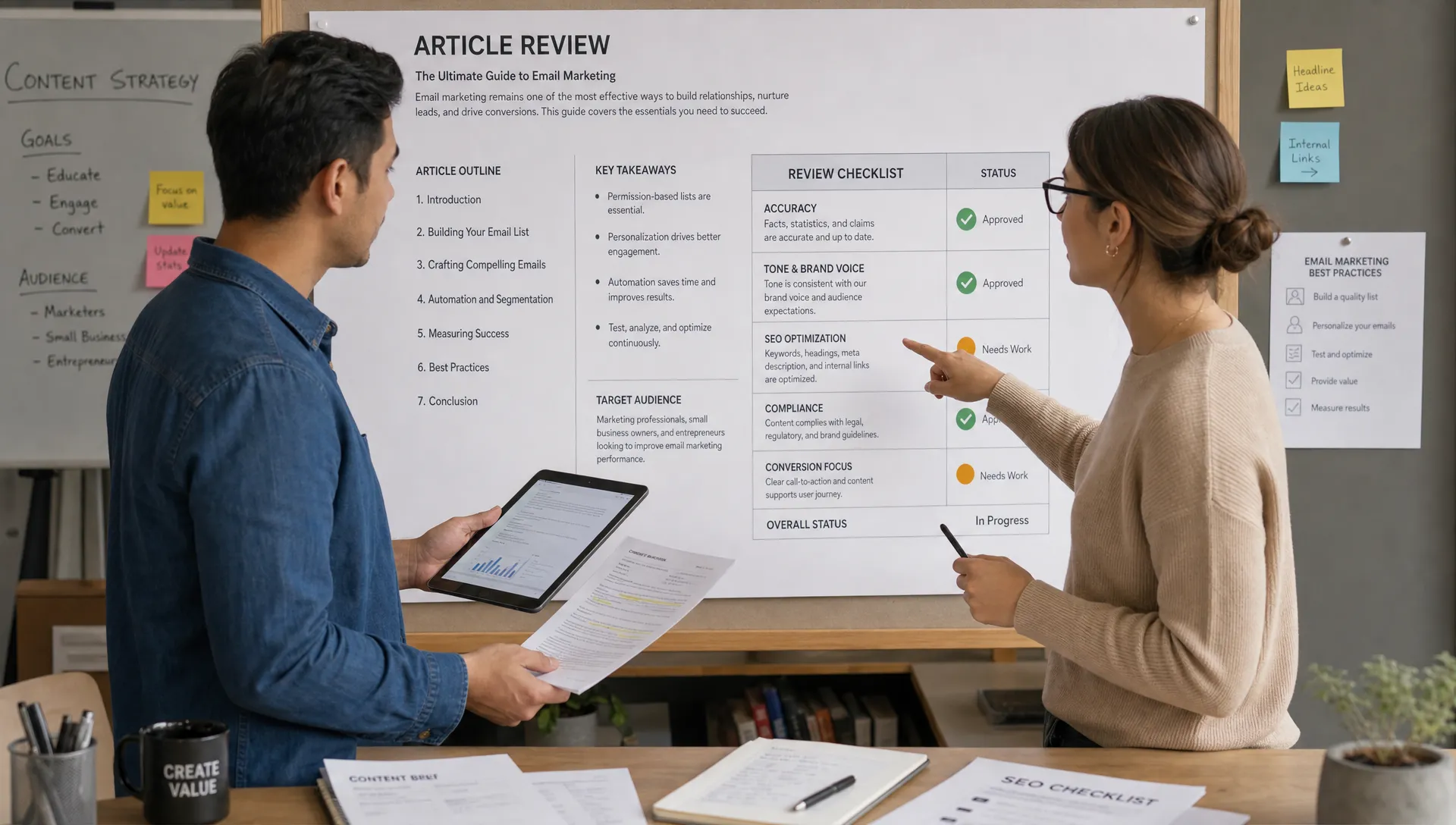
Before publishing, review each image against these checks:
| Review area | Questions to ask |
|---|---|
| Brand fit | Does the image match our visual identity, tone and audience expectations? |
| Factual accuracy | Does it imply a real feature, outcome, location, award, person or event? |
| Legal and rights | Are the tool terms, inputs, likenesses, logos and references approved for this use? |
| Inclusion | Are people represented respectfully and without lazy demographic shortcuts? |
| Accessibility | Does the image work with alt text, contrast requirements and surrounding copy? |
| Platform policy | Does it comply with the rules of Google Ads, Meta, LinkedIn, email providers or marketplaces? |
| Performance fit | Is the image designed for the channel, placement and conversion goal? |
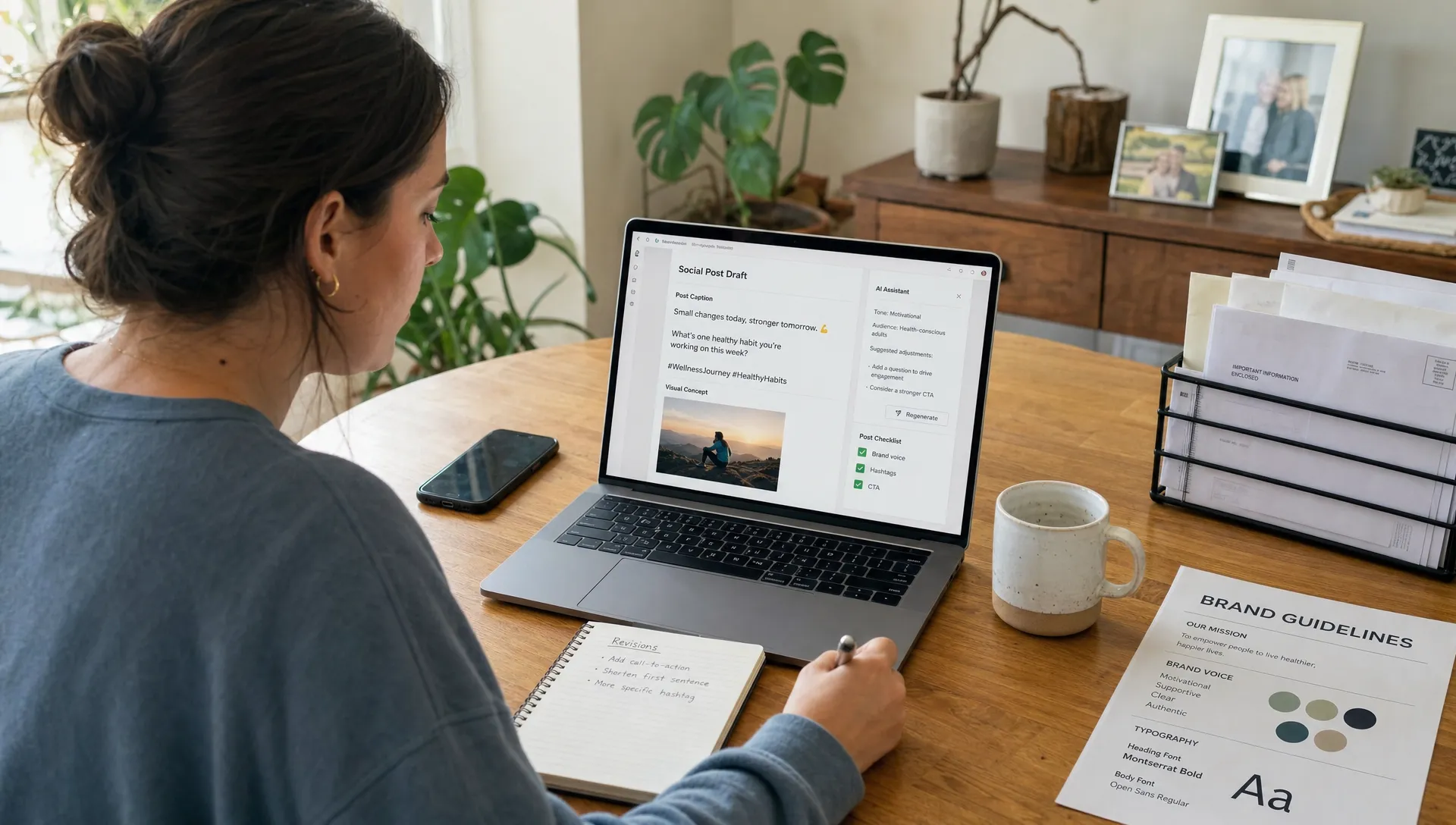
Do not rely on the person who created the prompt to be the only reviewer. They are more likely to overlook issues because they already know what the image was supposed to mean. A lightweight second review catches problems before audiences do.
A broader AI content quality control checklist can help marketing teams connect image review with copy review, fact-checking and final approval.
There is no single universal rule that every AI image in every marketing context needs the same label. The better question is whether a reasonable viewer could be misled if they did not know the image was synthetic.
Disclosure is usually wise when the image depicts a person who could be mistaken for real, a customer scenario, a product result, a news-like event, a physical location, a before-and-after comparison or a regulated topic. Disclosure can be as simple as “AI-generated illustration” near the image, in a caption or in campaign notes, depending on the channel.
For abstract backgrounds, icons or clearly illustrative blog graphics, a label may be less necessary, though some brands choose to disclose consistently as a trust signal. Whatever you choose, document the policy and apply it consistently.
Many AI image mistakes are obvious: warped hands, gibberish text, distorted products or strange lighting. The more serious risks are often subtler.
An image can be technically polished and still damage the brand if it uses insensitive cultural cues, makes a serious topic look trivial, places your product in an unsafe context or creates the impression that your company supports a cause, person or behavior it does not.
For that reason, review should include context, not just aesthetics. A cybersecurity campaign might not need a hooded hacker stereotype. A financial services ad should be careful with unrealistic wealth imagery. A legal technology campaign should not imply attorney-client advice through a fictional scene.
If your team is scaling AI across campaigns, connect image review to your broader AI brand safety risk management process. Visuals are part of the same trust system as copy, targeting, claims and media placement.
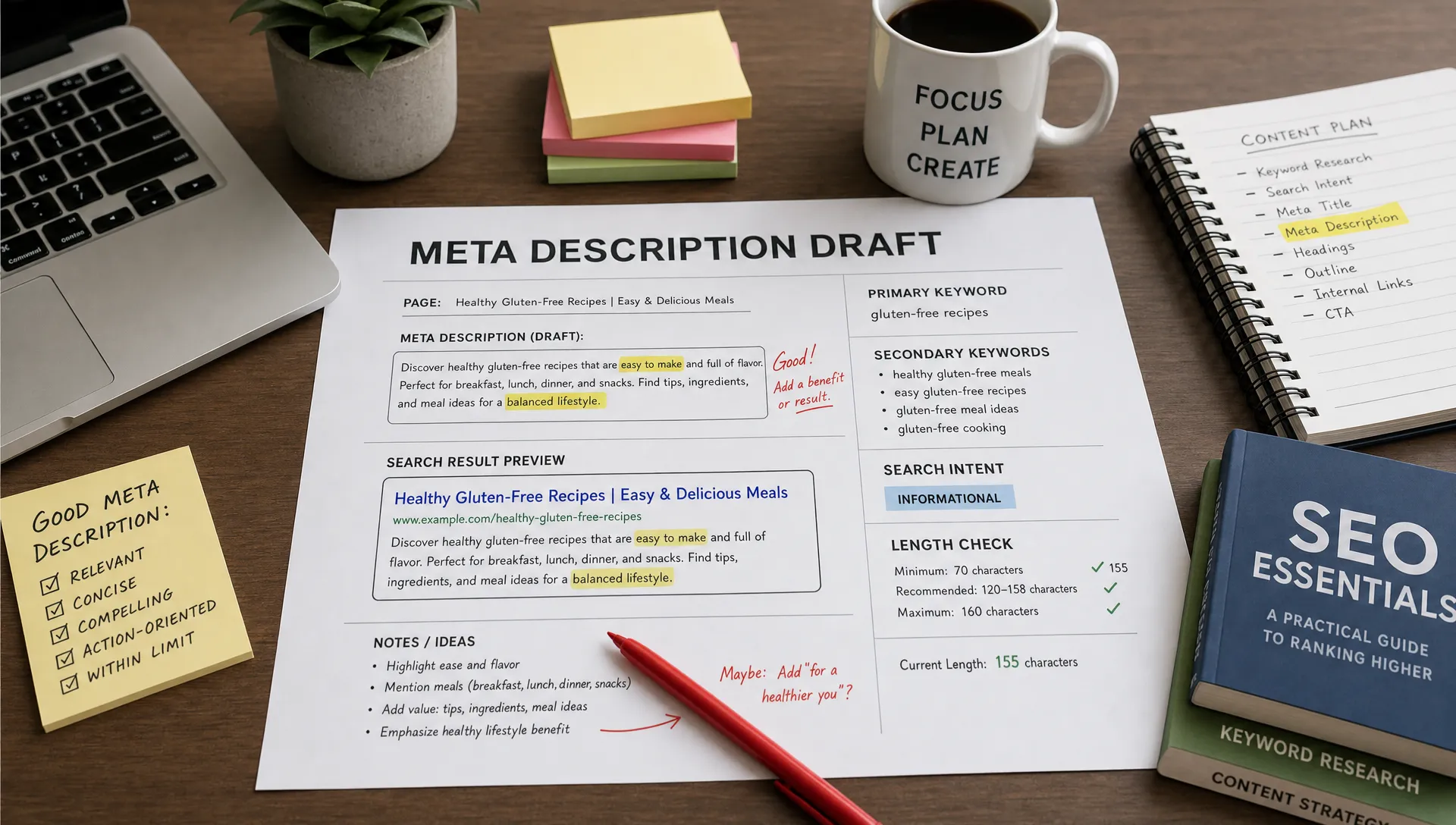
AI-generated images for marketing should still follow fundamentals of image SEO and accessibility. Use descriptive file names, compress images for page speed, provide accurate alt text and place visuals near relevant copy. Alt text should describe the image's content and function, not repeat a keyword mechanically.
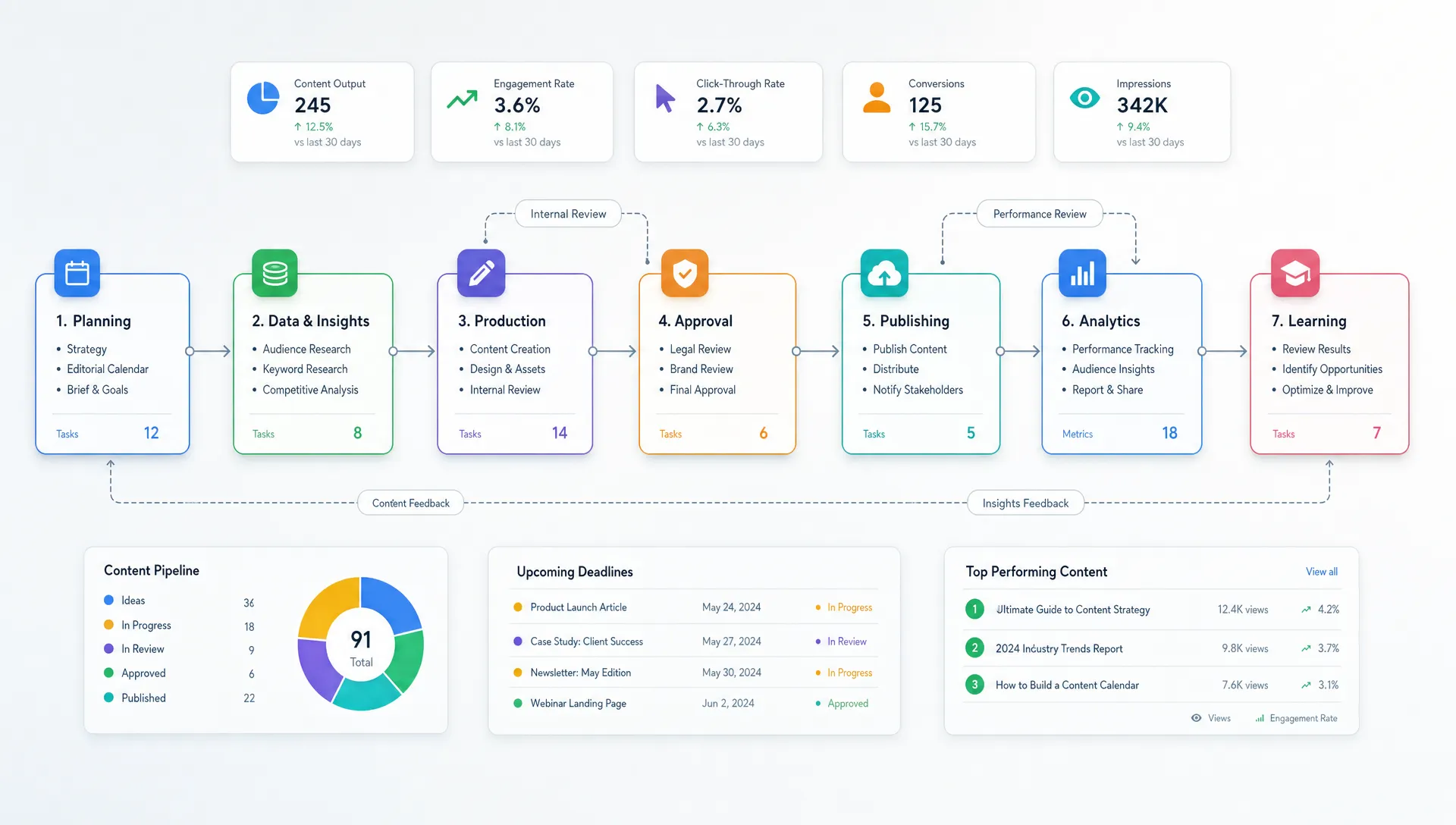
For example, “AI-generated illustration of a B2B marketing workflow with campaign planning, review and reporting stages” is more useful than “AI marketing image best practices image.” If the image is decorative, the alt text can be brief or empty depending on your content management system and accessibility standards.
Search behavior is also changing. Brand visibility now depends not only on classic search results, but on whether AI answer engines can understand, cite and summarize your content. For a broader view of this shift, Space Dinosaurs has a useful guide to generative engine optimization that explains how structured, citable content can help brands show up in AI-driven discovery.
For visual content, that means marketers should pair images with clear surrounding text, original insight, comparison tables, captions and well-labeled examples. AI systems are better at understanding the purpose of an image when the page around it is specific.
A visual that works in a blog post may fail in paid social or create compliance concerns in an email. Channel context should shape both generation and review.
| Channel | Best use of AI visuals | Extra rule to apply |
|---|---|---|
| Blog posts | Concept illustrations, diagrams, hero images and section visuals | Use accurate alt text and avoid visuals that overpromise the article's advice |
| Thought leadership graphics, event promos and campaign concepts | Keep the image credible for a professional audience | |
| Paid social | Rapid creative testing and variations around one approved concept | Review claims, landing page consistency and platform policies |
| Lightweight headers, seasonal creative and audience-specific visuals | Avoid sensitive personalization that feels invasive | |
| Landing pages | Supporting visuals that clarify value or reduce friction | Do not use synthetic proof in place of real screenshots, testimonials or results |
| Sales decks | Concept mockups and visual explanations | Label speculative visuals clearly when they are not customer evidence |
The goal is not to make every image look AI-free. The goal is to make every image useful, truthful and appropriate for where it appears.
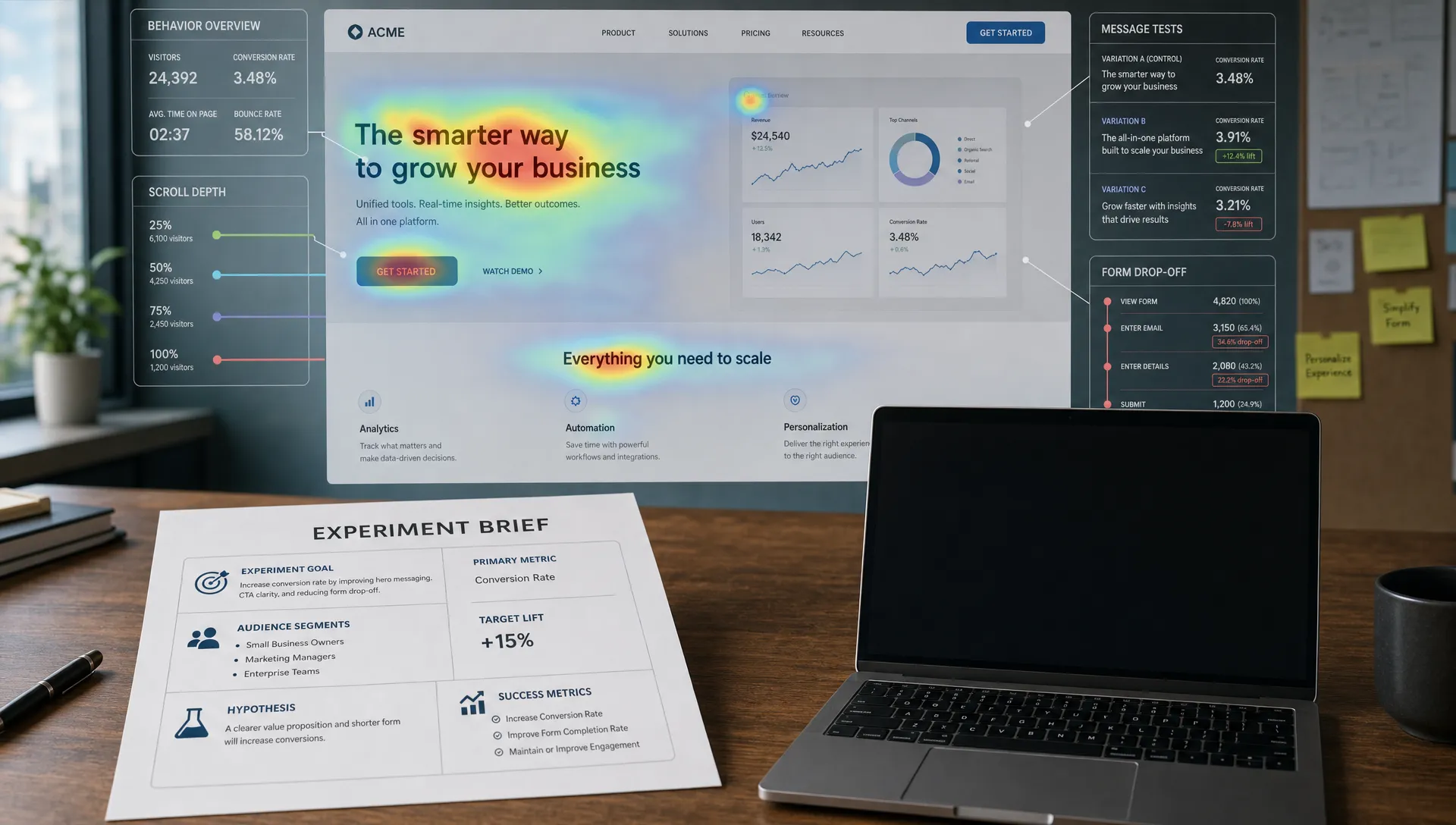
AI makes it easy to create dozens of visual variants, but more variants do not automatically improve marketing. Set a clear test plan before generating assets.
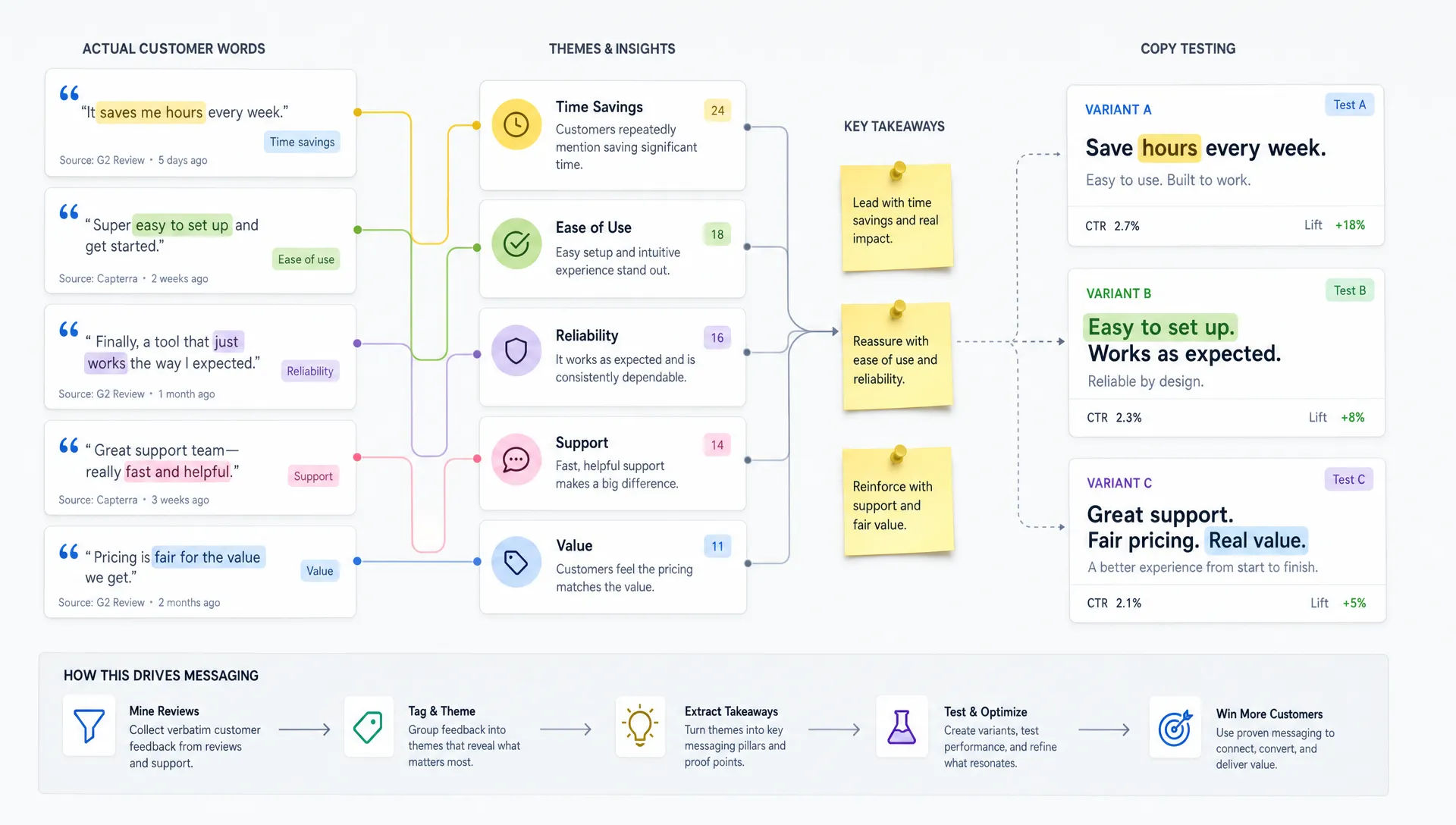
Useful metrics include click-through rate, conversion rate, scroll depth, email engagement, cost per acquisition, creative fatigue and qualitative feedback from sales or customer-facing teams. For brand campaigns, add recall, sentiment and message association when you have the research budget.
Do not let short-term performance override trust. A shocking synthetic image may win clicks and still be wrong for the brand. When a high-performing image creates complaints, confusion or sales objections, treat that as performance data too.
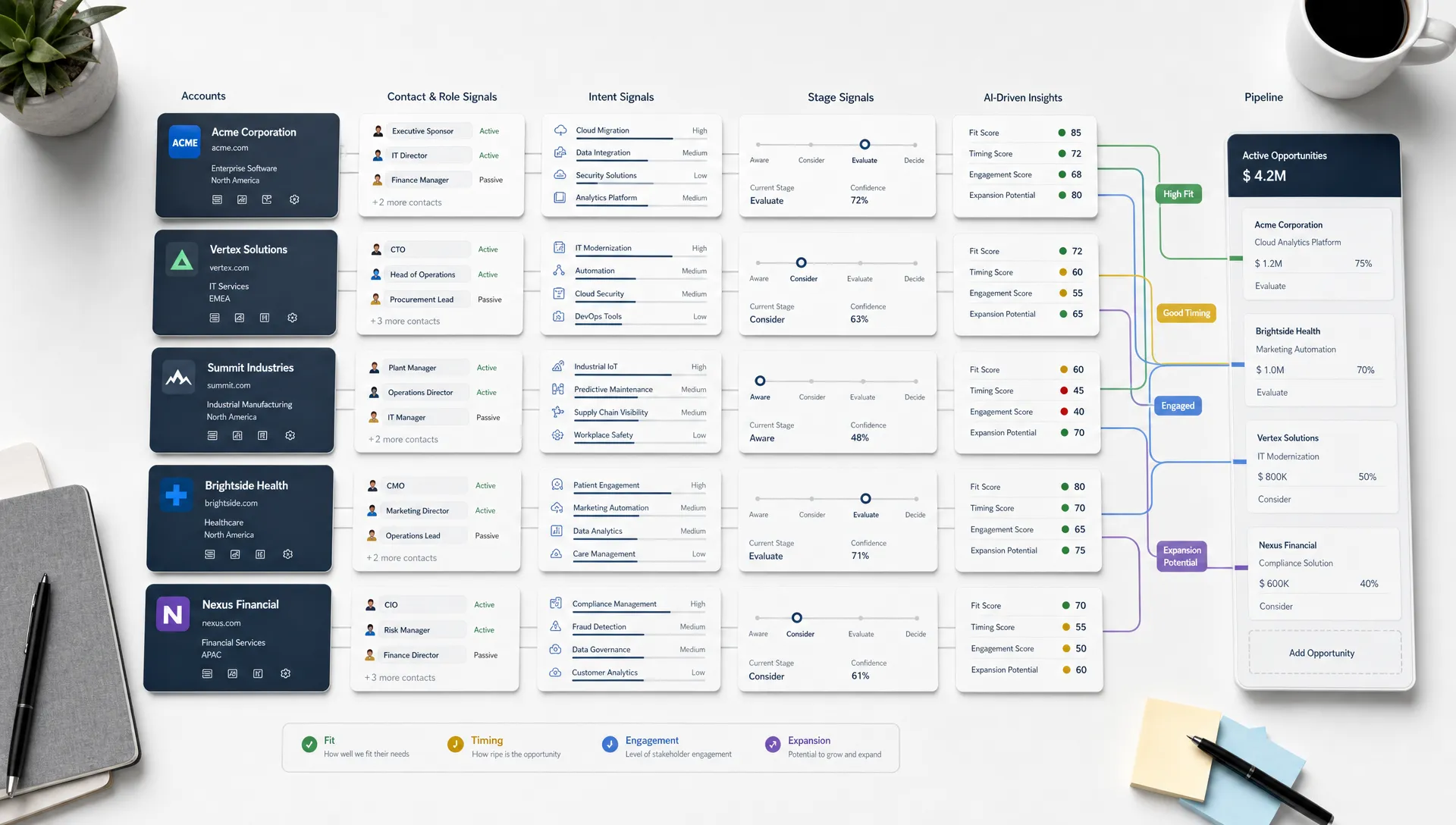
Keep a simple asset log with the tool used, prompt summary, date created, reviewer, rights notes, campaign, channel and final file location. This makes it easier to reuse winning concepts, retire risky ones and answer questions later.
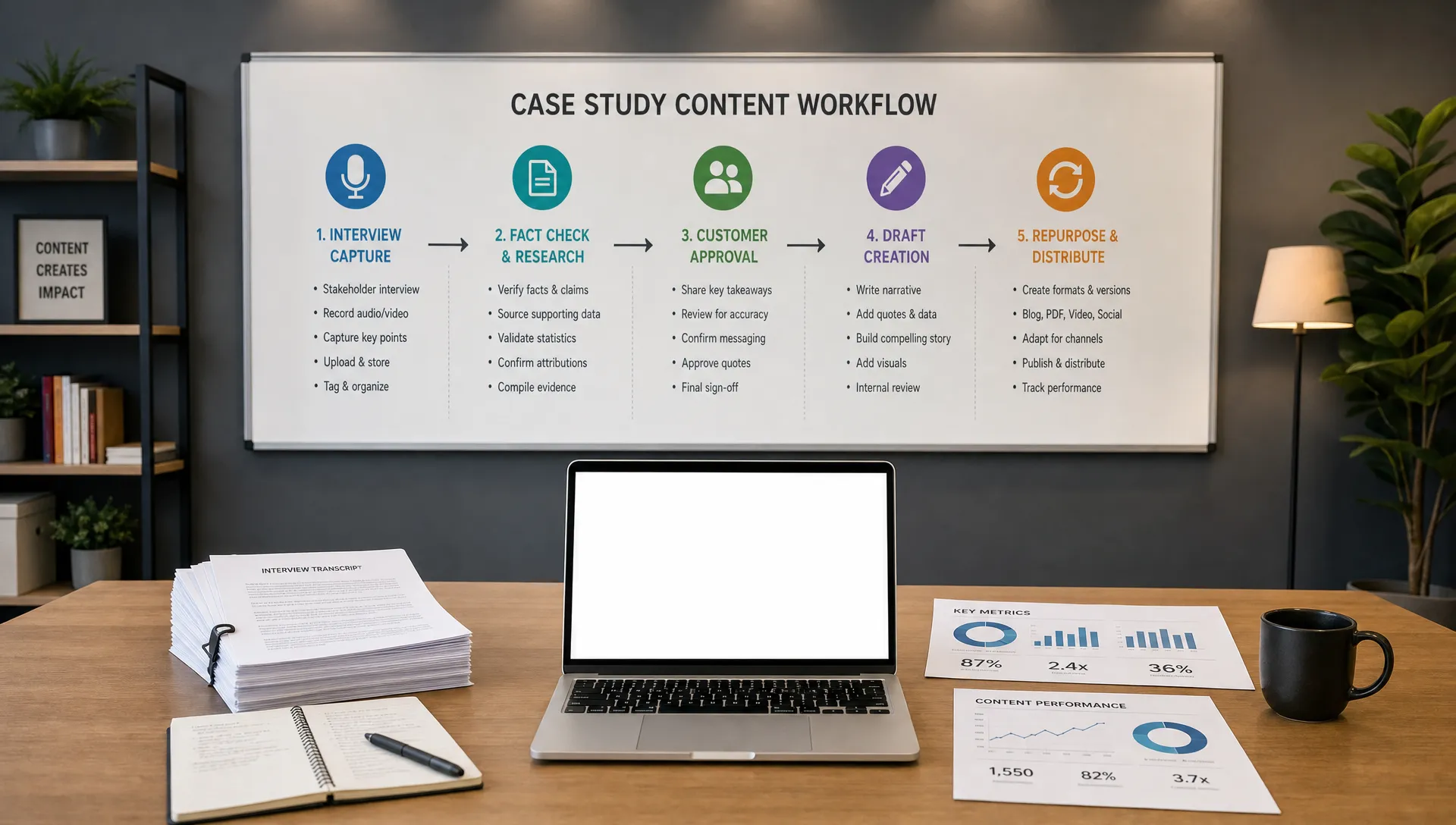
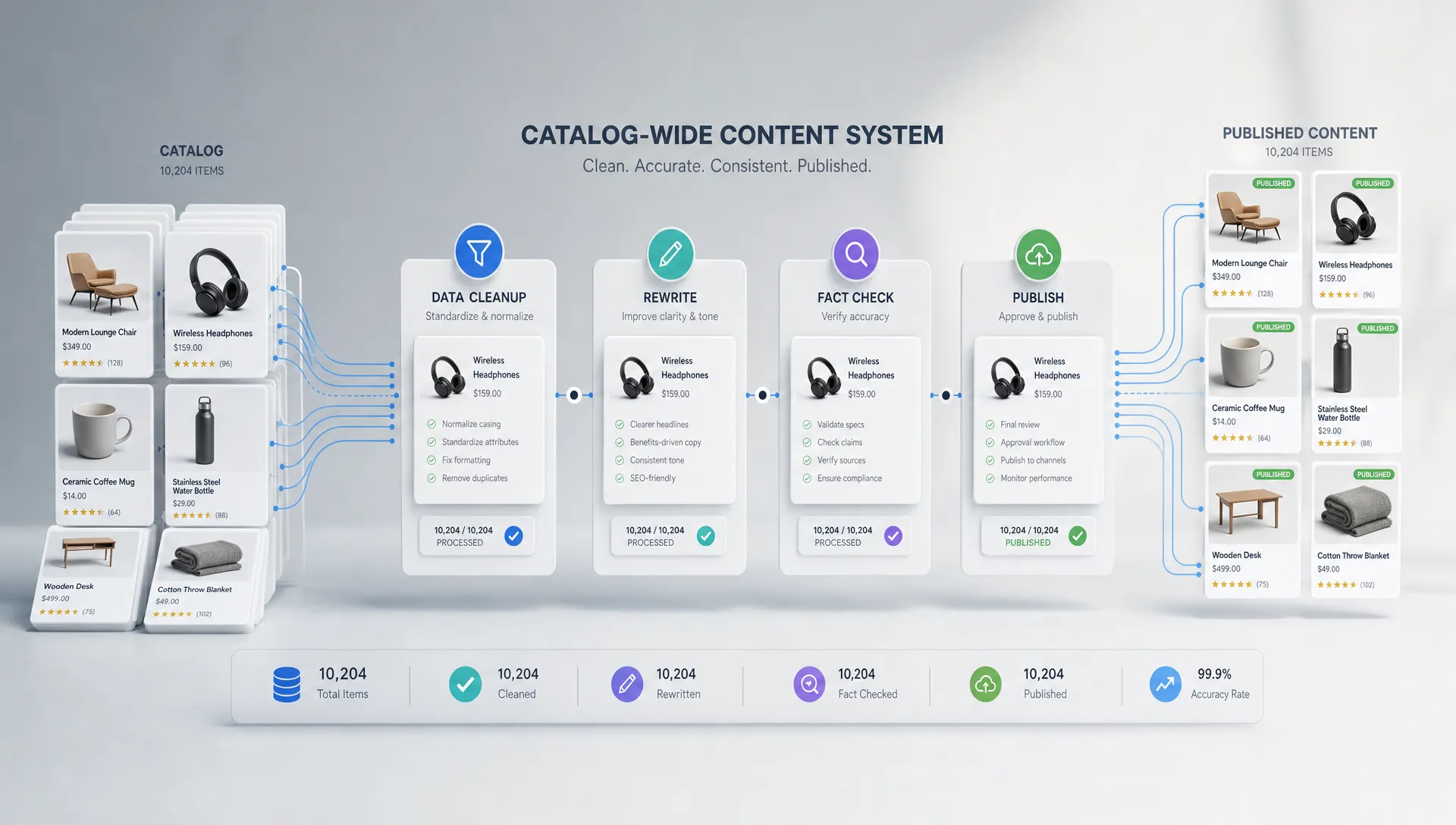
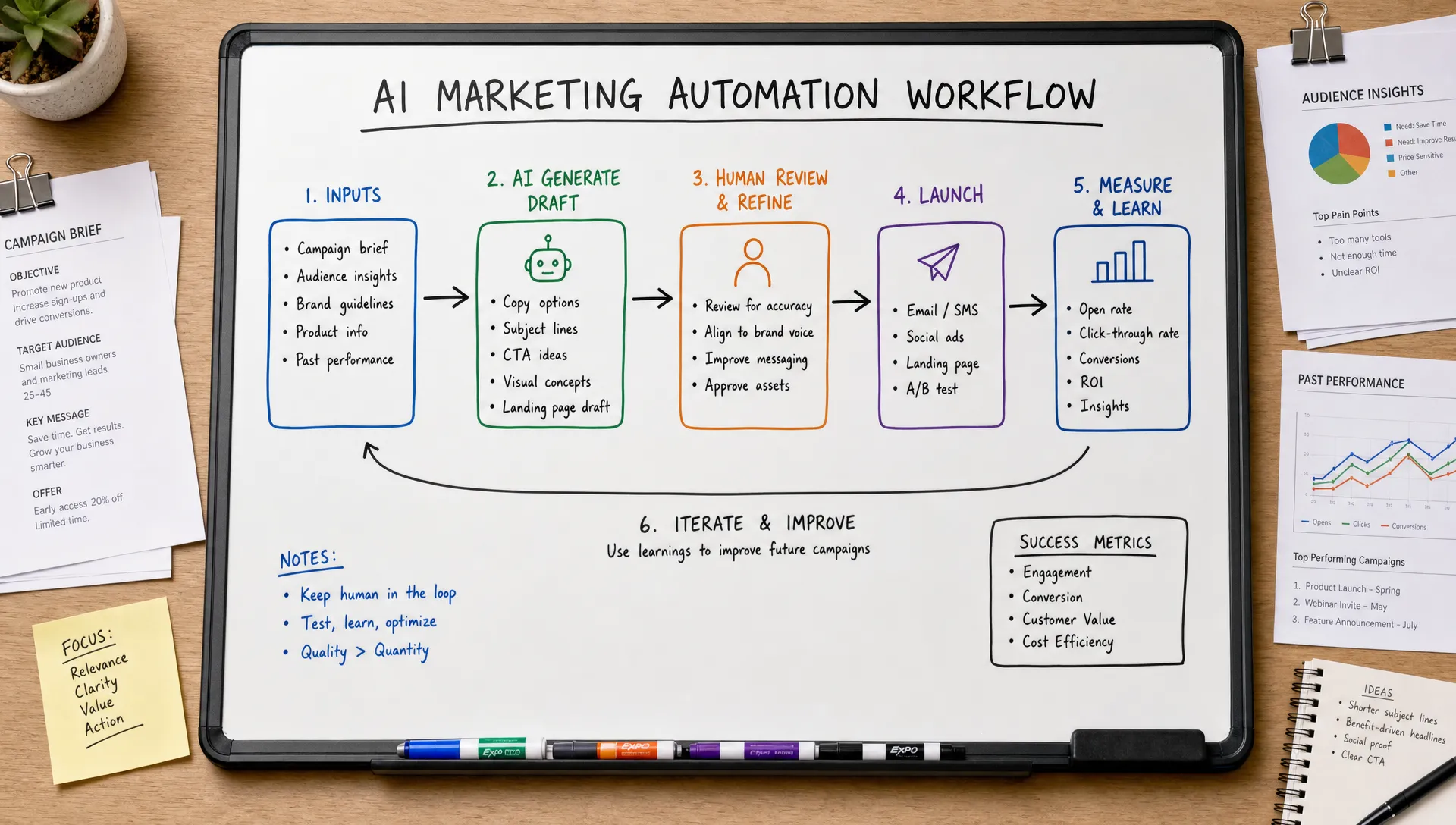
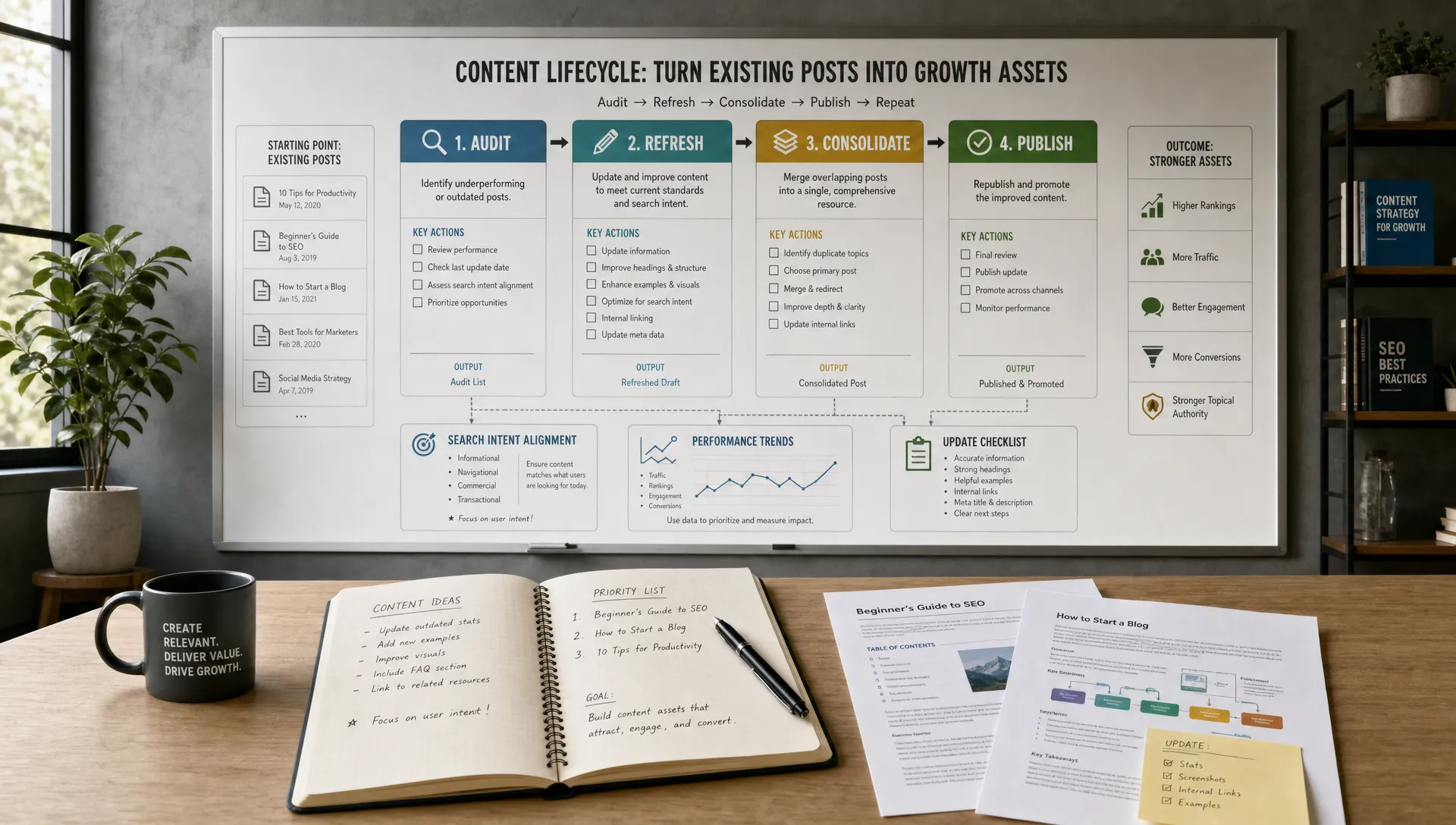
The best operating model is practical enough that people actually use it. For most teams, this means four steps.
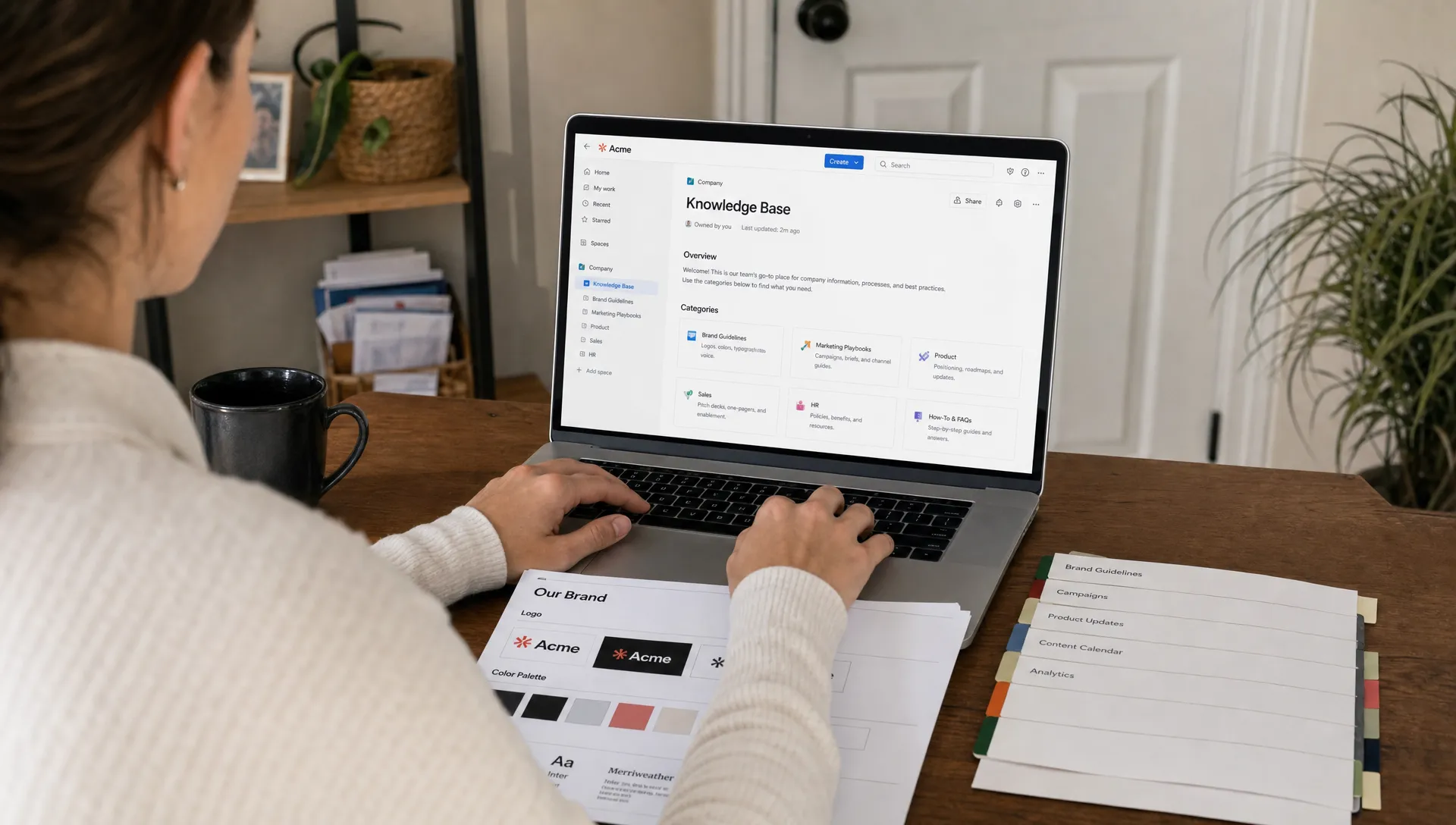
First, define approved tools and permitted use cases. Teams should know which platforms they can use, what data they can enter and which outputs require extra review.
Second, create prompt templates for common assets. A blog header prompt, LinkedIn ad prompt and landing page hero prompt should not start from scratch every time.
Third, assign review responsibility. Design, marketing, legal, compliance and product teams do not need to approve every image, but everyone should know when they are needed.
Fourth, review the workflow monthly. AI image tools change quickly, platform policies evolve and your own brand standards will mature as the team learns what works.
AI-generated images for marketing become more valuable when they are part of a managed system, not a side experiment running through individual accounts.
Can I use AI-generated images in paid ads? Yes, if the image is truthful, licensed for commercial use under your tool's terms, compliant with the ad platform's policies and reviewed for brand, legal and claim accuracy. Regulated industries should apply stricter approval.
Do AI-generated marketing images need to be disclosed? Disclose when the synthetic nature of the image could affect how viewers interpret it. This is especially relevant for realistic people, testimonials, product results, events, news-like scenes and regulated topics.
Can I copyright an AI-generated image? In the United States, purely AI-generated expression may not qualify for copyright protection without human authorship. Human selection, editing, arrangement or creative contribution may affect the analysis, so document your process and consult legal counsel for high-value assets.
Is it safe to generate images in the style of a famous artist or brand? It is risky, especially for commercial use. Avoid prompts that imitate living artists, protected characters, competitor trade dress, logos or recognizable brand assets unless you have permission.
What should be included in an AI image review checklist? Include brand fit, factual accuracy, rights, consent, disclosure, inclusion, accessibility, channel requirements and performance purpose. For high-risk campaigns, add legal or compliance review before publication.
AI visuals can help marketers create faster, test more ideas and support content across channels. The teams that win with them will not be the ones generating the most images. They will be the ones with the clearest standards.
Use AI for creative range, speed and iteration, then apply human judgment where it matters: truth, trust, brand meaning and customer context. That balance is what makes AI-generated images for marketing useful in real campaigns rather than just impressive in a demo.