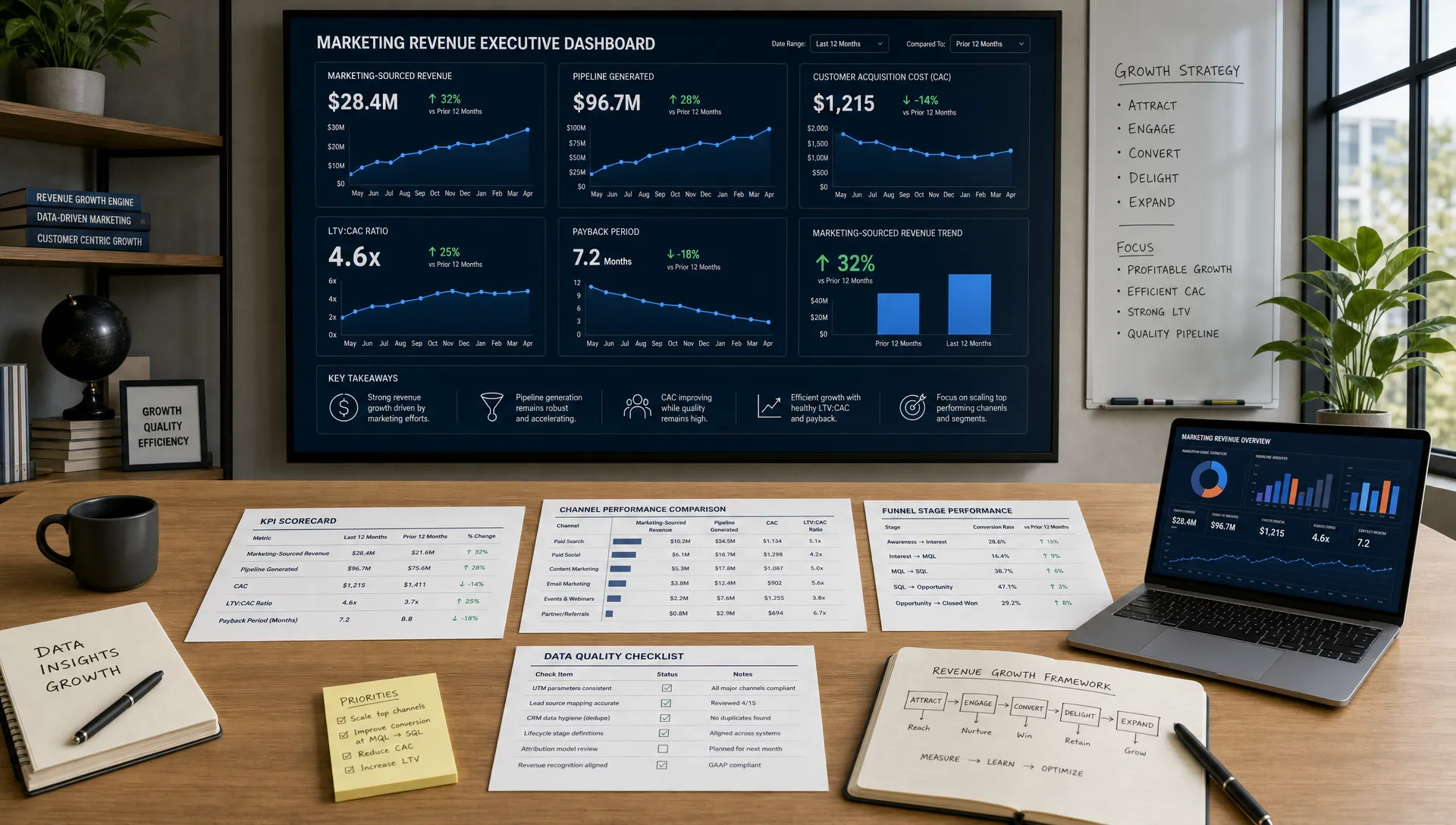
Customer acquisition cost is not just a media buying problem. It is the combined result of your targeting, offer, funnel, creative, sales process, retention expectations and operational efficiency.
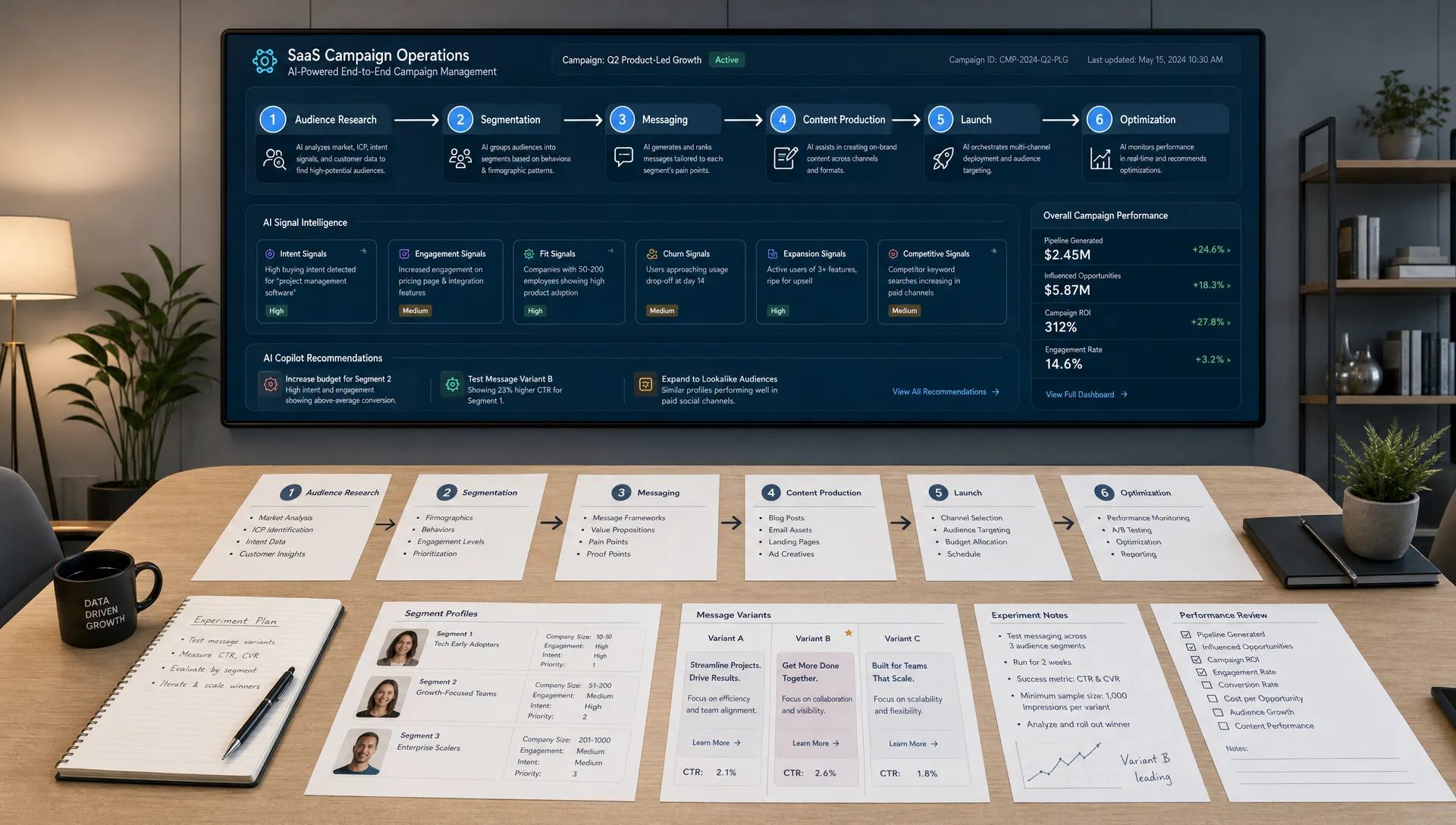
That is why AI can reduce customer acquisition costs in more than one way. It can help you waste less spend, prioritize higher intent prospects, produce better creative faster, personalize conversion paths and automate repetitive work that usually consumes human time.
The catch is that AI only lowers CAC when it is tied to a clear business metric. If the team uses AI to generate more assets without improving conversion quality, CAC can rise. If it uses AI to find better customers, qualify leads earlier and shorten the path from first touch to purchase, the economics improve.
The basic CAC formula is simple:
Customer acquisition cost = total sales and marketing cost / new customers acquired
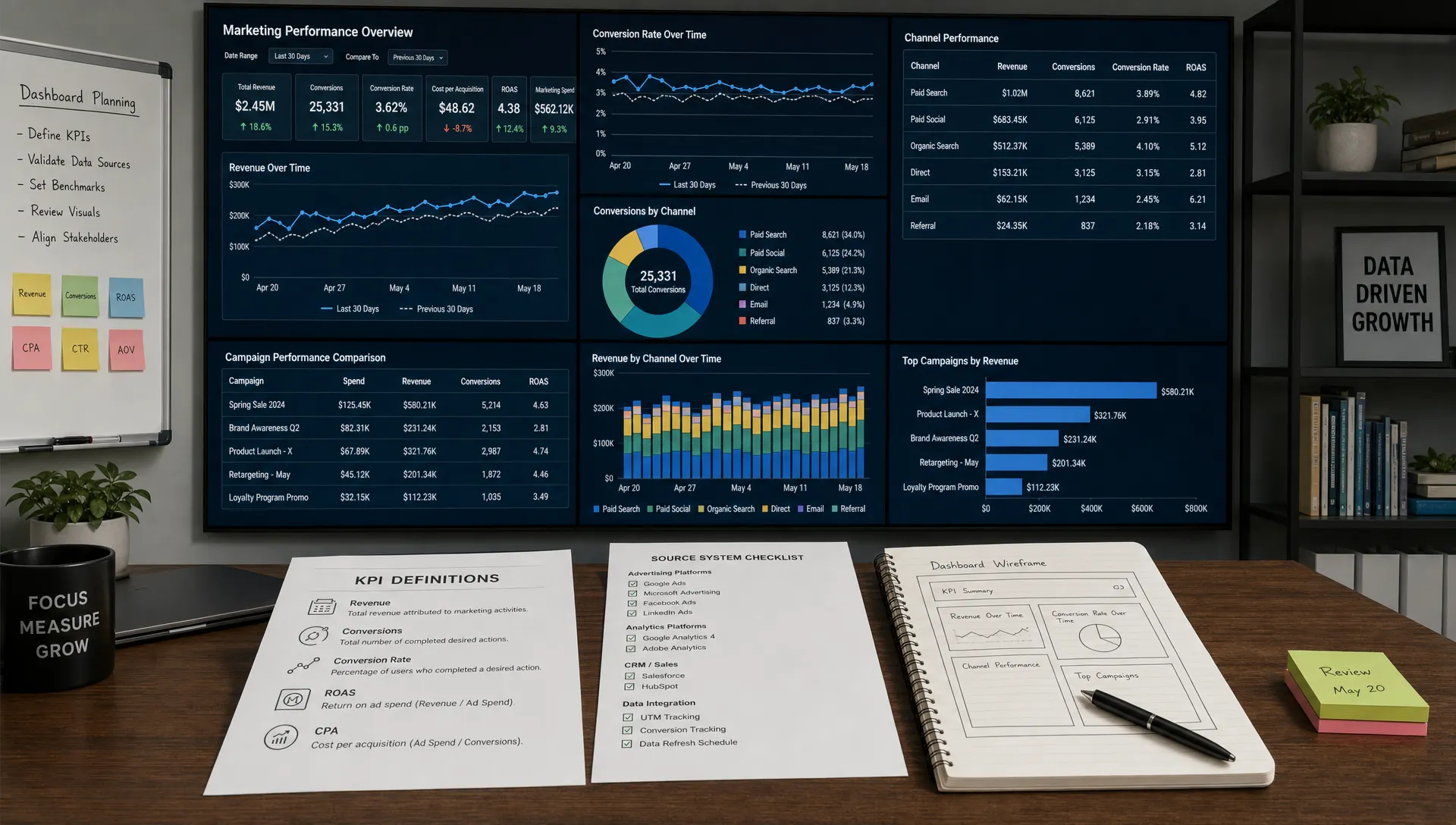
For a useful AI strategy, make that formula more precise. Include ad spend, software costs, agency fees, content production, sales development time, discounts used to close new customers and any other acquisition expense. Then break CAC down by channel, segment and funnel stage.
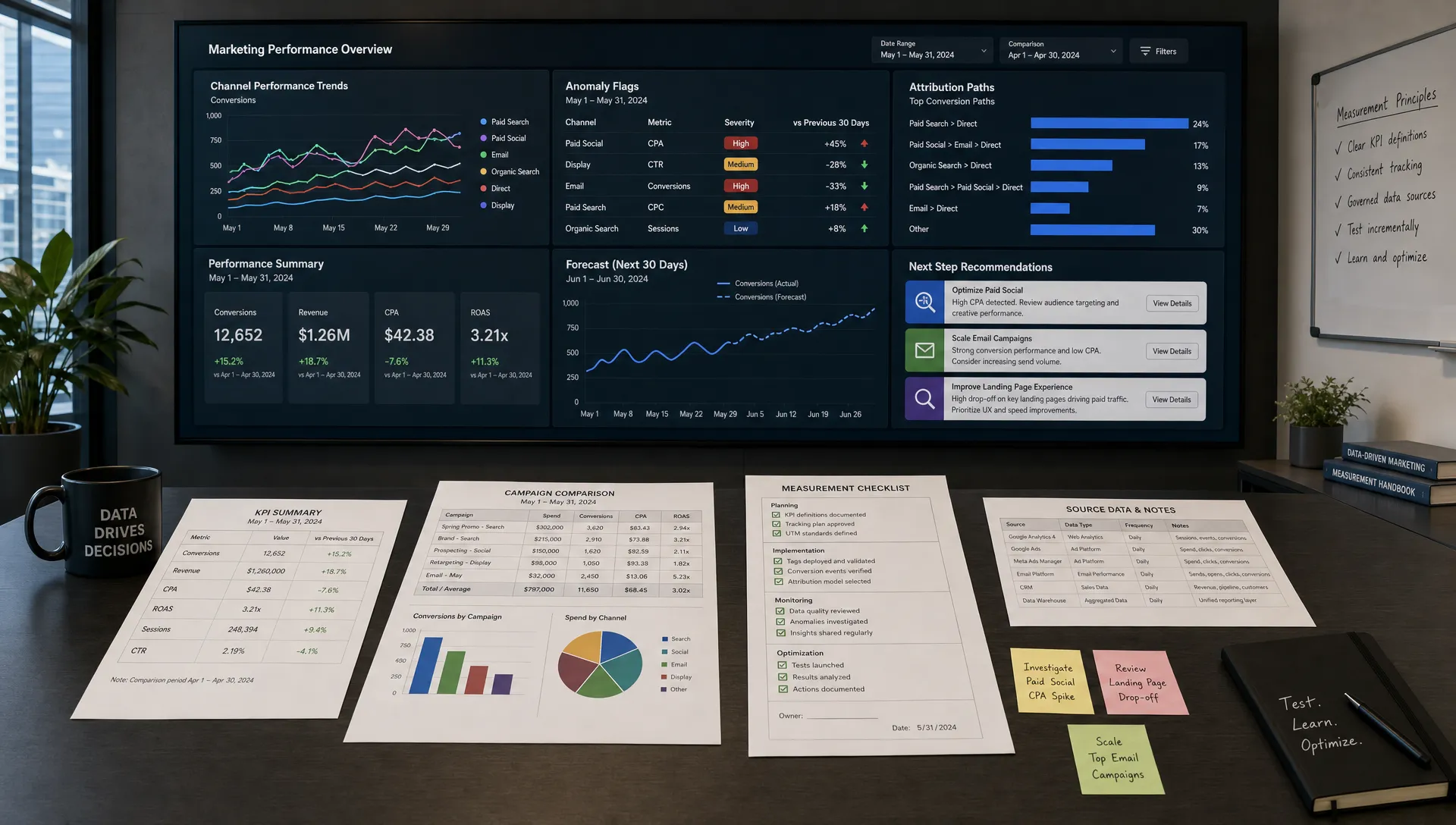
A blended CAC number is helpful for board-level reporting, but it is too broad for optimization. AI needs more granular data to identify where acquisition costs are leaking.
| CAC metric | What it tells you | How AI can help |
|---|---|---|
| Blended CAC | Overall cost to acquire one customer | Detect broad trend changes across total spend and customer volume |
| Channel CAC | Cost by paid search, paid social, SEO, partners or outbound | Compare performance and recommend budget shifts |
| Segment CAC | Cost by customer type, industry, company size or behavior | Prioritize audiences with stronger conversion economics |
| Lead to customer rate | How efficiently leads become paying customers | Score leads and route the best opportunities faster |
| CAC payback period | How long it takes to recover acquisition cost | Focus campaigns on customers with stronger revenue quality |
| Creative fatigue signals | When ads stop converting efficiently | Trigger new creative tests before costs climb |
This baseline matters because AI needs a target. Reduce CAC by 15 percent is more actionable than improve marketing performance. Lower paid social CAC among mid-market SaaS buyers is even better.
The fastest way to reduce CAC is not always cheaper clicks. Often, it is better customer selection.
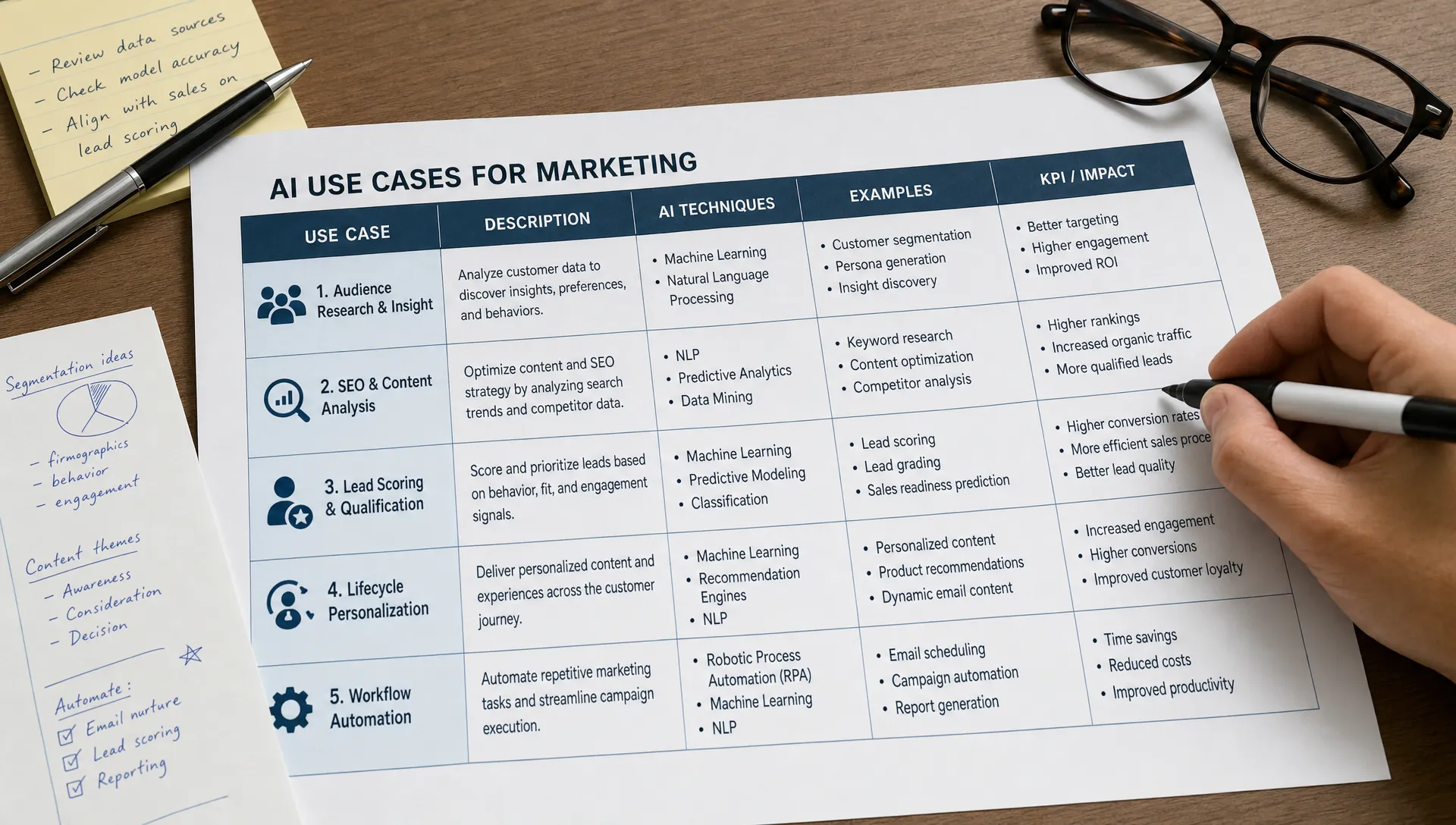
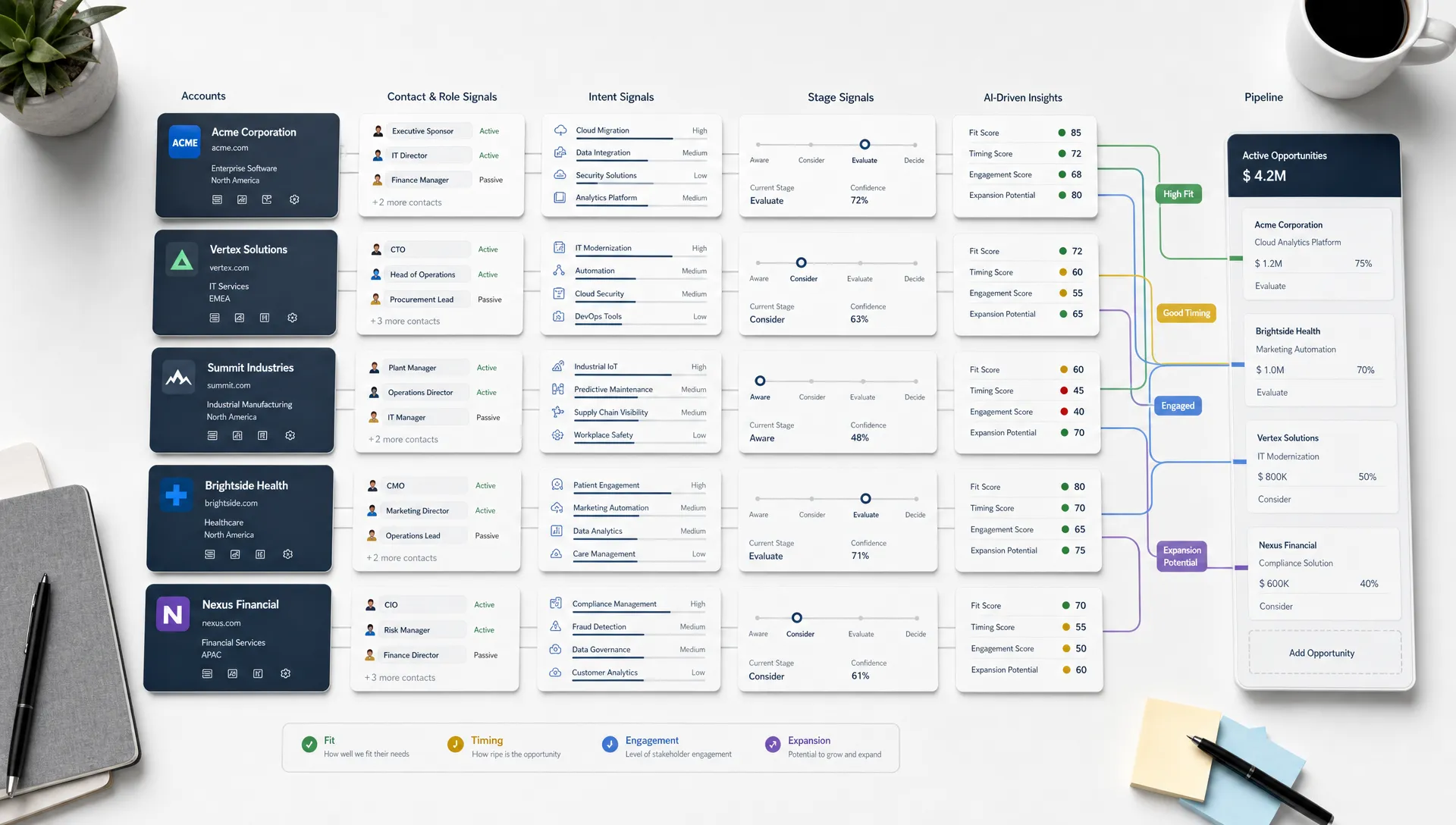
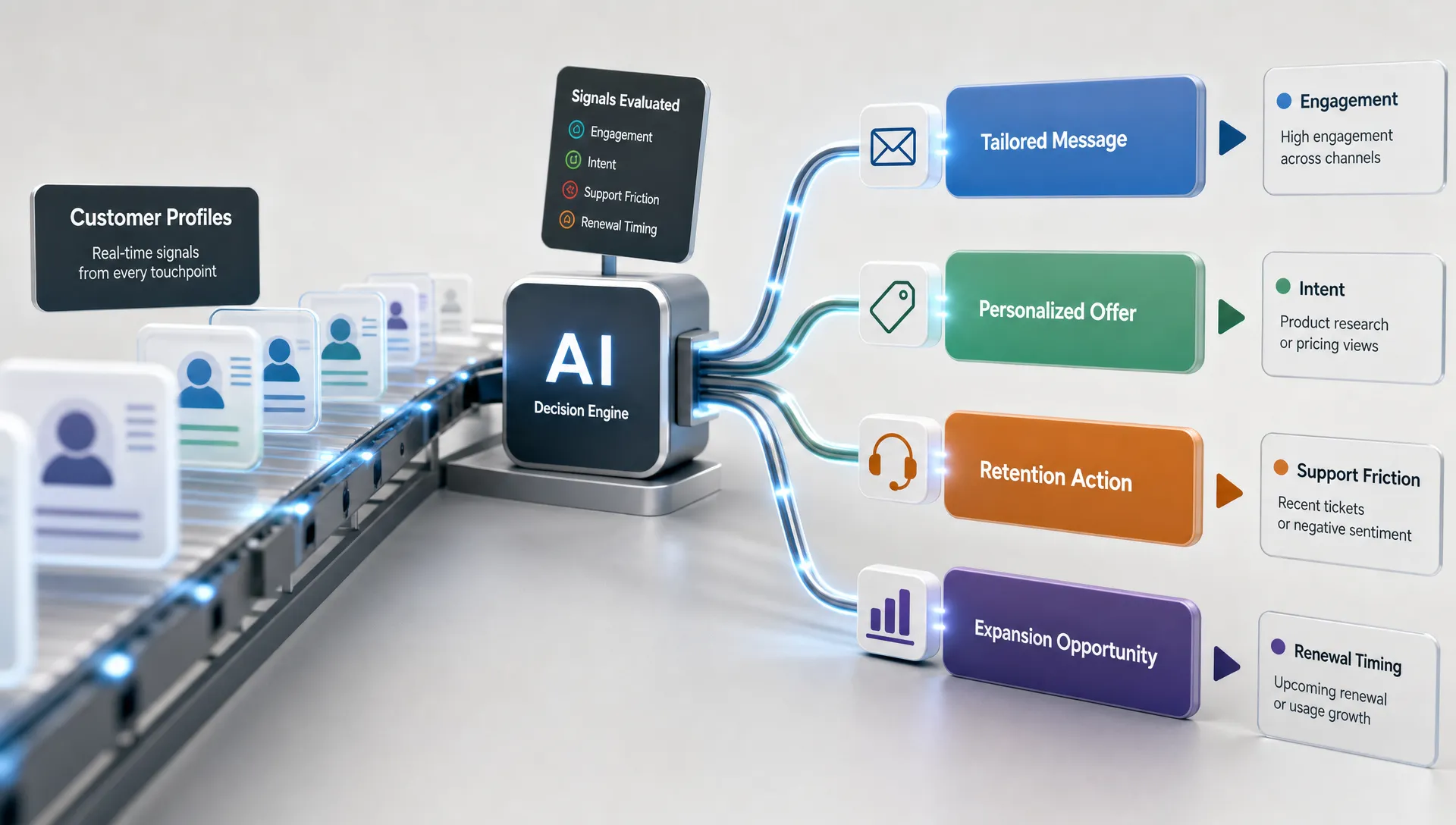
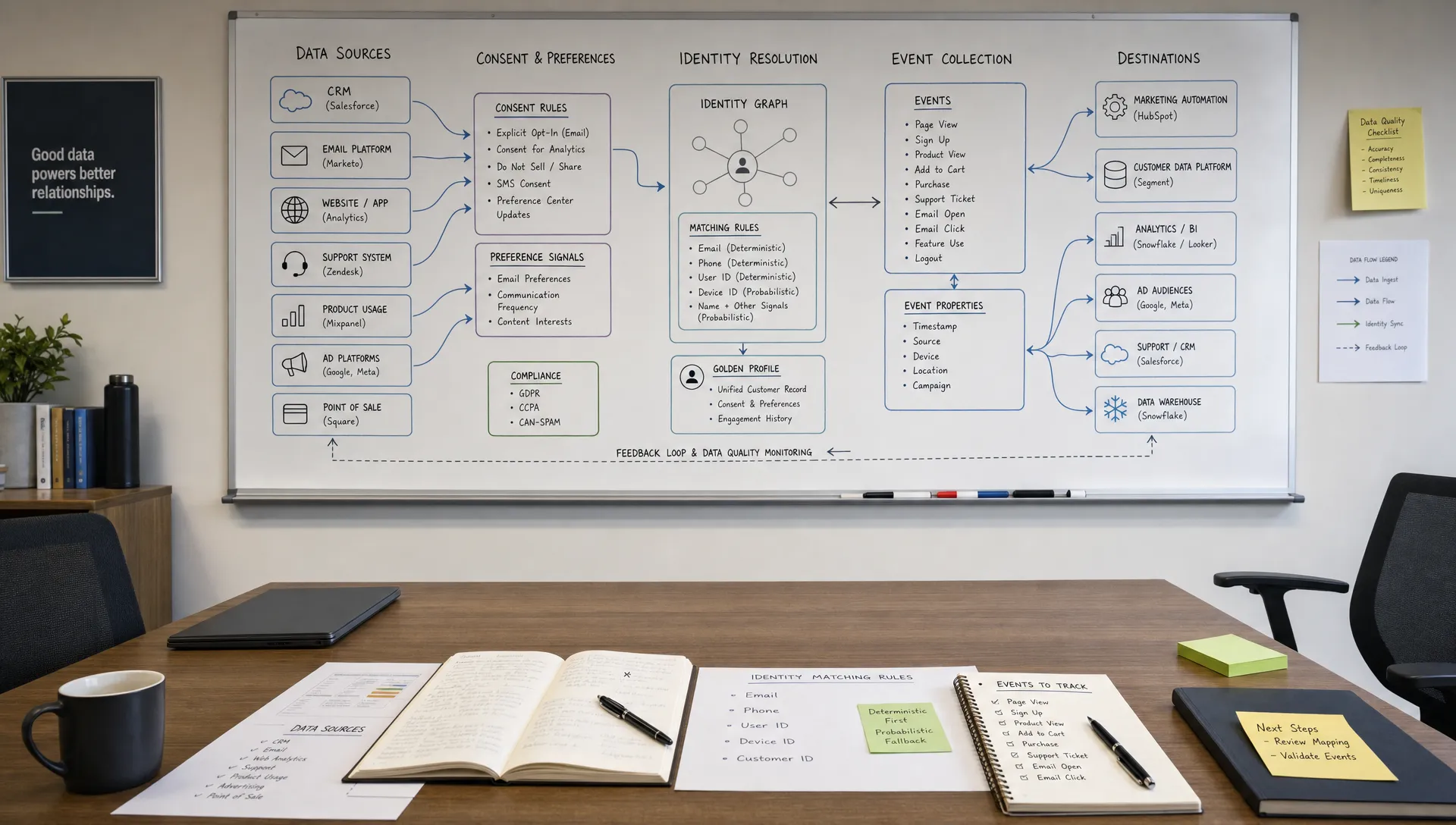
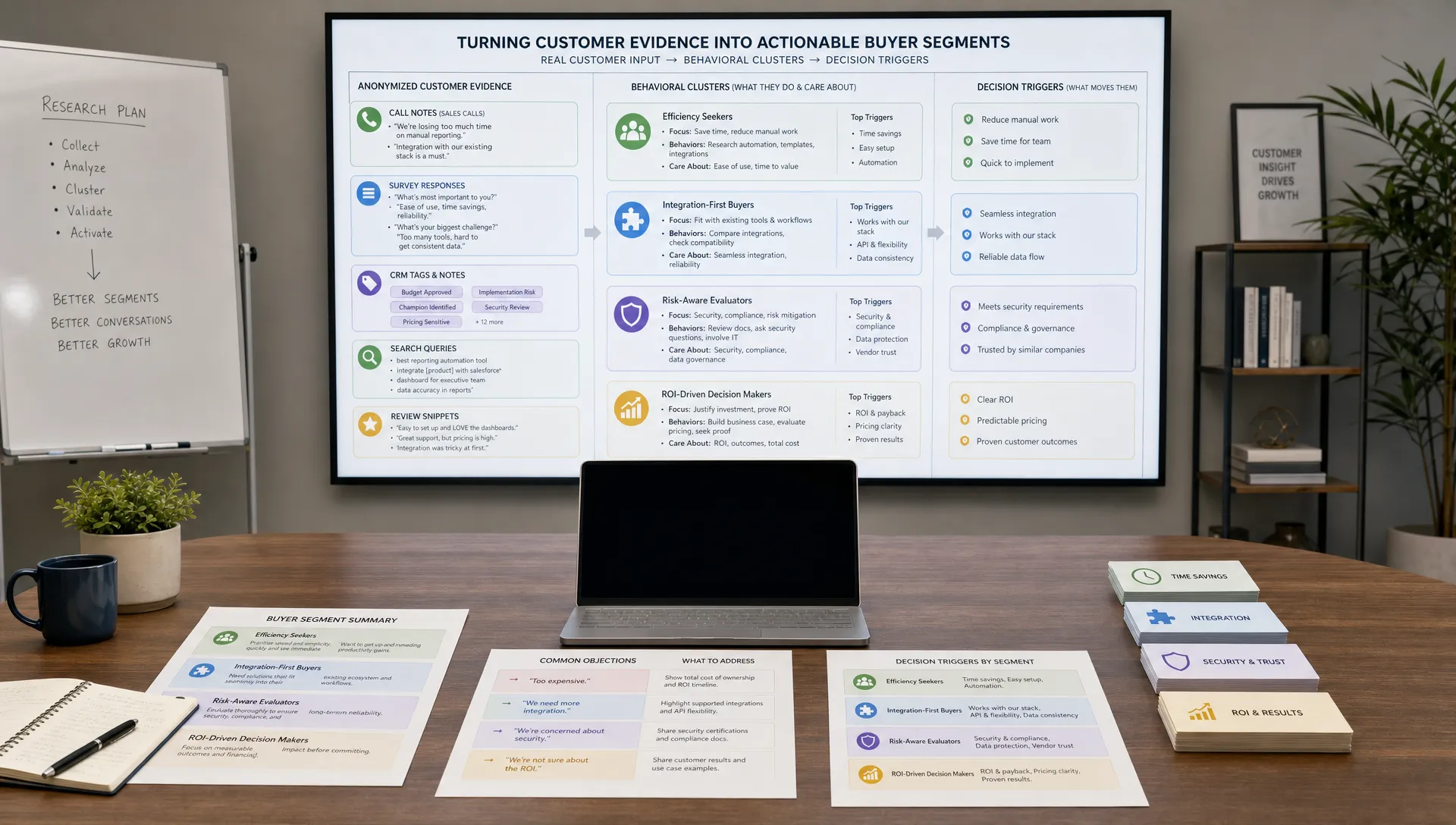
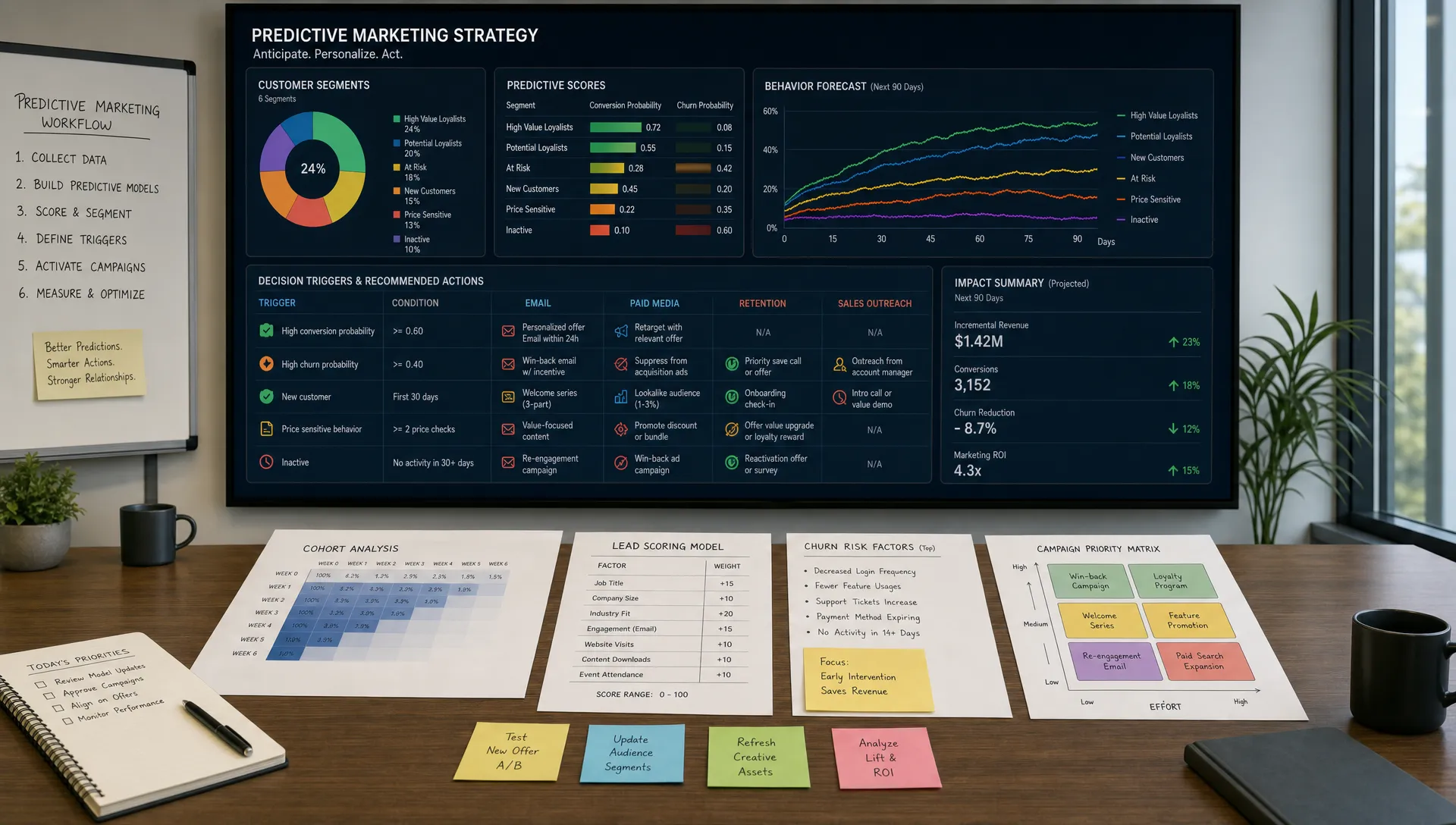
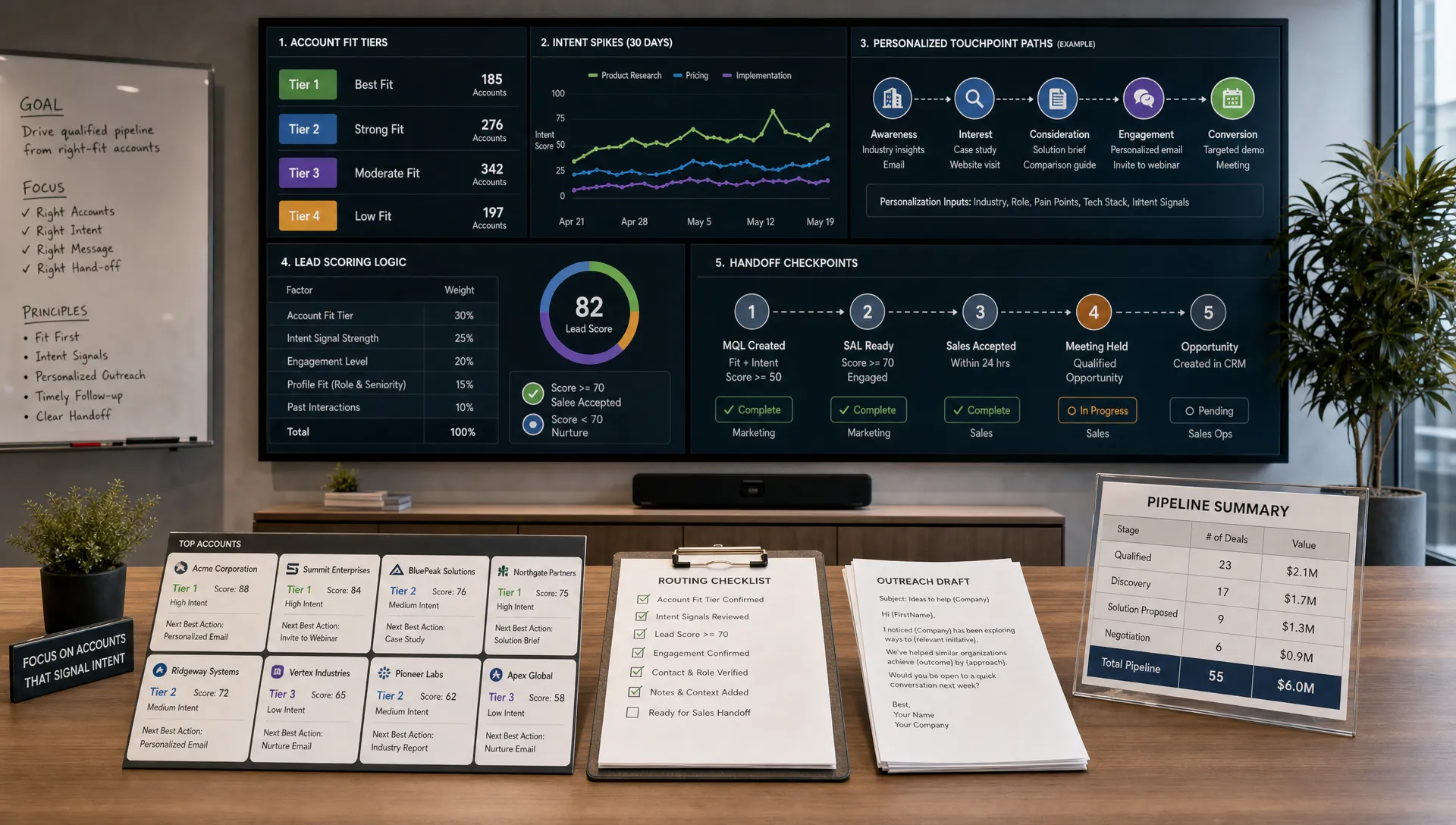
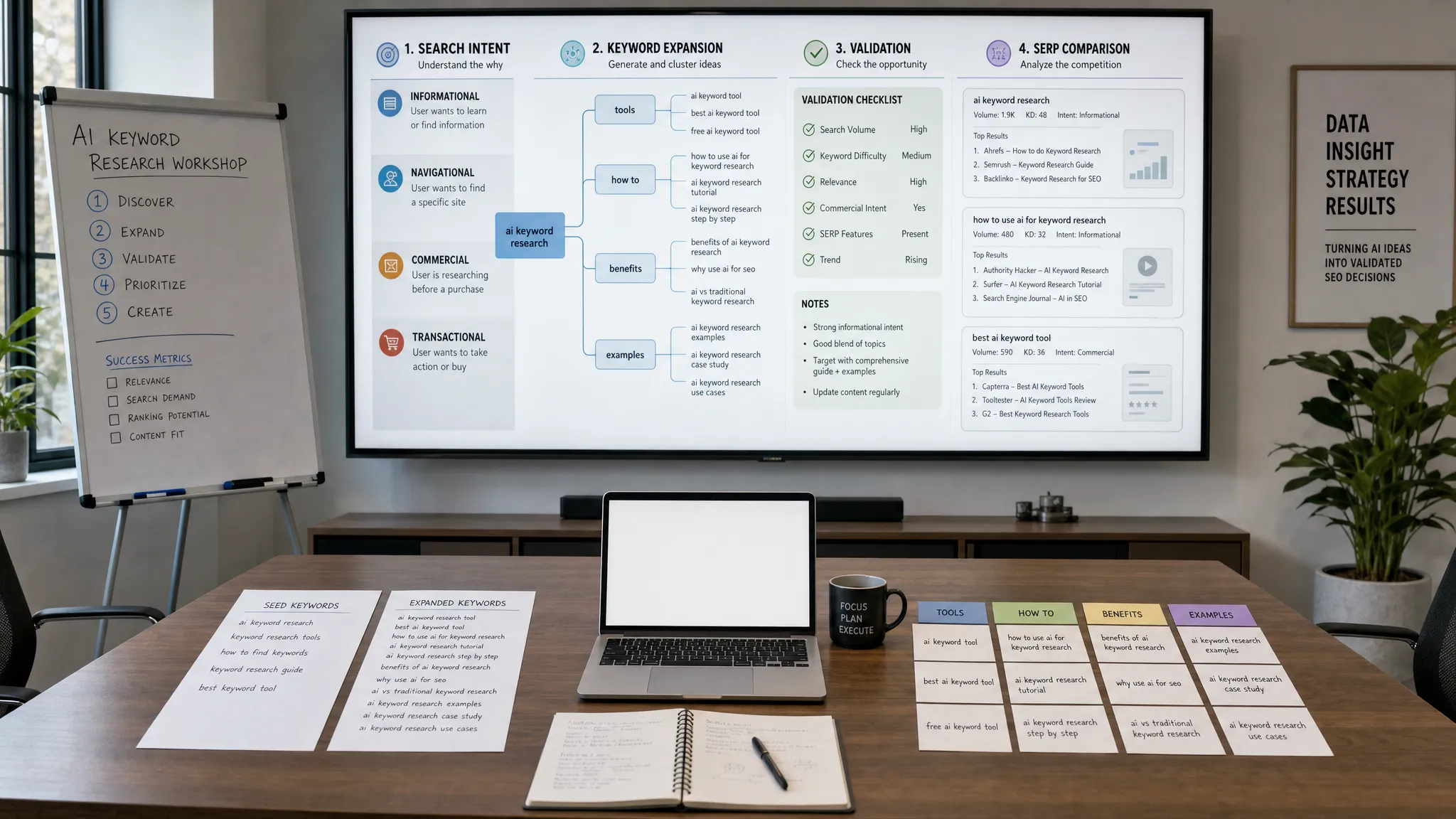
AI-powered segmentation can analyze CRM records, website behavior, purchase history, firmographic data, email engagement and support interactions to find patterns that human teams miss. The goal is not to create pretty audience clusters. The goal is to answer a specific decision: which prospects are most likely to convert profitably?
For B2B teams, that might mean identifying accounts with the right industry, tech stack, hiring activity and buying committee behavior. For ecommerce brands, it might mean finding shoppers who combine high order value with low return risk and strong repeat purchase potential. For service businesses, it might mean separating quick-close customers from leads that consume sales time but rarely buy.
A practical setup starts with three questions:
If you are building this from scratch, AIMarketer Hub has a dedicated guide on setting up AI for customer segmentation as an ongoing workflow rather than a one-time model.
Once the segments are clear, AI can support lower CAC through better exclusions as well as better targeting. Excluding low-fit audiences from paid campaigns can be just as valuable as finding new lookalikes. In outbound, suppressing poor-fit accounts keeps sales development representatives focused on prospects with a stronger chance of becoming revenue.
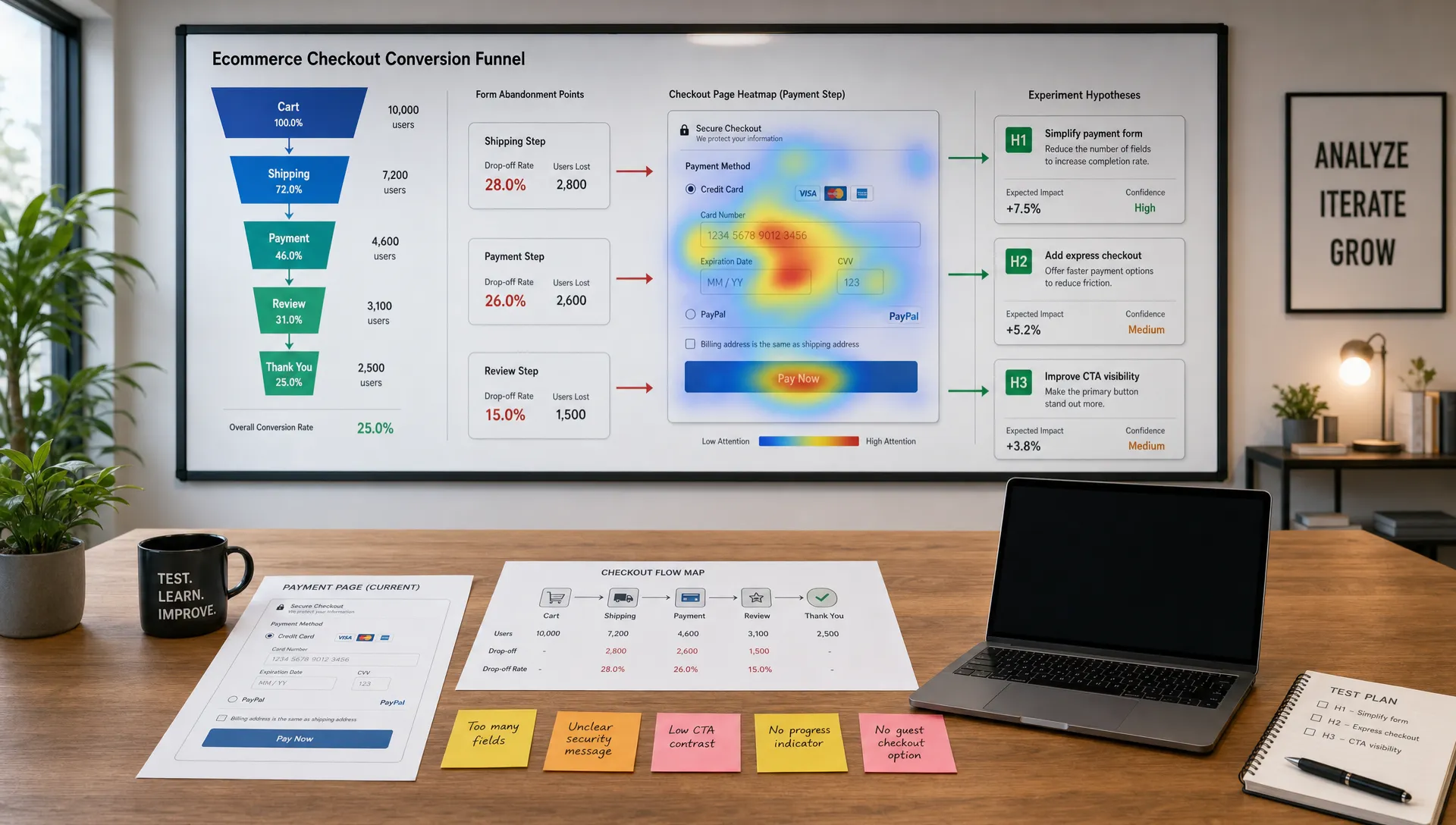
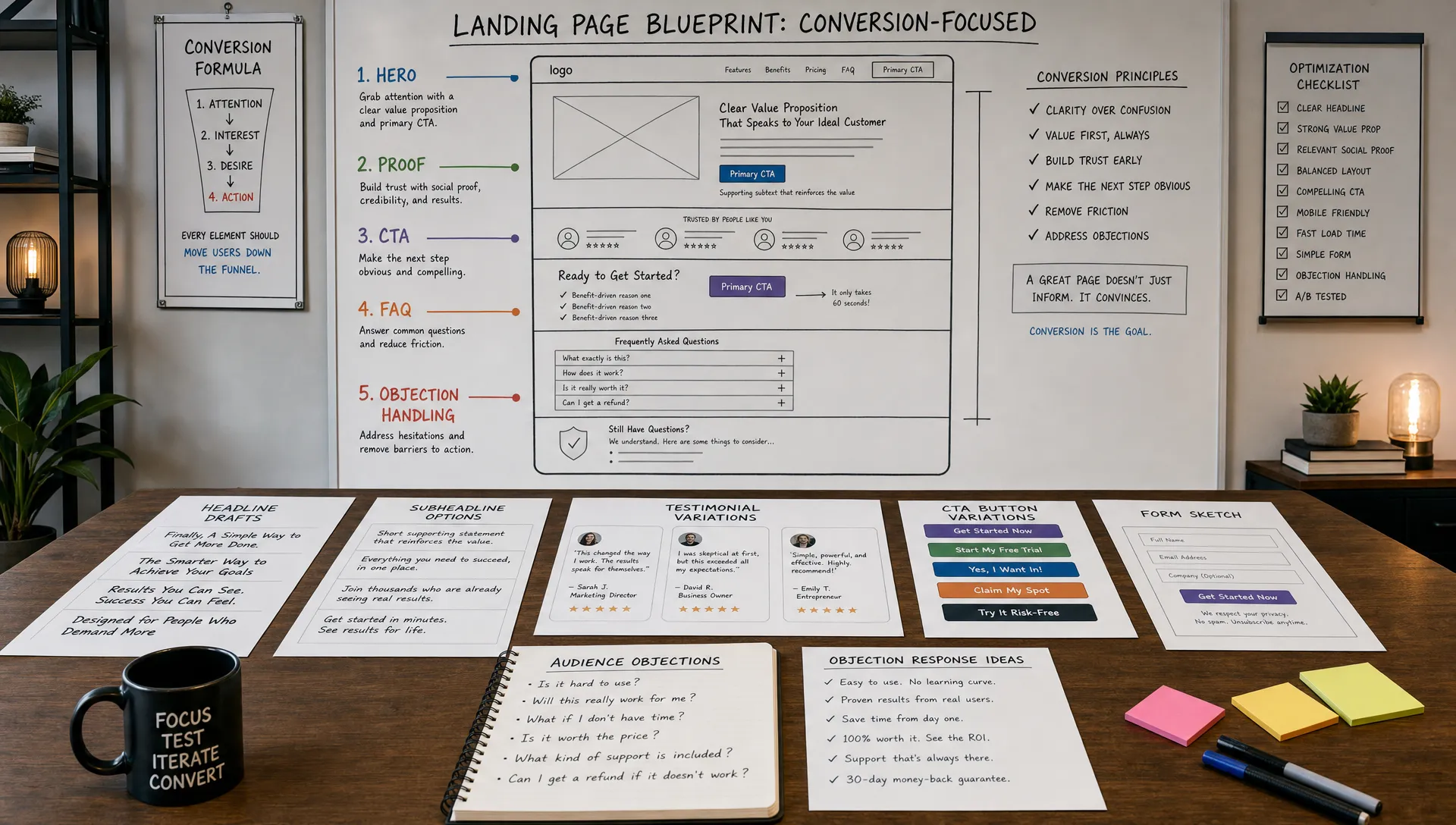
Many companies try to solve CAC by pushing more budget into the top of the funnel. That often makes the problem worse. If your landing page, offer or follow-up path is weak, more traffic simply exposes more people to a leaky funnel.
AI can reduce CAC by helping more of your existing traffic convert. This is where AI marketing automation and conversion optimization work together.
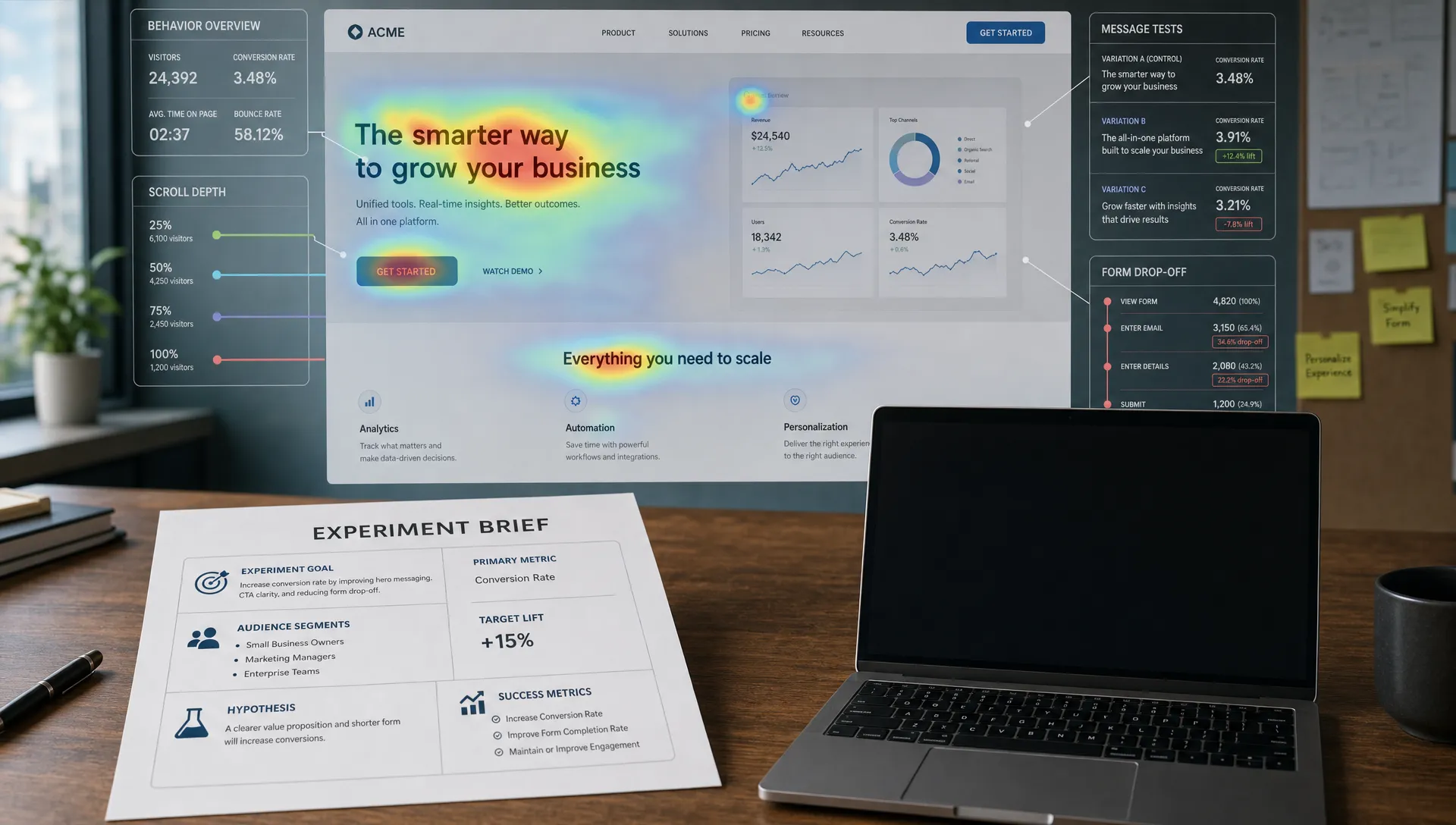
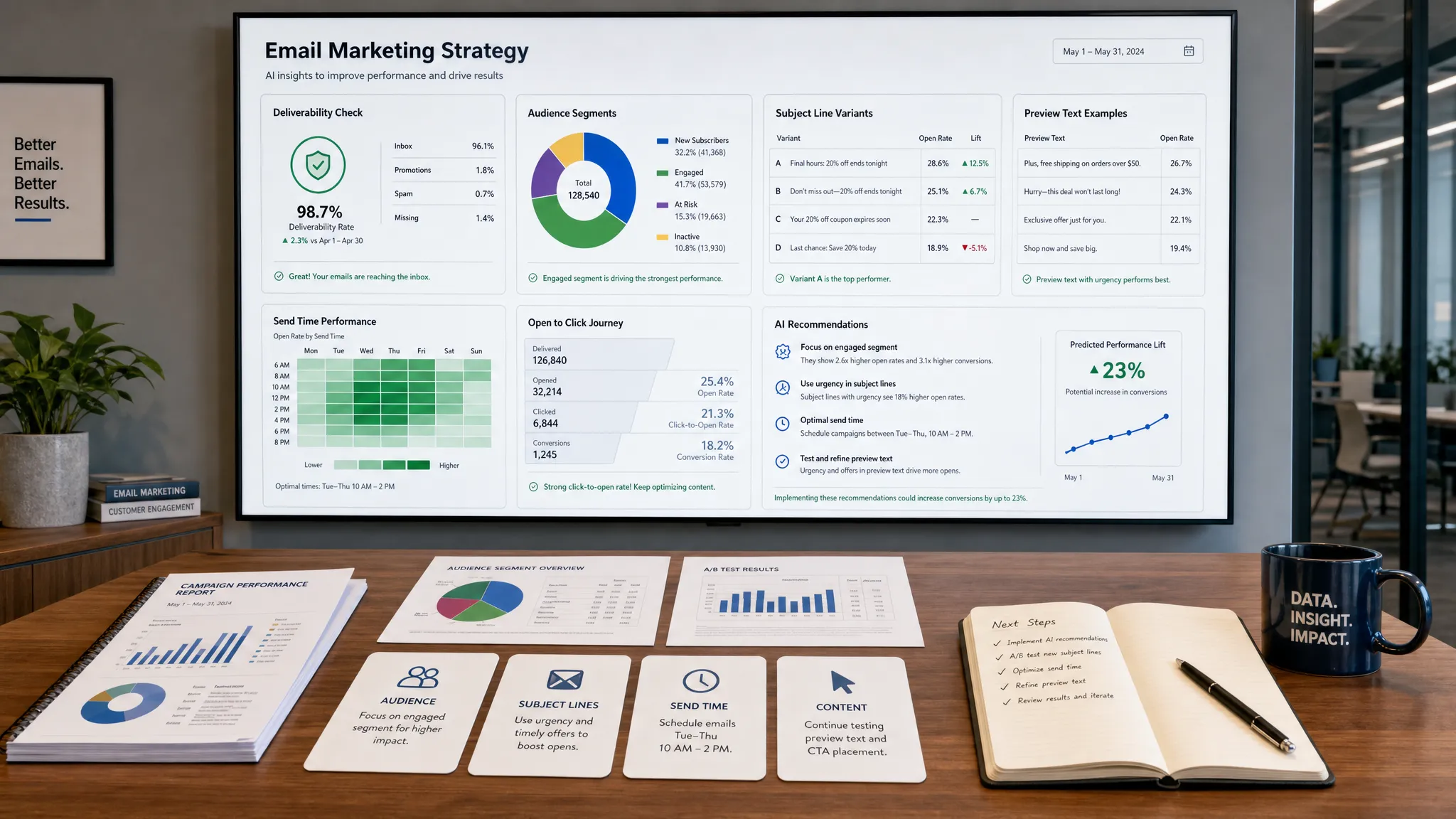
Common use cases include landing page copy analysis, message testing, AI-assisted heatmap interpretation, personalized product recommendations, chatbot qualification, dynamic email follow-ups and offer matching by audience segment. The value comes from connecting these actions to funnel metrics, not from personalization for its own sake.
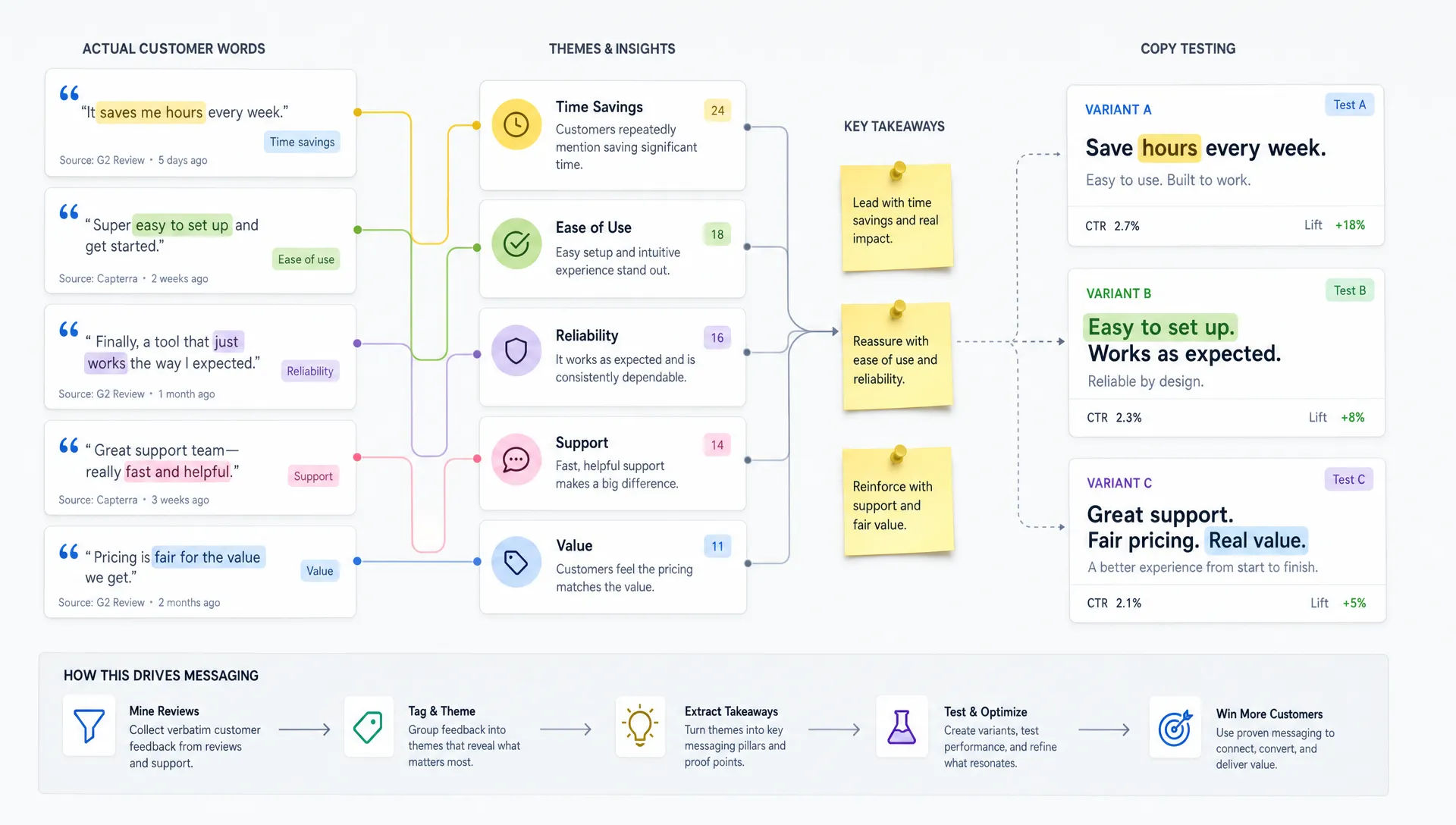
For example, a SaaS company might use AI to analyze demo request pages and identify which objections appear most often in lost-deal notes. The marketing team can then test page copy that addresses implementation time, integration concerns or security requirements. A finance brand might use AI to adapt educational content based on whether a visitor is comparing options, calculating affordability or ready to speak with an advisor.
The basic principle is simple: raise conversion quality before raising spend. A lift in conversion rate can lower CAC even if media costs stay flat.
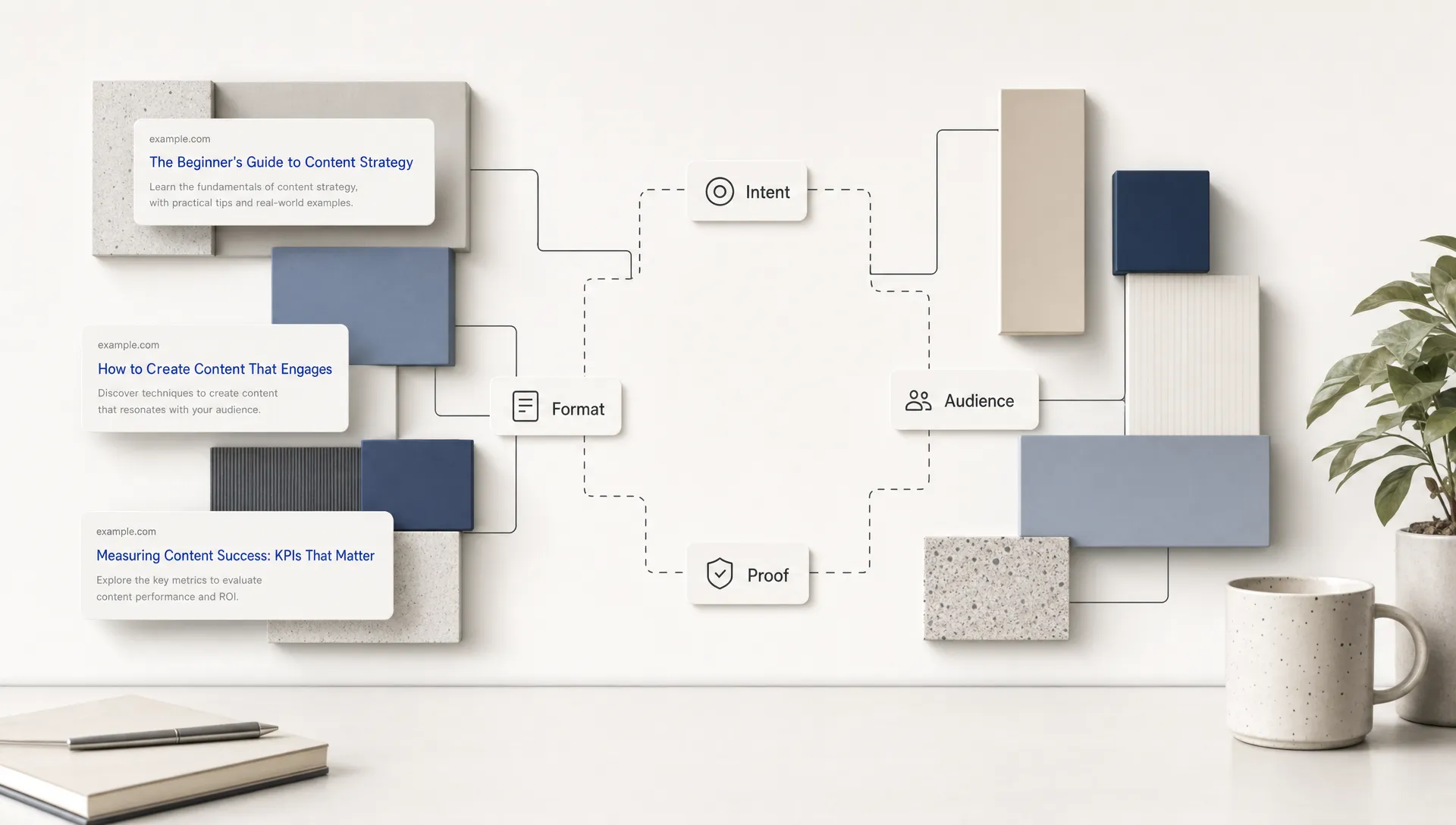
Creative is one of the biggest hidden drivers of CAC. Weak creative raises cost per click, reduces conversion intent and forces teams to spend more for the same number of customers.
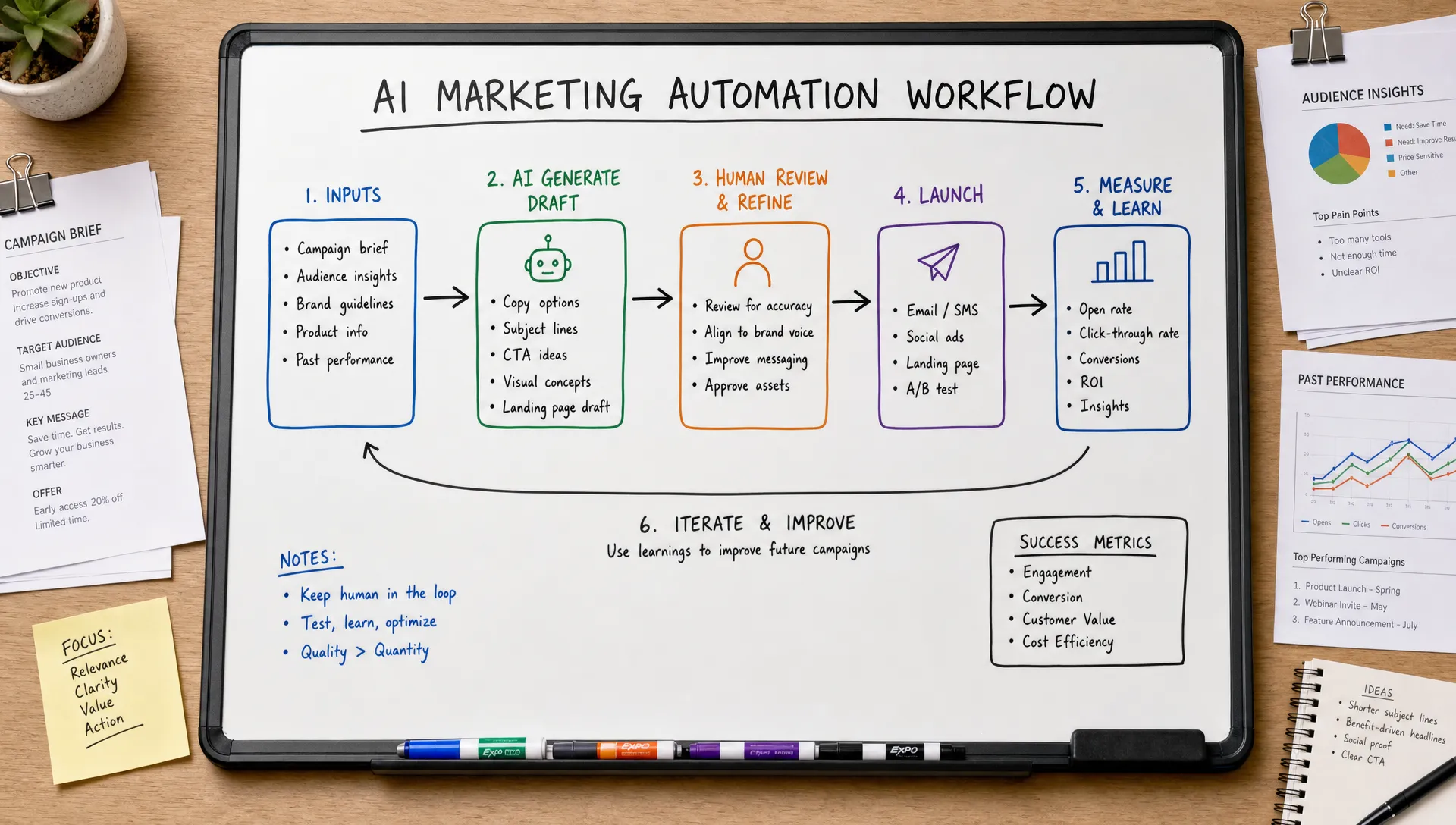
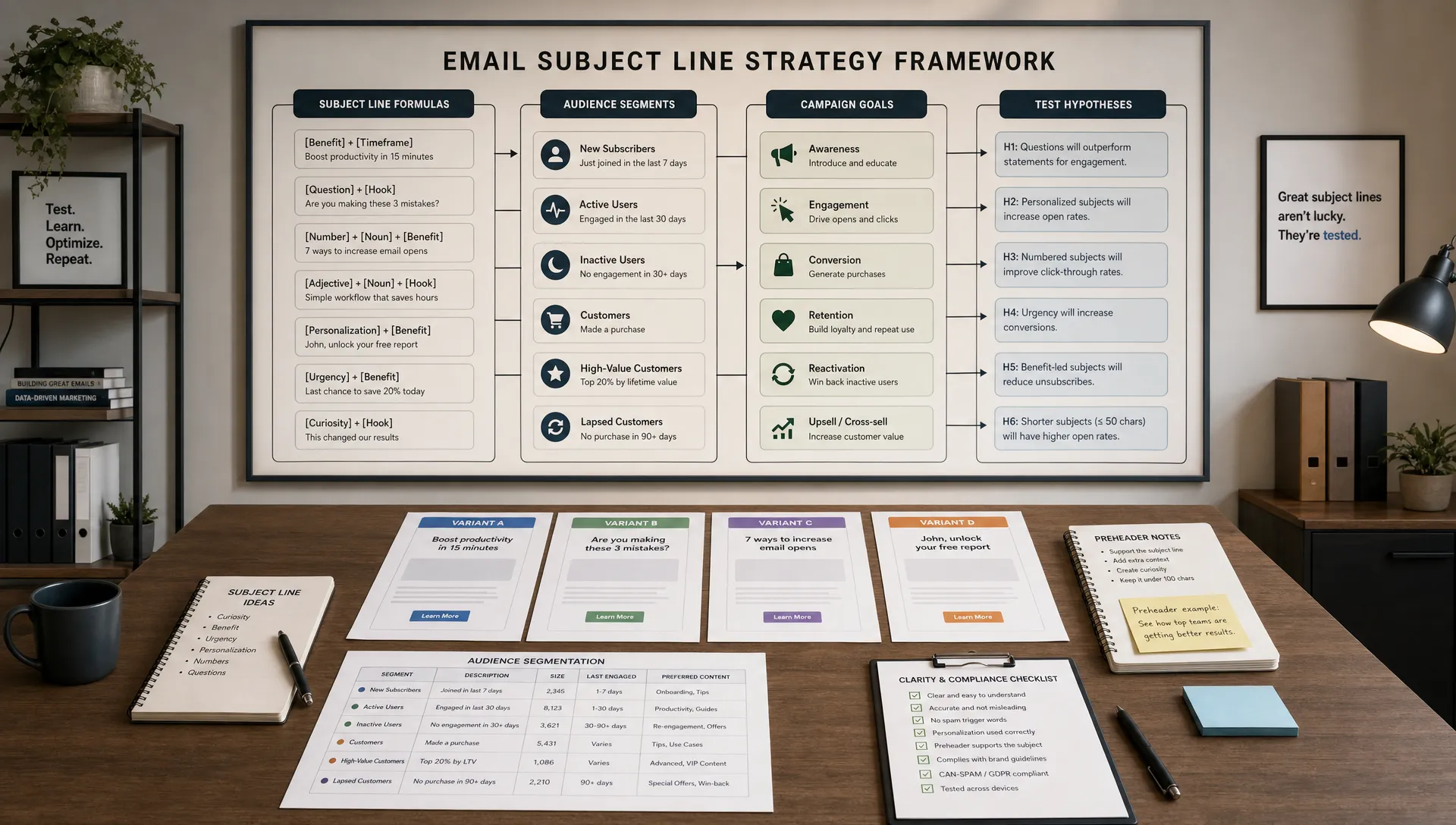
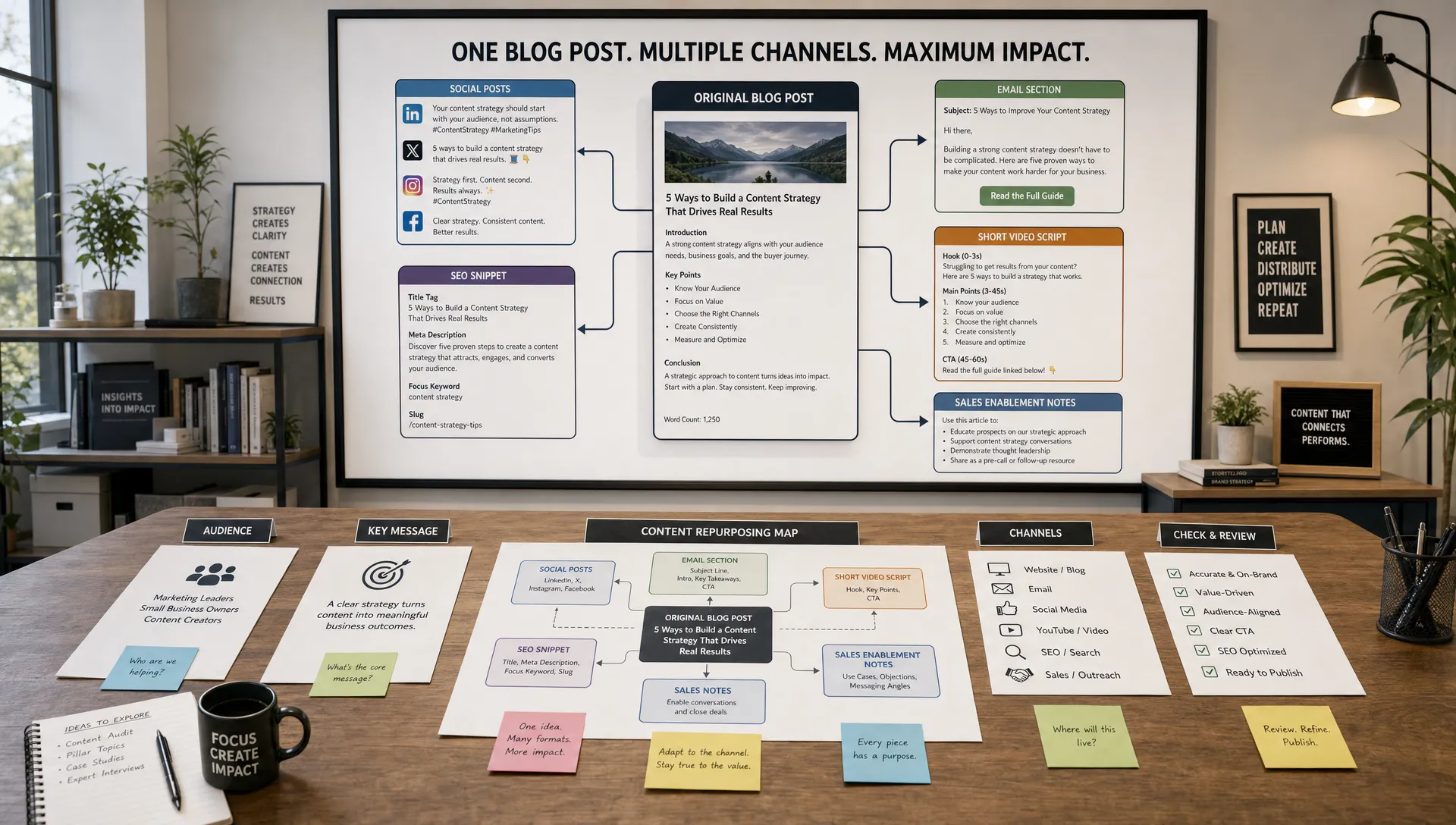
AI content generation can help teams produce more campaign angles, headline variations, ad scripts, landing page sections, email subject lines and social posts without starting from a blank page. The important part is not volume. It is controlled experimentation.
A strong AI-assisted creative workflow looks like this:
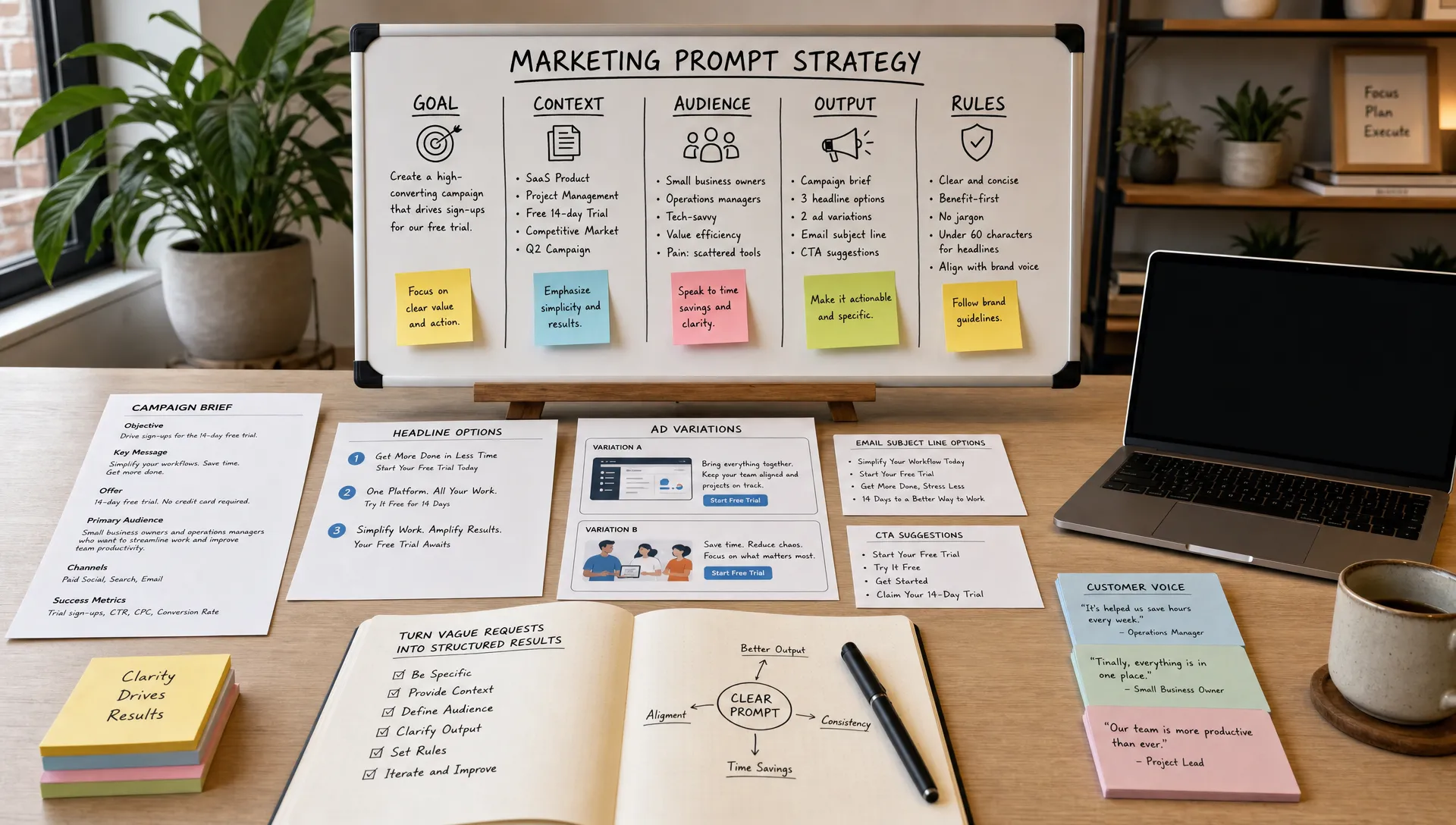
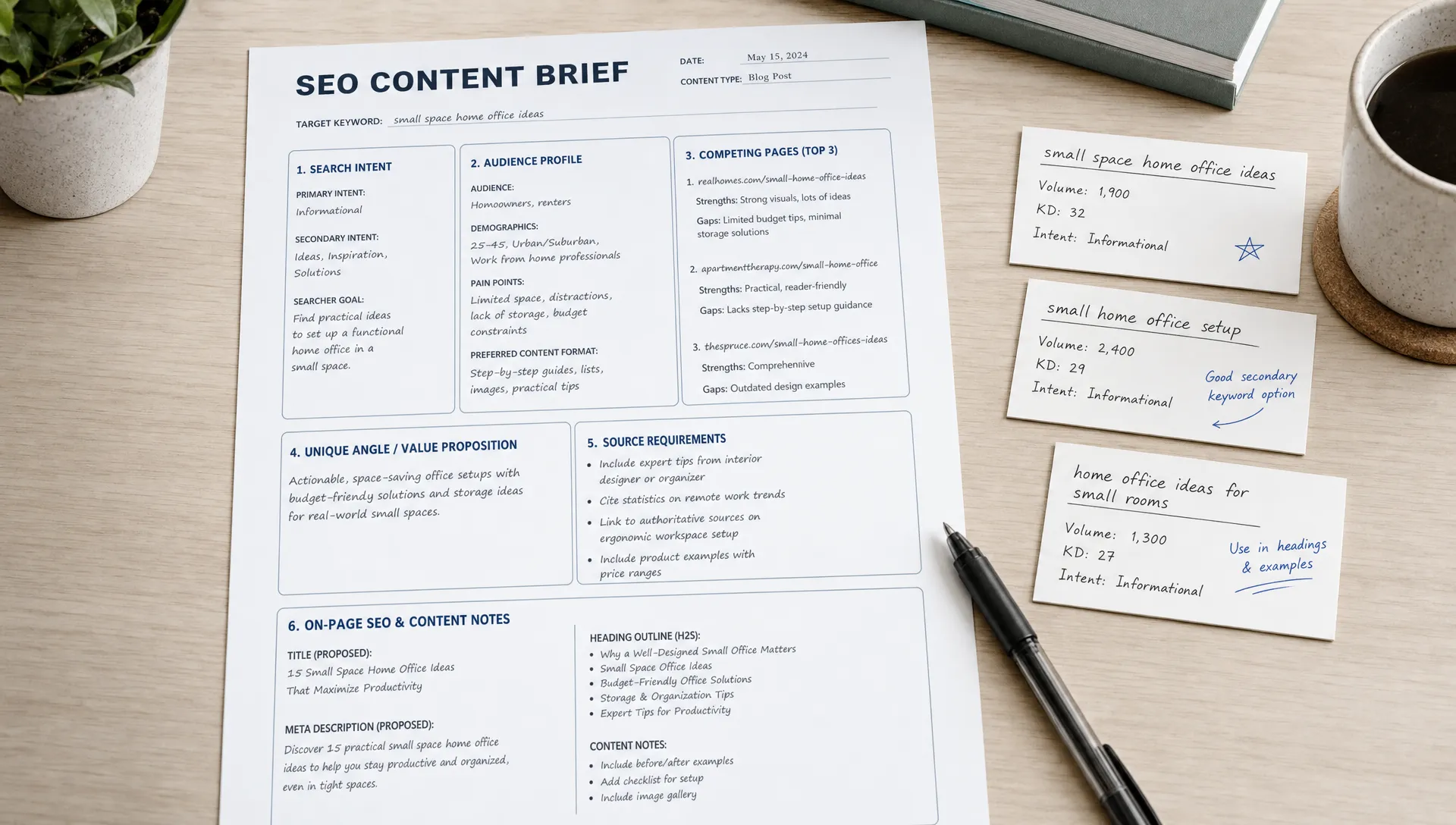
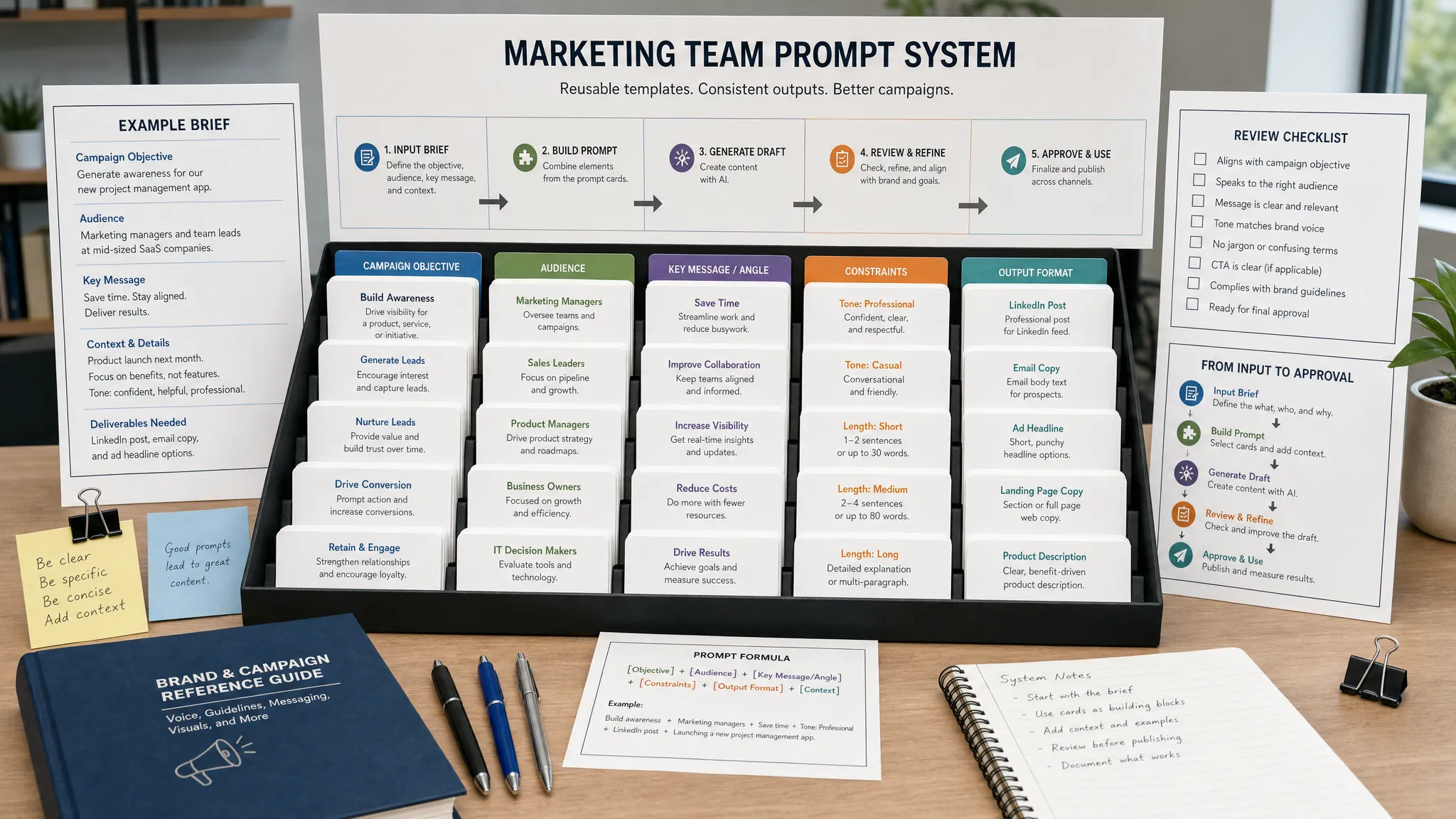
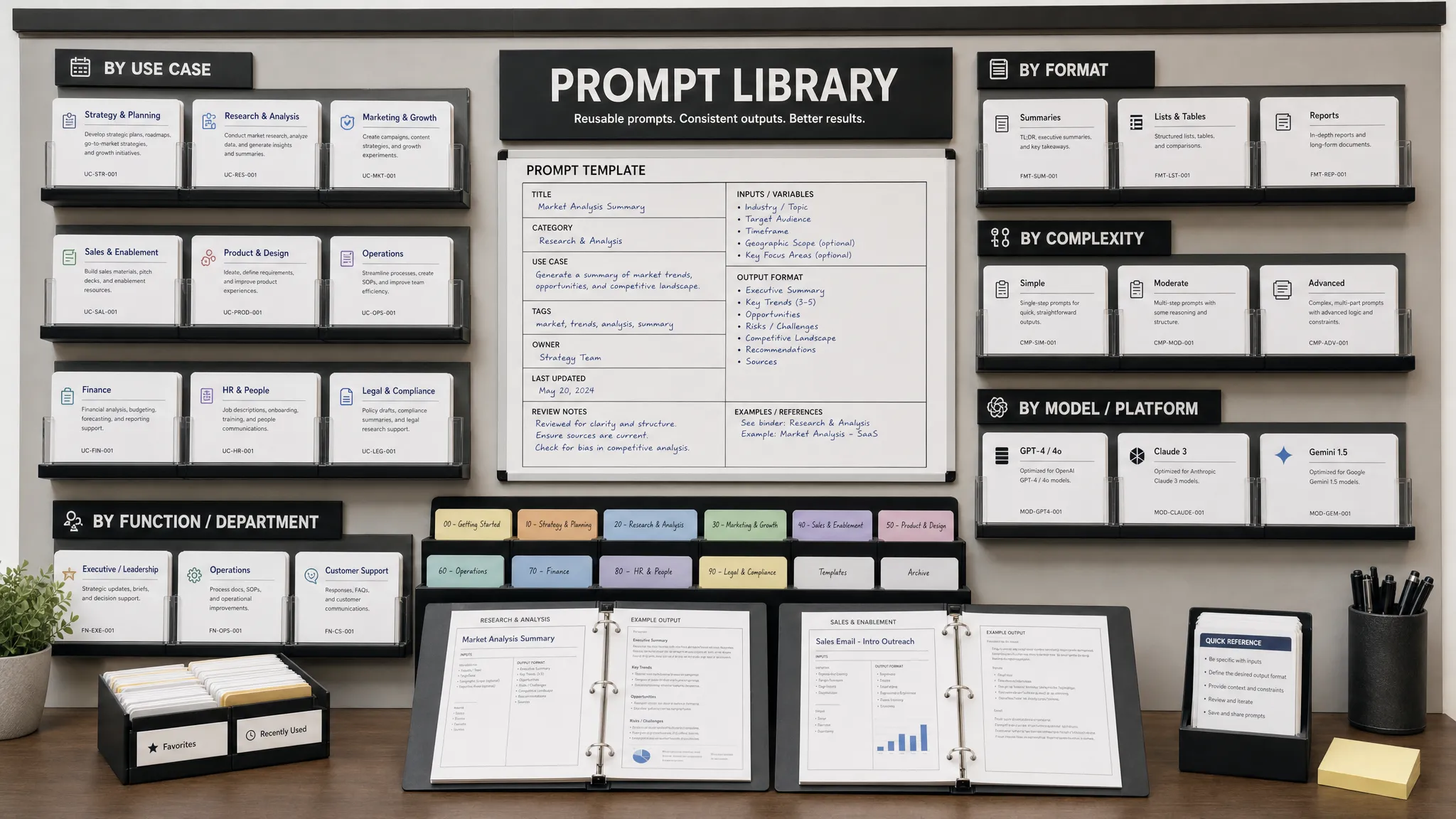
This is where a prompt library for marketers can be especially useful. Instead of asking a generic AI tool to write an ad, the team can use structured prompts for persona research, objection mapping, competitive positioning, SEO briefs or offer testing. Better inputs produce more useful outputs and reduce editing time.
AI should also help detect creative fatigue. If a campaign begins to show higher frequency, lower engagement and rising cost per acquisition, the system can flag the pattern early. The team can refresh the creative before the channel becomes unprofitable.
A common CAC mistake is letting last-click attribution make budget decisions. Last-click data is easy to read, but it often undervalues channels that create demand and overvalues channels that capture it.
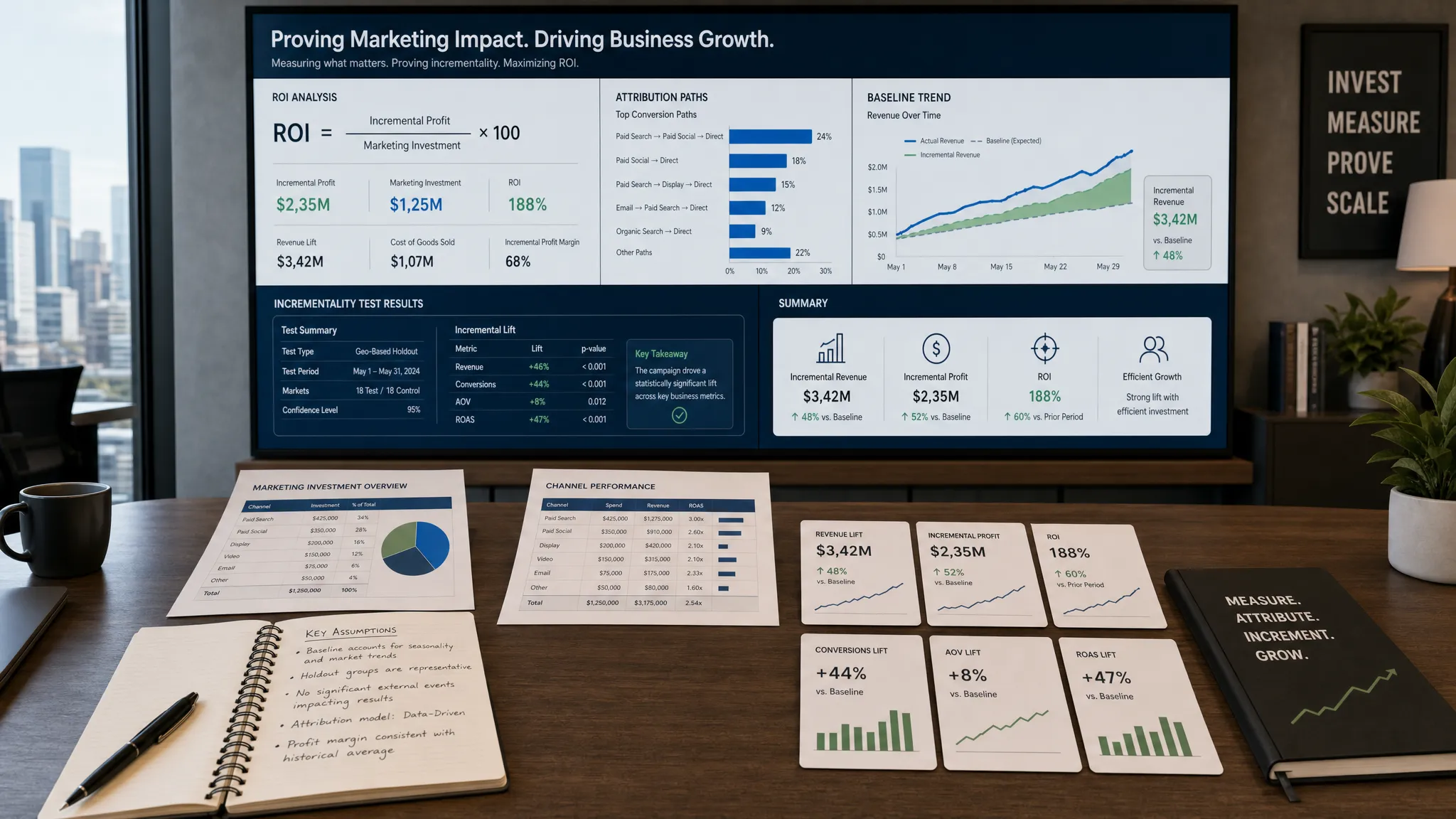
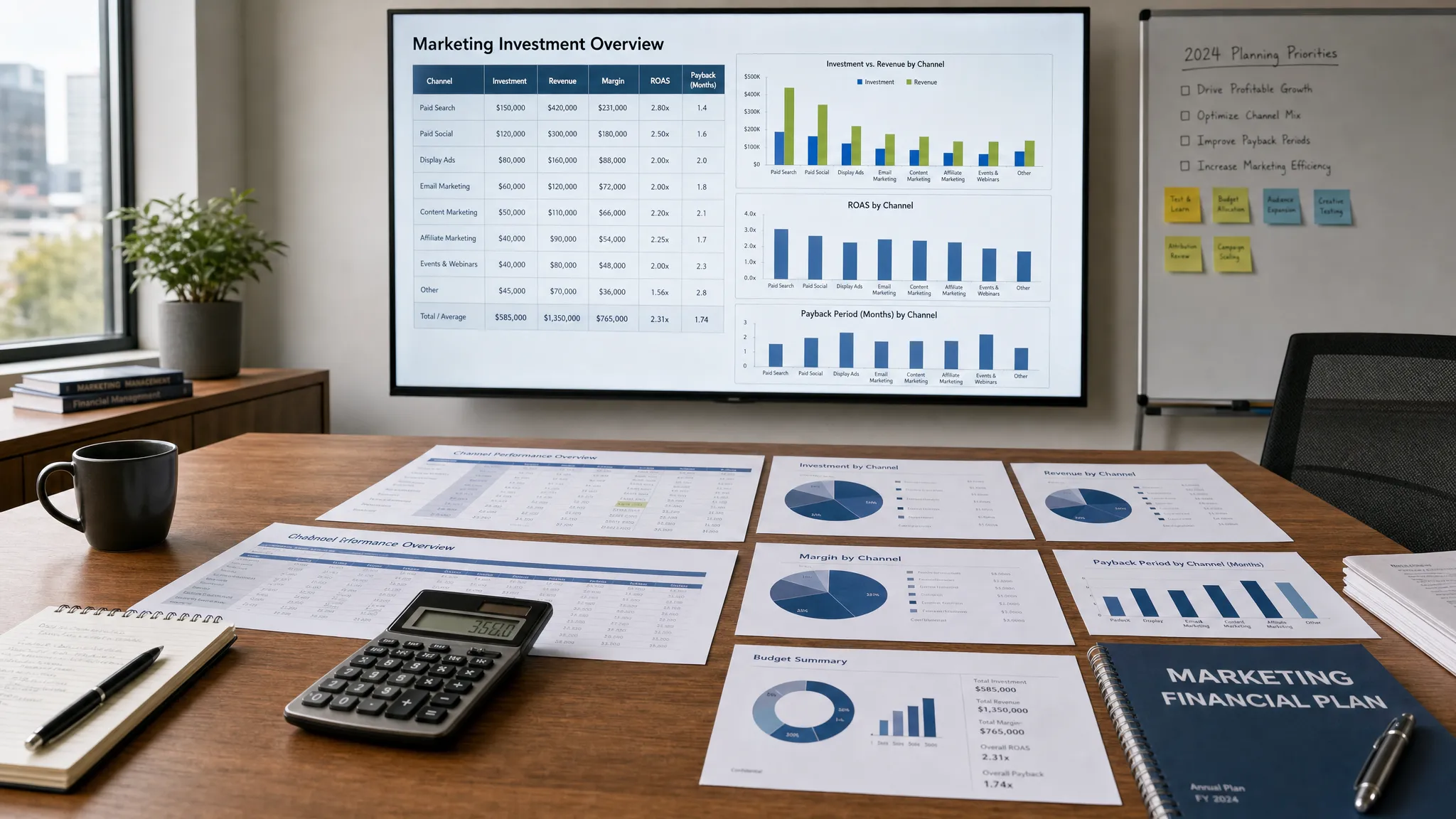
AI-powered analytics can help by combining historical performance, customer value, channel interactions, seasonality and funnel velocity. The result is better scenario planning. Instead of asking which channel got the final click, marketers can ask where the next dollar is most likely to produce profitable customer growth.
This does not require perfect attribution. In fact, waiting for perfect attribution often delays better decisions. Start with clean definitions, consistent tracking and a reasonable model that improves over time. Then use AI to identify budget movements with a strong business case.
| Budget decision | AI signal to review | CAC impact |
|---|---|---|
| Increase spend on a channel | Stable conversion rate, acceptable payback and room to scale | More customers without a proportional CAC increase |
| Reduce spend on a channel | Rising cost per qualified lead and weak close rate | Less waste on low-quality acquisition |
| Shift budget by segment | Higher LTV, faster payback or stronger sales acceptance | Better customer economics |
| Pause a campaign | Creative fatigue, low intent traffic or poor downstream conversion | Prevents CAC from creeping up |
| Invest in content | Organic demand gaps and high-intent search opportunities | Reduces dependence on paid acquisition over time |
For a deeper framework on this part of the problem, see AIMarketer Hub's guide on using AI to optimize marketing budget allocation.
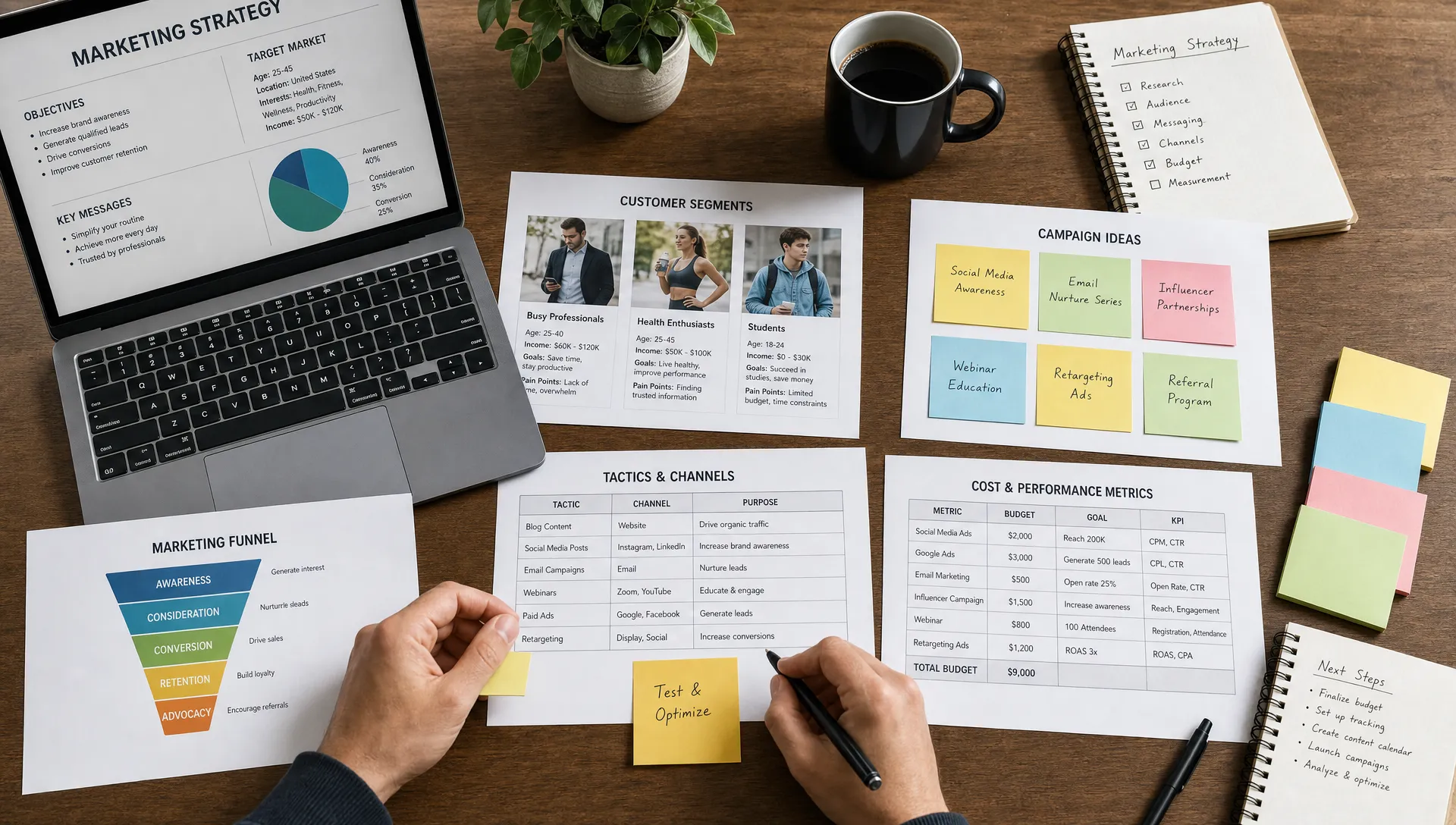
CAC includes labor, not just ad spend. If your team spends hours manually qualifying leads, building reports, rewriting similar emails or creating campaign briefs from scratch, those costs belong in the acquisition model.
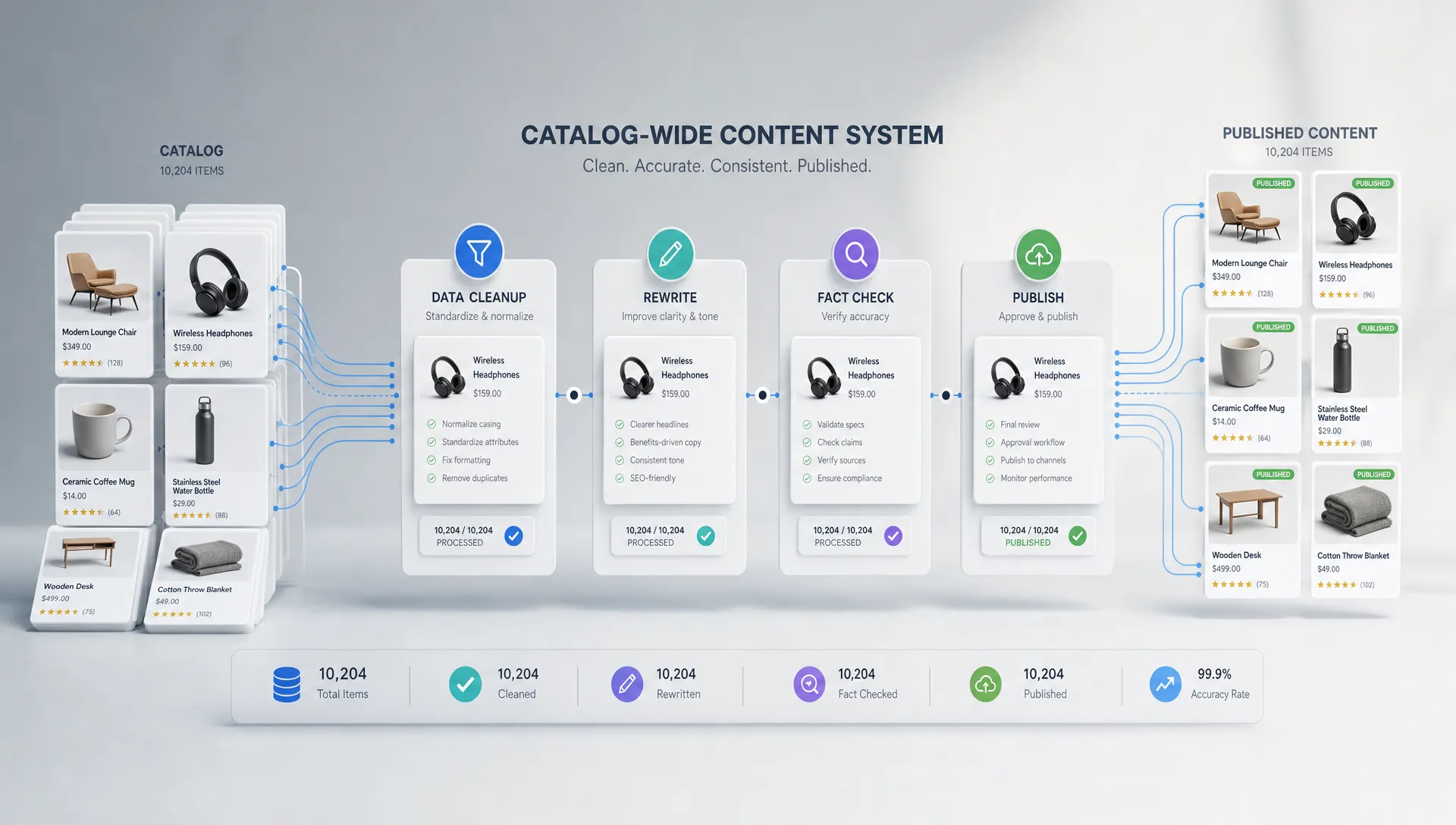
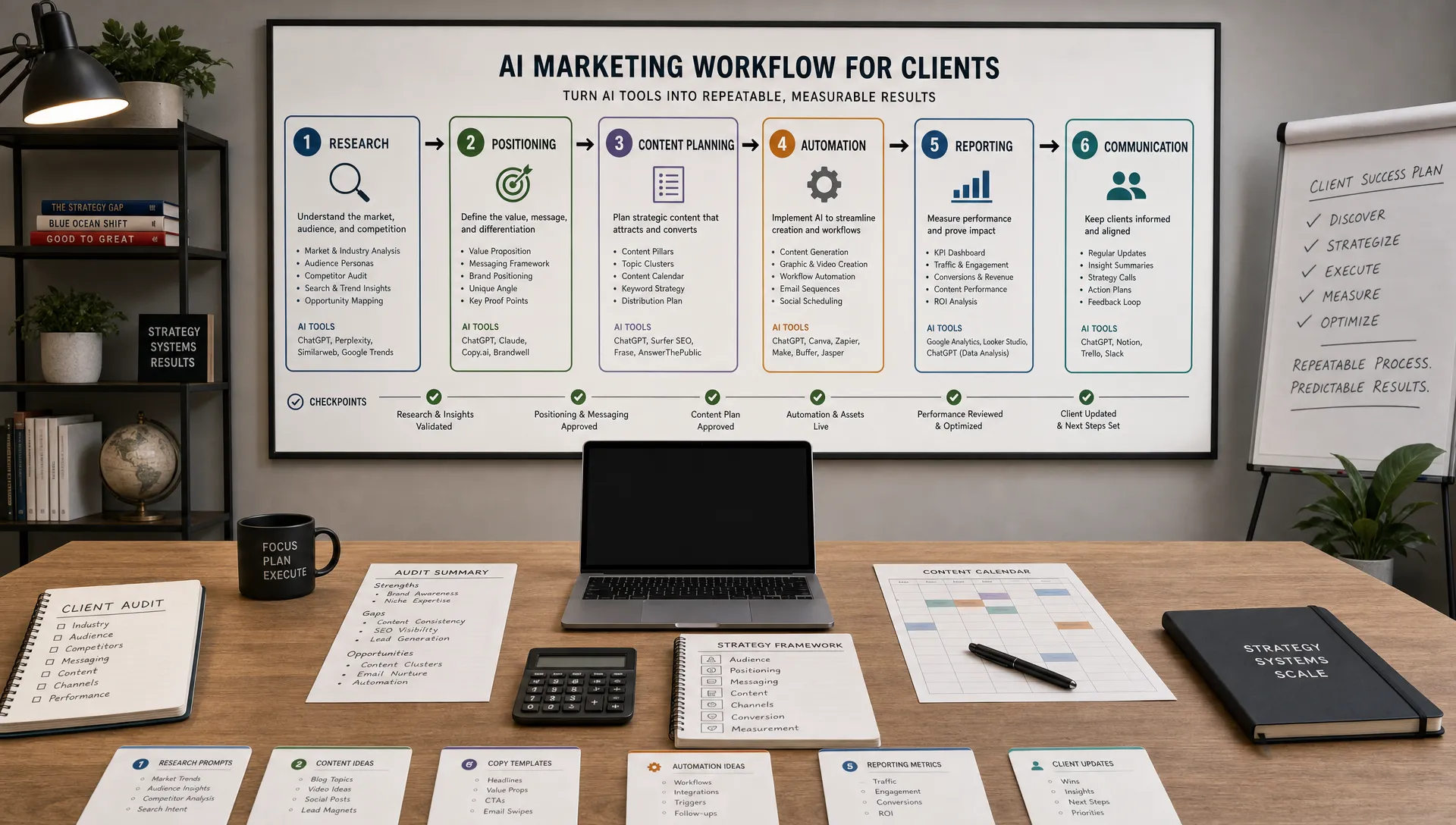
AI can lower operational CAC by automating repetitive work while keeping strategic review with humans. In B2B, useful workflows include lead enrichment, account research, meeting summaries, sales handoff notes, outbound email drafts and renewal-risk alerts. In ecommerce, AI can support product descriptions, lifecycle email flows, review analysis, cart recovery and post-purchase personalization.
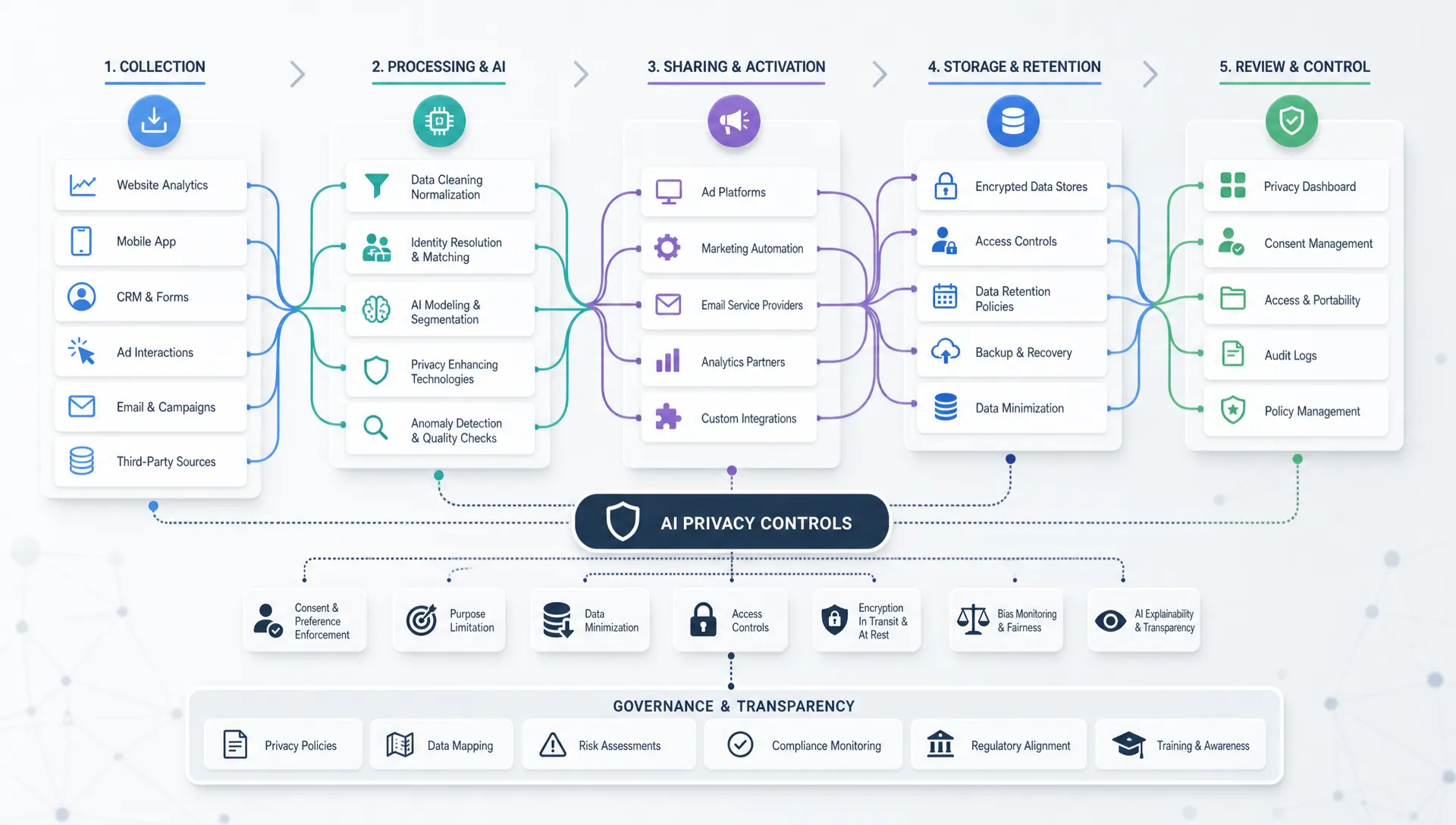
This is also where skill gaps affect cost. AI tools become more valuable when marketers understand data hygiene, automation logic, analytics and cloud-based systems. Teams managing marketing data pipelines or AI-supported analytics may benefit from structured technical learning, and platforms such as MindMesh Academy's certification exam prep can support upskilling across cloud, IT and related certification paths.
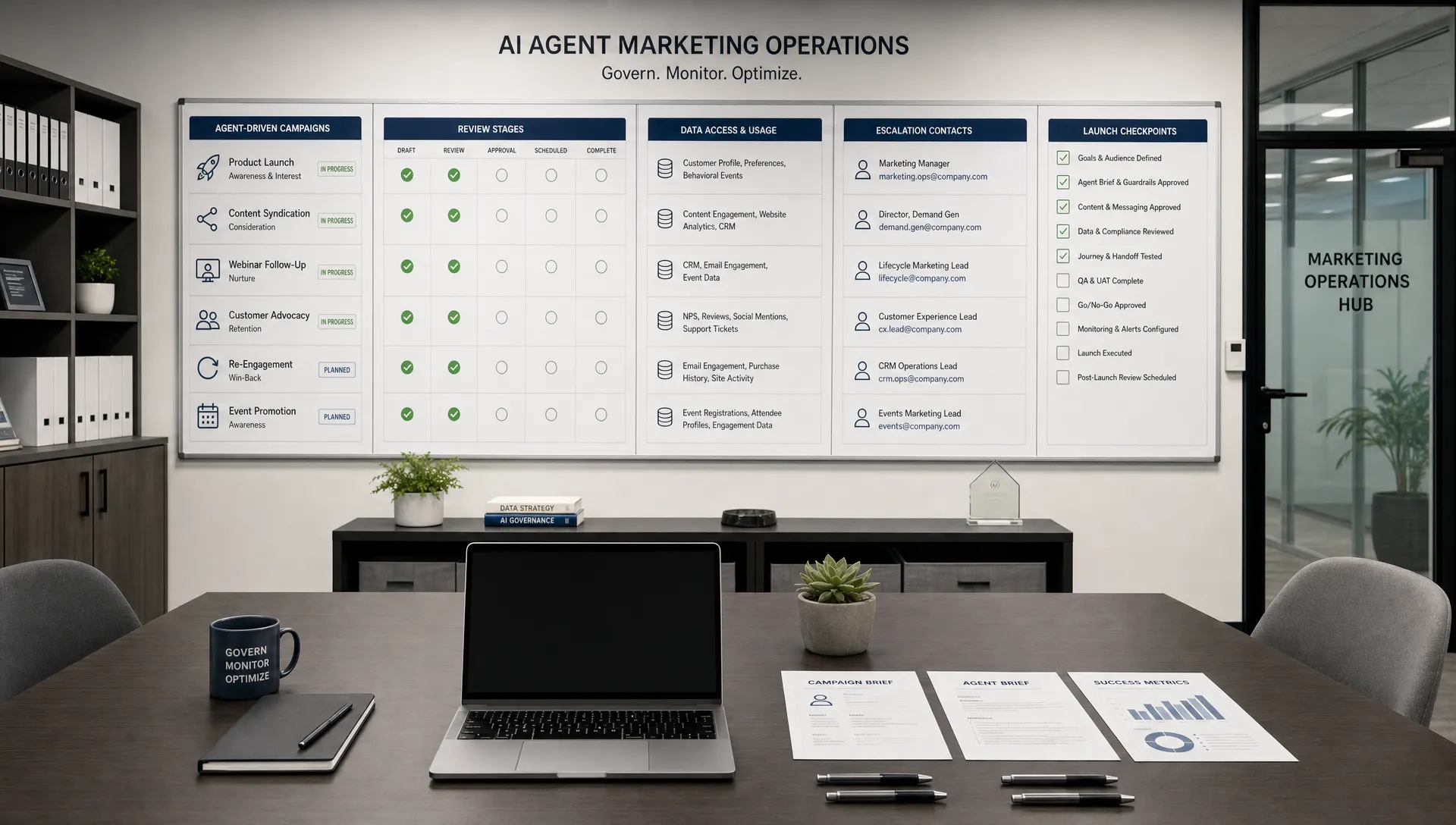
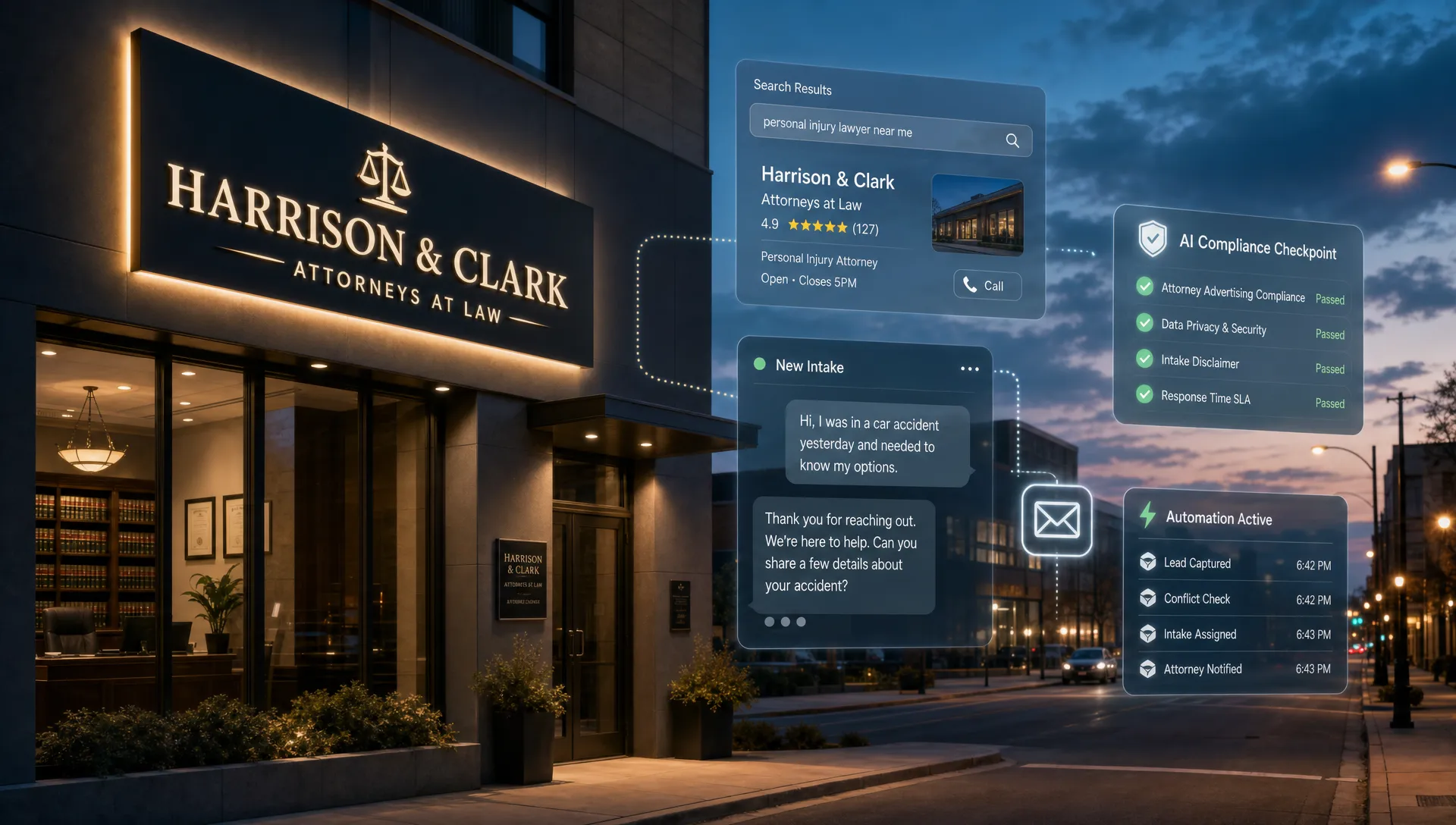
Automation should not remove judgment from high-value moments. A sales call with a strategic account, a compliance-sensitive campaign or a major pricing decision still needs human oversight. The best use of AI is to remove the low-value work around those moments so people can focus on decisions that influence revenue.
AI adoption becomes easier when you treat it as a sequence of measurable improvements rather than a giant transformation project. A 90 day plan is enough time to clean the data, run controlled tests and decide what deserves more investment.
| Timeframe | Focus | Actions | Success metric |
|---|---|---|---|
| Days 1 to 30 | Diagnose CAC leaks | Audit CAC by channel, segment and funnel stage. Review data quality and define target metrics. | Clear baseline and top 3 cost drivers |
| Days 31 to 60 | Launch AI experiments | Test AI segmentation, creative variation, landing page improvements or lead scoring. | Lower cost per qualified lead or higher conversion rate |
| Days 61 to 90 | Scale what works | Reallocate budget, automate repeatable tasks and document winning prompts and workflows. | Lower CAC, faster payback or improved sales acceptance |
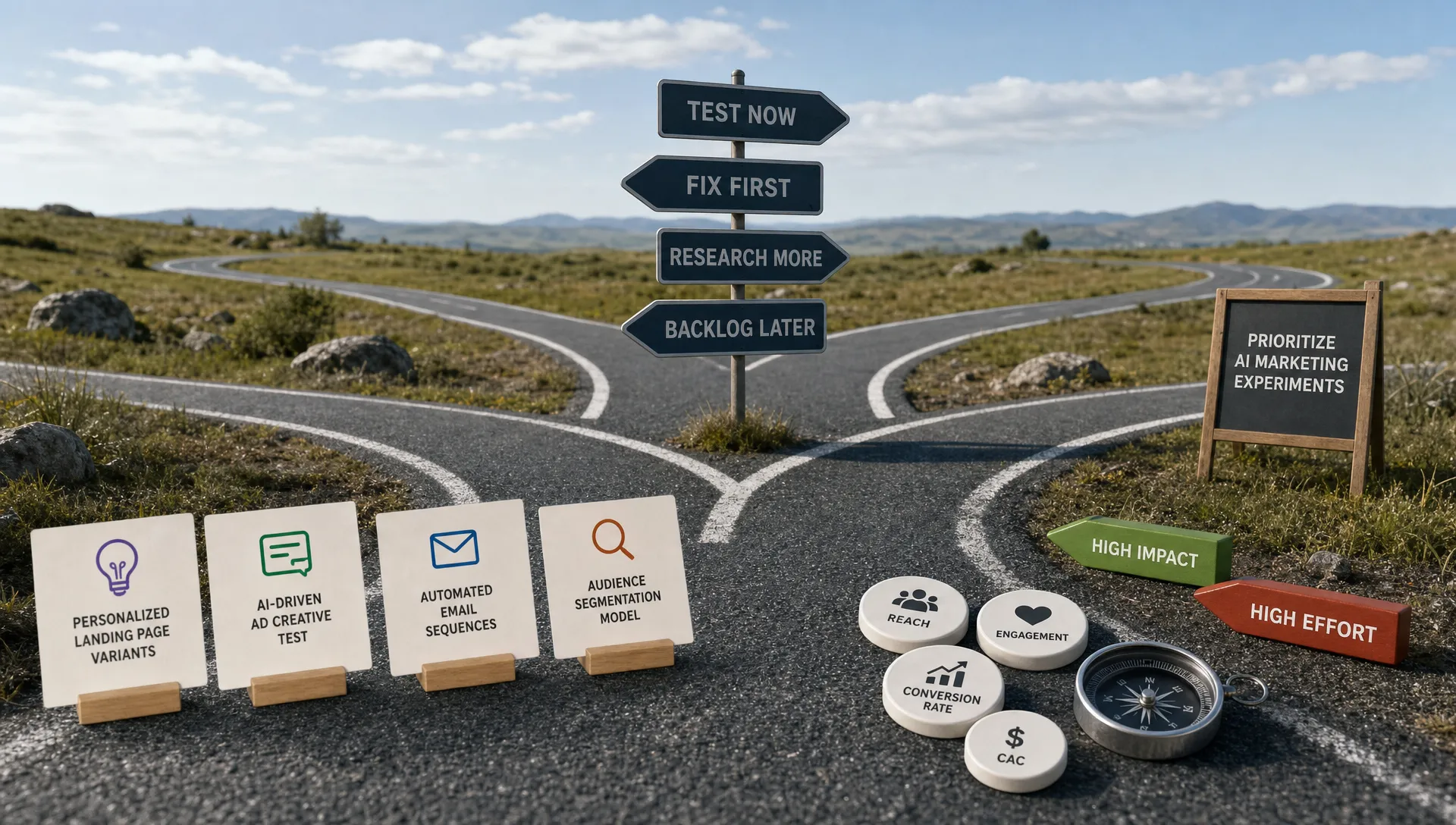
Pick one or two experiments first. A team that tries to launch AI across paid media, content, sales automation and lifecycle marketing at the same time will struggle to prove what worked.
If you are a lean team, the best CAC reduction opportunities usually come from focus. AIMarketer Hub's guide to marketing growth strategies for lean teams explains how to prioritize fewer channels and build repeatable systems instead of spreading effort too thin.
AI can reduce customer acquisition costs, but it can also make inefficient systems run faster. The most common failures are not technical. They are strategic.
| Mistake | Why it raises CAC | Better approach |
|---|---|---|
| Optimizing for cheap leads | Low-cost leads may not convert or retain | Measure sales acceptance, close rate and payback |
| Generating too much content | More assets can dilute quality and waste review time | Tie content to specific funnel gaps |
| Ignoring data quality | AI models repeat CRM errors and tracking gaps | Clean core fields before modeling |
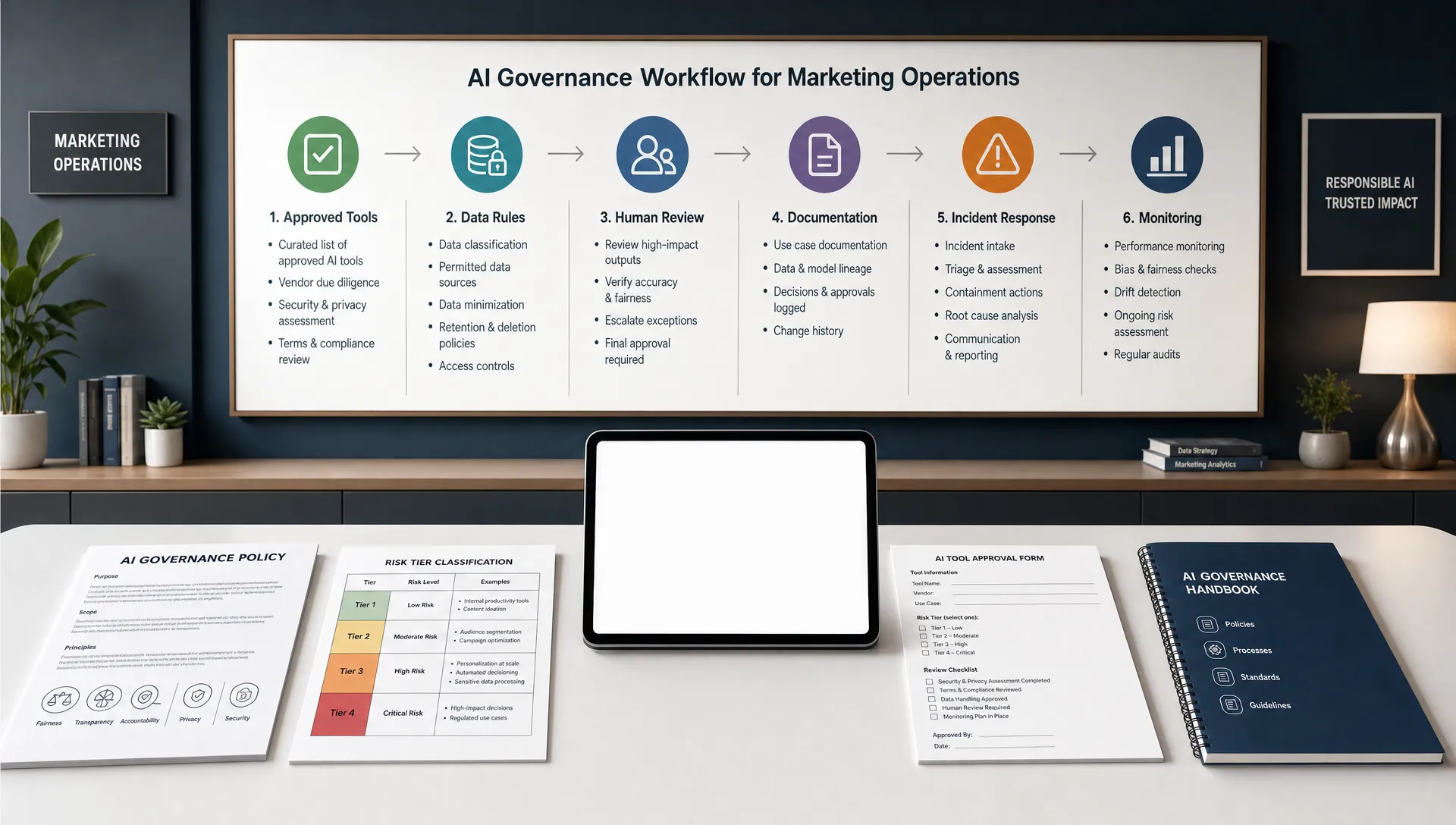
| Removing human review | Brand, compliance and positioning mistakes become expensive | Use AI drafts with expert approval |
| Measuring too narrowly | Cost per click can improve while CAC worsens | Track full-funnel acquisition economics |
| Forgetting AI costs | Tools, setup and training affect real CAC | Include software and labor in the calculation |
The aim is not to replace your marketing strategy with AI. It is to make the strategy more precise, faster to execute and easier to measure.
AIMarketer Hub is built for marketers and businesses that want practical AI marketing workflows, not theory alone. The platform brings together AI content generation, a prompt library for marketers, SEO tools, performance analytics, calculators and industry-specific guides that can support acquisition work across marketing, finance, legal and SaaS sectors.
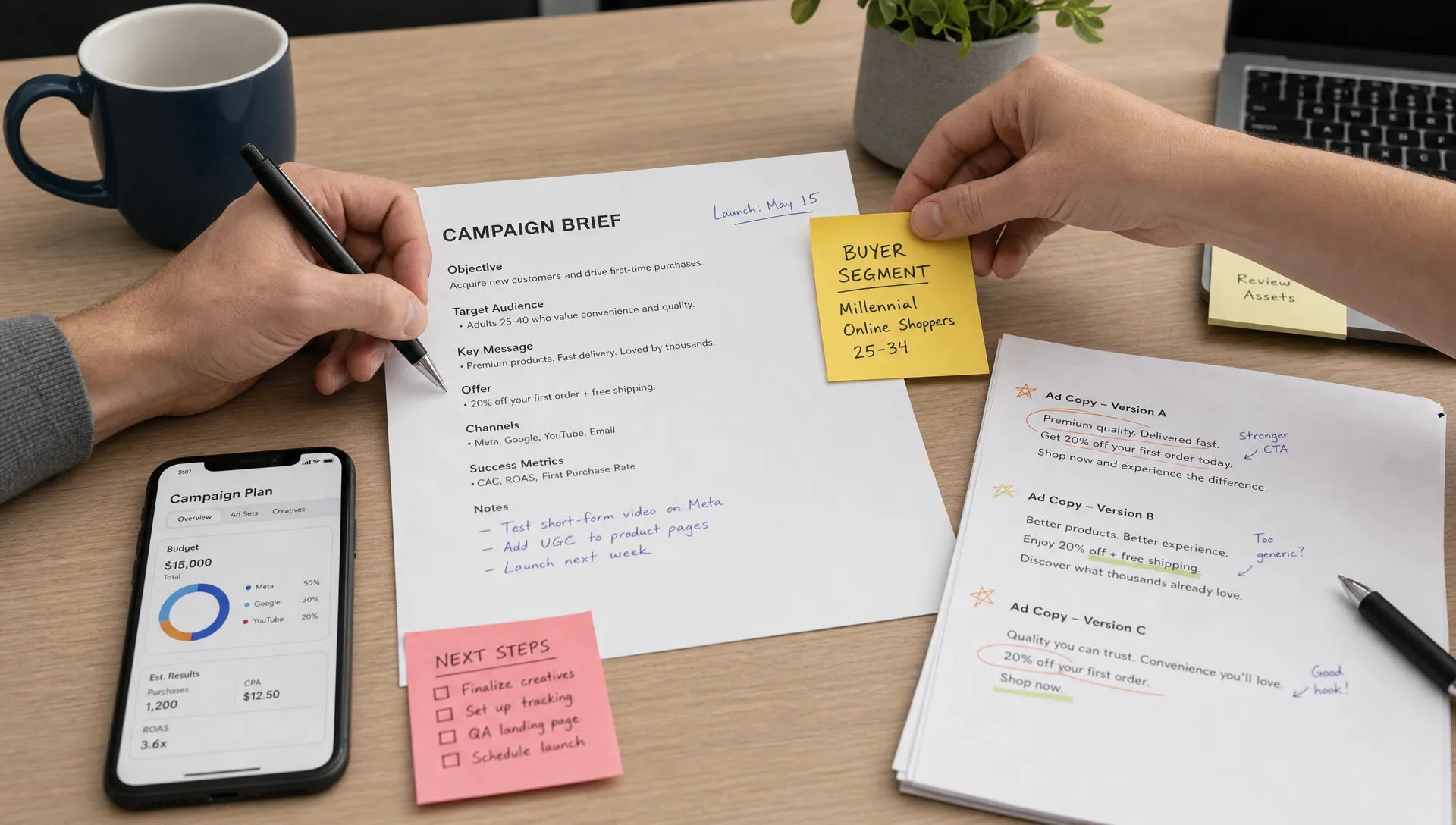
For CAC reduction, that means you can use AI to create campaign briefs, improve content workflows, organize prompts, explore SEO opportunities and connect execution to measurable performance. The strongest results come when these tools support a disciplined process: diagnose the cost driver, test one improvement, measure the business impact and then scale.
How can AI reduce customer acquisition costs? AI can reduce CAC by improving audience targeting, raising conversion rates, automating repetitive work, improving creative testing and helping marketers shift budget toward channels and segments with stronger payback.
What is the best first AI use case for lowering CAC? Start with the biggest leak in your funnel. If lead quality is poor, use AI segmentation or lead scoring. If traffic is expensive, use AI-assisted creative testing. If conversion is weak, use AI to analyze landing pages, objections and follow-up sequences.
Can small businesses use AI to reduce CAC? Yes. Small teams can use AI for faster content creation, SEO research, customer segmentation, email automation and performance reporting. The key is to focus on one measurable acquisition problem at a time rather than adopting too many tools at once.
Should AI replace human marketers in acquisition strategy? No. AI is best used to analyze patterns, generate options and automate repetitive tasks. Human marketers still need to define positioning, approve messaging, understand customers and make strategic trade-offs.
How do I measure whether AI is really lowering CAC? Compare CAC before and after the AI workflow, but also track lead quality, close rate, payback period, customer lifetime value and sales cycle length. A lower cost per lead is not enough if those leads do not become profitable customers.
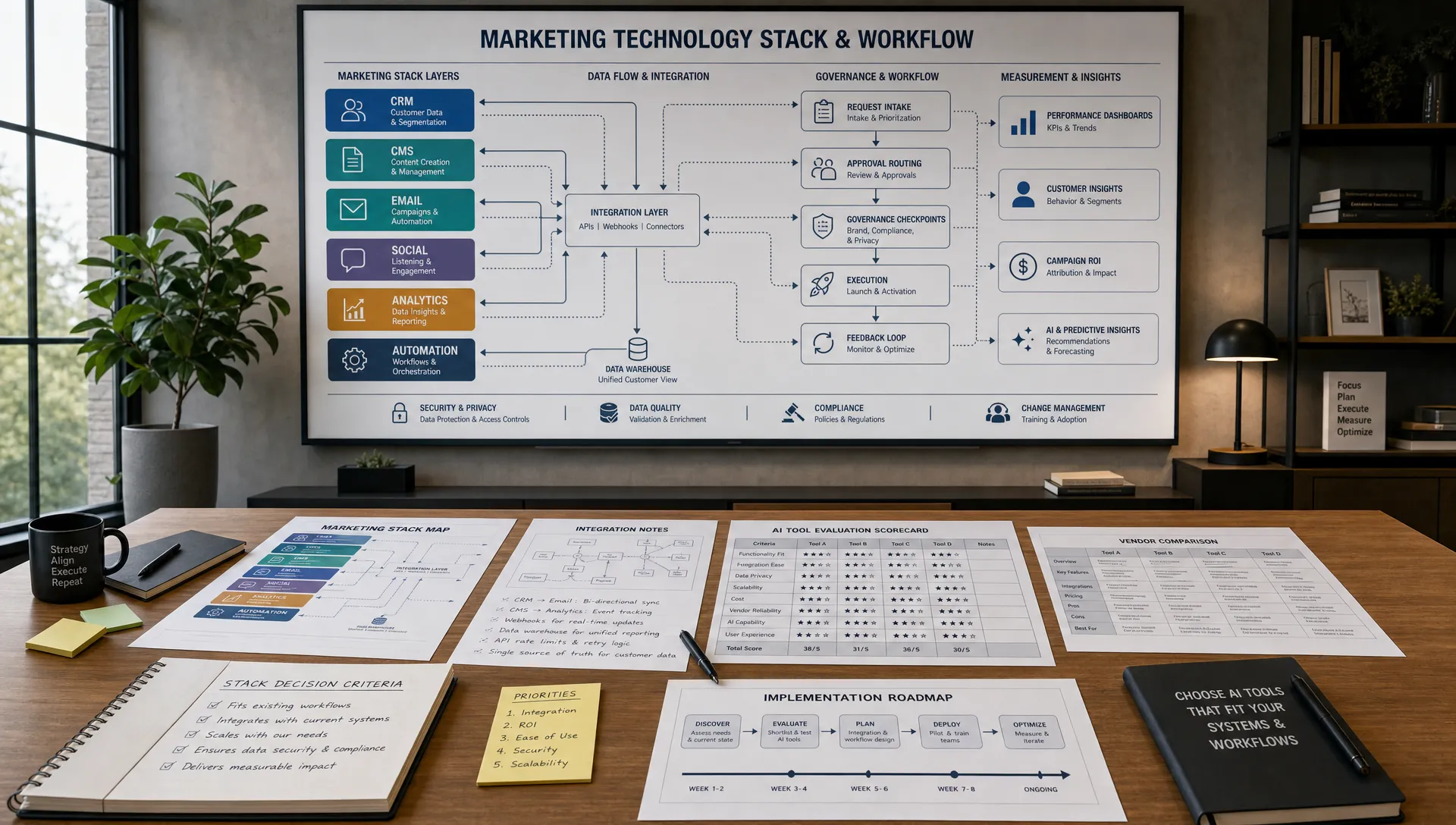
Reducing CAC with AI is not about adding more tools to an already busy marketing stack. It is about using AI to make better acquisition decisions: who to target, what to say, which channels deserve budget and which manual tasks should be automated.
If you want practical resources to build those workflows, explore AIMarketer Hub for AI marketing tools, prompt resources, SEO support, calculators and guides designed to help businesses automate, optimize and grow with more confidence.