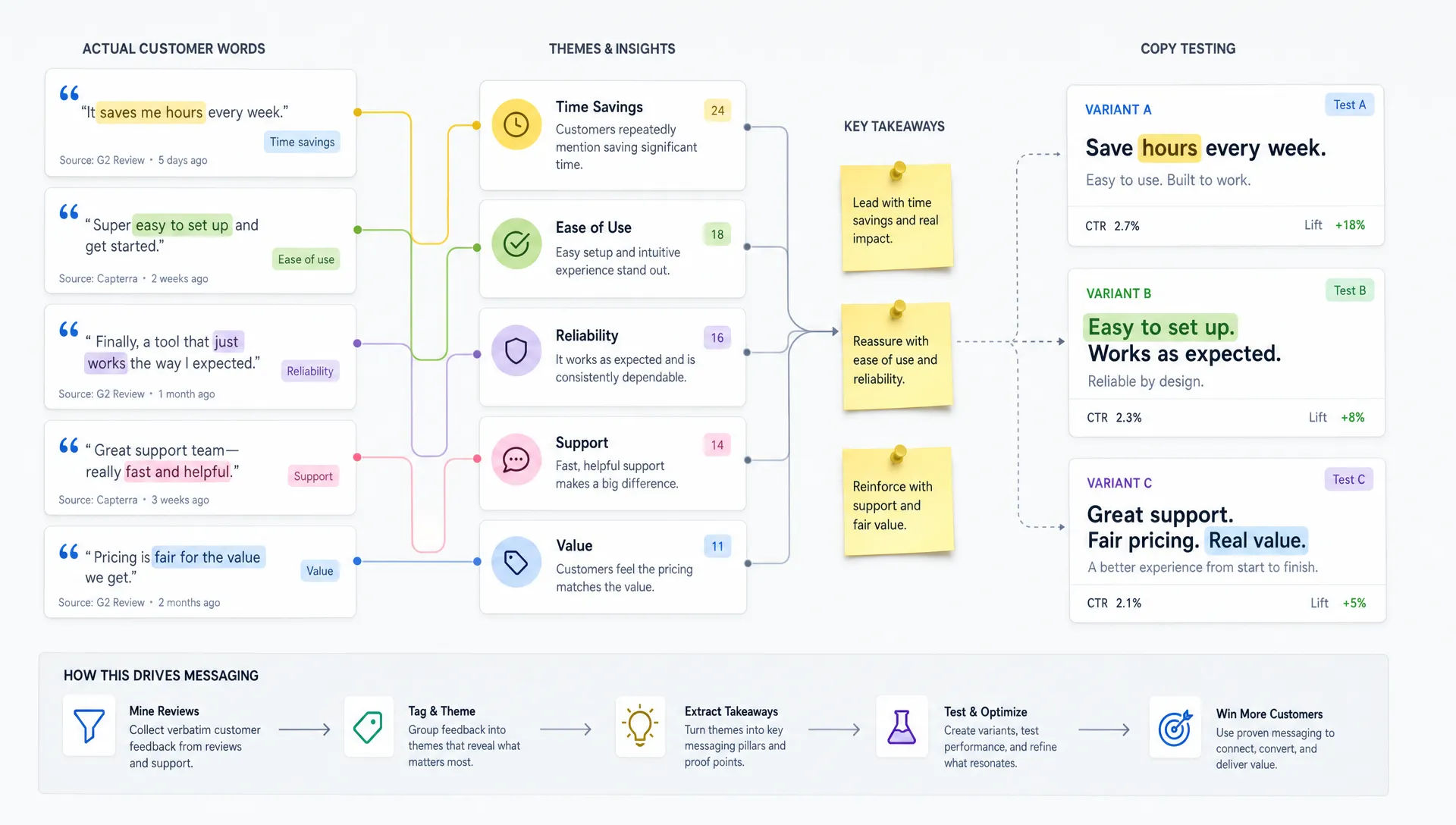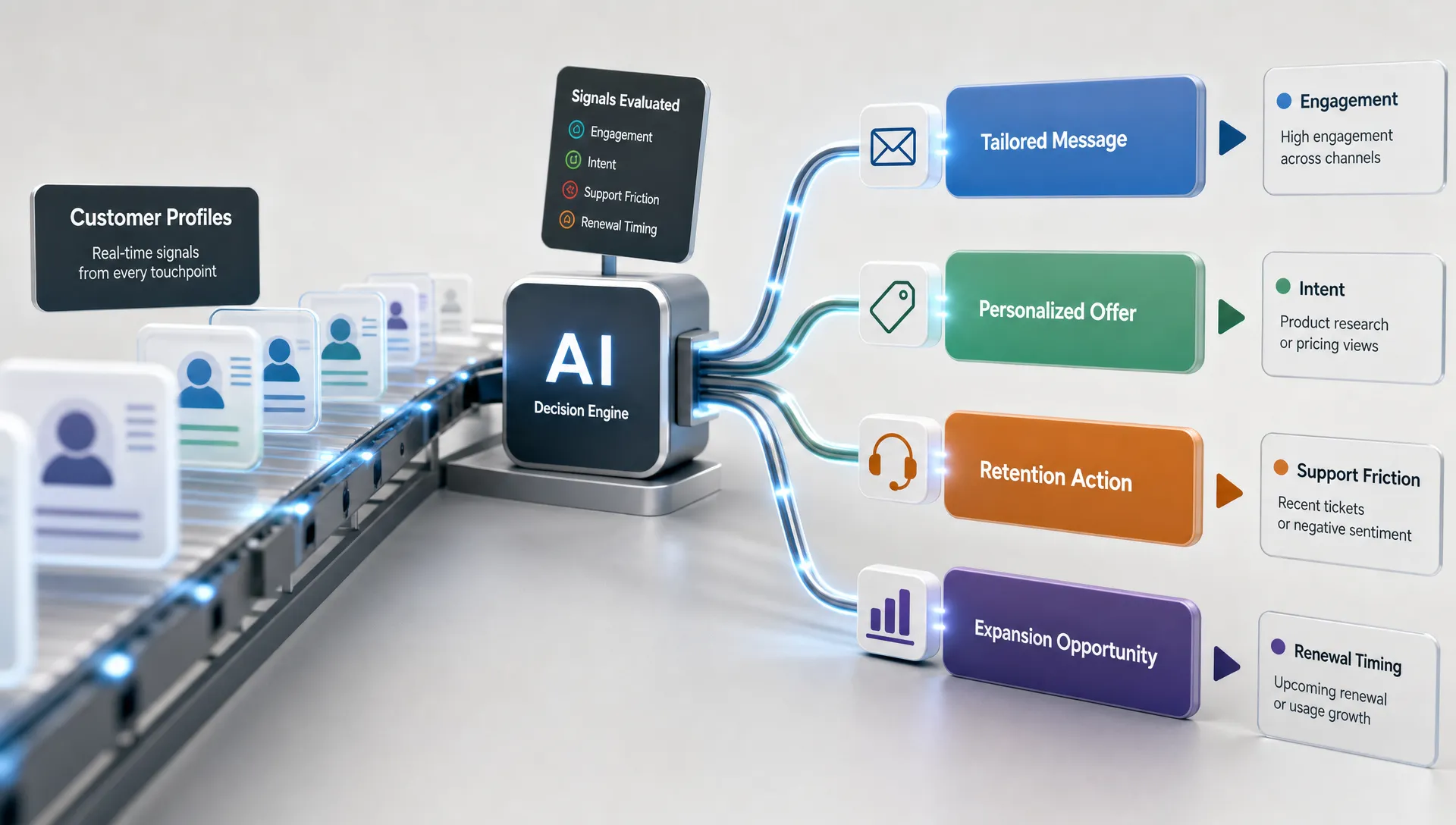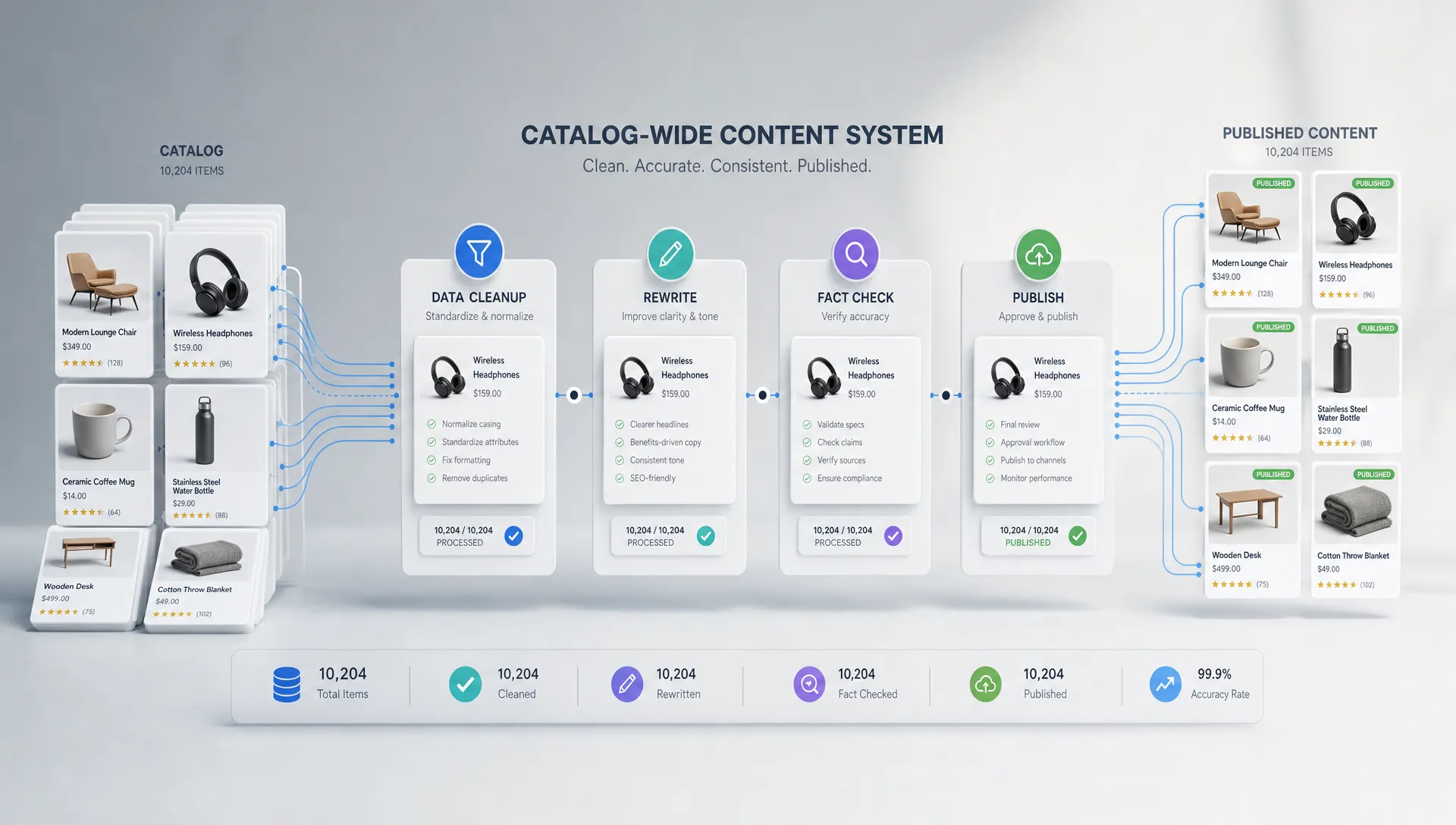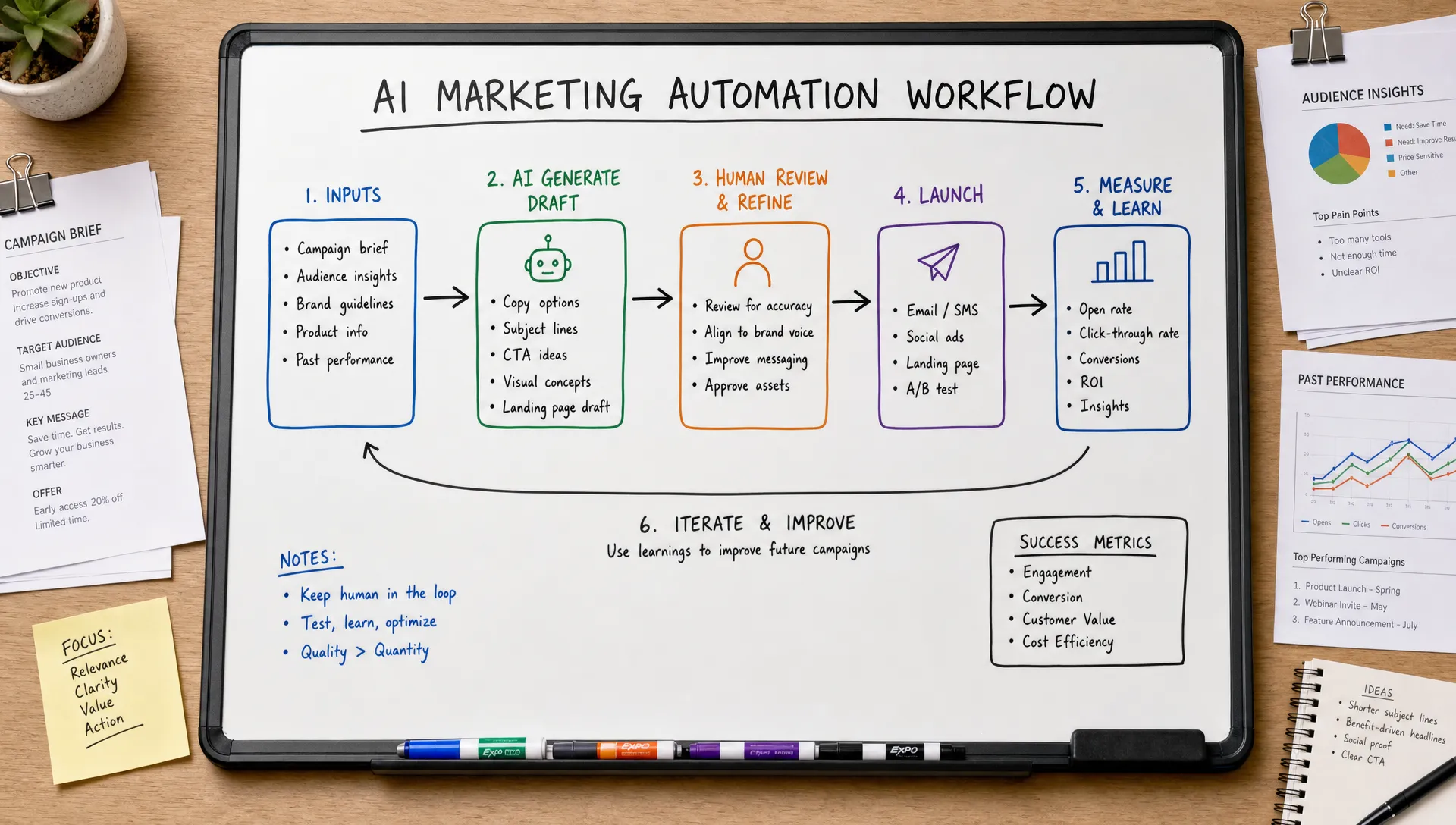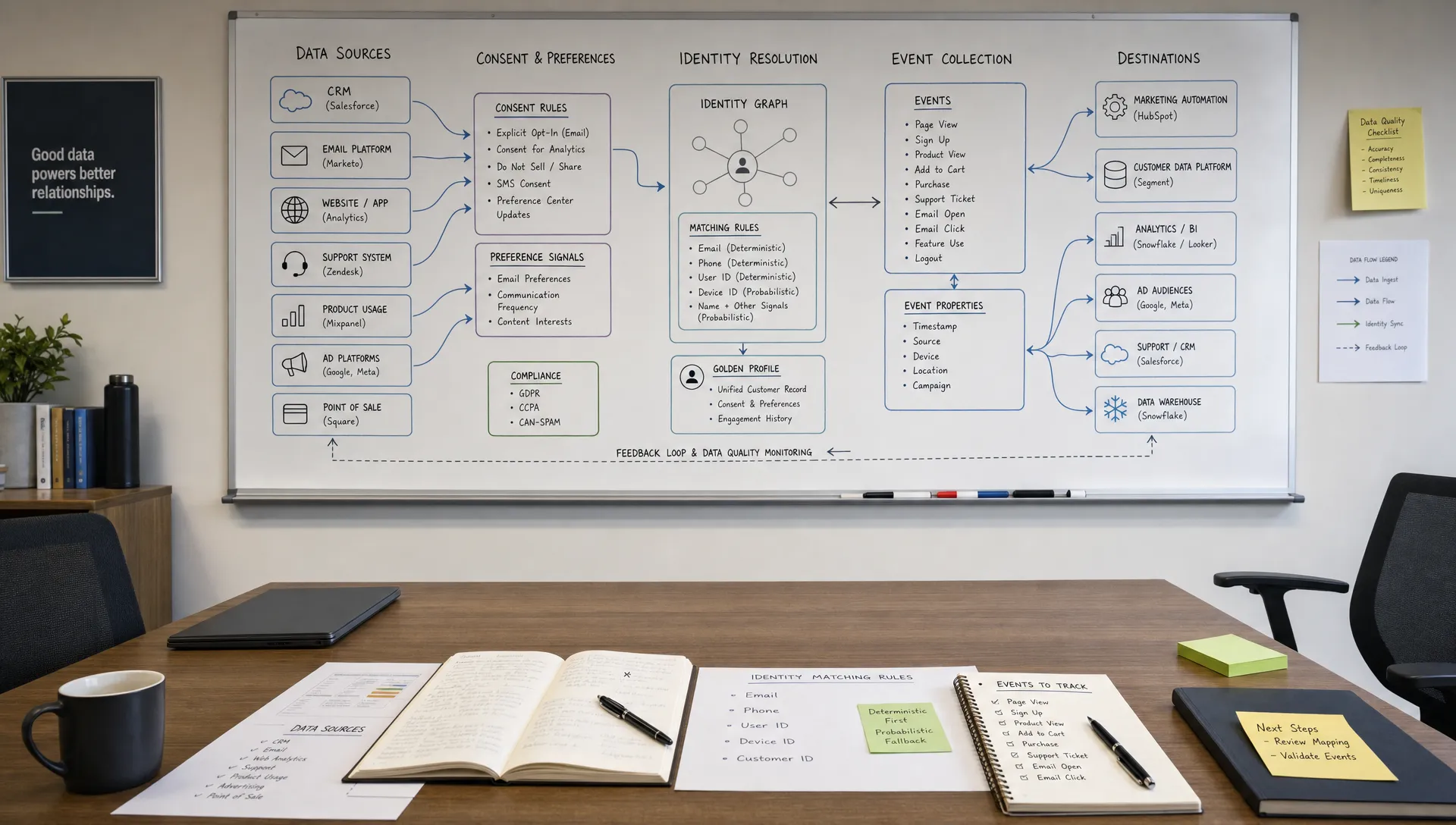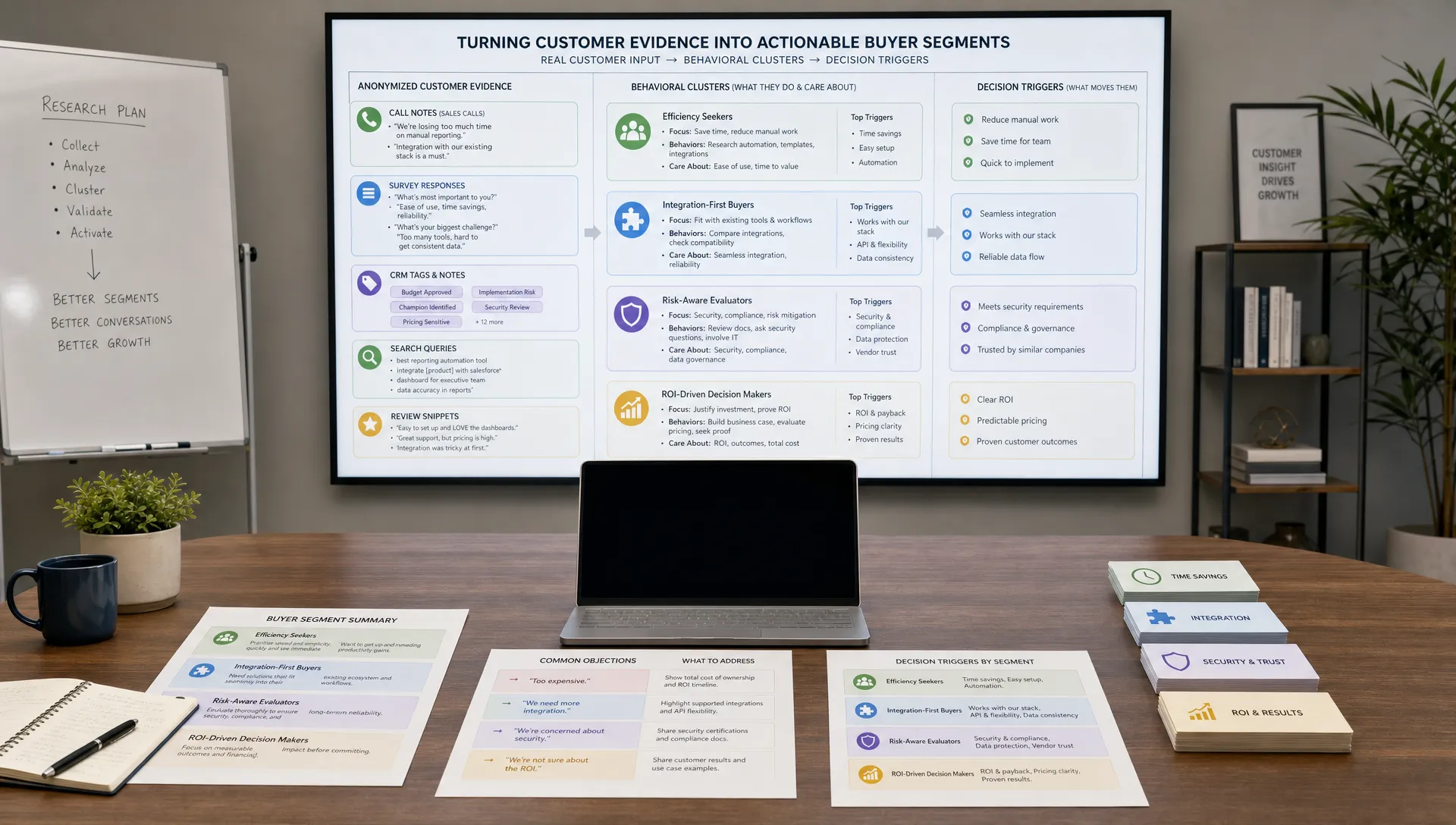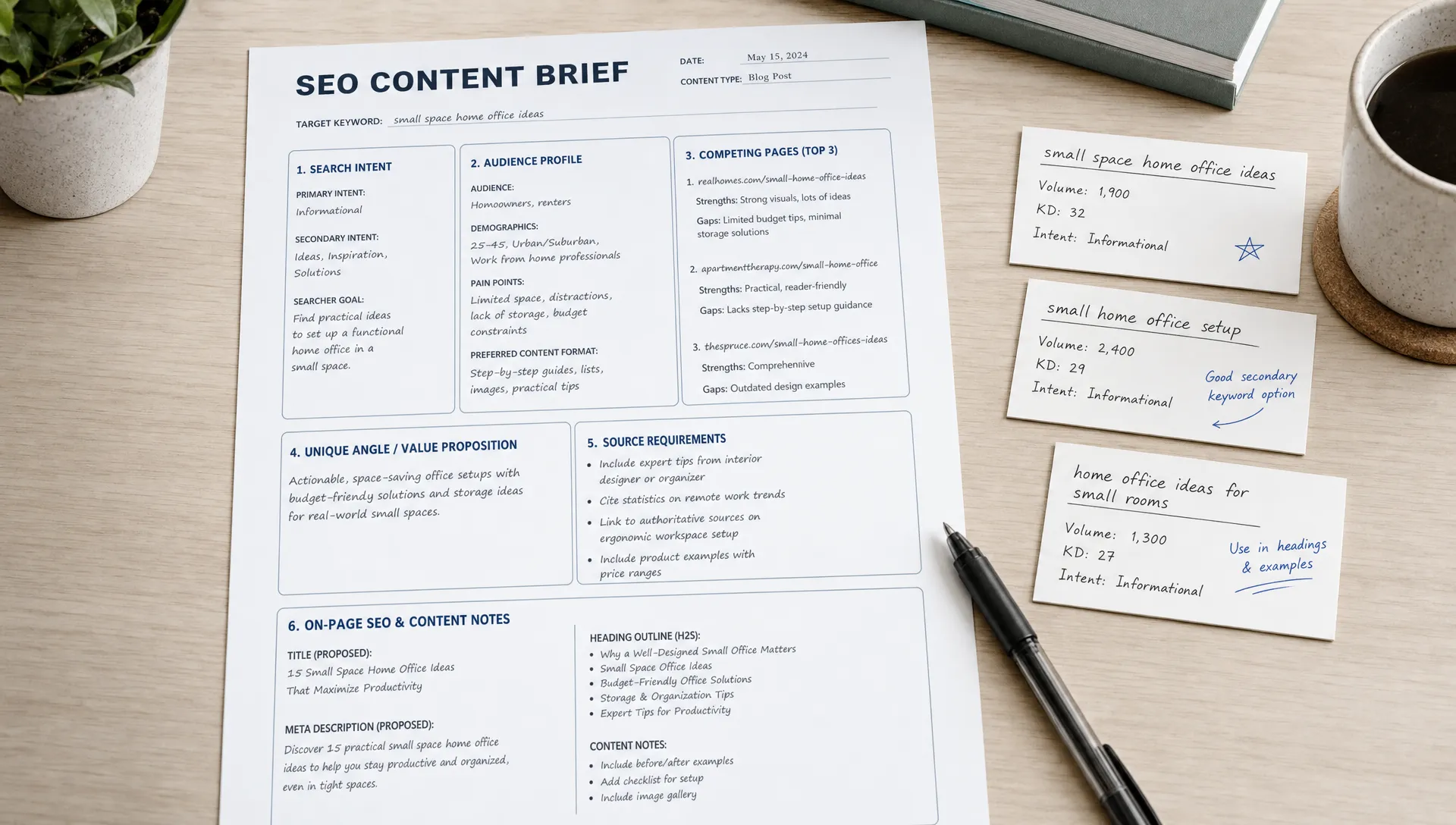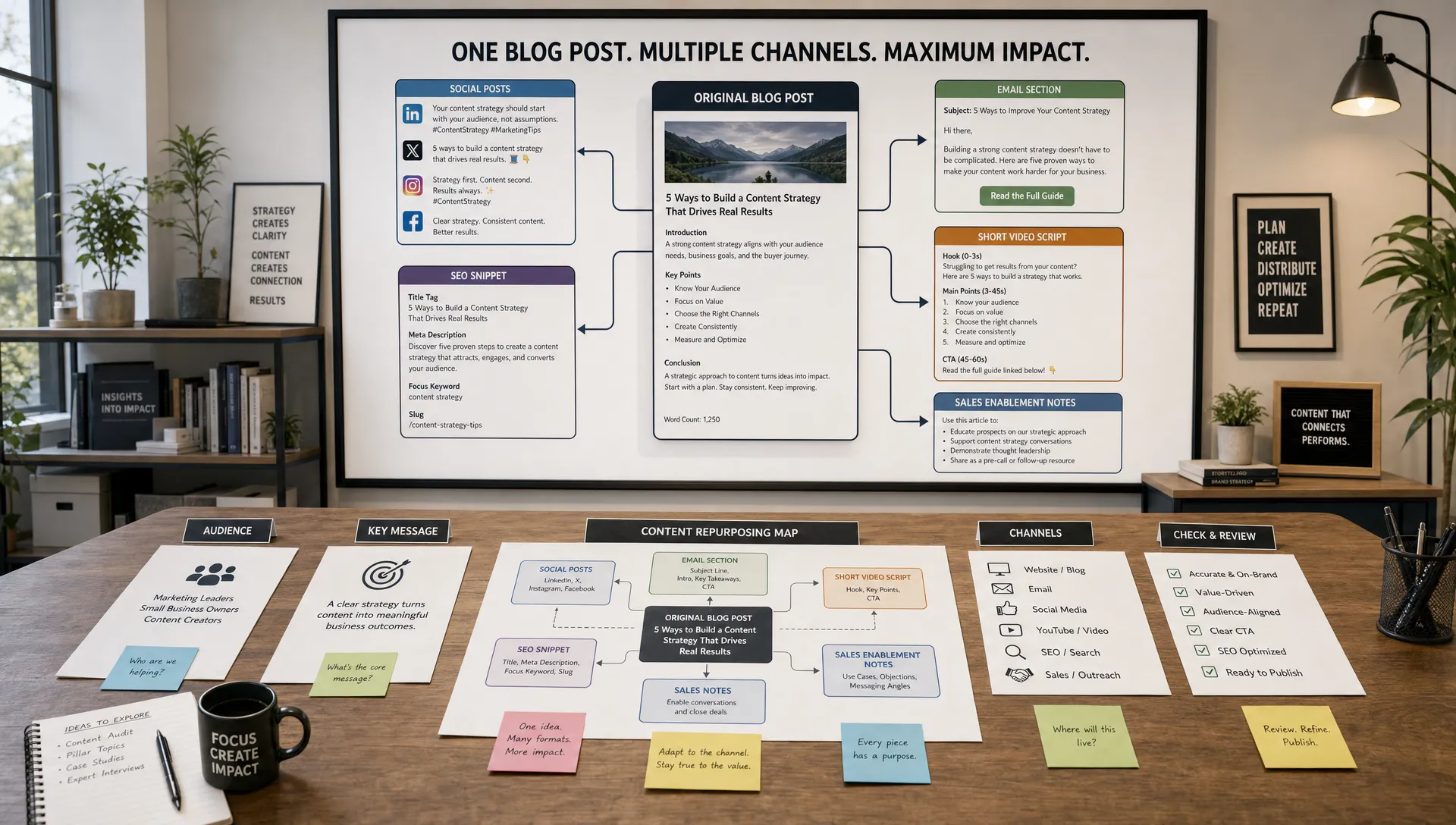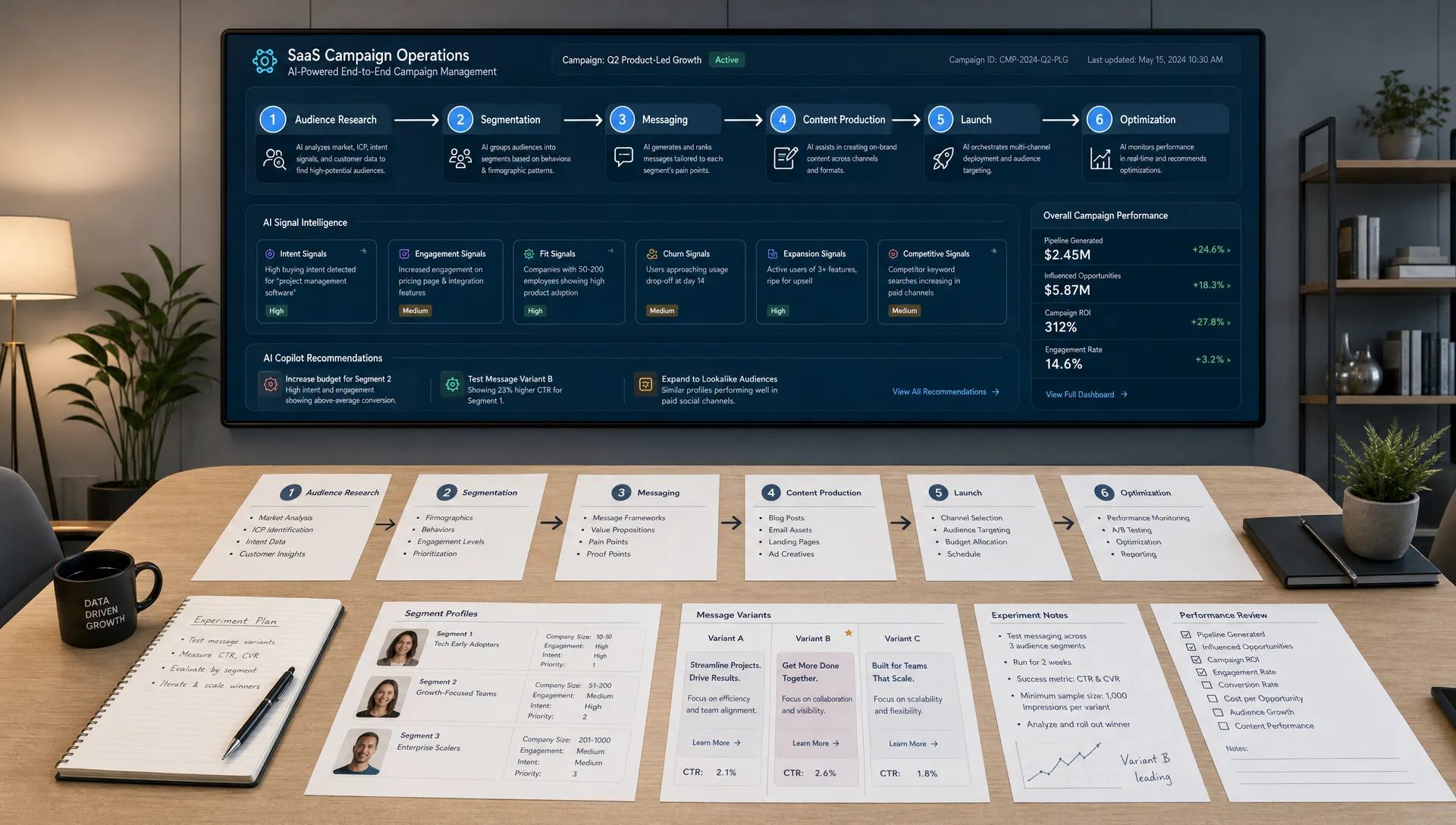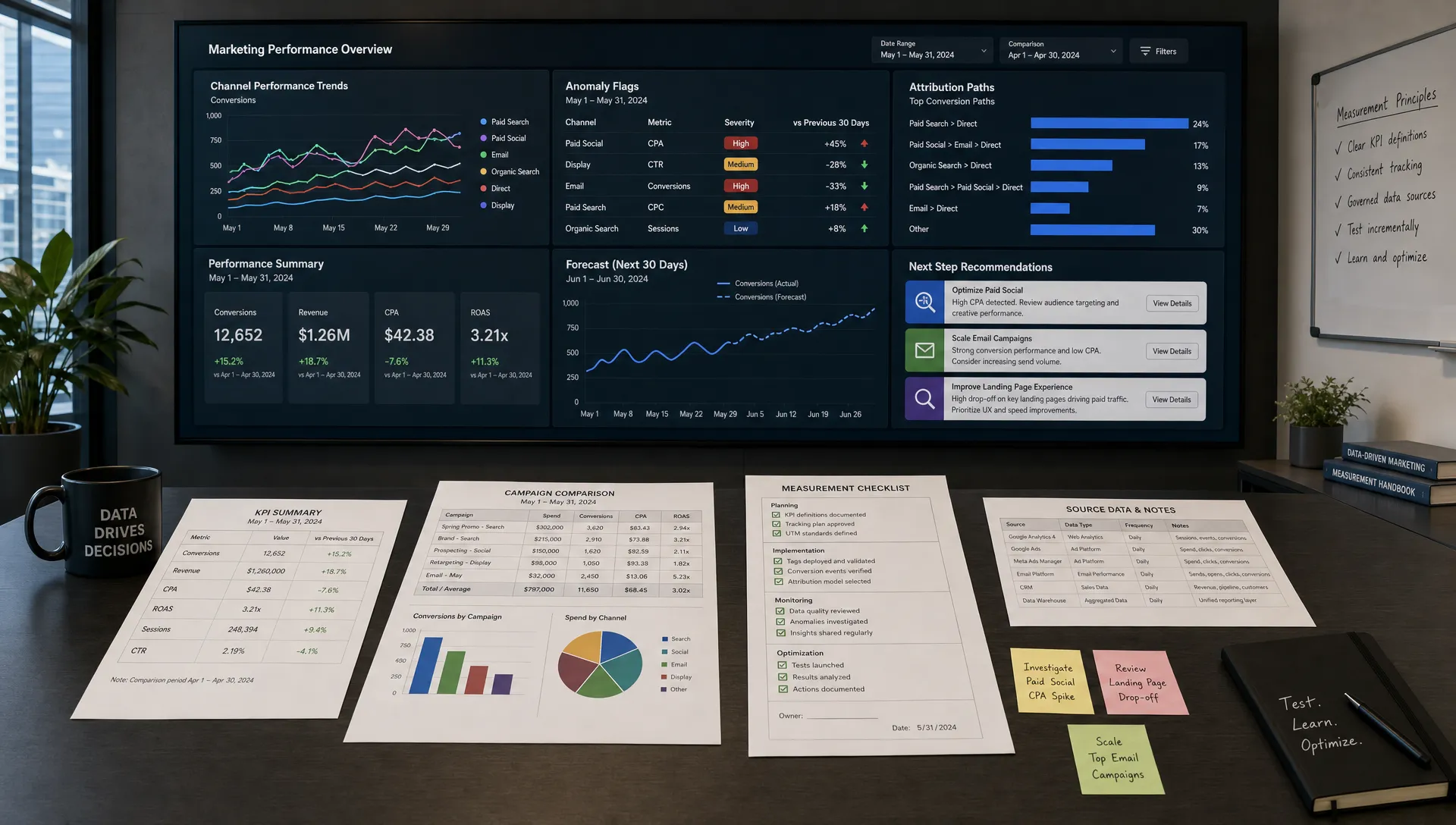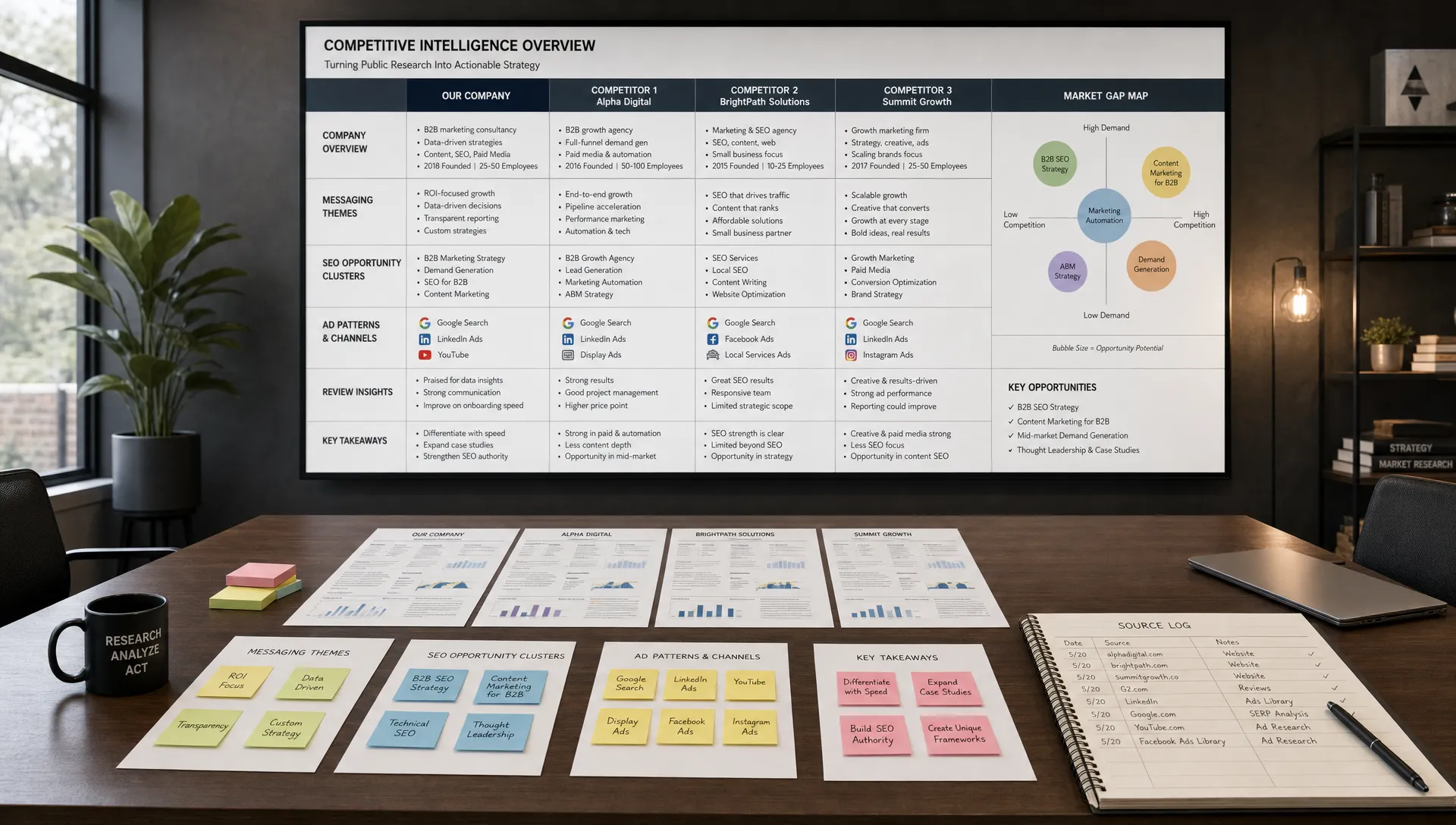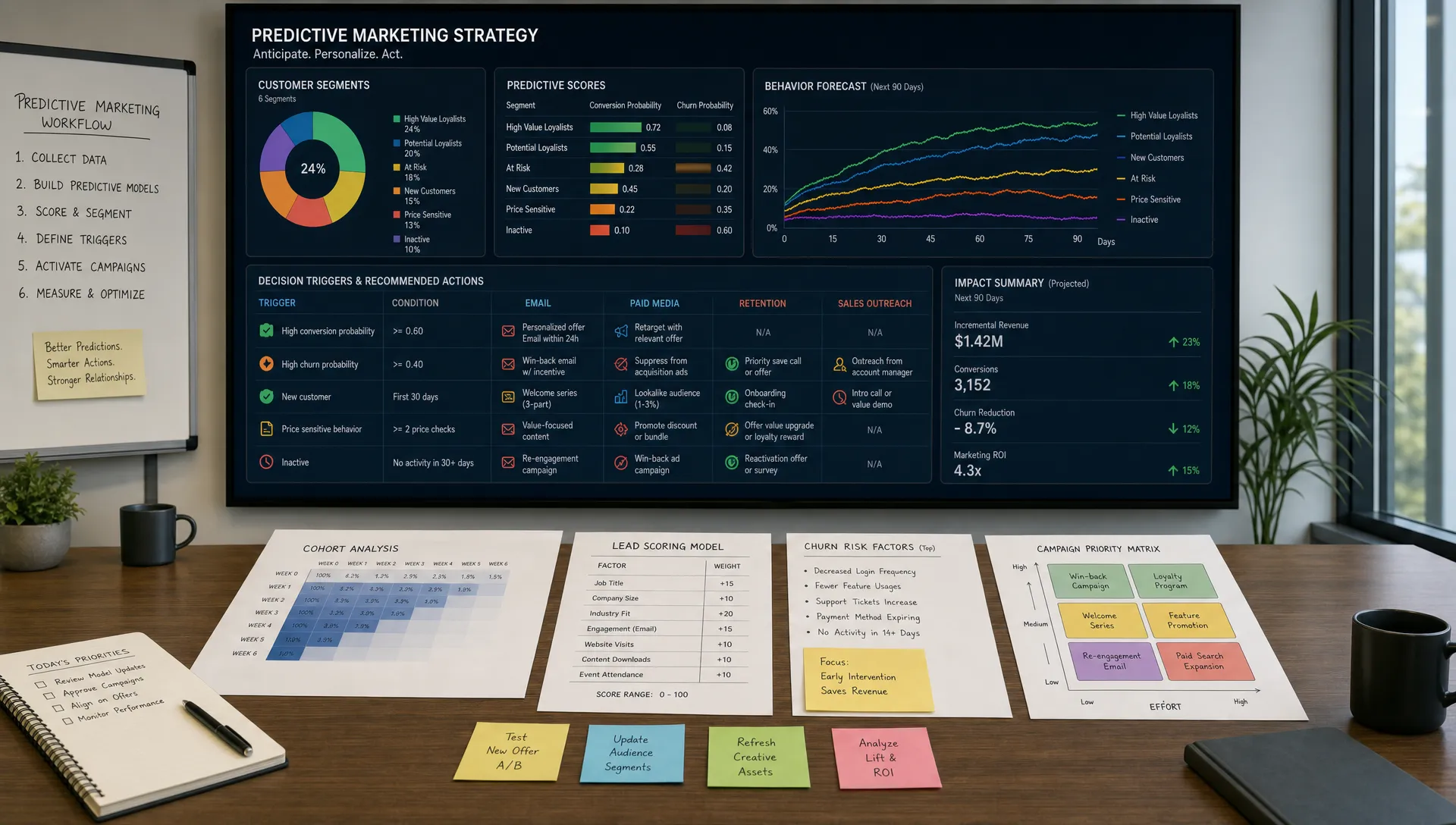
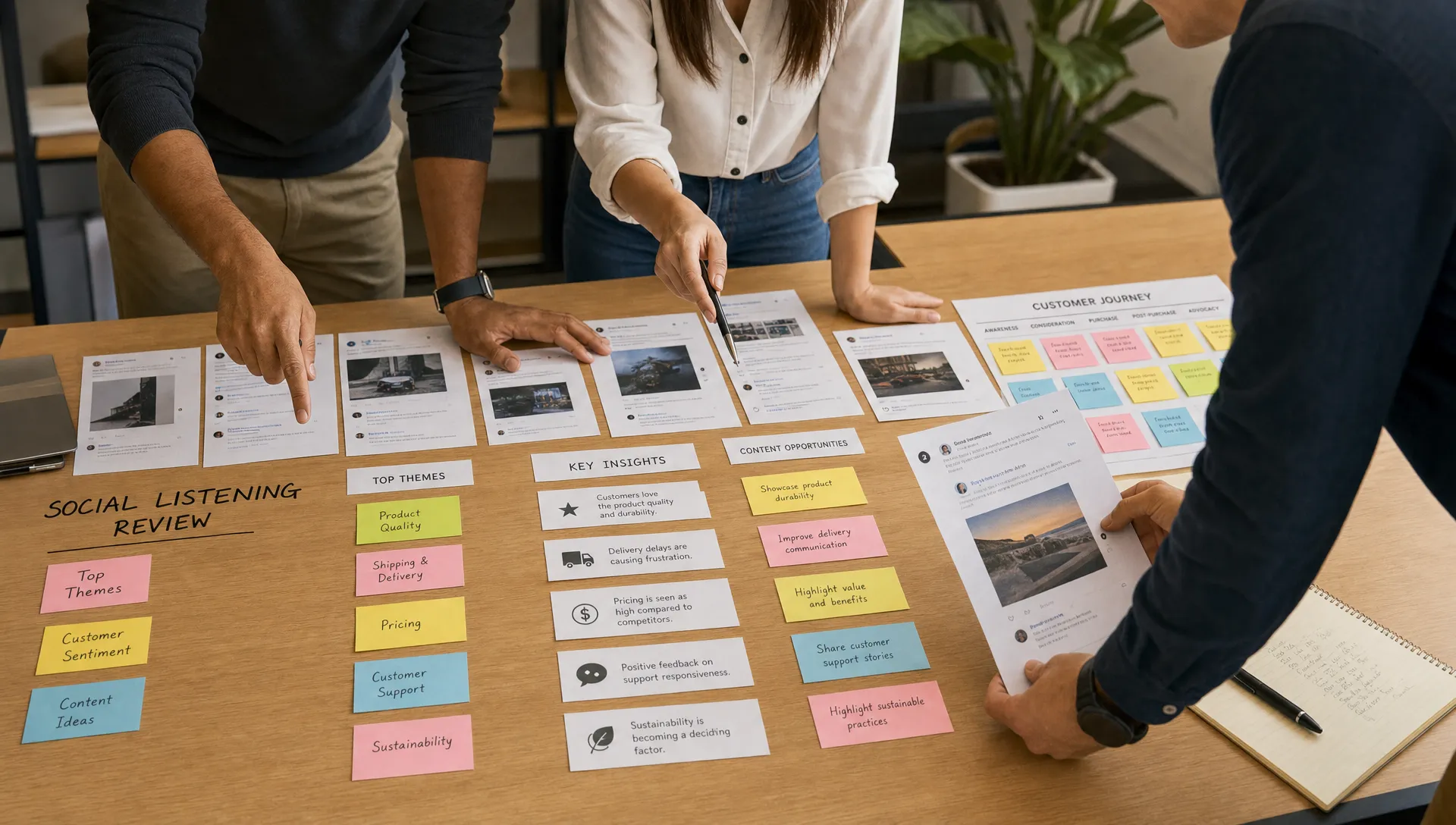
Using AI for social listening can give marketers a wider radar than manual monitoring ever could. It can cluster thousands of posts, detect emerging complaints, summarize customer language and flag changes in sentiment before they show up in quarterly reports.
The risk is that speed can flatten meaning. A sarcastic reply, a regional phrase, a fandom meme, a frustrated customer in the middle of a support thread and a serious product issue can all look similar when a model reads them without context. The goal is not to let AI replace judgment. The goal is to design a listening workflow that helps AI preserve the details a human analyst would ask for before making a call.
AI models are strong at pattern recognition, but social media is not clean survey data. People speak in shorthand. They quote others. They use irony, slang, screenshots, emojis and in-group references. A single sentence can carry a different meaning depending on the platform, the thread and the relationship between the poster and the brand.
Context usually sits in three places. The first is conversational context, meaning the replies, quotes and prior posts that explain what someone is reacting to. The second is audience context, such as customer type, region, role, language and level of familiarity with the category. The third is business context, meaning what your team already knows about launches, outages, pricing changes, campaigns and competitor activity.
If your process strips those layers away, sentiment analysis becomes a rough guess. If your workflow captures them, social listening becomes a useful input for content creation, product messaging, customer support and broader digital marketing strategies.
Before choosing models or dashboards, define the decision your team wants social listening to improve. A vague goal like “understand brand sentiment” often produces vague summaries. A sharper question helps the AI look for evidence that matters.
| Business question | Context AI should preserve | Likely marketing action |
|---|---|---|
| Are customers confused by a new feature? | Product name, customer segment, thread replies and recurring phrases | Update onboarding content or release notes |
| Is a campaign message being misread? | Original creative, quoted posts, audience group and tone | Adjust copy, landing pages or paid creative |
| Which competitor claims are gaining attention? | Competitor names, use case and objections | Refine positioning or sales enablement |
| Are support issues becoming public reputation risks? | Severity, volume trend, geography and escalation status | Coordinate with support and comms teams |
This decision-first approach also keeps AI marketing work tied to business value. Social listening should not end with an attractive chart. It should help someone make a better decision faster.
More data is not always better. Public posts, comments, reviews, community discussions, creator content and forum threads can all be useful, but each source has its own bias. X posts may overrepresent real time reactions. LinkedIn may skew toward professional framing. Reddit and niche forums may reveal deeper complaints, but the language can be more technical or community-specific.
Collect the sources that match the question. For launch feedback, you may need campaign comments, product community threads and branded search mentions. For competitive intelligence, you may need review sites, comparison pages and buyer discussions. For reputation risk, you may need public complaints, tagged posts and support-related keywords.
If you are still selecting the software layer, start with a clear view of your workflow before comparing features. AIMarketer Hub’s guide to the top AI tools for social media marketing can help you map tools to publishing, monitoring and analysis use cases without turning the stack into the strategy.
Sentiment alone is too thin for serious social listening. A post can be negative because the product failed, because a delivery partner caused a delay, because a user misunderstood pricing or because a competitor’s community is mocking the brand. Those situations need different responses.
Create a taxonomy that labels the context around each mention. It does not need to be complicated at first. The point is to give AI a structure that reflects how your business acts on insights.
| Context layer | Example labels | Why it matters |
|---|---|---|
| Topic | Pricing, support, feature request, campaign reaction, competitor mention | Groups posts into actionable themes |
| Intent | Complaint, question, recommendation, joke, praise, comparison | Separates emotion from purpose |
| Audience | Customer, prospect, employee, creator, analyst, unknown | Prevents overreacting to the wrong group |
| Journey stage | Awareness, evaluation, onboarding, retention, advocacy | Connects social insight to marketing actions |
| Confidence | Clear, ambiguous, needs review | Keeps AI from pretending uncertainty is certainty |
This is where social listening overlaps with broader feedback analysis. If you also work with surveys, reviews or support tickets, the same discipline applies. A consistent taxonomy makes it easier to compare public conversations with private customer feedback, which is covered in more depth in this guide on how to analyze customer feedback at scale.
A single AI feature will not handle every listening task well. Classification is useful when you already know your categories. Clustering helps when you want to discover unknown themes. Summarization makes large thread sets easier to scan, but it can hide edge cases if you never inspect examples.
| Listening job | Useful AI method | Context risk to watch |
|---|---|---|
| Identify recurring topics | Topic classification | Categories may be too broad to act on |
| Discover emerging themes | Clustering and embeddings | Small but important clusters may be buried |
| Track brand and product names | Entity extraction | Nicknames, misspellings and acronyms may be missed |
| Summarize long threads | LLM summarization | Sarcasm and quote context may be lost |
| Flag spikes or anomalies | Trend detection | Volume spikes may reflect memes, not risk |
| Find similar complaints | Semantic search | Similar wording may hide different root causes |
A mature workflow combines these methods. For example, you might use entity extraction to find product mentions, clustering to discover the main complaint themes, sentiment scoring to prioritize review and human analysts to validate the most consequential clusters.
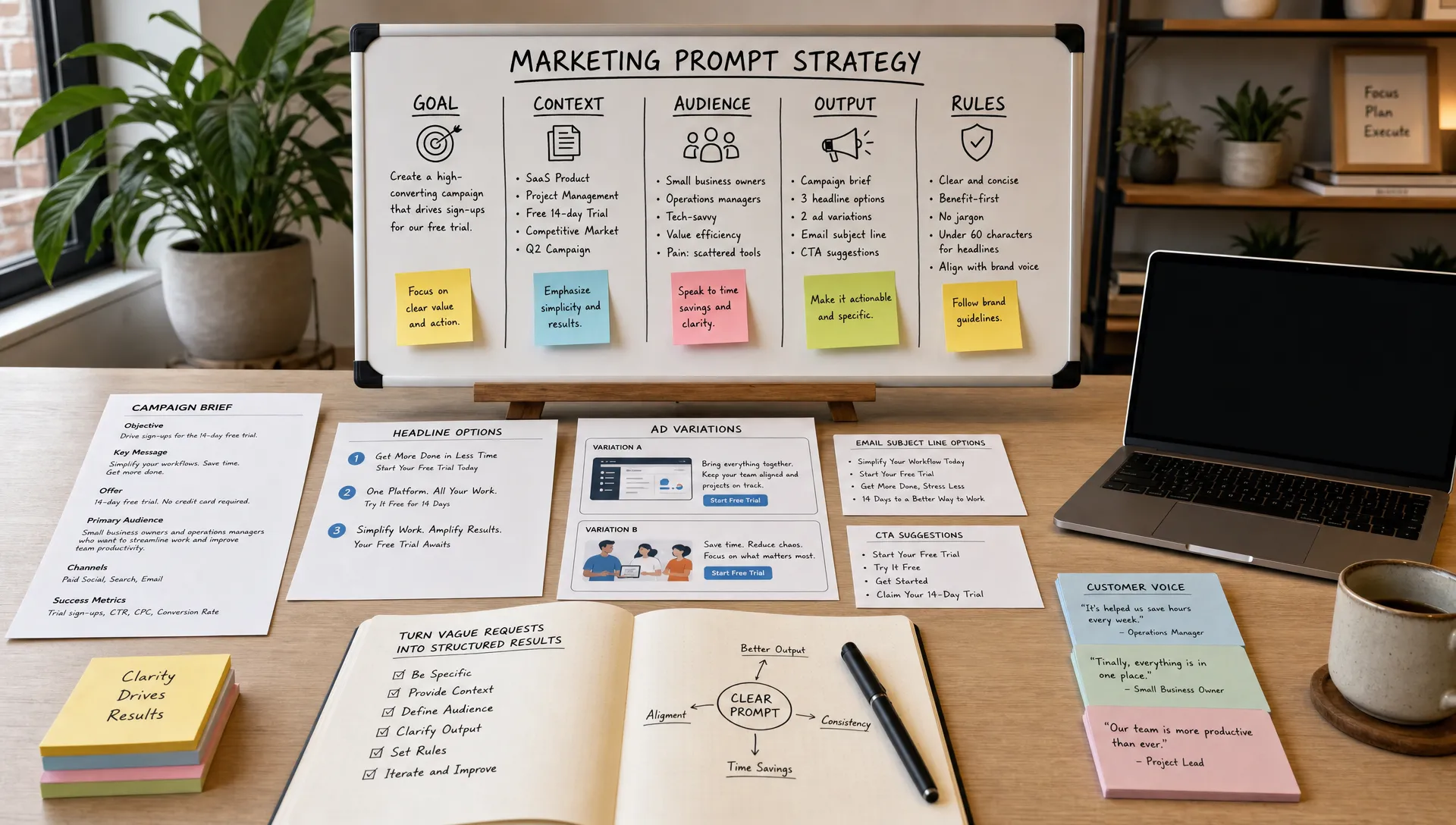
Prompts matter because they tell the model what to preserve. If you ask for “a sentiment summary,” you may get a neat paragraph that hides uncertainty. If you ask for evidence, exceptions and context, the output becomes more useful.
A better prompt asks the model to separate observation from interpretation. It should cite representative posts, mention ambiguity and describe what extra information would change the conclusion. You can adapt a prompt like this:
Analyze these social mentions for marketing insight. Group them by topic, intent and journey stage. For each group, provide the likely customer concern, representative language, sentiment, confidence level and recommended action. Do not infer intent when the post is sarcastic, quoted out of context or missing the original thread. Flag those items for human review.
This style is slower than a one-line summary, but it produces outputs your team can audit. It also makes the AI less likely to collapse nuance into a single sentiment score.
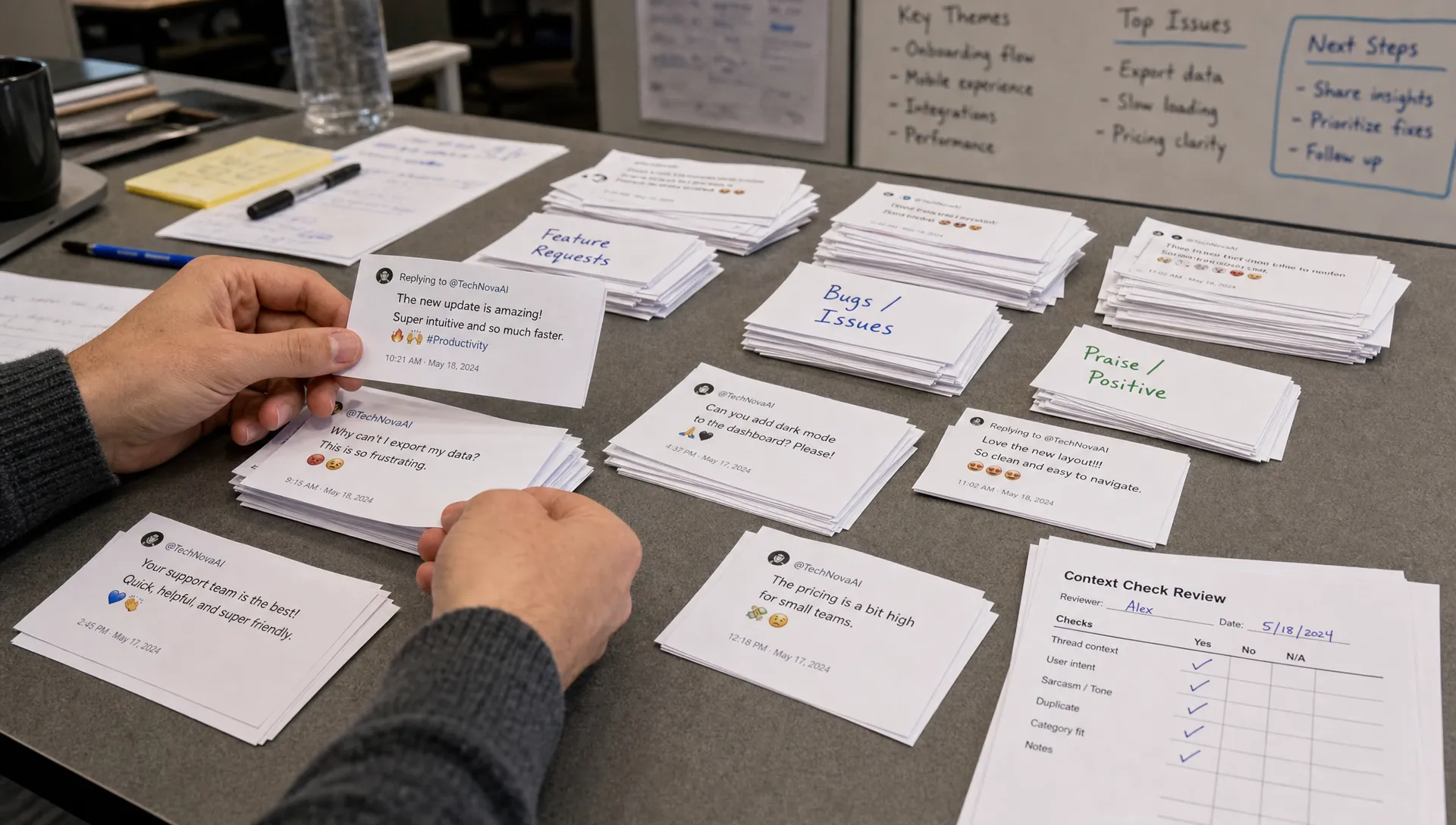
Human review is not a failure of automation. It is the quality control layer that makes marketing workflow automation dependable. Reviewers should inspect samples from each high-impact cluster, especially when the model flags reputation risk, legal sensitivity, safety concerns or customer churn signals.
Pay close attention to false positives. Social posts that mention “sick,” “dead,” “cheap” or “insane” may be positive, negative or neutral depending on the audience and category. Emojis can reverse the tone of a sentence. Quote posts can attack the quoted claim rather than support it. Multilingual mentions can also shift meaning when slang is translated literally.
A simple validation loop helps. Compare AI labels against human labels, document recurring errors and revise the taxonomy or prompt. Over time, your social listening system becomes more aligned with your market instead of relying on generic sentiment assumptions.
Context becomes clearer when insights are segmented. A complaint from a long-time customer deserves a different reading than a skeptical comment from someone seeing your brand for the first time. A creator’s critique may influence public perception more than a similar comment from an account with little reach, but reach should not be the only factor.
Segmenting by channel also prevents false conclusions. A feature may be praised in a professional community and mocked on a meme-heavy platform. That does not automatically mean one audience is right and the other is wrong. It means the message is landing differently across contexts.
Journey stage matters as well. Awareness-stage conversations can reveal category confusion. Evaluation-stage conversations often surface competitor comparisons, pricing concerns and proof gaps. Retention-stage conversations expose onboarding friction, support frustration and feature expectations. When AI labels mentions by journey stage, social listening becomes more useful for SEO, paid media, lifecycle email and sales content.
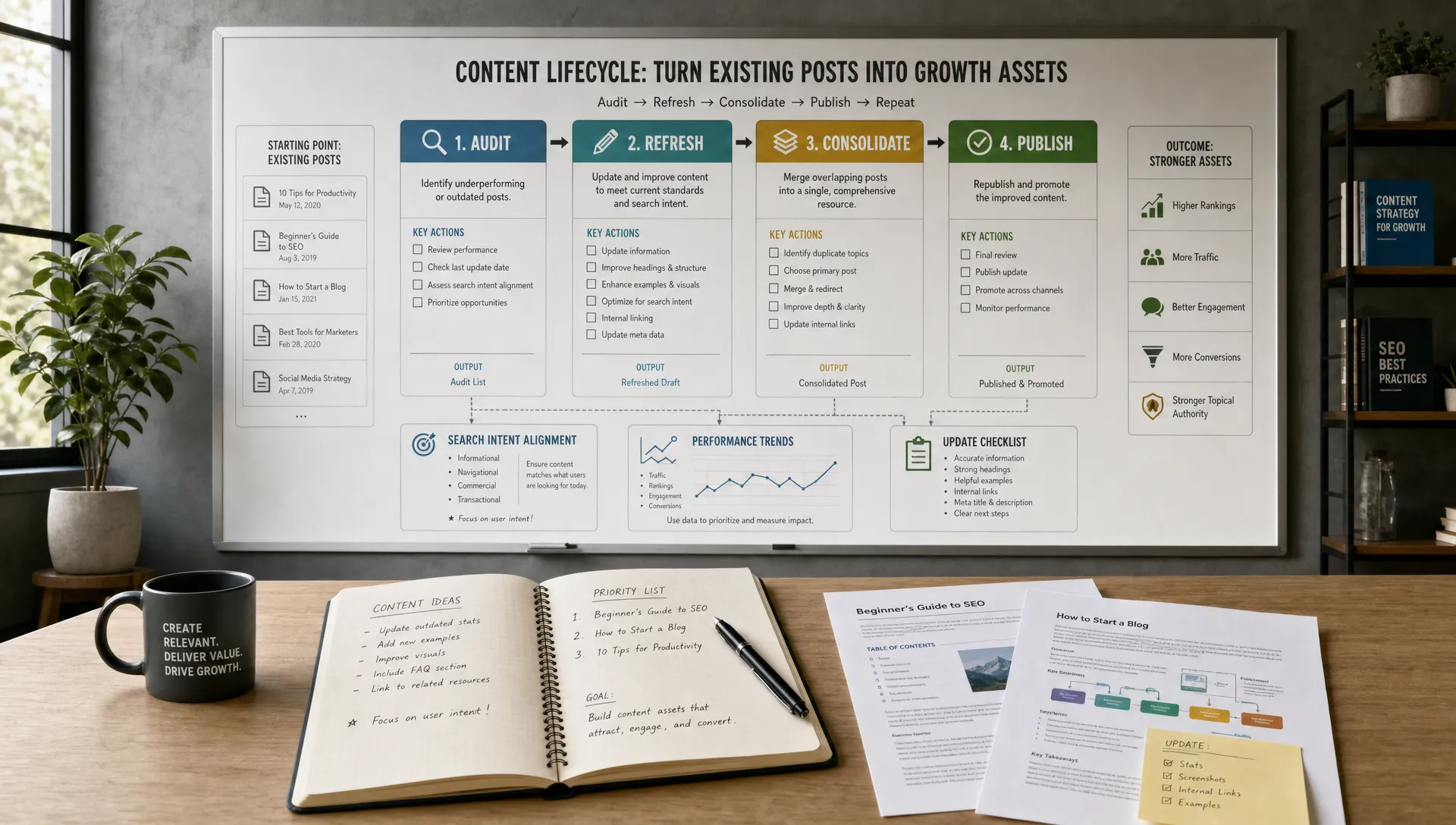
The best social listening programs define what happens after an insight is found. Without ownership, even accurate AI summaries become dashboard clutter. Each recurring theme should connect to a team, a decision and a response window.
Common action paths include content briefs, FAQ updates, campaign copy changes, product messaging revisions, support macros and sales enablement notes. If people repeatedly ask the same question in comments, that is not just a community management issue. It may be a content gap. If prospects keep comparing your product to a competitor in one specific use case, that may signal a positioning gap.
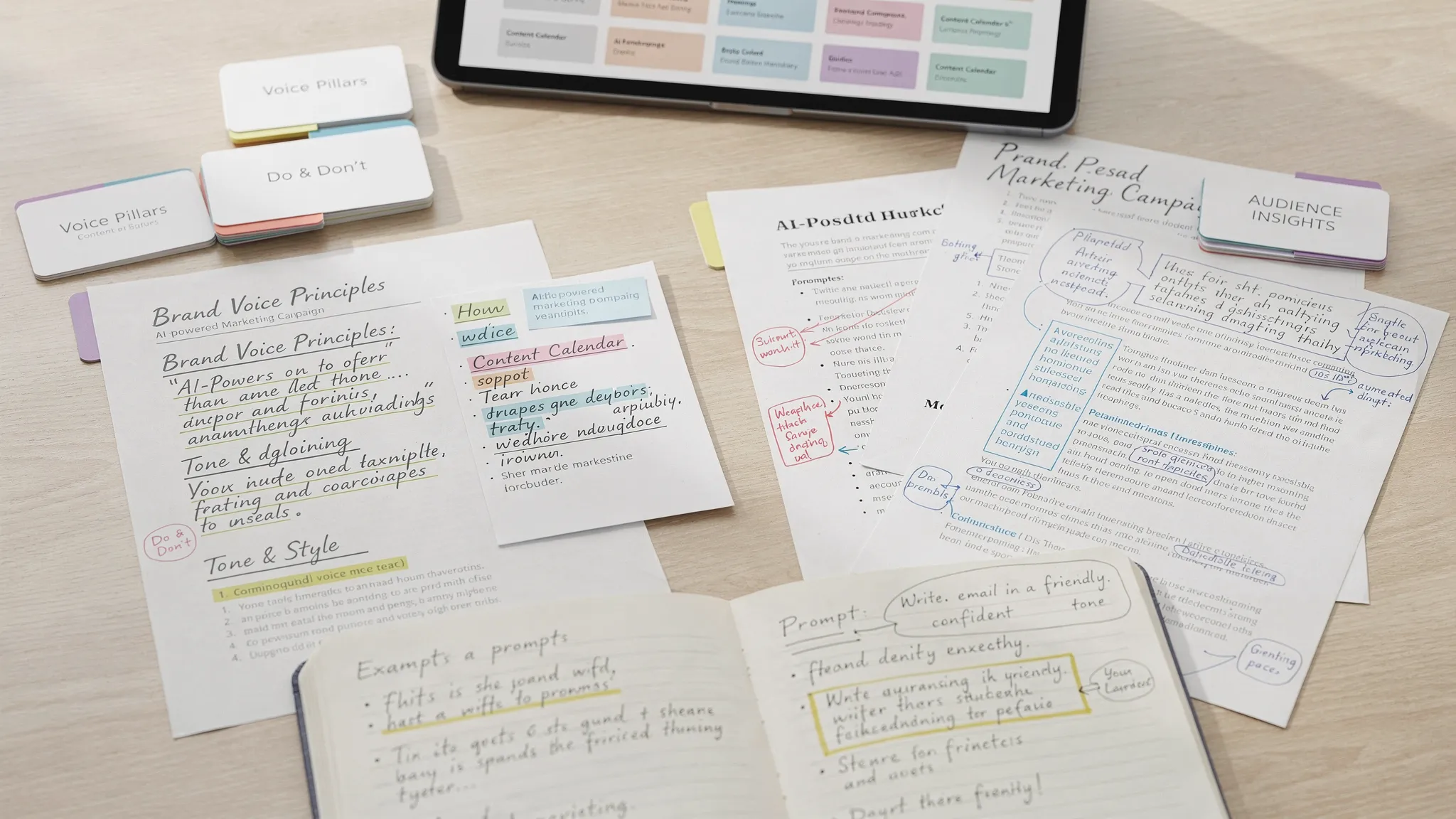
AI can also help draft response options, but the brand voice still needs guardrails. If your team is using AI to turn social insights into replies, landing page updates or email copy, this guide on using AI for marketing without losing your brand voice is a useful companion.
Social listening often begins with public data, but public does not mean consequence-free. Teams should respect platform terms, avoid scraping restricted communities and limit the personal data they store. If a post does not need a username to support analysis, remove it or anonymize it. If your team combines social data with CRM, support or analytics records, treat the workflow as customer data processing.
Security and infrastructure choices matter too, especially for regional businesses or regulated teams. If your marketing operation depends on cloud storage, access controls or local IT support, working with partners that understand the operating environment can reduce risk. For example, organizations in Martinique, Guadeloupe and Guyana may need managed IT and cloud support for Antilles-Guyane businesses when connecting marketing data workflows to secure infrastructure.
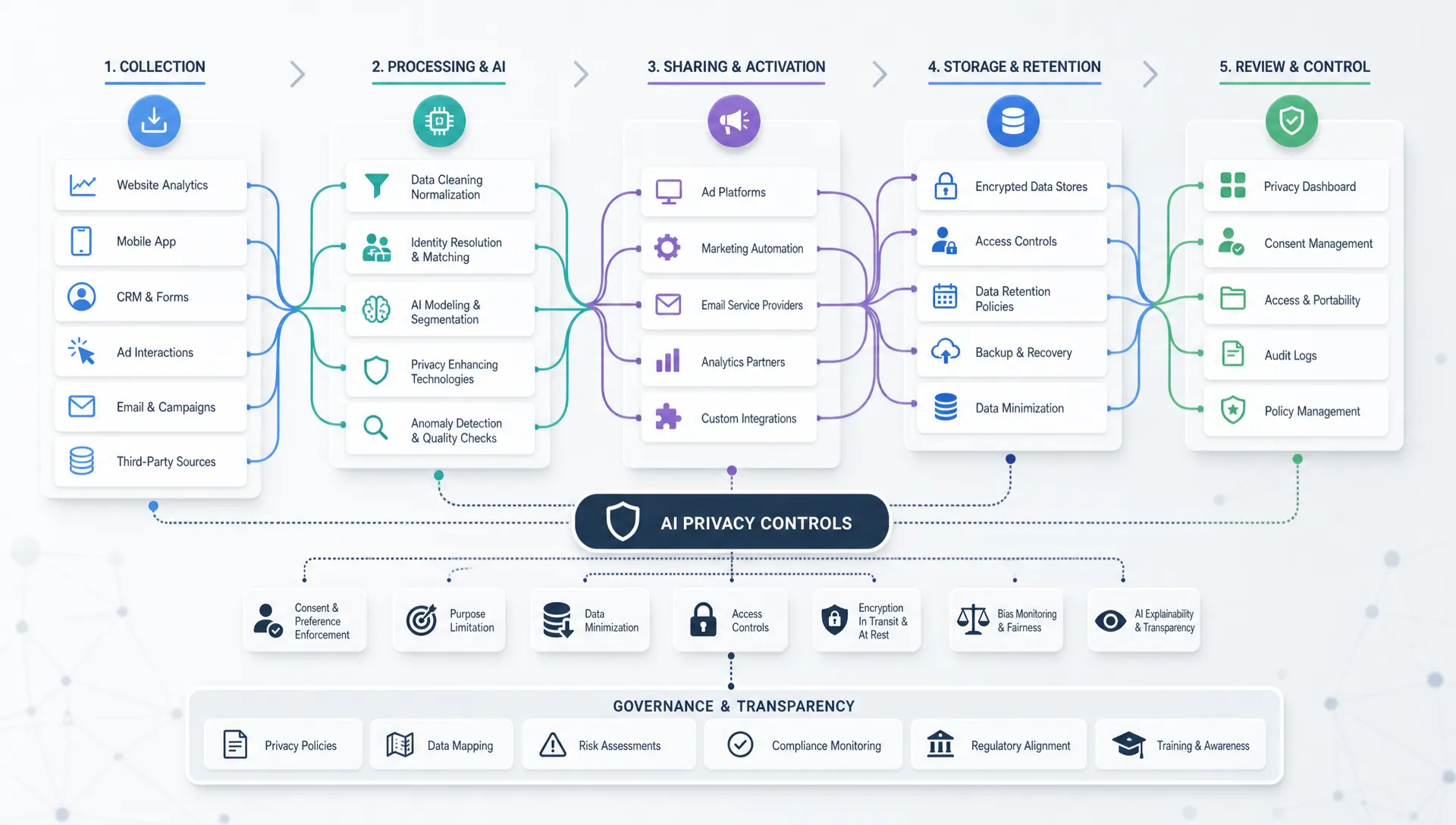
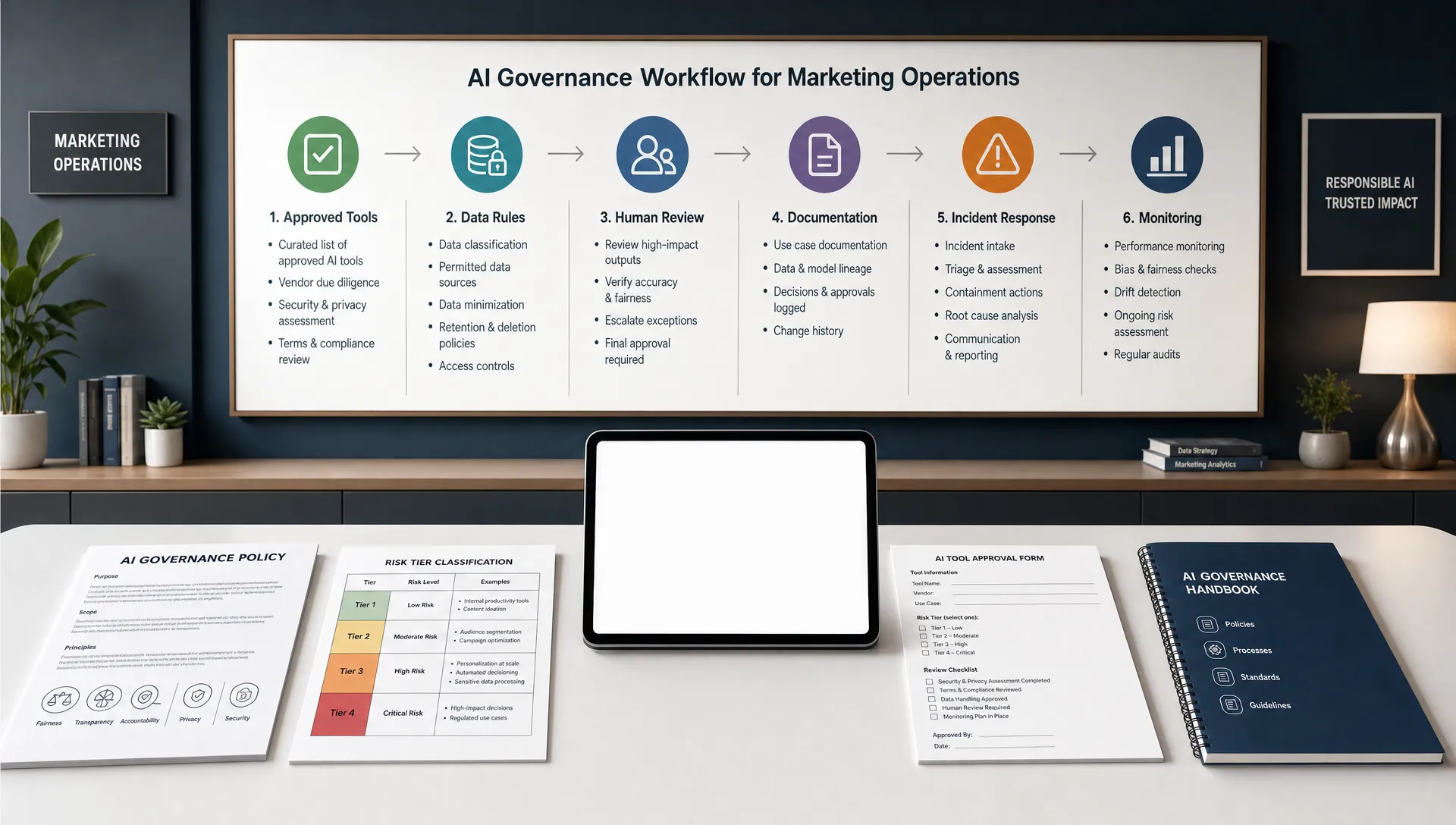
Governance does not have to slow social listening down. Clear access rules, retention limits, audit logs and human approval for sensitive responses make AI tools safer to use at scale.
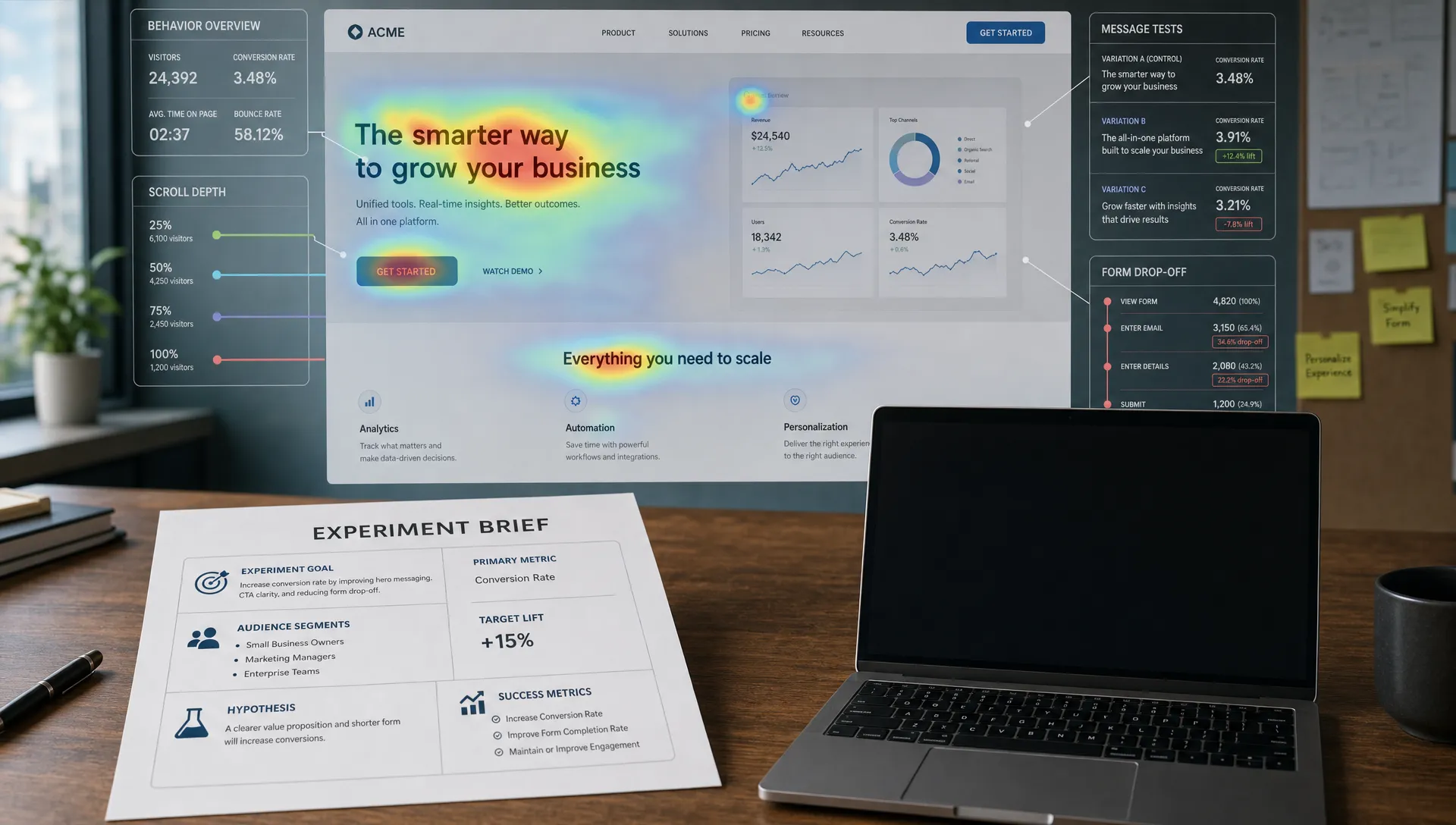
Do not measure success only by the number of mentions analyzed. Volume is easy for AI to inflate. Quality comes from whether the system finds useful signals, preserves context and helps teams act.
| Metric | What it tells you | How to use it |
|---|---|---|
| Label accuracy | Whether AI categories match human judgment | Improve prompts, taxonomy and examples |
| Time to insight | How quickly teams detect meaningful changes | Compare against manual monitoring cycles |
| Action rate | How often insights lead to content, support or product work | Remove reports no one uses |
| False alert rate | How often AI flags issues that are not real risks | Tune thresholds and add context checks |
| Theme recurrence | Whether the same issue appears across sources | Prioritize fixes with cross-channel evidence |
A useful review rhythm is monthly for strategic themes and faster for crisis-sensitive topics. The point is to treat AI for social listening as a learning system, not a one-time implementation.
The most common mistake is overtrusting sentiment scores. A score may be useful as a filter, but it should not be the final interpretation. Another mistake is analyzing isolated posts without thread context, especially on platforms where replies and quote posts carry much of the meaning.
Teams also get into trouble when they use the same taxonomy for every market. Language, humor and buying criteria vary by region, industry and audience maturity. A SaaS buyer, a financial services customer and a consumer brand fan may use the same words differently.
Avoid these habits in particular:
The fix is not to add more dashboards. The fix is to design a process where AI surfaces patterns, humans validate meaning and teams act on the insights that matter.
Can AI understand sarcasm in social listening? AI can sometimes detect sarcasm when there are clear cues, but it often struggles with platform-specific humor, memes and quote posts. Flag sarcastic or ambiguous mentions for human review instead of forcing a sentiment label.
What data should I include in an AI social listening workflow? Include the post text, thread context, timestamp, platform, topic, known campaign or product reference and any available non-sensitive audience context. Avoid collecting personal data that is not needed for analysis.
How is social listening different from customer feedback analysis? Social listening focuses on public conversations, while customer feedback analysis usually includes surveys, reviews, support tickets and direct responses. The strongest programs compare both so public perception and private customer experience can be understood together.
Should AI automatically respond to social media comments? In most cases, AI should draft or recommend responses rather than publish them automatically. Human approval is especially important for complaints, regulated industries, crisis situations and anything involving personal customer information.
How often should marketers review their social listening taxonomy? Review it whenever you launch a major campaign, enter a new market, release a product update or notice recurring AI misclassifications. A quarterly review is a practical baseline for many teams.
AI can make social listening faster, but the real advantage comes from better context. When your workflow captures thread meaning, audience differences, journey stage, business events and uncertainty, AI tools become more than monitoring software. They become a practical input for messaging, content creation, support and strategic planning.
AIMarketer Hub helps marketers build these kinds of practical AI marketing workflows with guides, tools and resources designed for real business use. Start with one decision, one audience and one repeatable review process, then expand once the insights are accurate enough for your team to trust.