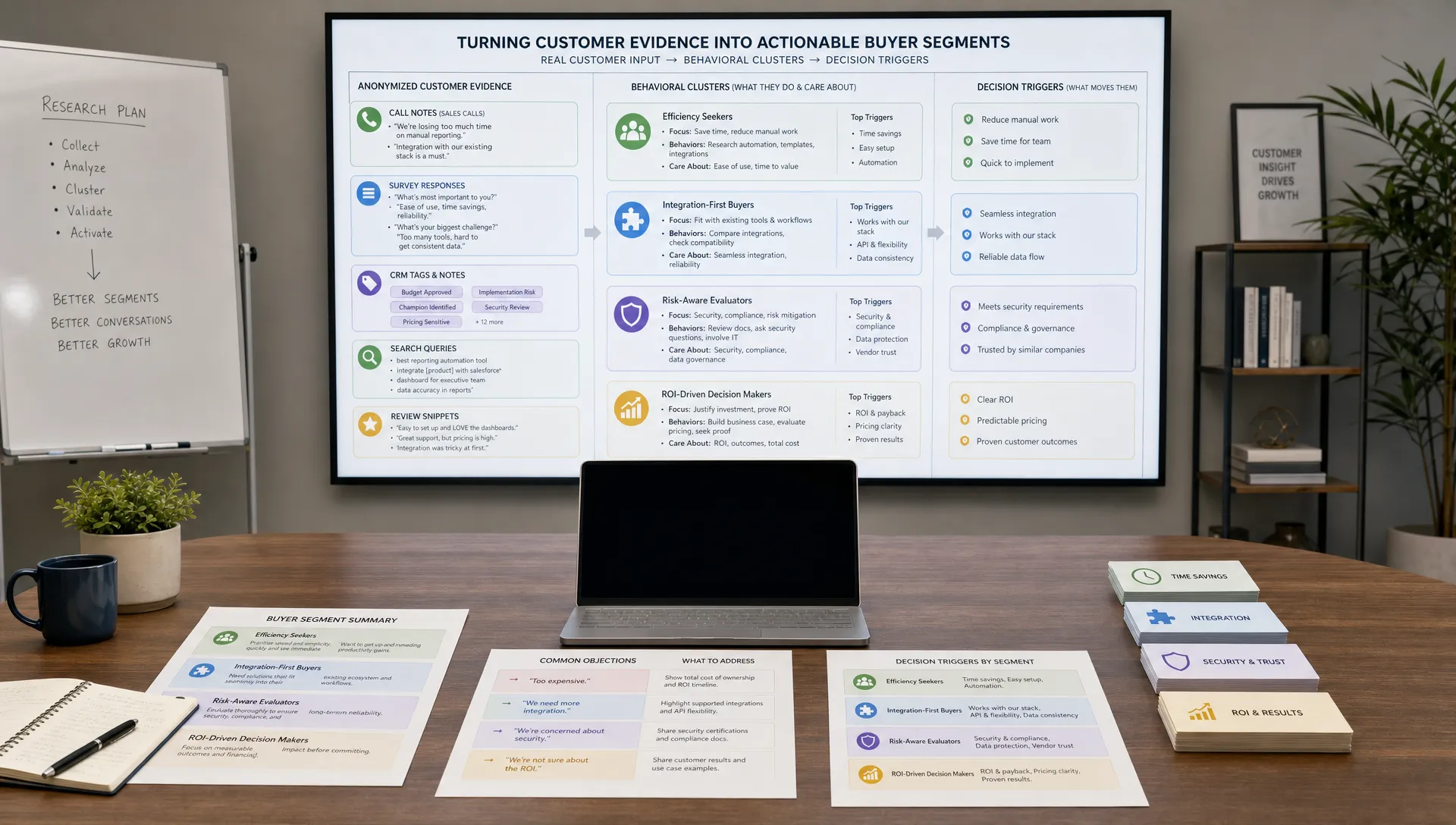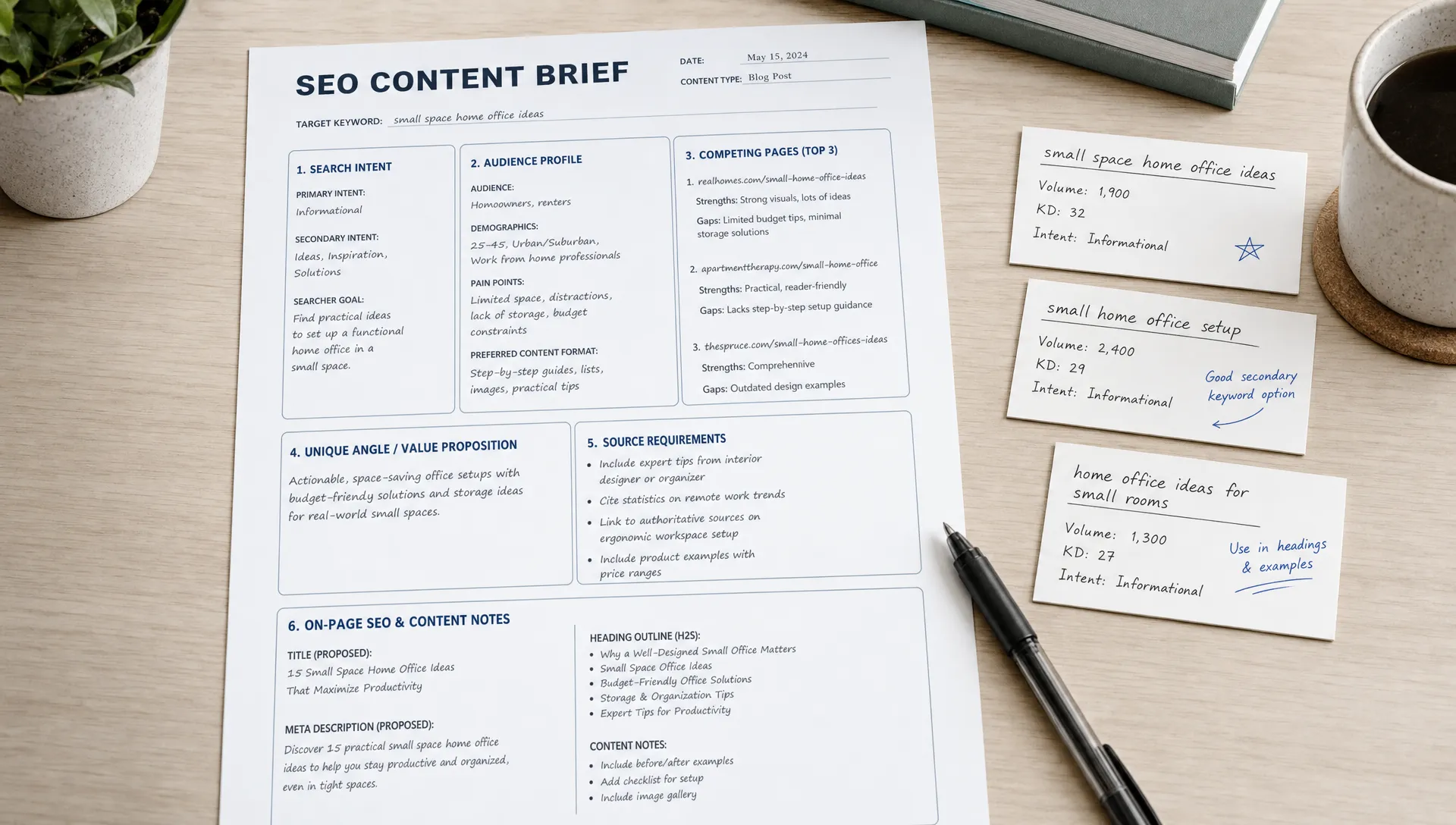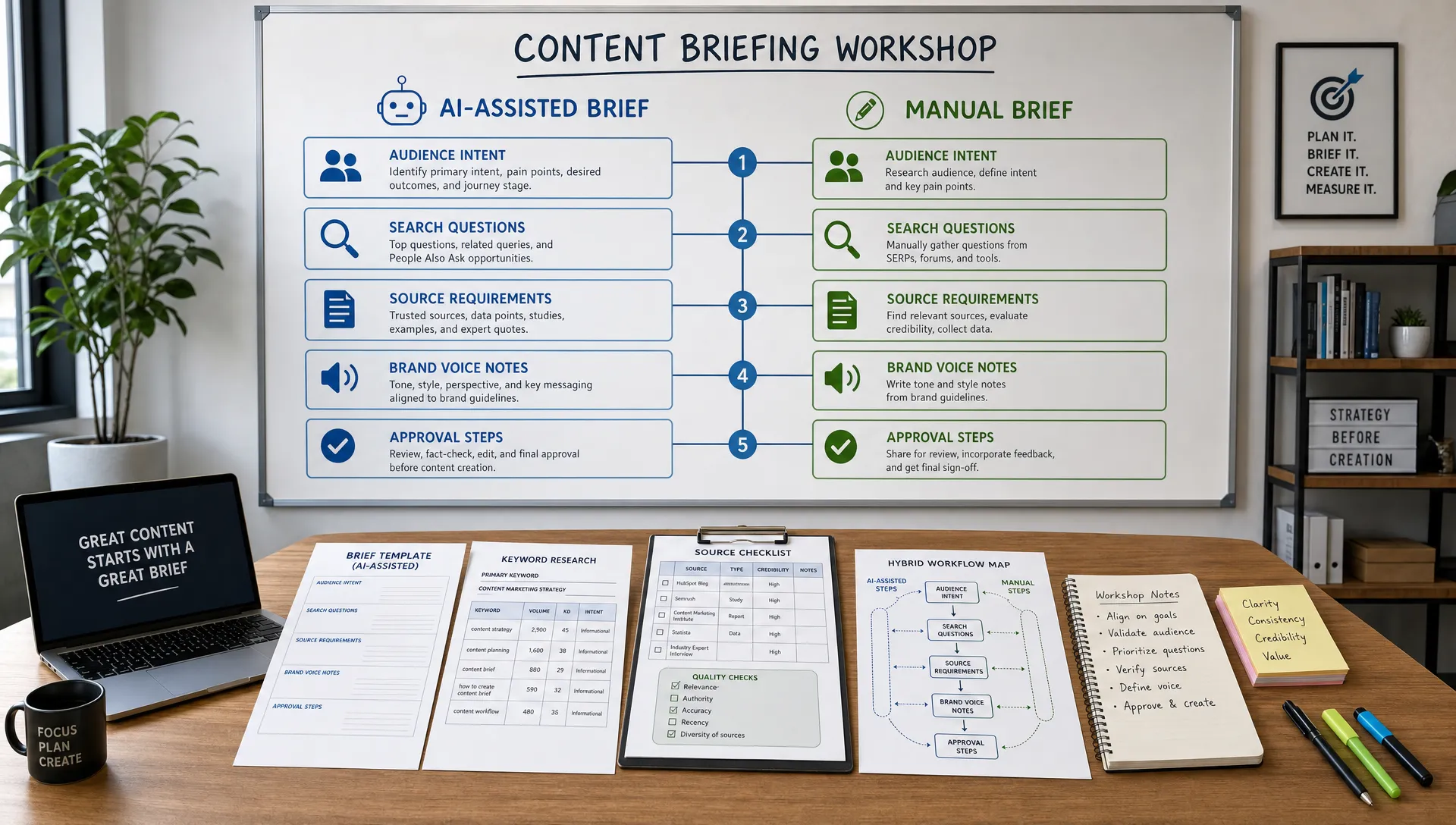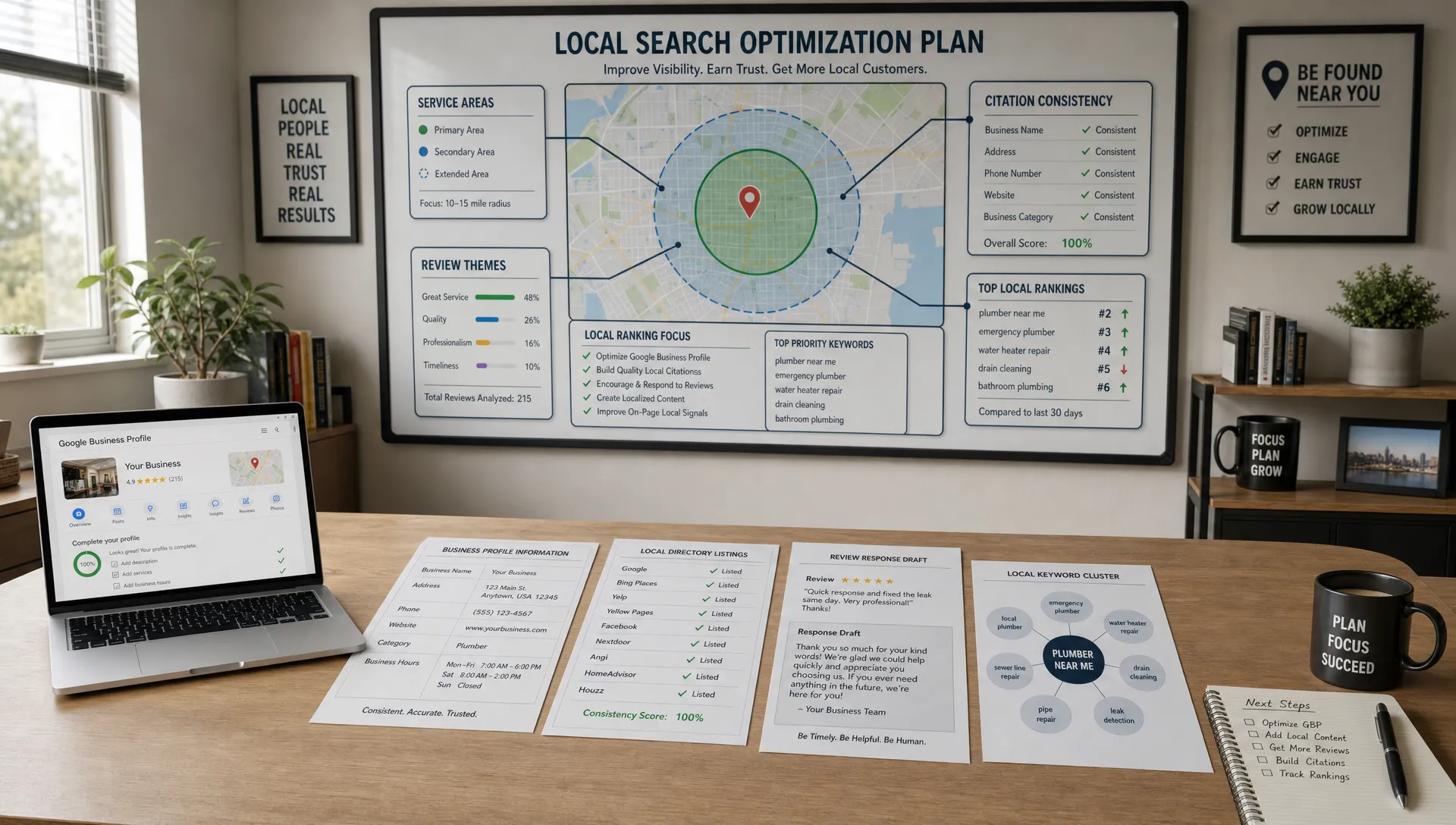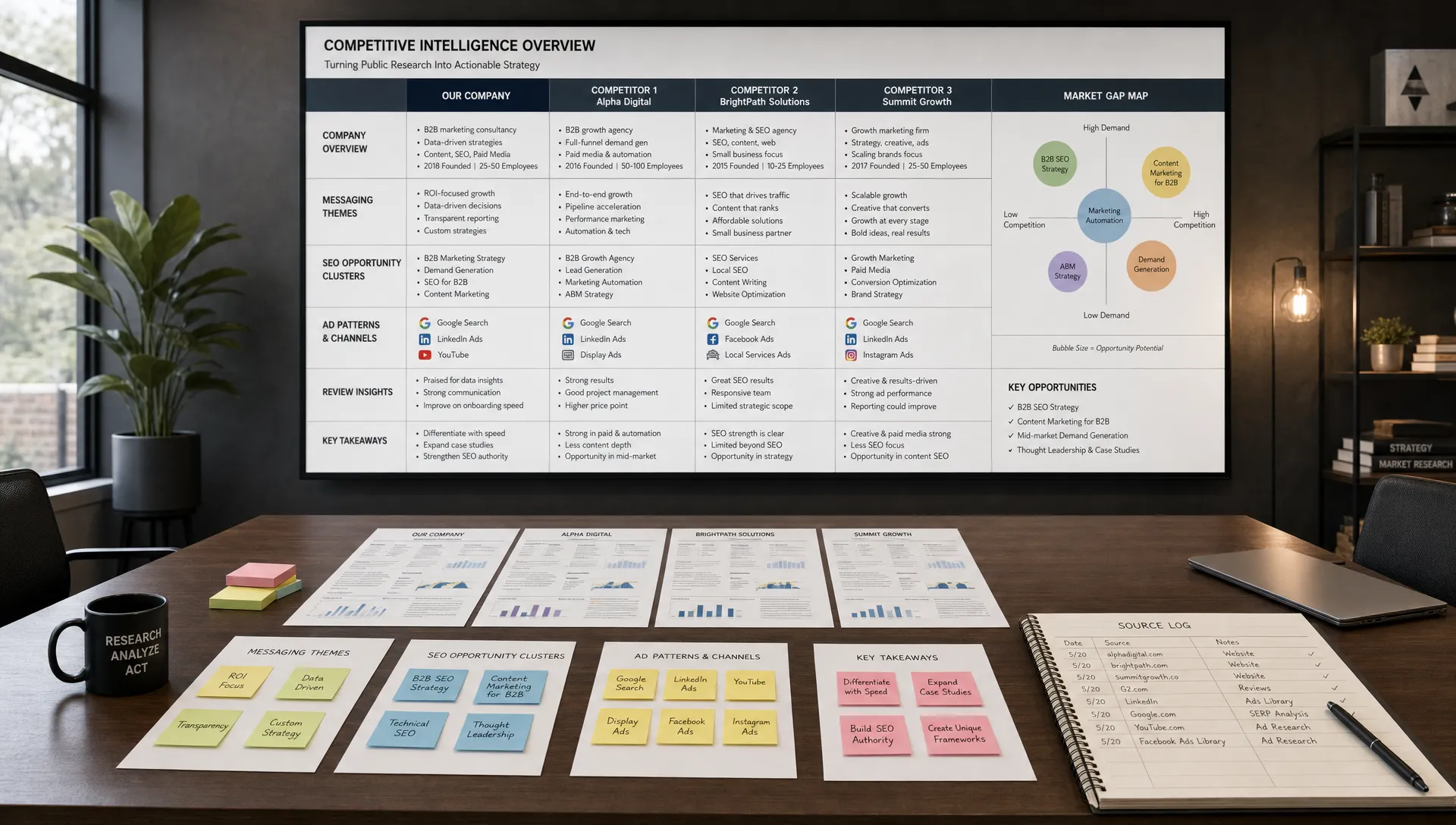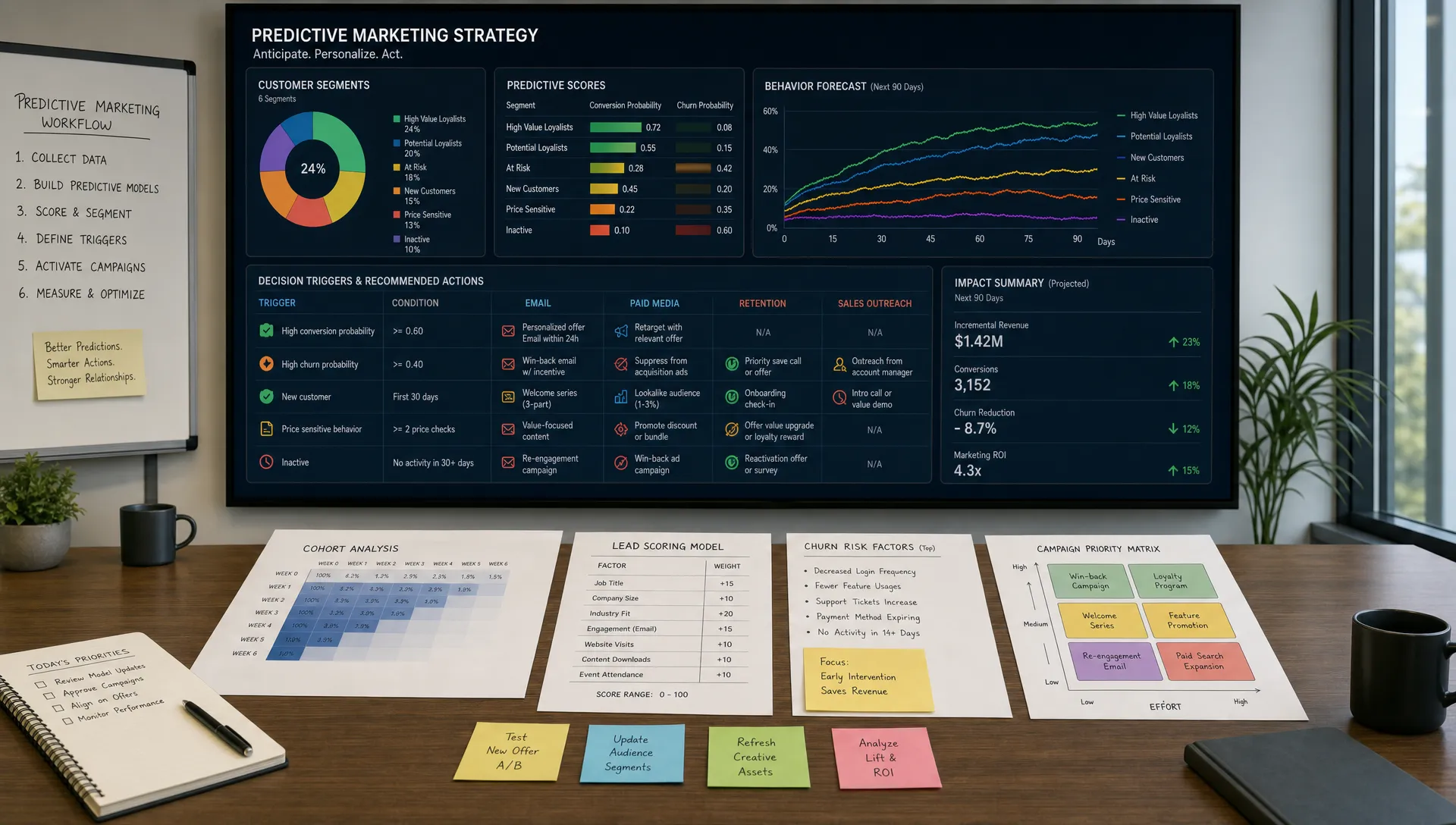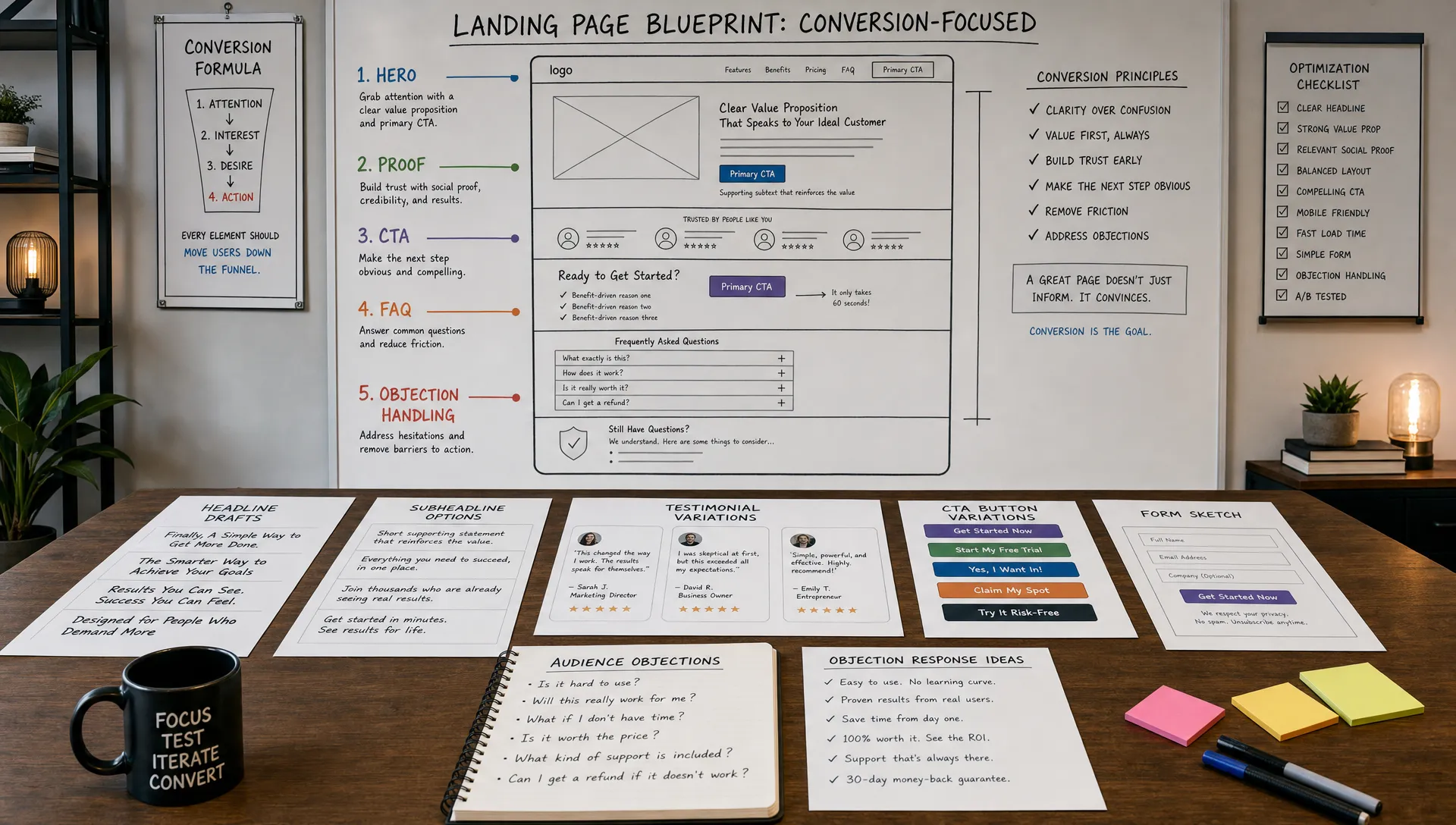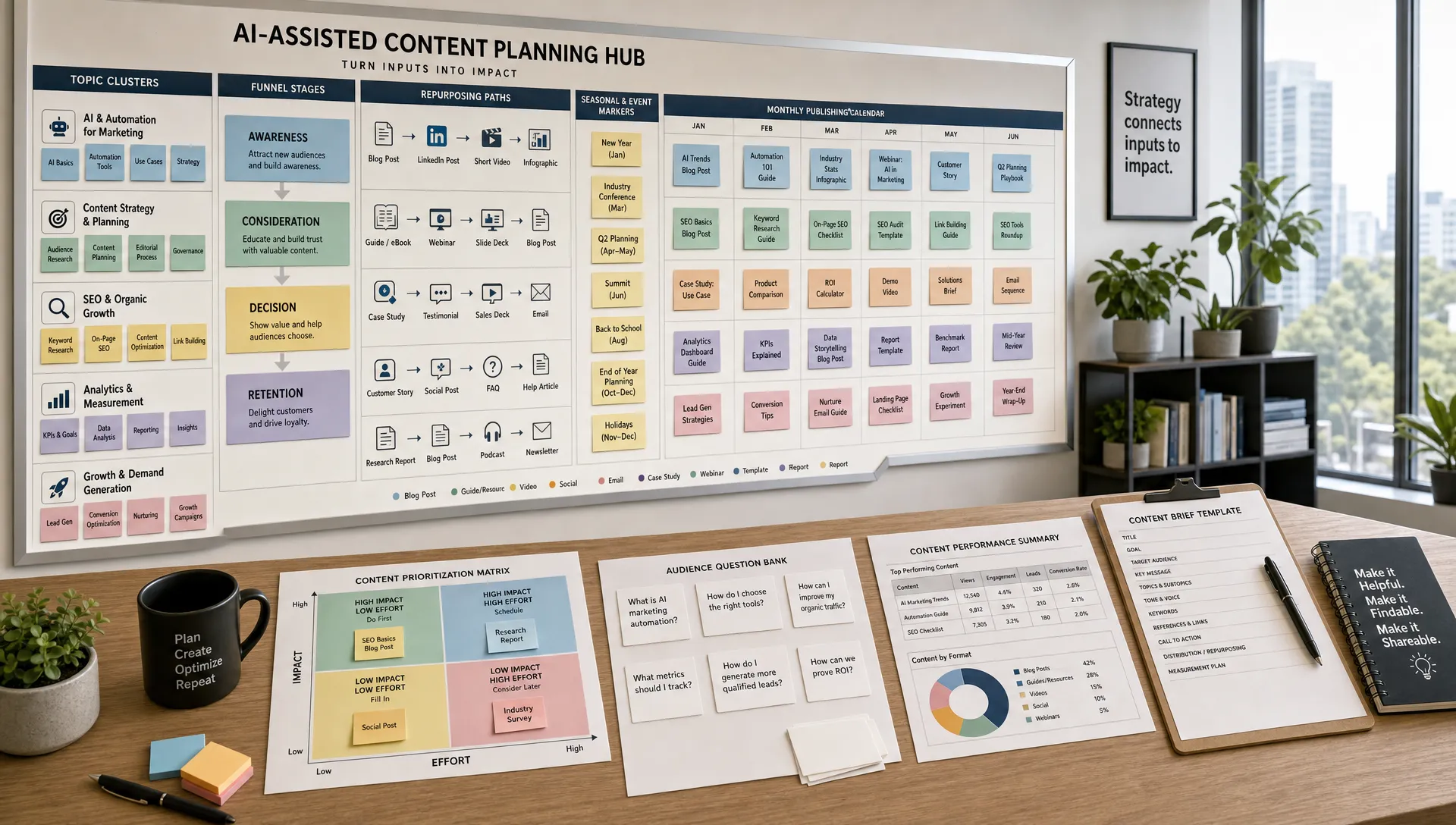
Choosing an AI marketing platform in 2026 is less about finding the flashiest tool and more about finding the system your team will actually use. The market is crowded with content generators, SEO assistants, campaign builders, analytics dashboards, automation suites, and “AI-powered” add-ons inside tools you already own. Many of them look impressive in a demo. Far fewer fit your goals, data, workflows, approval process, and budget.
The right choice should help your marketing team move faster without creating chaos. It should improve campaign quality, reduce repetitive work, support better decision-making, and make performance easier to measure. It should also protect your brand voice, customer data, and compliance obligations.
That means the best selection process starts before you compare vendors. First, define what you need AI to do for your business. Then evaluate platforms against practical criteria, not hype.
A common mistake is shopping for an AI marketing platform by comparing long feature grids. Features matter, but they only matter in relation to a specific business problem. A startup trying to scale content production has different needs than a law firm trying to maintain compliance across educational articles, or a SaaS company optimizing paid acquisition across multiple segments.
Before looking at tools, write down the one to three outcomes that would make the investment worthwhile. These should be measurable and connected to the way your team already works.
Strong outcomes might include:
This step keeps your evaluation grounded. If a platform offers dozens of impressive features but does not support your most important outcomes, it is probably not the right fit.
A useful question to ask is: “If we adopt this platform, what should be easier, faster, cheaper, or more accurate within 90 days?” If the answer is vague, the platform may be too broad, too immature, or simply not aligned with your needs.
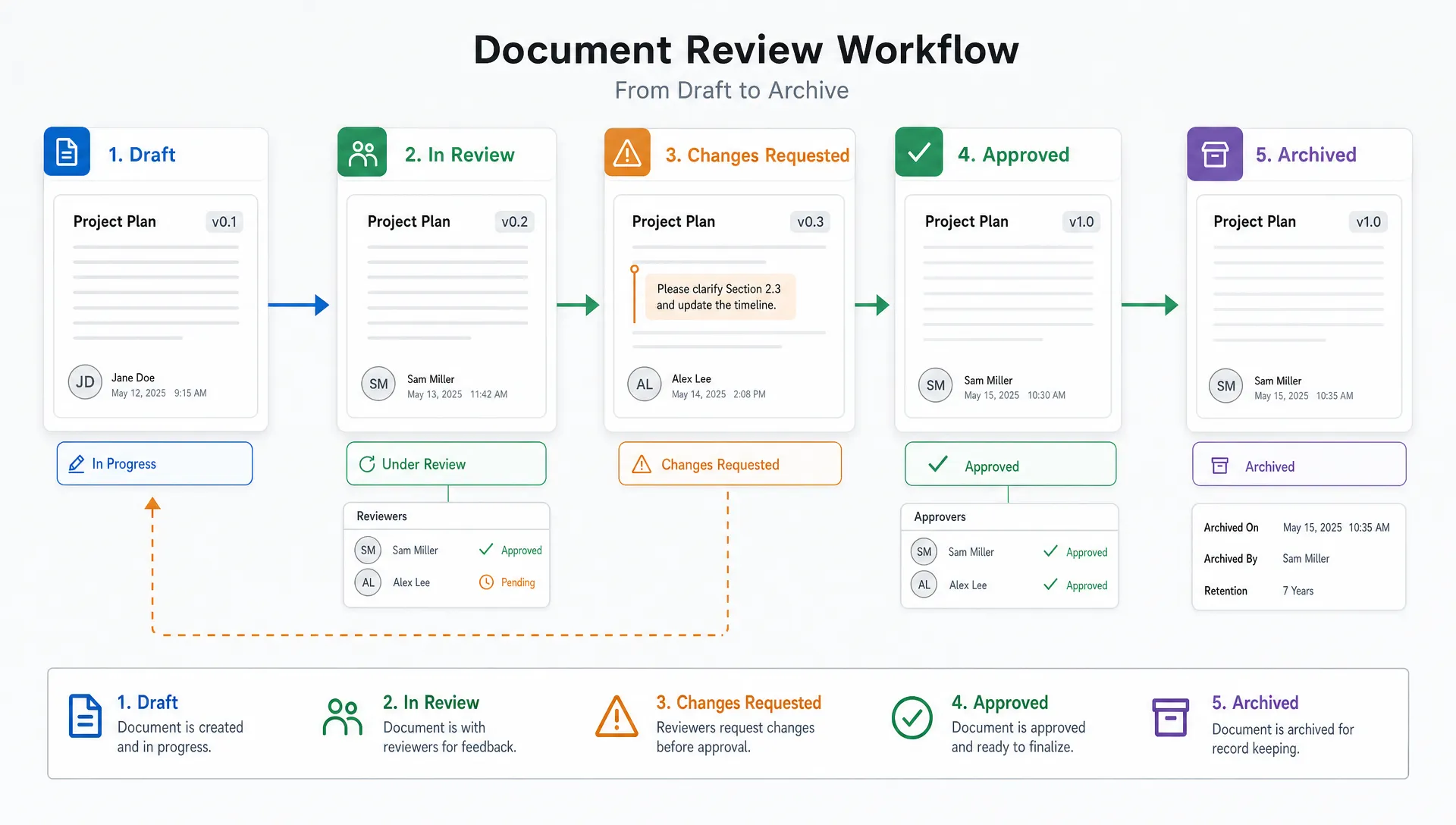
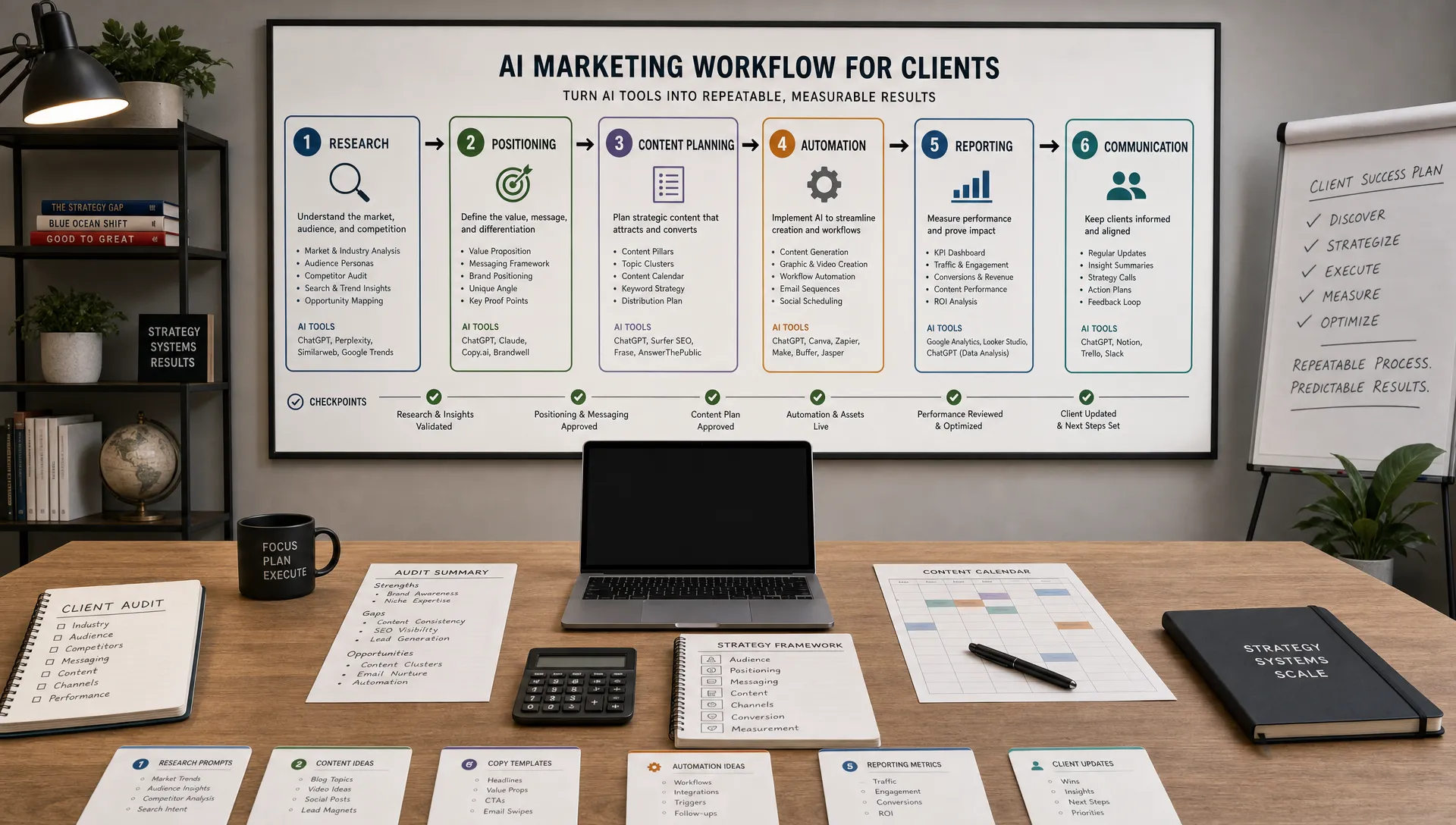
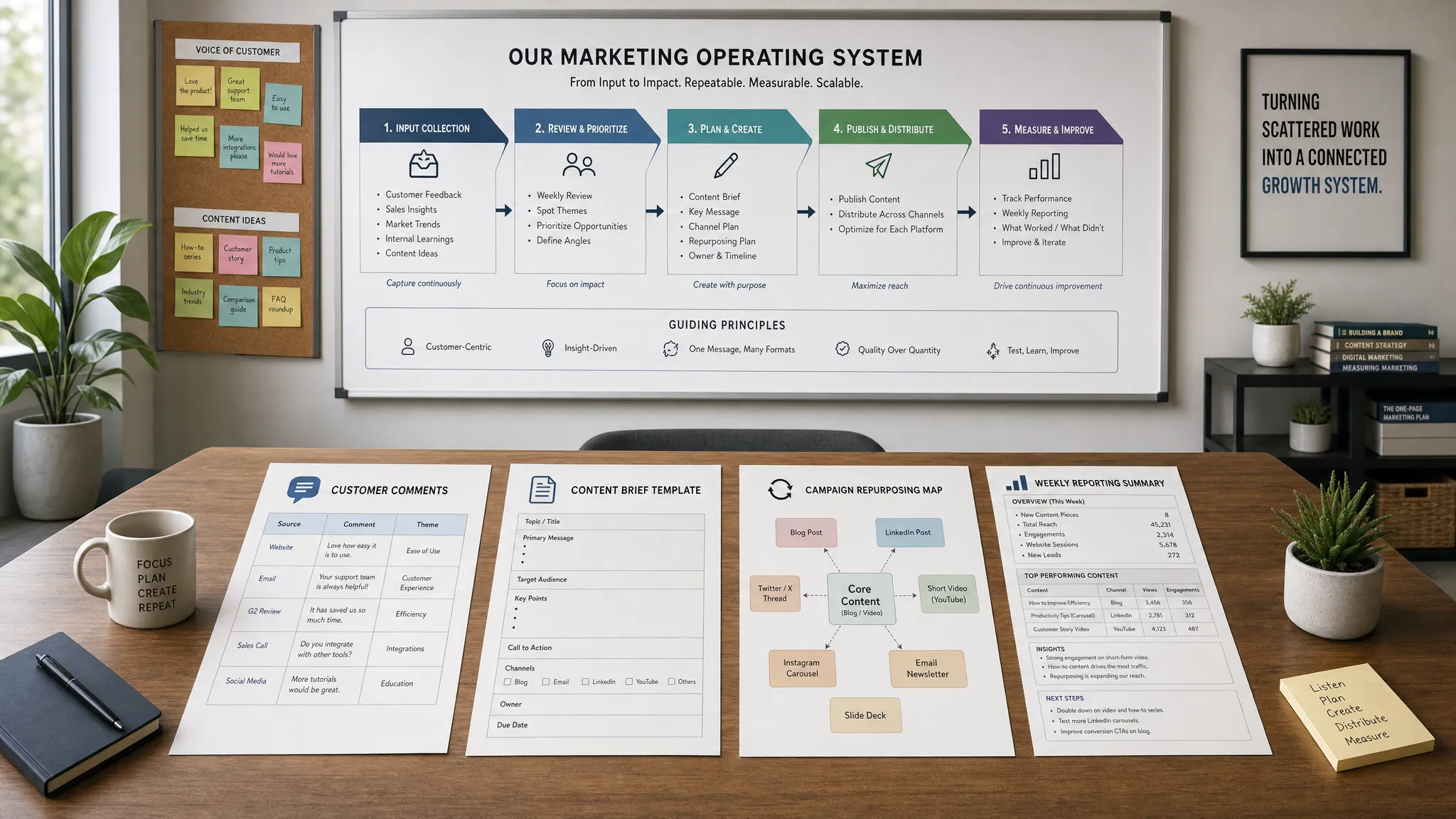
AI tools are most valuable when they fit into existing workflows instead of forcing your team to rebuild everything at once. Take inventory of how work moves from idea to execution today.
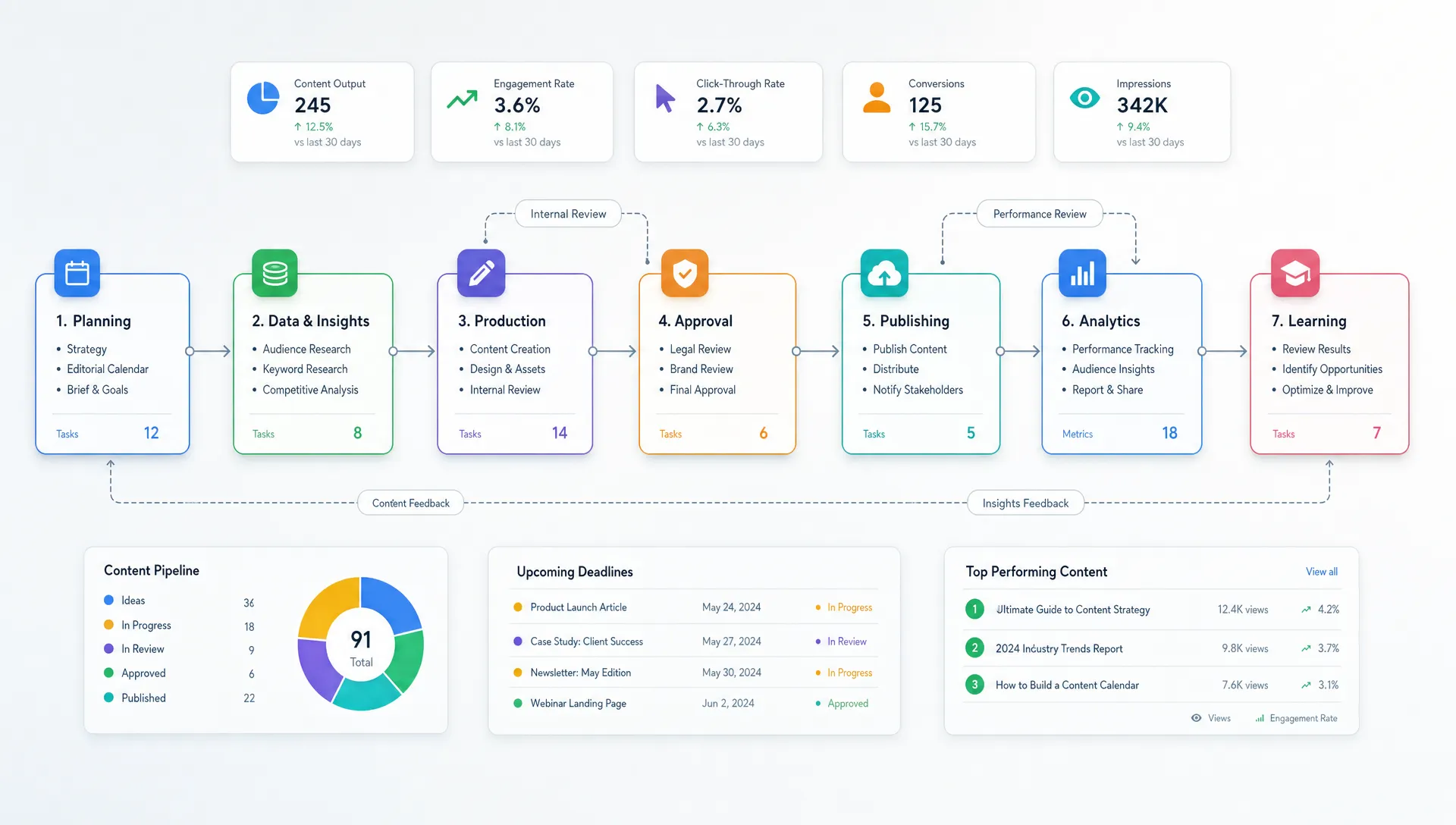
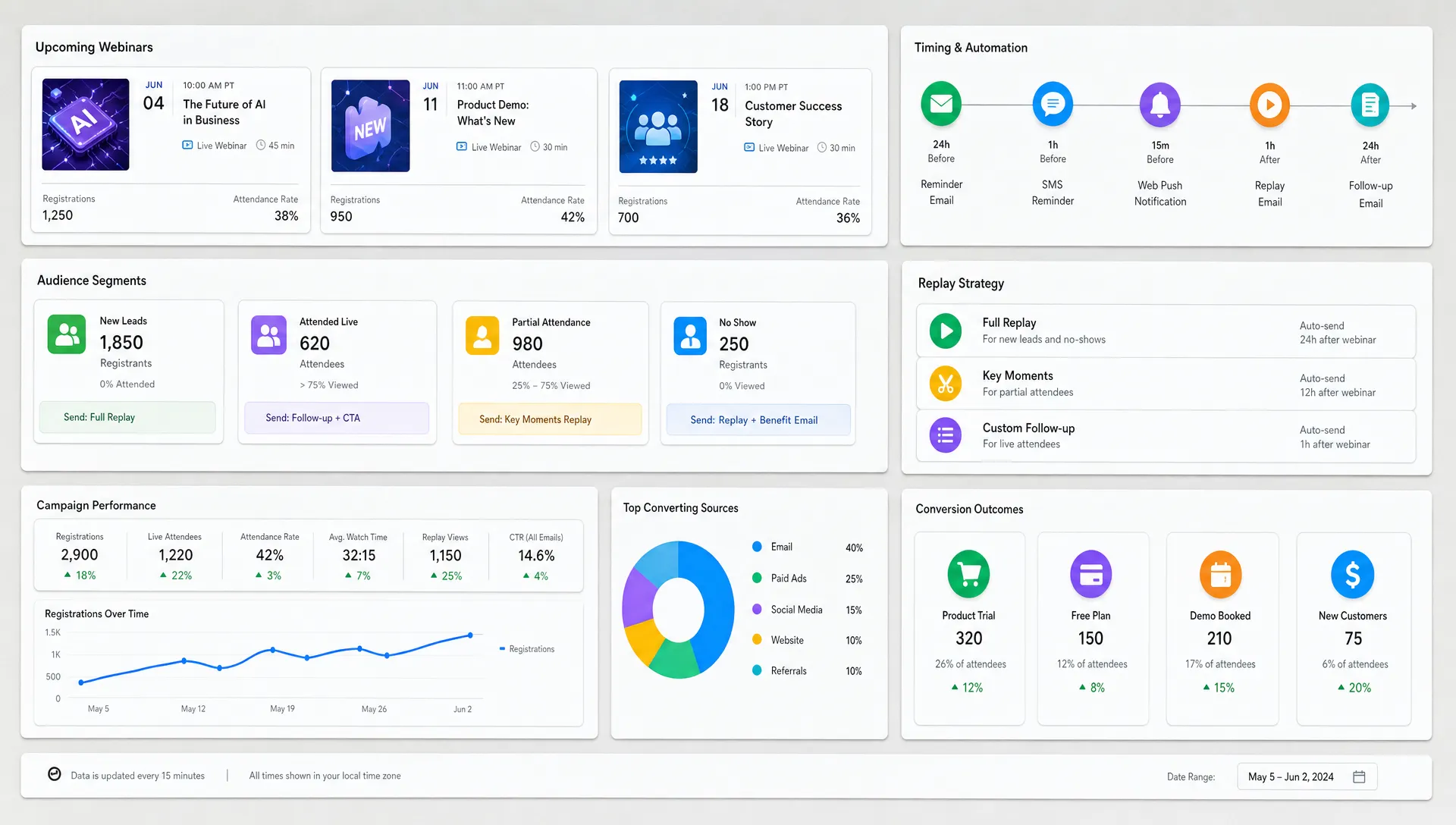
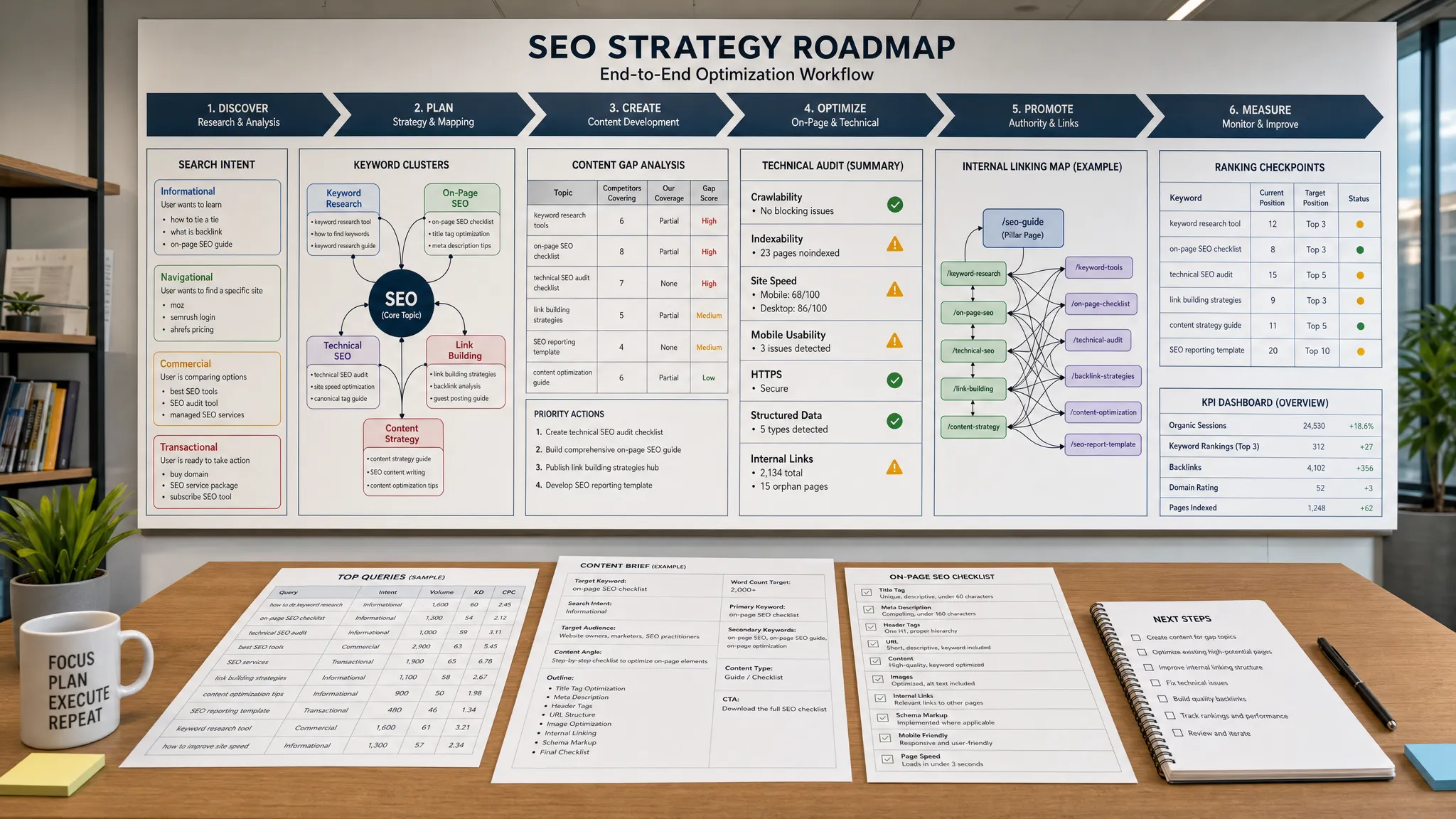
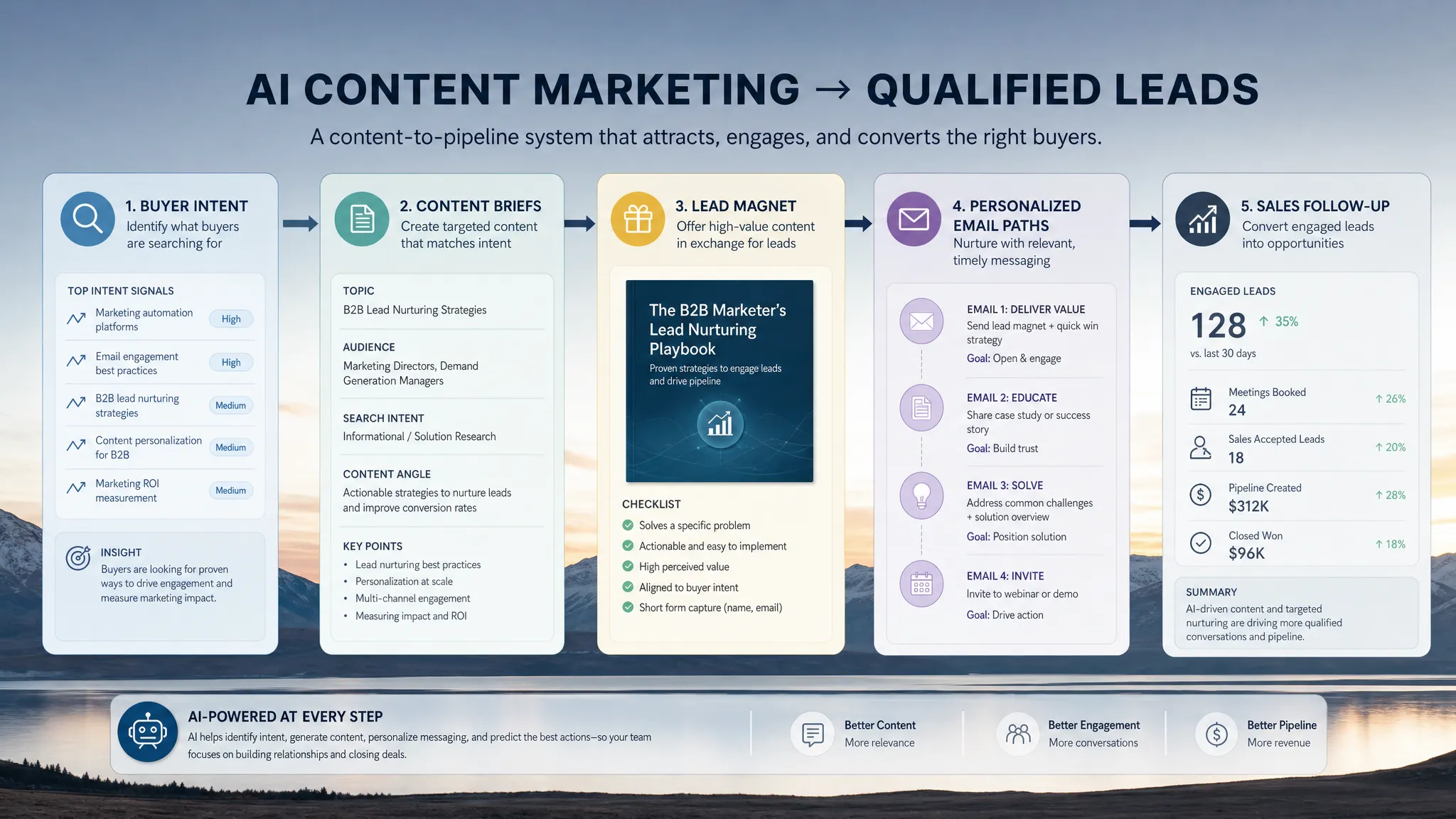
For example, content marketing usually includes keyword research, topic planning, brief creation, drafting, editing, SEO optimization, publishing, internal linking, and performance review. Paid media includes audience research, offer development, creative testing, landing page alignment, budget monitoring, and reporting. Lifecycle marketing includes segmentation, message creation, automation, testing, and revenue analysis.
Once you map those workflows, identify where your team loses the most time or quality. Are marketers spending too long writing first drafts? Are campaigns delayed because reviews happen manually? Are insights trapped in spreadsheets? Are brand guidelines inconsistently applied? Are SEO opportunities being missed because research is too slow?

The right platform should remove friction from specific moments in the workflow. If the tool only helps at the beginning, such as brainstorming or drafting, it may not be enough for a team that needs optimization, analytics, and governance. If it only helps with reporting, it may not solve content production bottlenecks.
Once you understand your workflows, categorize requirements. This prevents demo excitement from taking over the decision.
Your must-haves might include brand voice controls, SEO tools, collaboration features, CRM integration, content generation, analytics, approval workflows, or industry-specific templates. Nice-to-haves might include image generation, social listening, multilingual support, or advanced predictive modeling.
Future needs also matter. If your business plans to expand into new channels, regions, or product lines, choose a platform flexible enough to grow with you. At the same time, avoid overbuying. A complex enterprise suite can slow down a small team if it requires heavy setup, training, and administration.
Nearly every marketing tool now claims to use AI. The real question is whether the AI output is useful, controllable, and safe enough for your team.
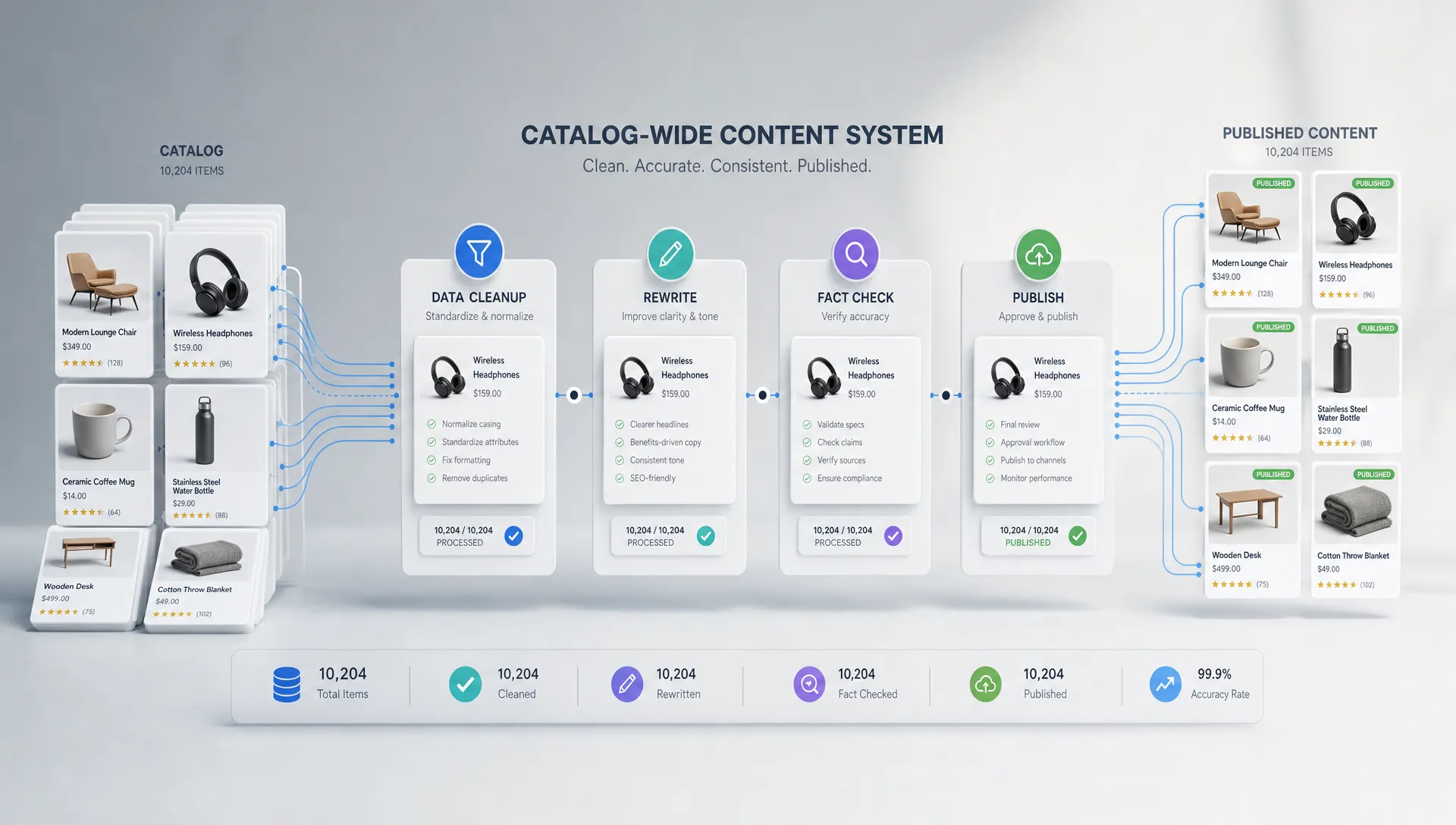
When evaluating quality, test the platform with real tasks. Do not rely only on vendor-provided examples. Ask it to create a blog outline for your industry, rewrite a product description in your brand voice, generate ad variants for a real campaign, summarize analytics findings, or suggest SEO improvements for an existing page.
Look for signals such as accuracy, relevance, structure, and consistency. A strong platform should produce usable first drafts, but it should also help humans improve the work. Good AI marketing workflows still need strategic direction, editing, fact-checking, and judgment.
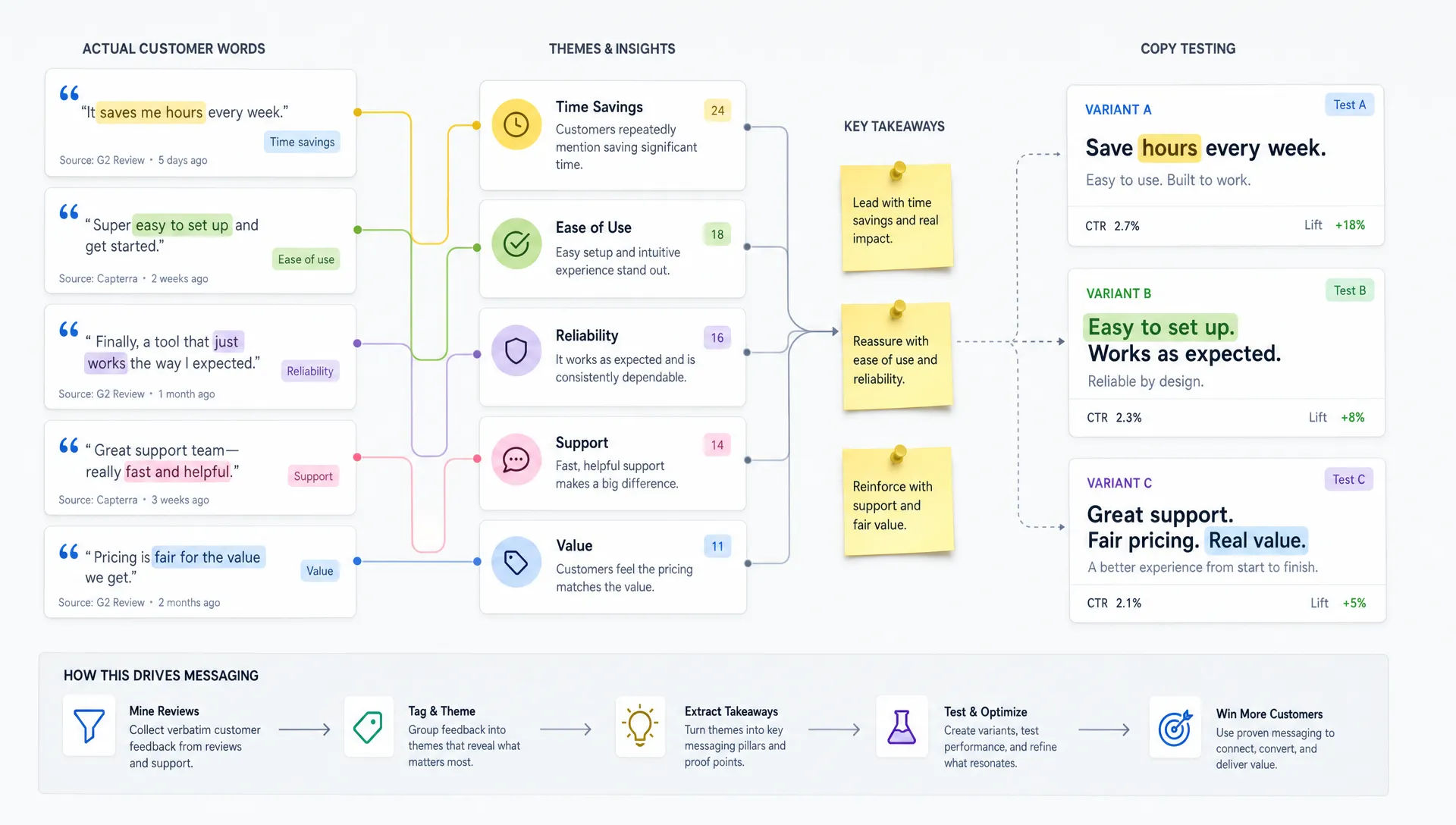
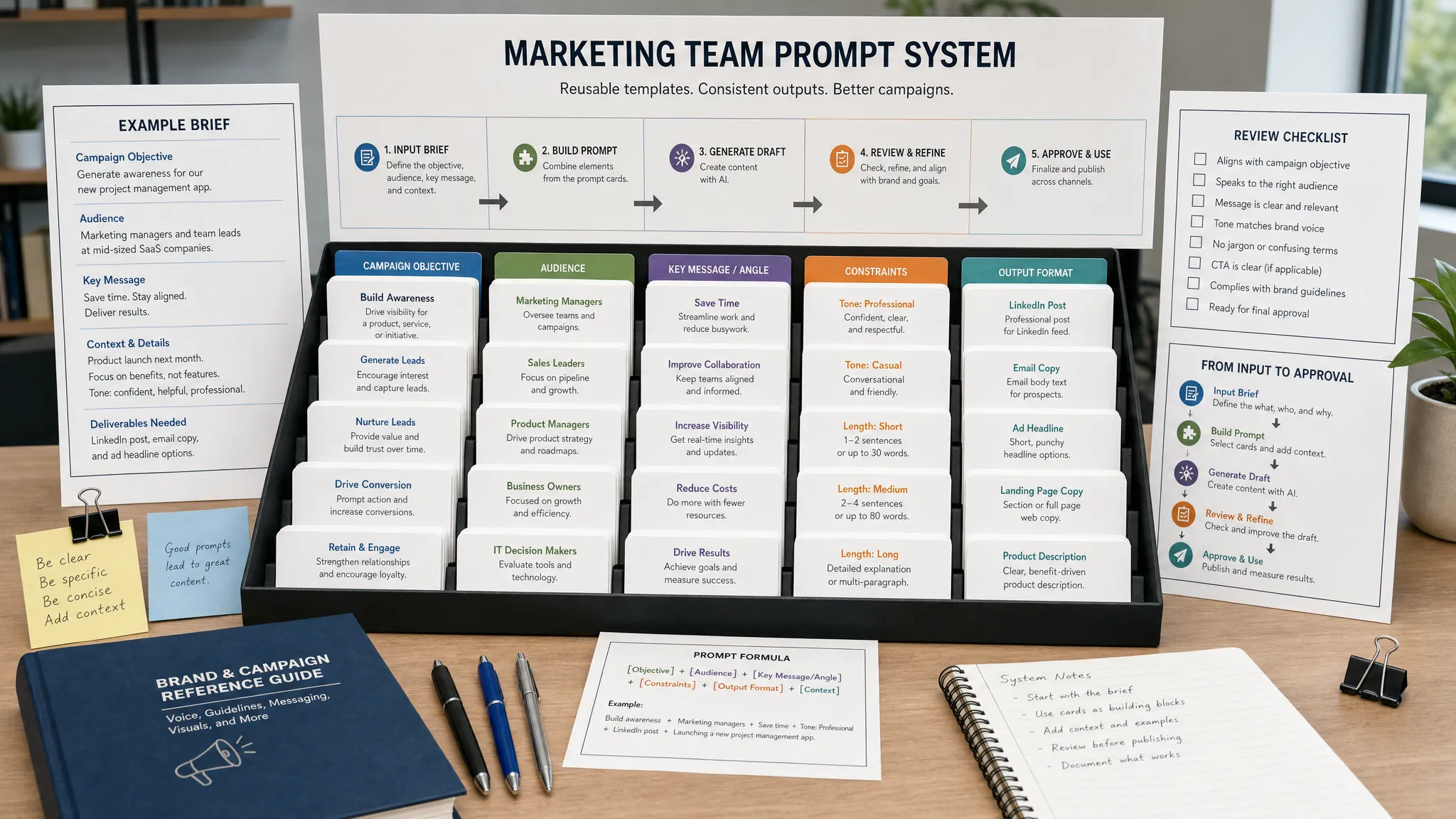
Pay special attention to brand voice. If every output sounds generic, your team will spend too much time rewriting. A better platform should allow you to provide tone guidelines, sample content, audience context, banned phrases, positioning notes, and product details. The more context the system can use responsibly, the better the output will usually be.
You should also ask how the platform handles citations, claims, and factual accuracy. This is especially important for finance, legal, healthcare, SaaS, and other sectors where misleading claims can create reputational or regulatory risk. AI can accelerate marketing, but it should not replace editorial accountability.
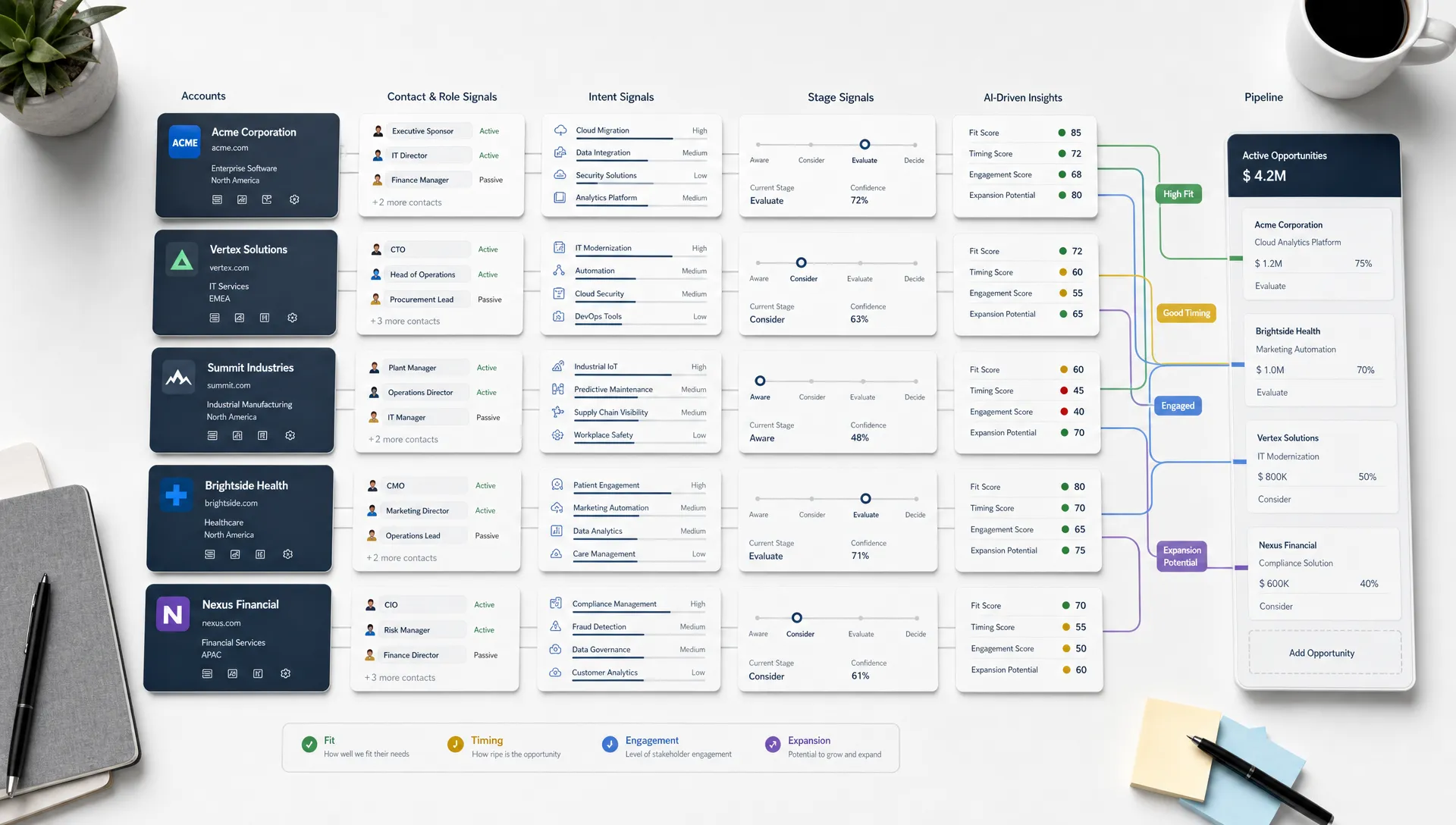
A platform is only as useful as the data it can access and the systems it can connect with. If your customer data, analytics, CRM, CMS, and campaign tools remain disconnected, AI insights will be limited.
Start by listing your core marketing stack. This may include your website CMS, email platform, CRM, analytics tool, ad platforms, social scheduler, customer data platform, project management tool, and sales enablement software. Then ask each vendor which integrations are native, which require middleware, and which require custom development.
Integration depth matters. A basic connection that only imports contacts is not the same as a two-way sync that updates segments, campaign performance, and lifecycle stages. Ask exactly what data moves, how often it updates, and who controls permissions.
If mobile is a major part of your customer journey, include app data in the evaluation. Push notifications, in-app behavior, app installs, and subscription events can all shape marketing decisions. Teams still building or rebuilding a mobile experience may need to coordinate platform selection with a premium mobile app development partner so the app, analytics, and marketing automation setup are designed to work together from the start.
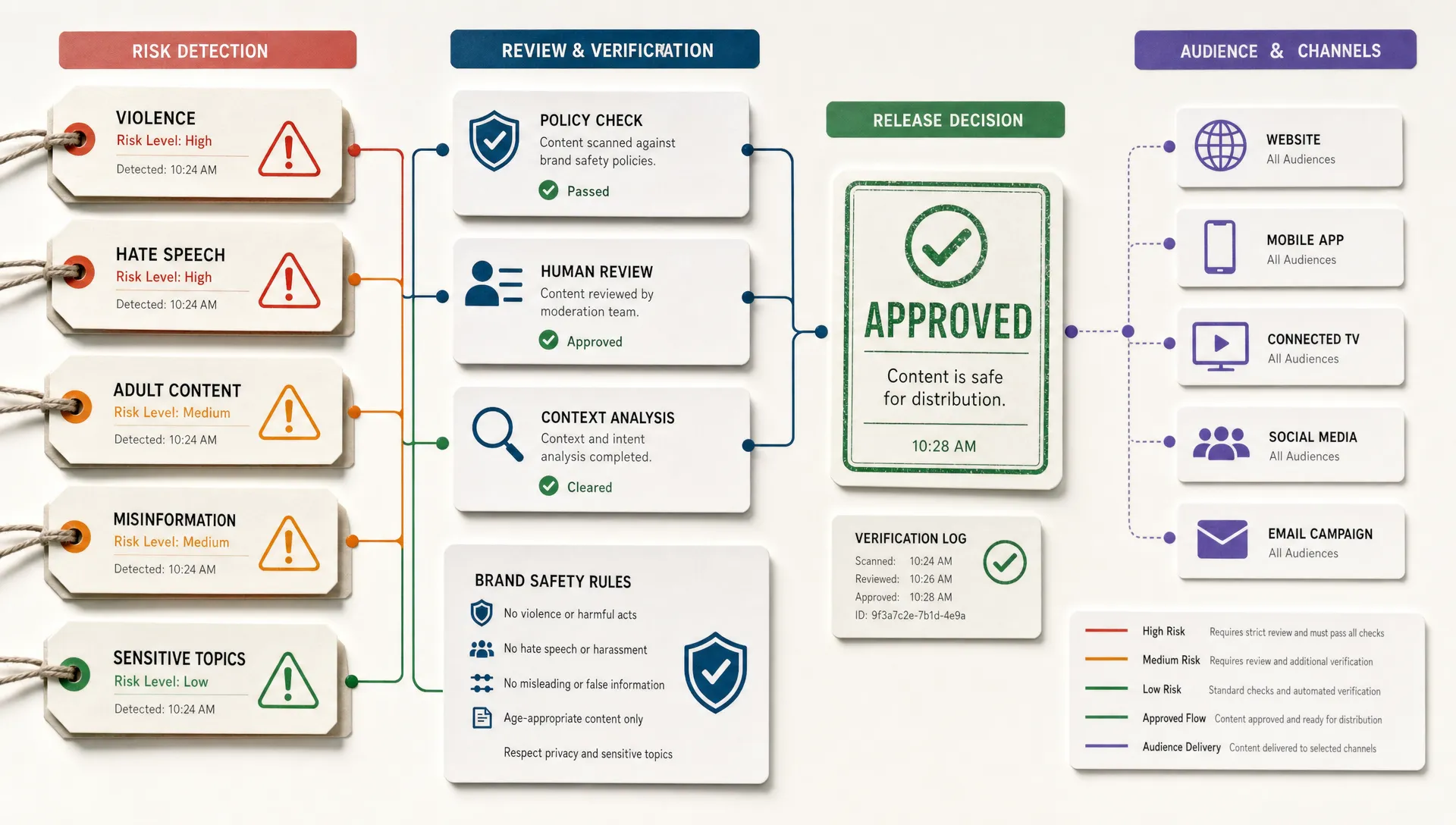
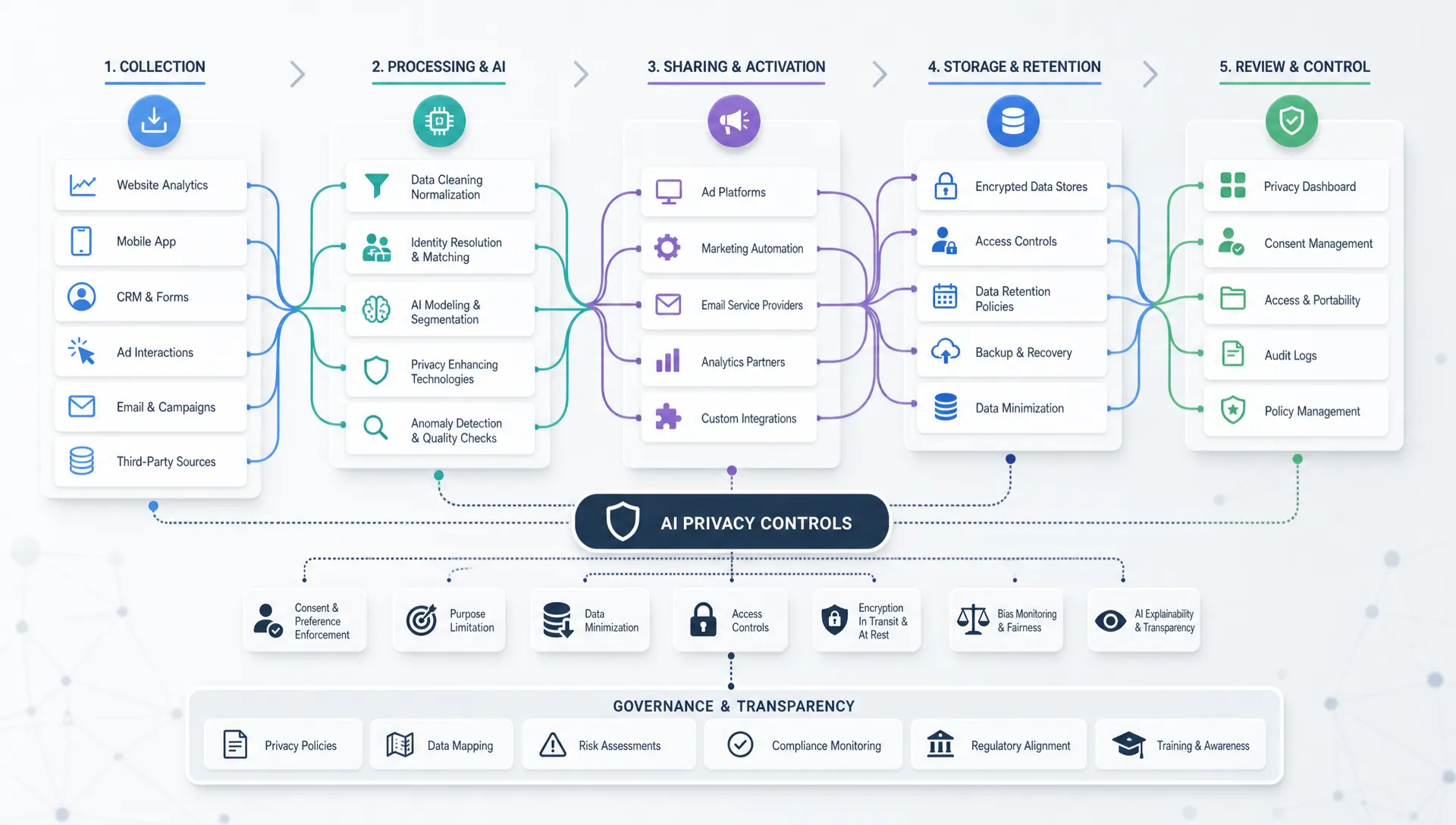
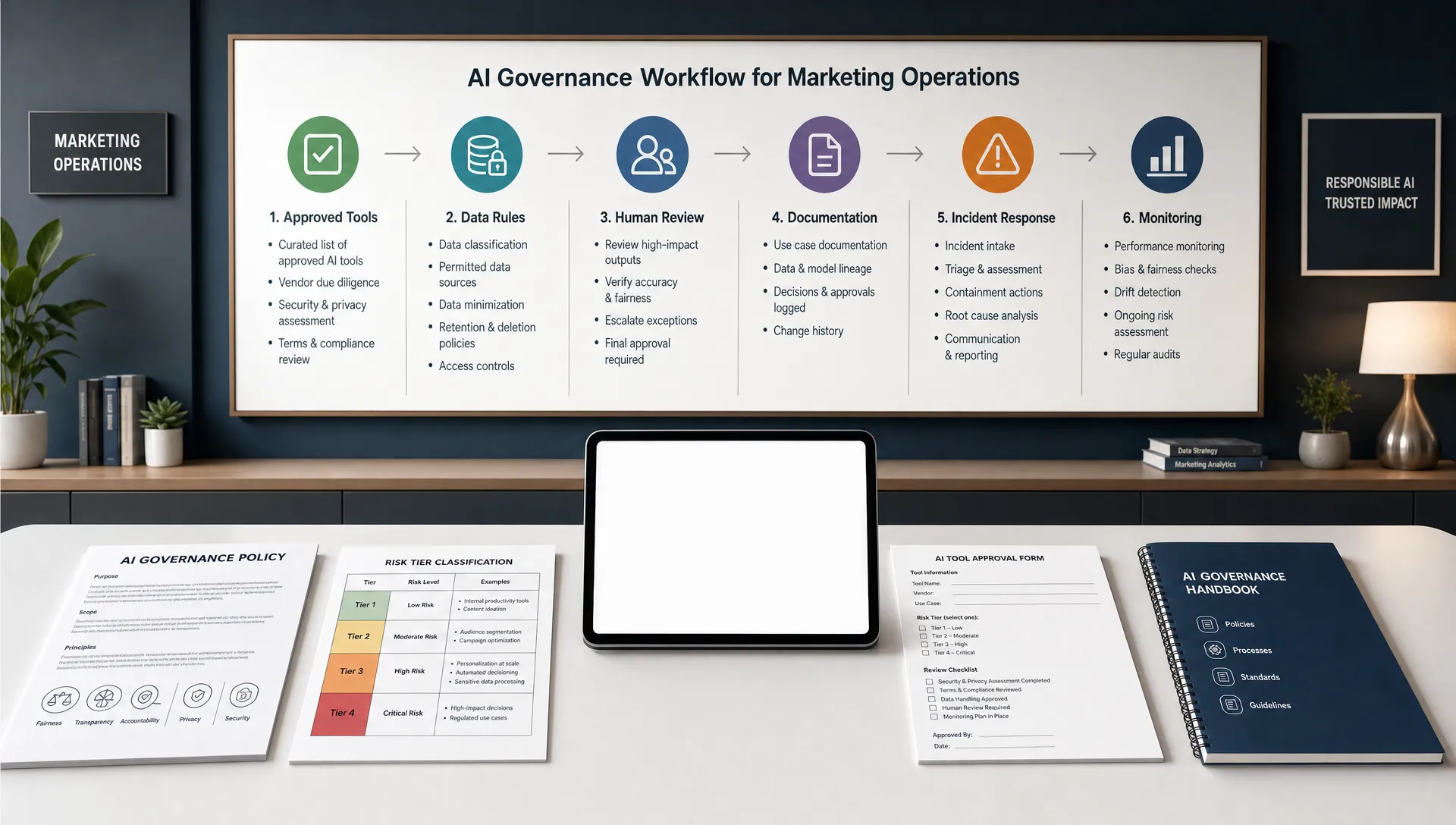
Privacy and governance should be part of the first conversation, not a legal review at the end. Ask whether your data is used to train shared models, how user permissions are managed, whether sensitive data can be excluded, and what security certifications or compliance practices the vendor supports.
The NIST AI Risk Management Framework is a helpful reference for thinking about trustworthy AI. While not every marketing team needs a formal risk program, the principles behind validity, reliability, transparency, privacy, and accountability are highly relevant when AI is used to create customer-facing content or guide business decisions.
An AI marketing platform should not be judged only by subscription cost. It should be judged by the value it creates relative to cost, implementation time, and adoption effort.
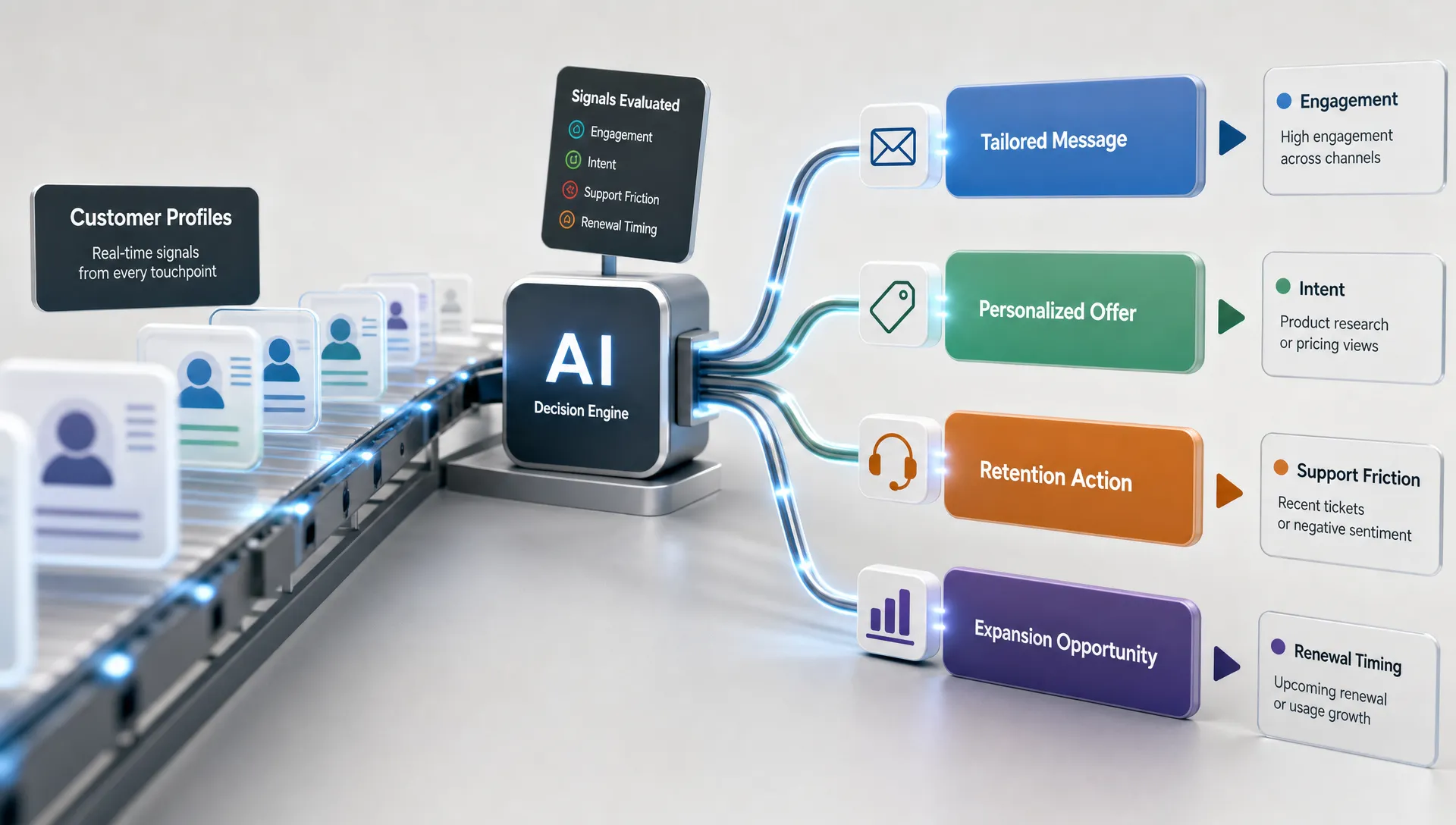
The challenge is that AI ROI can show up in several ways. Some benefits are direct, such as lower content production costs or increased conversion rates. Others are operational, such as faster campaign launches or fewer manual reporting hours. Some are strategic, such as better testing velocity or clearer insights across channels.
Before purchasing, define how you will measure impact. Choose a small set of metrics that match your goals. For content teams, this might include time to publish, organic traffic growth, rankings, assisted conversions, and editorial revision time. For performance teams, it might include cost per lead, creative testing volume, conversion rate, and budget efficiency. For marketing leaders, it might include campaign cycle time, pipeline contribution, and team capacity.
Do not expect every metric to improve immediately. AI often creates the fastest gains in speed and consistency first. Performance improvements may take longer because they depend on strategy, testing, distribution, and market conditions.
A good vendor should be able to explain how customers typically measure success, but be cautious of guaranteed results. Marketing performance depends on your offer, audience, data quality, competitive landscape, and execution.
The best AI marketing platform for a five-person team is rarely the same as the best platform for a global enterprise. Team maturity affects what you should prioritize.
A lean team usually needs speed, simplicity, and practical guidance. The platform should help with content generation, SEO recommendations, prompt workflows, and basic performance analysis without requiring a dedicated operations team. Marketers should be able to create useful outputs quickly.
A growing company may need stronger collaboration, integrations, reusable templates, role-based permissions, and cross-channel reporting. At this stage, the platform should help standardize processes so campaign quality does not depend on a few individuals.
An enterprise or regulated organization may need advanced governance, audit trails, approval workflows, legal review support, data controls, and detailed security documentation. The platform must support scale without increasing risk.
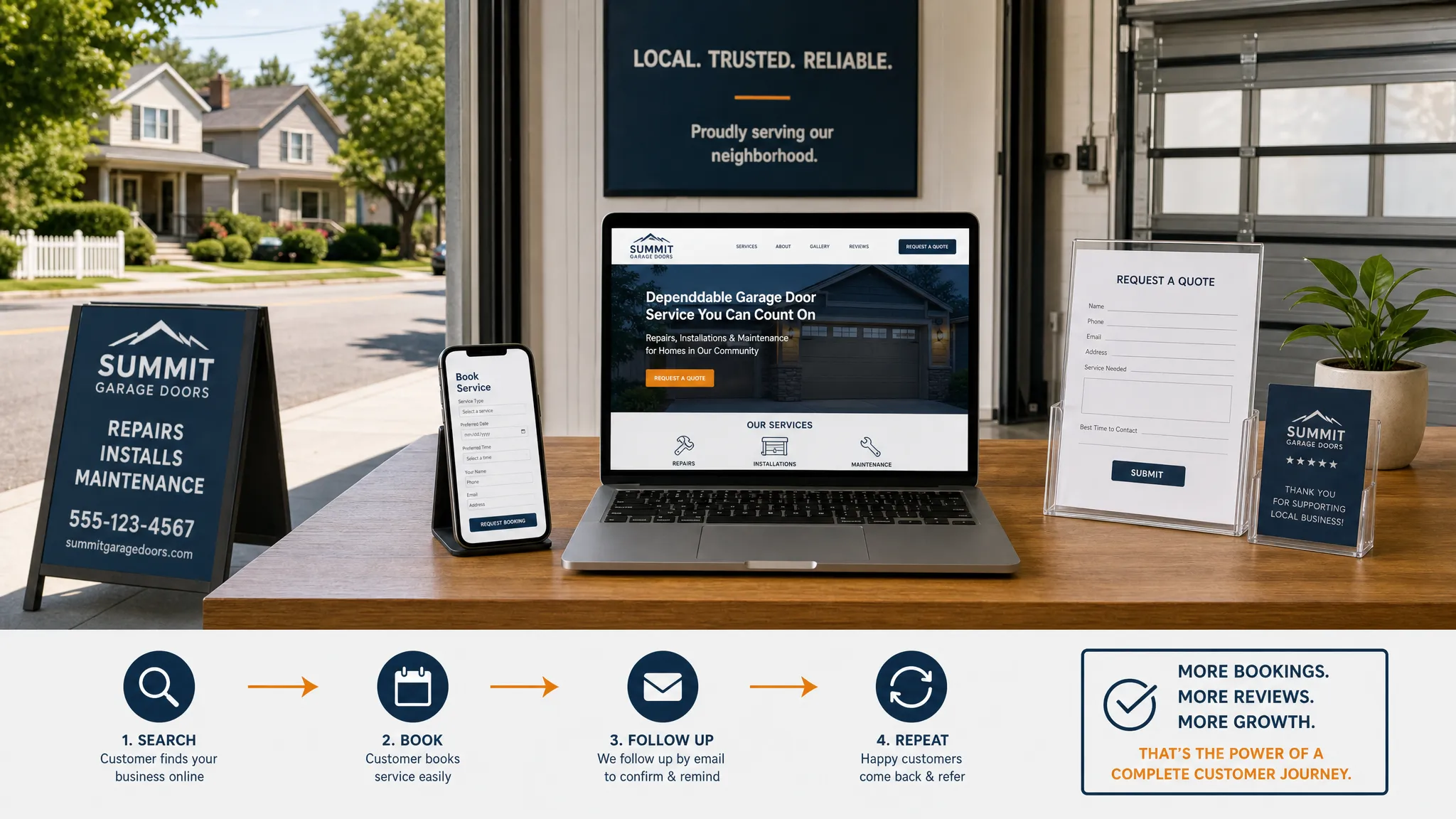
Industry also matters. Finance, legal, and SaaS teams often need more precise language than consumer lifestyle brands. Local businesses may prioritize review generation, local SEO, and offer creation. Ecommerce teams may need product descriptions, segmentation, email automation, and merchandising insights. Choosing a platform that understands your use case can reduce setup time and improve output quality.
A demo shows what a platform can do in ideal conditions. A pilot shows what it can do with your team, your data, your workflows, and your constraints.
Keep the pilot focused. Two to four weeks is often enough to test whether the platform can solve a priority problem. Avoid testing every feature. Instead, choose a narrow workflow with clear success criteria.
A practical pilot might follow this sequence:
During the pilot, watch how the team responds. If marketers avoid the tool, the issue may be usability, training, trust, or poor workflow fit. Adoption is a major part of ROI. A powerful platform that no one uses is less valuable than a simpler tool that becomes part of daily work.
Also test edge cases. Ask the platform to handle technical topics, regulated claims, unusual audience segments, outdated source material, and brand-sensitive messaging. This reveals whether the AI is reliable under realistic pressure.
Some platforms look strong in marketing materials but weak in practice. Red flags do not always mean you should reject a vendor immediately, but they should trigger deeper questions.
Be cautious if you see:
Another red flag is a platform that encourages full automation without human review. In marketing, speed matters, but customer trust matters more. AI should assist strategy, production, analysis, and optimization. It should not publish unchecked claims, make unsupported promises, or override human judgment.
A structured scorecard helps teams make a decision based on evidence rather than opinion. You do not need anything complicated. Give each platform a score from one to five across the criteria that matter most to your team.
Common scorecard categories include strategic fit, AI output quality, ease of use, integrations, analytics, governance, scalability, onboarding, customer support, and total cost. You may also add industry fit if your marketing requires specialized compliance, terminology, or workflows.
The key is weighting. If your main goal is scaling SEO content, AI writing quality and SEO workflow support should count more than advanced ad automation. If your main goal is executive reporting, analytics and data integration should carry more weight. If your team handles sensitive topics, governance and review controls should rank near the top.
Bring multiple stakeholders into the scoring process. Marketing leaders, content creators, performance marketers, operations teams, sales teams, IT, and legal may all notice different risks and benefits. The final decision should balance user experience, business value, and operational reality.
The subscription price is only one part of the investment. Total cost also includes implementation, training, integrations, content migration, process changes, and ongoing management.
Ask what onboarding includes. Will the vendor help configure brand voice, templates, user roles, and integrations? Are training materials available for different roles? Is support included, or does it require a higher plan? How long does setup typically take for a company like yours?
Also consider the cost of switching later. If a platform stores your prompts, workflows, content history, analytics, and templates, make sure you understand export options. You do not want critical marketing assets trapped in a system that becomes too expensive or no longer fits your strategy.
At the same time, avoid choosing the cheapest option by default. A low-cost tool that creates poor output, requires constant editing, or fails to integrate with your stack may cost more in lost time than it saves in software fees.
The right AI marketing platform should feel like a strategic operating layer for your marketing team, not a novelty. It should help you plan better, create faster, optimize intelligently, and measure what matters.
The best choice is usually the one that aligns with five things: your business goals, your workflows, your data environment, your team’s maturity, and your risk tolerance. If a platform fits those areas well, it has a much better chance of creating lasting ROI.
AI will continue to change marketing tools quickly. New models, features, and automation capabilities will keep appearing. But the fundamentals of selection will remain the same: solve a real problem, protect your brand, measure impact, and make sure your team can actually use the system.
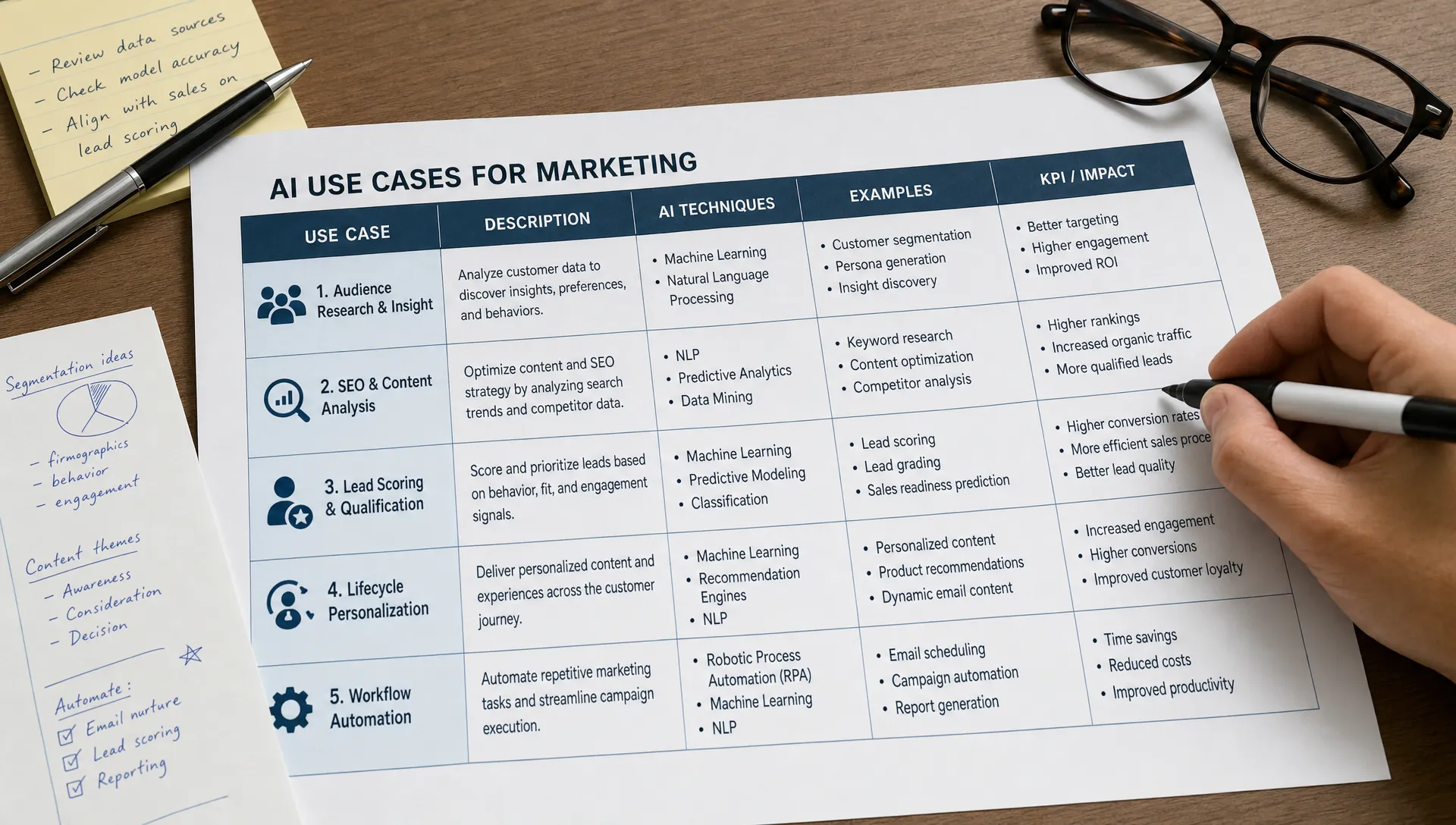
What is an AI marketing platform? An AI marketing platform is software that uses artificial intelligence to support marketing tasks such as content creation, SEO, campaign planning, segmentation, personalization, analytics, reporting, and automation. The best platforms combine AI capabilities with practical workflows marketers can use every day.
How do I know if my business is ready for an AI marketing platform? You are likely ready if your team has repeatable marketing tasks, clear growth goals, and enough process discipline to review and improve AI-assisted work. If your data is messy or your strategy is unclear, start with a focused use case rather than a full platform rollout.
Should small businesses use an AI marketing platform? Yes, small businesses can benefit if the platform is easy to use and focused on practical outcomes. AI can help lean teams create content, improve SEO, generate campaign ideas, analyze performance, and save time. The key is choosing a platform that does not require enterprise-level setup.
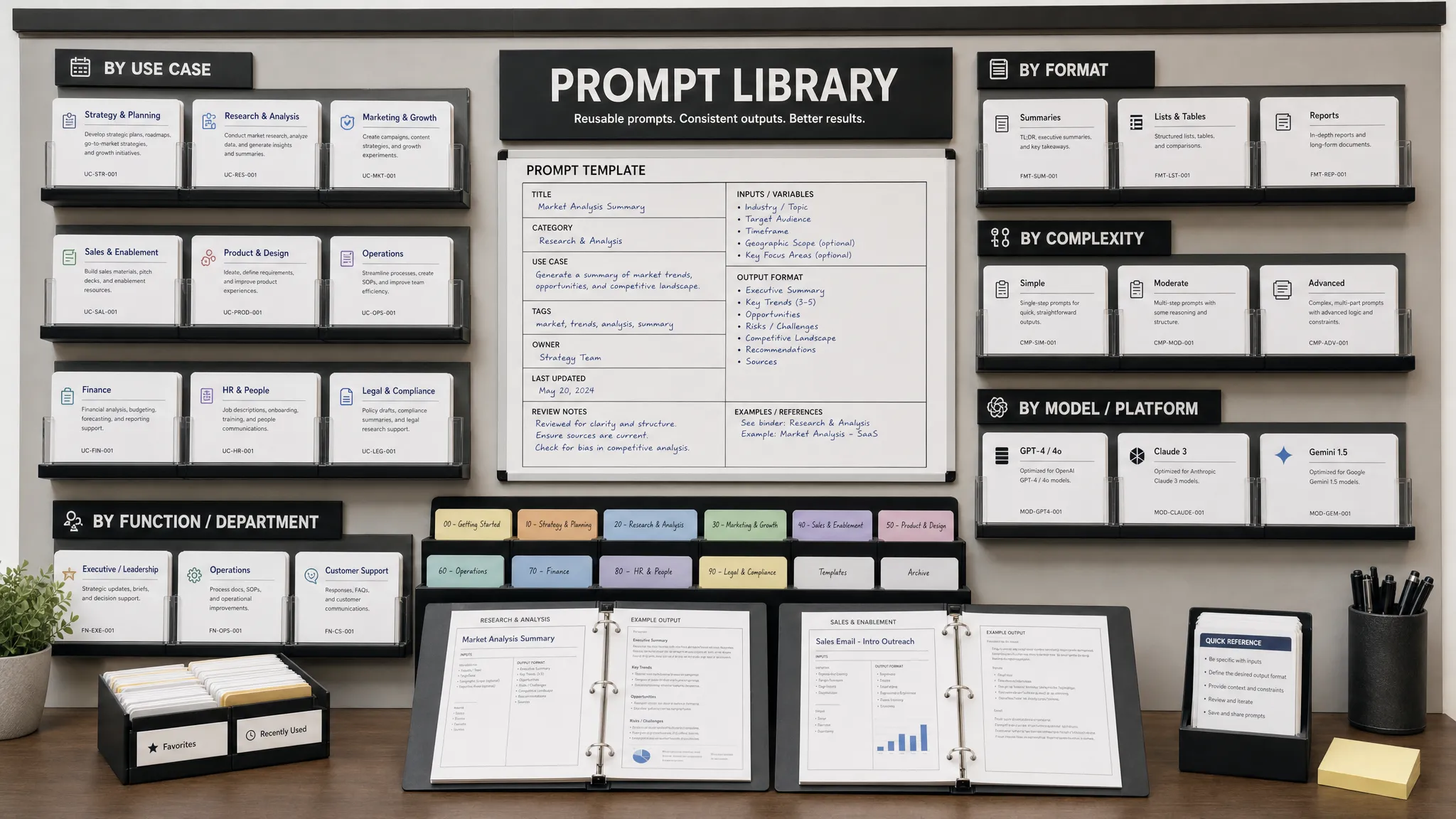
What features matter most when choosing an AI marketing platform? The most important features depend on your goals, but common priorities include content generation, SEO tools, brand voice controls, analytics, integrations, collaboration, prompt libraries, approval workflows, and privacy safeguards.
How long should an AI marketing platform pilot last? A focused pilot usually takes two to four weeks. That is enough time to test one or two real workflows, compare results with your current process, evaluate usability, and estimate ROI before making a larger commitment.
If you want a practical place to explore AI-powered marketing tools, expert guides, calculators, SEO resources, prompt ideas, and industry-specific insights, visit AIMarketer Hub. It is designed to help businesses and marketers automate smarter, optimize faster, and choose tools with a clearer path to growth.