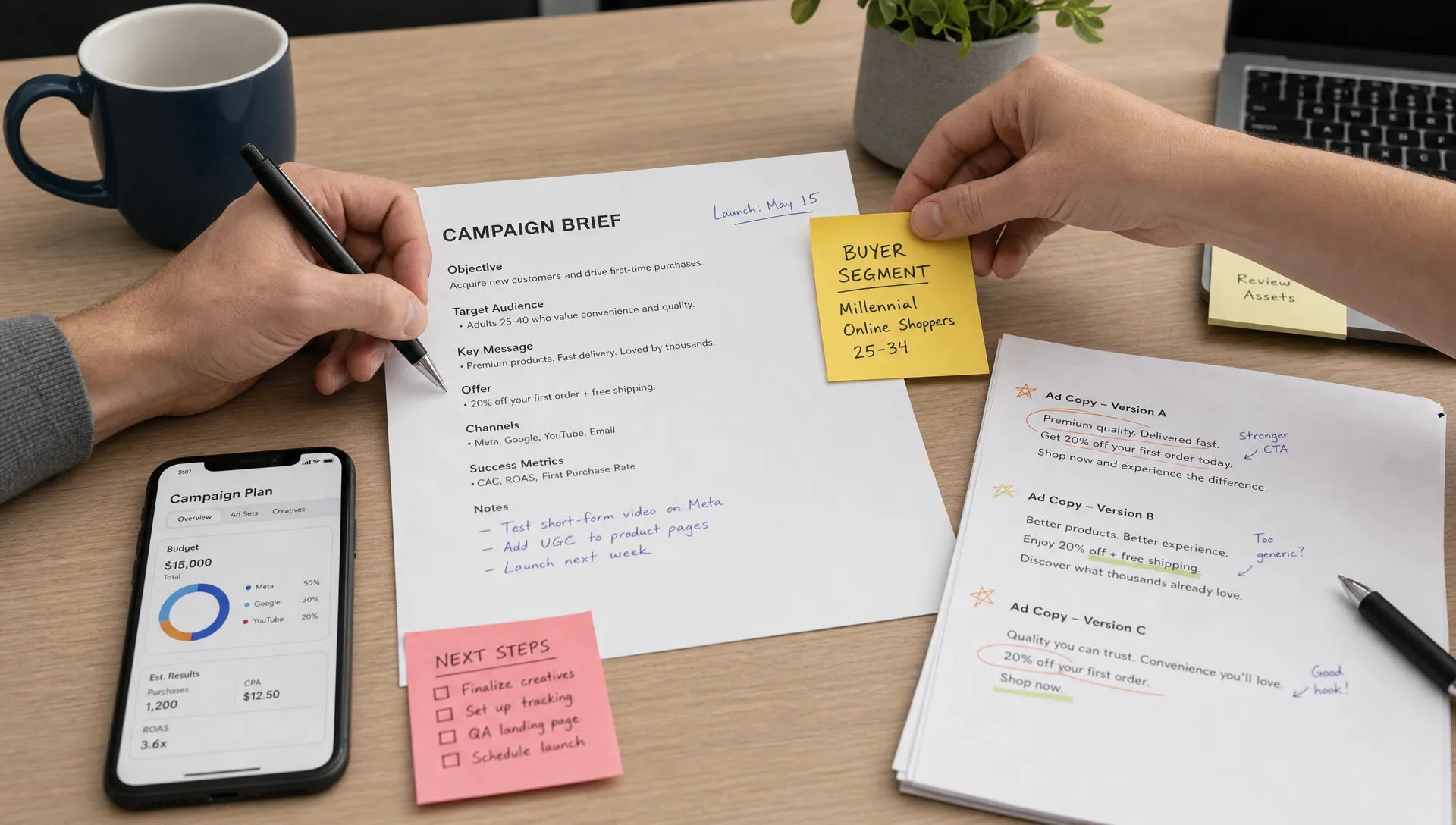
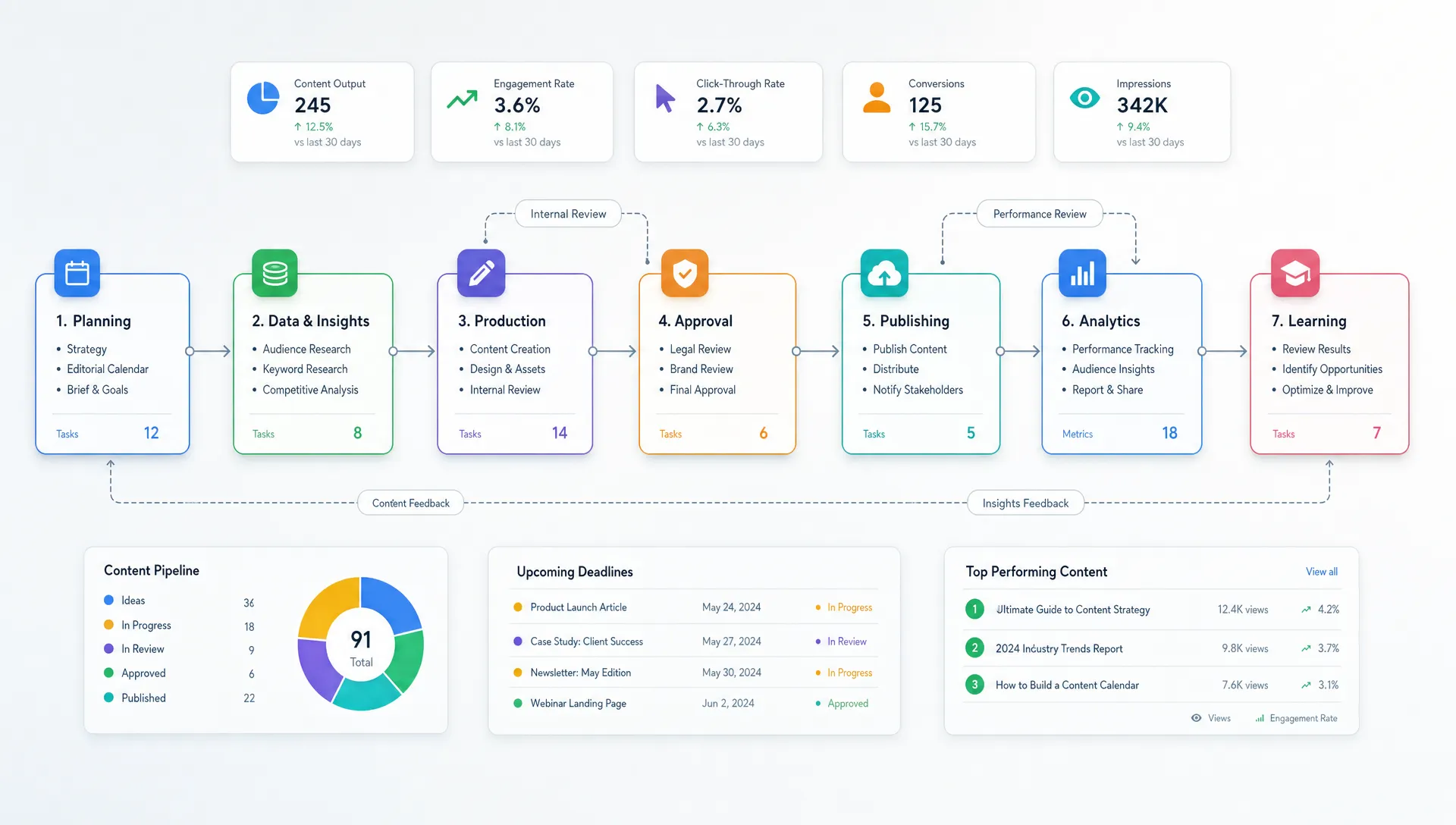
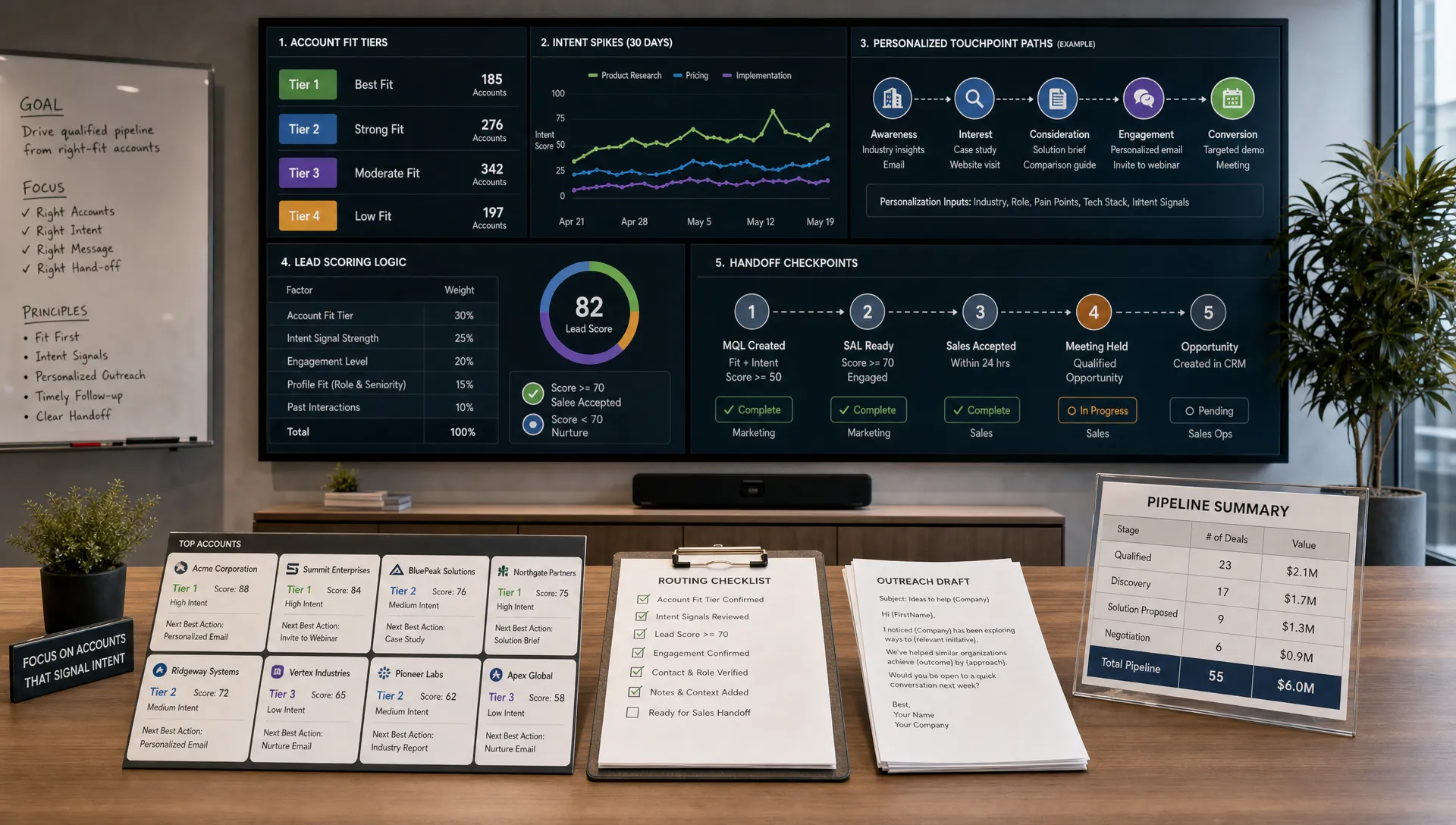
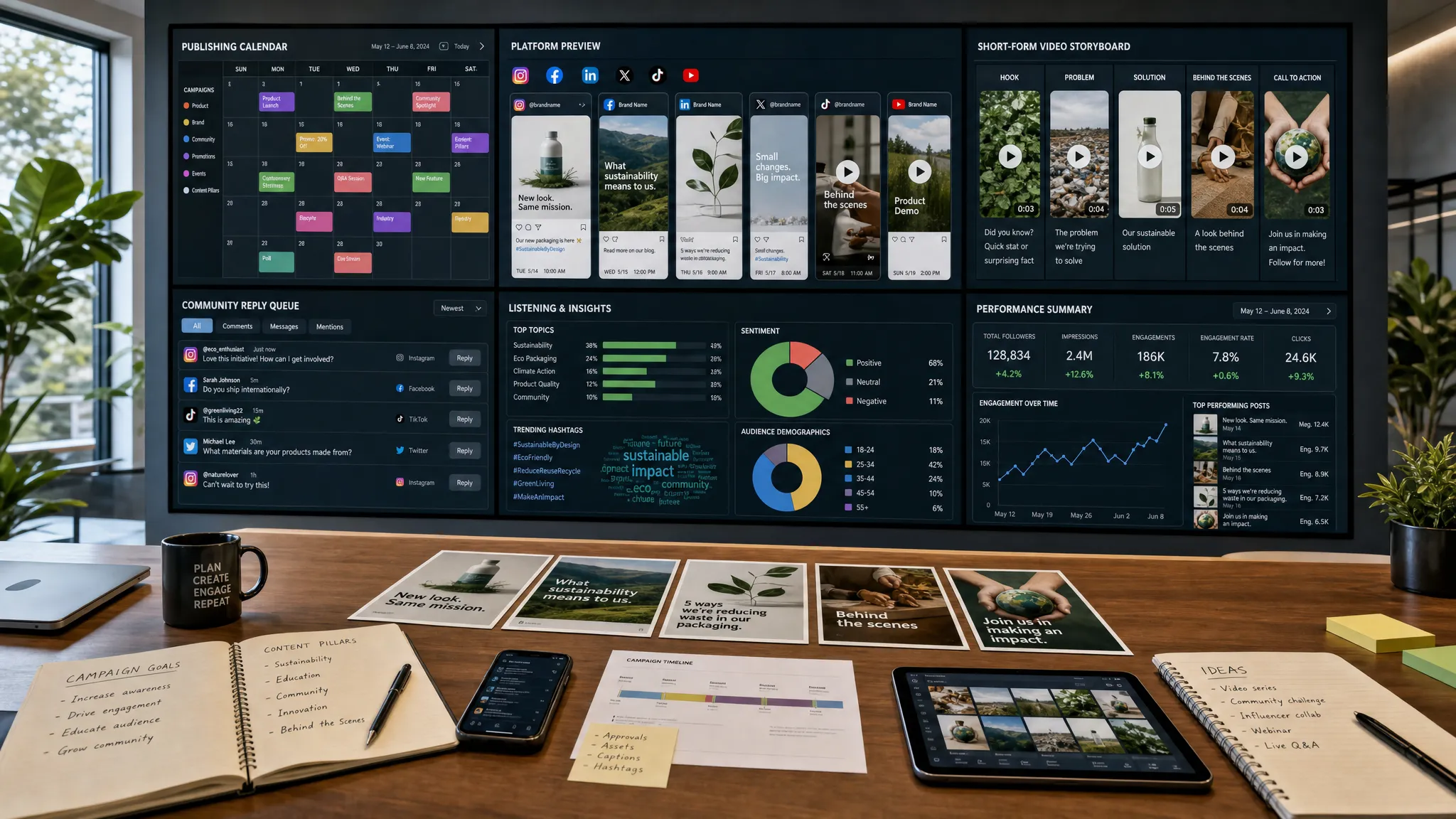
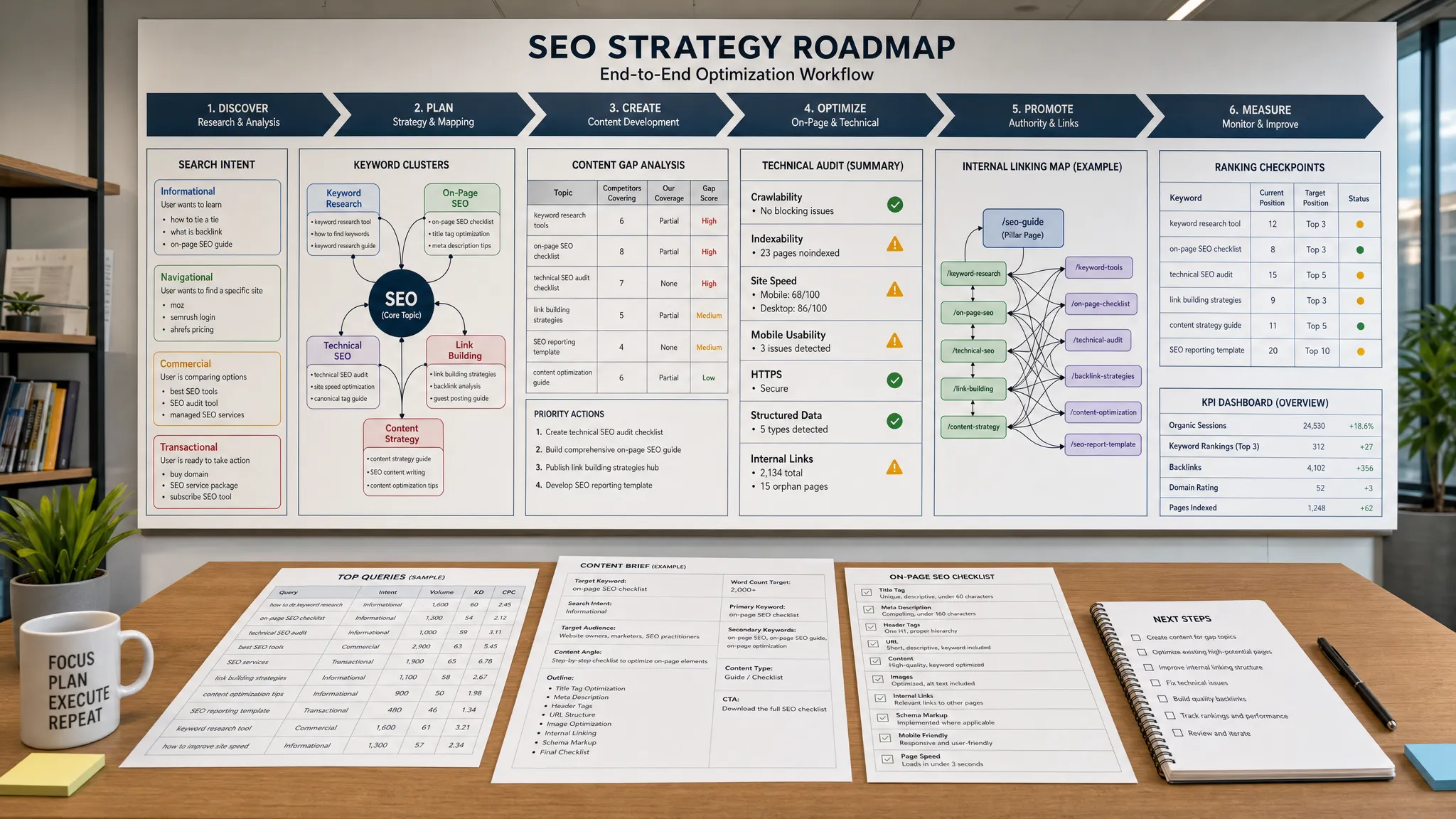
Launching a digital campaign is not the same as publishing ads, scheduling posts, or sending a few emails. A campaign performs when every moving part has a job: the audience is specific, the offer is relevant, the message is clear, the channel mix fits the buying journey, and the data tells you what to improve next.
That may sound simple, but most underperforming campaigns fail before they launch. They start with vague goals, too many audiences, disconnected creative, or tracking that cannot answer the most important question: did this campaign move the business forward?
In 2026, marketers have more AI tools, automation options, and content channels than ever. The teams that win are not the ones producing the most assets. They are the ones building a repeatable digital campaign system that turns strategy into measurable action.
A high-performing digital campaign is not always the campaign with the most clicks. Performance depends on the business outcome you are trying to influence.
For a new brand, performance might mean qualified reach, engaged site visits, newsletter signups, or branded search growth. For a SaaS company, it might mean demo requests, free trial starts, activation, or pipeline influenced. For an ecommerce brand, it might mean purchases, repeat orders, average order value, or return on ad spend.
Before choosing channels or writing copy, define the next decision you want your audience to make. Are they discovering the problem, comparing solutions, or ready to act? Your answer will shape the offer, creative, landing page, and KPI.
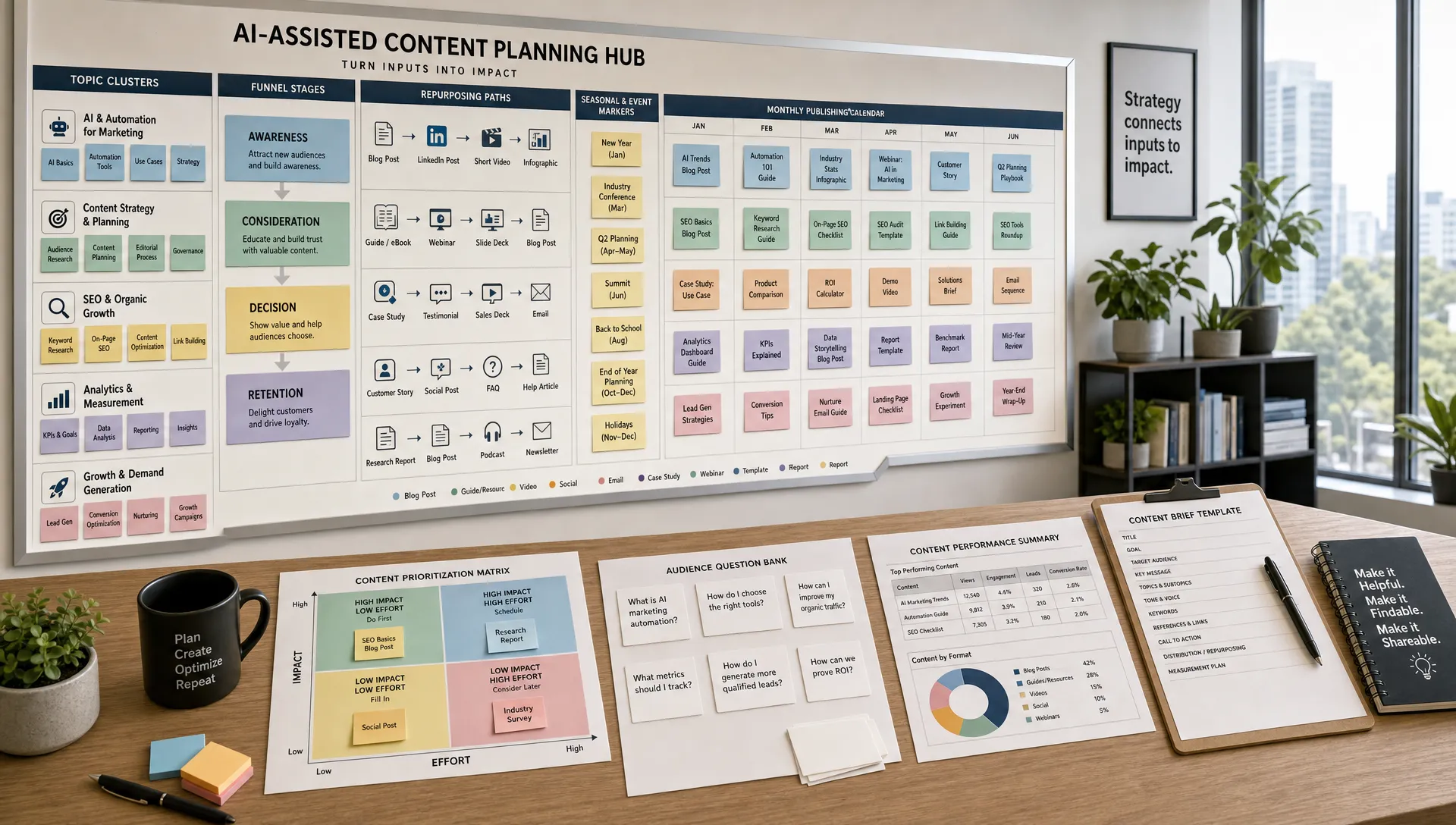
A simple funnel-based approach can help:
The key is to select one primary KPI. Secondary metrics are useful, but they should support the main goal rather than compete with it.
A digital campaign becomes hard to manage when it tries to do everything. A single campaign should not be expected to build brand awareness, generate leads, close sales, test a new market, grow email subscribers, and prove creative direction all at once.
Start with a goal that is specific enough to guide decisions. For example, instead of saying the goal is to get more leads, define it as generating qualified demo requests from U.S. mid-market SaaS companies over the next 45 days. Instead of saying you want more traffic, define the goal as increasing visits to a new guide from finance marketers who are researching AI content workflows.
A strong campaign goal should clarify:
This level of clarity prevents scattered execution. It also makes it easier to decide which ideas do not belong in the campaign.
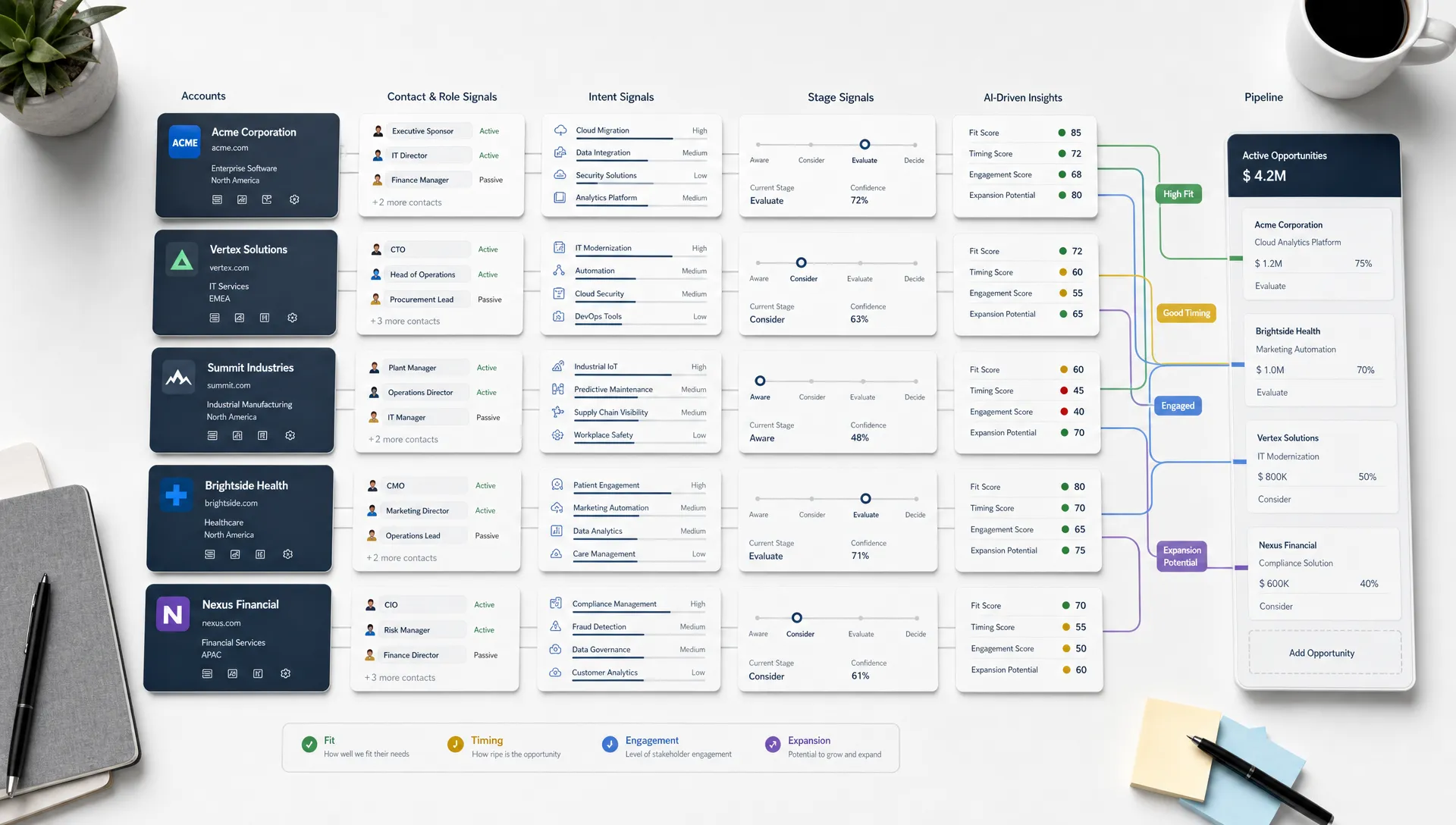
Most campaign targeting is too broad. Teams often describe audiences by industry, company size, job title, or age group, but those details are only the starting point. To create a digital campaign that performs, you need to understand what the audience is trying to accomplish and what is blocking them.
A stronger audience profile includes context. What triggered their search? What problem are they under pressure to solve? What would make them trust your brand? What objections might stop them from converting?
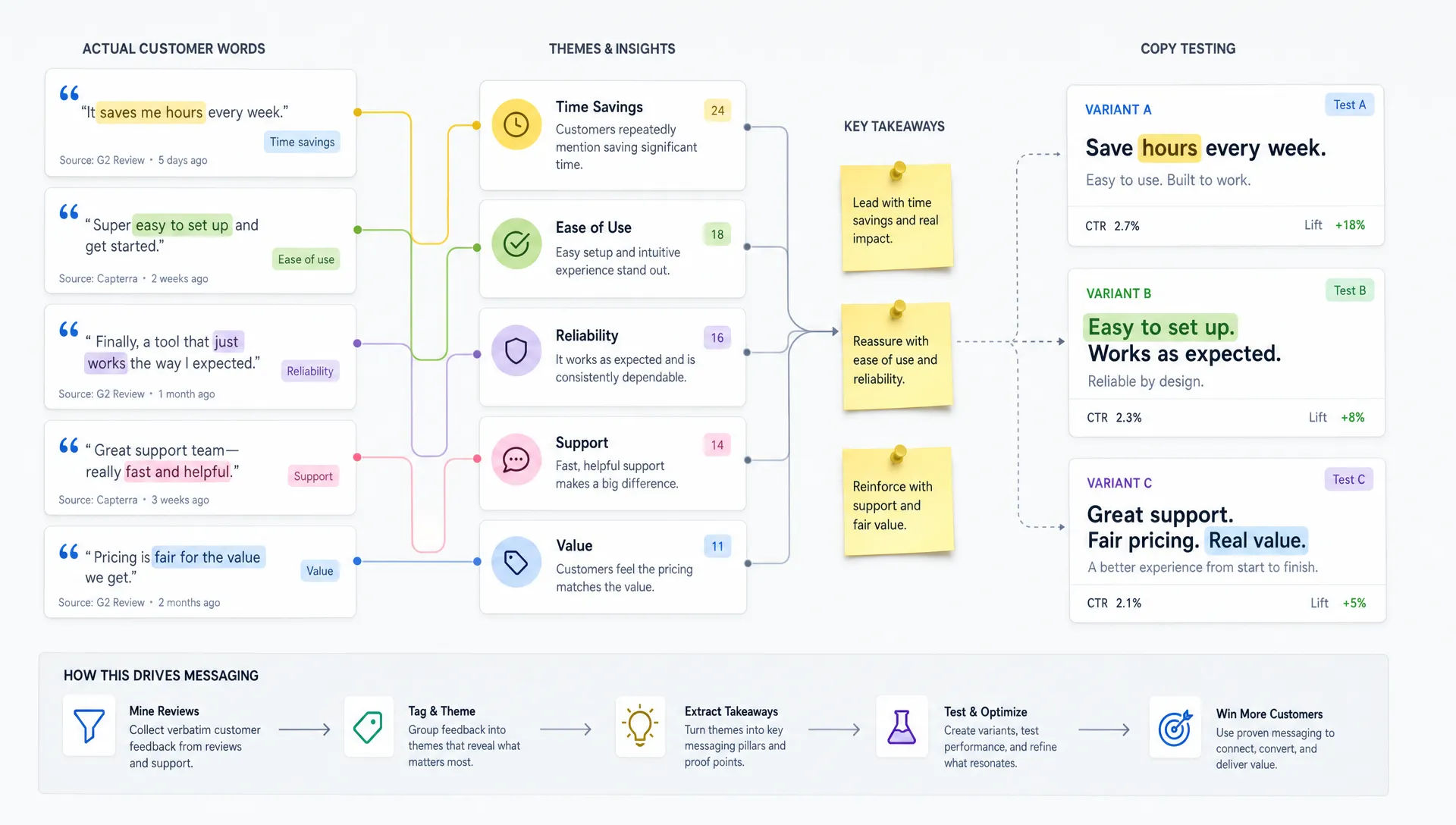
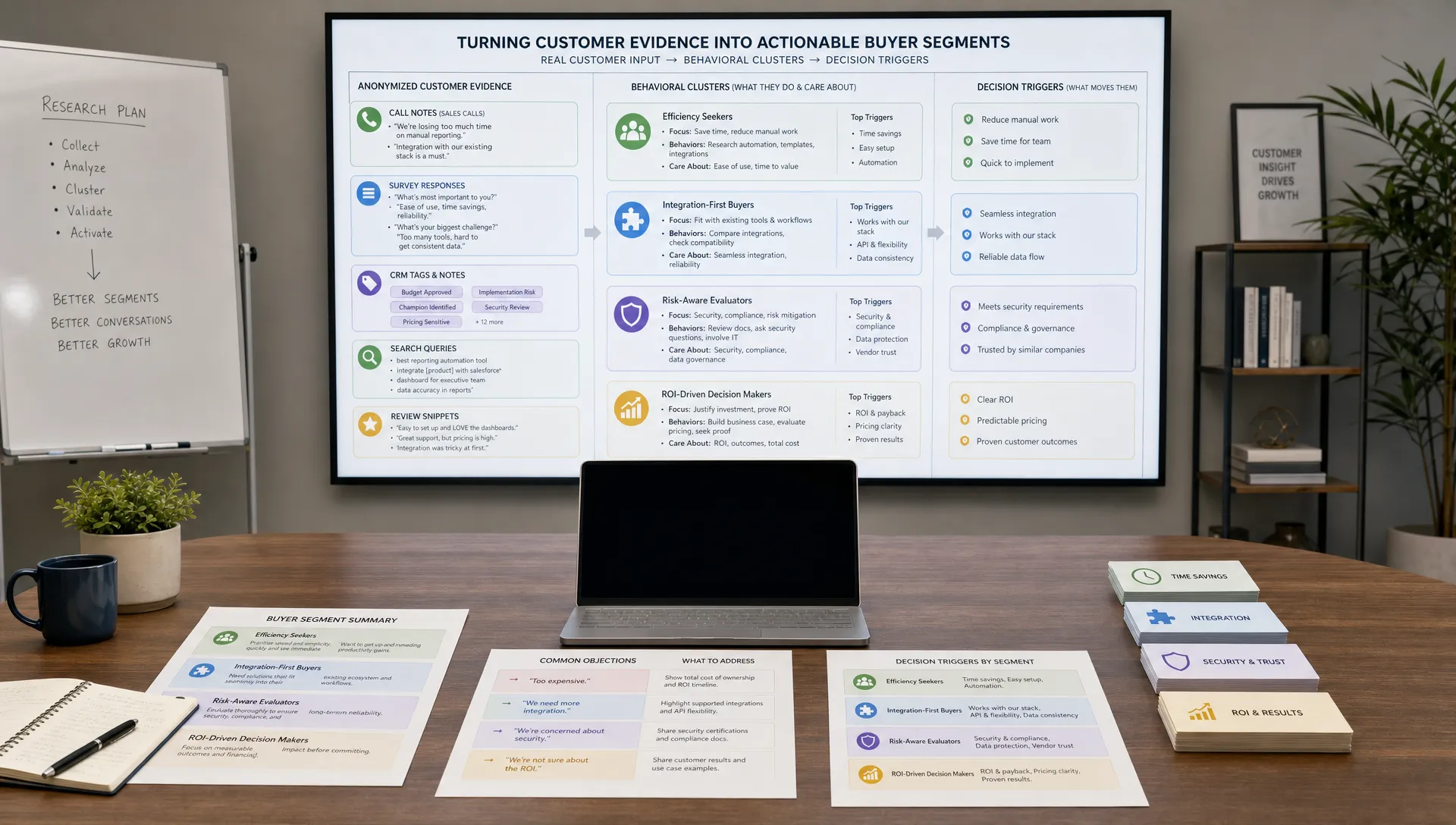
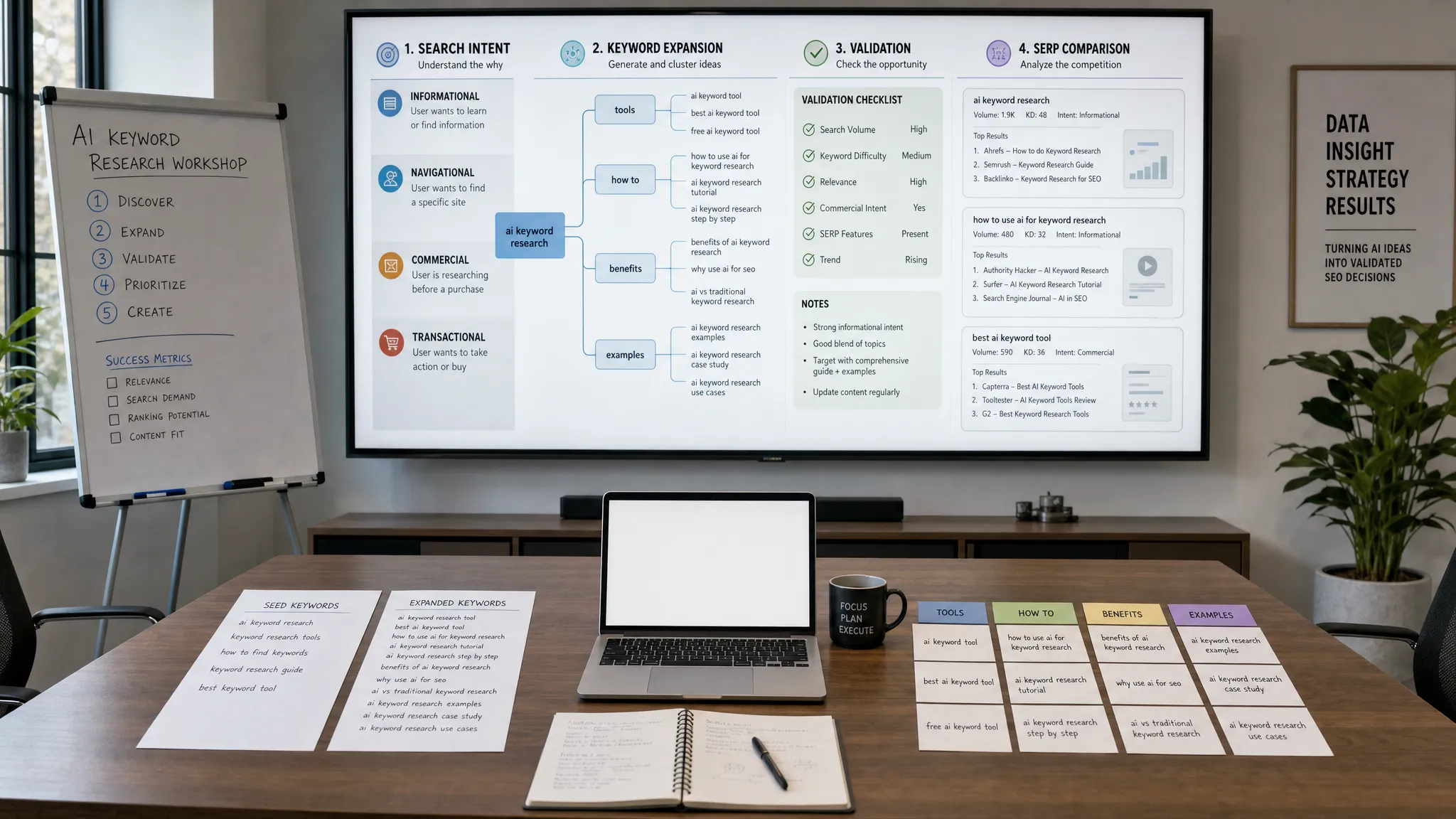
Use customer interviews, sales calls, support tickets, search queries, CRM notes, community discussions, and competitor reviews to sharpen your audience insight. AI tools can help summarize patterns, but the raw inputs should come from real customer language whenever possible.
Ask these questions before writing a single ad or landing page section:
When you know the audience at this level, your messaging becomes more precise and your creative testing becomes more meaningful.
The offer is the bridge between attention and action. If the offer does not match the audience’s level of intent, even strong creative will struggle.
A cold audience may not be ready to book a demo, request a quote, or buy immediately. They may respond better to a useful checklist, benchmark report, calculator, webinar, guide, or interactive tool. A warm audience that has visited product pages or compared vendors may be ready for a consultation, trial, audit, or limited-time incentive.
The right offer should feel like the logical next step, not a demand for too much commitment too early.
For example, a campaign targeting marketers who are just learning about AI in content operations might promote a practical guide or prompt library. A campaign targeting teams actively evaluating AI marketing platforms could promote a product walkthrough or decision checklist. Both offers can support growth, but they serve different levels of intent.
A common mistake is choosing channels because they are trending, familiar, or easy to activate. The better approach is to choose channels based on where your audience already spends attention and how they prefer to make decisions.
Search works well when demand already exists. If people are actively looking for solutions, comparison terms, templates, tools, or pricing information, search campaigns and SEO content can capture that intent. Paid social is useful for shaping demand, testing messaging, and reaching defined audiences before they search. Email is powerful for nurturing people who already know your brand. Retargeting helps reconnect with people who showed interest but did not convert.
A lean campaign channel mix might include:
You do not need to be everywhere. You need enough channel coverage to move the audience from first touch to next action without losing message consistency.
Your campaign message should answer three questions quickly: what problem do you solve, why does it matter now, and why should the audience believe you?
Many campaigns underperform because the message is clever but unclear. Audiences do not work hard to decode vague claims. They respond to specific benefits, relevant proof, and language that mirrors their actual priorities.
A practical message framework includes the audience, the pain point, the promise, and the proof. For example, a campaign for small marketing teams might focus on saving time, scaling content output, and reducing manual planning. The proof could come from examples, product capabilities, customer stories, or a clear explanation of the workflow.
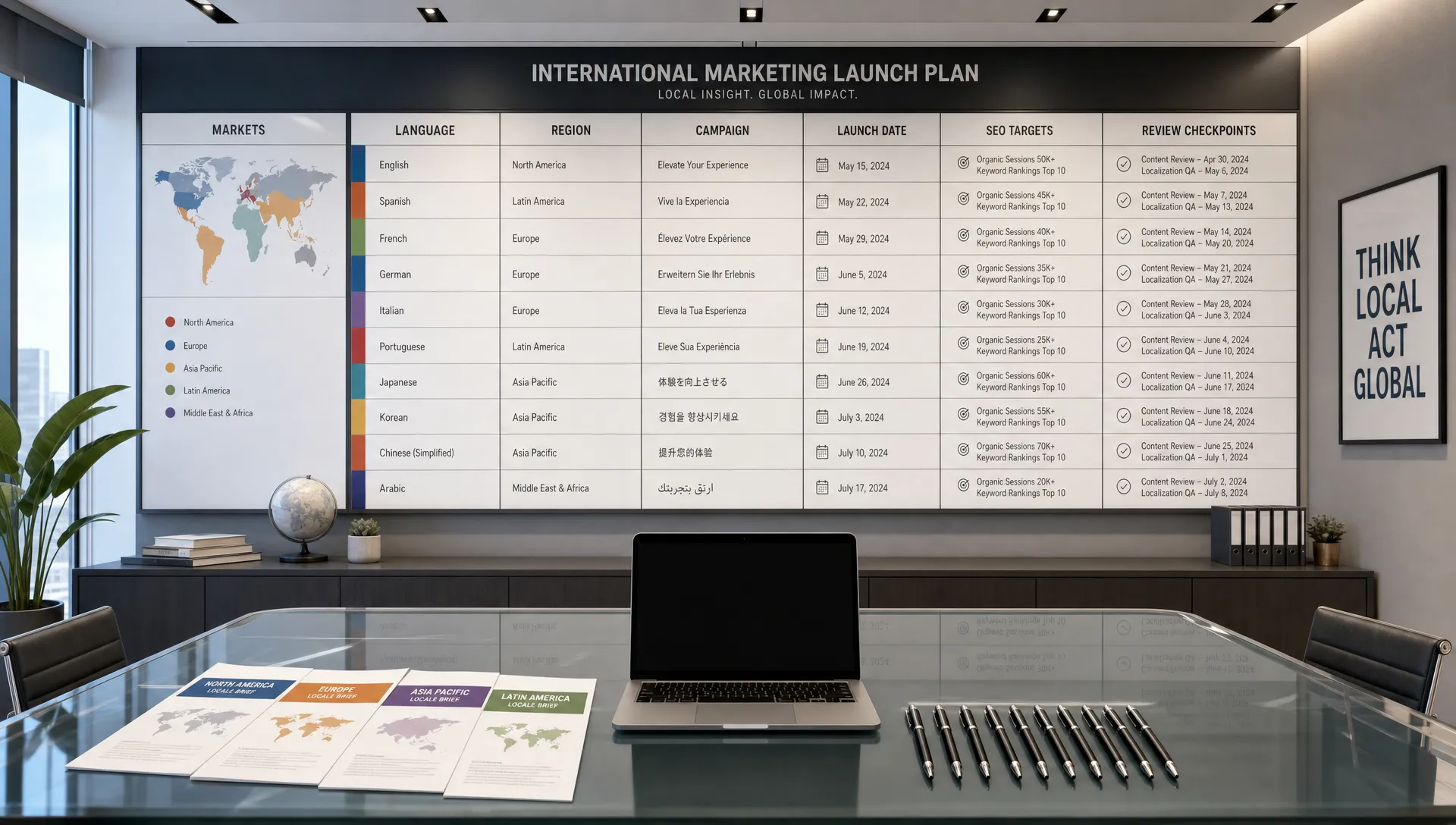
Once you have the core message, adapt it by channel. A search ad may need direct intent-based copy. A LinkedIn post may need a sharper point of view. A landing page may need more detail, proof, and objection handling. The message should stay consistent, but the format should match the channel.
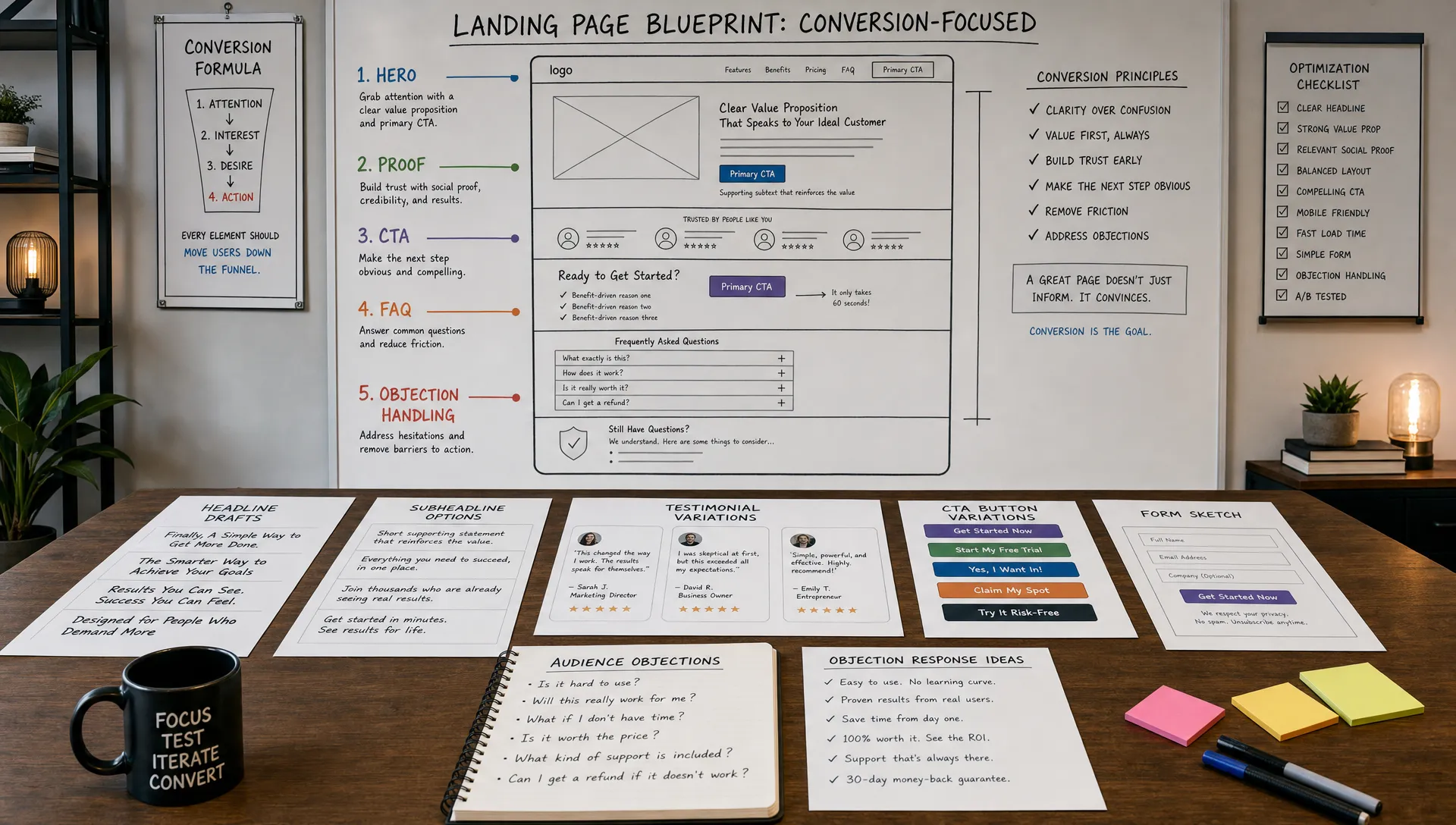
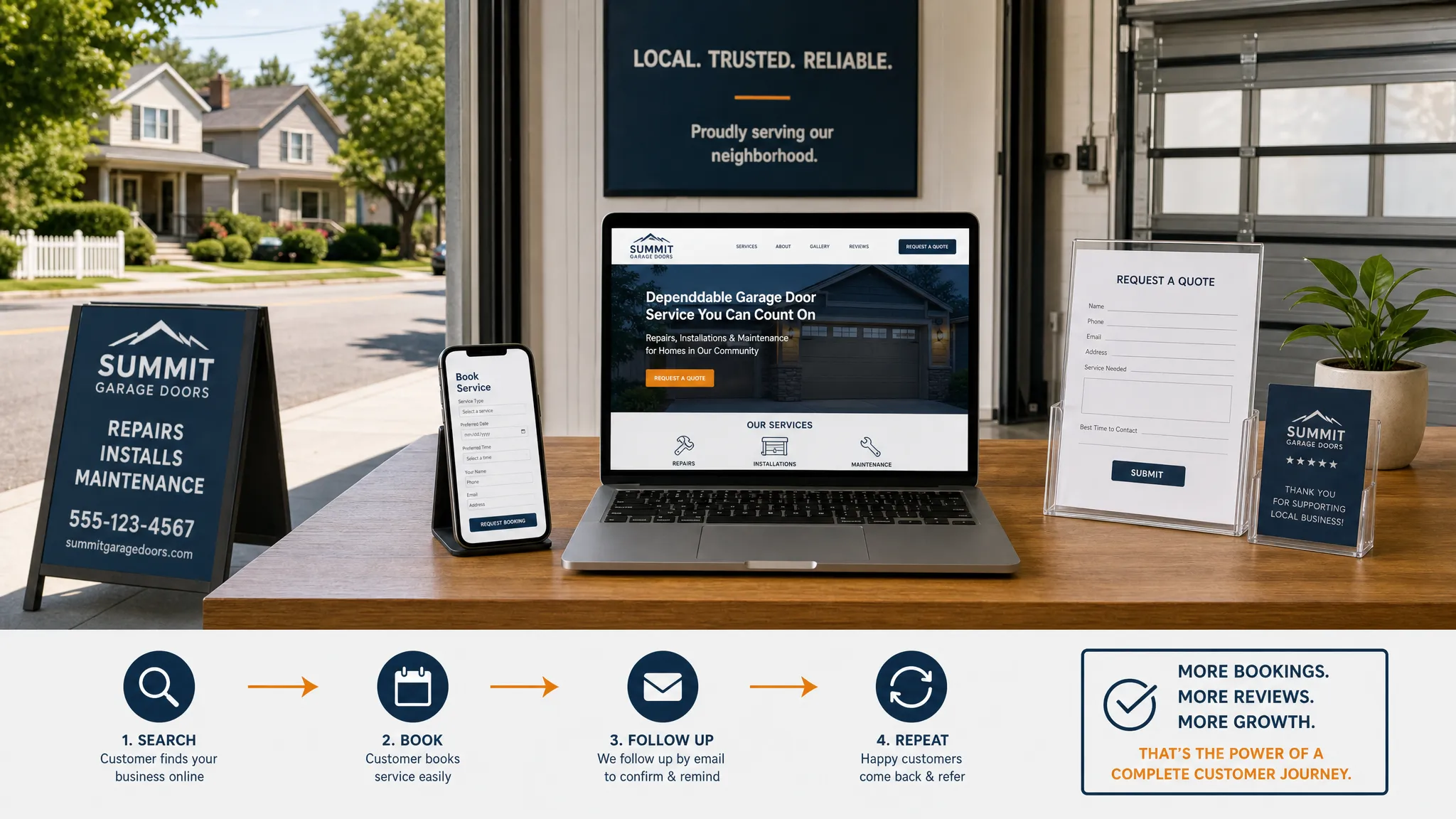
The landing page is where campaign interest turns into measurable action. It should not feel like a generic website page. It should continue the same promise that brought the visitor there.
If your ad promotes a guide for marketing leaders, the landing page should lead with that guide, not a broad company overview. If your email promises a calculator, the page should make the calculator easy to access. If your paid search ad speaks to a specific industry pain point, the landing page should reflect that same industry context.
A strong landing page usually includes a clear headline, concise supporting copy, one primary call to action, proof points, objection handling, and a friction-light form or conversion path. It should load quickly, work smoothly on mobile, and make the next step obvious.
Avoid adding too many competing links. Navigation, secondary offers, and unrelated content can distract from the campaign goal. If the campaign is designed to generate demo requests, the page should make requesting a demo the most natural action.
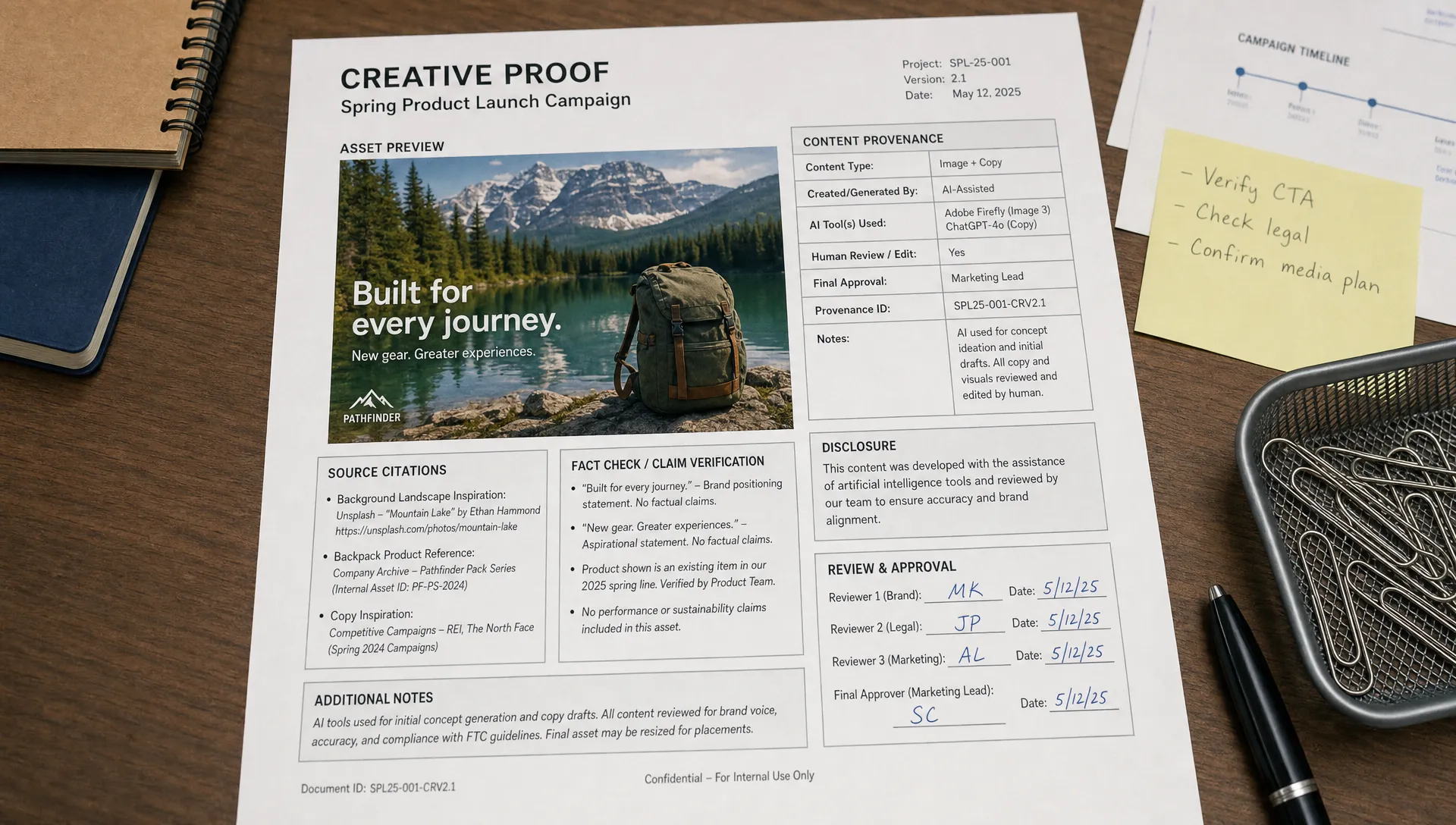
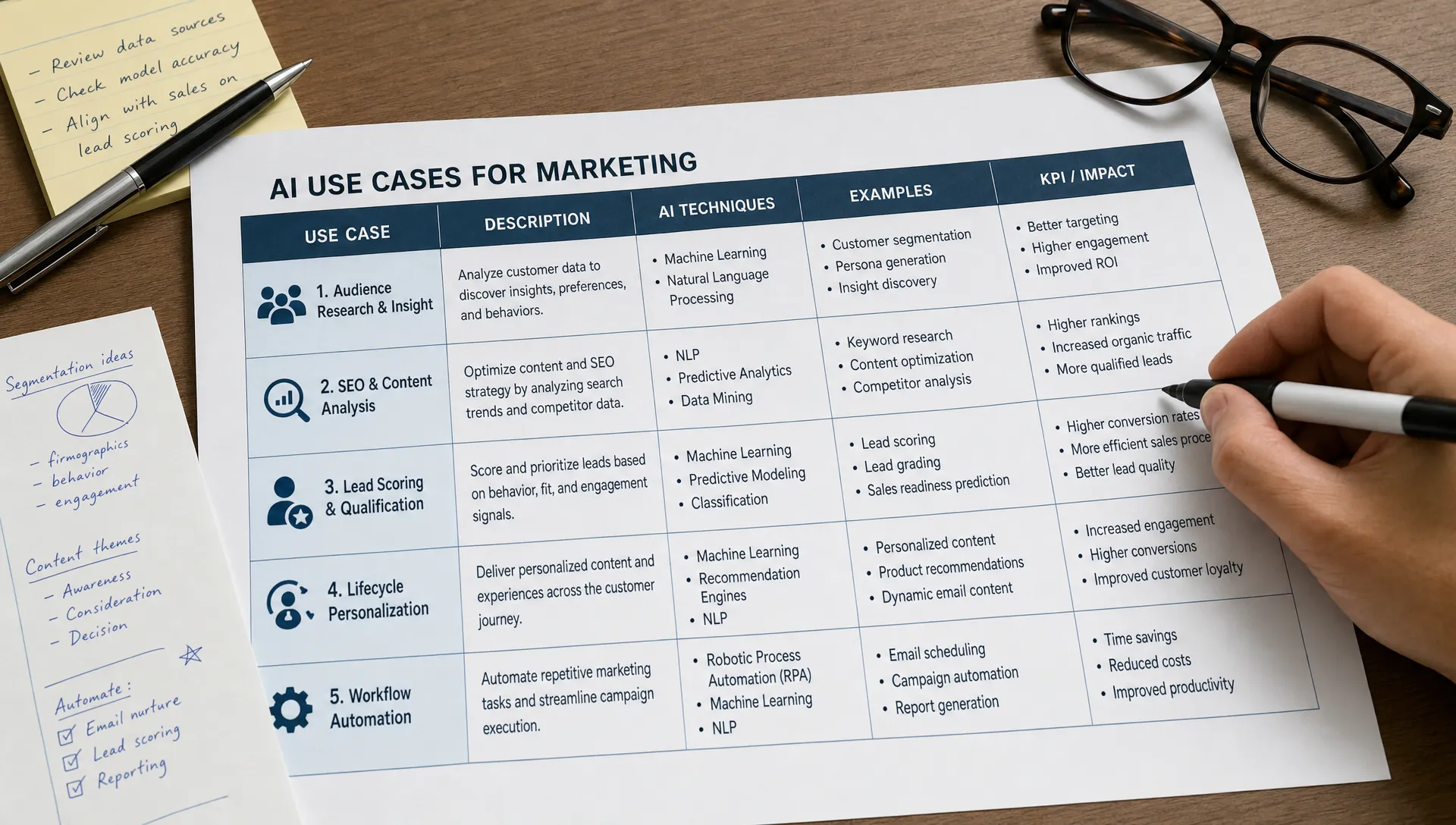
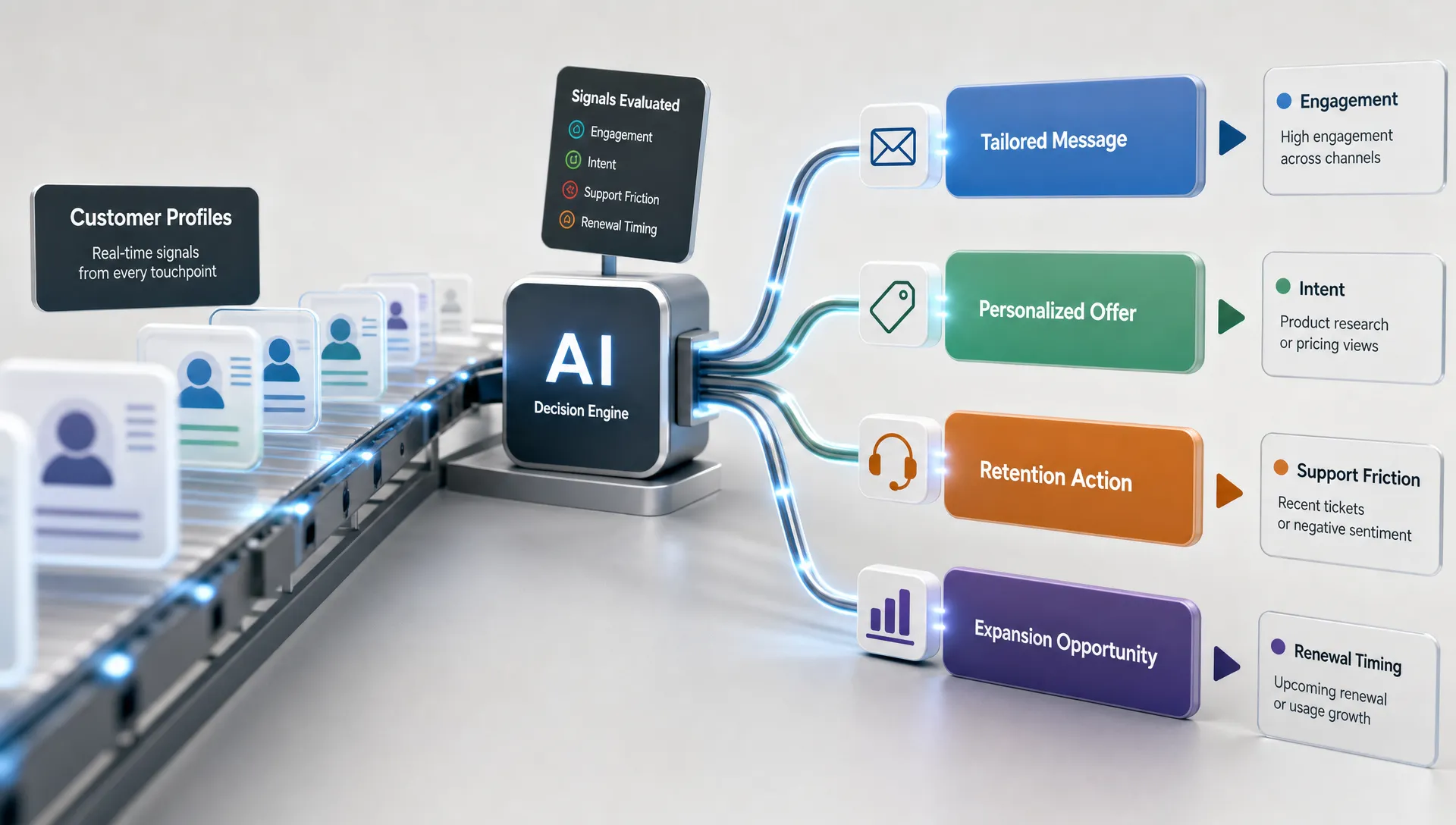
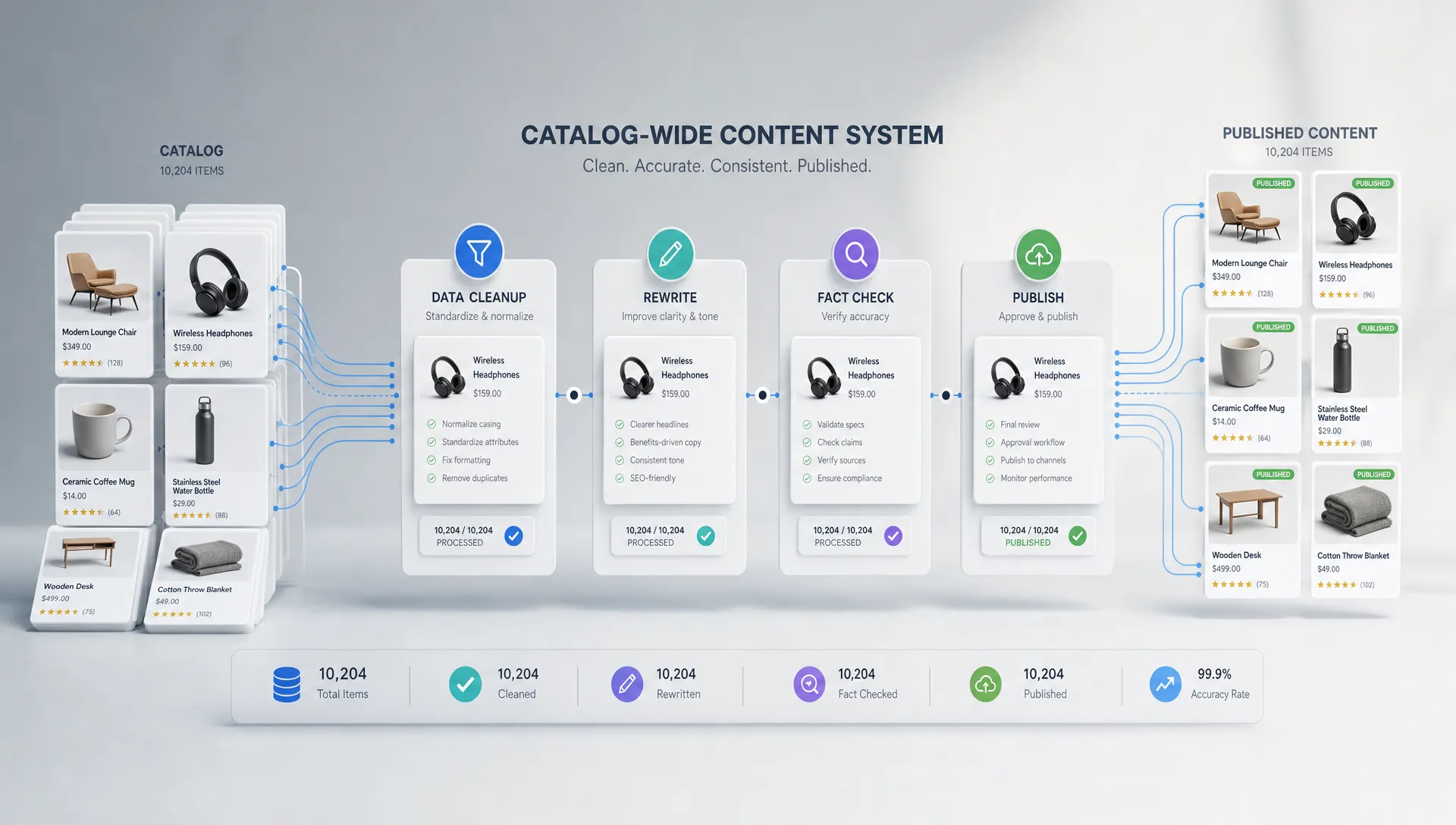
AI can help marketers launch faster, but it works best when it supports a clear strategy. Use AI to generate first drafts, adapt copy for different channels, summarize research, create content variations, cluster audience insights, and turn campaign briefs into production checklists.
The risk is using AI to create more assets before the campaign direction is settled. More copy does not fix a weak offer. More ad variations do not fix unclear positioning. More automation does not fix missing measurement.
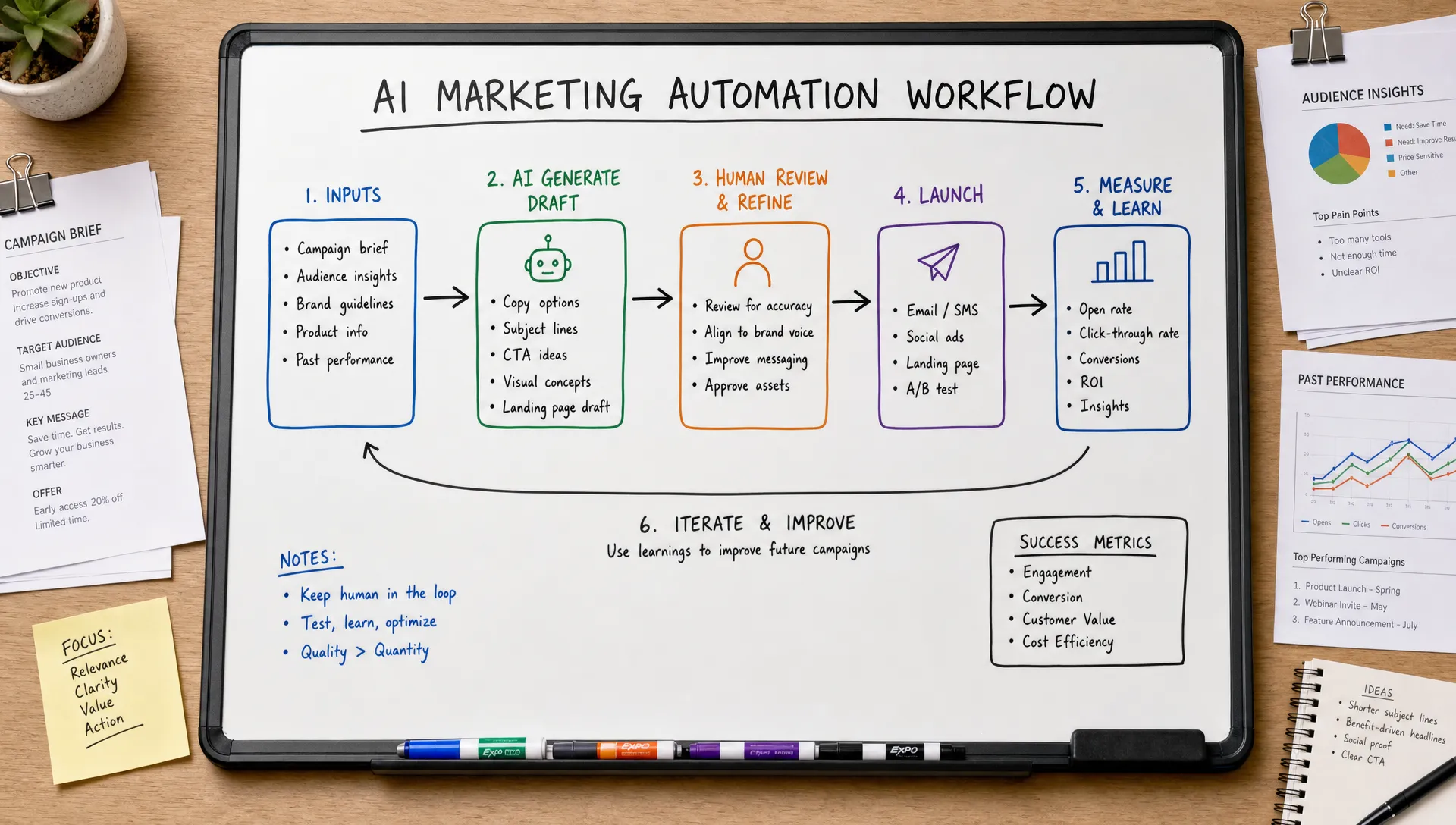
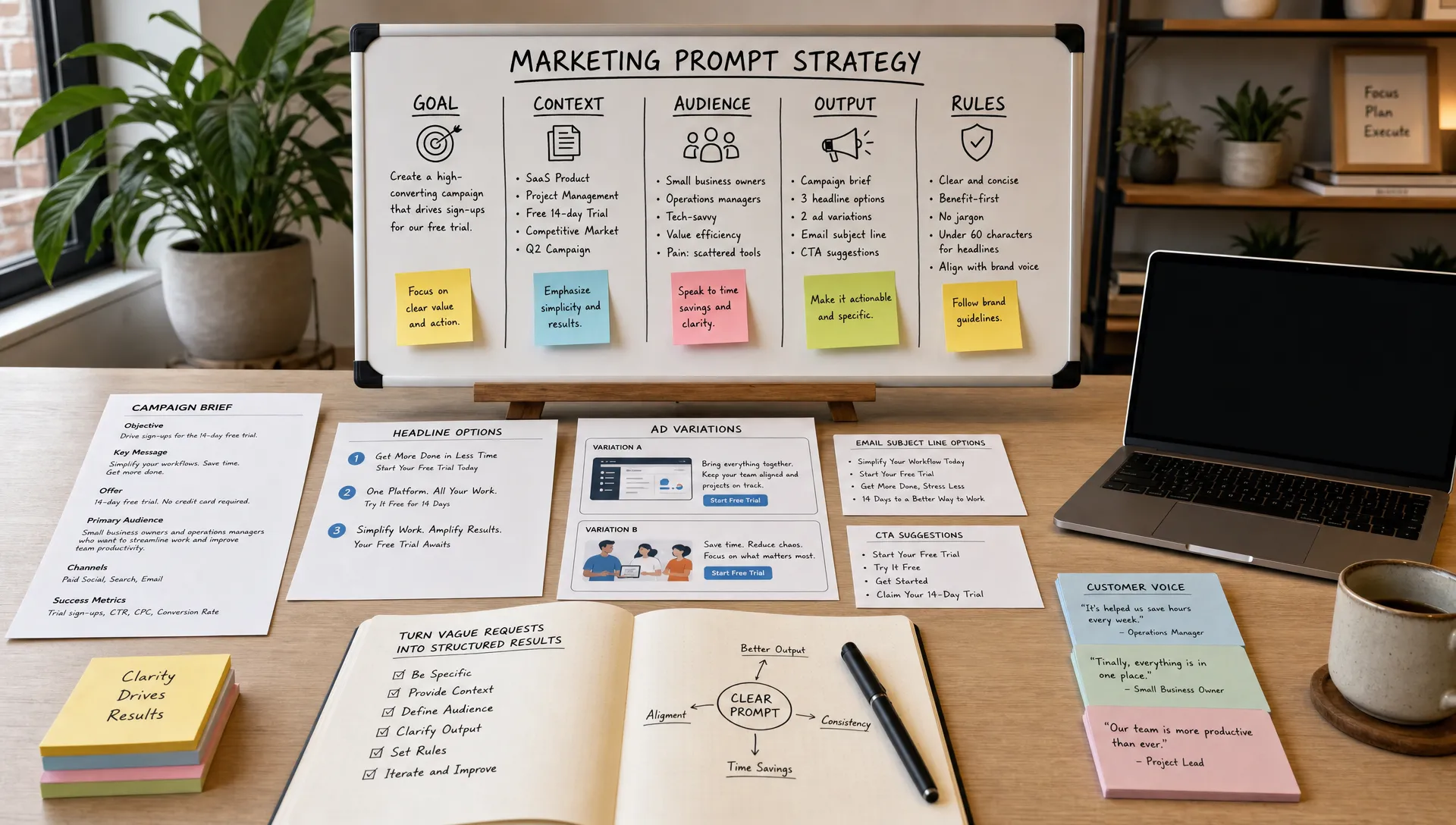
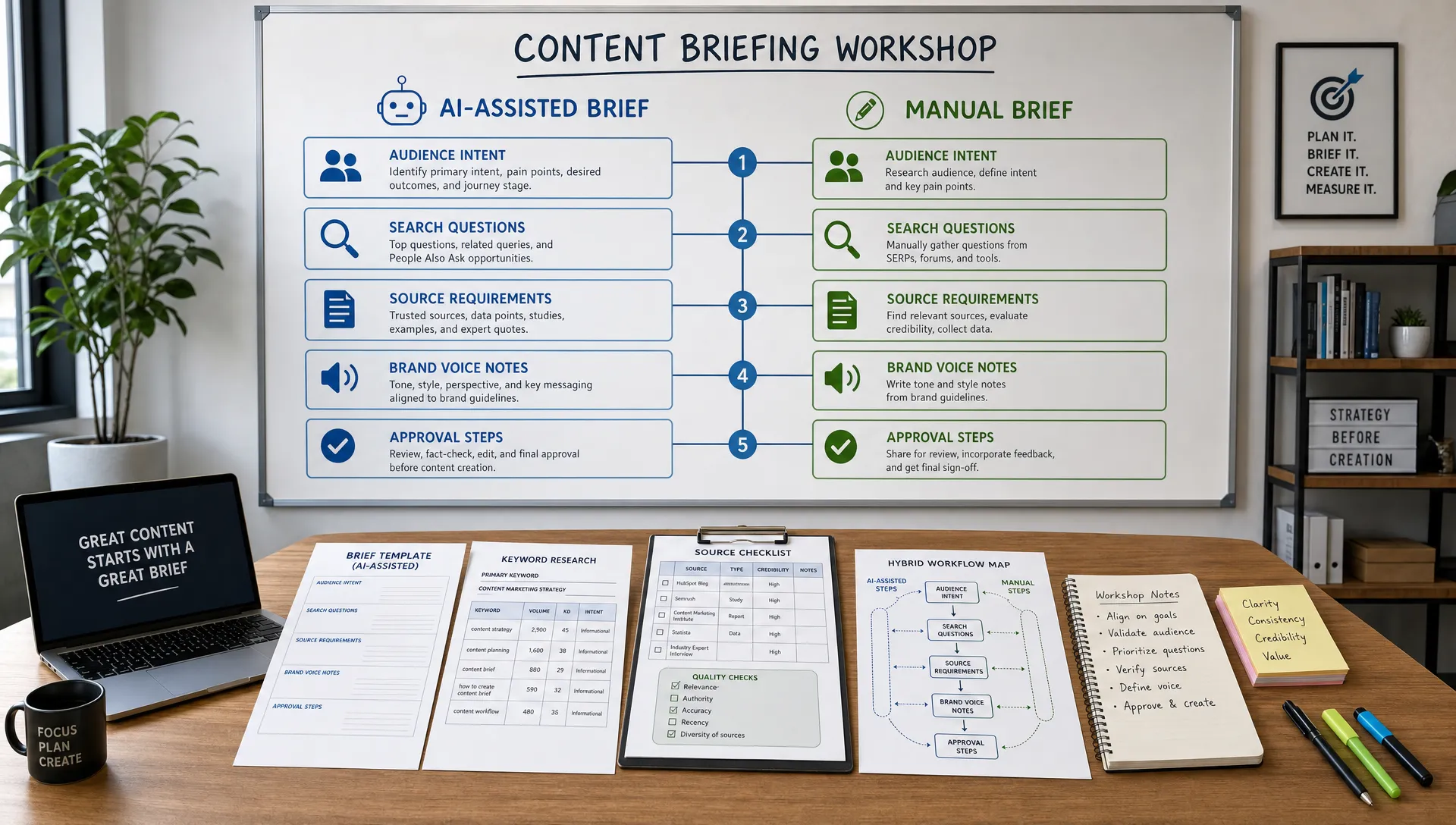
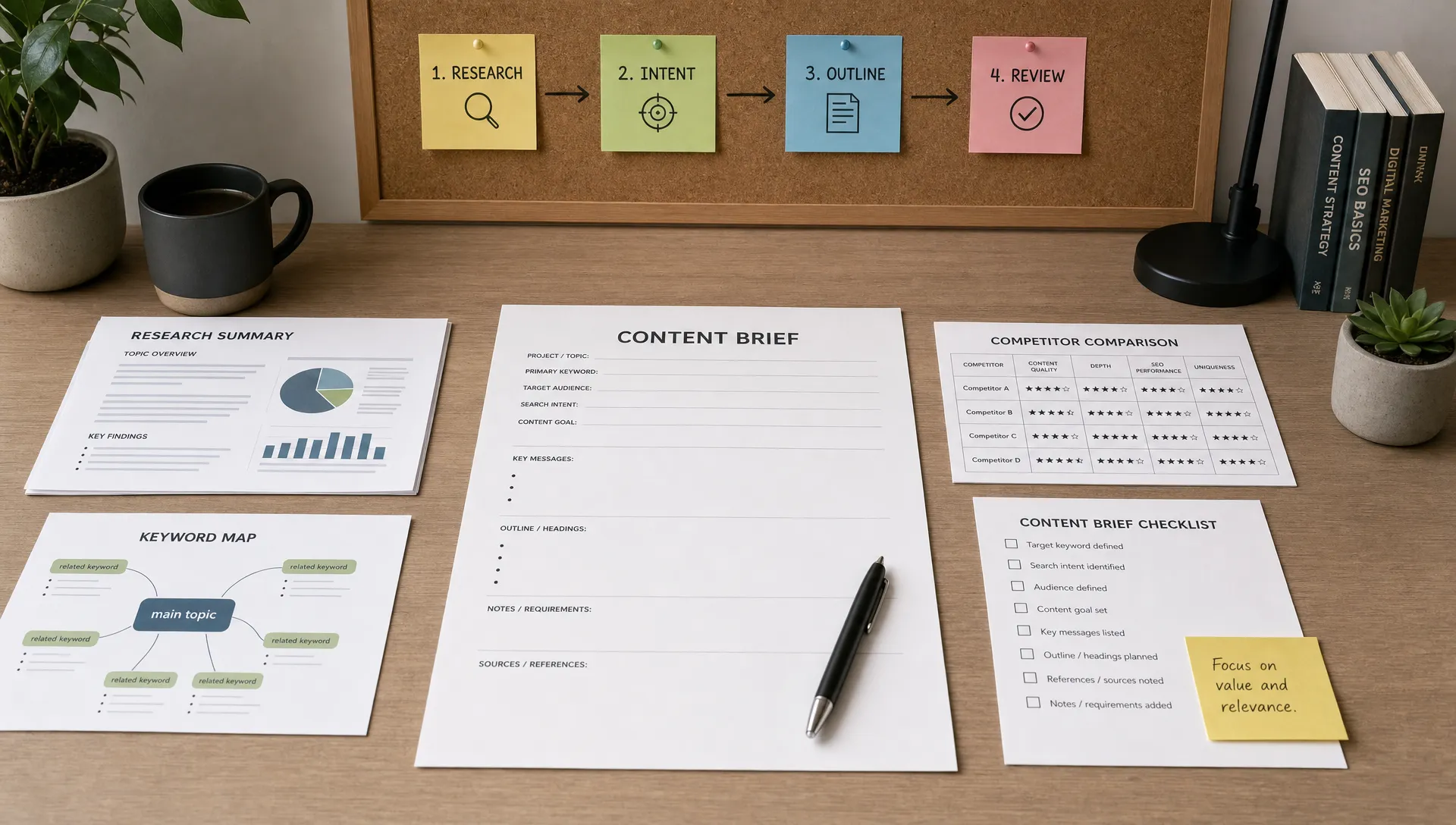
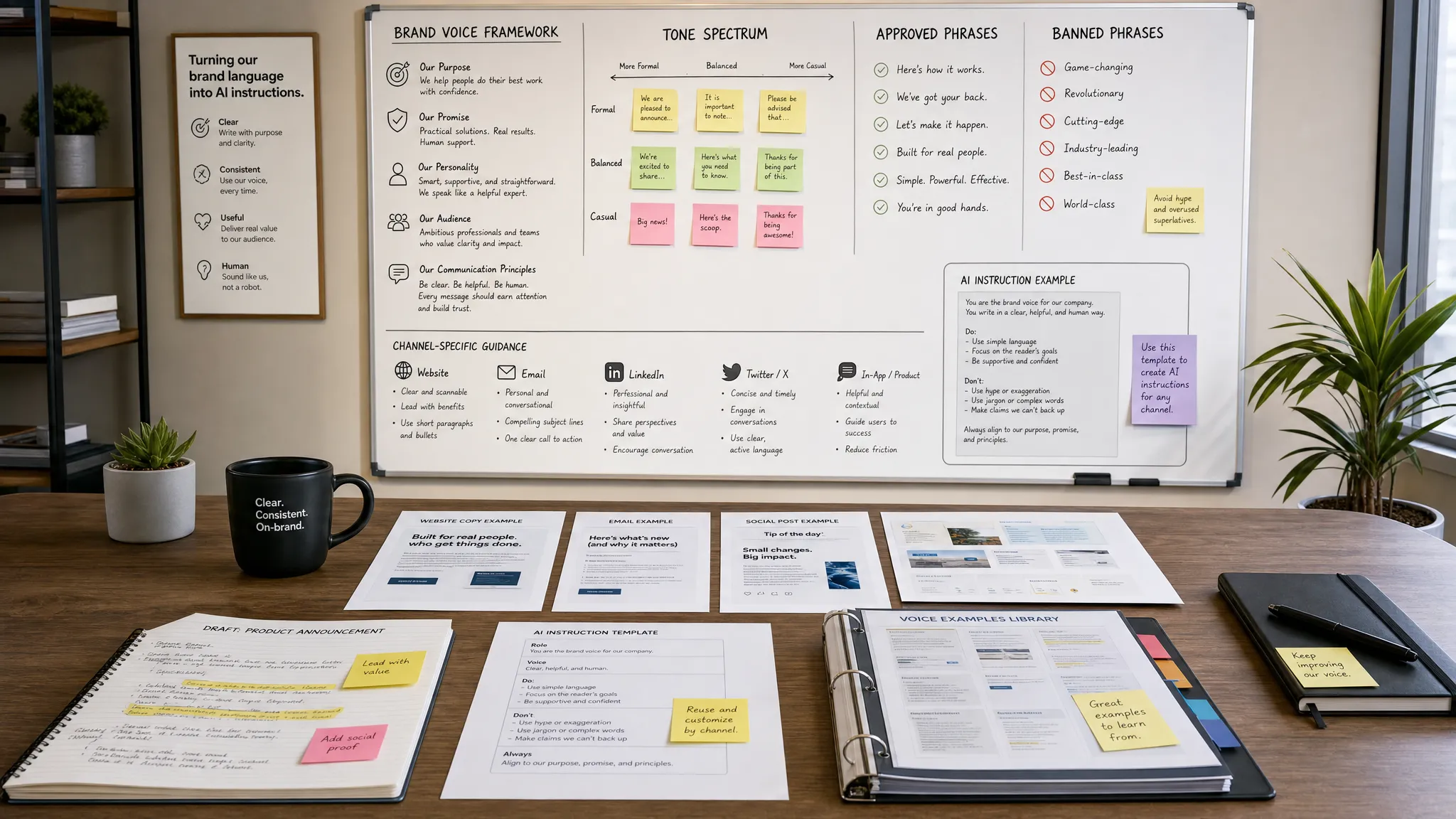
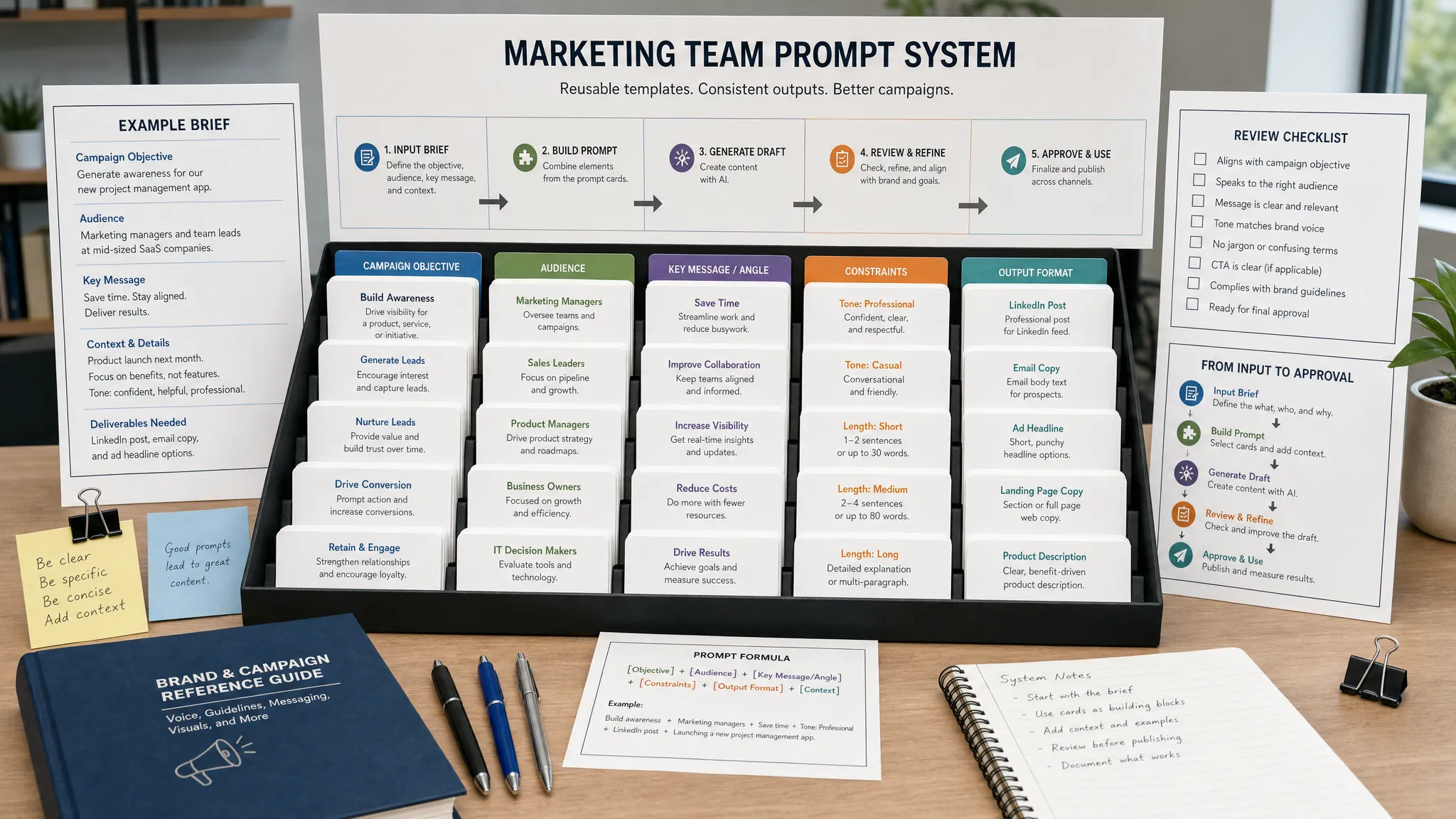
A better AI workflow starts with the campaign brief. Feed your audience insight, goal, offer, tone, objections, and proof points into your content generation process. Then use human review to sharpen claims, remove generic language, and ensure the final creative matches your brand.
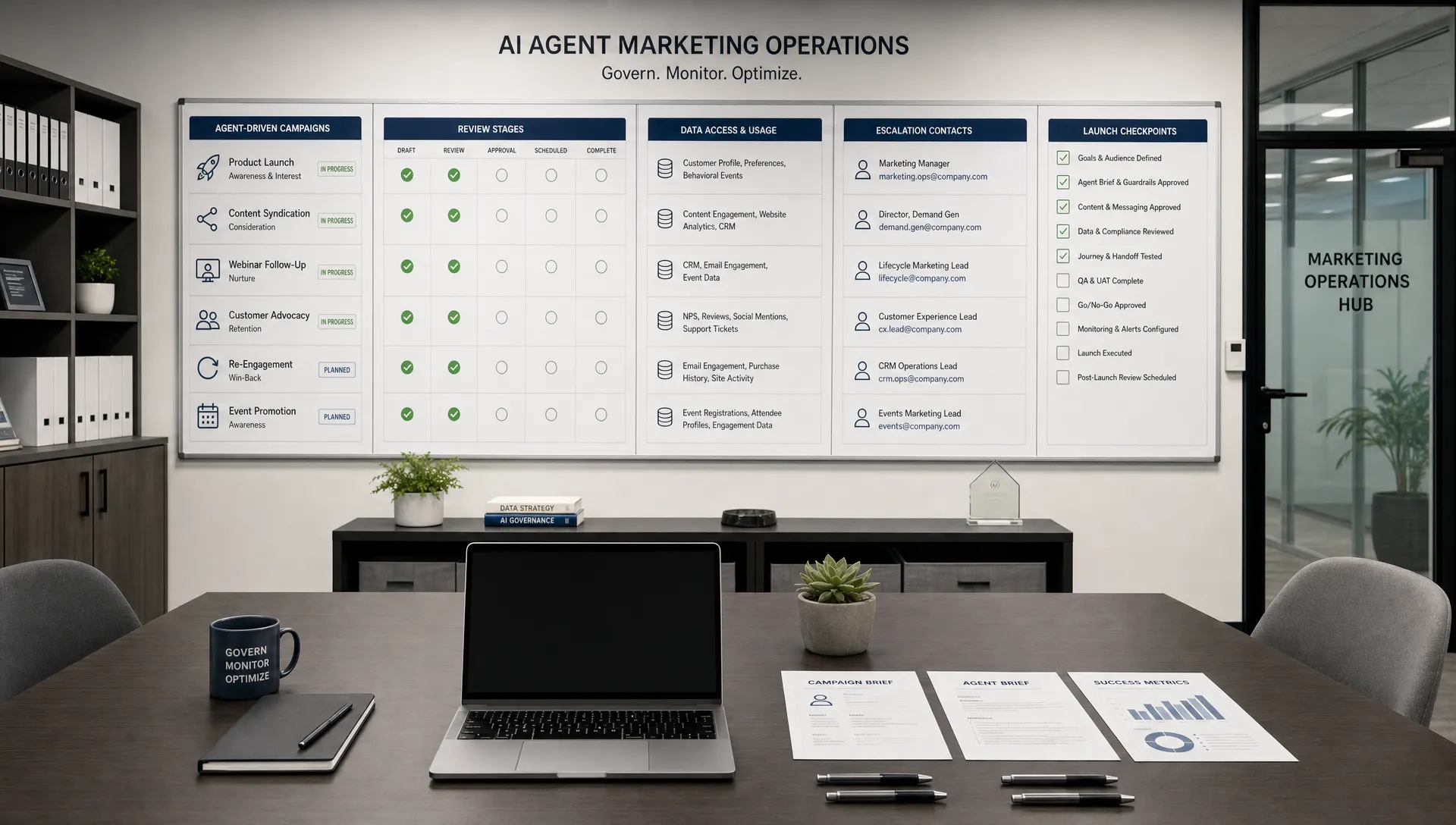
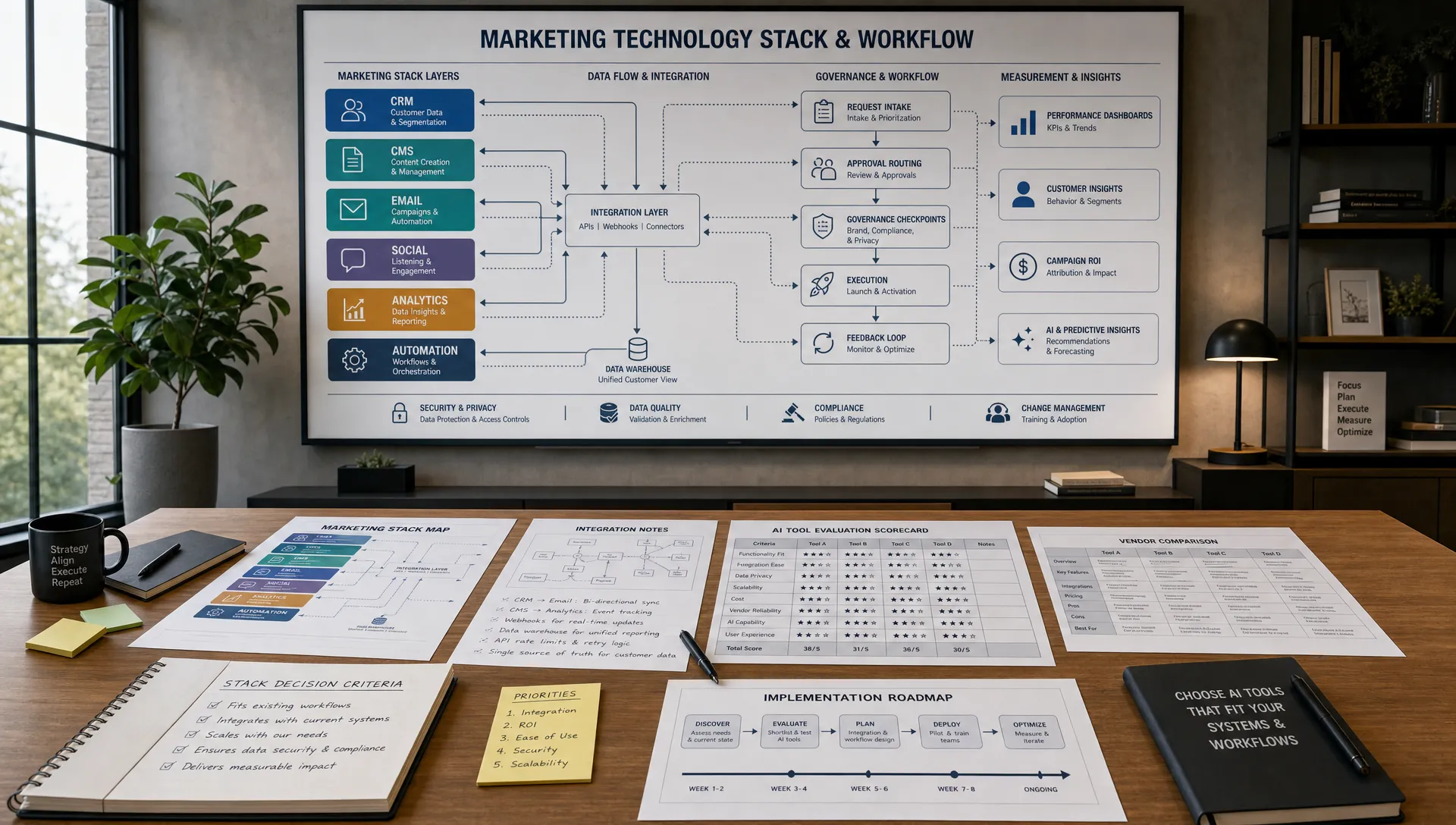
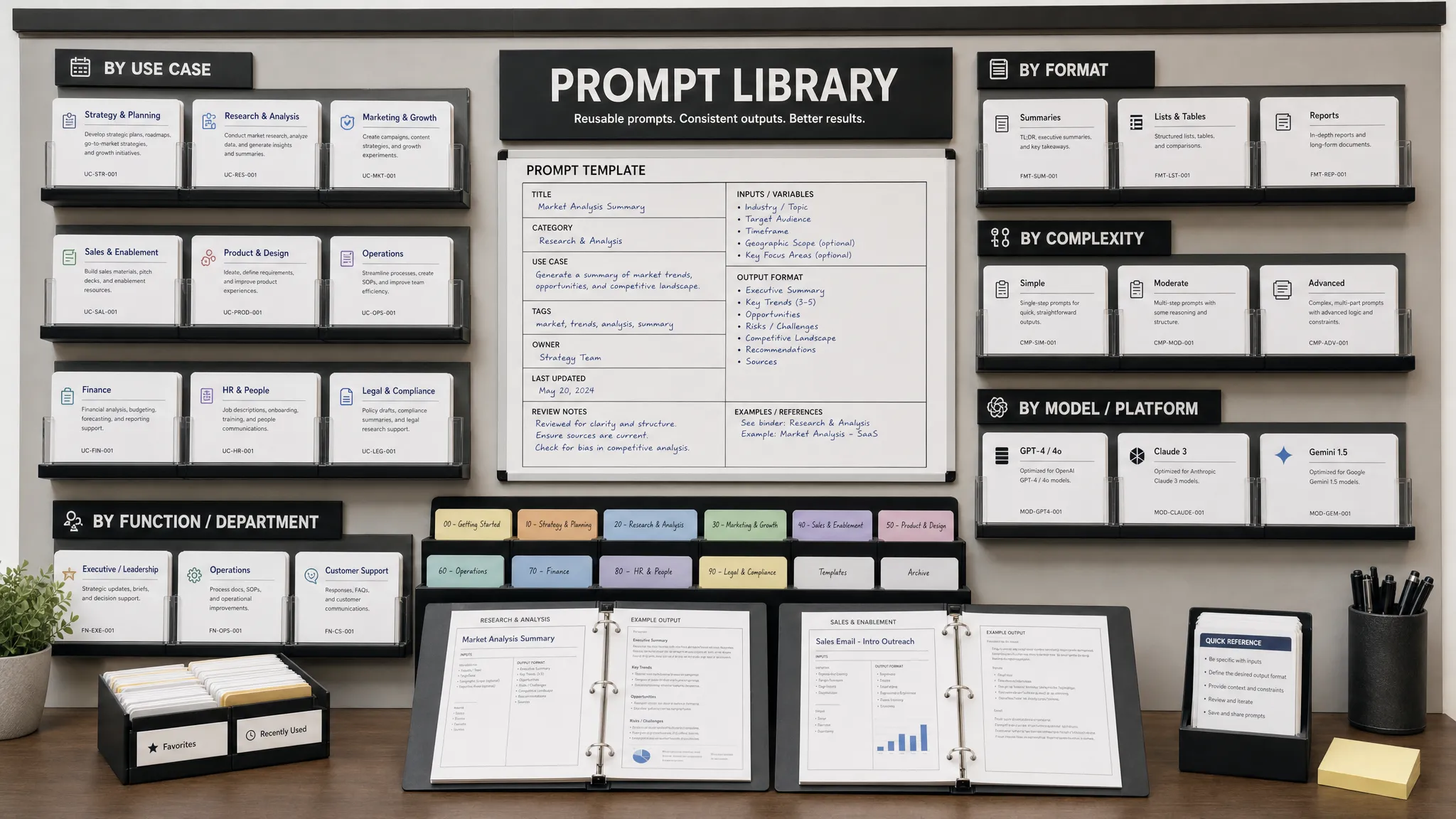
For teams operating across content, ads, product marketing, and operations, a shared AI agent for teams can help standardize prompt-driven workflows, permissions, and approval steps so AI supports production without scattering context across individual accounts.
AIMarketer Hub can also support this kind of workflow with AI content generation, a prompt library for marketers, SEO tools, performance analytics, and industry-specific guides that help teams move from idea to execution faster.
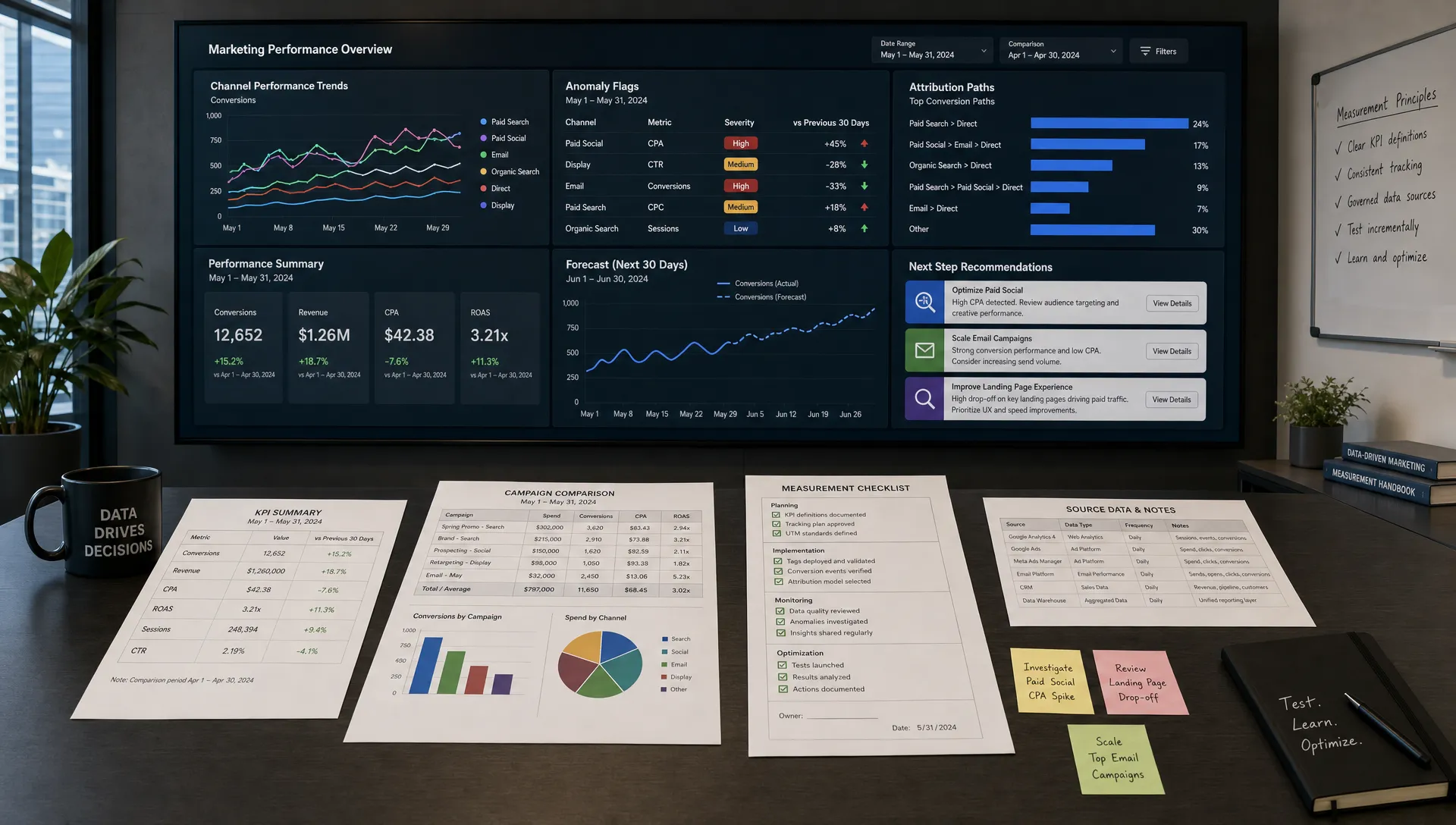
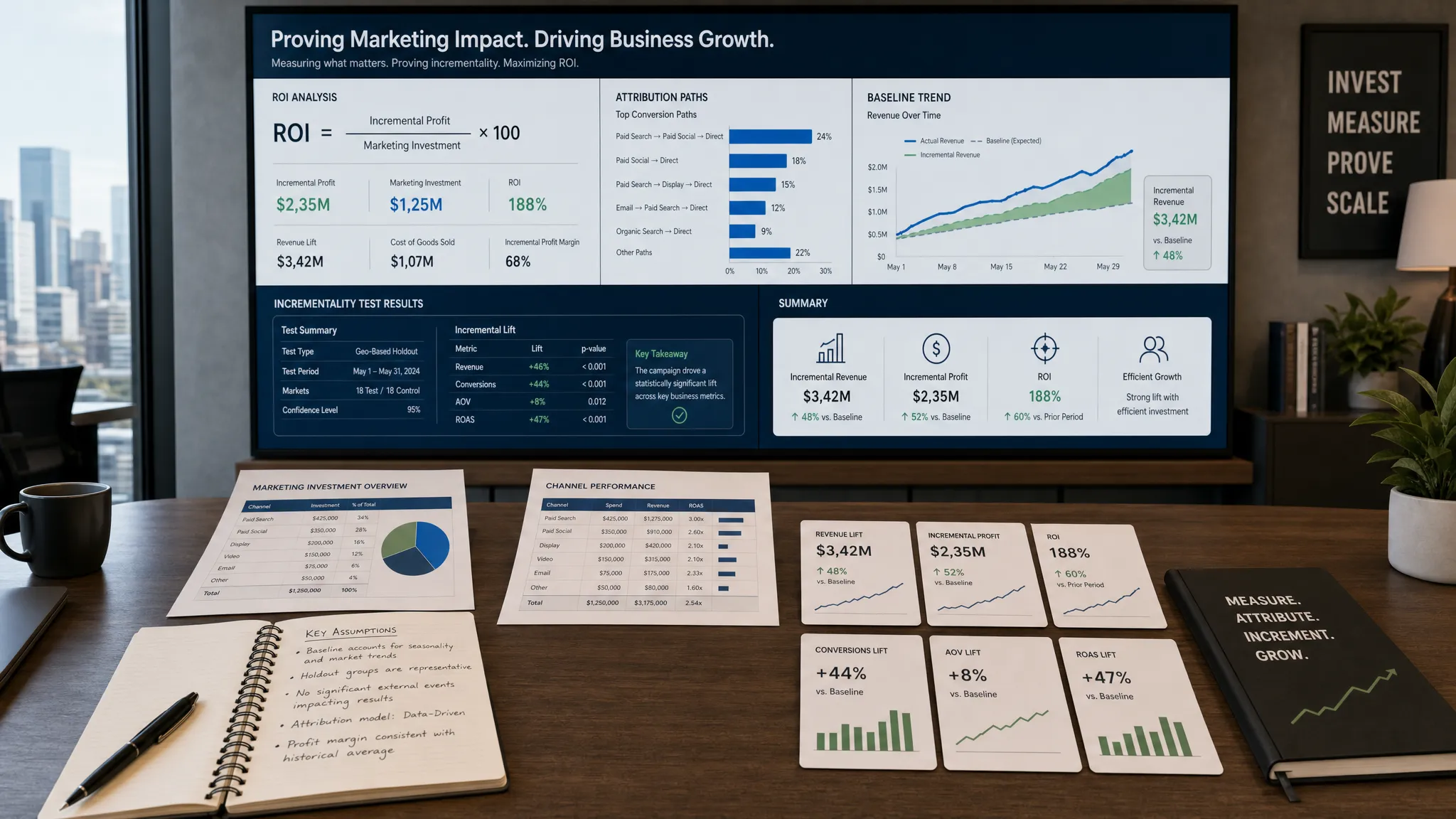
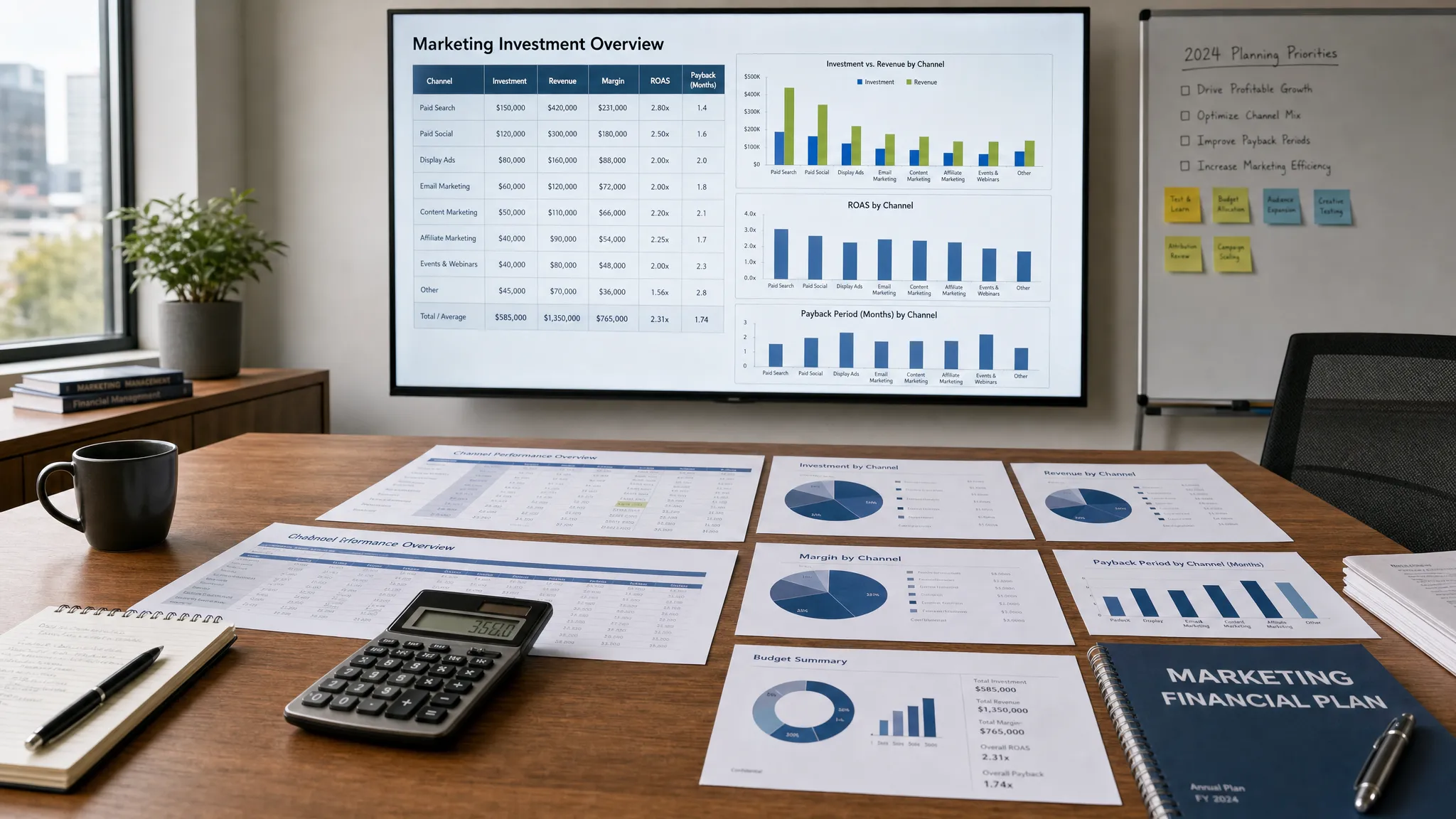
Tracking is not a post-launch task. If measurement is incomplete, you will spend the campaign guessing.
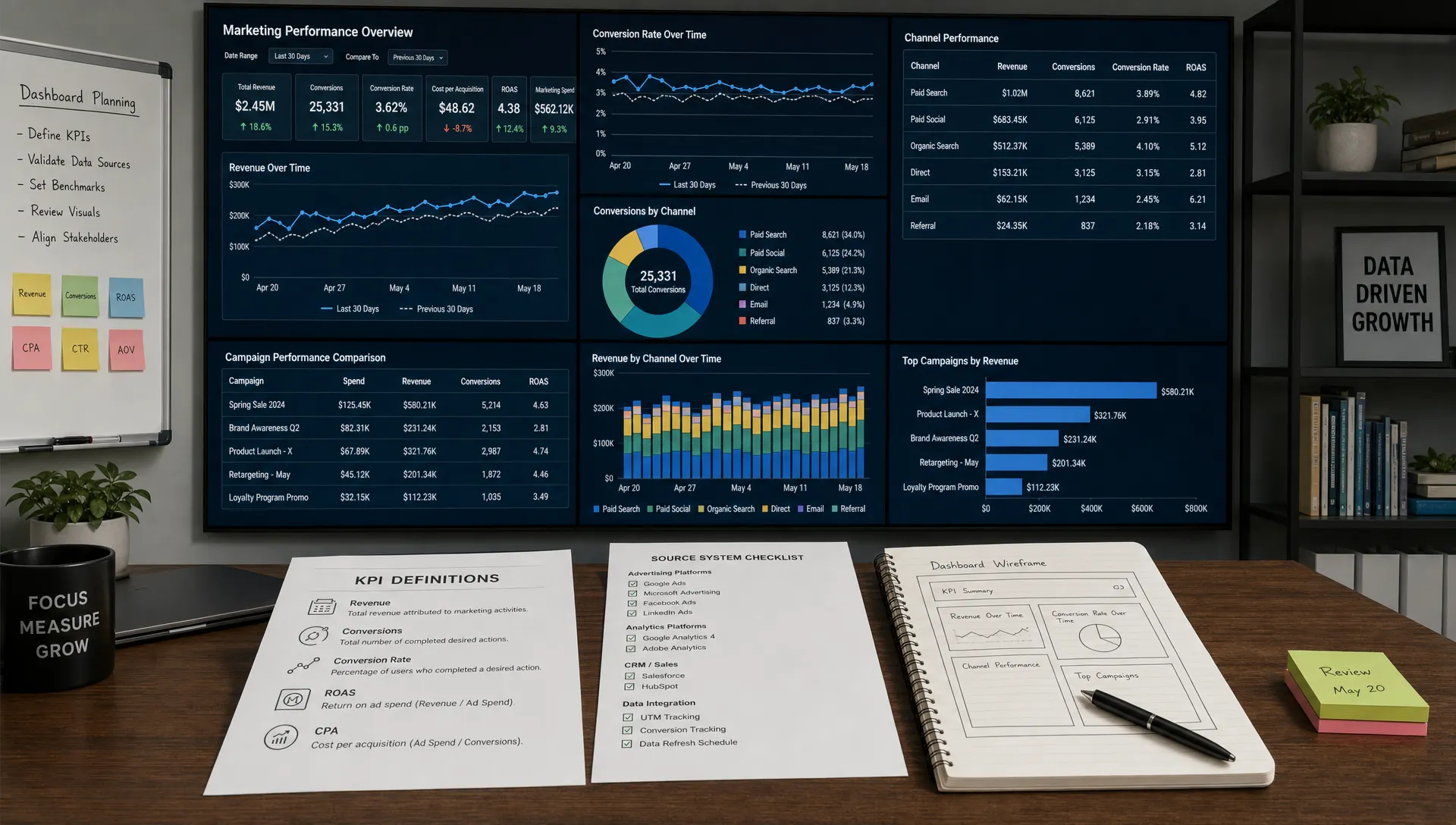
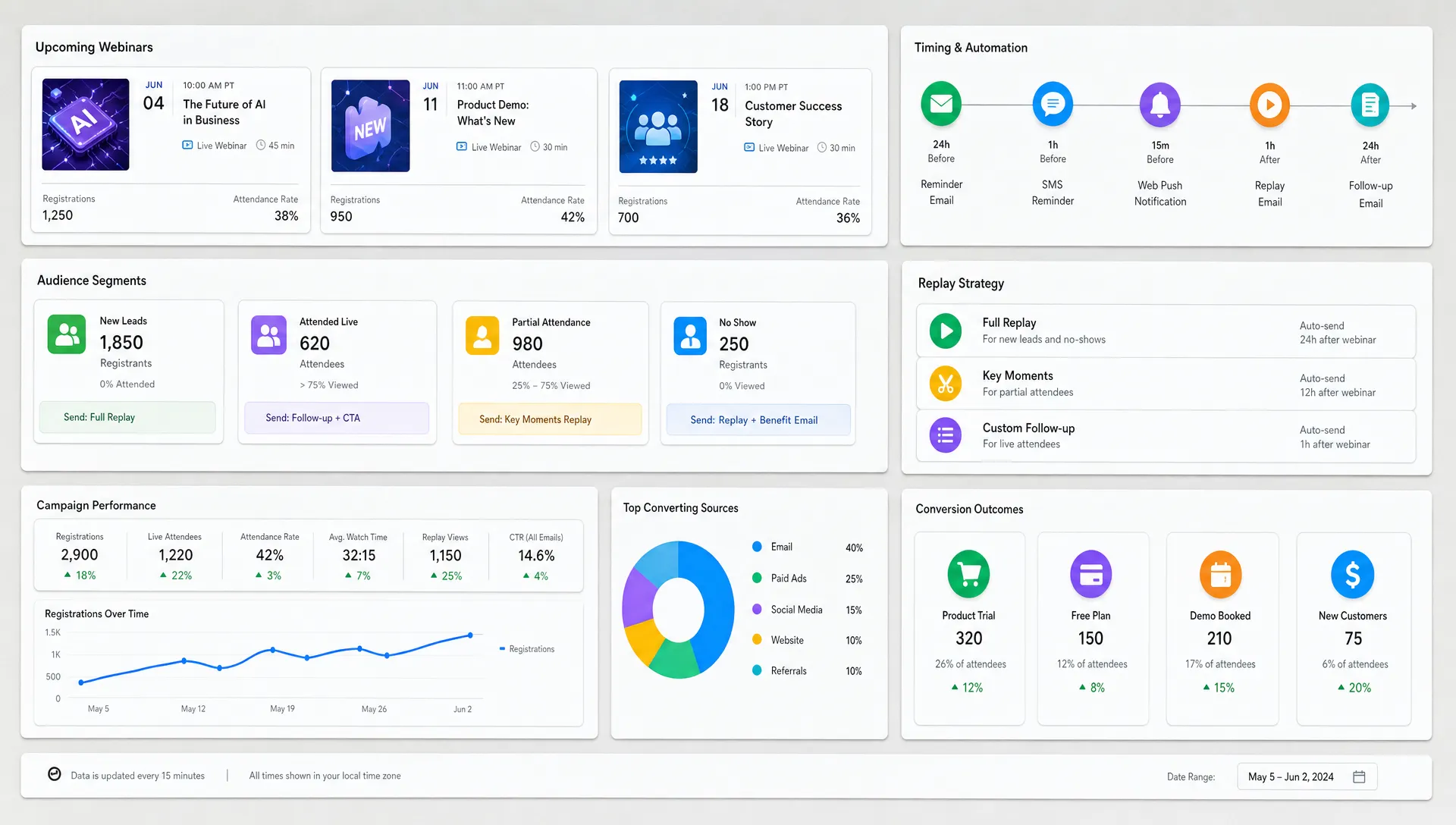
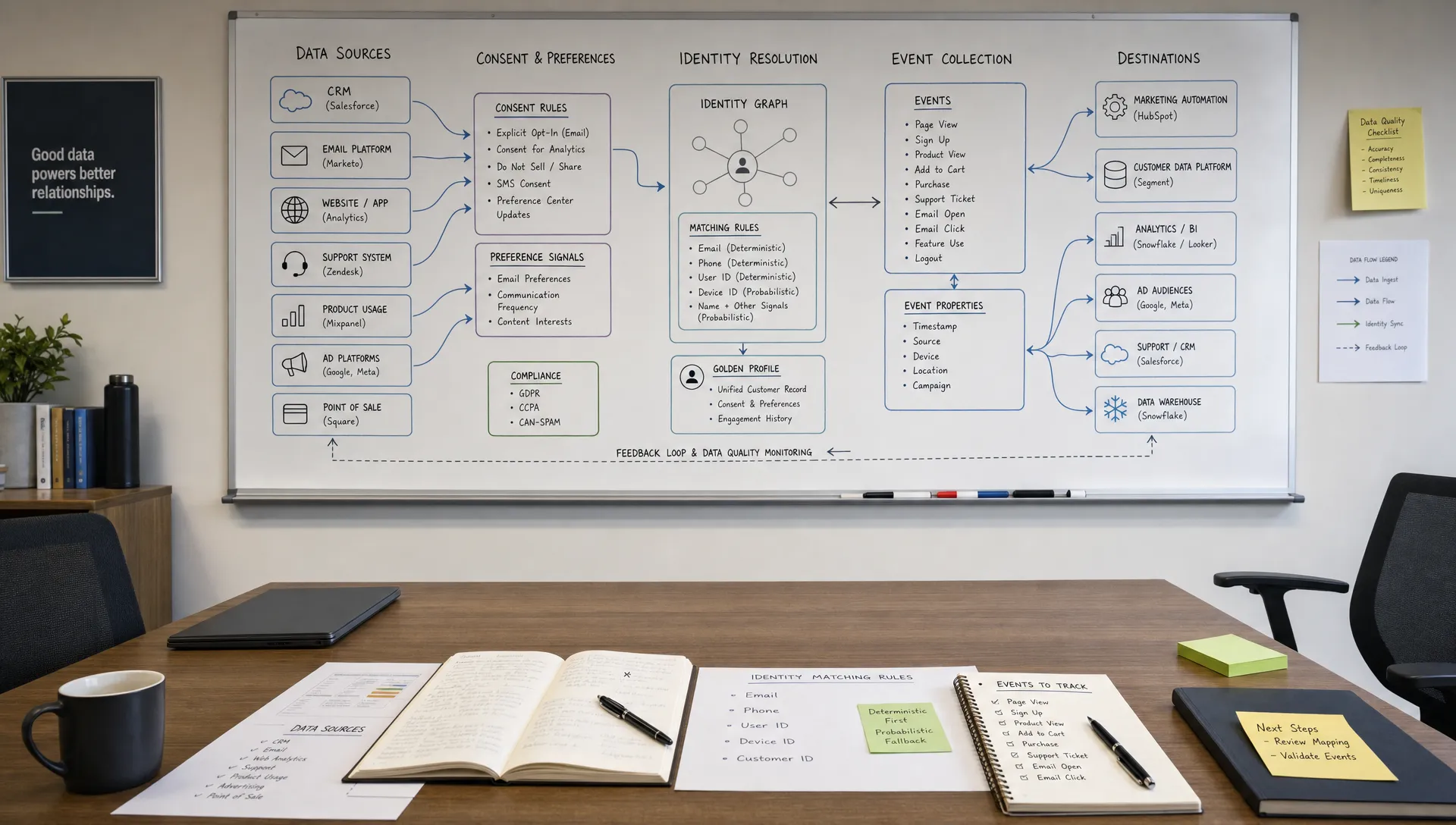
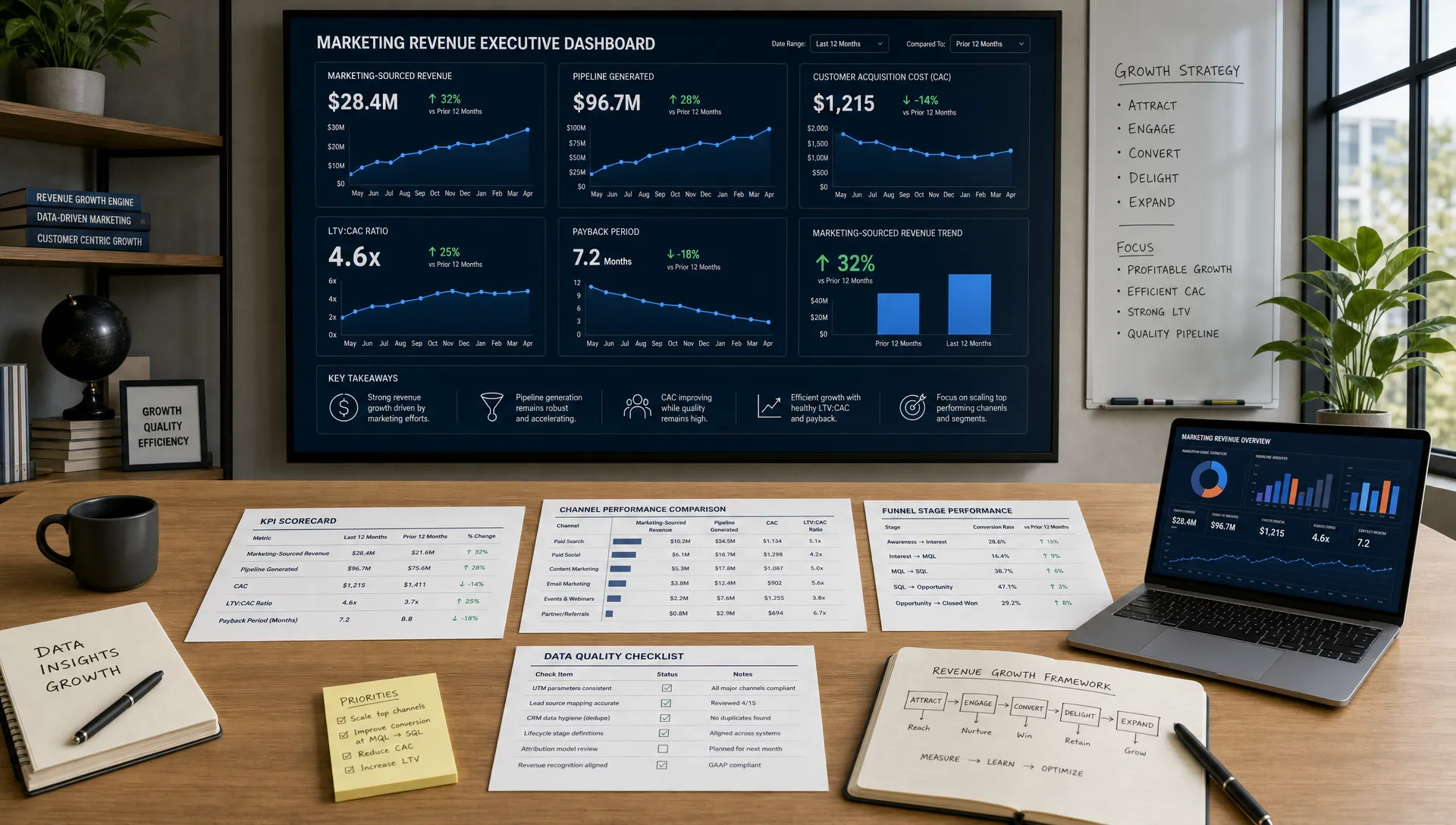
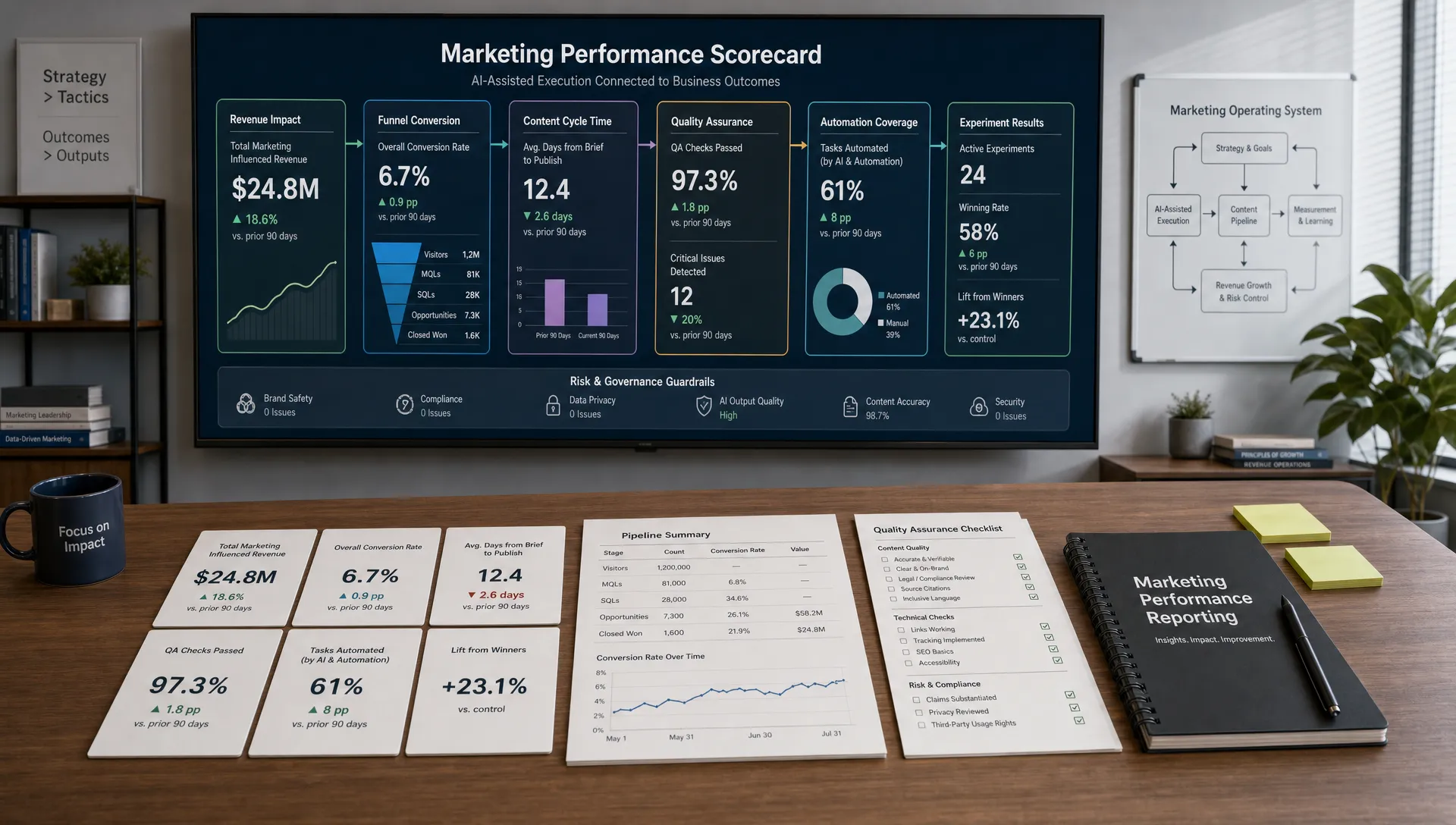
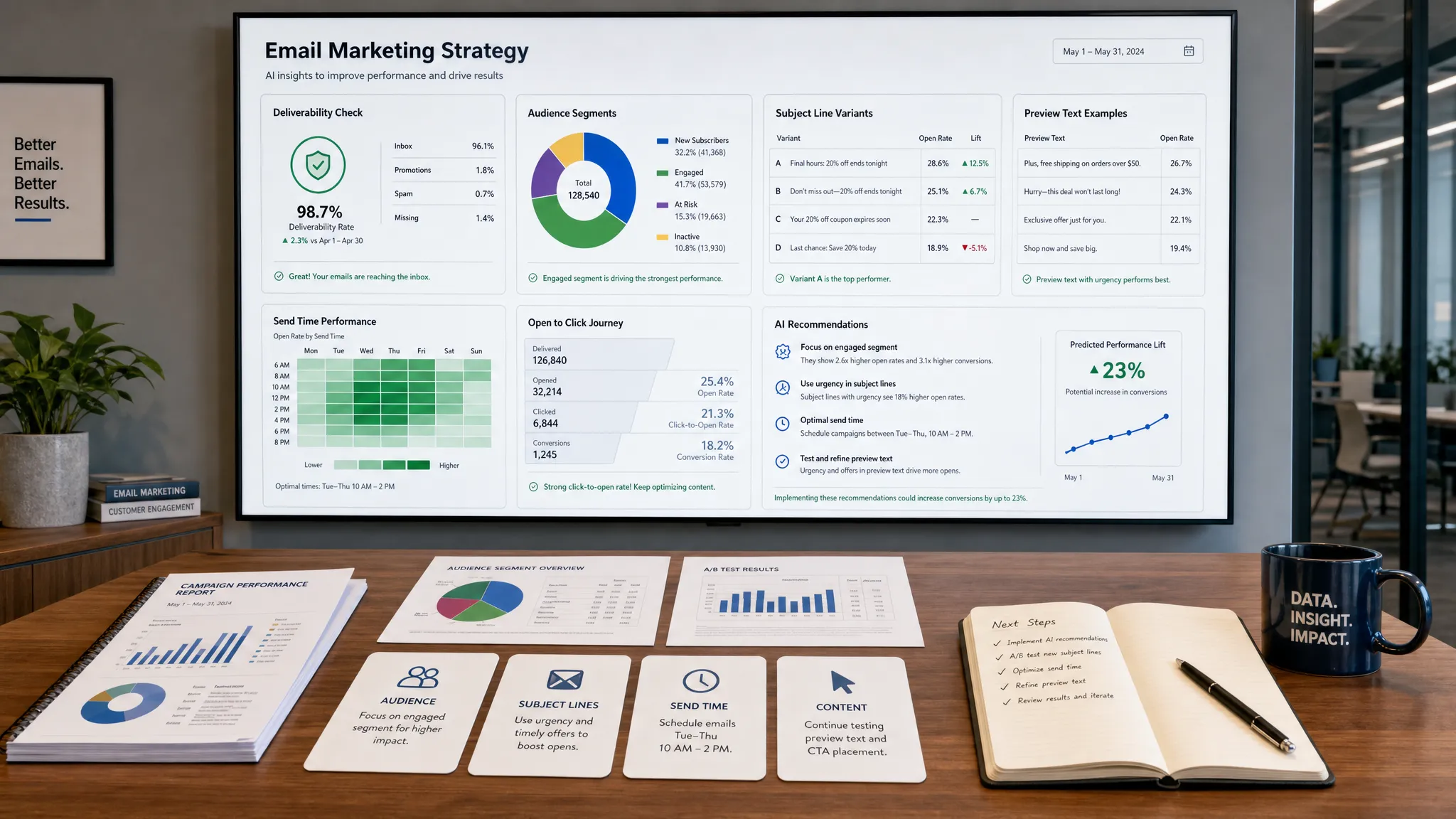
At minimum, your campaign should have consistent UTM parameters, conversion events, audience definitions, channel naming rules, and a reporting view that connects spend, traffic, and outcomes. If your sales cycle extends beyond a single session, make sure your CRM or lead management process can identify campaign-sourced leads and track quality over time.
Your measurement plan should define:
Do not rely on platform dashboards alone. Ad platforms often optimize toward their own view of performance. Your business needs a broader view that includes lead quality, revenue potential, customer fit, and downstream outcomes.
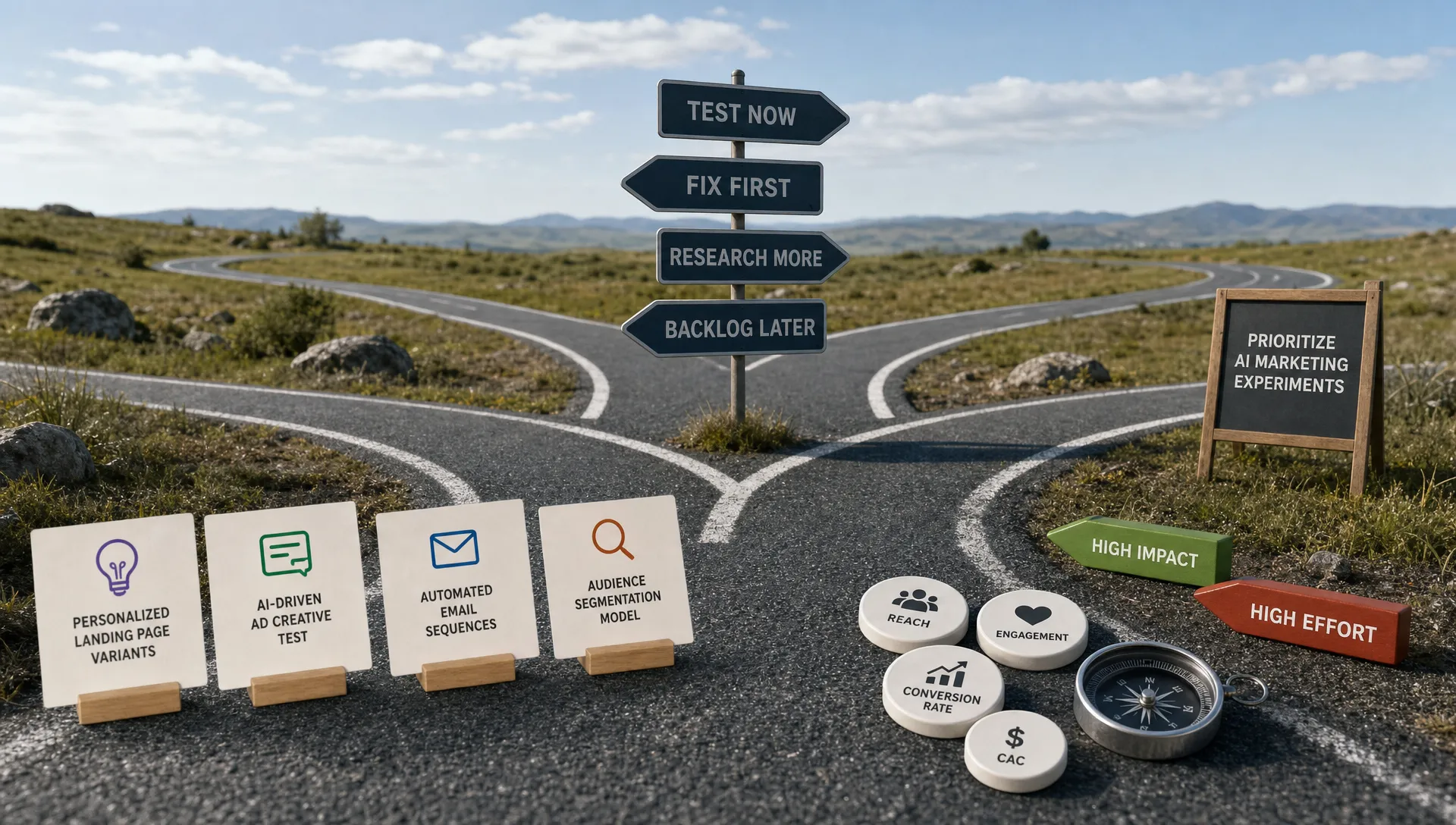
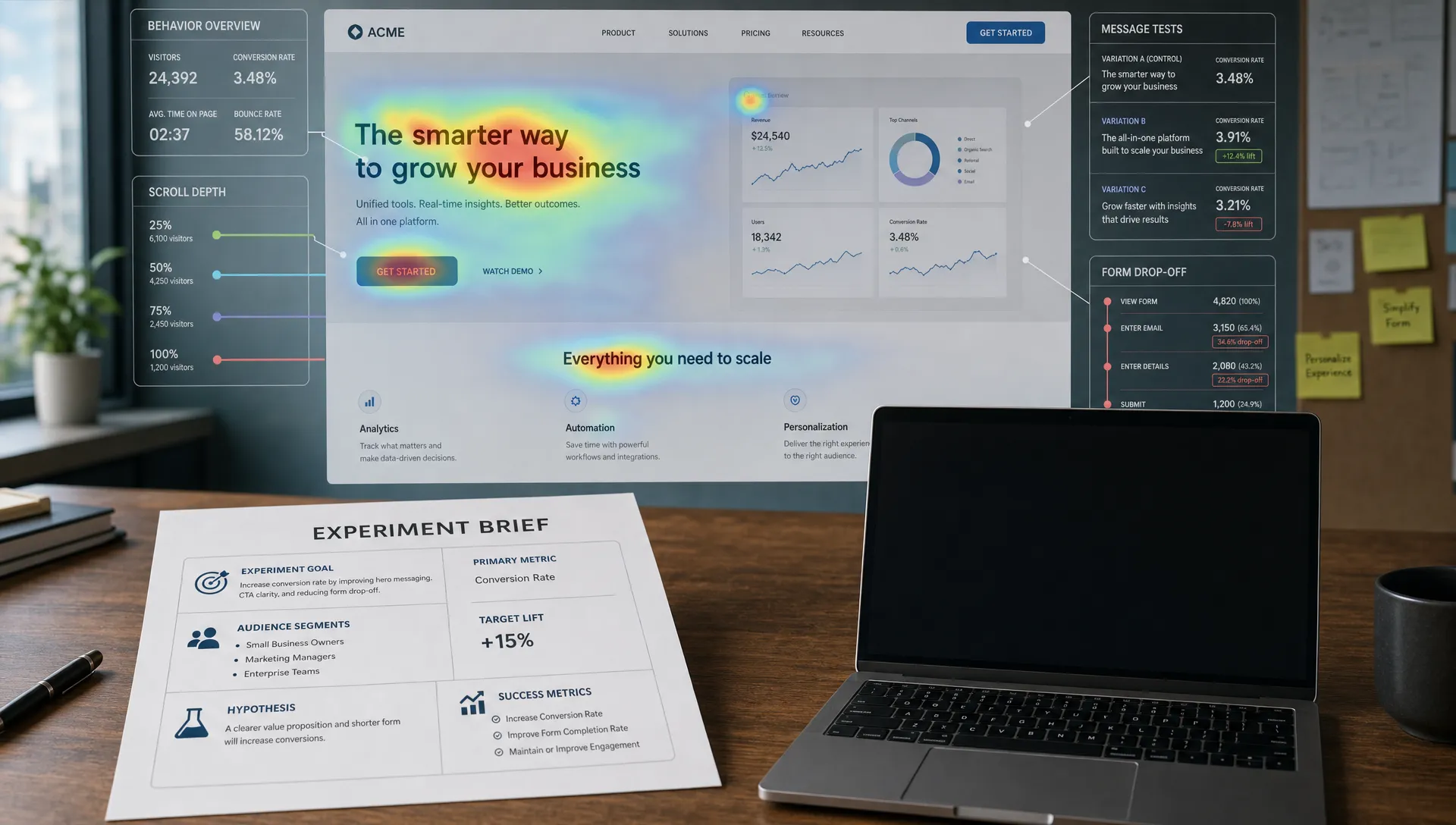
Creative testing should not be random. Instead of launching many unrelated variations, define the hypotheses you want to test.
You might test whether the audience responds better to time savings, cost reduction, risk reduction, revenue growth, or competitive advantage. You might test different formats, such as static images, short videos, carousel posts, email sequences, or search copy. You might test different offers, such as a guide versus a calculator or a webinar versus a checklist.
The goal is to learn what moves the audience, not just which asset gets a slightly higher click-through rate. A creative variation with fewer clicks but higher conversion quality may be the better performer.
Avoid splitting a small budget across too many audiences, channels, and creative concepts. Spread too thin, the campaign may never collect enough data to produce a reliable conclusion.
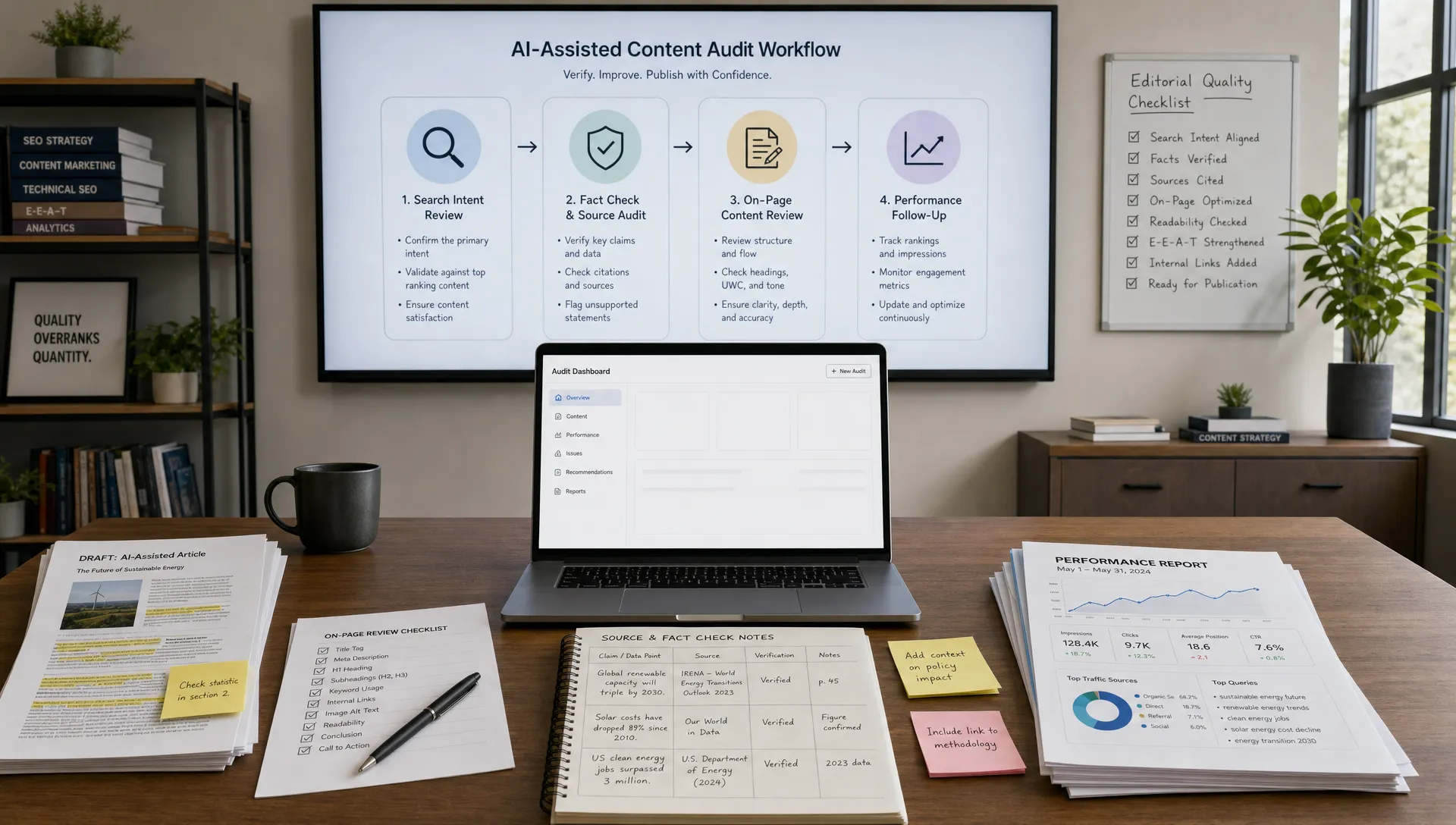
A structured checklist catches preventable mistakes. Before turning on spend or sending traffic, review the campaign from the perspective of the audience and the analyst.
Check the essentials:
This checklist may feel basic, but the basics are often what separate smooth launches from messy ones.
Once the campaign is live, resist the urge to overreact to early data. The first few days are often about confirming delivery, tracking, and technical accuracy. After that, you can begin making performance decisions.
In the first 24 to 72 hours, check whether ads are approved, links work, forms submit, conversion events fire, pages load correctly, and budgets are pacing as expected. This is technical validation.
After the first week, look for early behavioral patterns. Are the right audiences engaging? Which messages are attracting attention? Are landing page visitors scrolling, clicking, or leaving quickly? Are conversions coming from the channels you expected?
After the campaign has enough conversion data, evaluate cost per outcome, lead quality, offer performance, and audience fit. This is where you can shift budget, pause weak creative, expand winning segments, or revise the landing page.
The most useful optimization conversations are specific. Instead of saying performance is down, identify where the drop is happening. Is the issue reach, click quality, landing page conversion, form completion, sales acceptance, or revenue? Each problem requires a different fix.
Even experienced teams run into the same failure patterns. The good news is that most are fixable if you identify them early.
Common problems include:
If your campaign is struggling, diagnose the system before blaming the channel. A channel may look weak simply because the offer, message, or conversion path is misaligned.
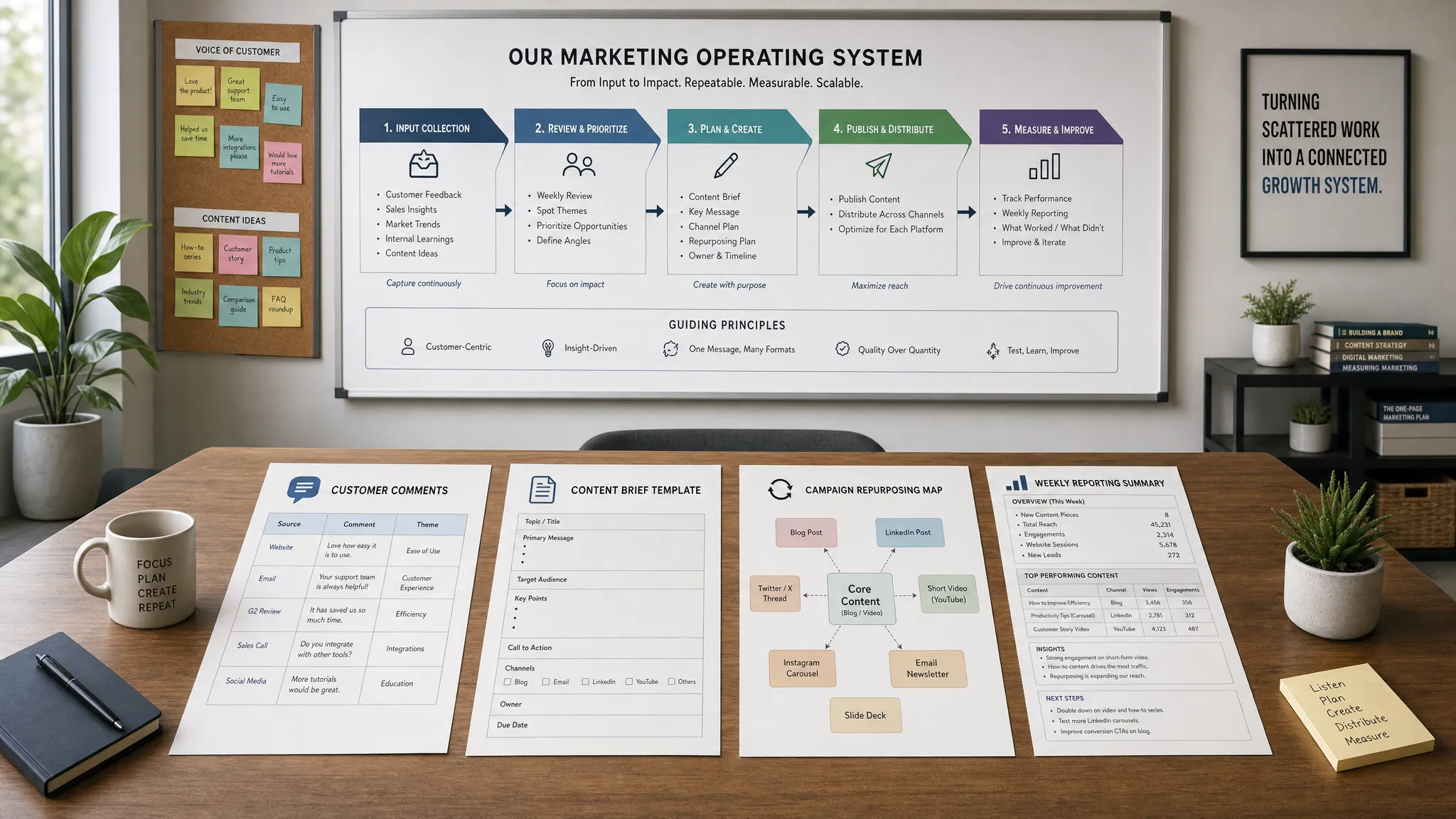
The strongest marketing teams treat campaigns as repeatable systems. They do not start from a blank page every time.
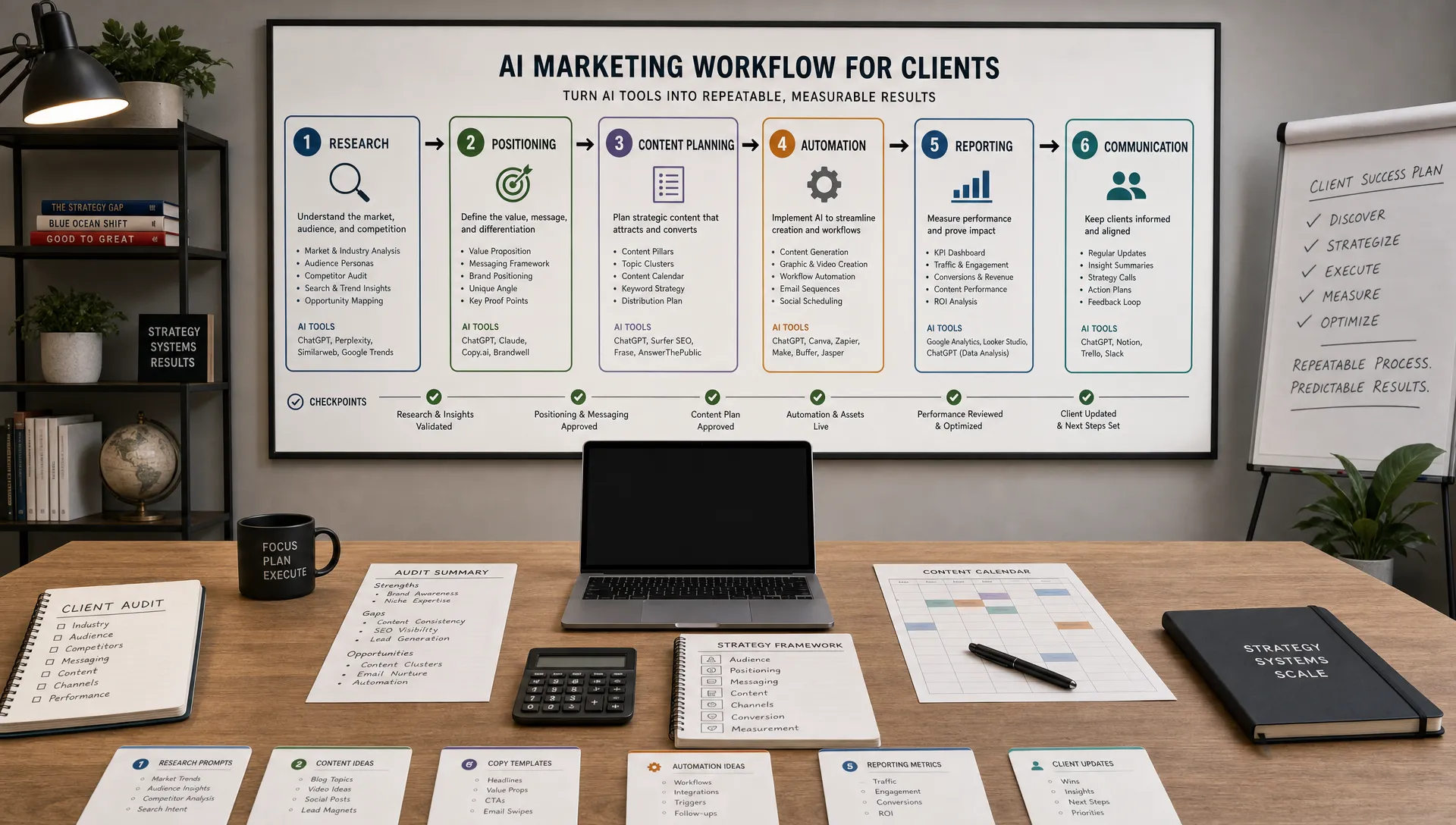
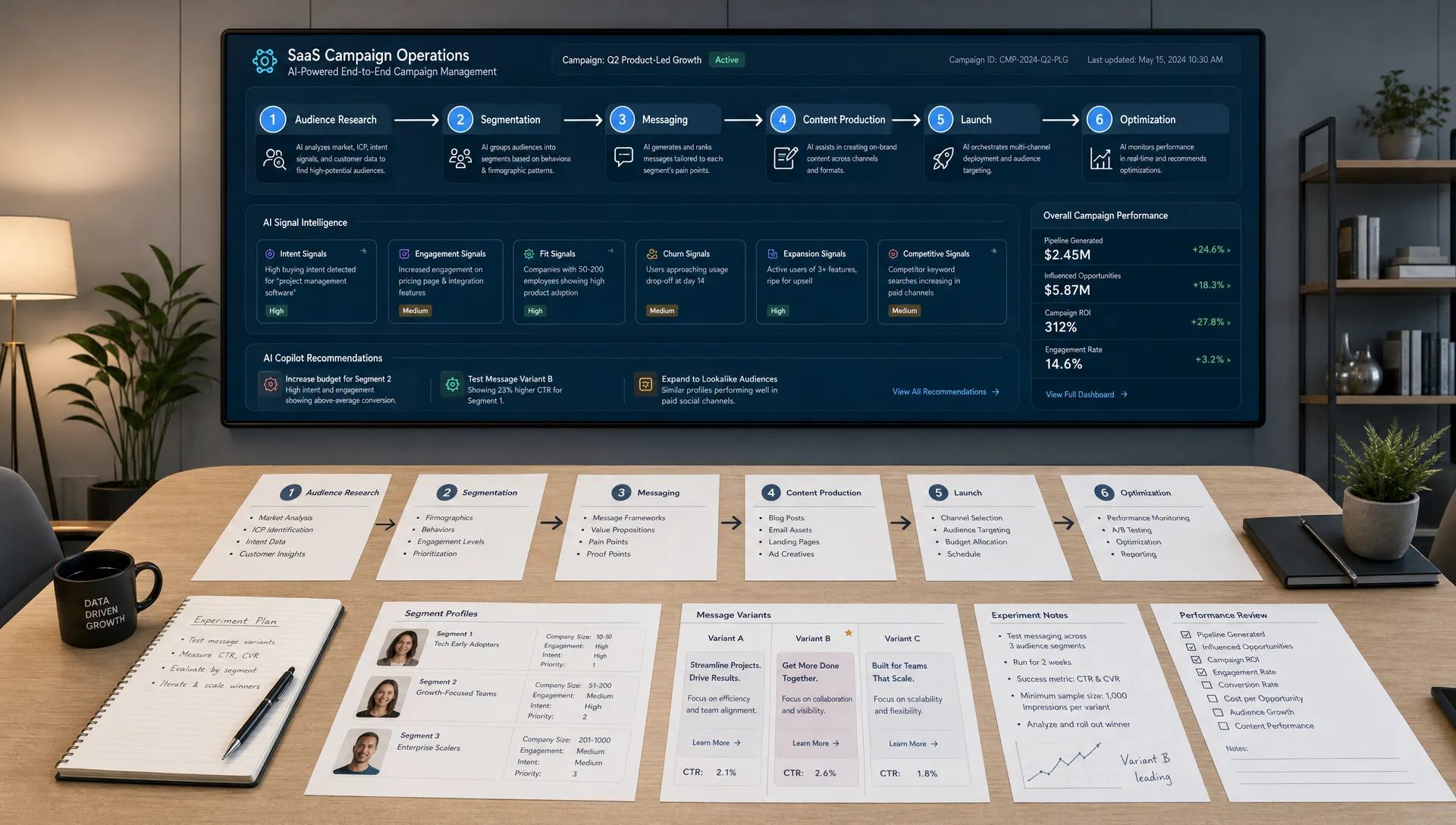
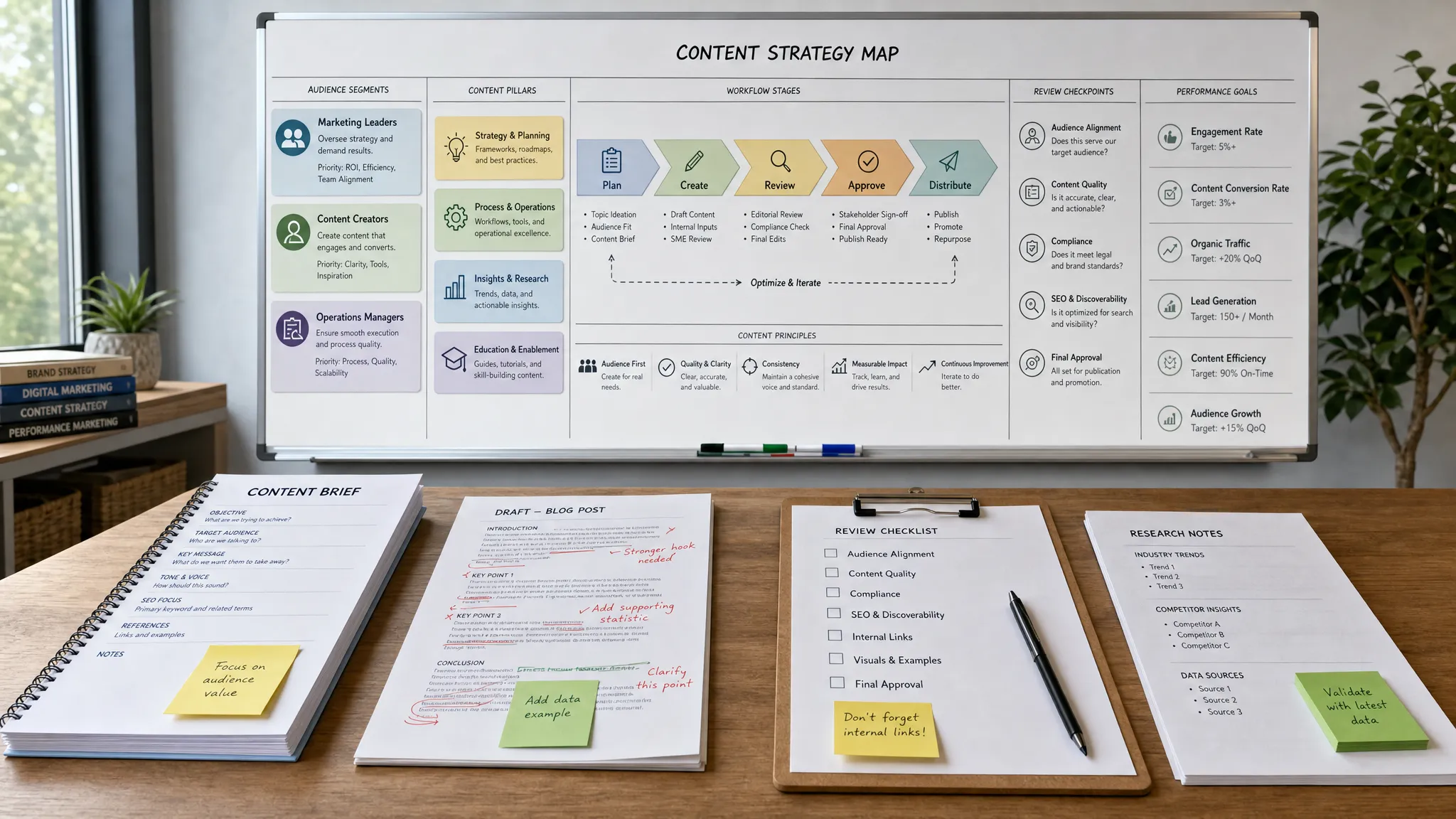
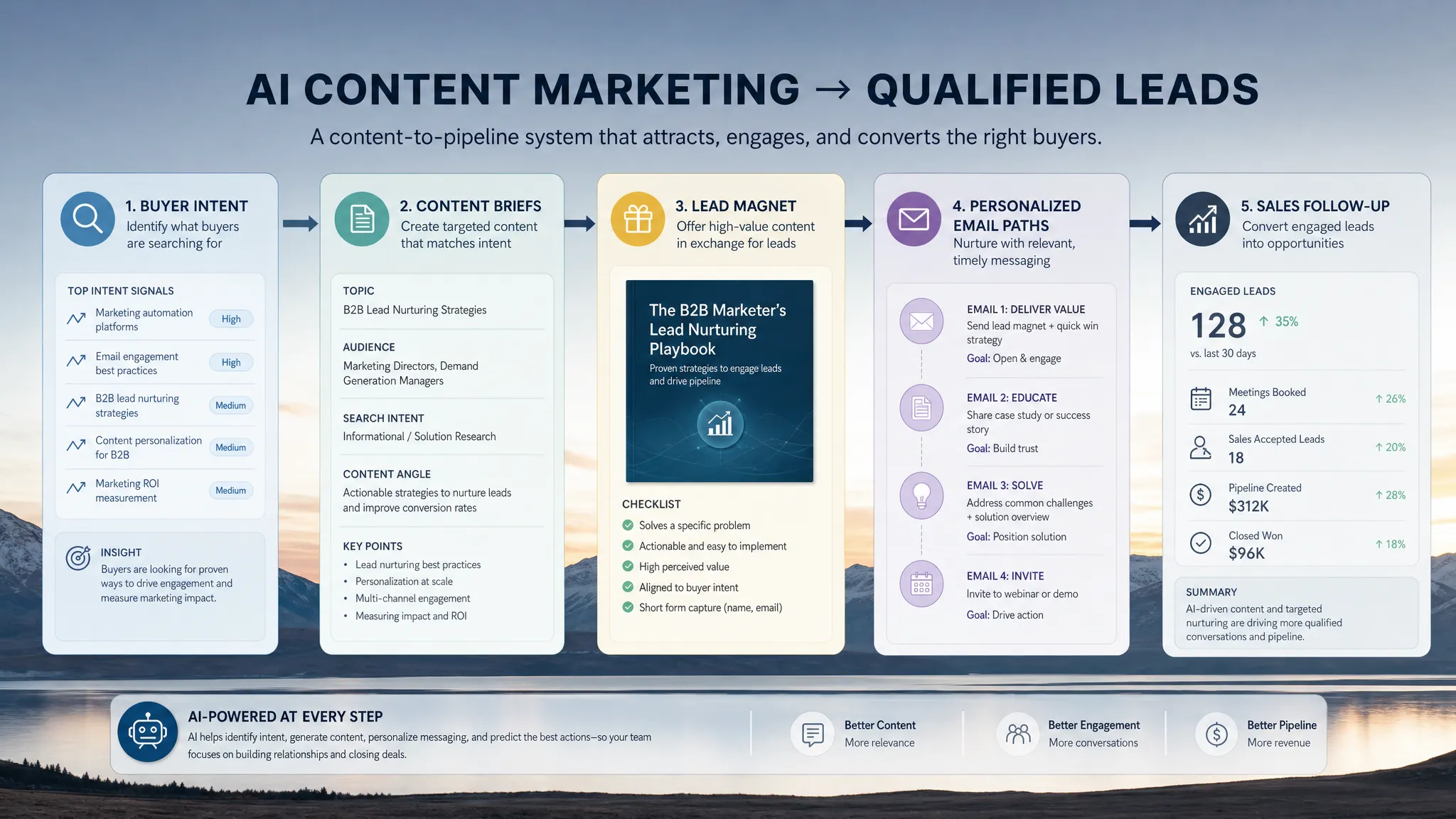
Use this sequence for your next launch: define the business goal, choose one primary KPI, clarify the audience, match the offer to intent, develop the core message, choose the channel mix, build the landing page, set up tracking, launch with a test plan, and optimize based on reliable data.
This framework works whether you are promoting a product launch, lead magnet, event, service offer, content hub, or sales campaign. The details change, but the structure remains the same.
A campaign that performs is not built on one perfect ad. It is built on alignment. Strategy, creative, channels, analytics, and optimization all need to point toward the same outcome.
How long should a digital campaign run before optimization? You can check technical setup within the first 24 to 72 hours, but performance optimization usually needs enough traffic and conversions to identify patterns. Avoid major changes too early unless something is clearly broken.
What is the best channel for a digital campaign? The best channel depends on audience behavior and intent. Search is strong for existing demand, paid social is useful for creating demand, email works well for nurturing, and retargeting helps bring back interested visitors.
How many assets do I need before launching? You need enough assets to test meaningful differences, but not so many that your budget is spread too thin. Start with a focused set of message angles, then expand once you identify what performs.
Can AI improve digital campaign performance? Yes, when it is used to accelerate research, content drafting, variation creation, and analysis. AI works best when guided by a clear brief, real customer insight, and human review.
What is the biggest mistake to avoid when launching a campaign? The biggest mistake is launching without a clear goal and measurement plan. If you cannot define success before launch, it will be difficult to optimize after launch.
If you want your next digital campaign to perform, start with a structured process and the right support system. AIMarketer Hub brings together AI-powered marketing tools, prompt resources, calculators, SEO tools, performance analytics, and practical guides to help marketers plan, create, optimize, and grow with more confidence.
Use the framework above as your campaign blueprint, then refine it with better audience insight, stronger creative, and data-driven optimization. The faster your team can learn from each launch, the stronger every future campaign becomes.