Disclosure: This post contains affiliate links. We may earn a commission if you purchase through our links, at no extra cost to you.
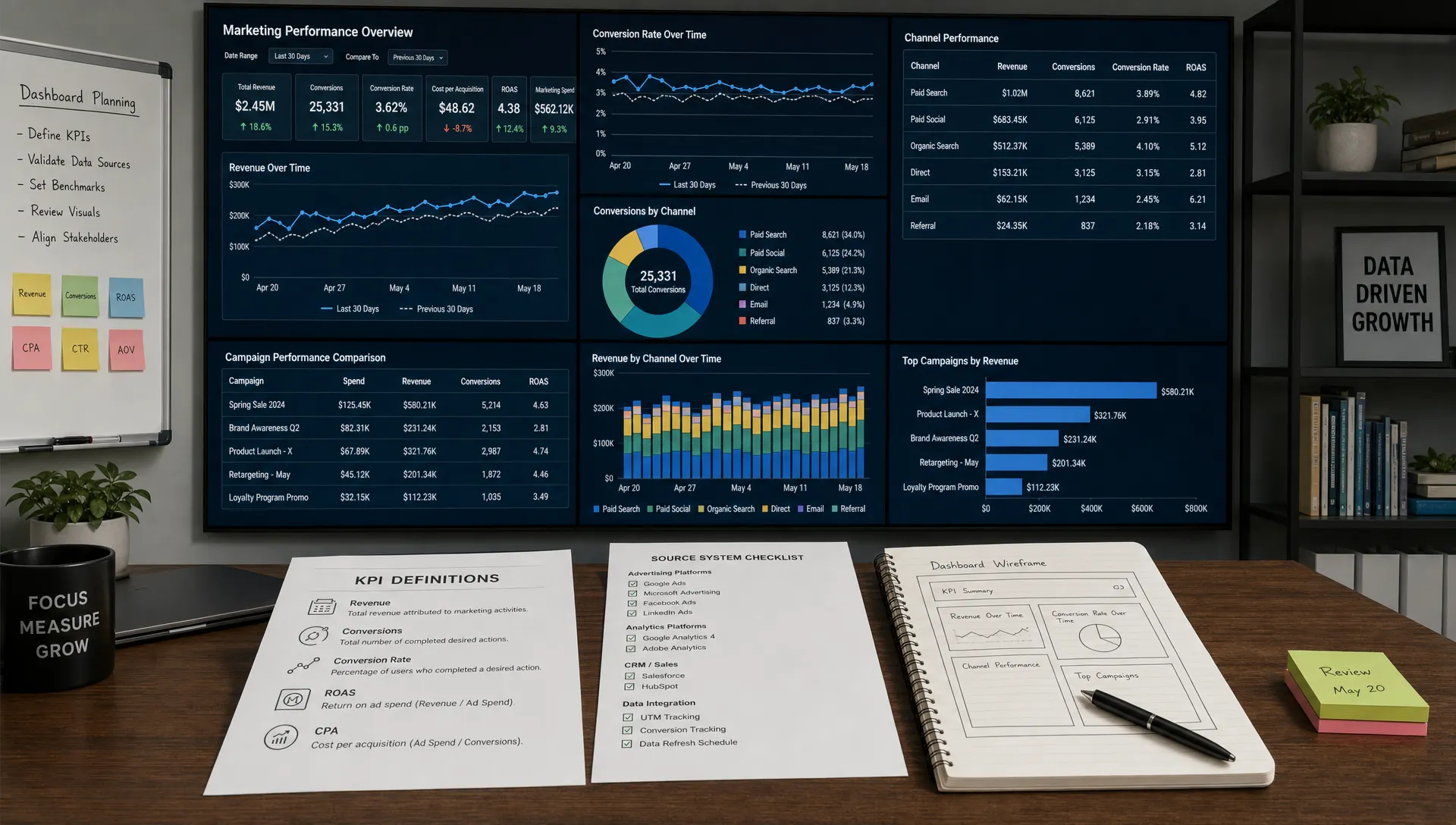
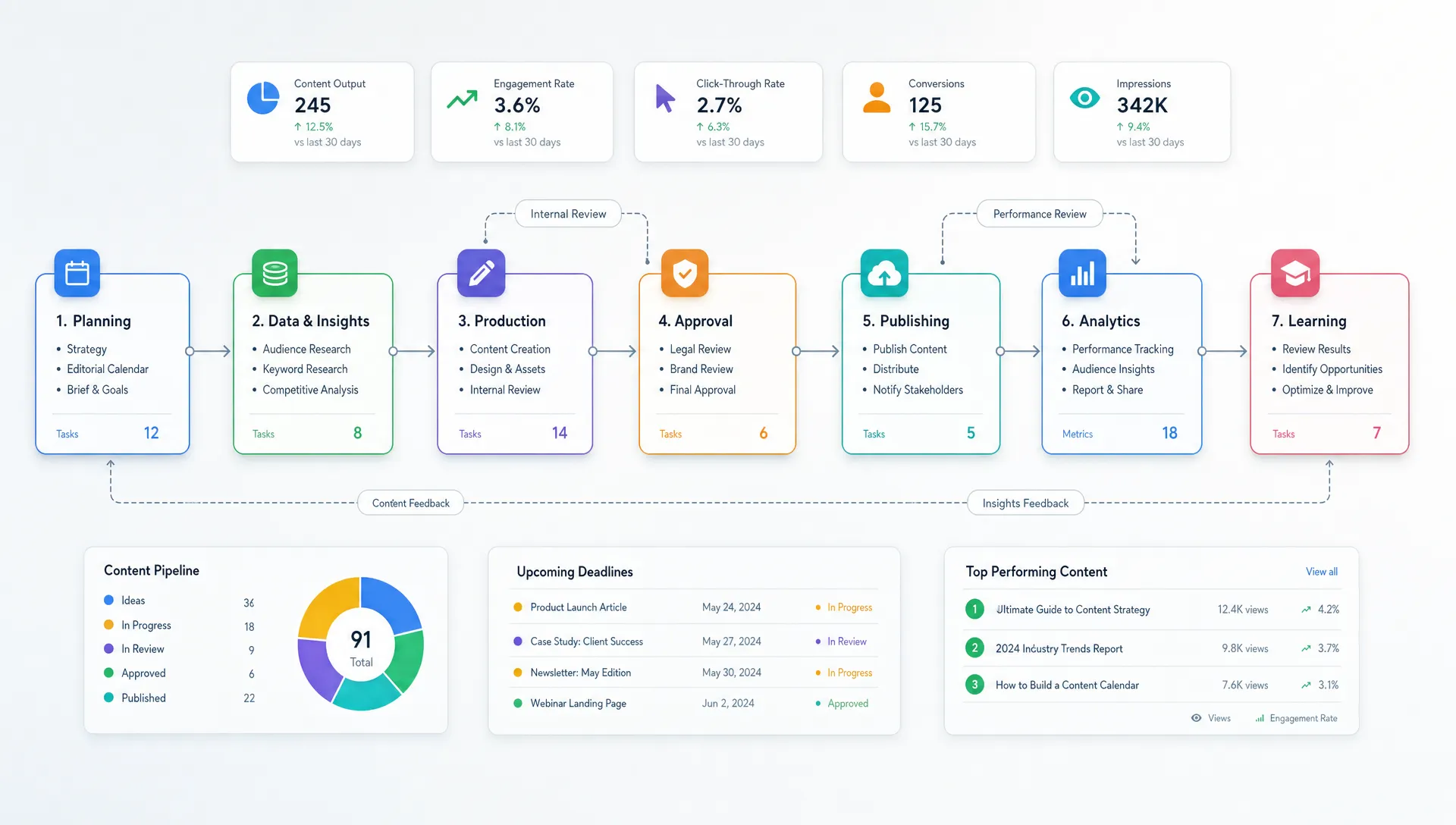
Running a Shopify store without the right marketing tools is like driving without a dashboard. You're moving, but you have no idea how fast, where you're headed, or whether you're burning too much fuel. The marketing tool landscape in 2026 is better than ever — and most of the tools that matter most are either free or offer strong ROI when used correctly, which means the barrier to running a professional marketing operation is lower than it's ever been for a small or solo-run store.
This guide covers the essential marketing tools every Shopify store owner should have in their stack, from analytics and email to SEO and paid ads, organized roughly in the order a growing store typically adopts them. Free calculators are included throughout to help you run the numbers before you spend a dollar on any paid tool or ad platform.
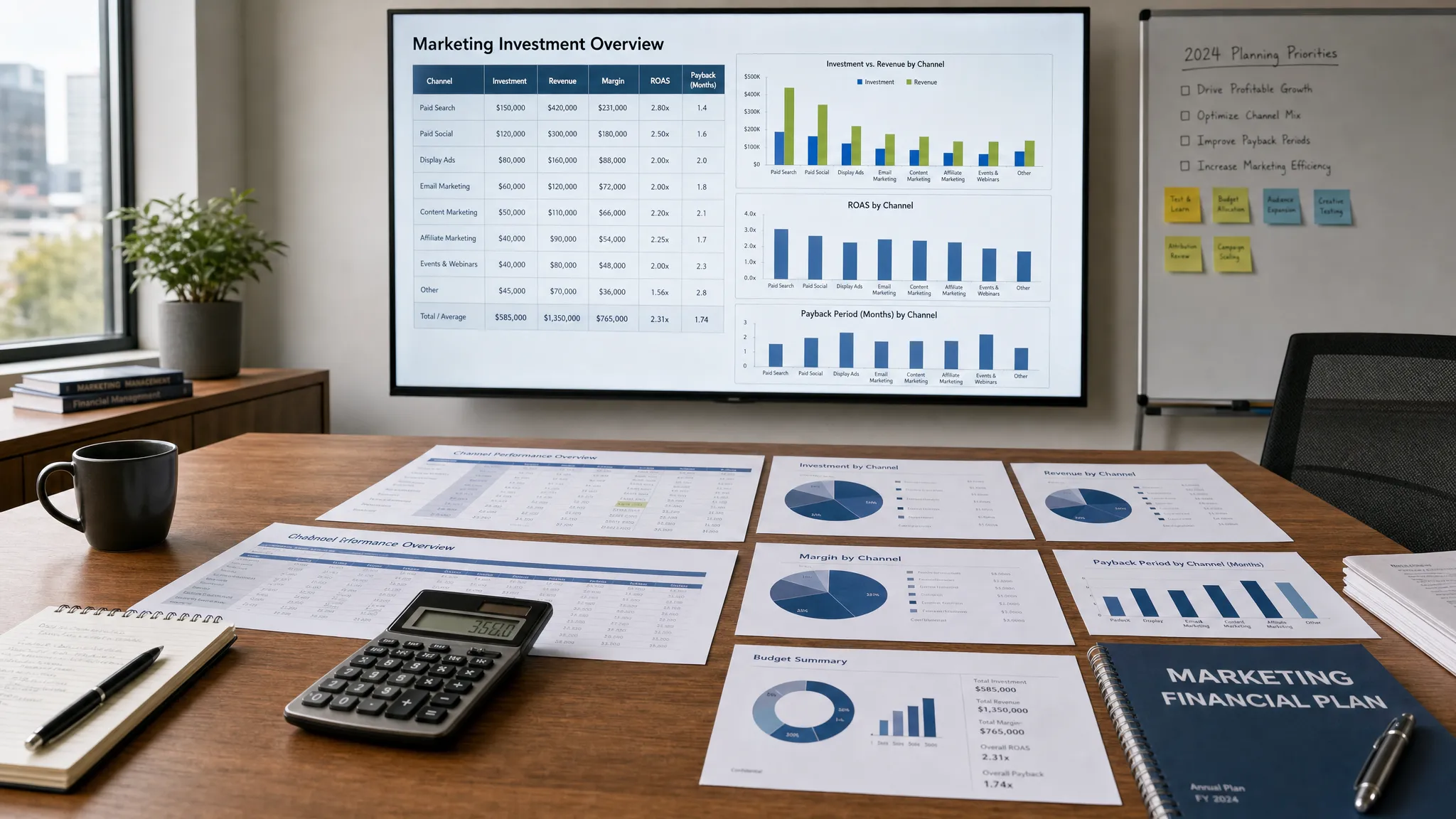
Before investing in any marketing channel, you need to know what your numbers can support. This is the step that's easiest to skip when you're excited about a new channel or tactic, and it's also the step that prevents the most expensive mistakes.
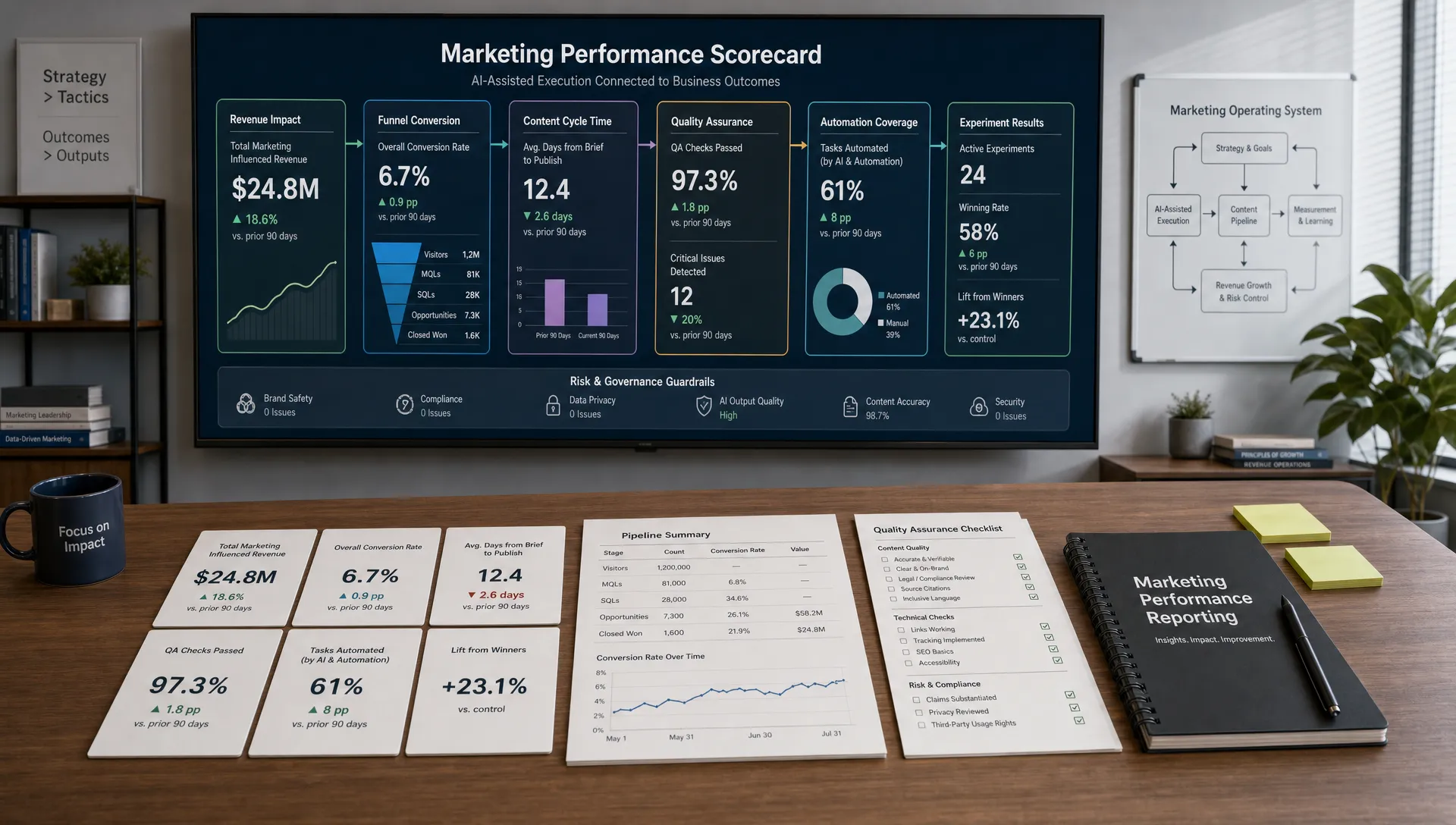
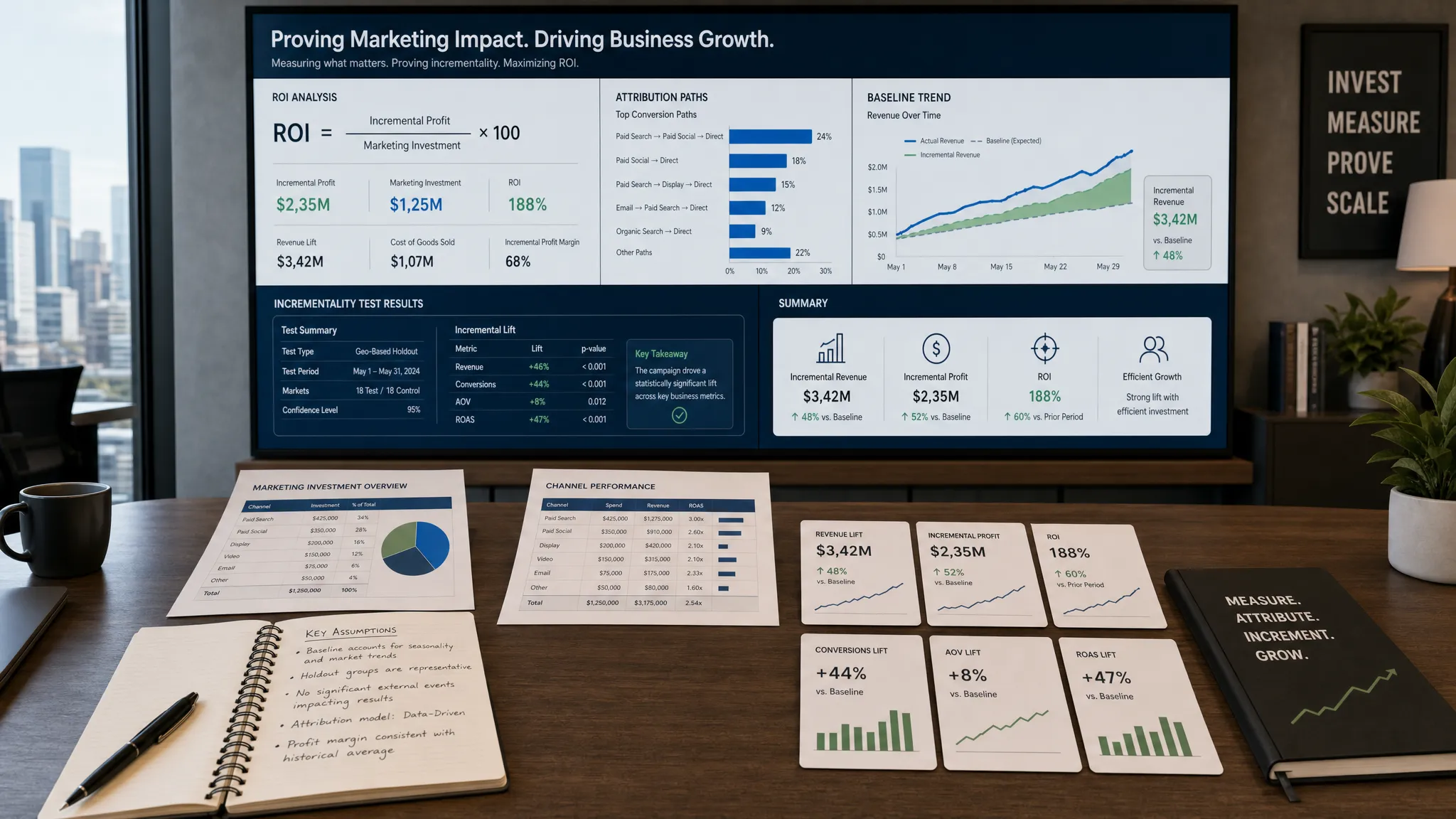
Enter your ad spend, revenue generated, and cost of goods — get your ROI percentage, ROAS, gross profit, and break-even point instantly. Essential before scaling any paid channel, and worth revisiting weekly for active campaigns rather than checking once and assuming the numbers hold steady. Try the free Marketing ROI Calculator →
Reverse-engineer your budget from a conversion goal and target CPA, or forecast clicks and conversions from a set spend. Shopify stores running Google Shopping or Performance Max campaigns use this to sanity-check budgets before launch, rather than discovering mid-month that the daily budget was set too low to gather meaningful data. Try the free Google Ads Budget Calculator →
Know the maximum you can pay per customer acquisition before margins go negative. Critical for any store running paid social or search, since without this number it's easy to keep a channel running well past the point where it stopped being profitable. Try the free CPL & CPA Calculator →
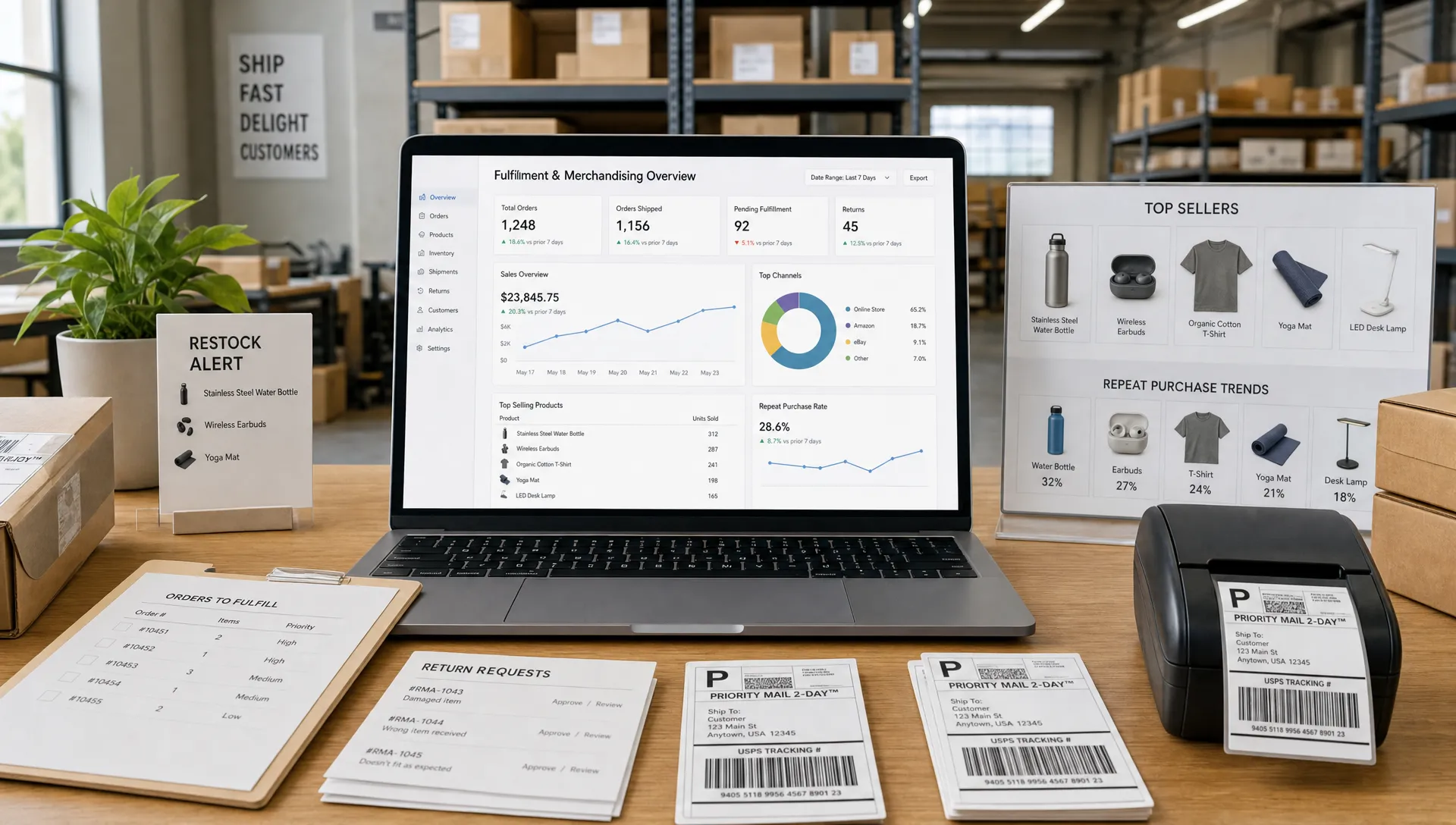
Shopify remains the most capable e-commerce platform for businesses that take marketing seriously. The ecosystem of apps, integrations, and marketing tools that connect natively to Shopify is unmatched — from email platforms to Google and Meta ad integrations to loyalty and referral programs, most of which install with a few clicks rather than requiring custom development work.
Shopify's built-in analytics have improved significantly over the past few years, and the platform now offers native tools for email marketing, abandoned cart flows, and discount management that used to require third-party apps. For a new store, this means you can run a genuinely competent marketing operation on Shopify's native tools alone for the first several months, before layering in specialized apps as specific needs emerge.
Start your free Shopify trial →
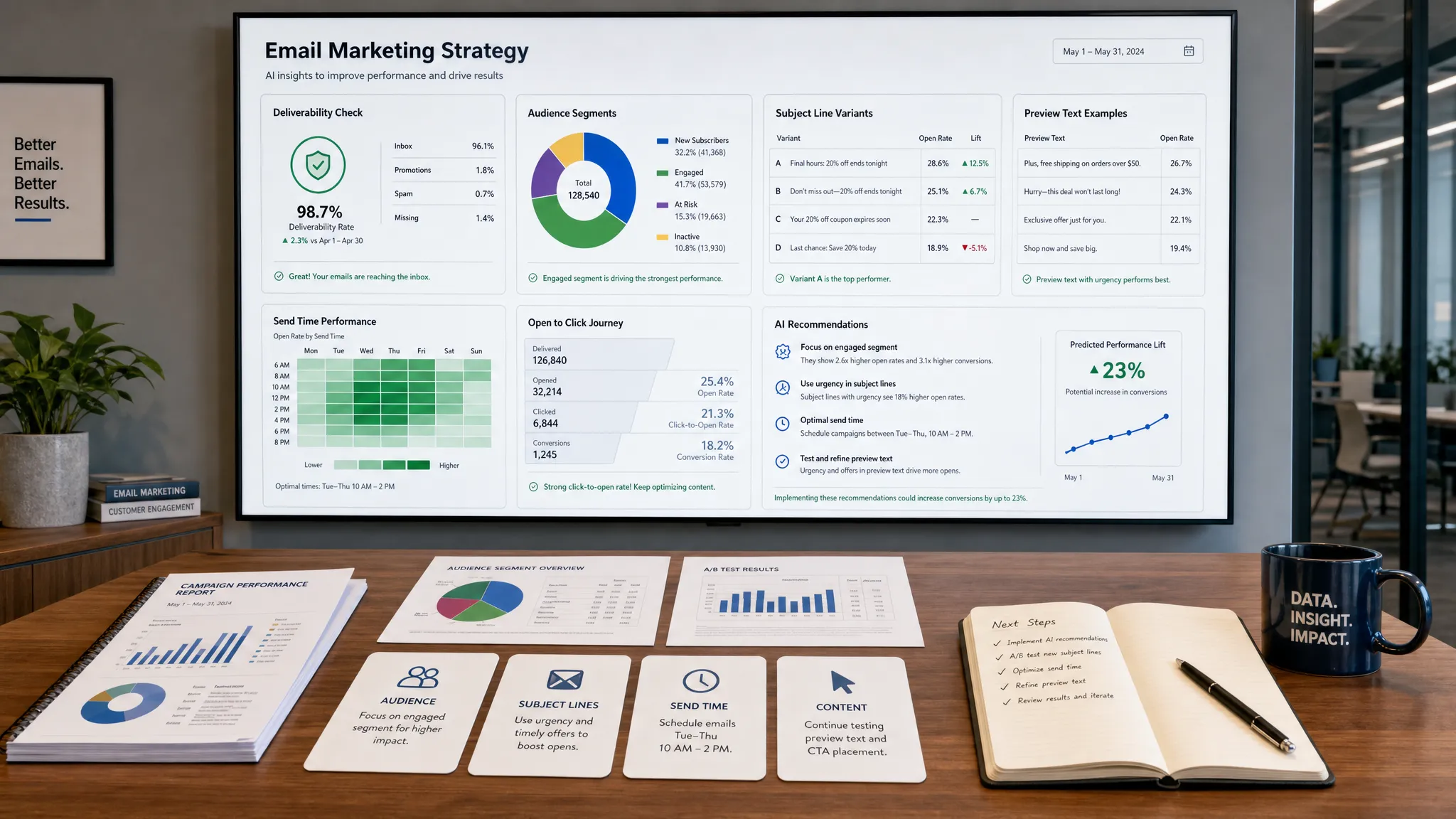
Email remains the highest-ROI marketing channel for e-commerce, typically returning $36–$42 for every $1 spent — a figure that holds up remarkably consistently across store categories because the cost of sending an email is near zero and the audience already has some relationship with your brand.
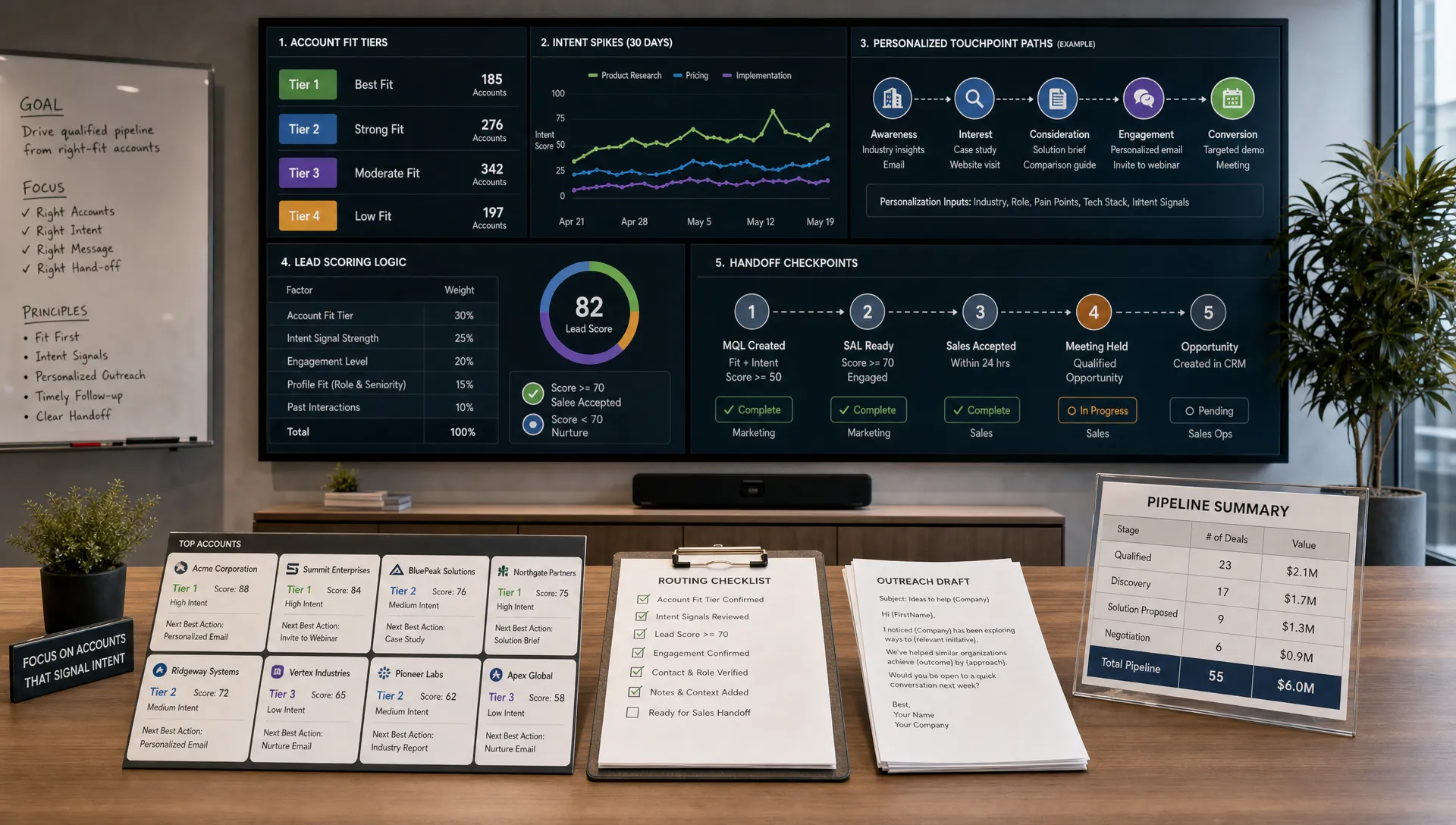
For Shopify stores, the priority platforms are Klaviyo (the industry standard for Shopify email, with deep native integration and powerful segmentation that lets you target based on purchase history, browsing behavior, and predicted lifetime value), GetResponse (strong automation at a lower price point, a reasonable starting choice for stores watching costs closely), and Shopify Email (built-in, free up to 10,000 sends per month, and a sensible way to start before a store's list is large enough to justify a dedicated platform's cost).
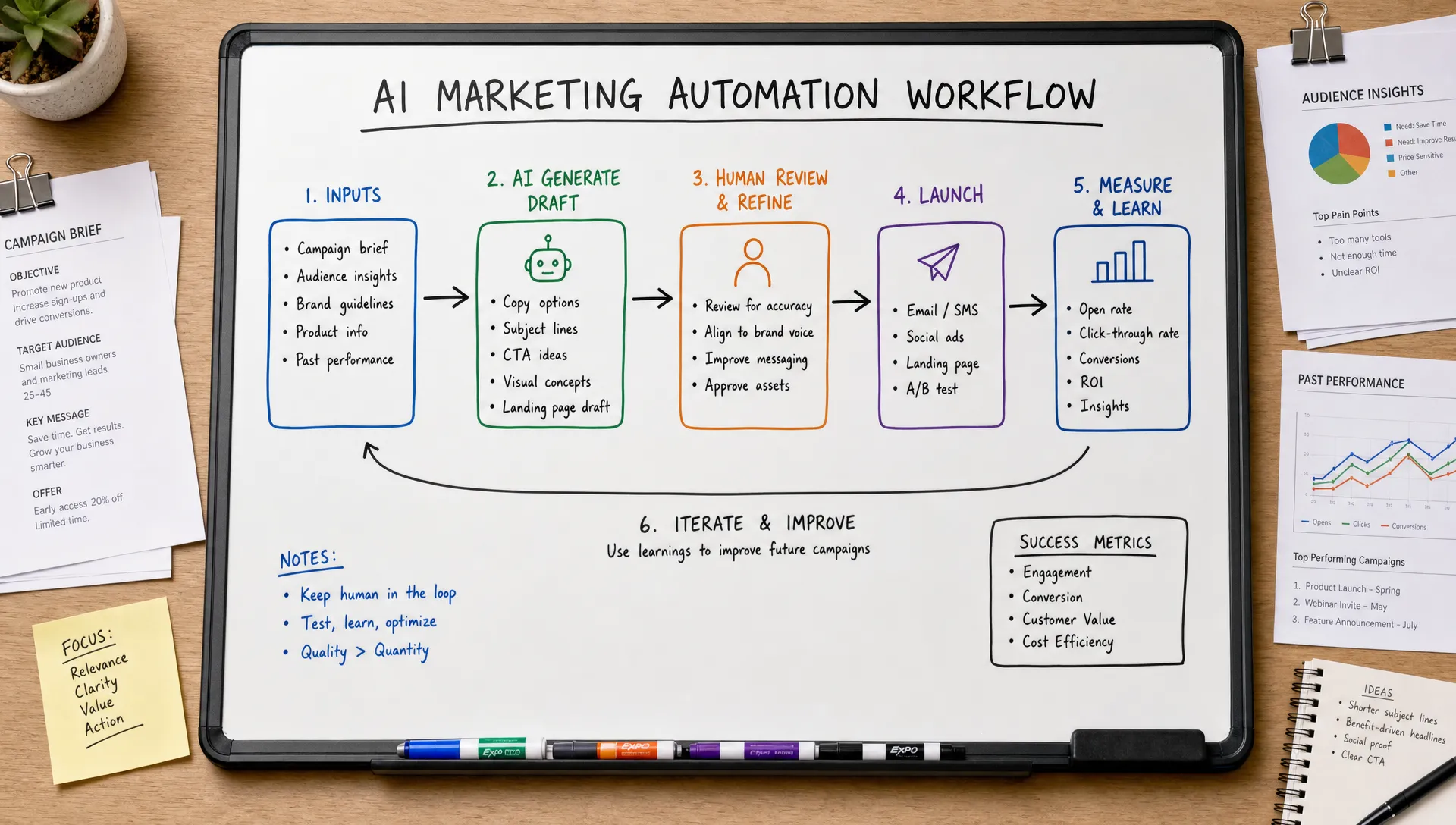
For a store just starting with email marketing, the highest-leverage automations to set up first, in order, are: a welcome series for new subscribers, an abandoned cart sequence, and a post-purchase flow that requests reviews and suggests complementary products. These three automations run without ongoing manual work once set up, and together they typically account for a disproportionate share of a store's total email revenue compared to one-off newsletter campaigns.
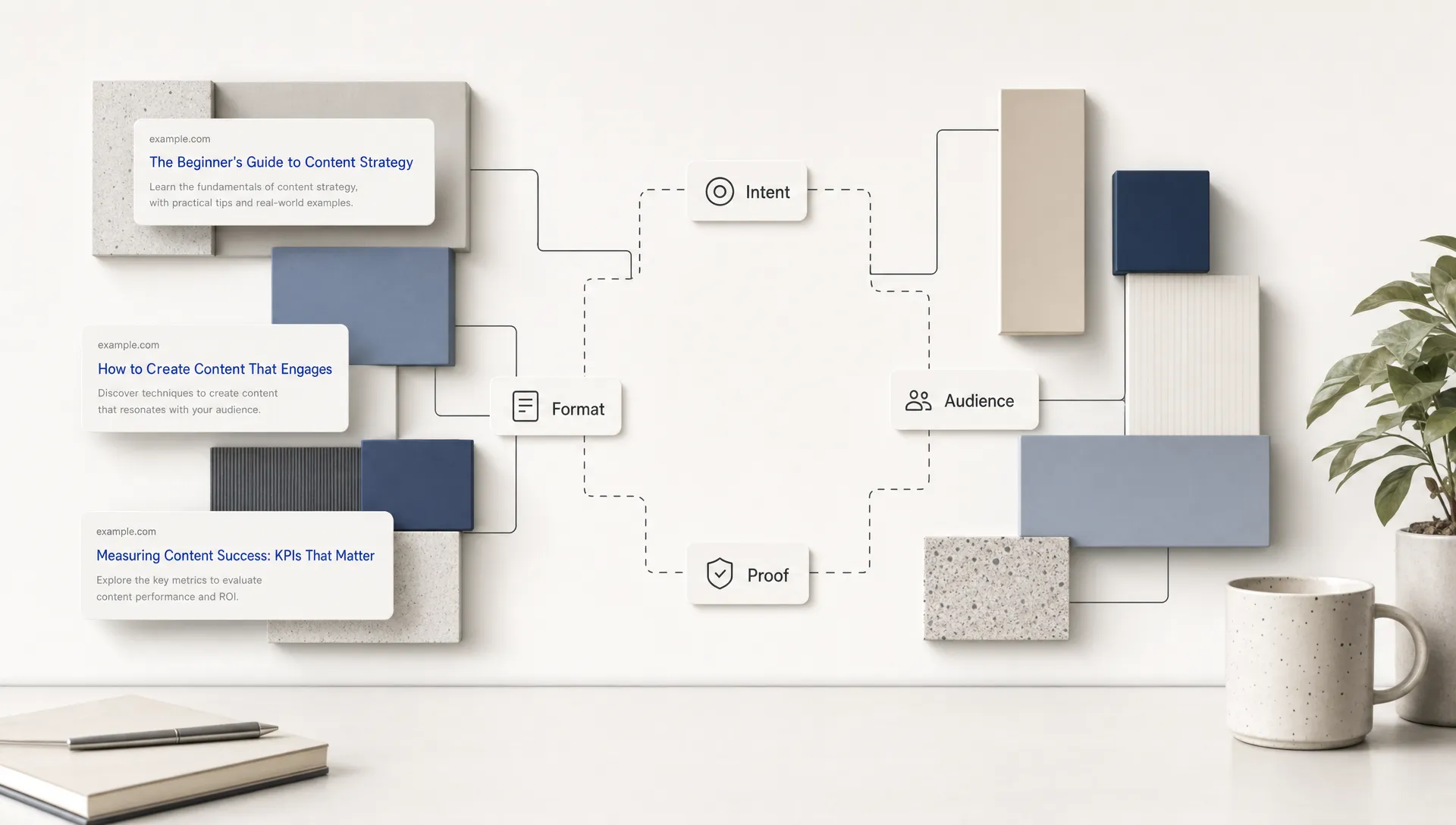
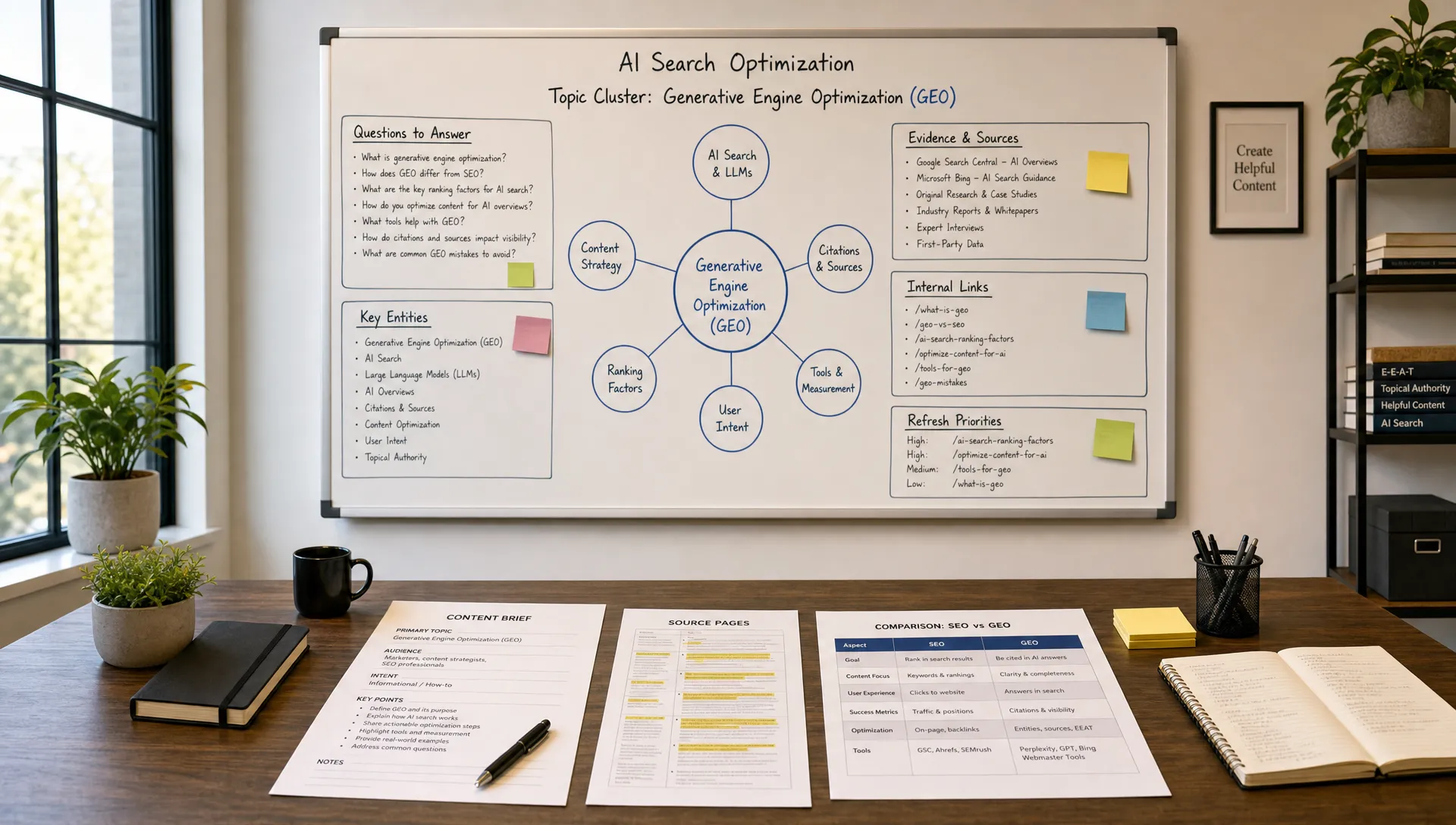
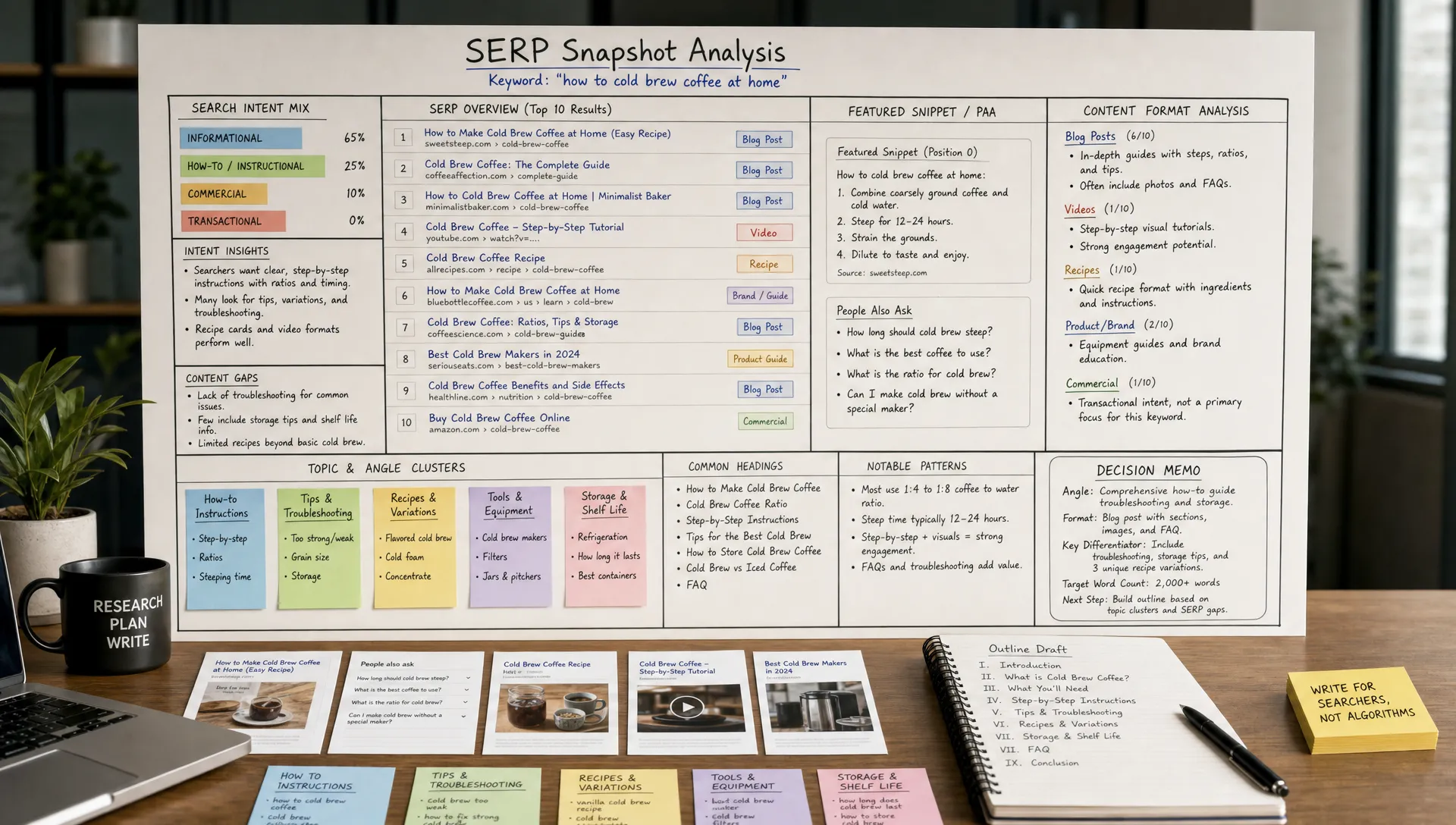
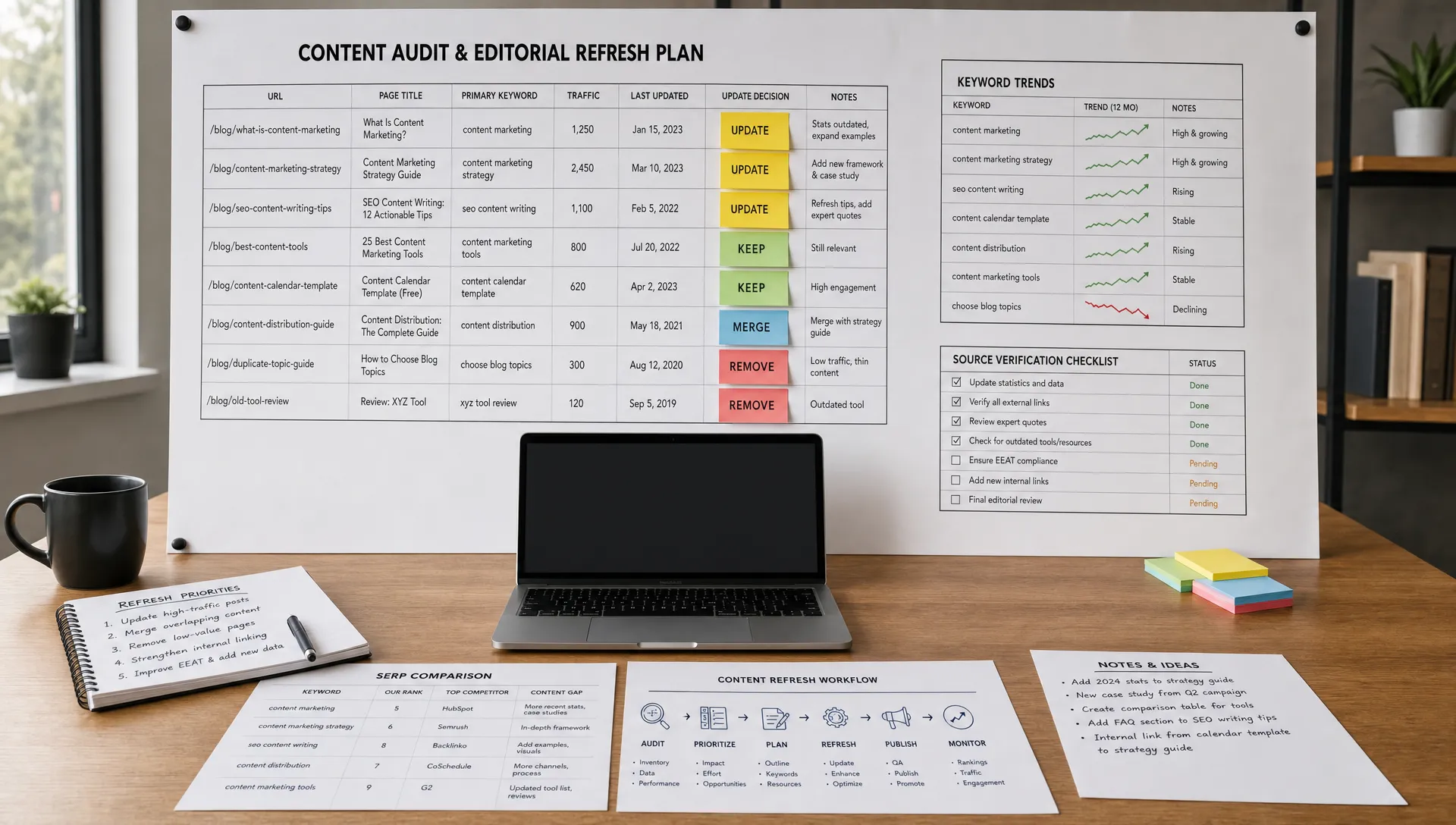
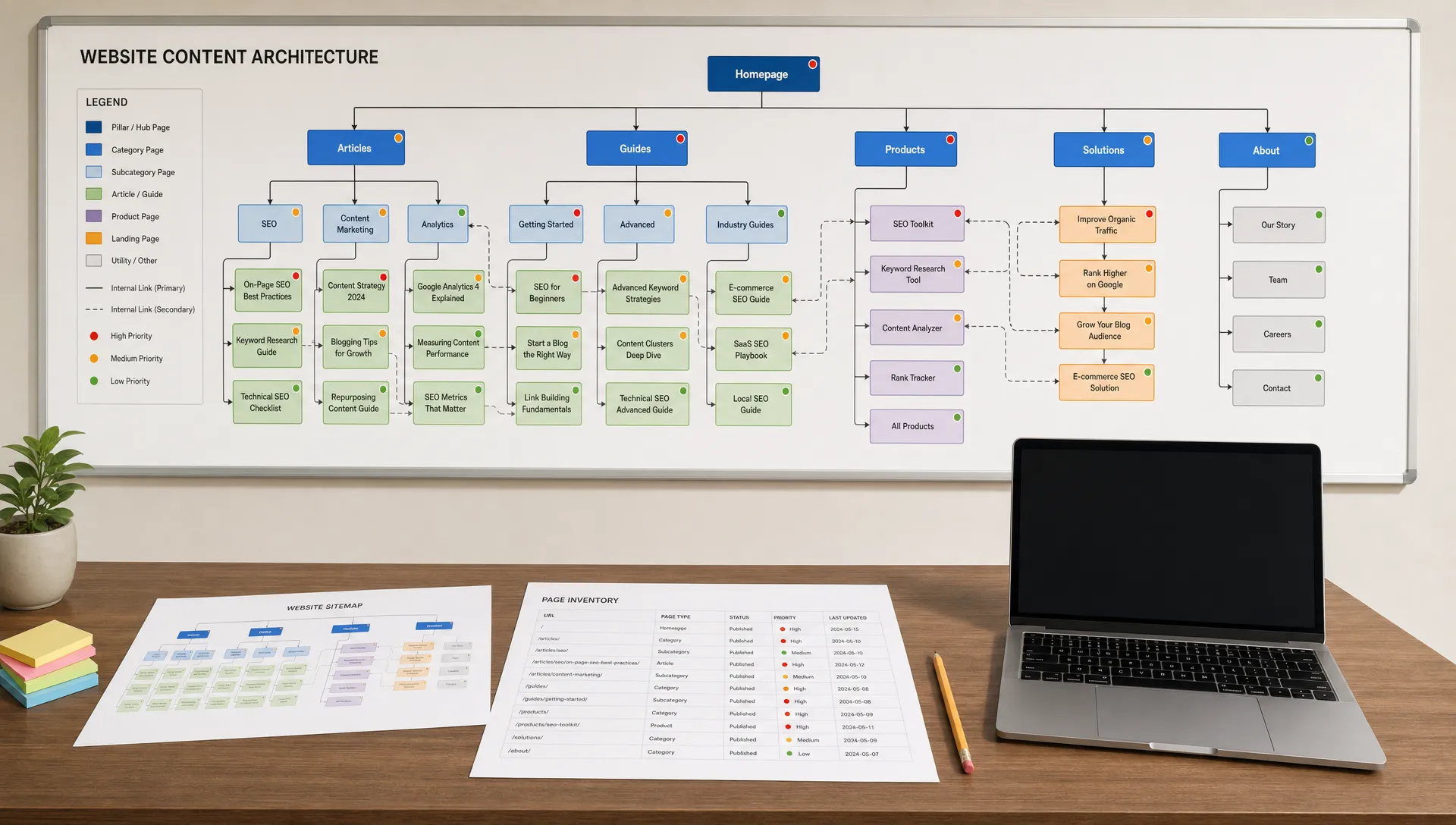
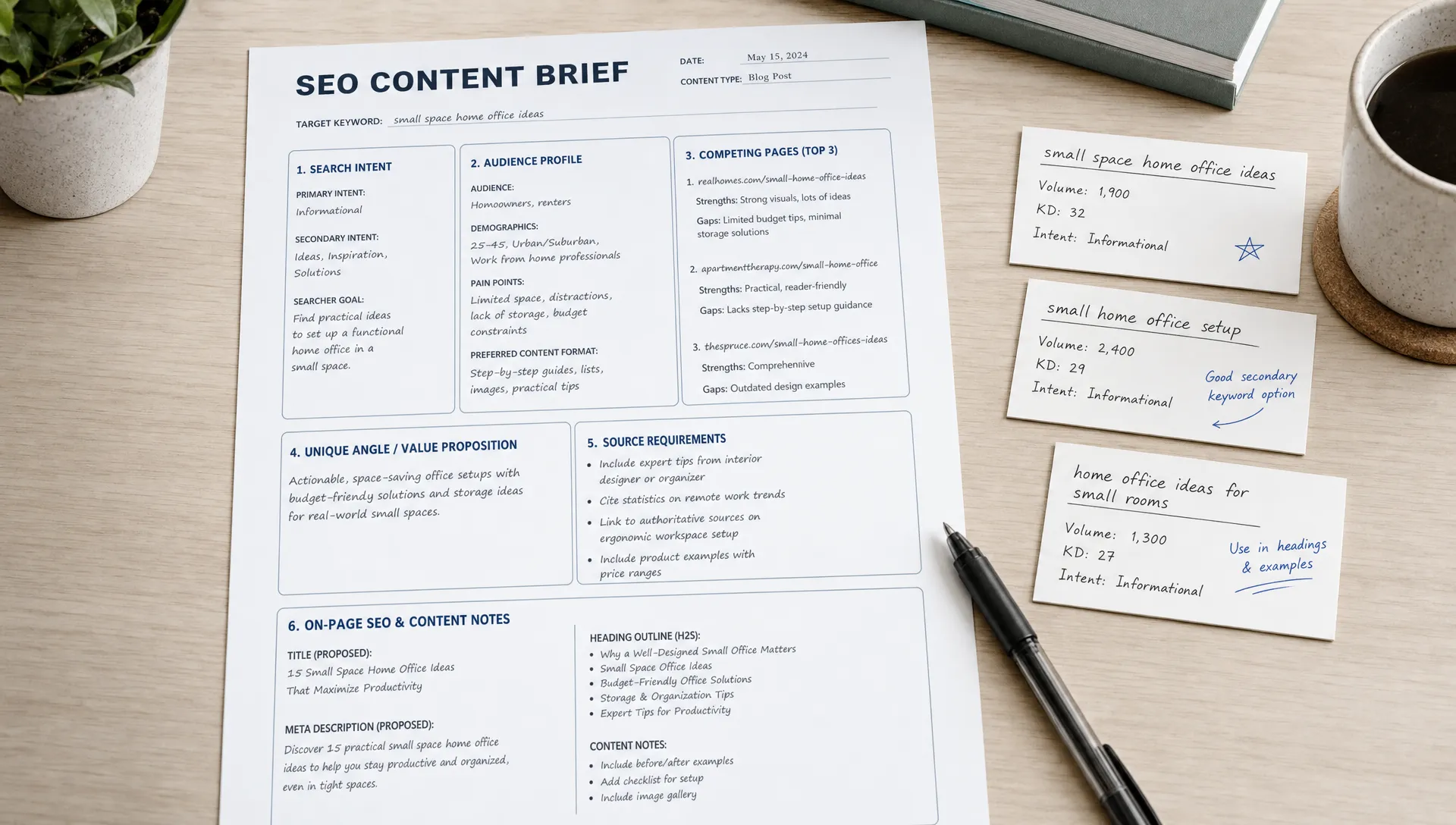
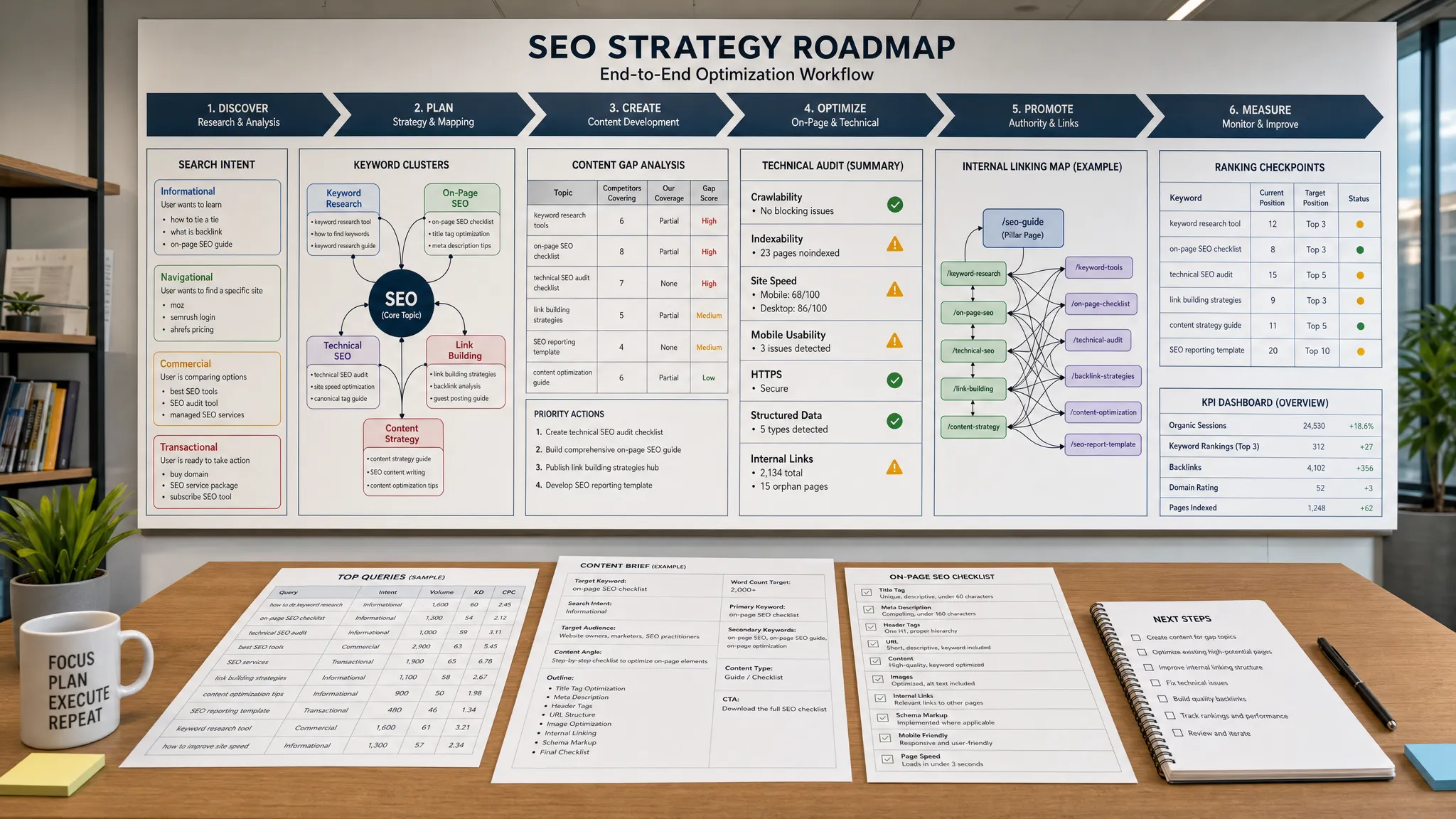
Organic search is the most scalable long-term traffic channel for Shopify stores, because unlike paid ads, the traffic doesn't stop the moment you stop paying. Semrush surfaces keyword opportunities for product pages and collection pages clearly, showing search volume and competition level so you can prioritize which pages to optimize first rather than guessing.
Screaming Frog helps identify technical SEO issues common with Shopify's URL structure, including duplicate content across /collections/ and /products/ paths — an issue that's specific enough to Shopify's platform architecture that many store owners don't realize it's happening until a technical audit surfaces it.
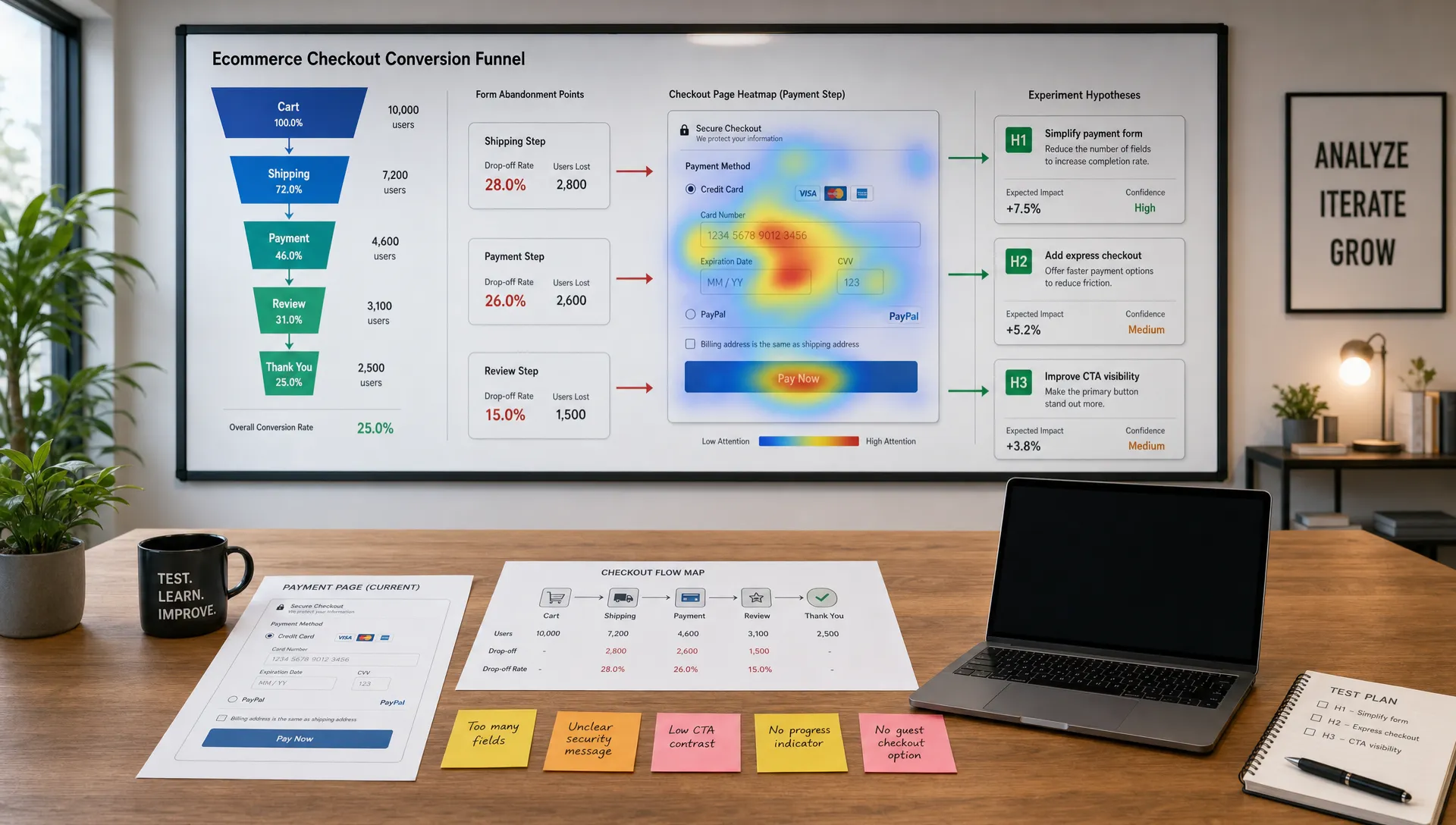
Most Shopify stores run Google Shopping and Meta ads as their primary paid channels, and for good reason: both platforms have mature, well-integrated tools specifically for e-commerce catalogs. Google Performance Max campaigns with Shopify's Google channel integration have become the standard entry point, since the integration handles product feed syncing automatically rather than requiring manual feed management.
Triple Whale and Northbeam fill the attribution gap left by iOS privacy changes for stores spending significantly on ads — both platforms use modeling and first-party data to estimate true channel contribution when platform-reported attribution (which tends to overcount its own contribution) can't be fully trusted on its own.
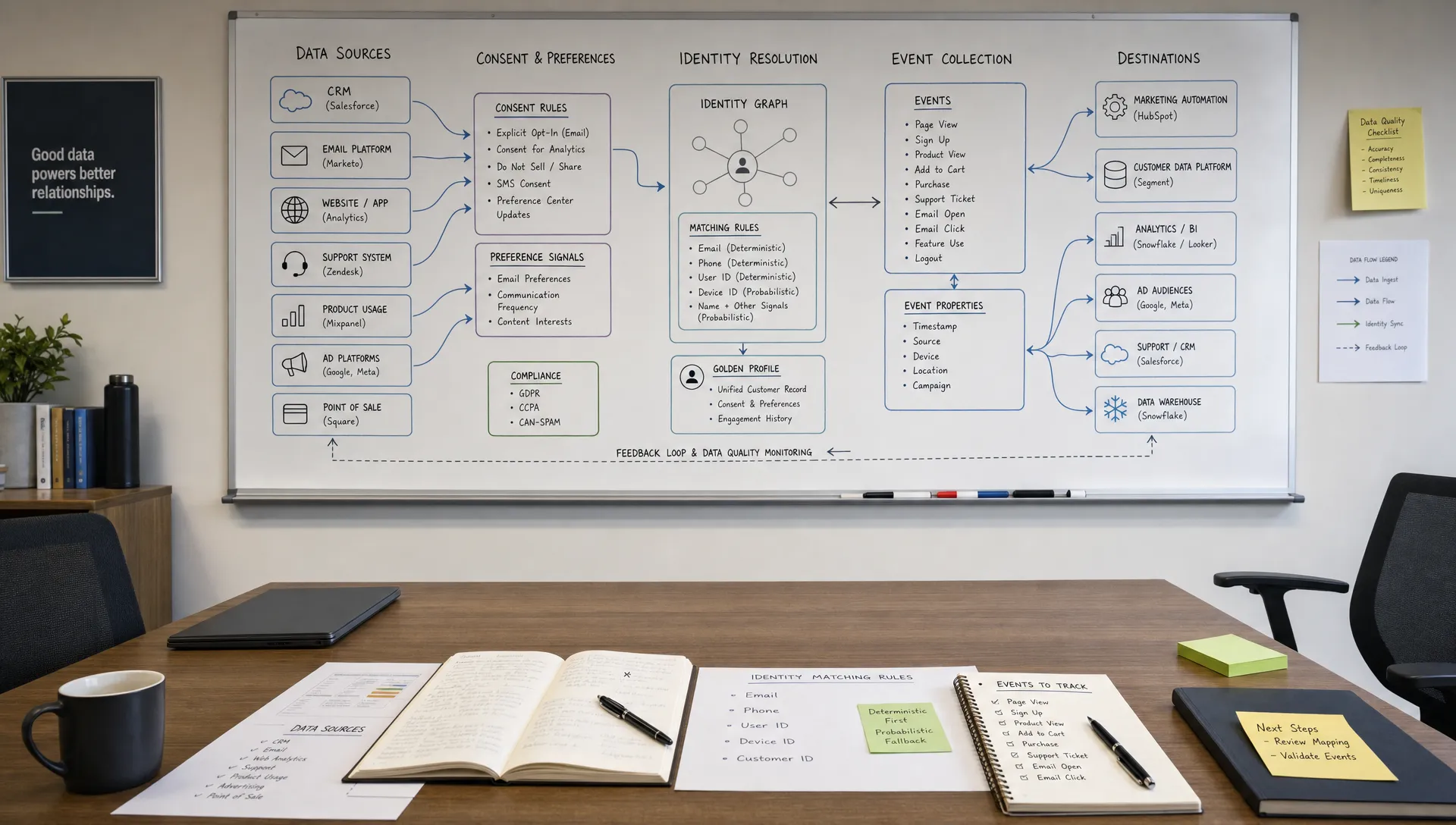
Every paid link, email, and social post driving traffic to your Shopify store should have UTM parameters so Google Analytics attributes revenue correctly to the actual source and campaign responsible for it. Formatting errors in UTM tags — inconsistent capitalization, typos in campaign names, missing parameters — break attribution silently, meaning you won't get an error message, you'll just get inaccurate reporting that quietly misleads every budget decision downstream. Build clean UTM tracking URLs free →
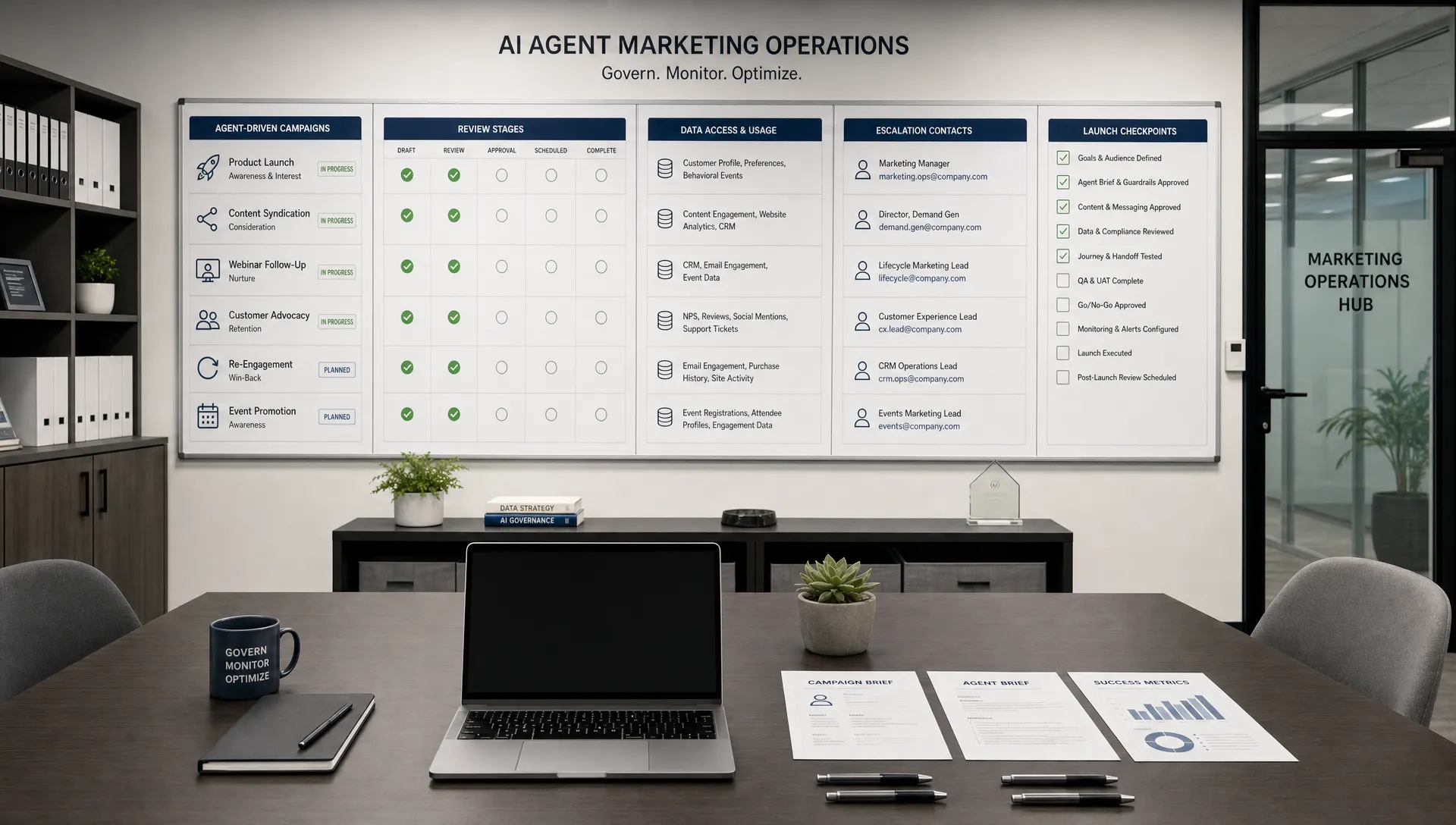
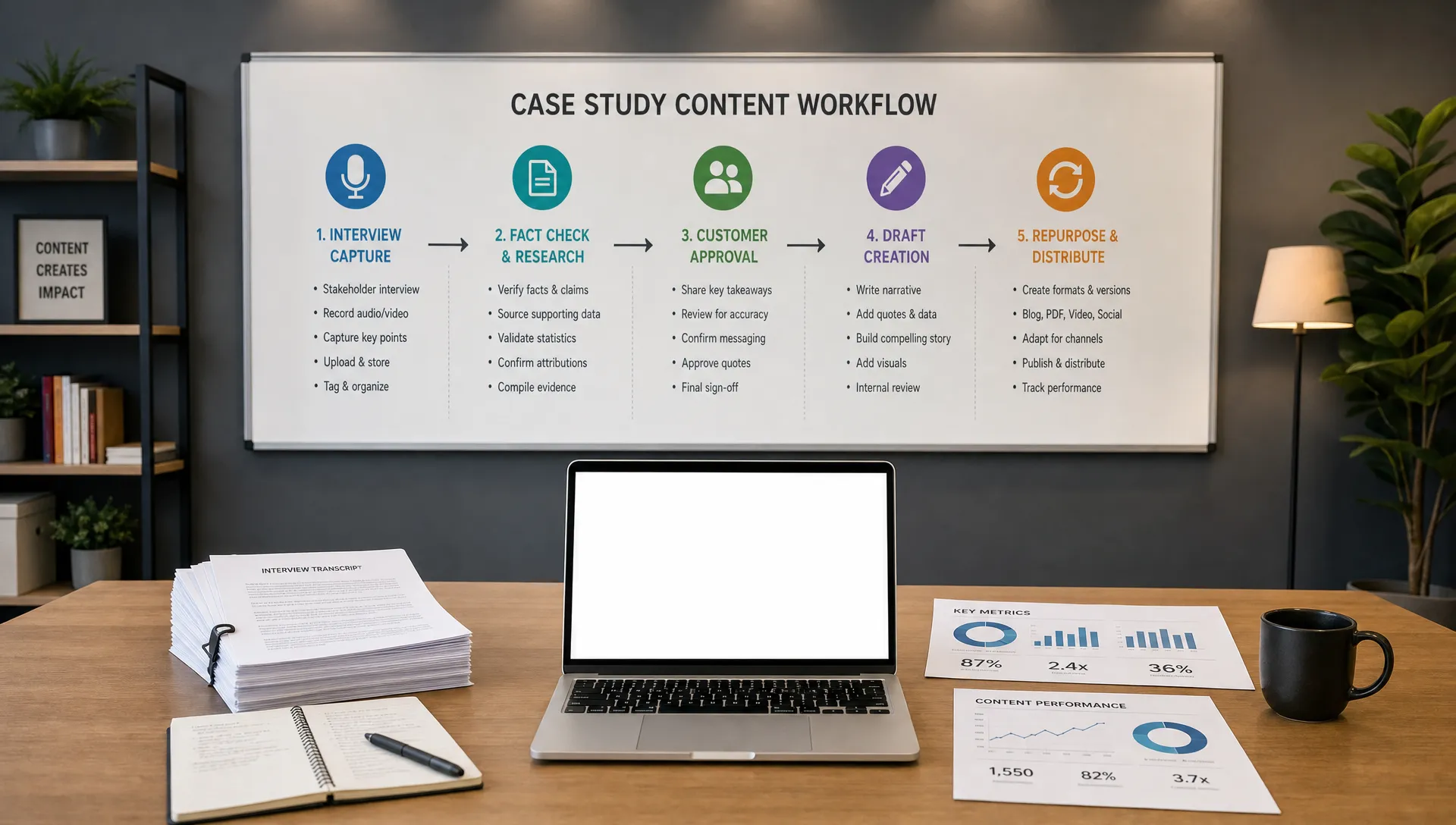
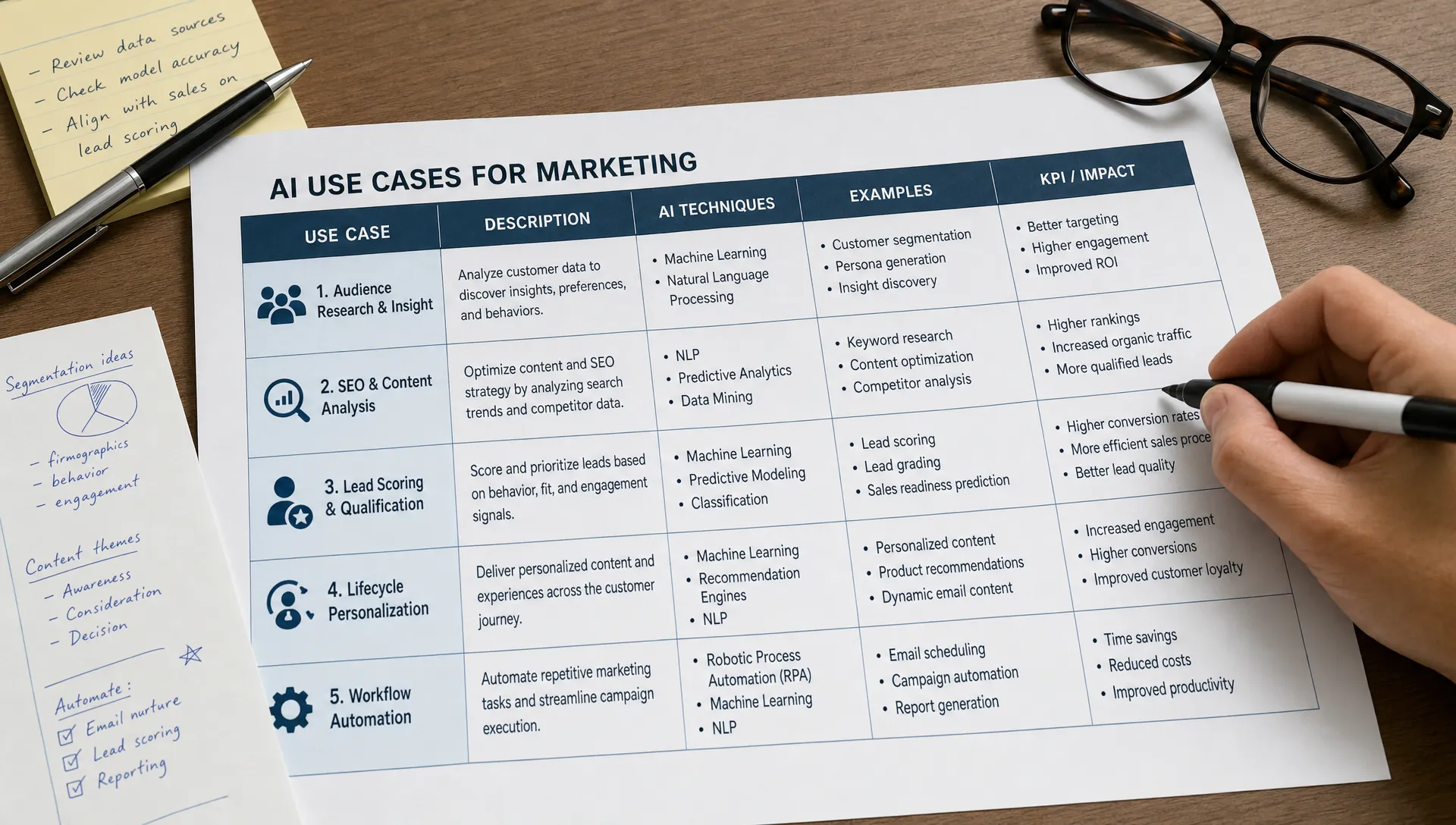
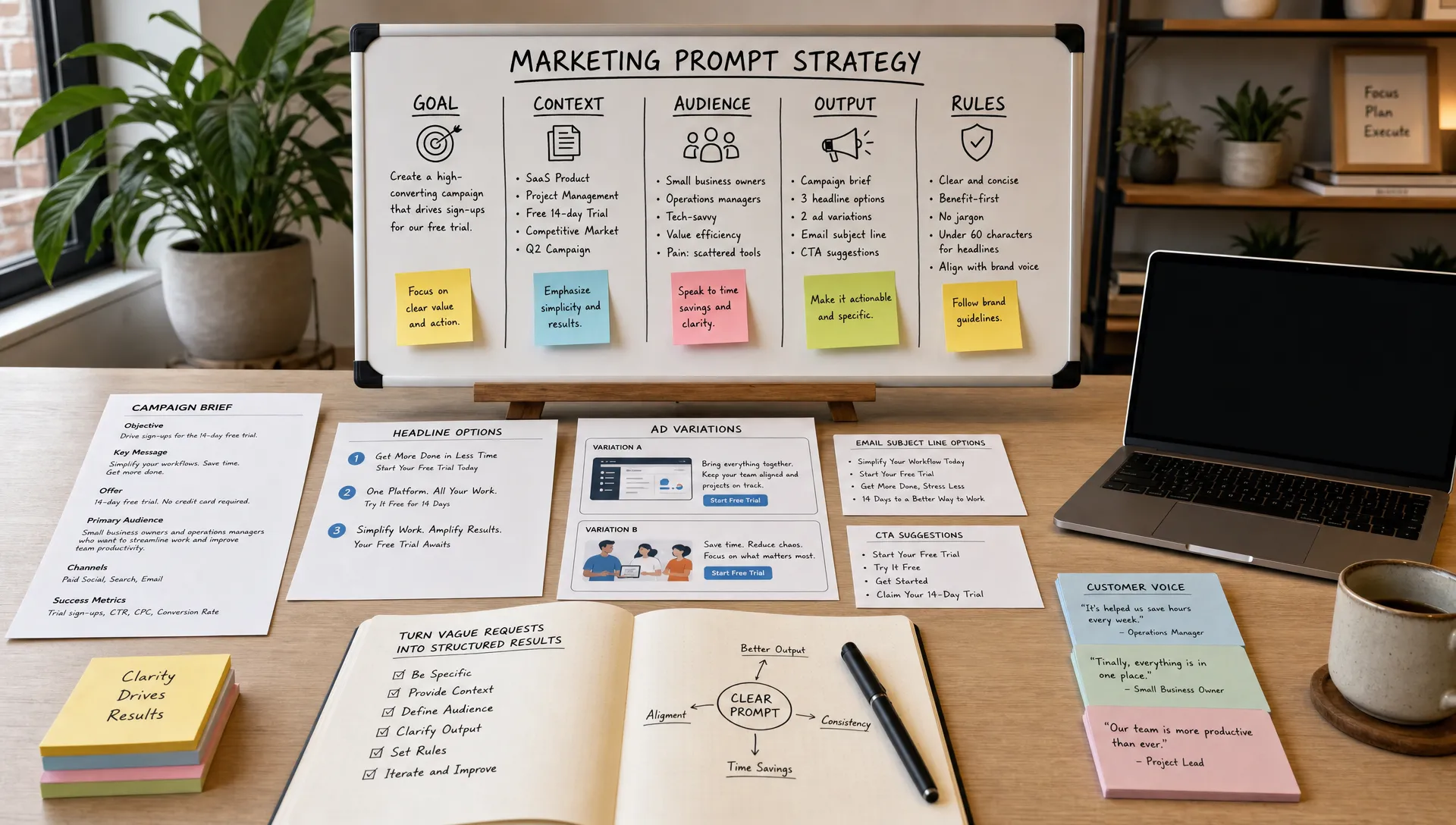
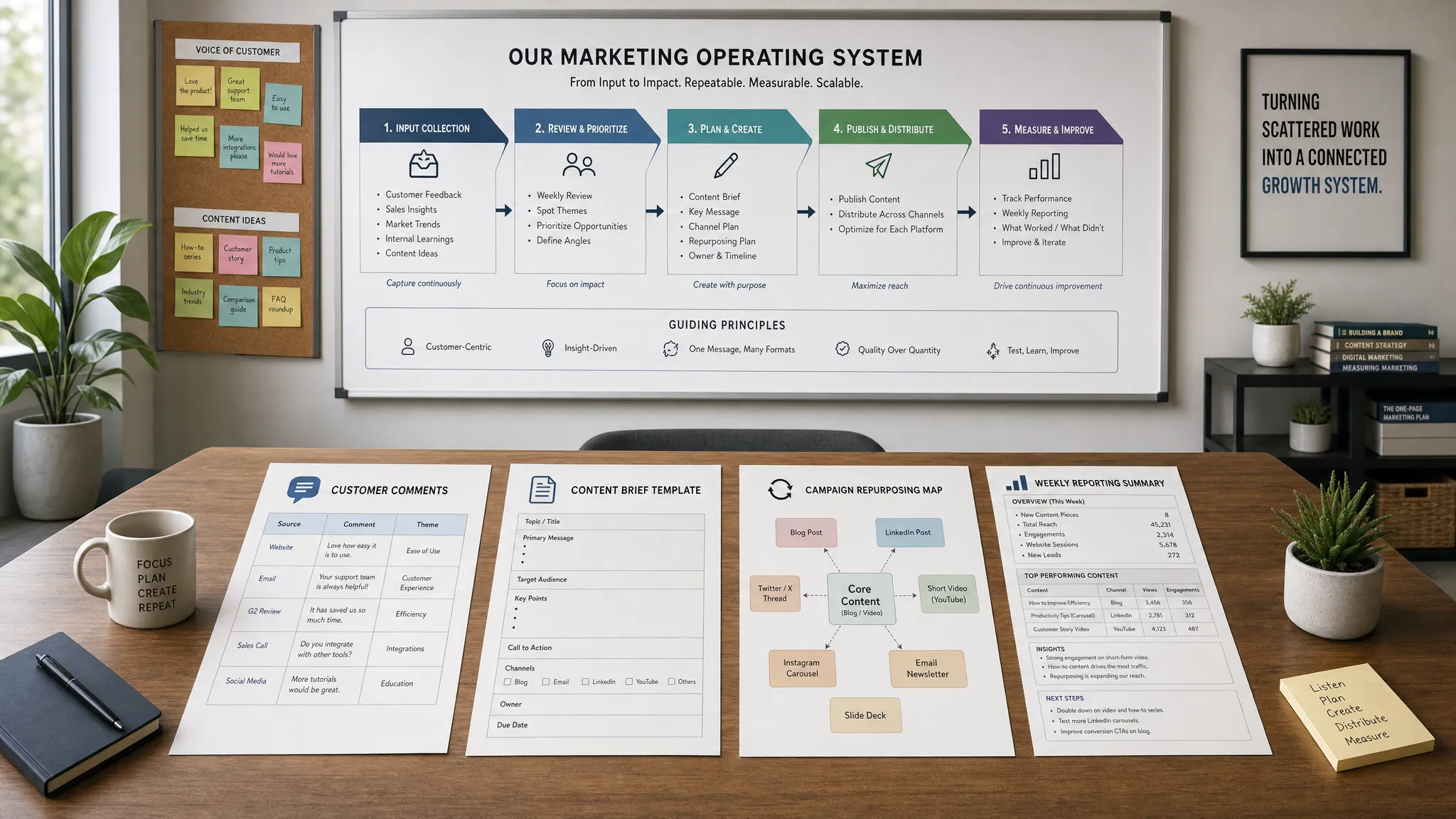
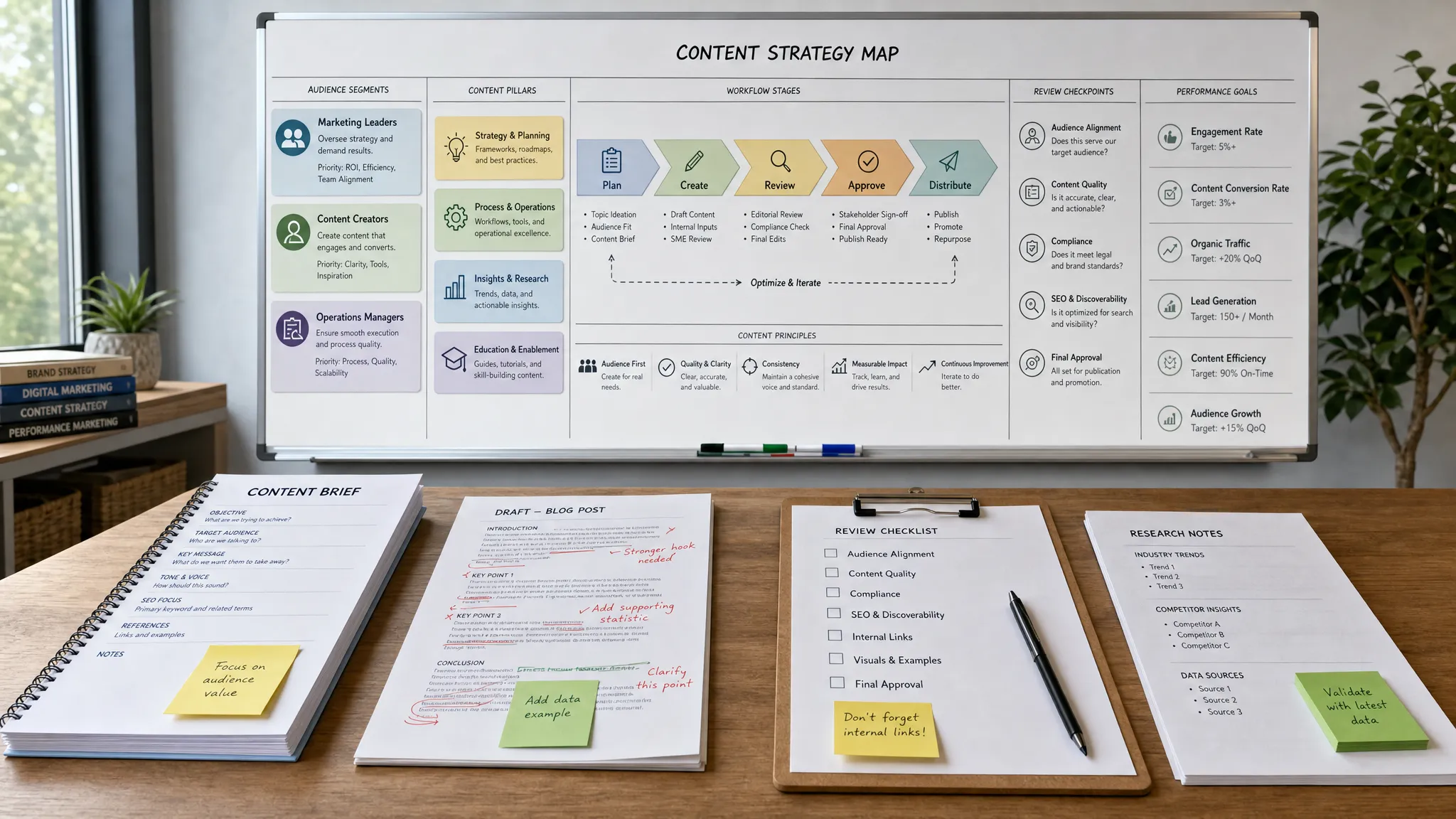
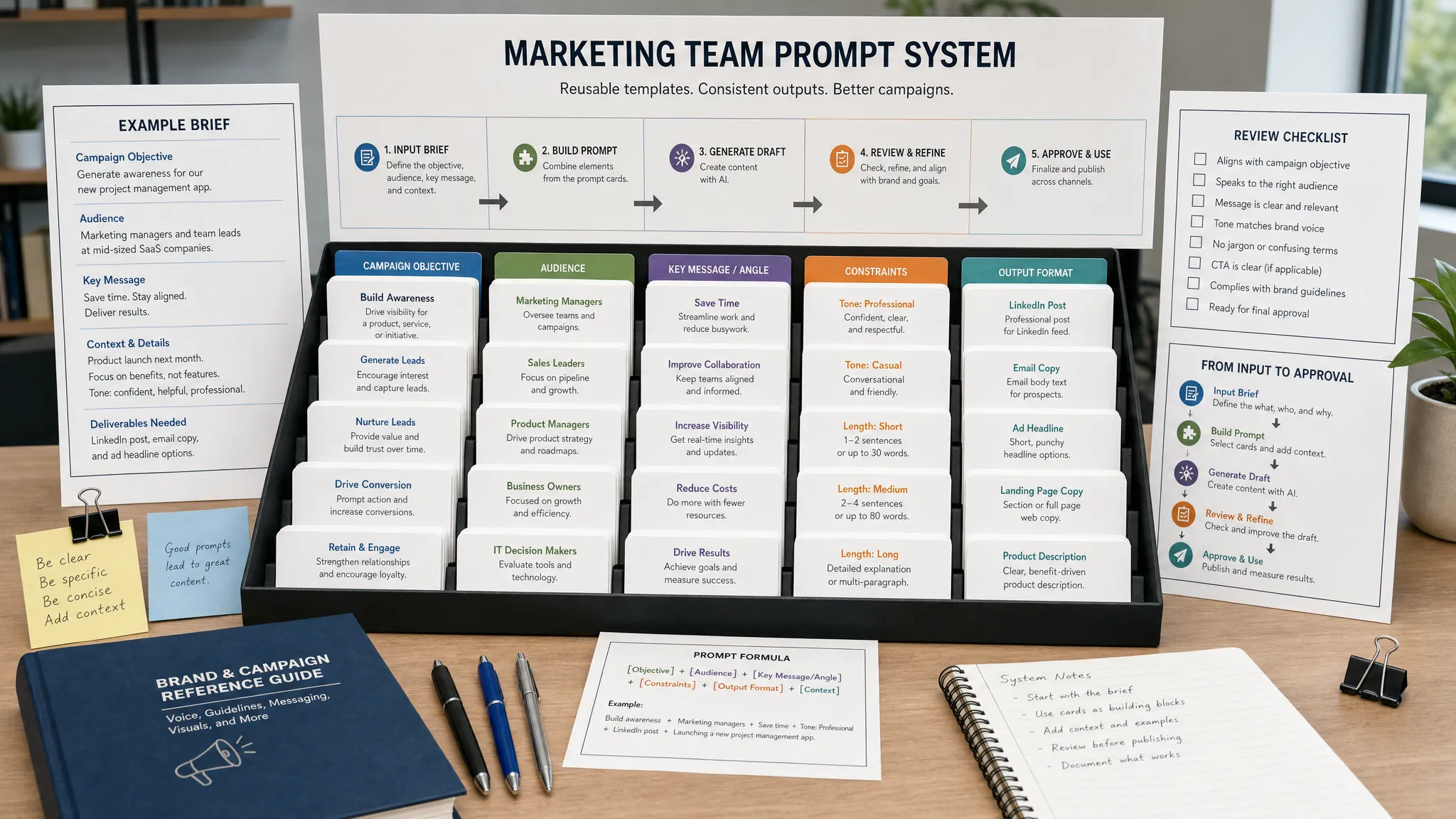
AI has significantly reduced the time cost of content marketing for Shopify stores — for product descriptions, blog posts, email copy, and ad creative — which matters most for stores without a dedicated content team, since it closes much of the output gap between a solo founder and a larger competitor with a full marketing department.
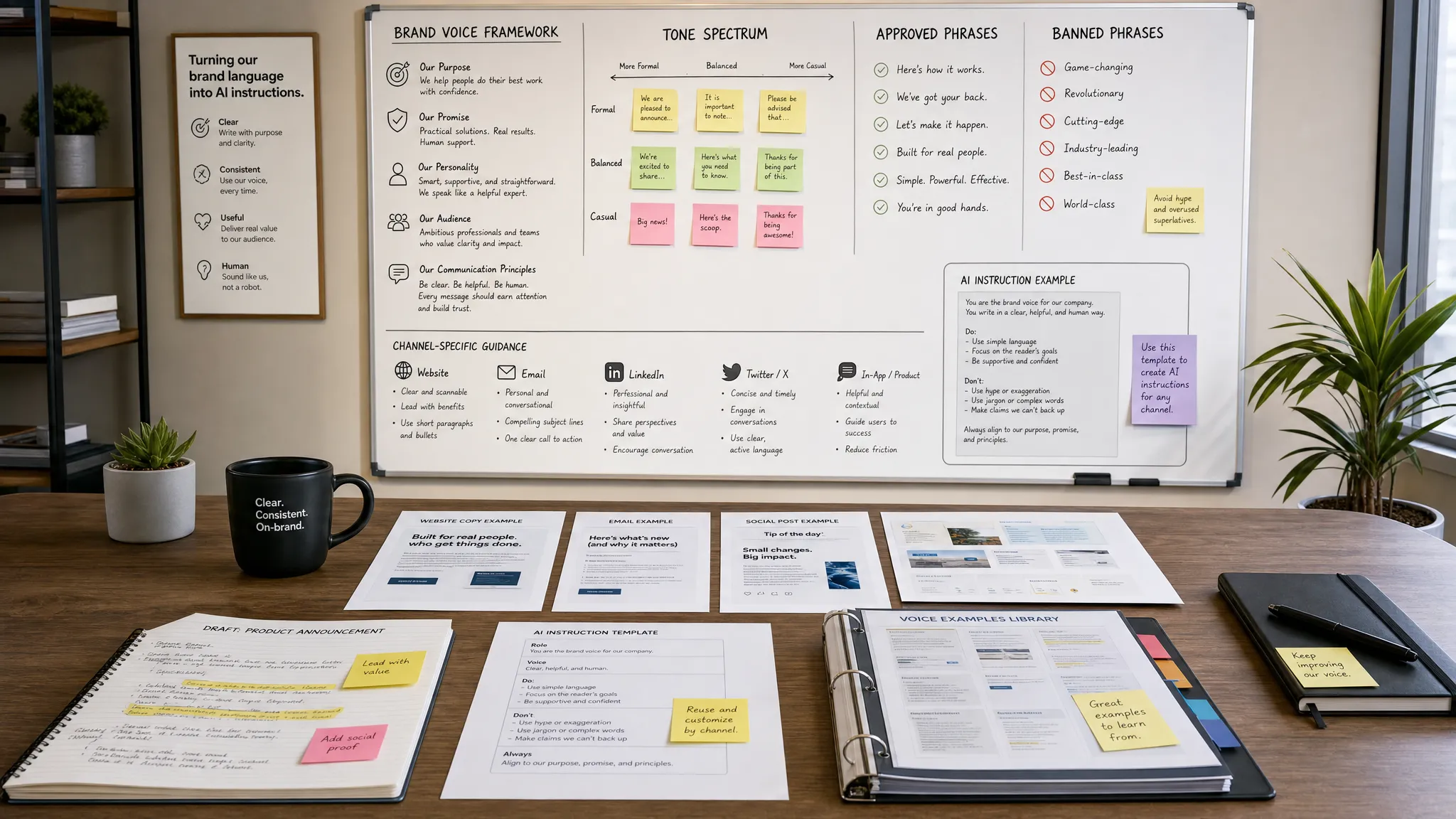
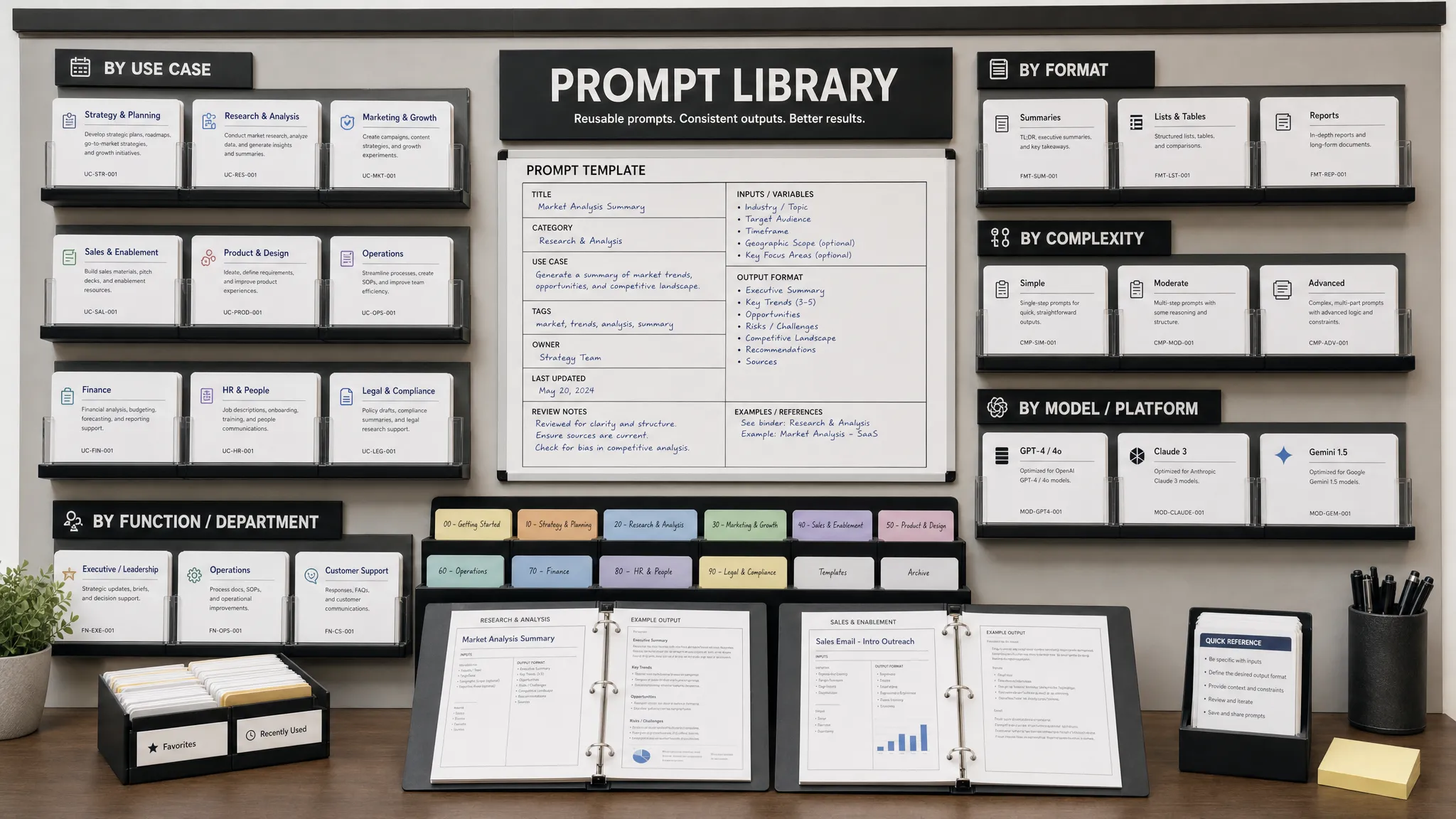
Channel-specific prompt generators produce better output than generic AI prompts, because they build in the structural elements (goal, tone, audience, format constraints) that a generic prompt leaves out. Try the free AI Prompt Generator by channel and goal →
Google, Meta, LinkedIn, and YouTube all have strict, and different, character limits for ad copy. Exceeding them causes ads to be truncated in preview or rejected outright depending on the platform and field, which is an easy problem to avoid but a surprisingly common one when copy is drafted in a plain text editor with no limit checking. Check your ad copy character counts free →
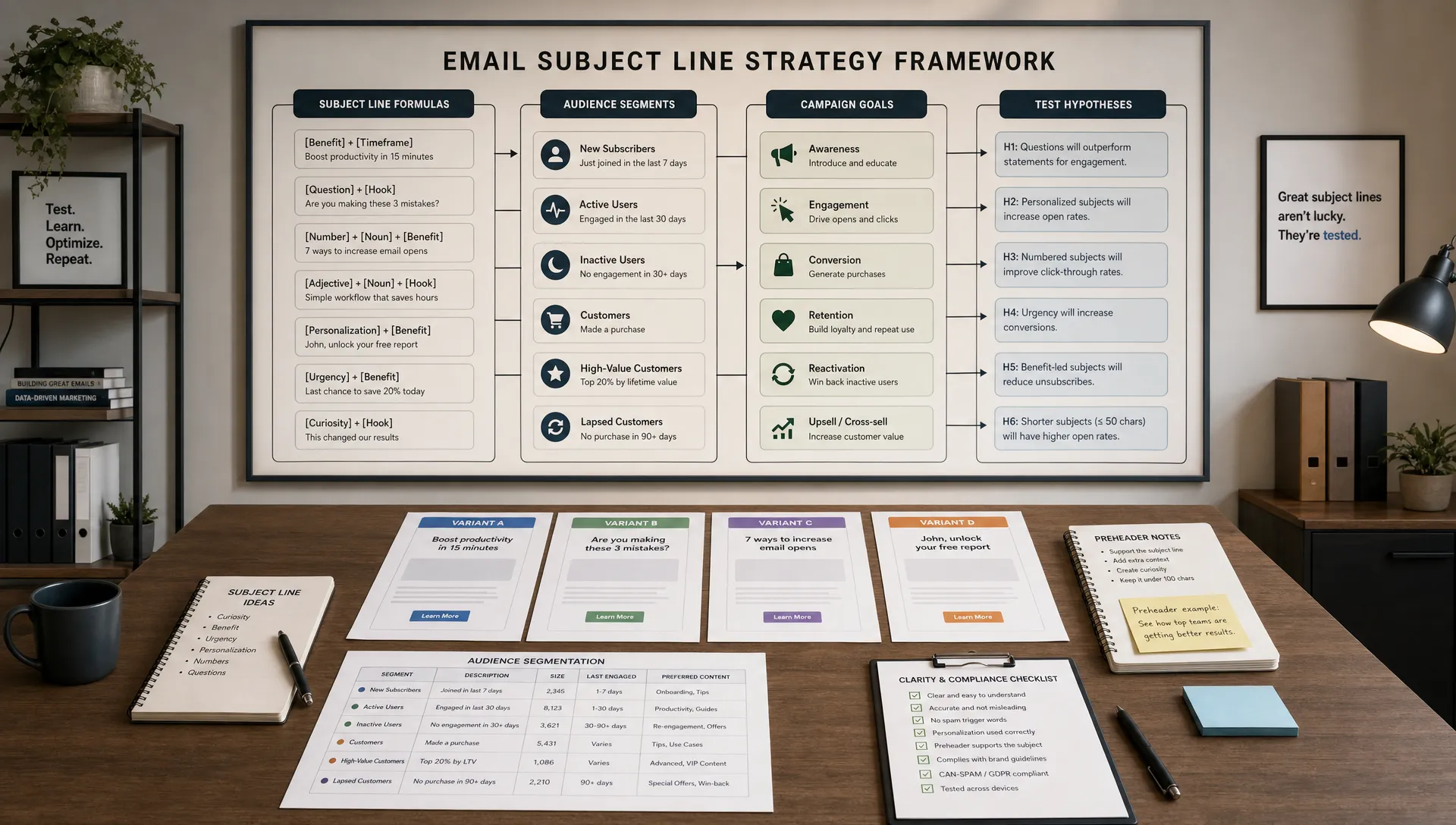
For a store building this stack from scratch, a reasonable order is: get Shopify's native analytics and email tools running first, add a dedicated email platform like Klaviyo once your list passes a few thousand subscribers, layer in SEO tooling once you have product-market fit and are ready to invest in content, and add dedicated paid-ads attribution tooling only once ad spend is significant enough that attribution accuracy meaningfully changes budget decisions. Adding every tool on day one usually means none of them get used well.
The best Shopify marketing stack in 2026 doesn't need to be expensive. Start with the free tools — the calculators above tell you what you can afford to spend before you commit a dollar to any paid channel. Then invest in Shopify as the foundation, add email marketing early since it has the fastest and most reliable ROI, and layer in SEO and paid tools as revenue grows and each additional tool's cost is clearly justified by what it unlocks.
Start your free Shopify trial and build your store today →
No — Shopify's native tools cover analytics, basic email, and discount management well enough to launch and run a store for months before any of the specialized tools above become necessary.
Email, almost always — the ROI is the highest and most reliable of any channel, and Shopify Email's free tier removes cost as a barrier to getting started.
A common signal is outgrowing the segmentation or automation complexity a native tool supports — for email specifically, once you want behavior-based flows more sophisticated than a simple welcome series or abandoned cart reminder, that's usually the point where a platform like Klaviyo starts paying for itself.