Disclosure: This post contains affiliate links. We may earn a commission if you purchase through our links, at no extra cost to you.
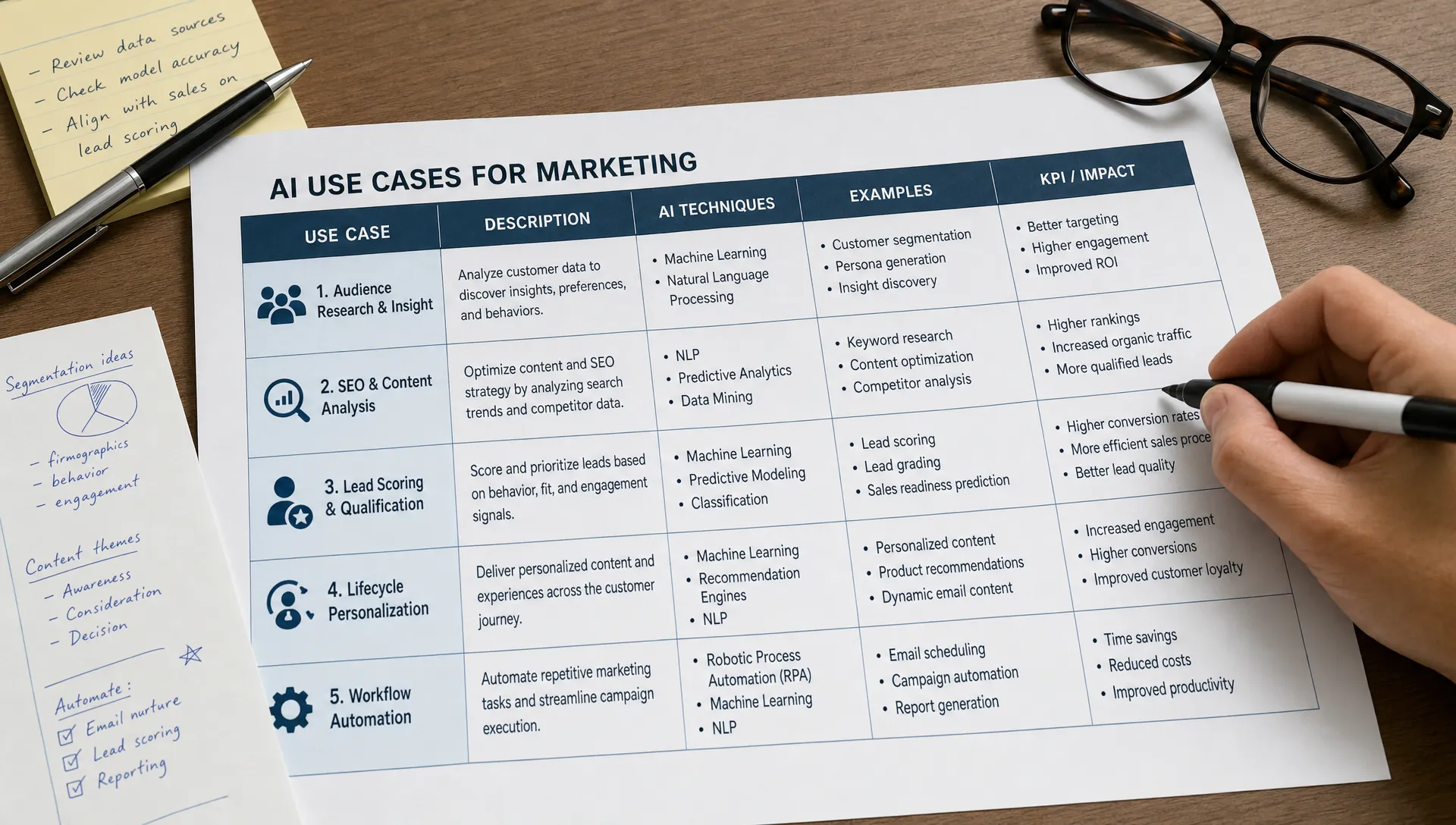
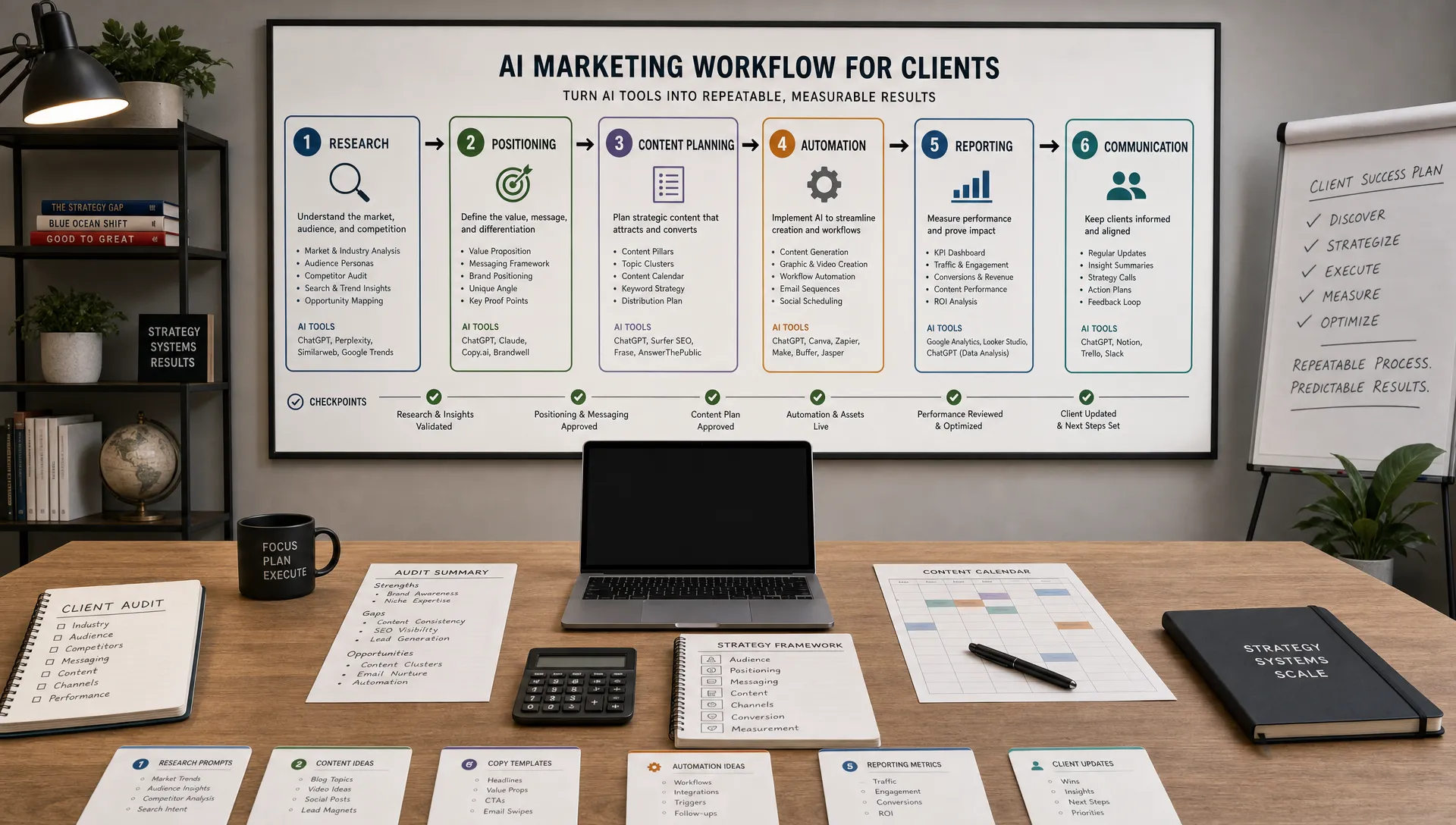
AI has shifted from a buzzword to a practical toolkit for Shopify store owners in 2026. The stores seeing the biggest gains aren't the ones using the most AI tools — they're the ones using a focused set of AI tools on the right tasks, with a human still reviewing everything before it goes live. This guide covers where AI actually moves the needle for e-commerce marketing, where it still falls short, and how to build a realistic AI-assisted workflow around your existing team rather than replacing it.
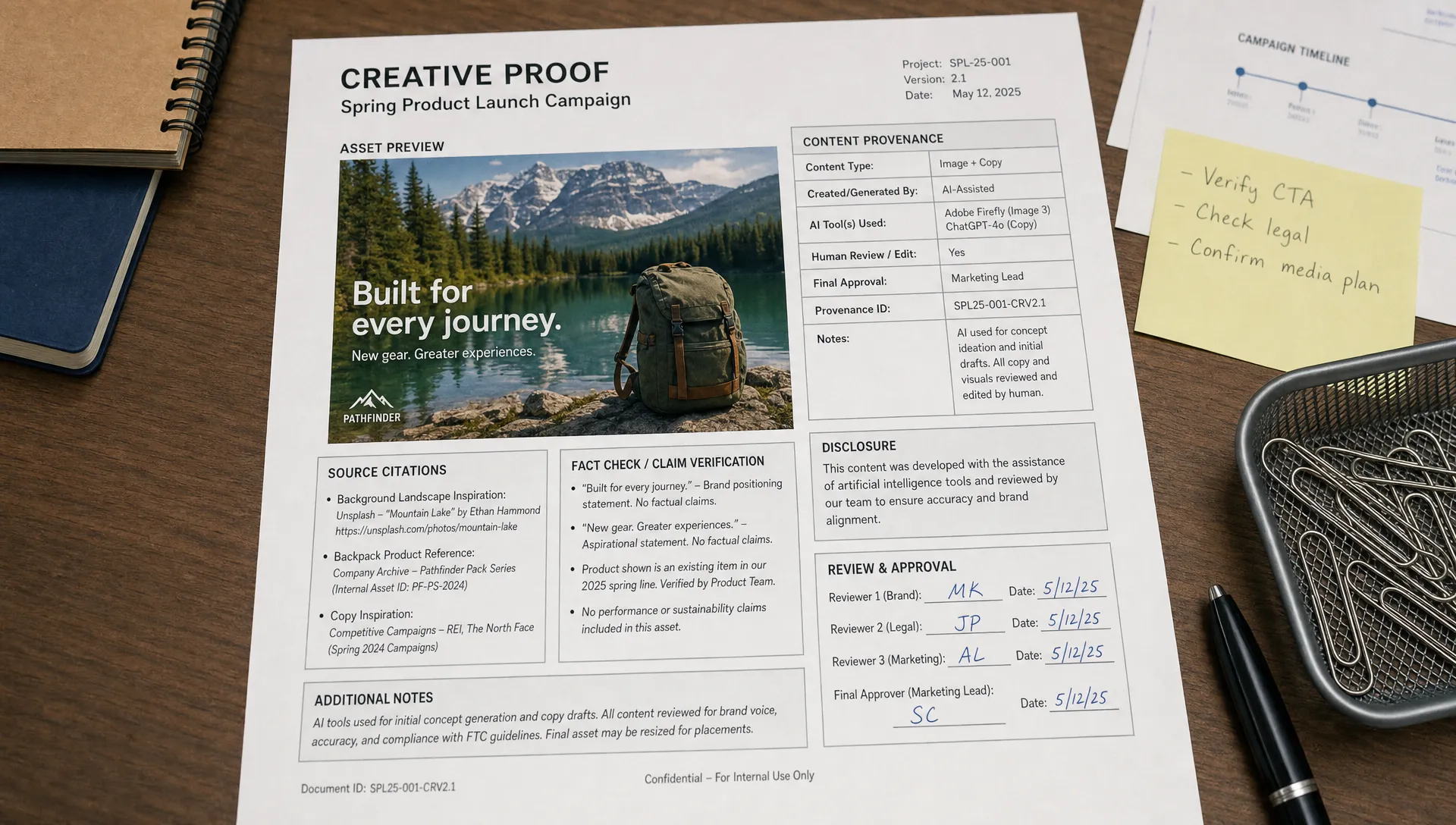
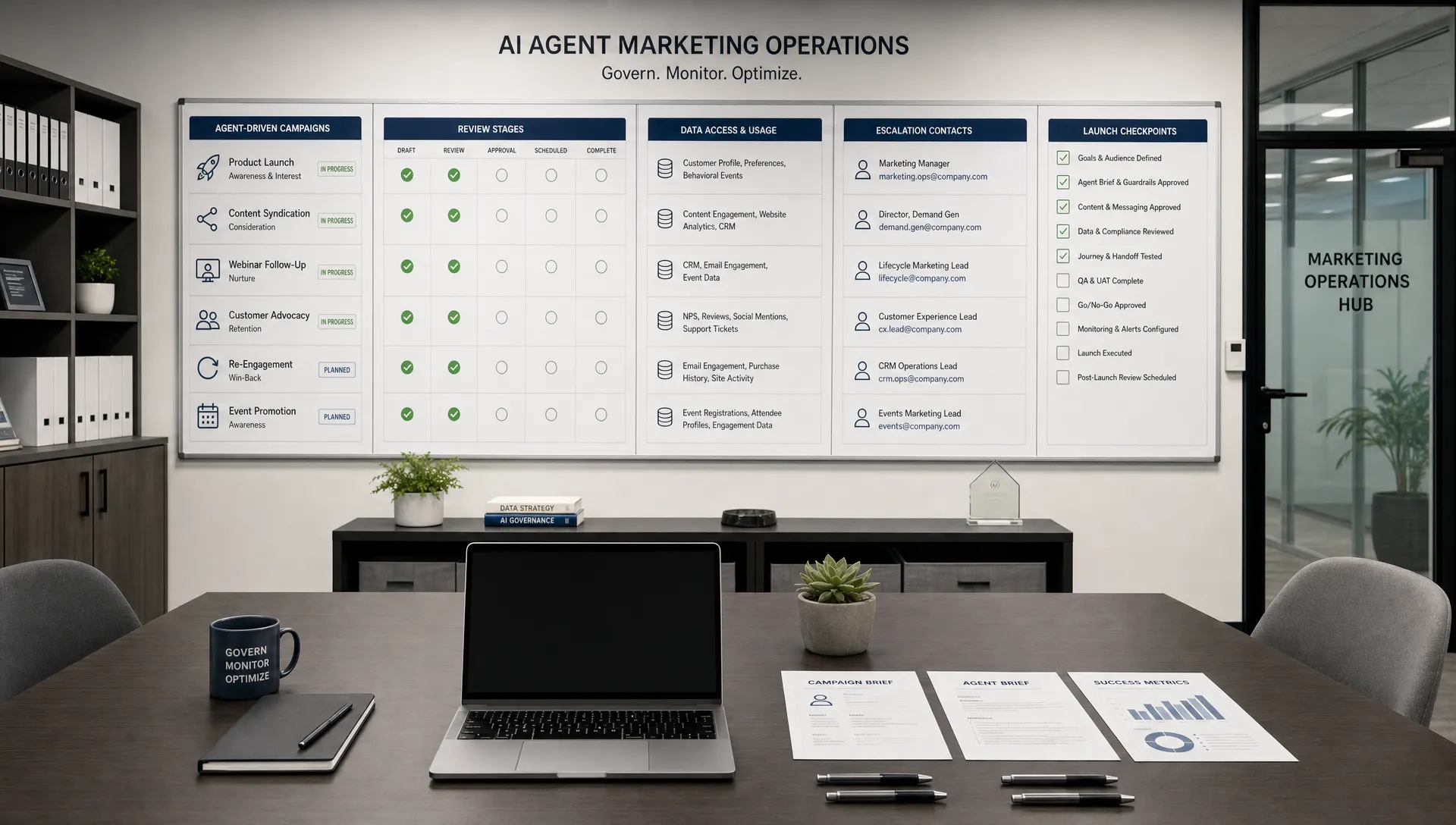
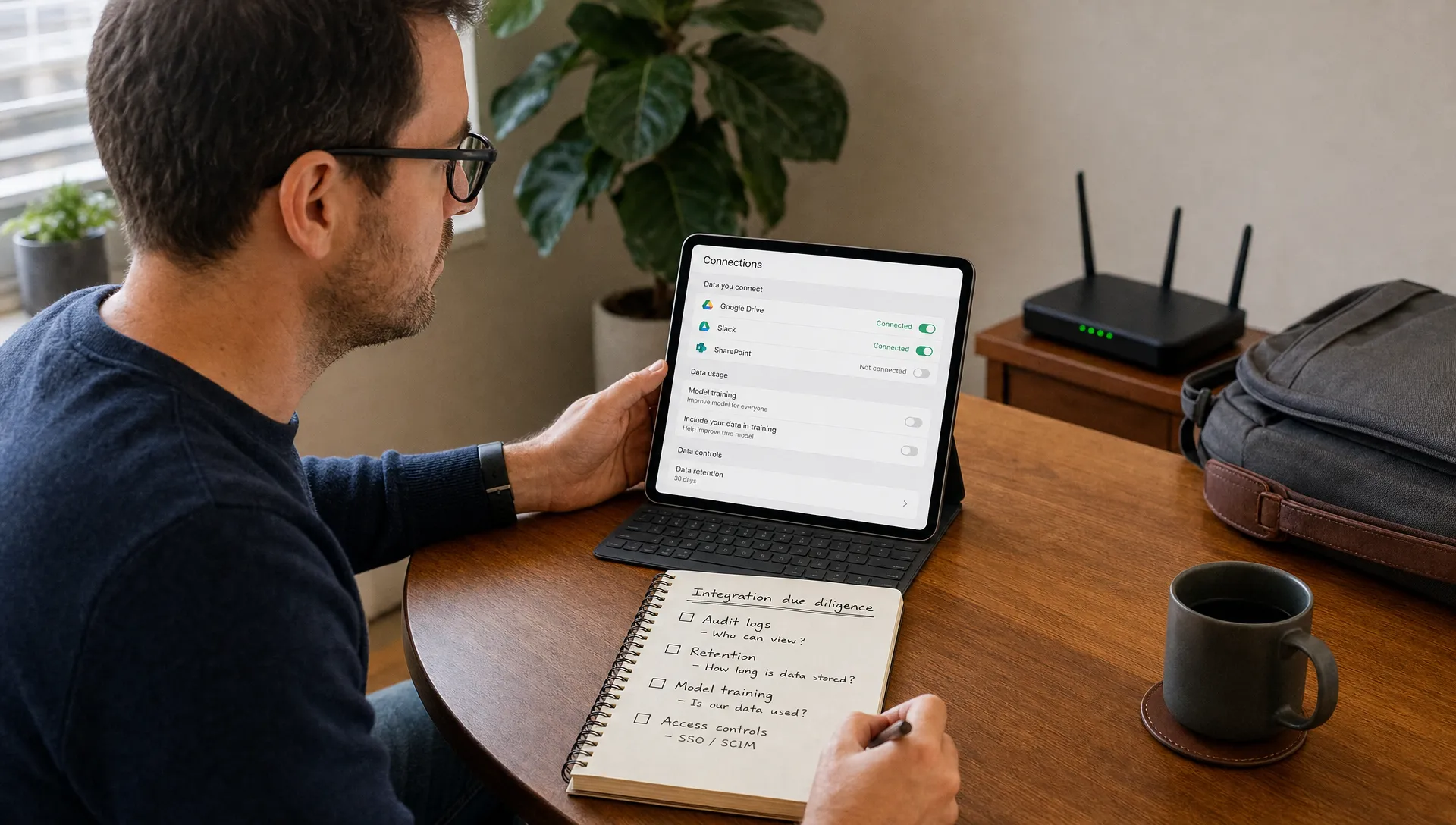
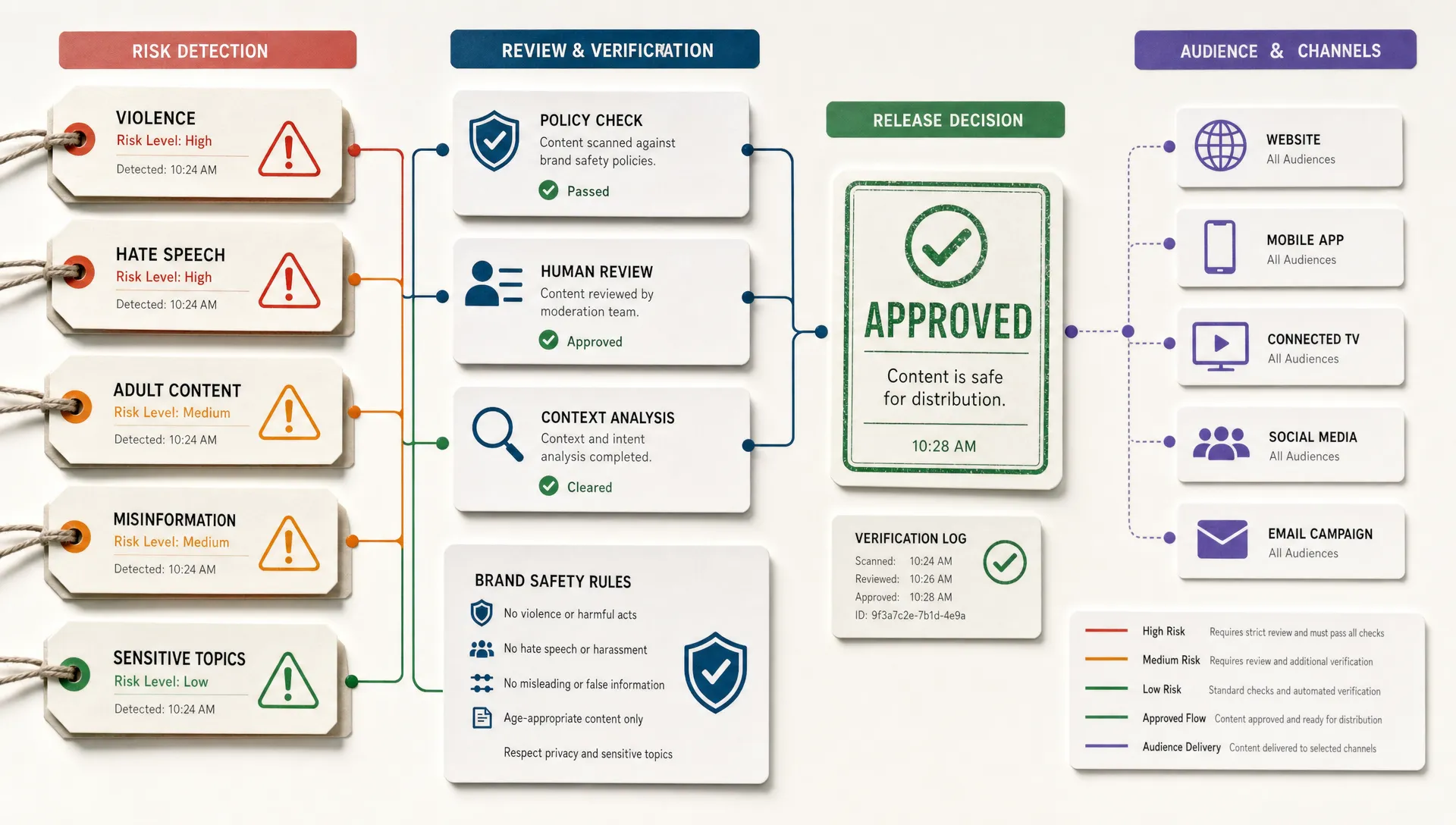
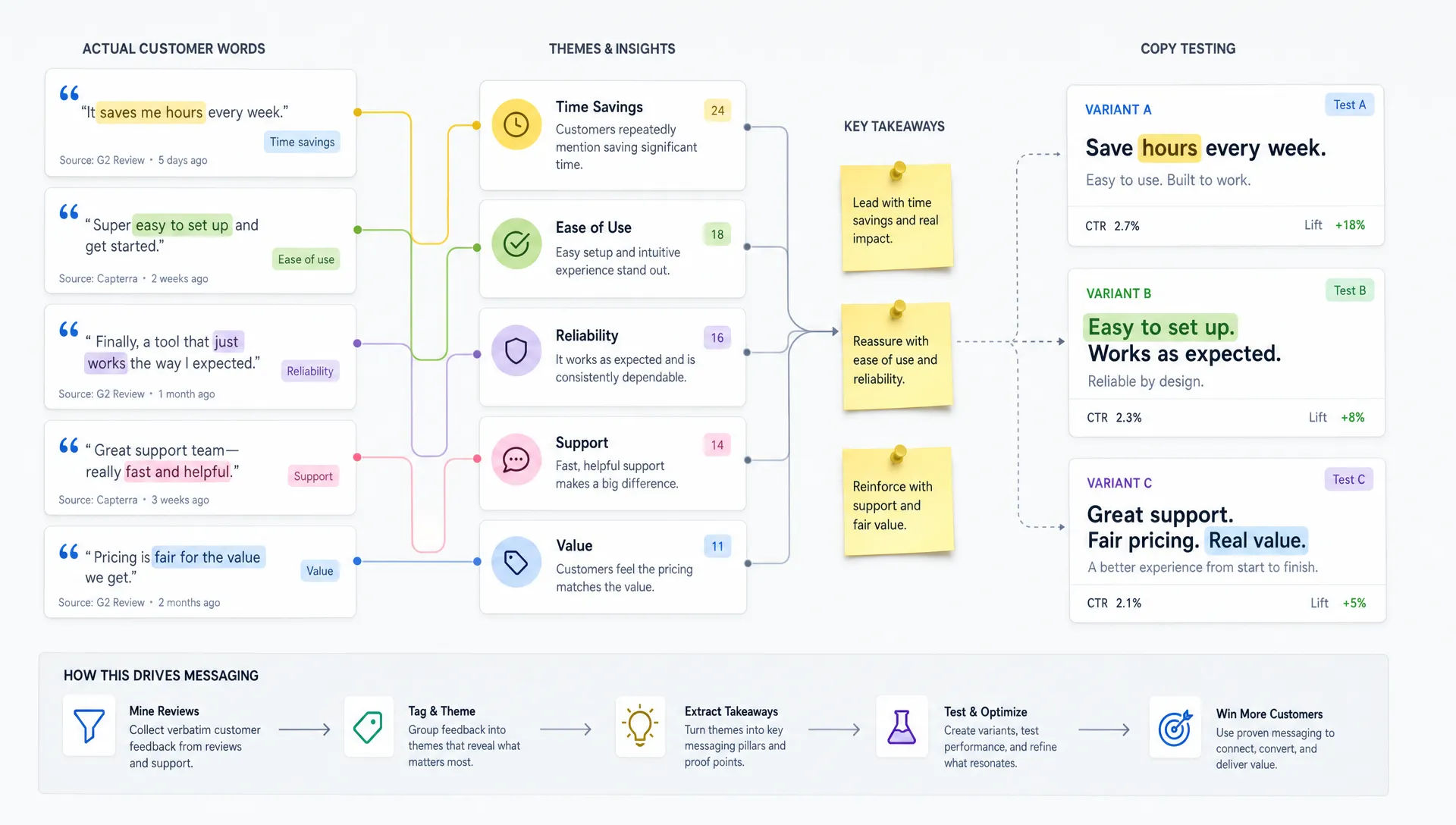
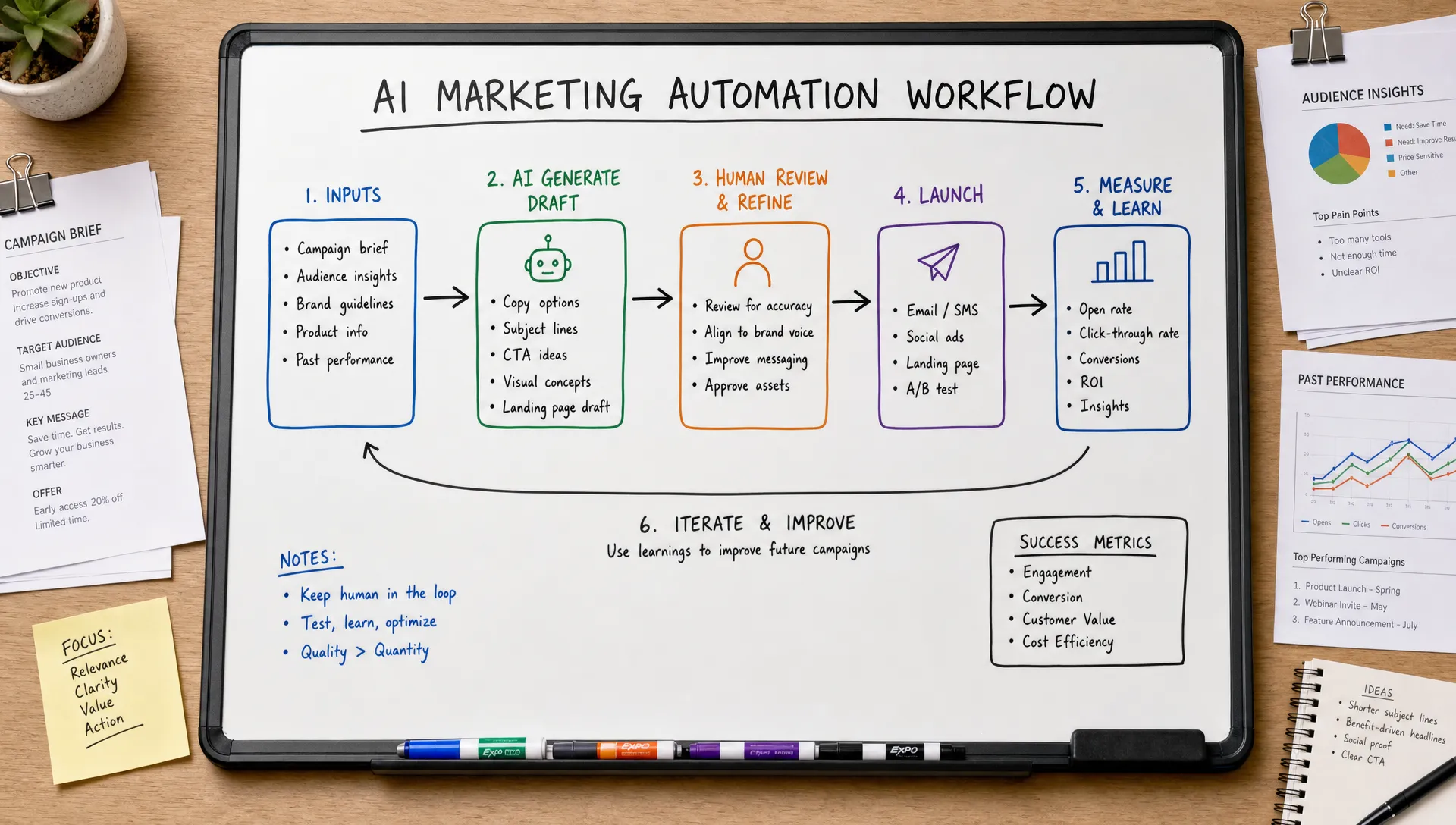
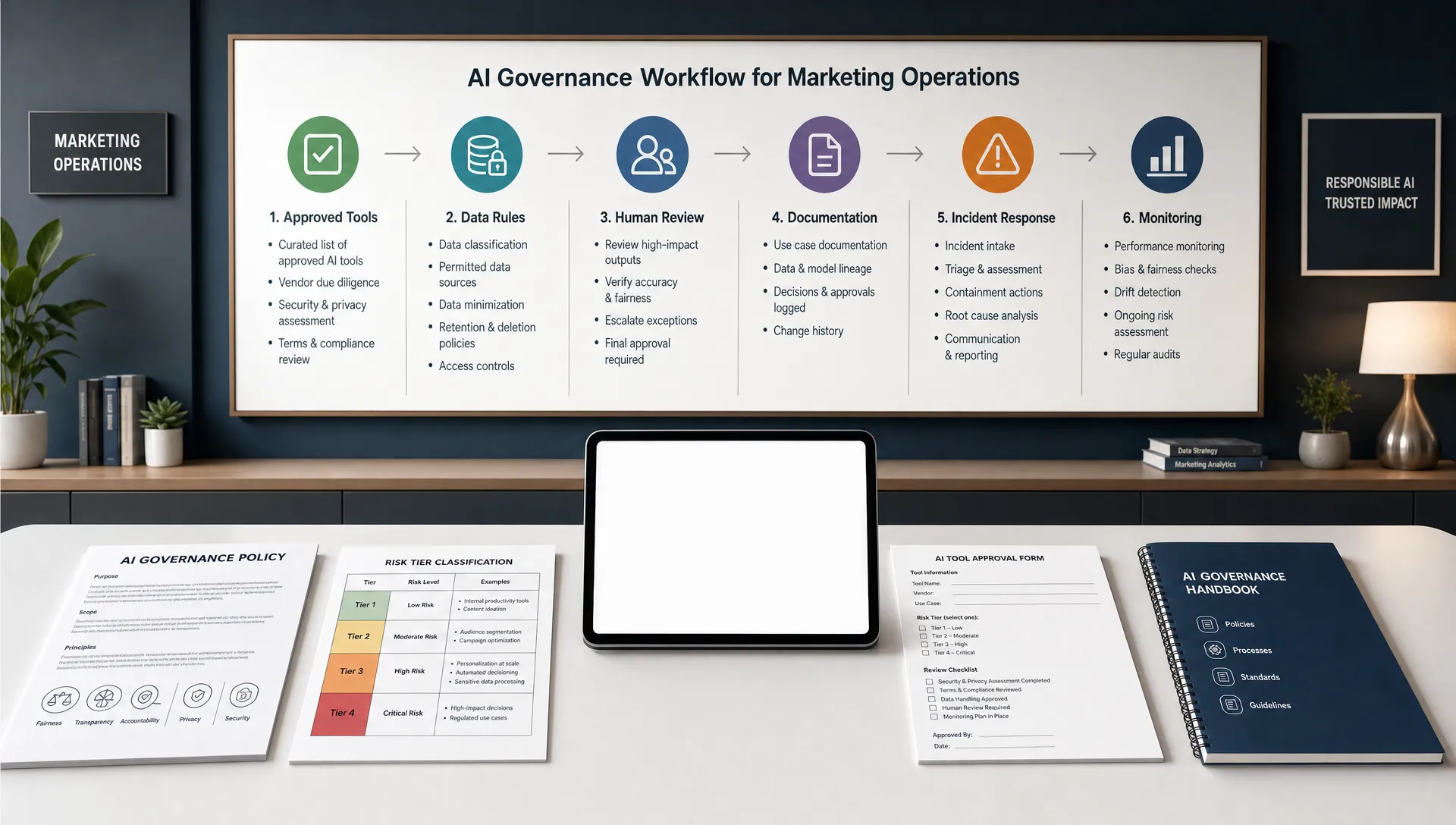
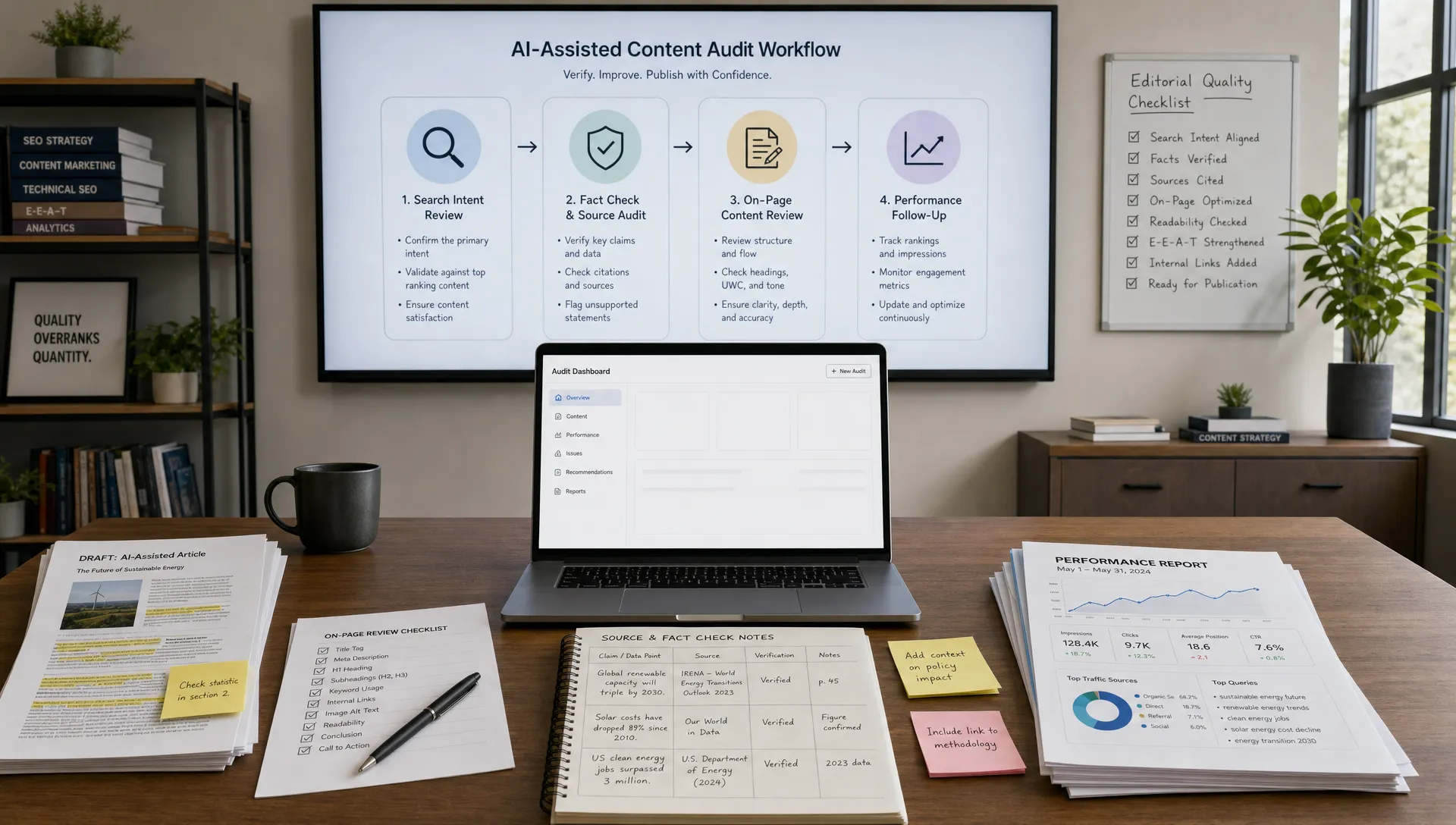
The biggest mistake store owners make with AI marketing tools isn't under-using them — it's over-trusting them. AI-generated copy, images, and even strategy recommendations can be confidently wrong: a product description that misstates a material, an email subject line that violates a platform's spam filters, an ad headline that makes a claim your legal team wouldn't sign off on. Every workflow below assumes a person reviews the output before it reaches a customer.
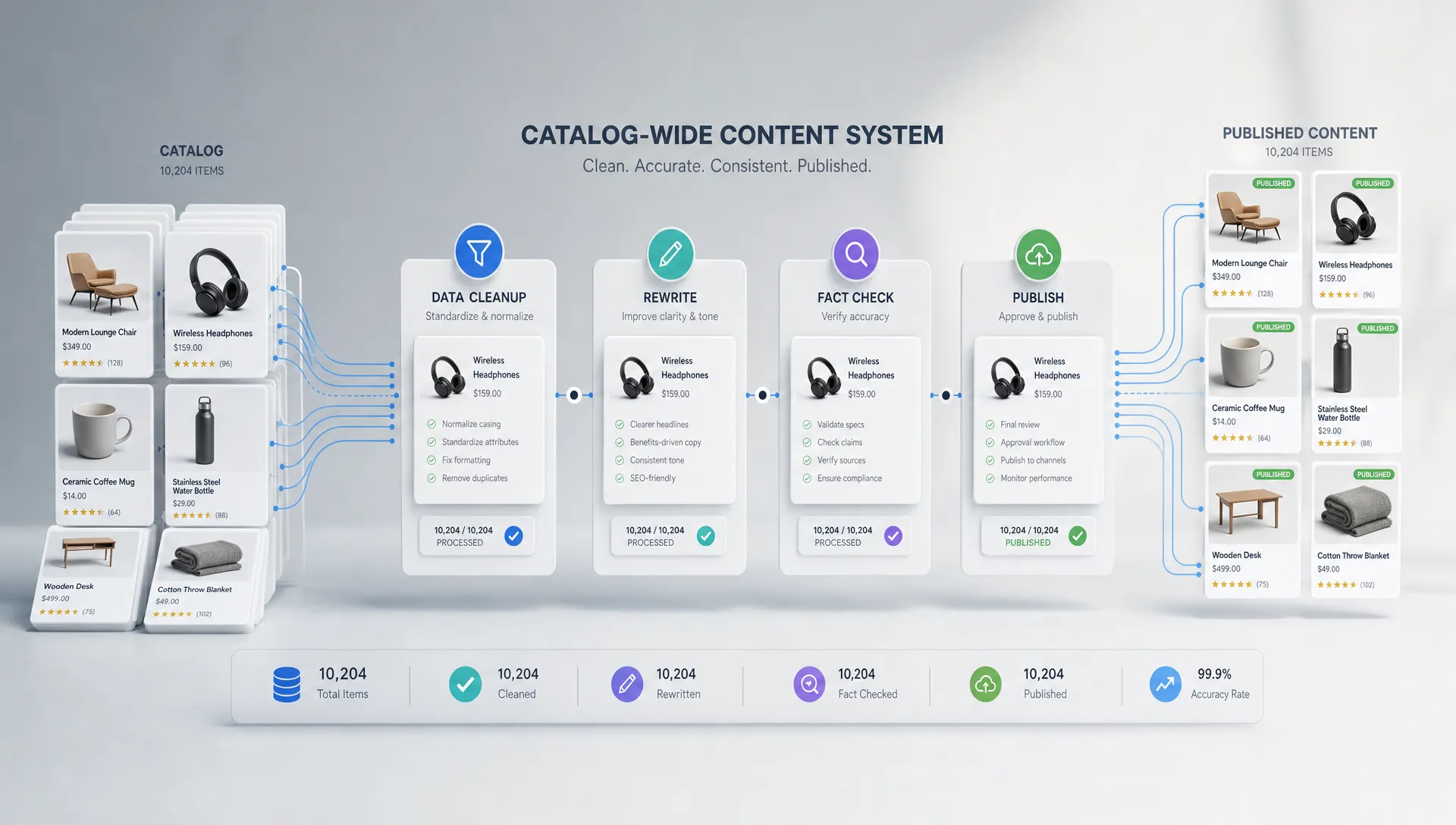
Writing unique, SEO-optimised product descriptions at scale is one of the most time-consuming tasks for any Shopify store with more than 50 SKUs. Doing it by hand for a catalog of a few hundred products can eat weeks of a founder's or content person's time — time that usually comes at the expense of everything else in the marketing calendar. AI handles this well, but only with the right prompt structure.
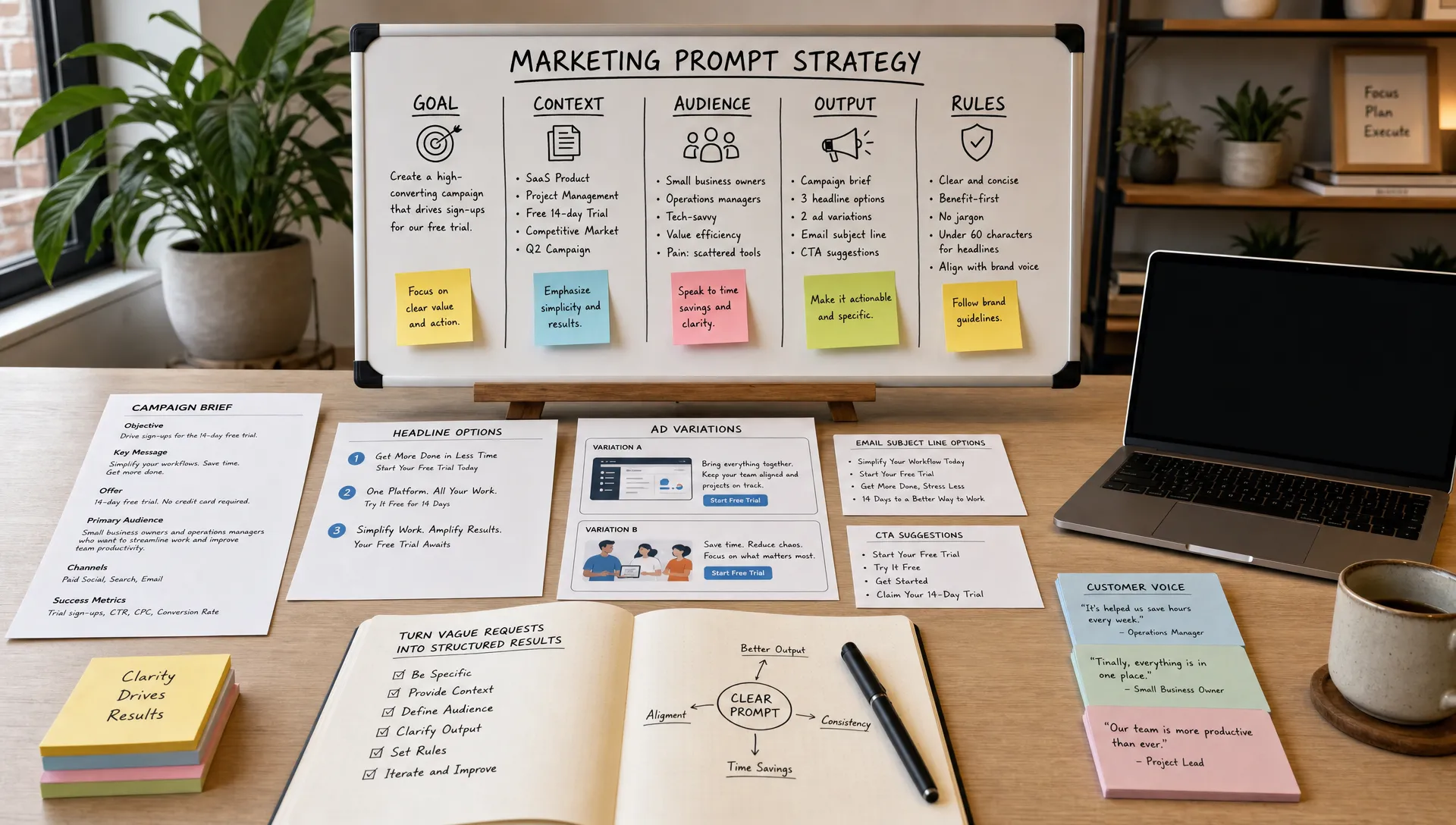
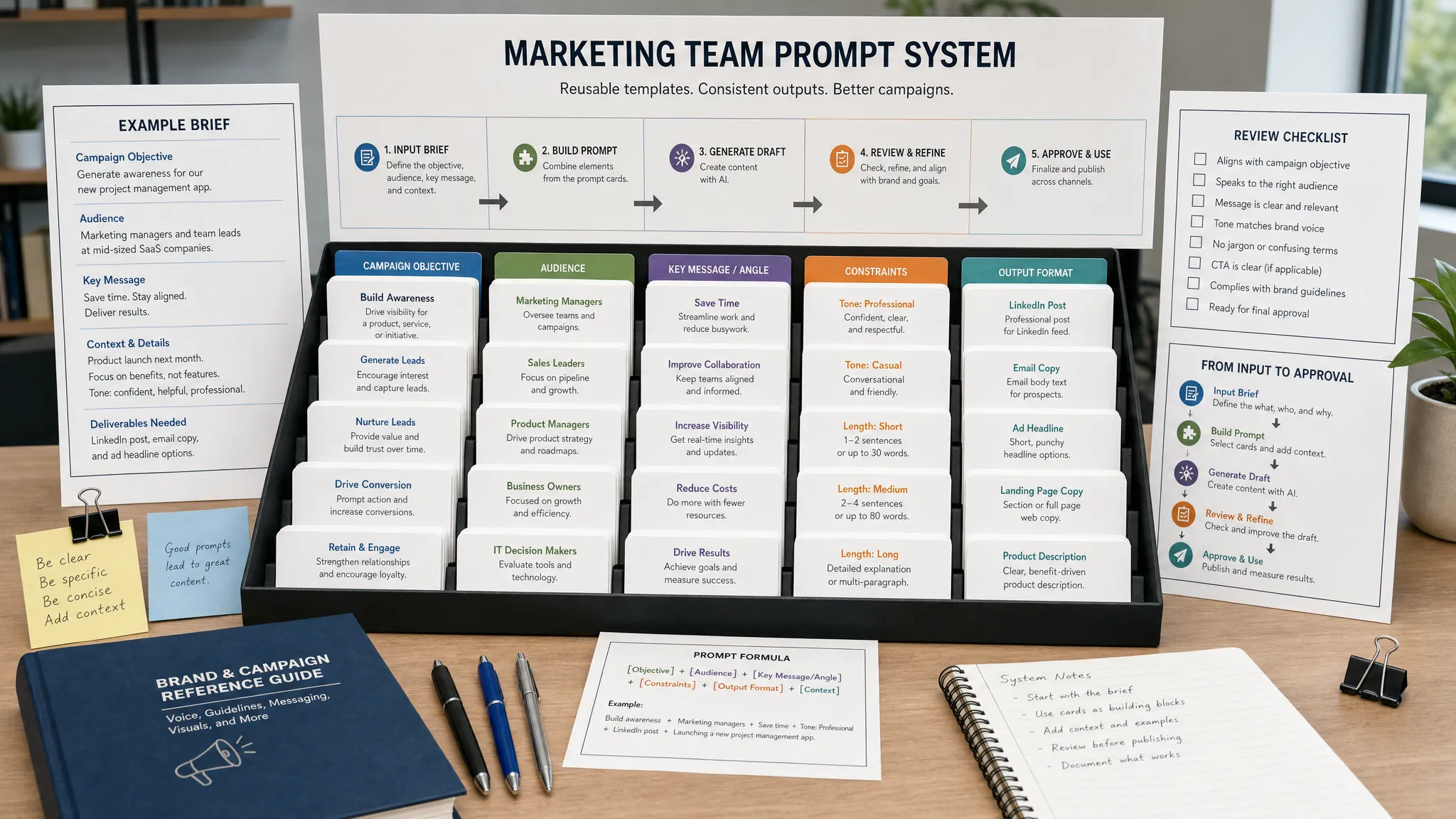
The key is giving the AI specific inputs rather than a bare product name: the product name, three to five key features or specifications, the target customer (a specific persona, not "everyone"), the desired tone (playful, technical, luxury, minimalist), and any SEO keyword you want naturally worked in. Generic prompts like "write a product description for a candle" produce generic, interchangeable descriptions that read like every other candle listing on the internet — and that sameness is exactly the kind of low-differentiation content that hurts both search rankings and conversion rates. A well-structured prompt, by contrast, produces a first draft specific enough that editing it takes minutes instead of starting from a blank page.
Use the free AI Prompt Generator to build structured prompts by goal and tone →
For a catalog refresh, group products by category first (all the coffee mugs together, all the throw blankets together), since products in the same category share a lot of the same input variables — audience, tone, common features. Draft one prompt template per category, generate descriptions for the whole batch, then do a single editing pass focused on catching factual errors (materials, dimensions, care instructions) and injecting one or two details an AI couldn't know, like a founder's personal note about why the product exists. That last step is small but it's what keeps a page from reading as obviously AI-written.
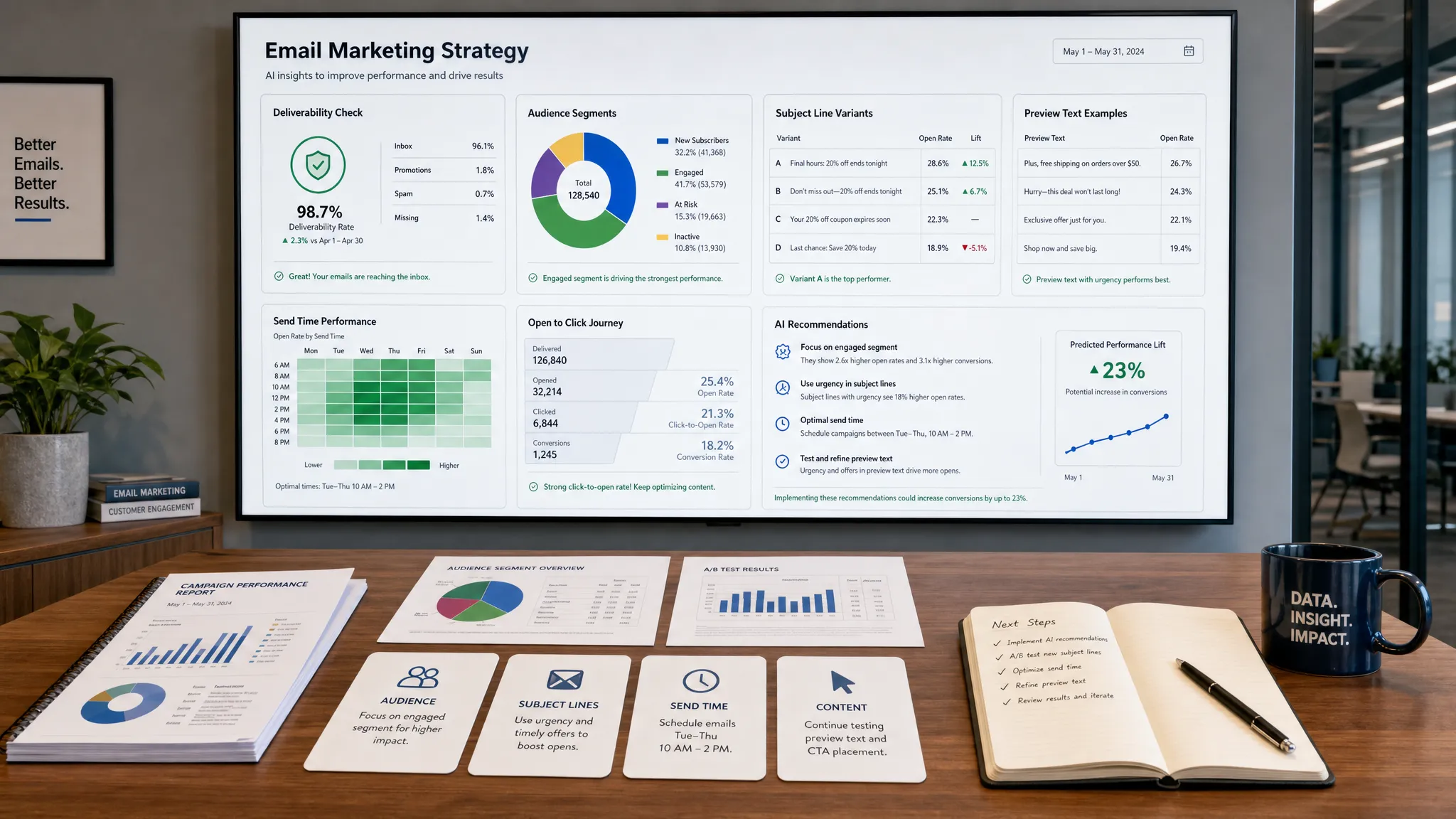
Email remains the highest-ROI channel for Shopify stores by a wide margin, and it's also one of the channels where AI assistance compounds fastest because email marketing is fundamentally a volume-and-iteration game. AI accelerates three specific tasks inside that game.
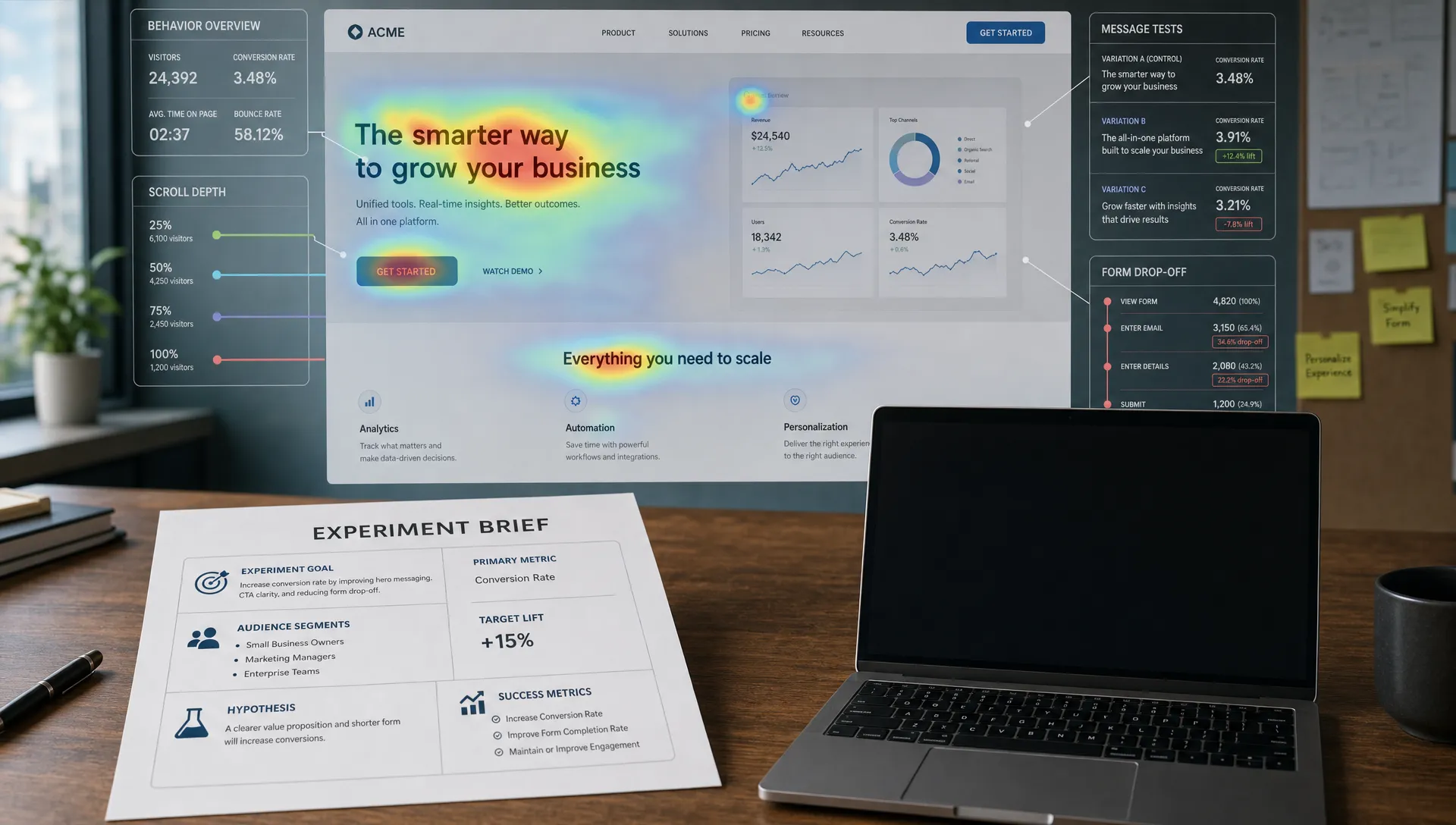
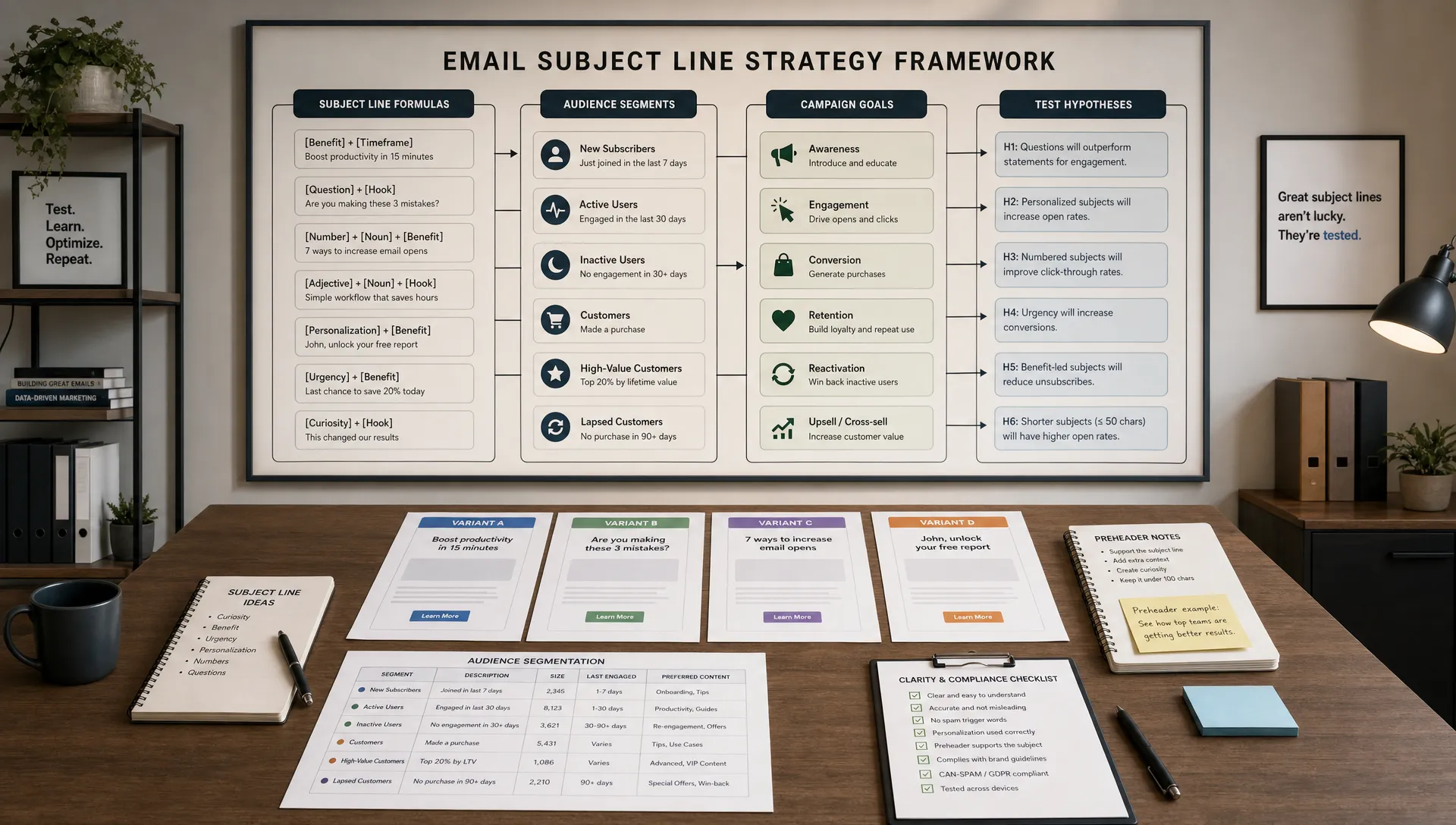
A/B testing AI-generated subject line variations consistently improves open rates by 8–15% in e-commerce campaigns, largely because AI can generate ten distinct angles (curiosity, urgency, benefit-led, question-based, personalized) in the time it takes a person to write two. The AI doesn't need to write the winning subject line — it needs to generate enough genuinely different options that testing actually surfaces one.
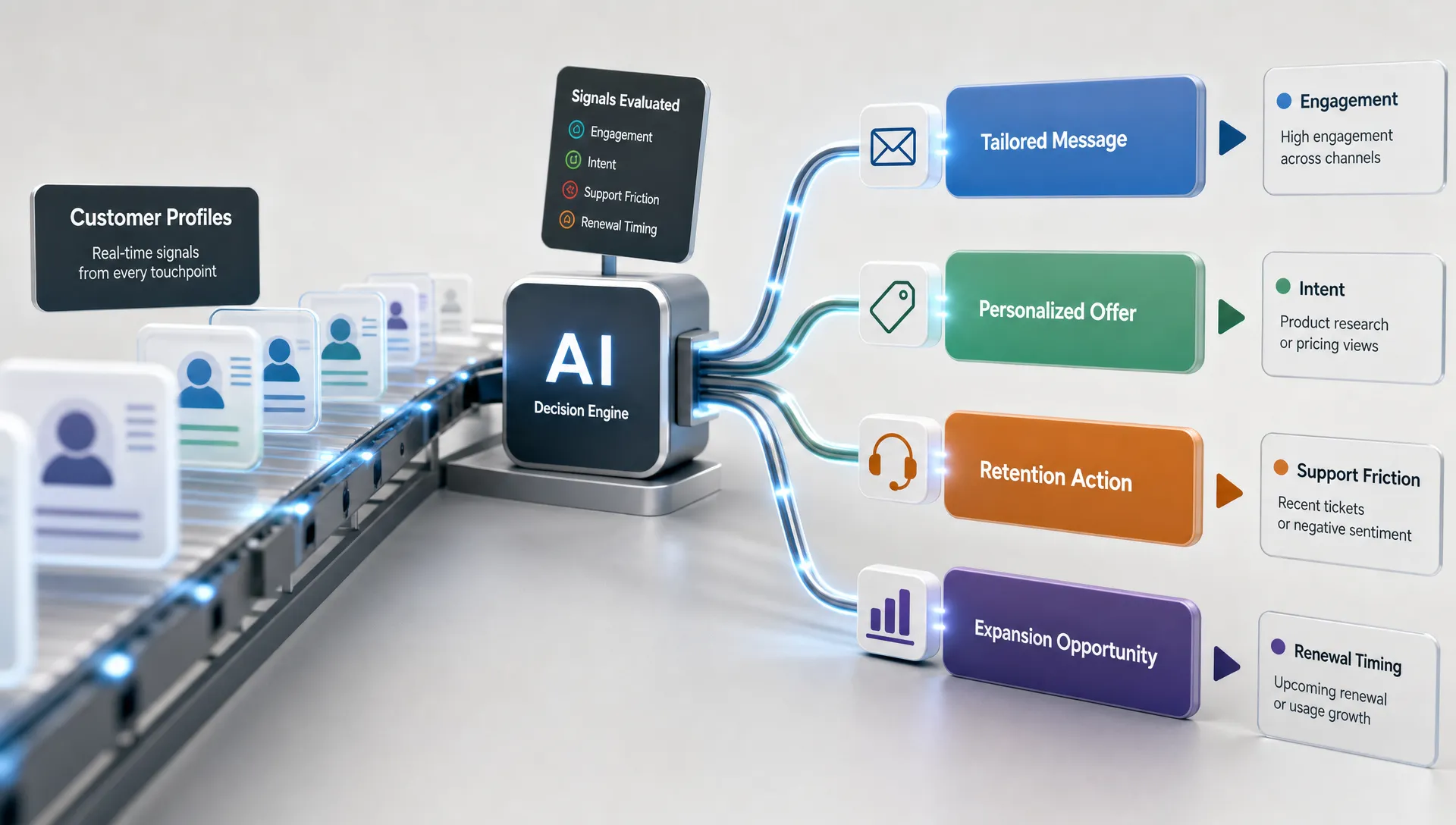
AI can draft multi-step abandoned cart sequences tailored to product category and cart value: a $30 cart might get a simple two-email reminder sequence, while a $300 cart might justify a three-email sequence that includes social proof, a limited-time incentive, and a direct line to customer support for anyone hesitating over a bigger purchase. Segmenting the sequence by cart value this way, rather than sending everyone the same generic reminder, is one of the highest-leverage email changes a Shopify store can make.
Review requests, cross-sell recommendations, and loyalty program invitations are all naturally templated content that AI drafts well once you give it the product category and the timing (day 3 for a review request, day 14 for a complementary product recommendation, day 30 for a loyalty invite). The templating means you write the structure once and let AI fill in product-specific variables at scale.
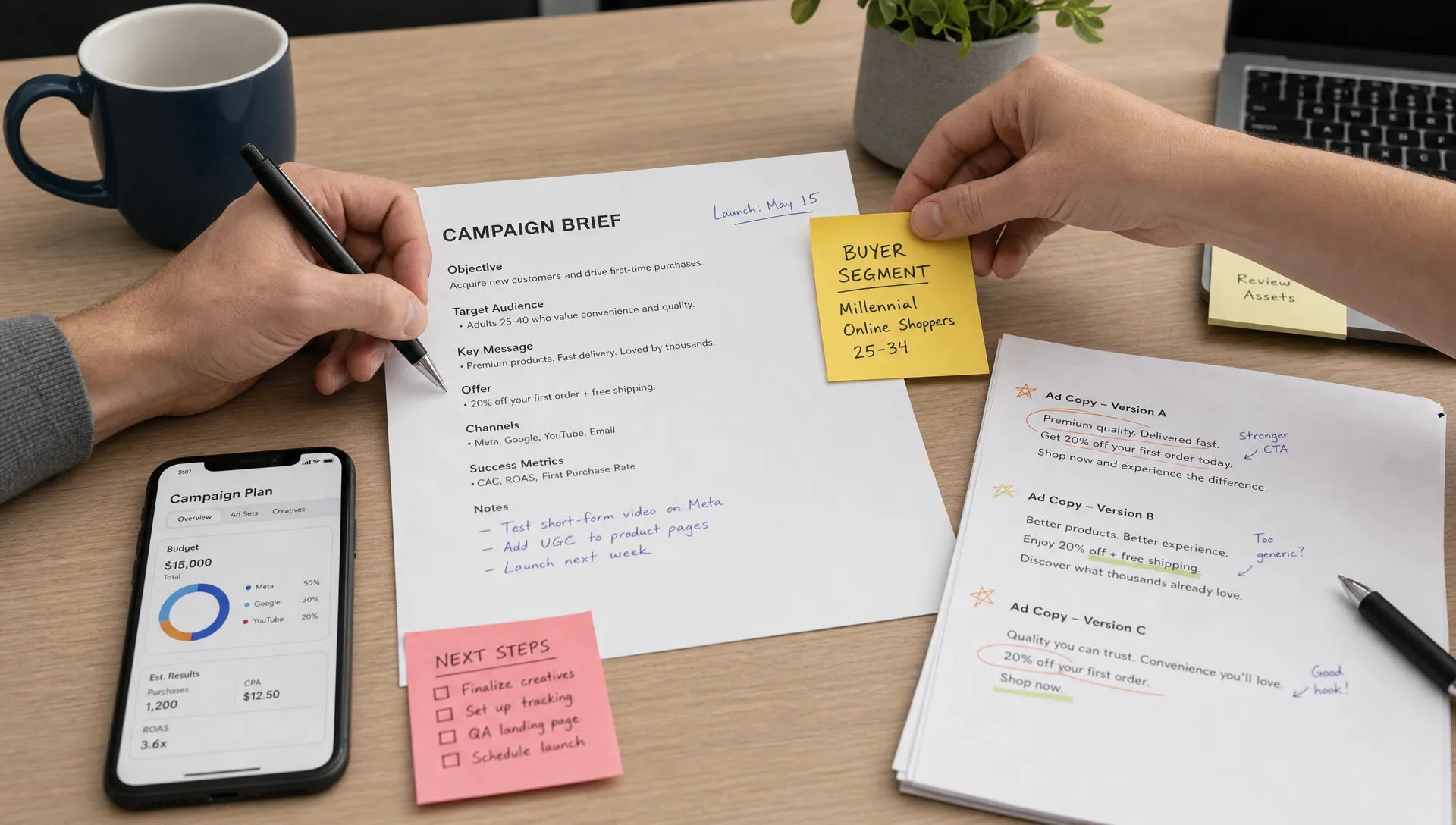
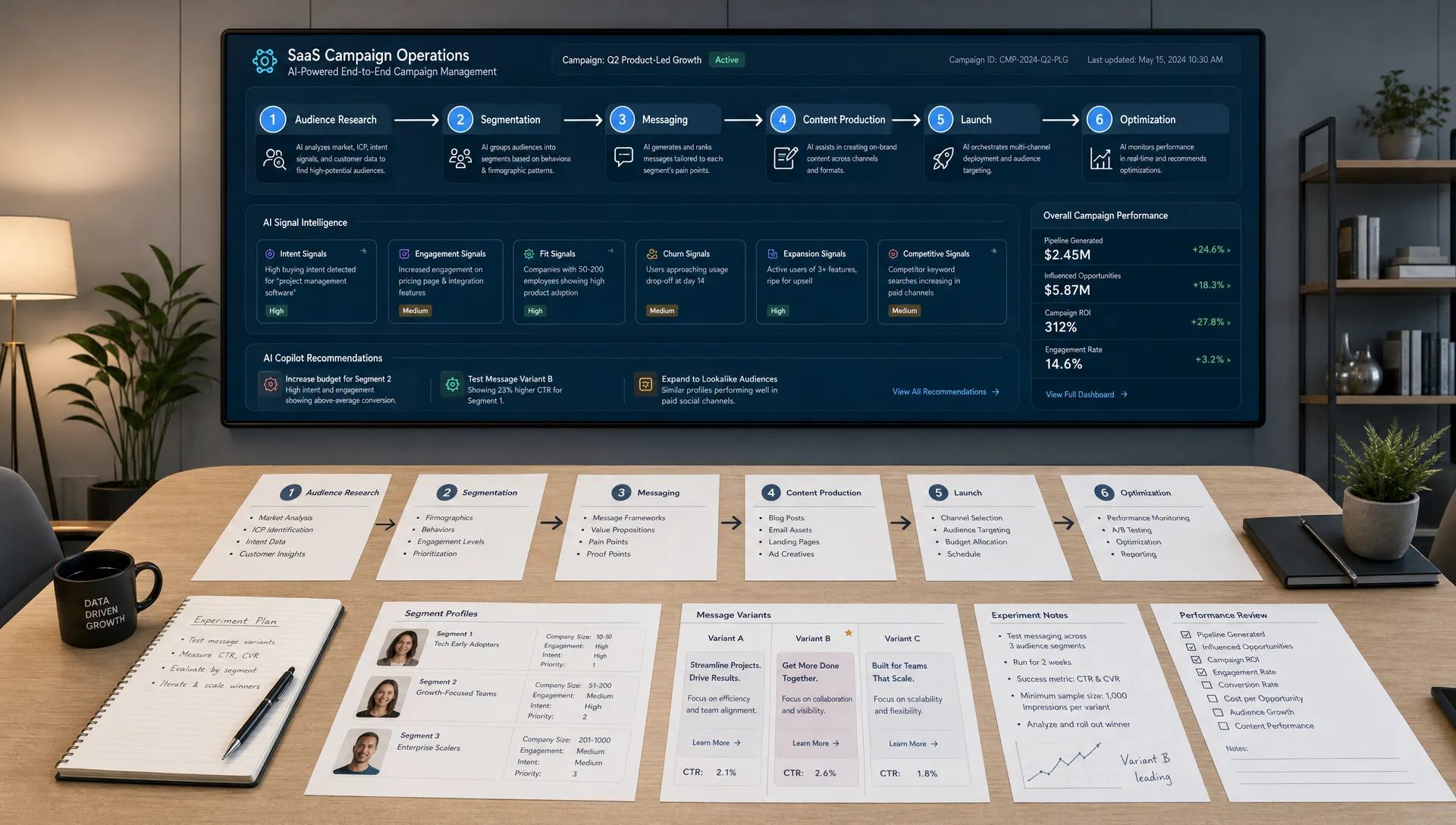
Google Performance Max and Meta Advantage+ campaigns use AI for creative selection and audience targeting on the platform side — but they still need strong copy inputs from you. The algorithm can only test combinations of what you give it; it can't invent a compelling headline out of nothing. AI tools help generate the headline and description variations that feed these automated campaigns, which matters because both platforms perform better with more creative variety to test.
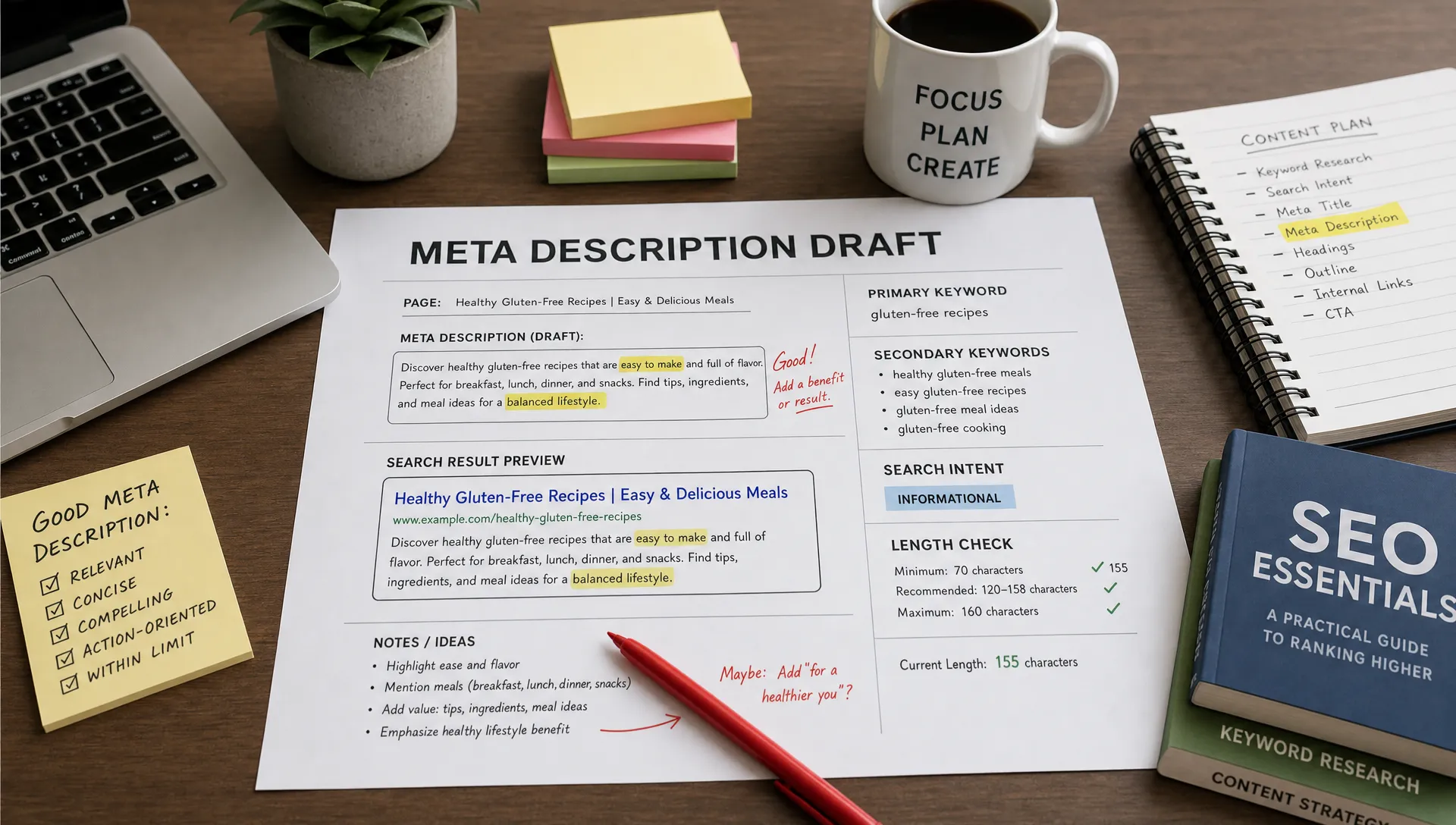
For Google Ads, each Responsive Search Ad can take up to 15 headlines and 4 descriptions, and Google explicitly recommends providing the maximum rather than the minimum, since the system needs variety to find winning combinations. Writing 15 genuinely different headlines by hand is tedious; generating 15 candidates with AI and then hand-picking the best 10–12 is a much faster path to a fully-populated ad group. Just check character limits before uploading — a headline that's a few characters over the limit gets silently truncated or rejected depending on the platform.
Free Ad Copy Character Counter for Google, Meta, LinkedIn, and YouTube →
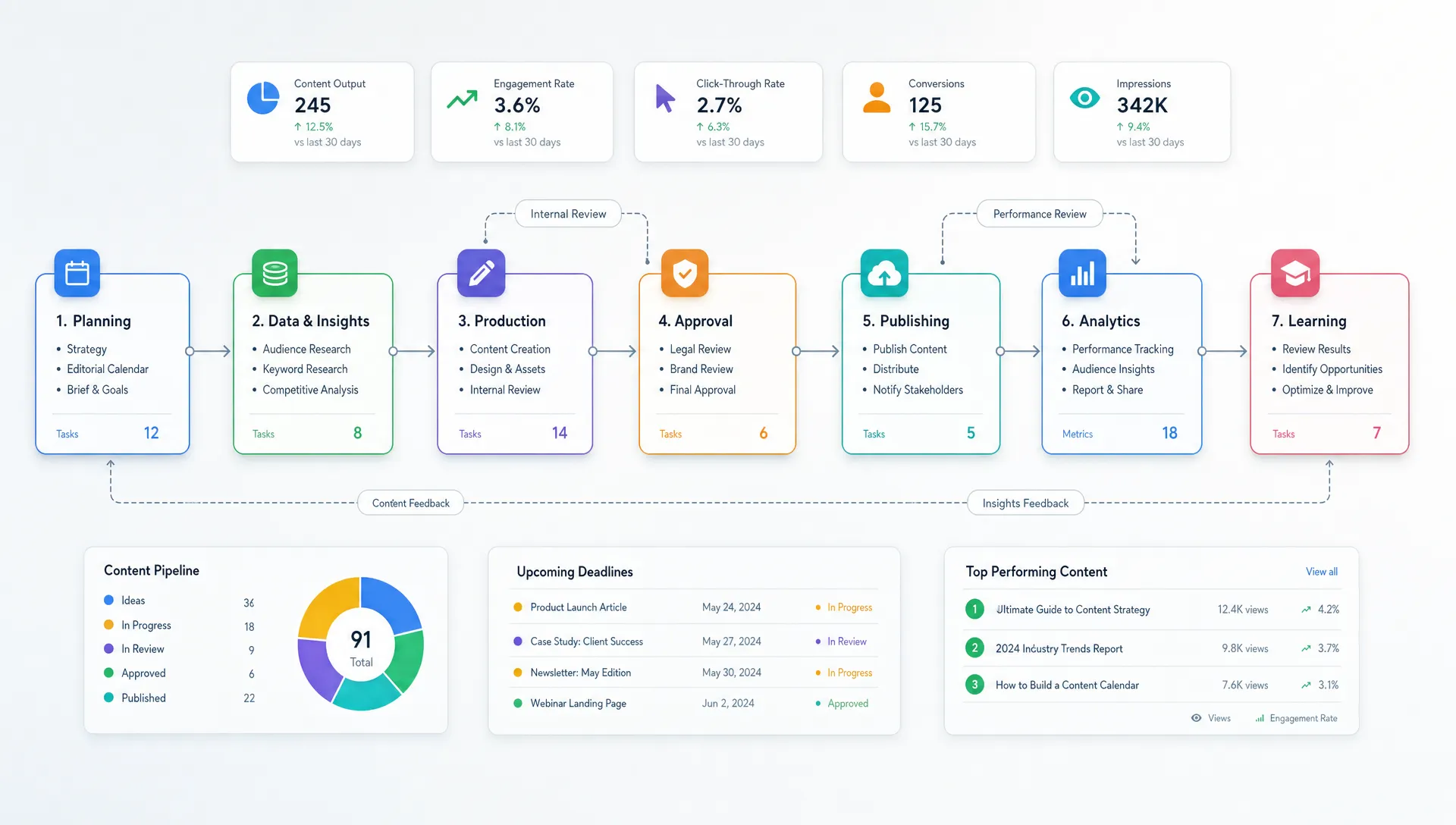
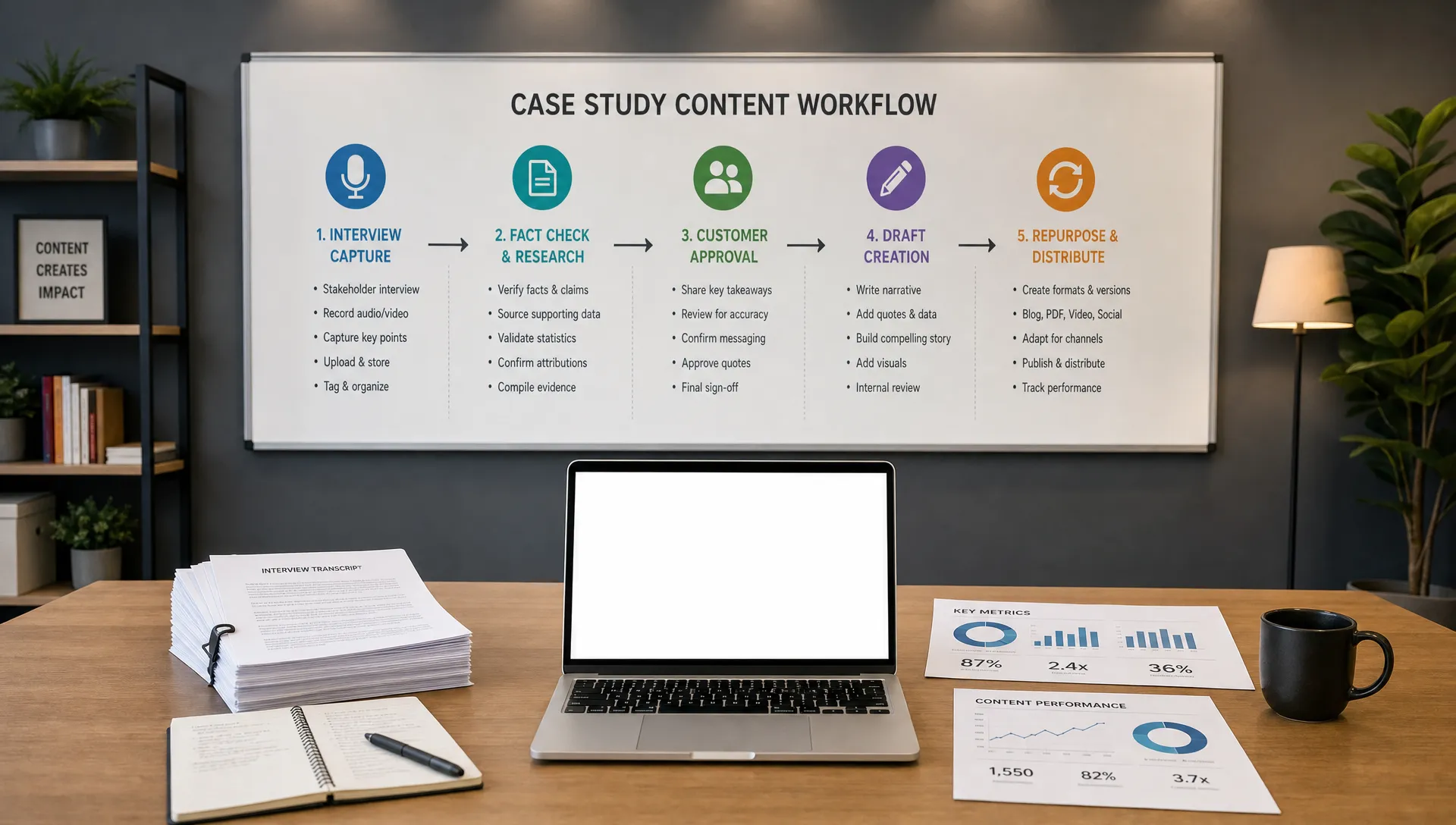
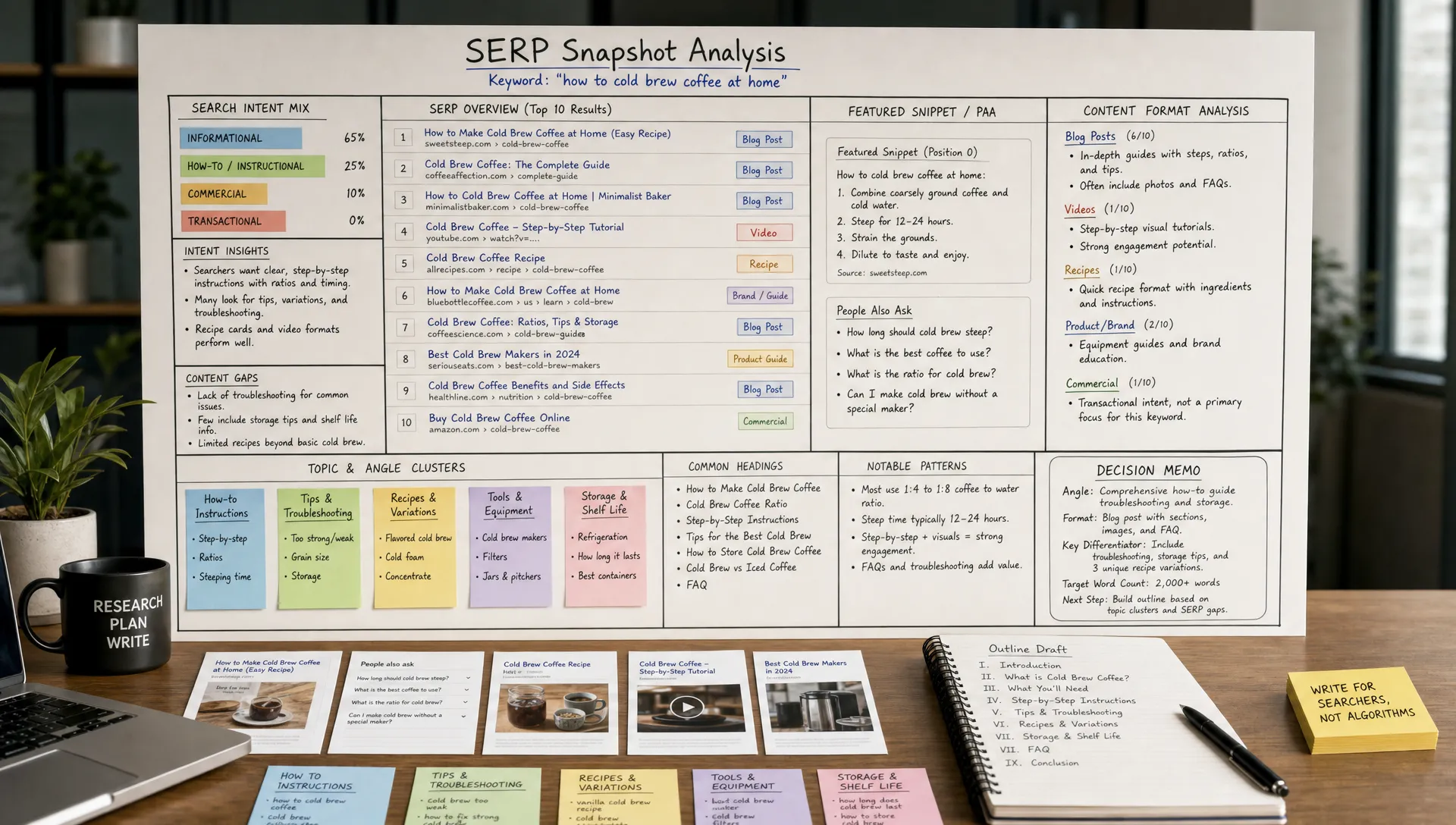
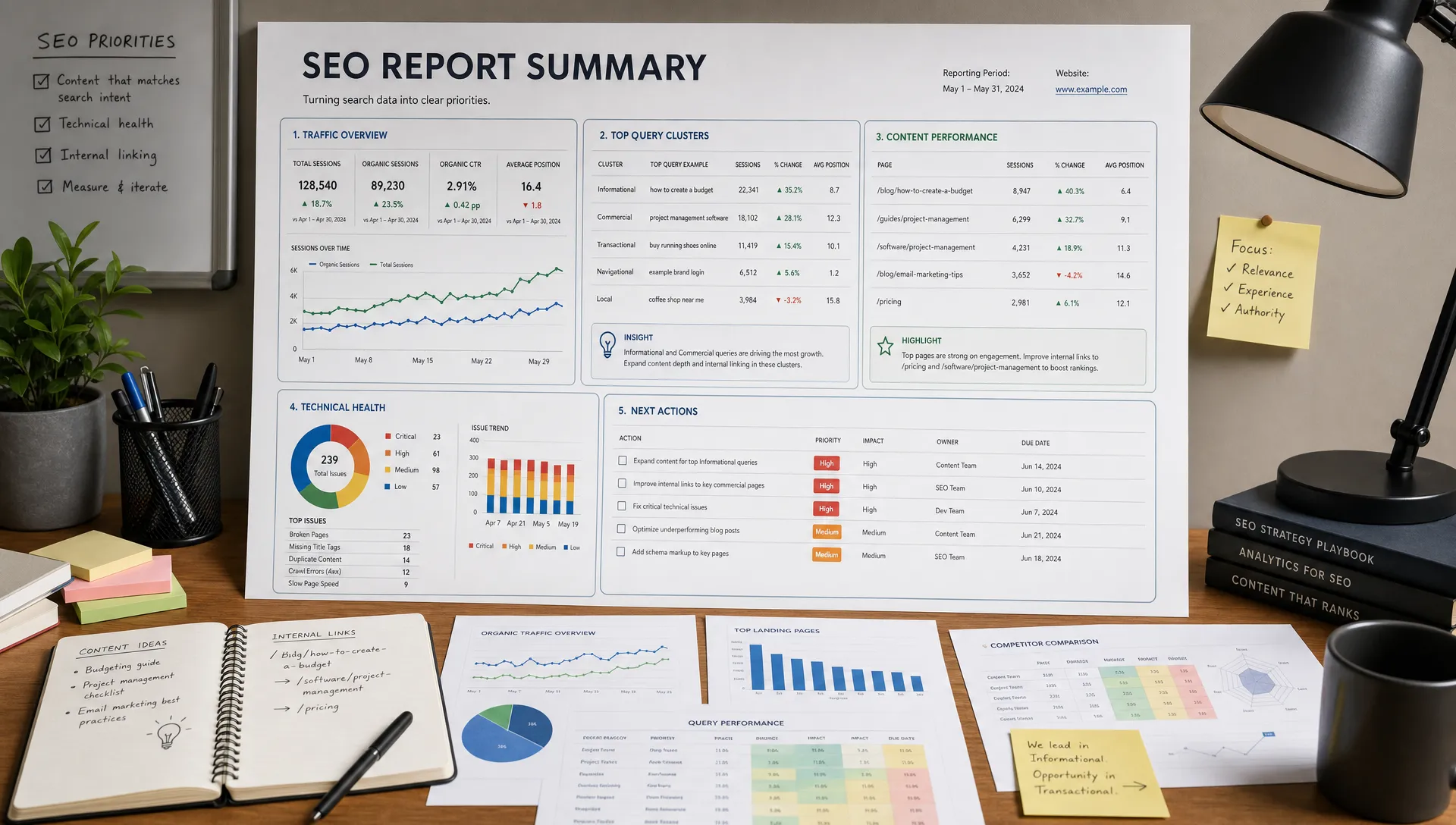
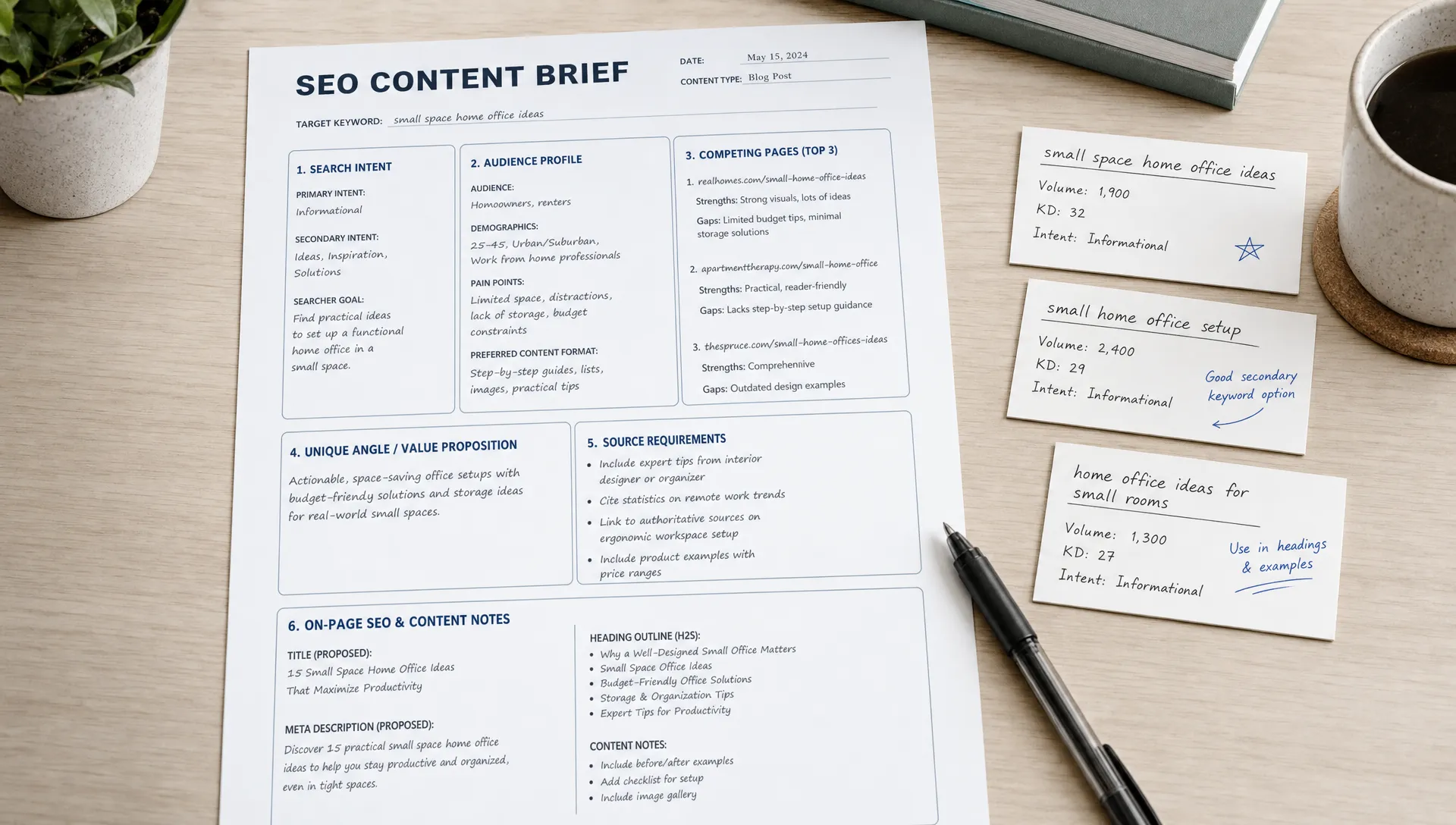
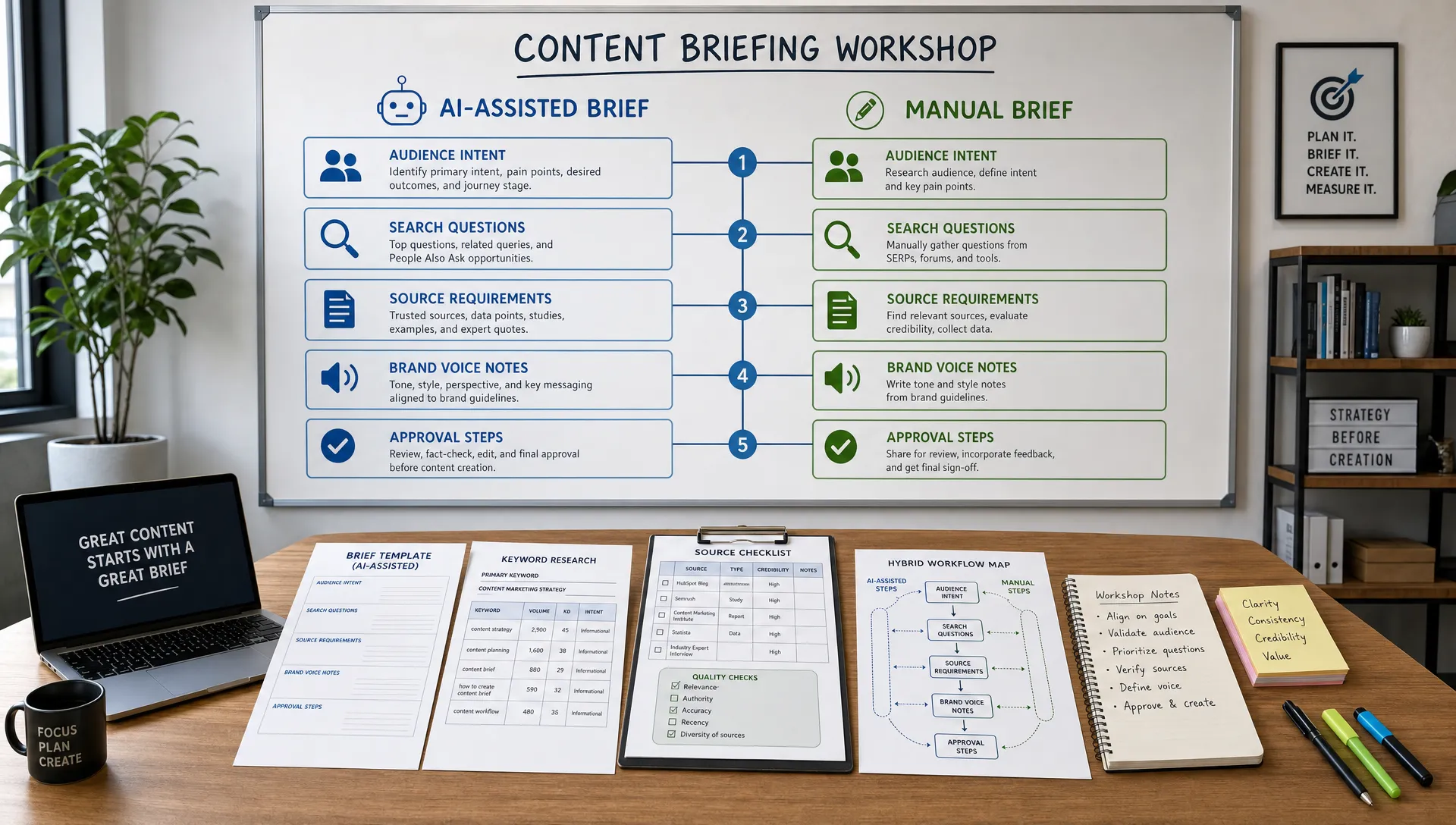
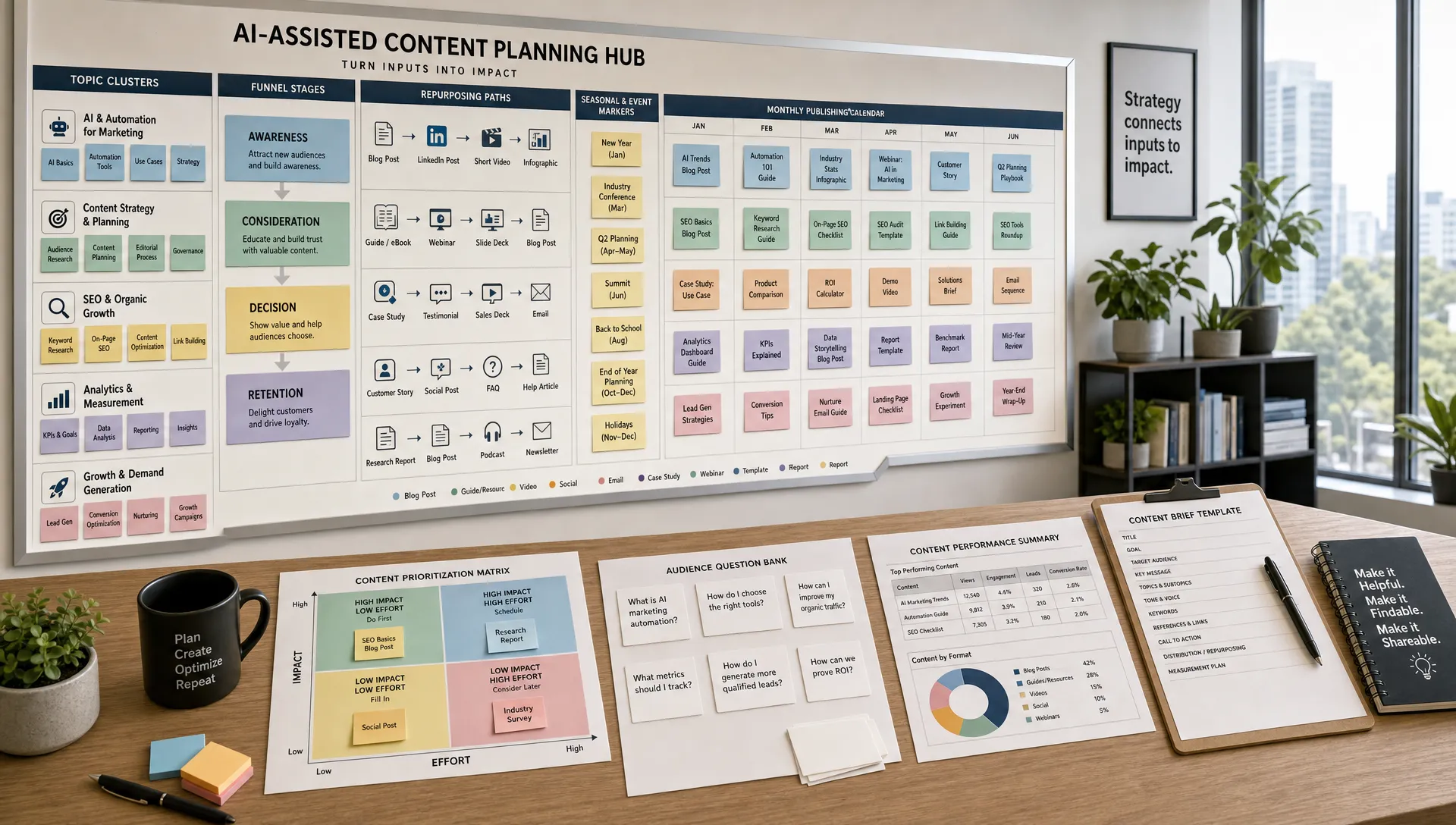
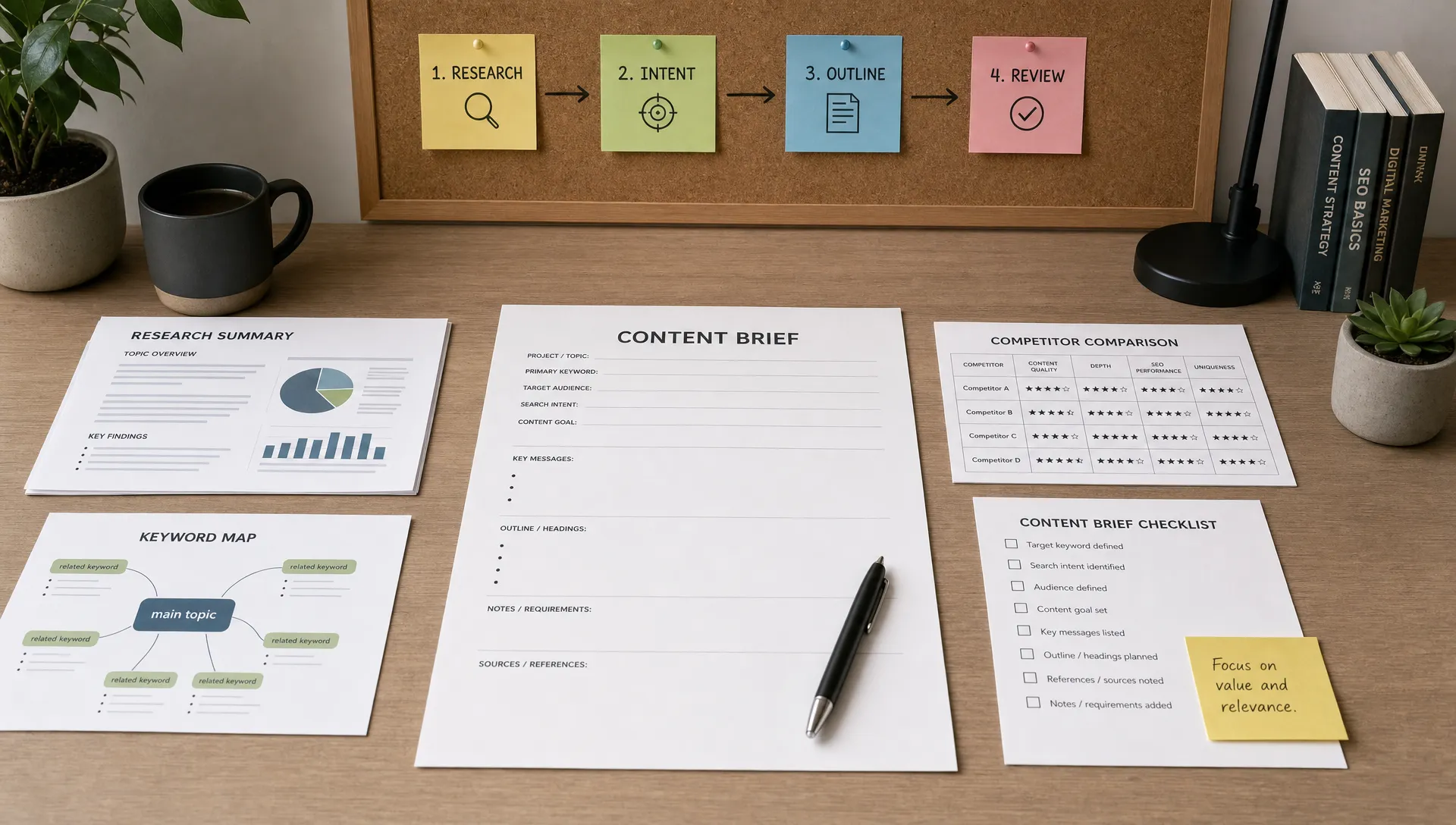
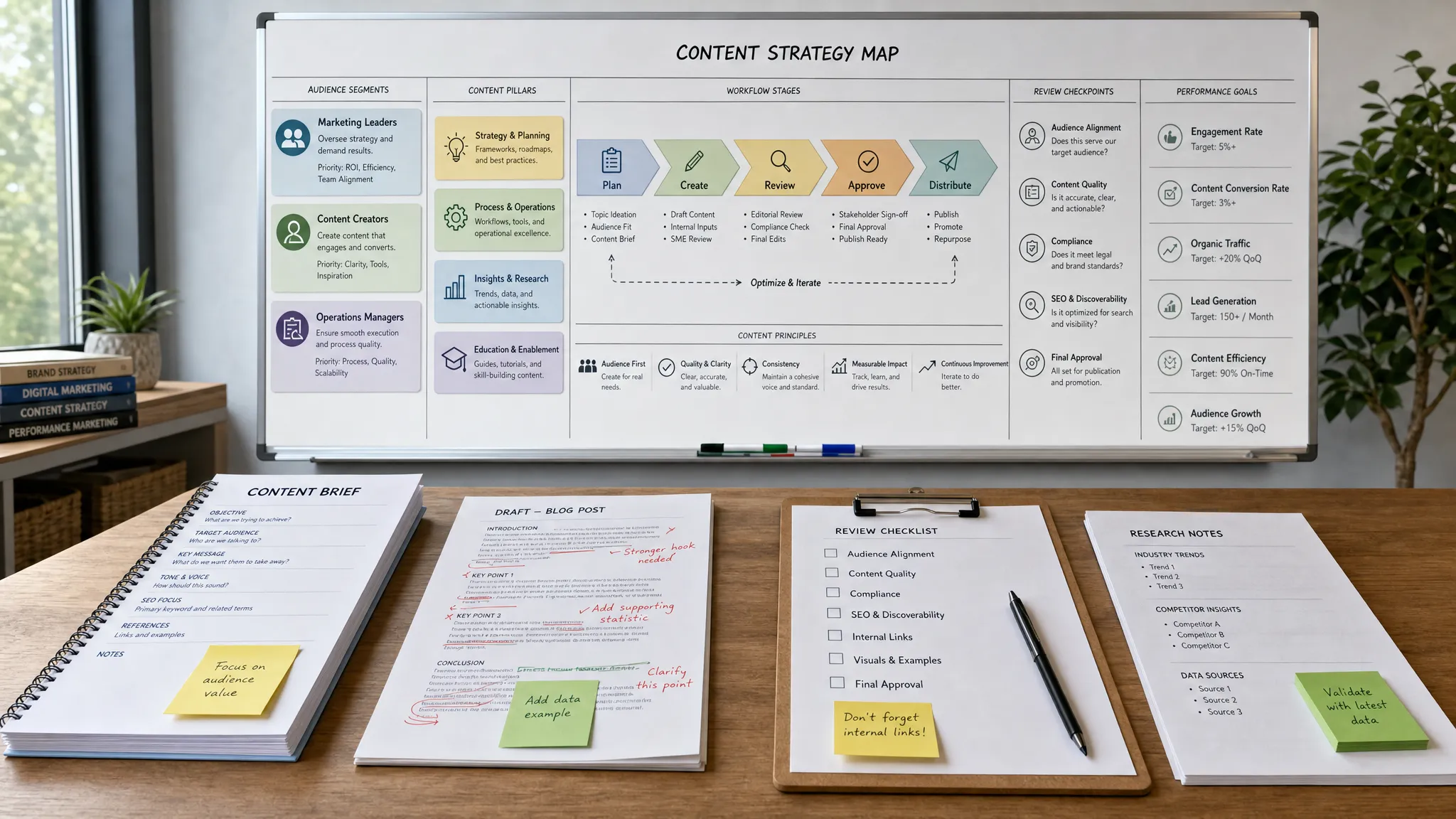
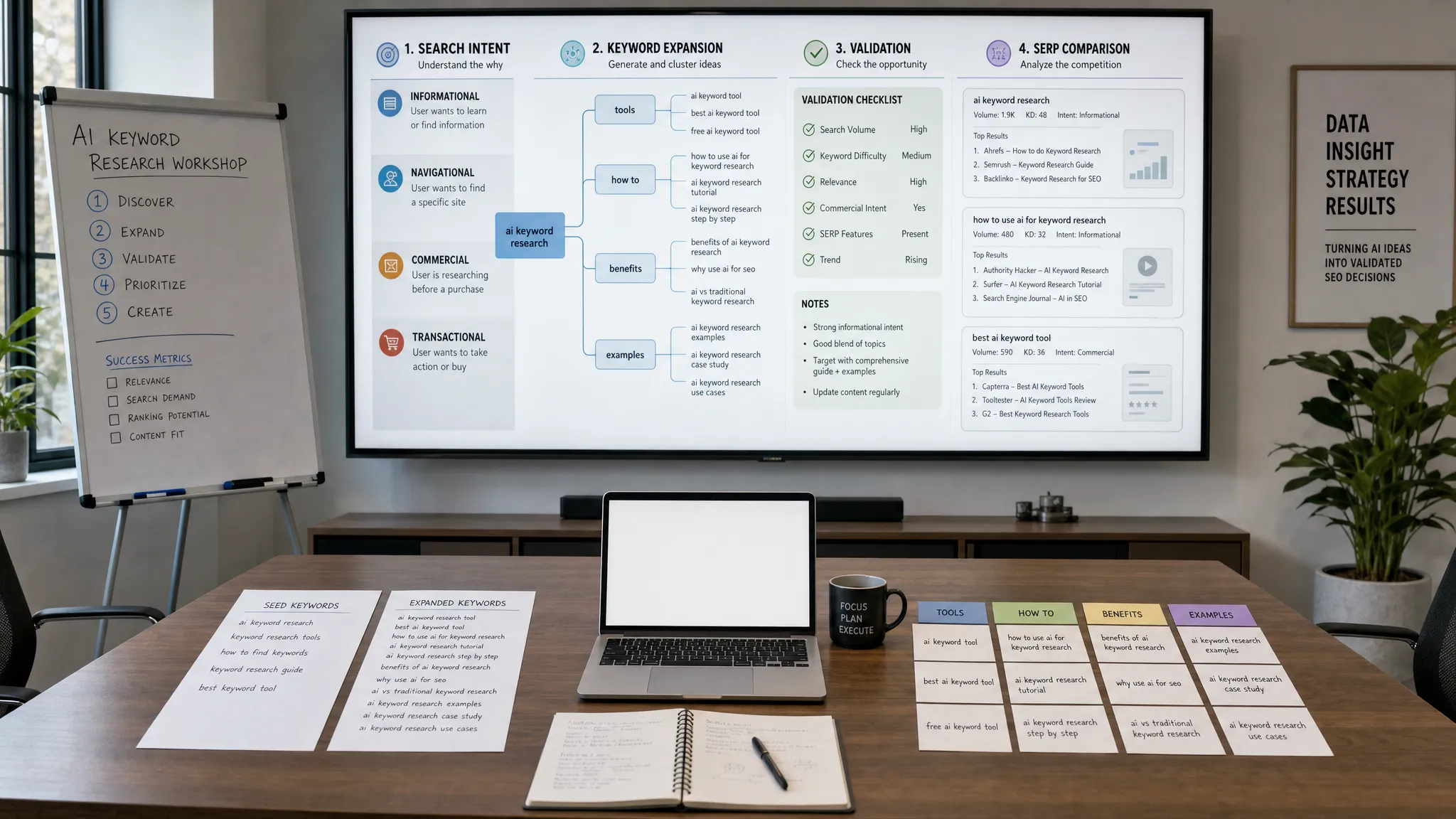
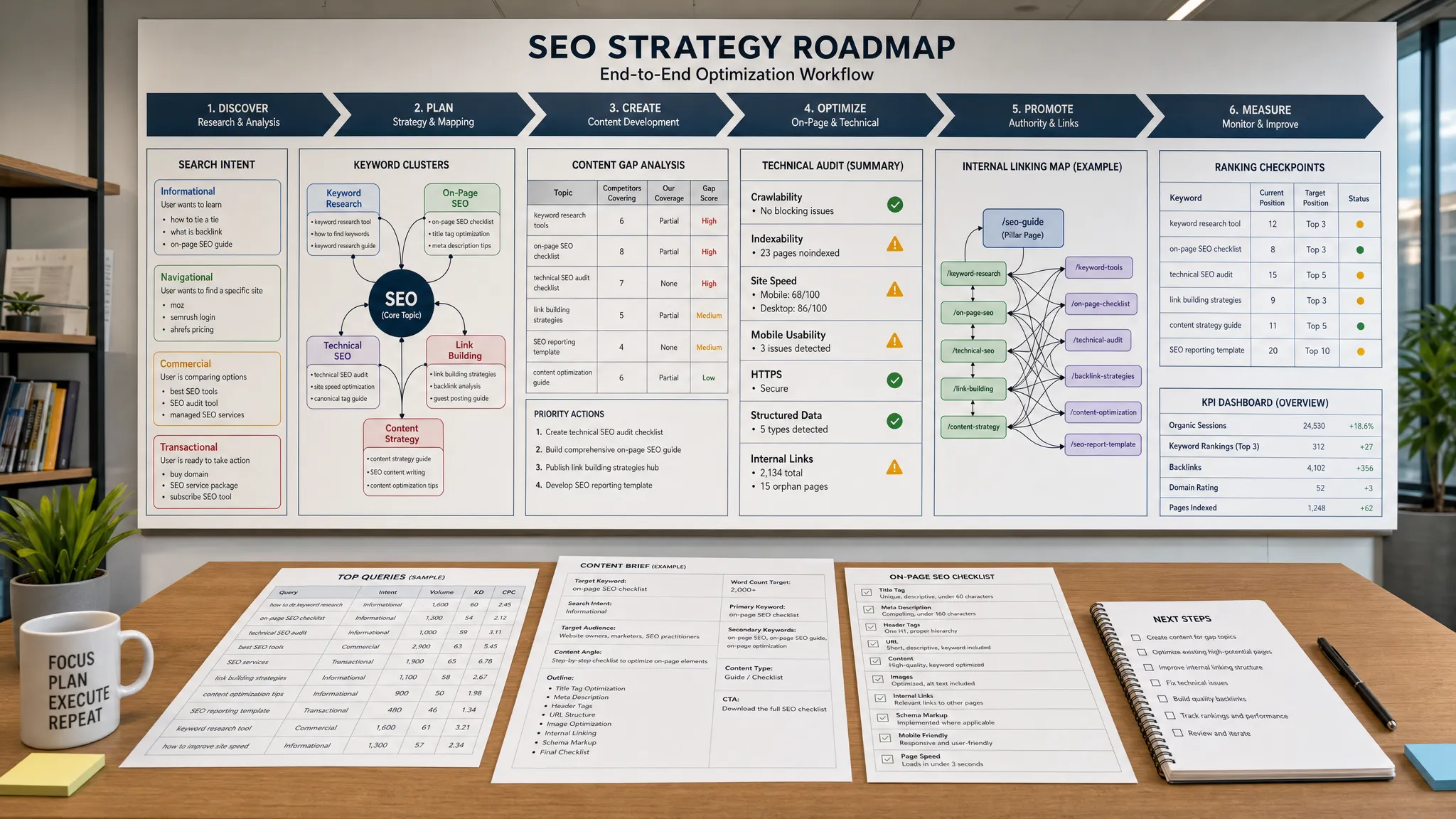
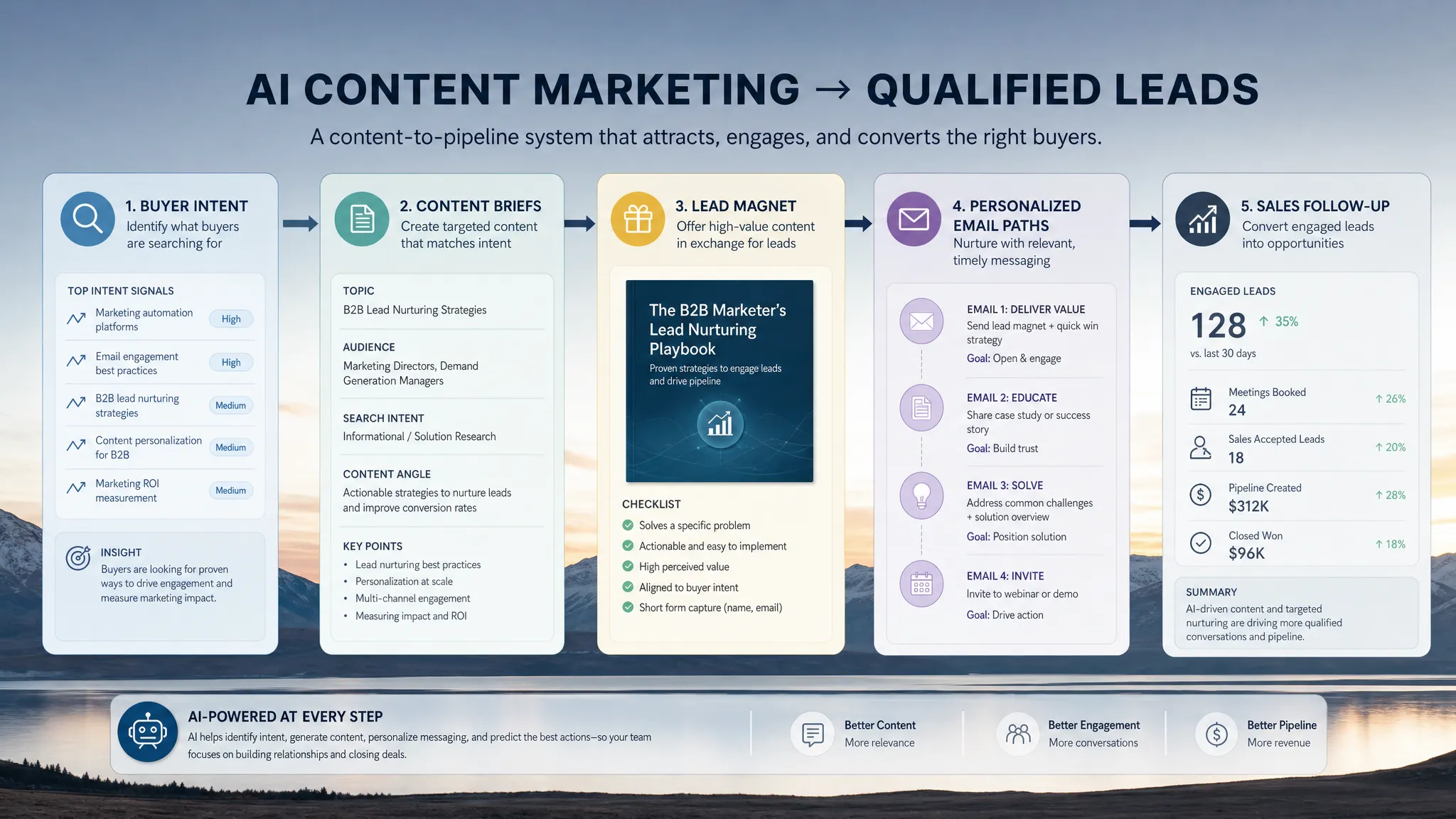
Shopify stores that publish consistent blog content rank for long-tail keywords that drive qualified organic traffic — traffic that, unlike paid ads, keeps compounding after the initial investment. The workflow that works in 2026 for stores that don't have a dedicated content team: keyword research (a tool like Semrush to find search terms your target customer actually uses) → content brief (AI-assisted, outlining the structure and key points to hit) → first draft (AI, from the brief) → human edit for accuracy, brand voice, and unique insight → publish.
The step that gets skipped most often, and shouldn't be, is the human edit for unique insight. A blog post that's structurally sound but says nothing your competitors' AI-generated posts don't also say has limited value — both for the reader and for search rankings, since search engines increasingly reward content that demonstrates first-hand experience or a specific point of view. The fix is usually small: one paragraph pulling from your own sales data, a specific customer story, or a contrarian take based on what you've actually observed running the store. That's the paragraph an AI can't generate for you, and it's often the paragraph that makes a reader trust the rest of the post.
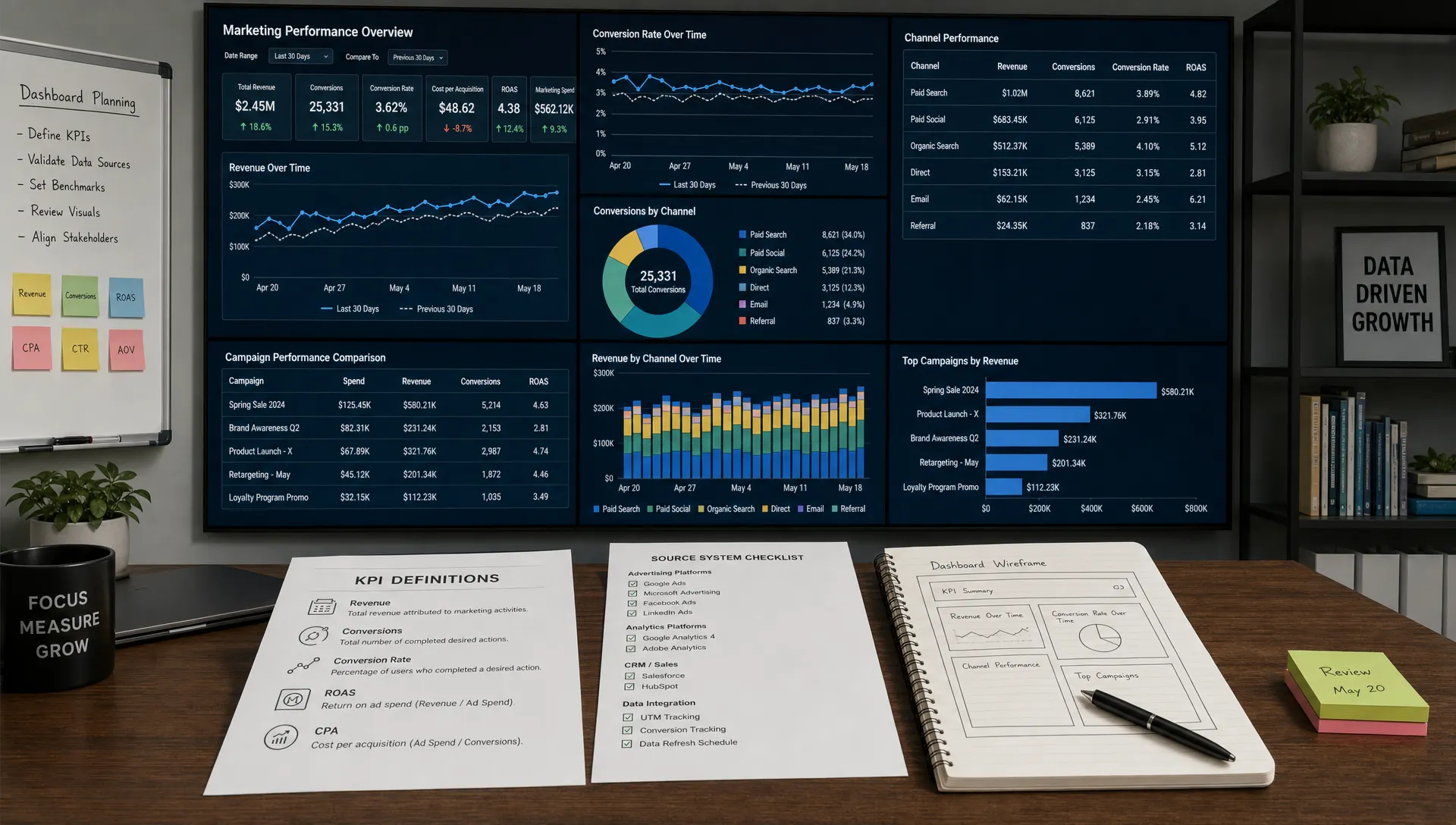
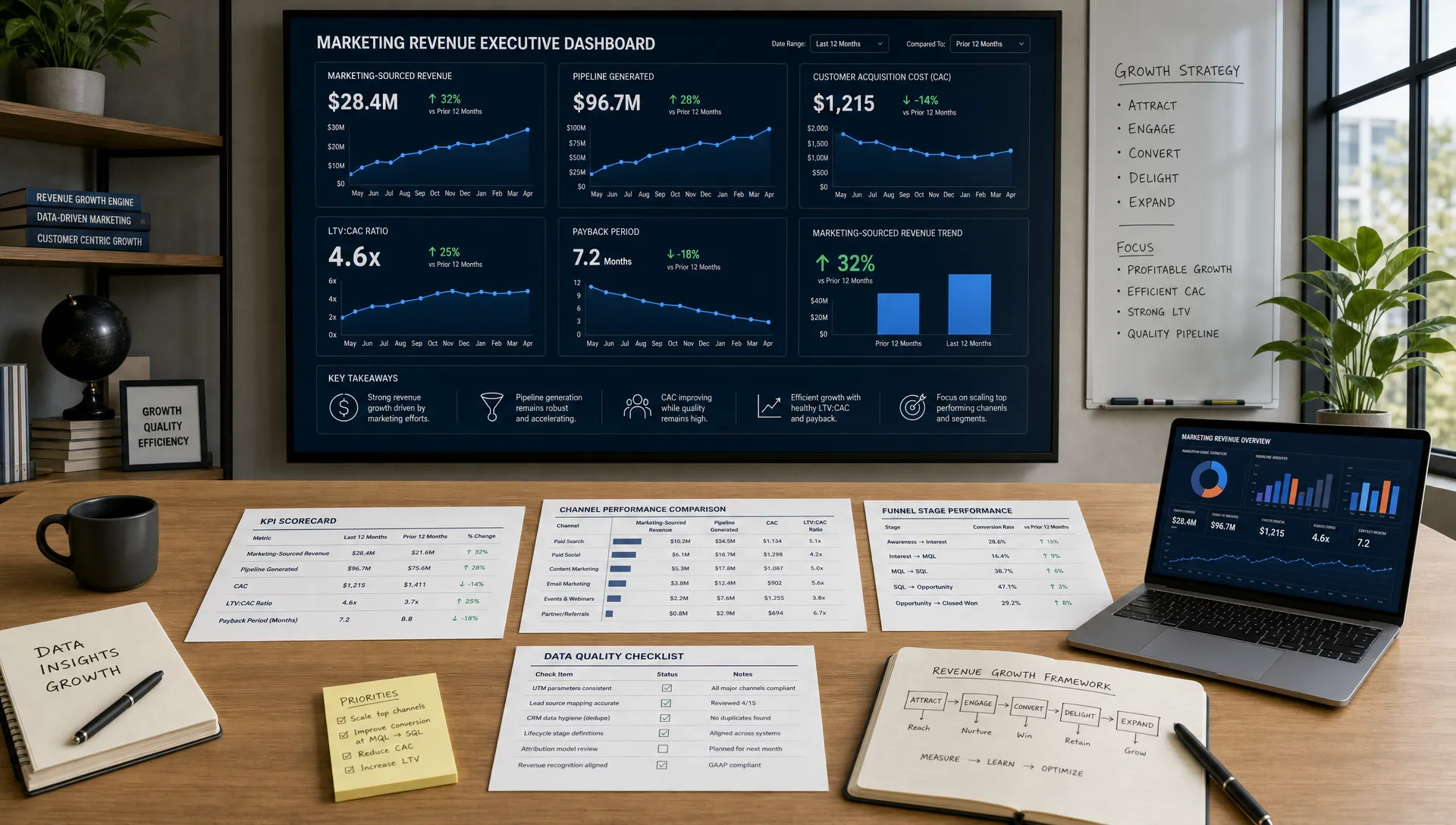
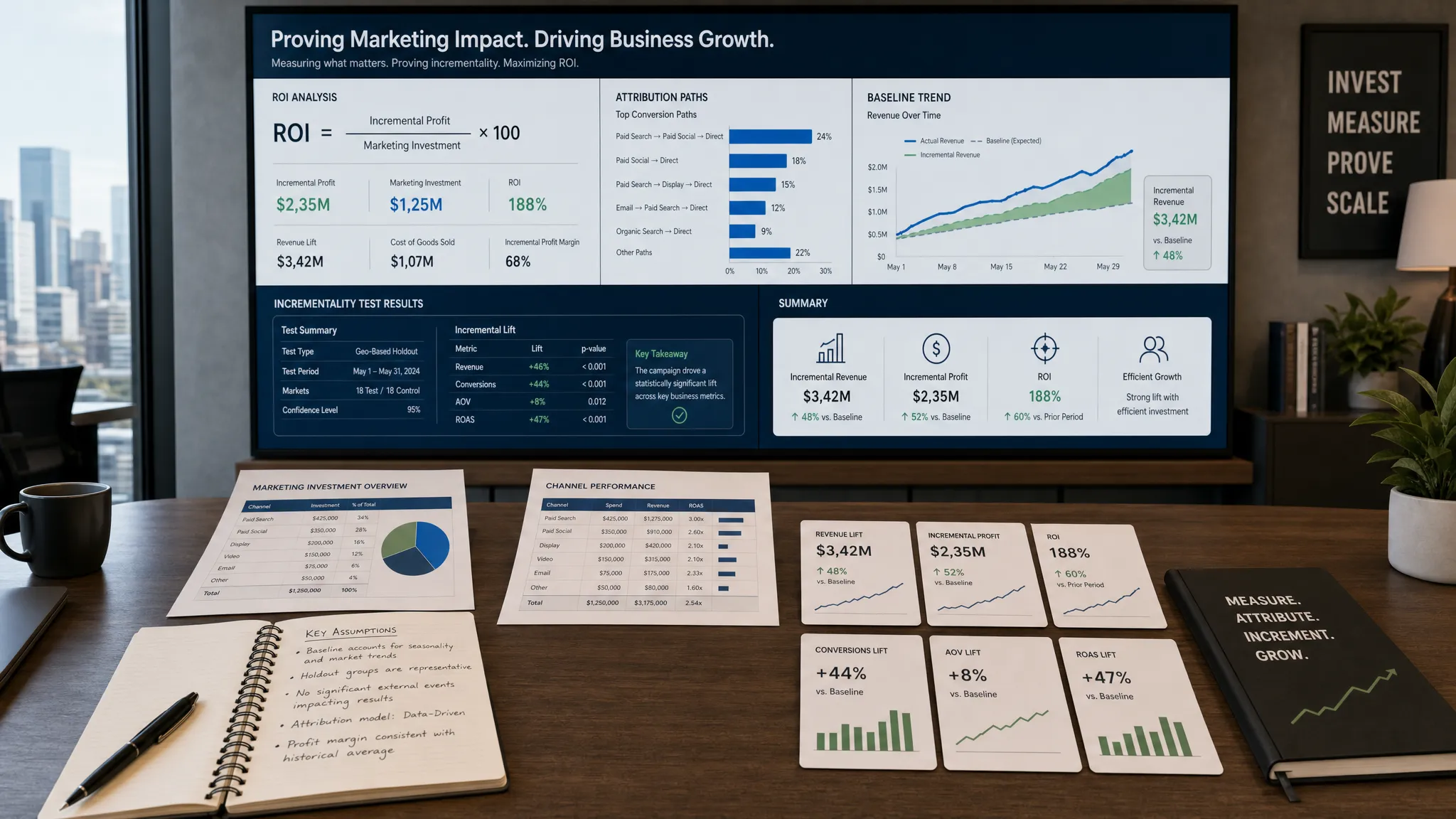
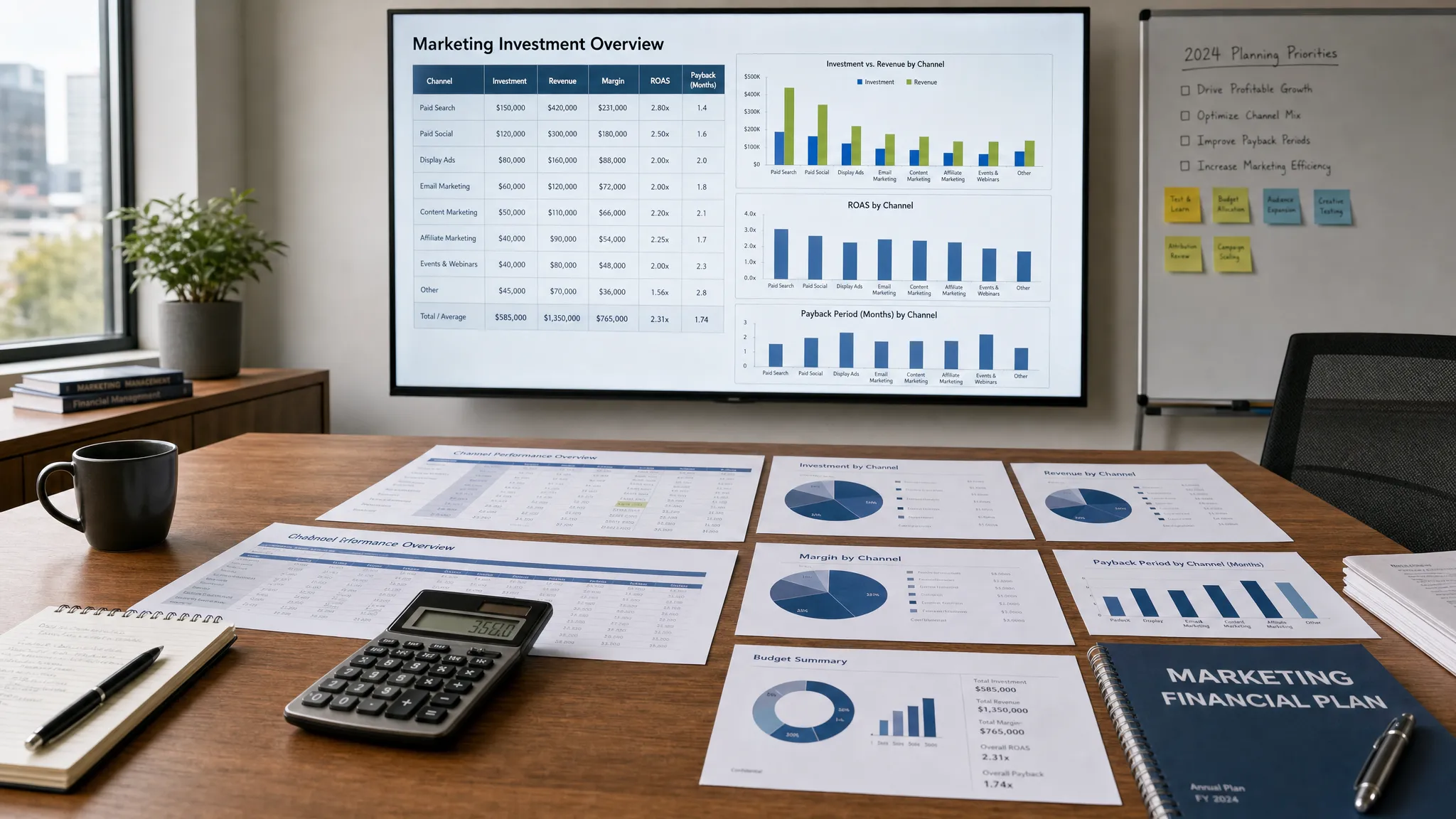
Before any campaign launches, run the numbers rather than guessing at a budget and hoping it works out. This is the step AI tools alone can't replace, because it requires your actual cost structure — margins, fulfillment costs, historical conversion rates — not generic AI-generated advice.
Running these numbers before a campaign launches, rather than after reviewing disappointing results, is what separates stores that scale profitably from stores that scale spend and hope margin follows.
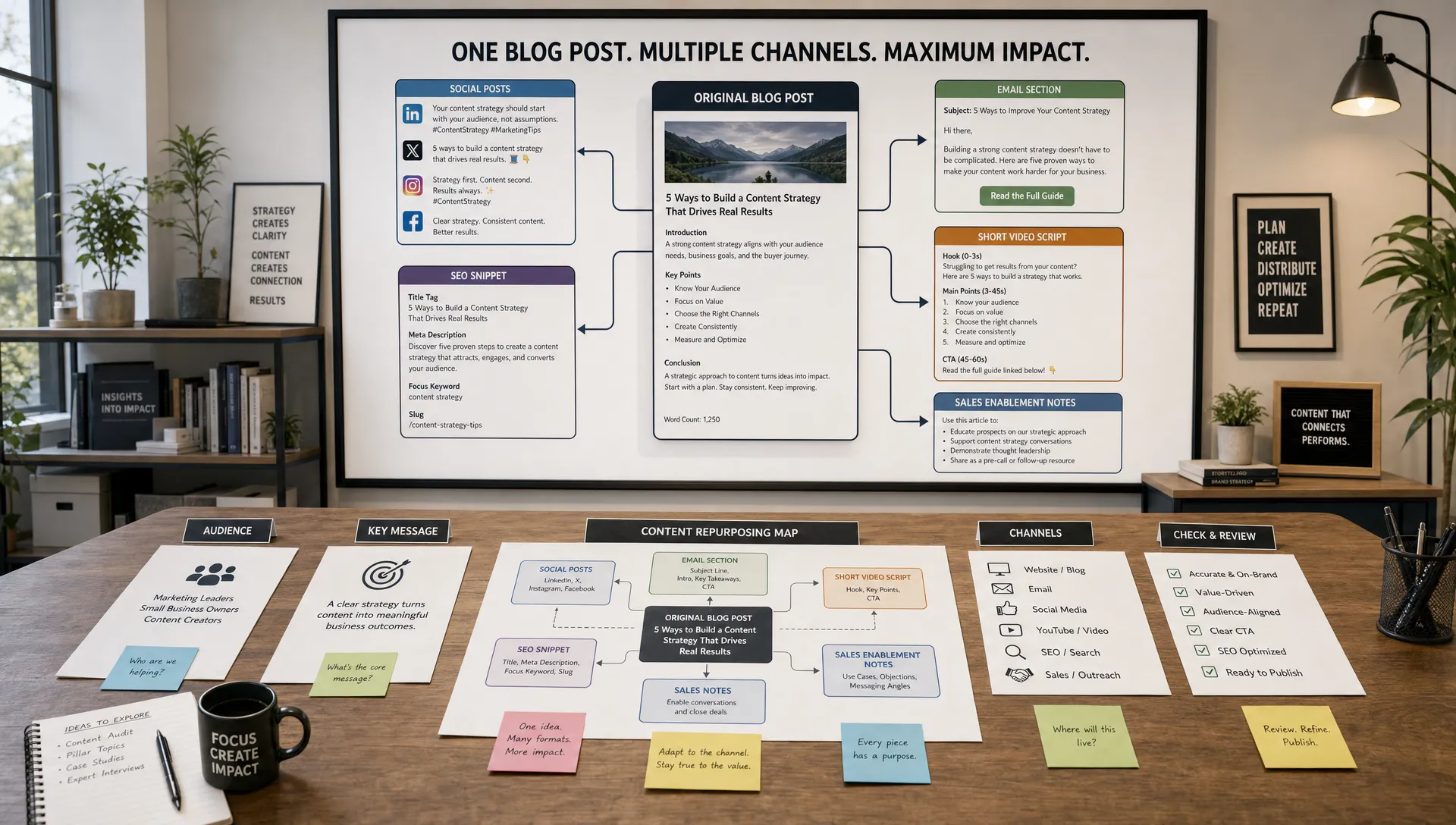
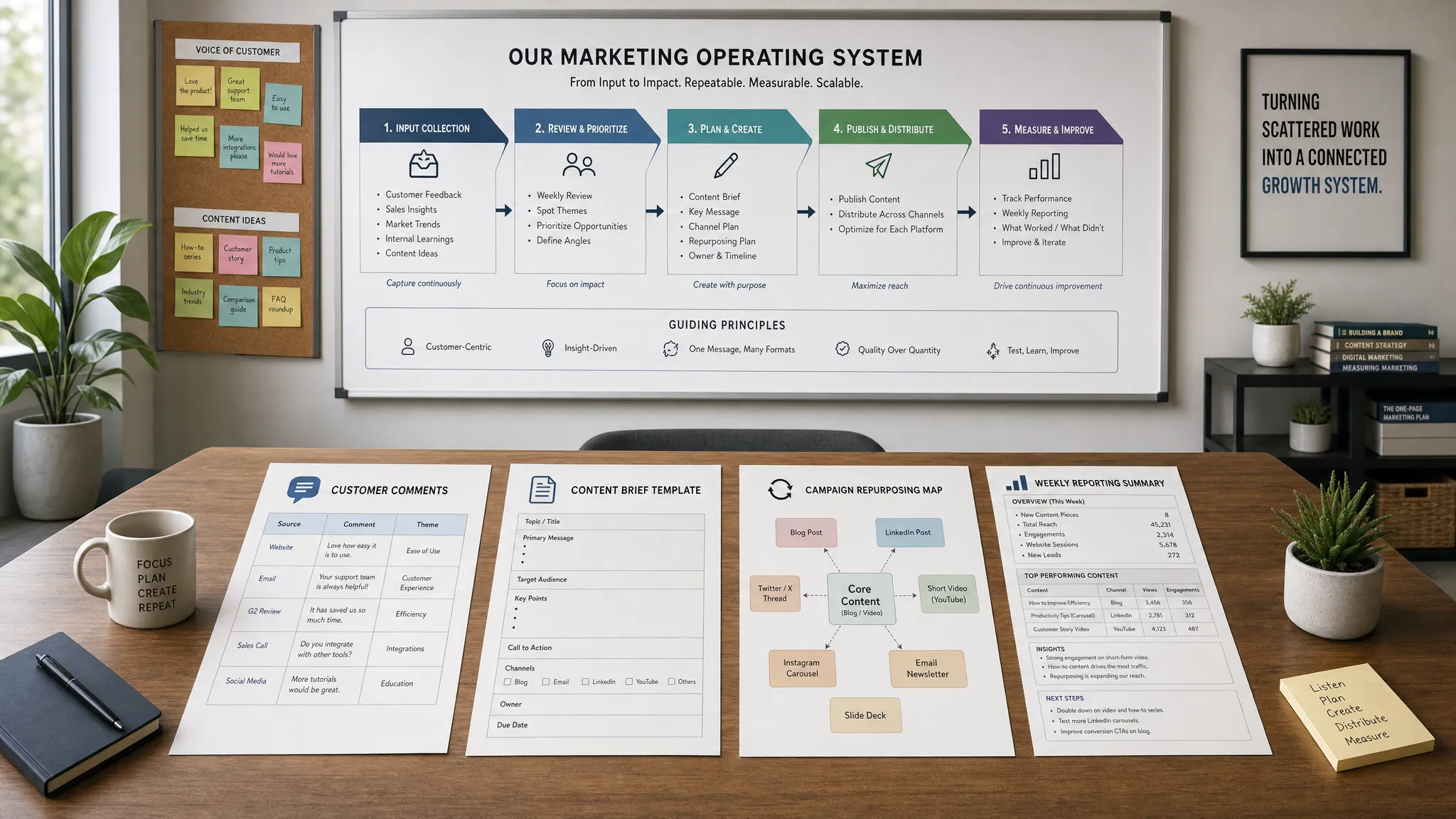
One of the most underused AI strategies for Shopify stores is repurposing one piece of content across every channel instead of creating separate content for each platform from scratch. A single product launch can generate a blog post, an email sequence, an Instagram carousel, a TikTok script, a set of Pinterest pins, and Google Shopping copy — all from the same source material, adapted for each platform's format and audience expectations rather than copy-pasted verbatim.
The reason this matters for a small team specifically: content creation time is usually the bottleneck, not distribution. A founder who can turn one afternoon of writing into six weeks of content across five channels gets far more marketing output per hour invested than one who creates each piece independently.
Free Content Repurposing Planner — turn one post into 12+ formats →
AI marketing tools only compound returns when the underlying store is set up correctly — fast load times, clear product pages, a smooth checkout, and solid email capture from day one. No amount of clever AI-generated ad copy fixes a store that loses half its traffic to a slow-loading product page or a confusing checkout flow. Shopify gives you the infrastructure to build this without engineering resources, which is exactly why it remains the default recommendation for store owners who want to spend their time on marketing and product rather than maintaining a custom platform.
Start your free Shopify trial and build a store worth marketing →
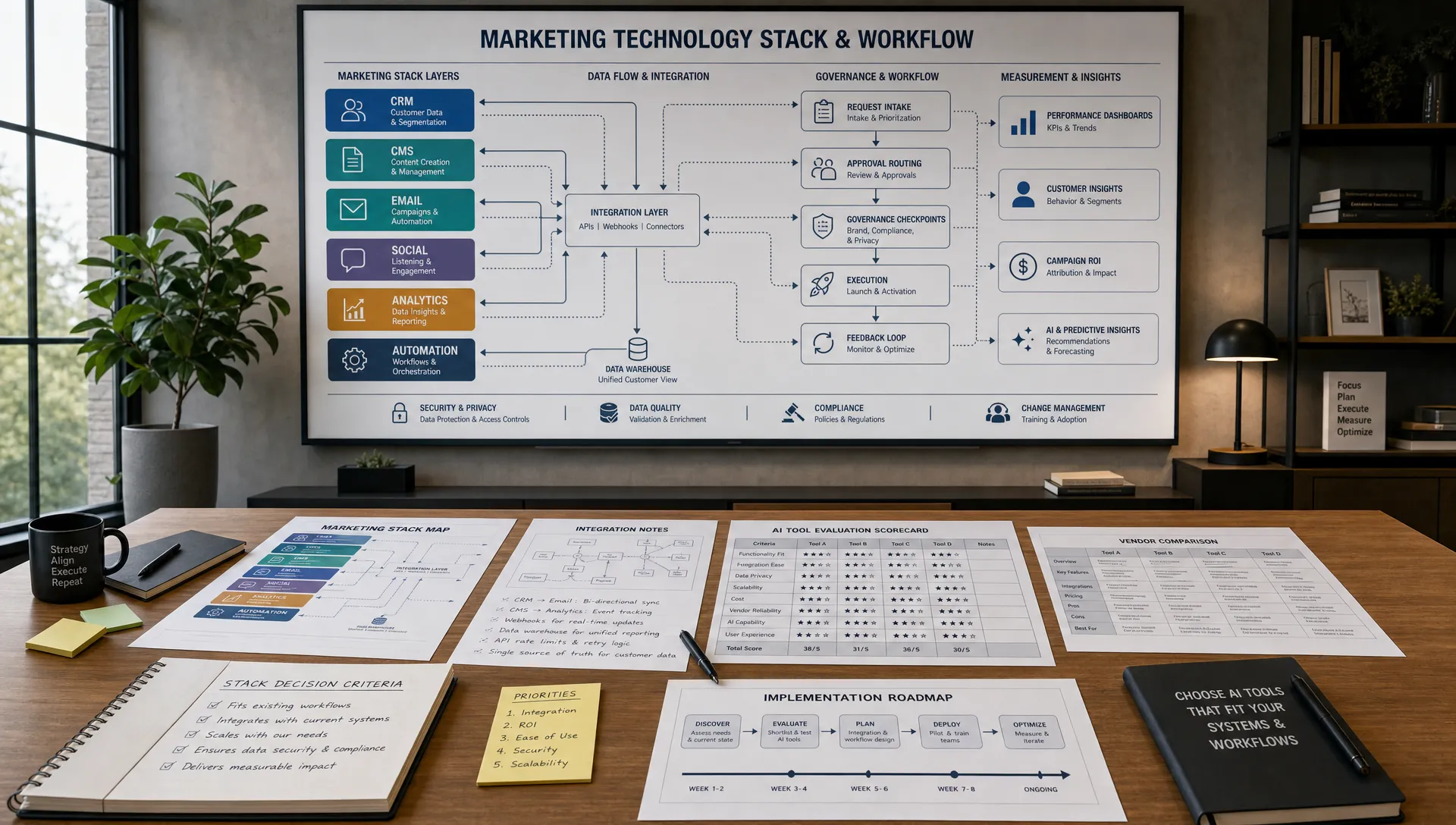
A practical, focused stack that works at every stage of a Shopify store's growth: Shopify (platform), Klaviyo or GetResponse (email), Semrush (SEO and keyword research), Jasper or Copy.ai (AI writing assistance), GA4 plus Triple Whale (analytics and attribution), and the free AIMarketer Hub calculators for budgeting and ROI checks before you commit spend. Start with the free layer of this stack, add paid tools as revenue justifies the cost, and use AI throughout to reduce the time cost of execution at every step — not to replace the judgment calls that still need a person behind them.
No — the workflows above are designed for a solo founder or a two-to-three-person team. The value of AI here is compressing the time a small team needs to produce professional-quality marketing output, not replacing the judgment a bigger team would otherwise provide.
Not inherently. Search engines don't penalize content simply for being AI-assisted; they penalize content that's low-quality, unoriginal, or unhelpful regardless of how it was produced. The human-edit step for unique insight described above is what keeps AI-assisted content on the right side of that line.
Start with whichever task currently consumes the most of your time relative to its complexity — for most Shopify stores that's product description writing or email subject line testing, both of which are high-volume, templated tasks where AI's speed advantage is largest.