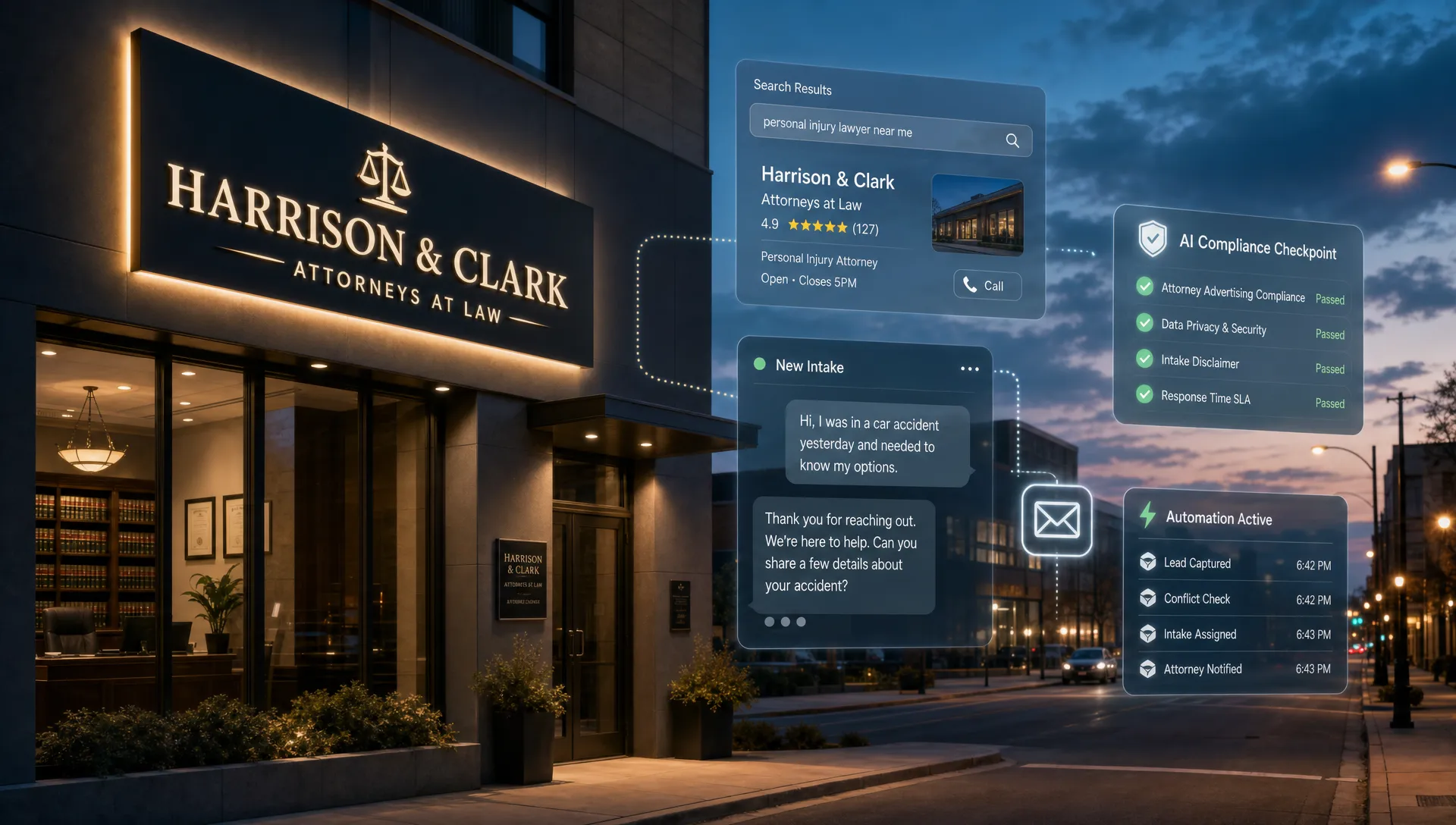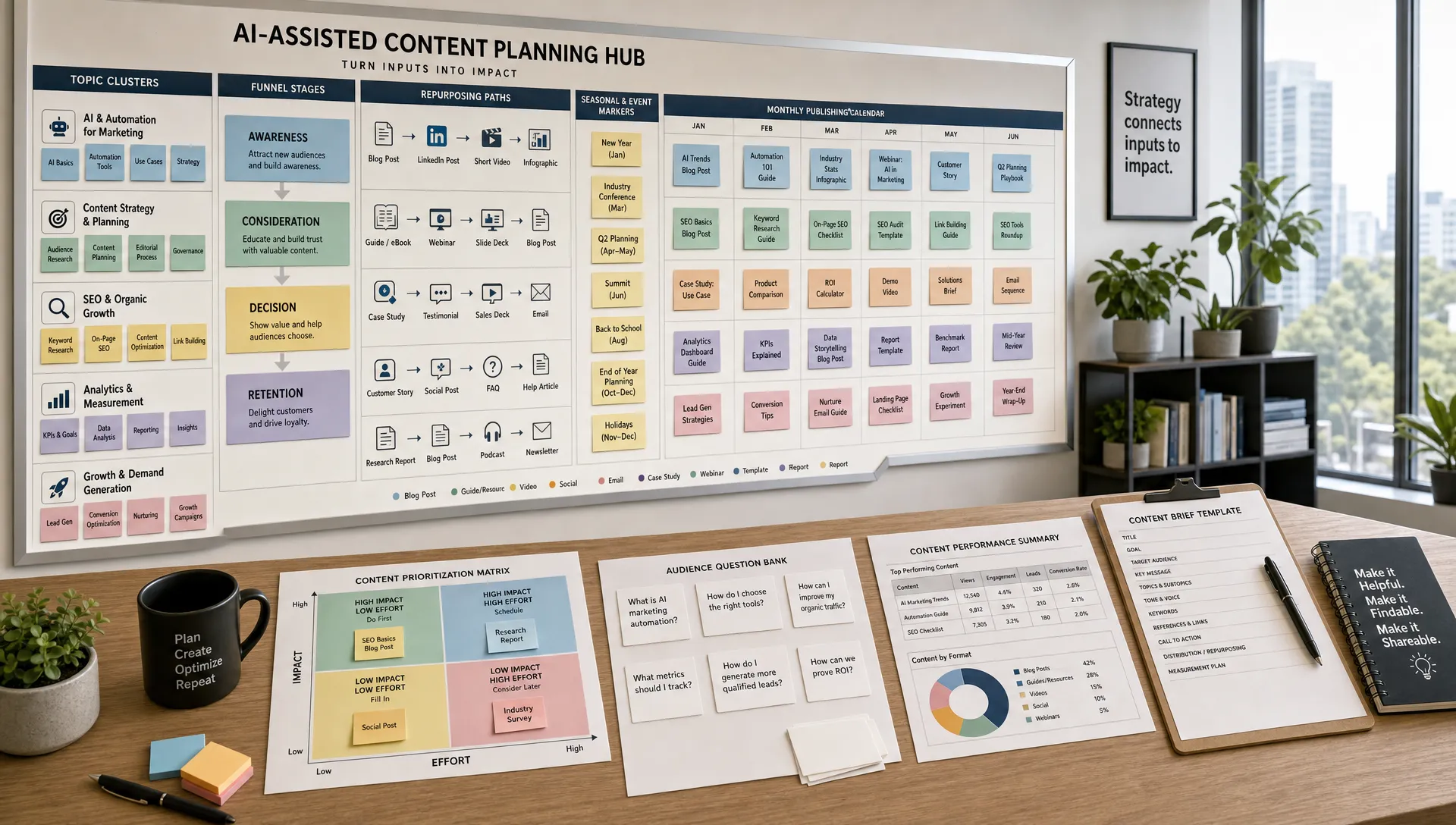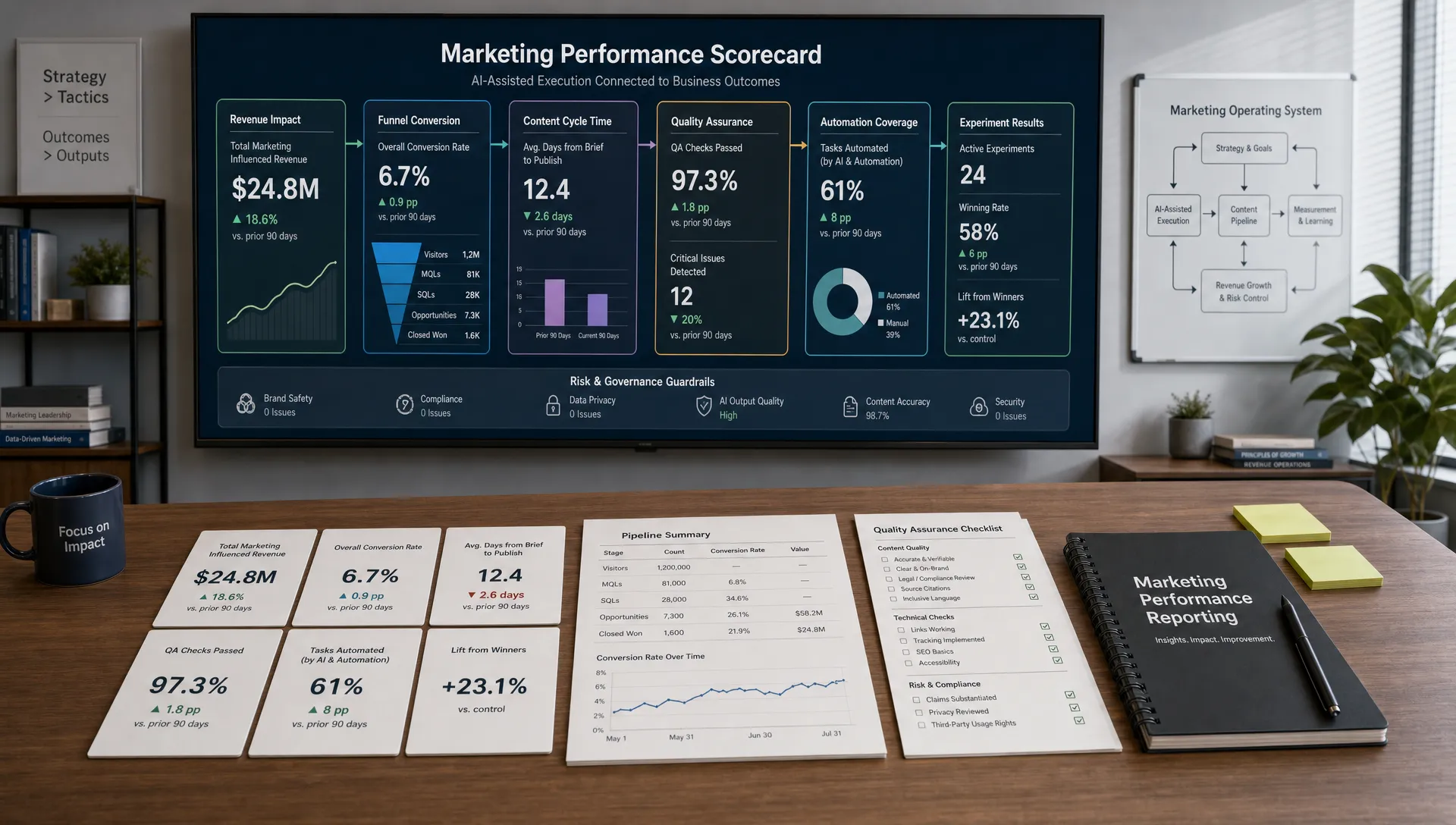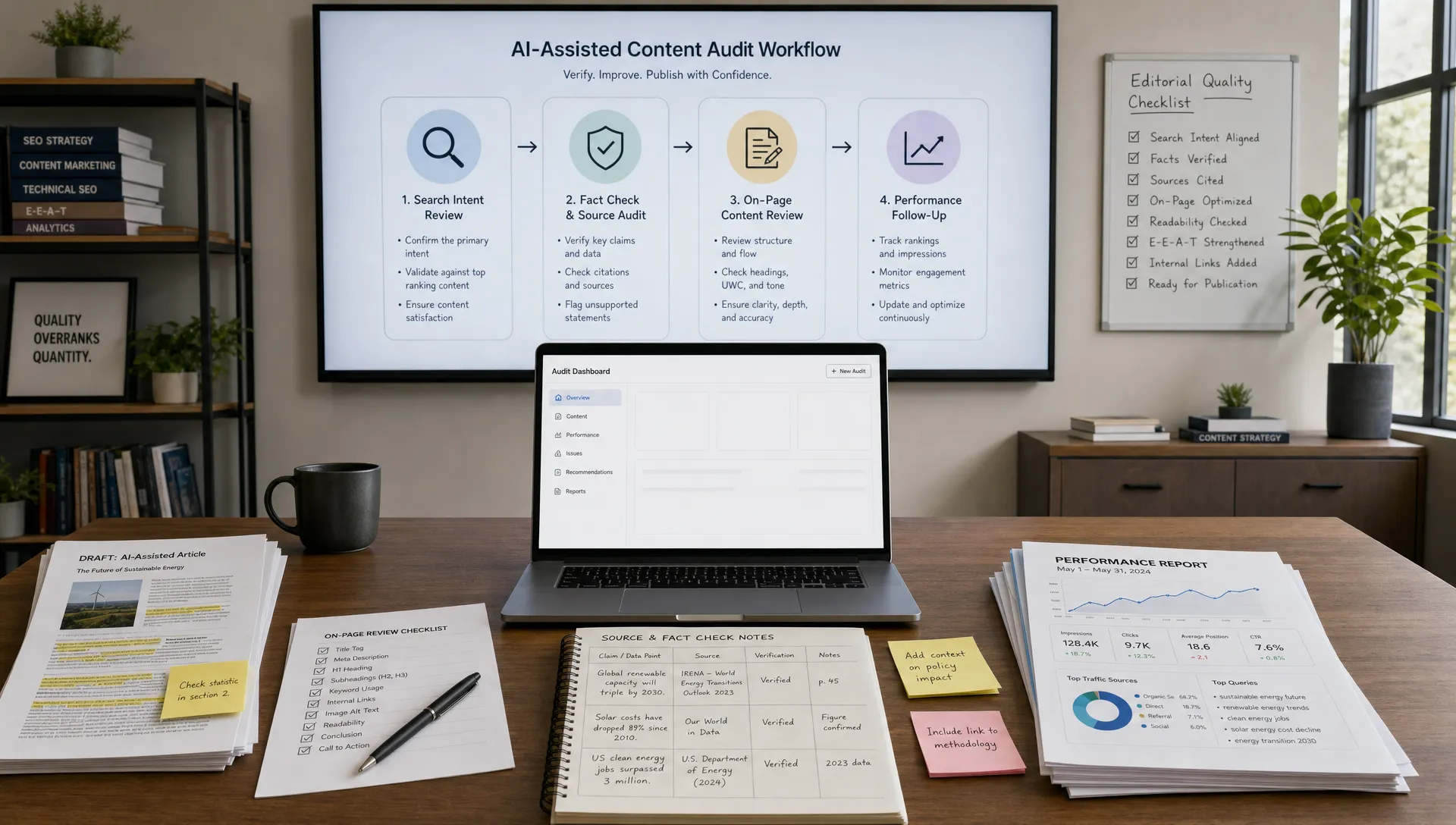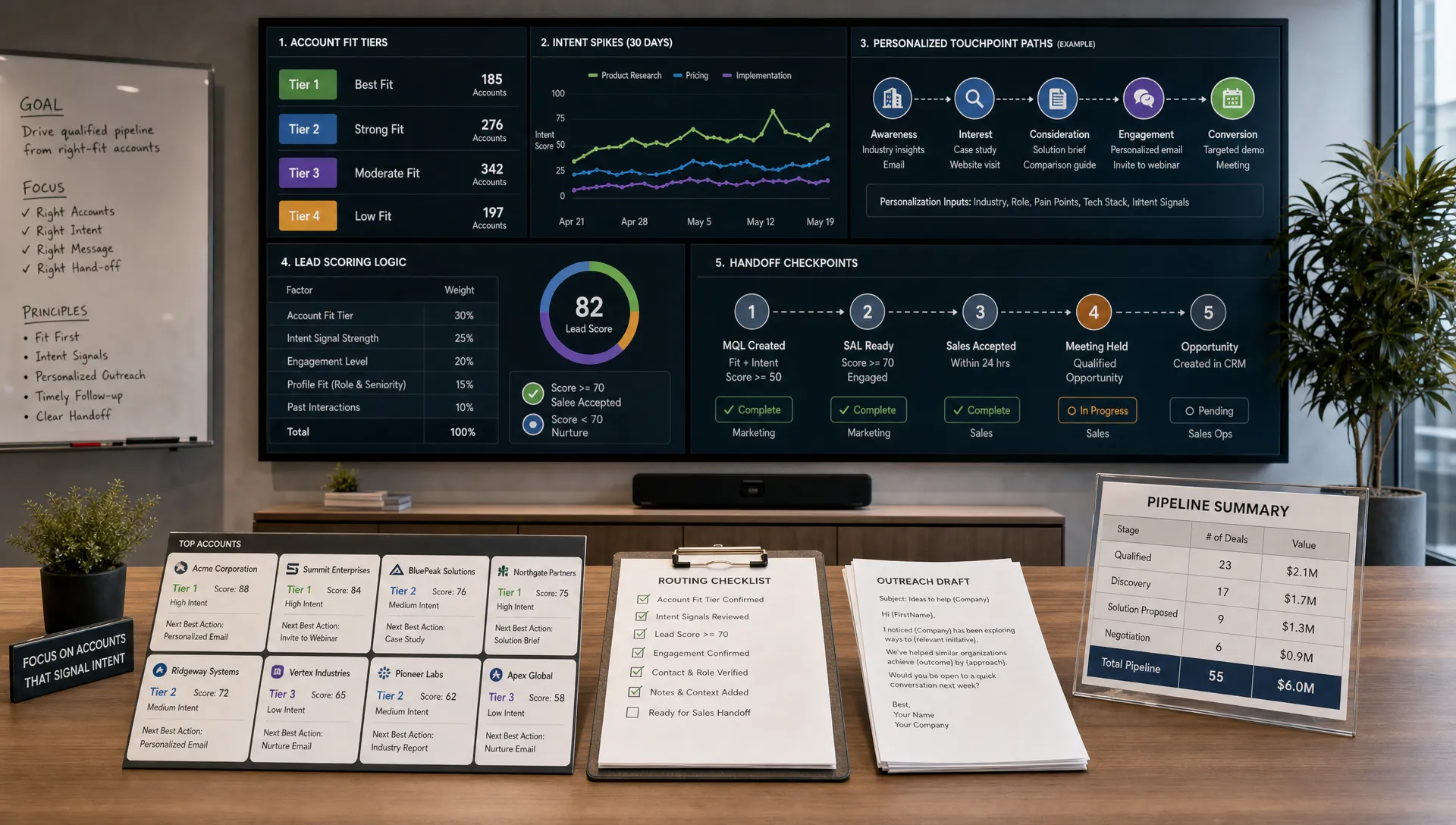
AI marketing for real estate is most useful when it makes a good agent faster, more relevant and easier to trust. A buyer who views three condo listings at 10 p.m. and downloads a school district guide is not the same as an investor comparing cap rates. AI helps turn those signals into timely content, smarter follow-up and cleaner prioritization, without asking your team to guess who deserves attention first.
For agents, brokerages and property marketers, the goal is not to automate every relationship. The goal is to build a lead generation system that captures demand earlier, responds more personally and keeps long-cycle prospects warm until they are ready to move.
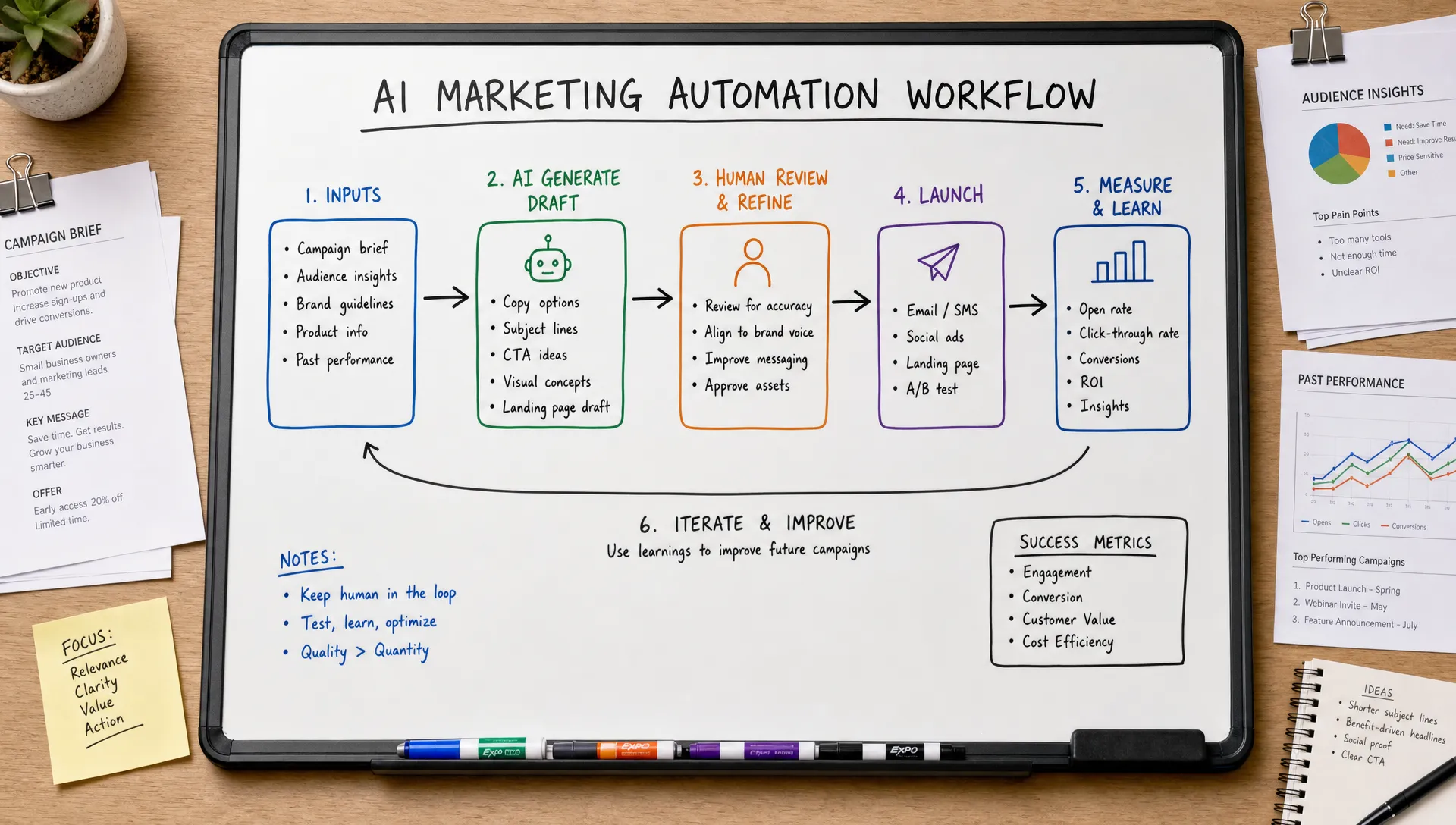
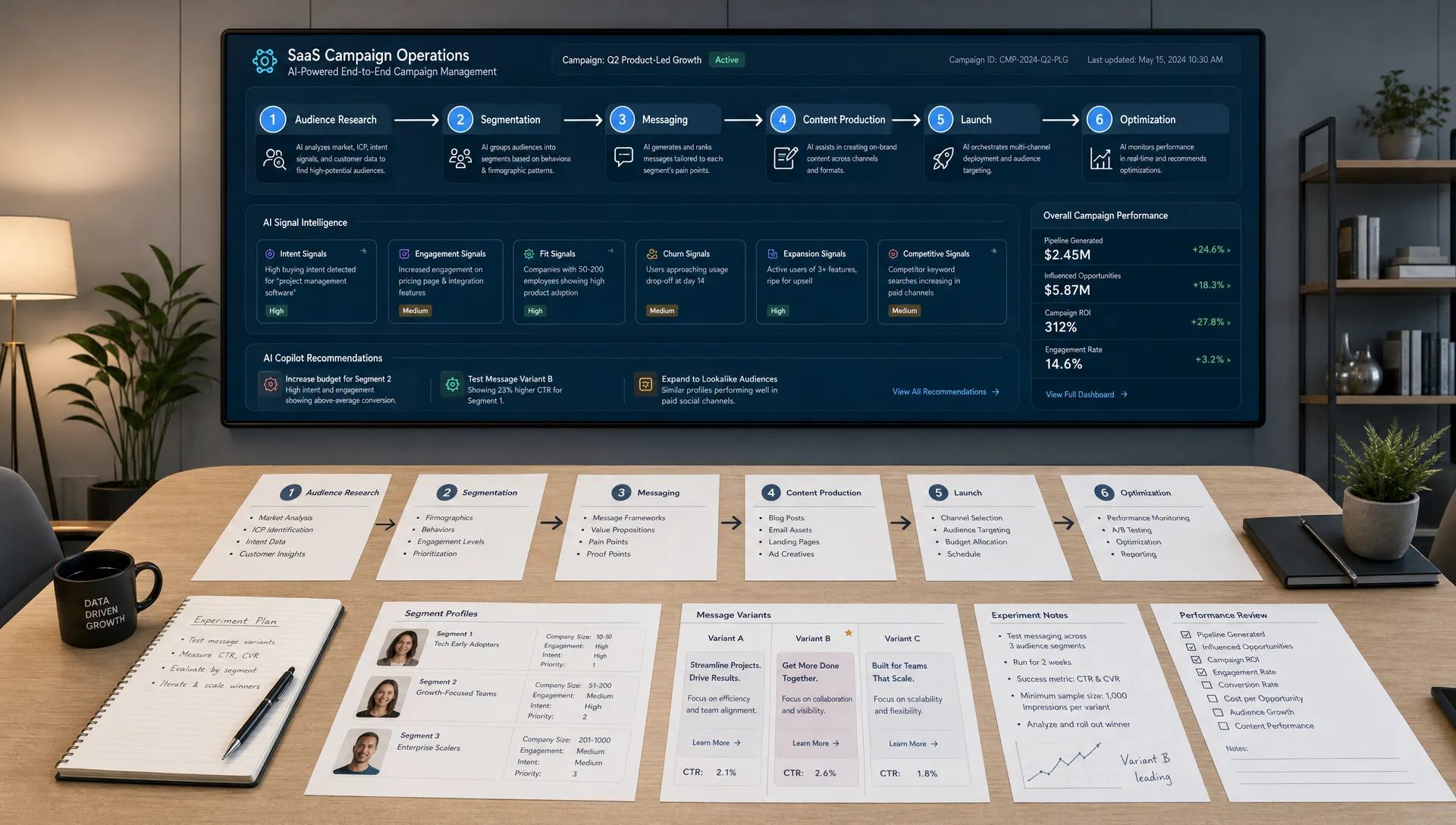
Traditional real estate lead generation often works in fragments. One tool runs ads, another hosts listings, a CRM stores contacts and an agent manually decides who to call. AI can connect more of that workflow by reading behavior, identifying patterns and suggesting the next best action.
In practice, AI can help your team:
That does not mean AI should run unsupervised. Real estate marketing involves legal, financial and personal decisions. Fair housing compliance, data privacy and listing accuracy still require human judgment. The best systems use AI to reduce manual work while keeping agents accountable for claims, targeting and client communication.
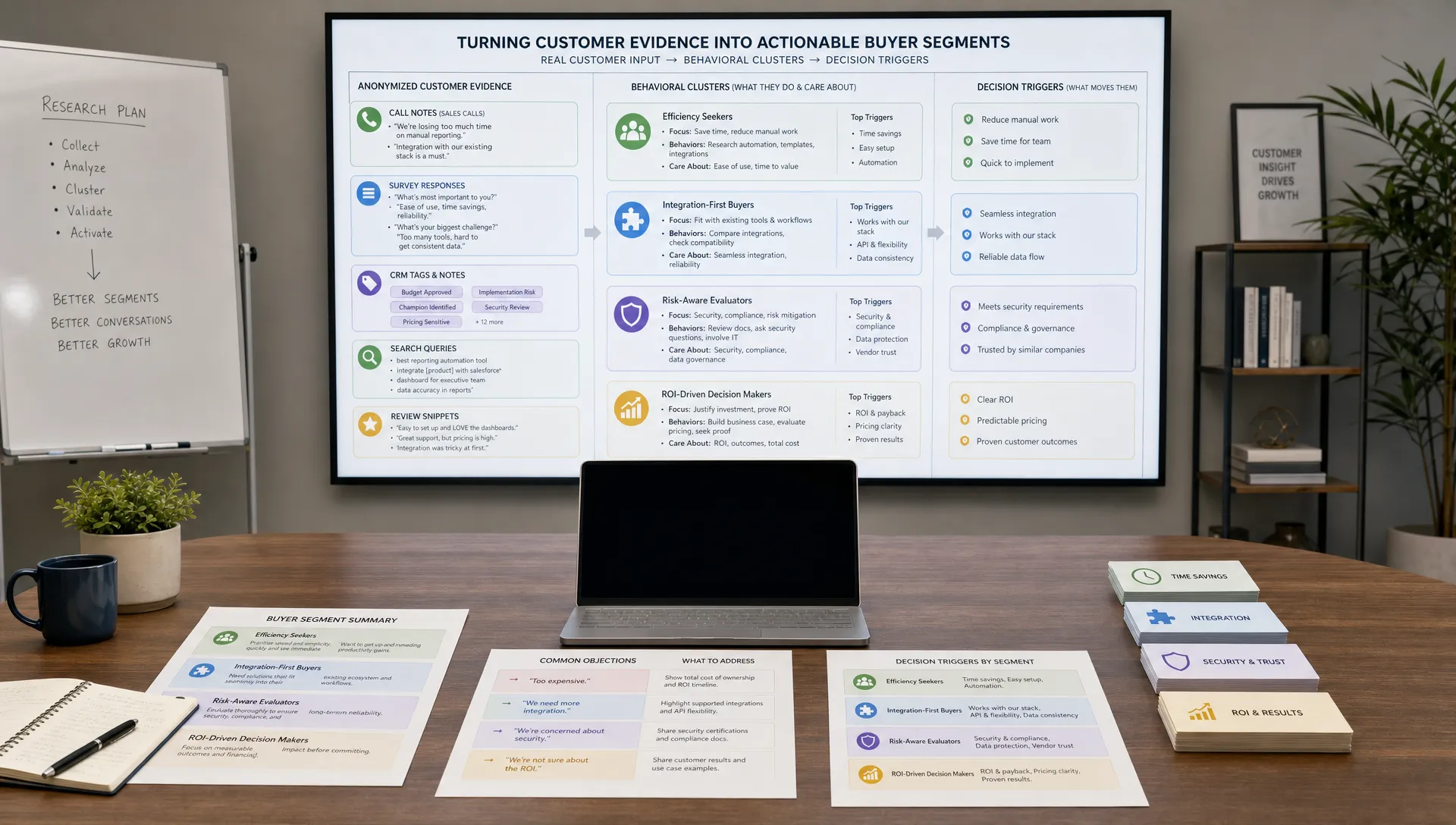
AI marketing for real estate performs best when the model has a clear definition of what a good lead looks like. Before choosing tools or launching campaigns, separate your audience into practical segments. A first-time buyer needs education and reassurance. A downsizing seller may need timing advice. A multifamily investor wants numbers, not lifestyle copy.
The National Association of Realtors has consistently reported that online research is central to the home search process, but online behavior varies widely by buyer profile. Your AI workflow should reflect that difference.
| Lead segment | Common intent signals | AI-assisted next step |
|---|---|---|
| First-time buyer | Mortgage content views, saved starter homes, school searches | Send affordability education and local buyer guides |
| Move-up seller | Home valuation request, listing prep content, neighborhood price searches | Offer a pricing consultation and seller checklist |
| Relocation buyer | Searches from out of market, commute queries, community guide downloads | Send neighborhood comparisons and showing options |
| Investor | Cap rate pages, rental demand content, multi-unit property views | Provide deal analysis prompts and market snapshots |
| Luxury buyer | Virtual tour engagement, saved high-end listings, private showing requests | Route quickly to senior agents with concierge follow-up |
This segmentation keeps AI from treating every form fill the same. It also helps agents write better prompts, build stronger nurture sequences and measure which audiences actually convert.
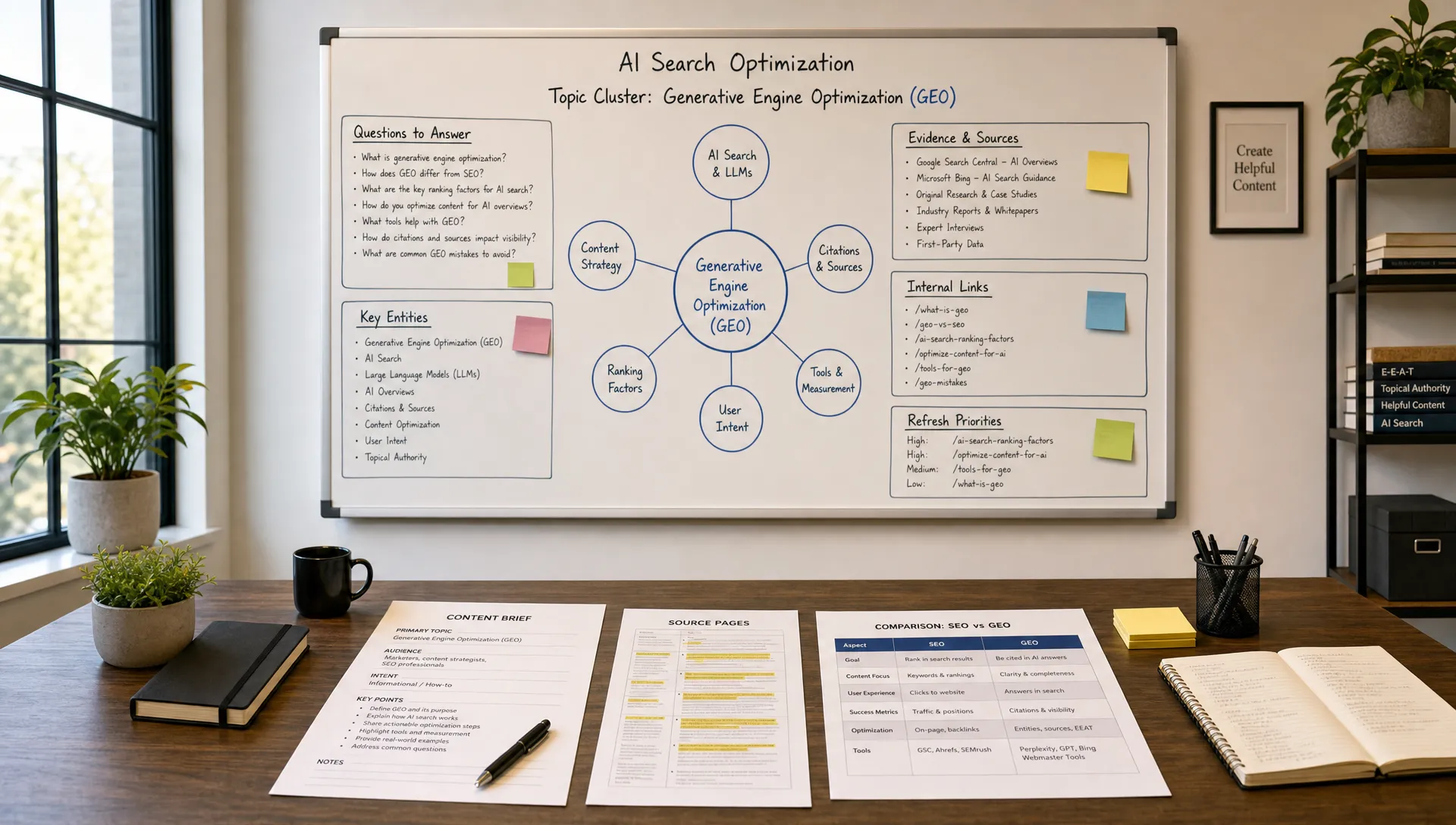
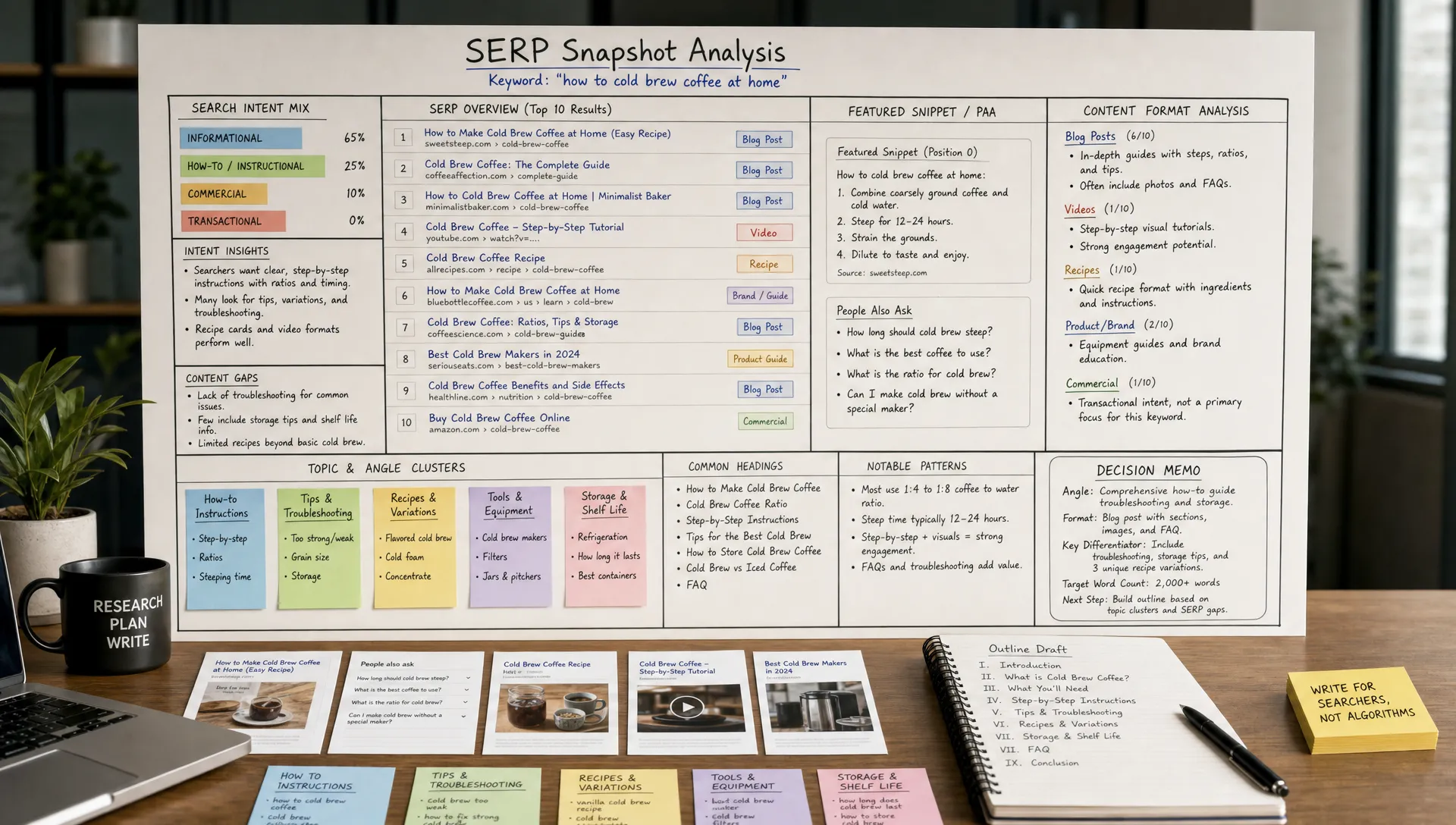
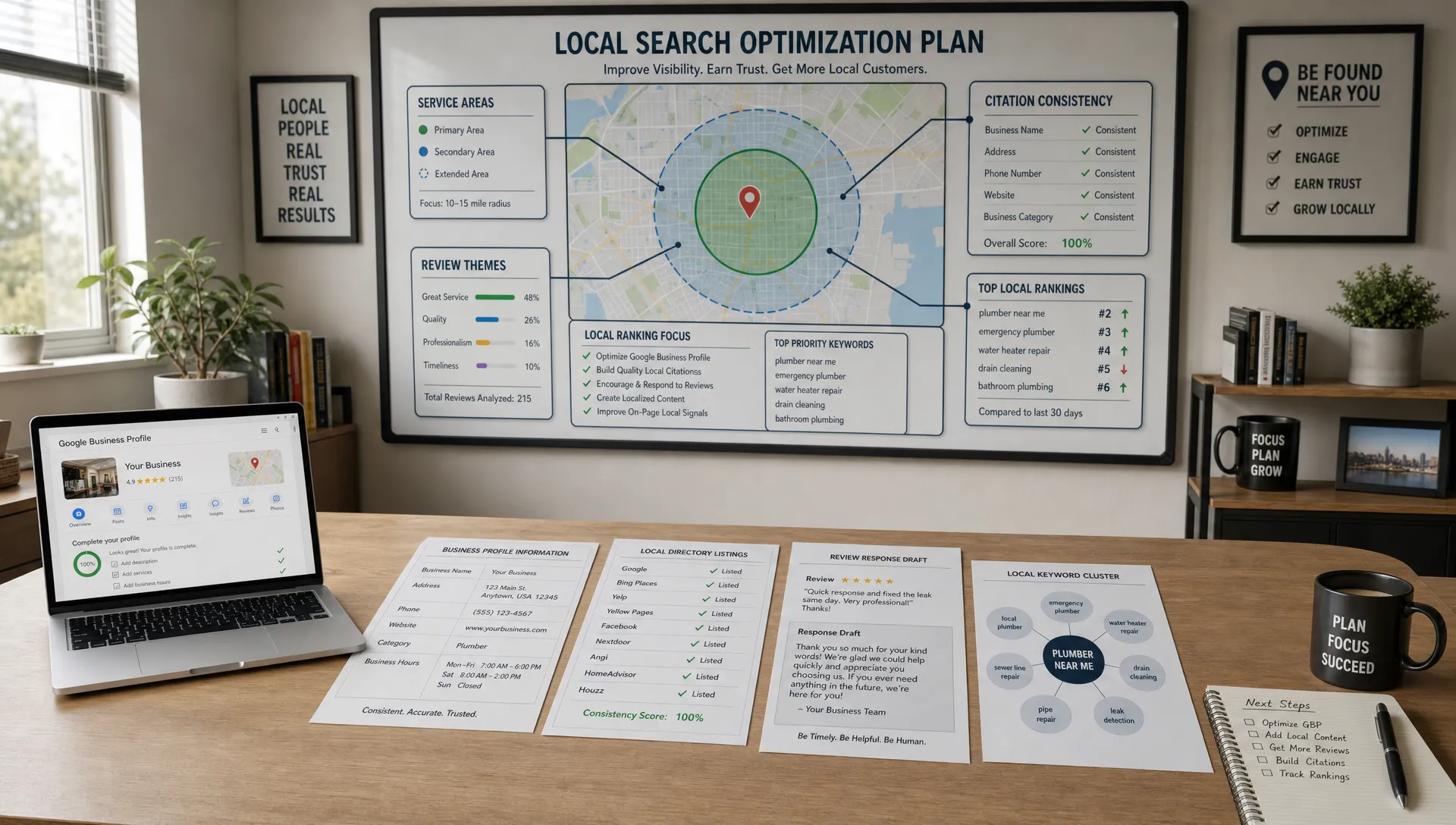
Search is still one of the most durable lead channels in real estate because people search before they trust an agent. A strong AI marketing for real estate plan uses AI to scale local content, but the insight should come from your market knowledge.
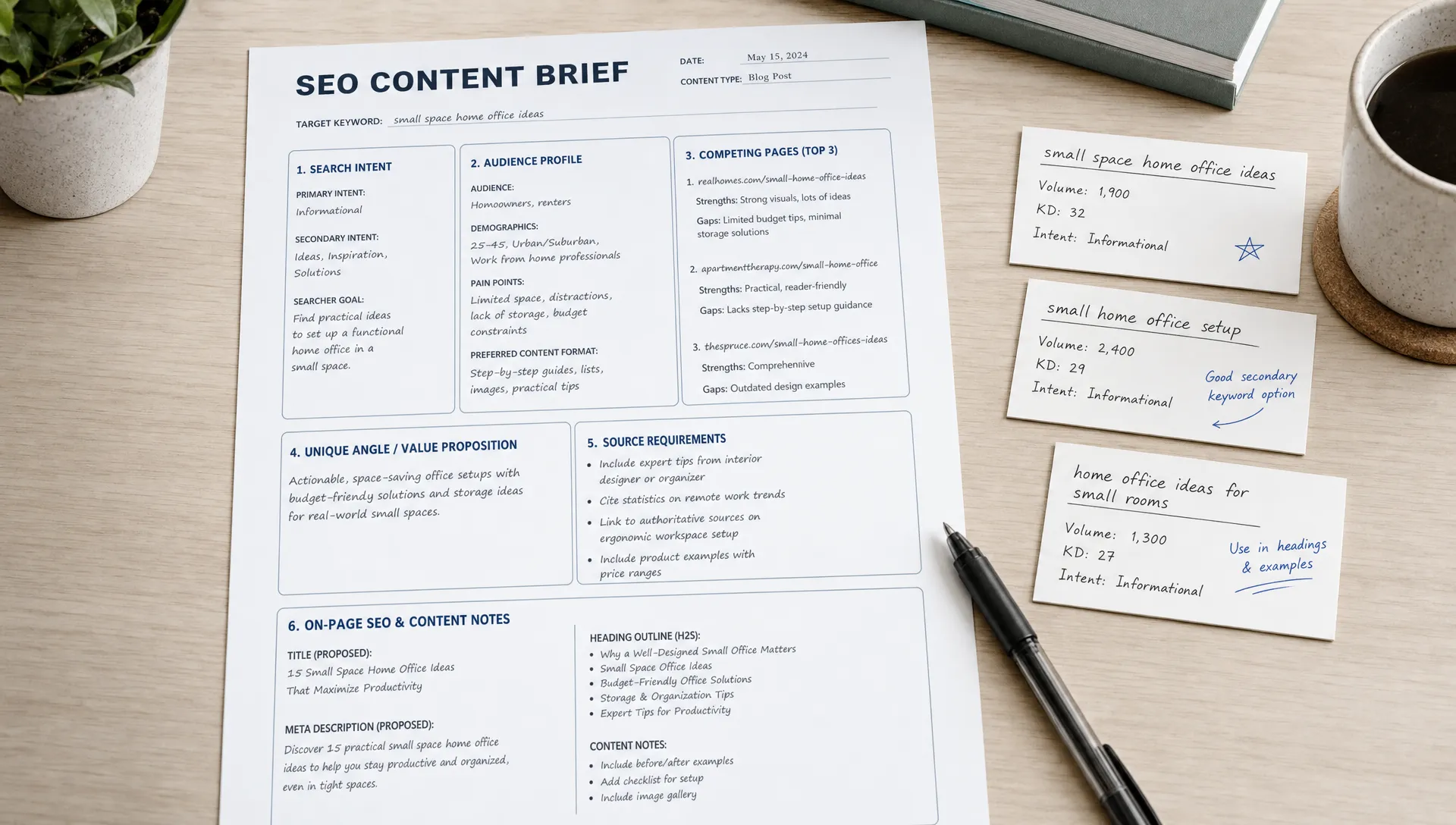
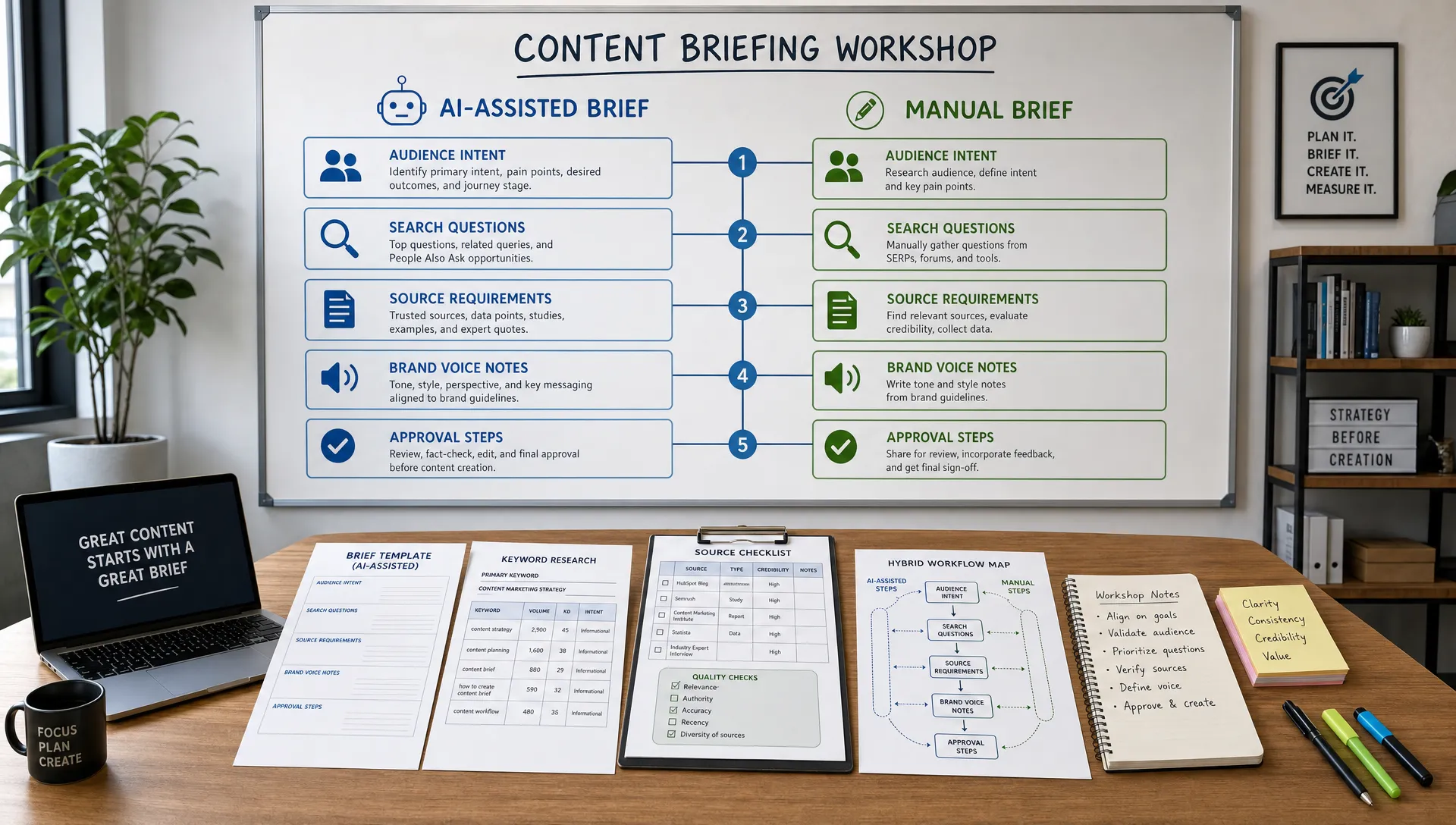
Start with questions prospects already ask on calls, in open houses and in email threads. Then turn those questions into useful pages, guides and short videos. Examples include neighborhood comparisons, condo buying guides, school district explainers, seller prep timelines, seasonal market updates and relocation resources.
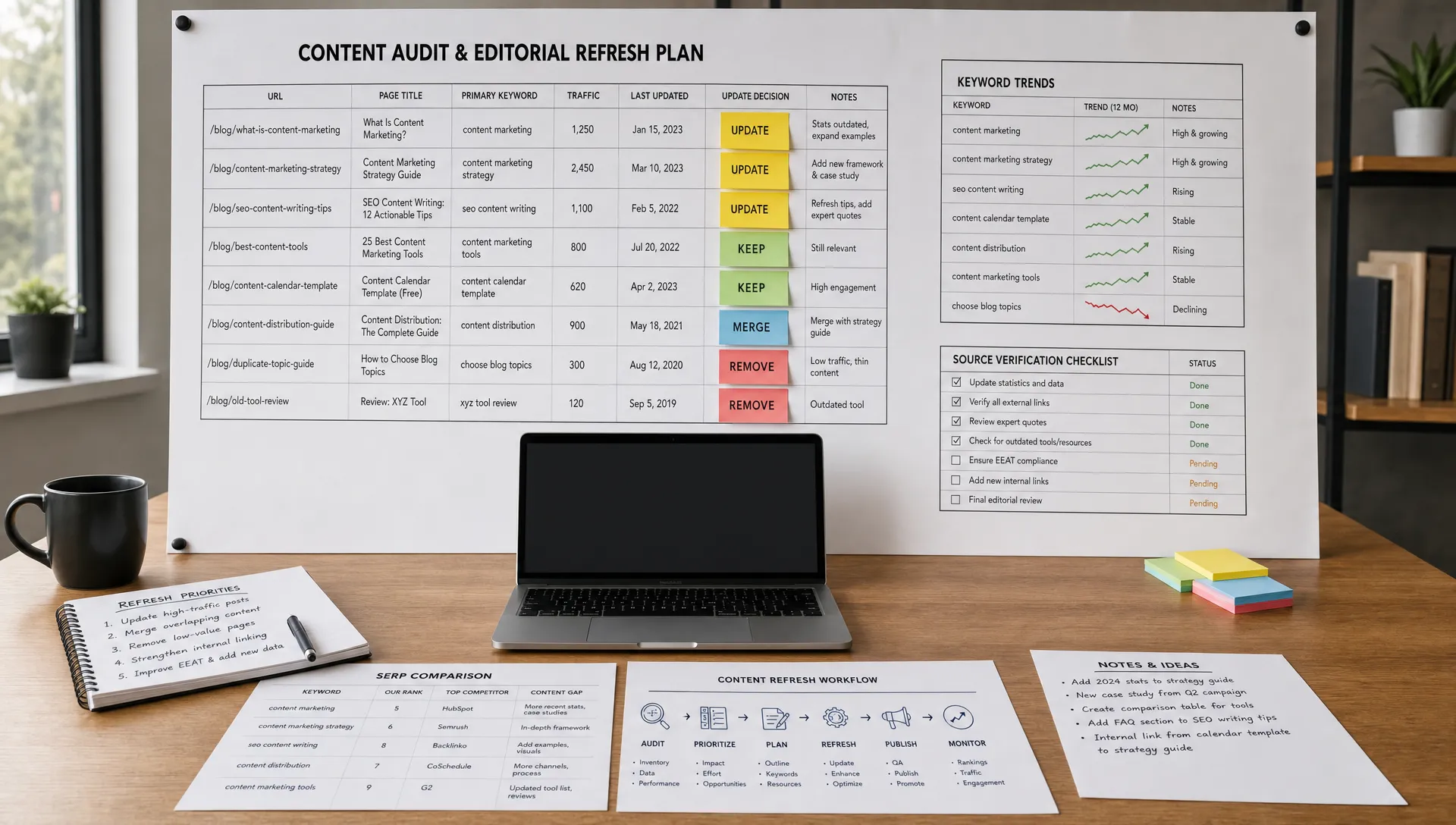
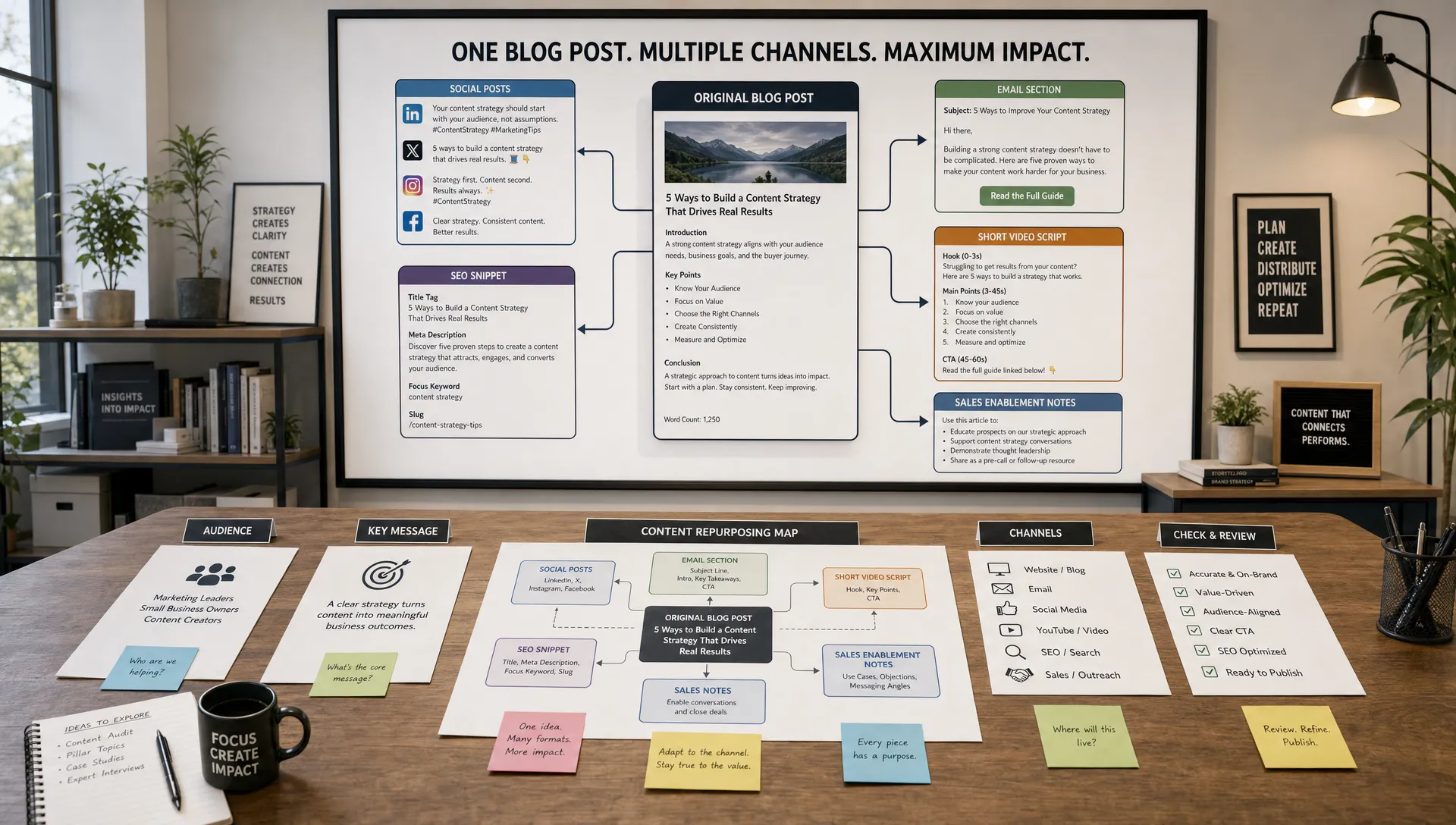
AI can help create outlines, summarize market themes and repurpose one guide into email, social and ad copy. Human review matters because real estate content needs local accuracy. Avoid publishing generic city pages that repeat the same language with a different neighborhood name. Those pages rarely persuade buyers or search engines.
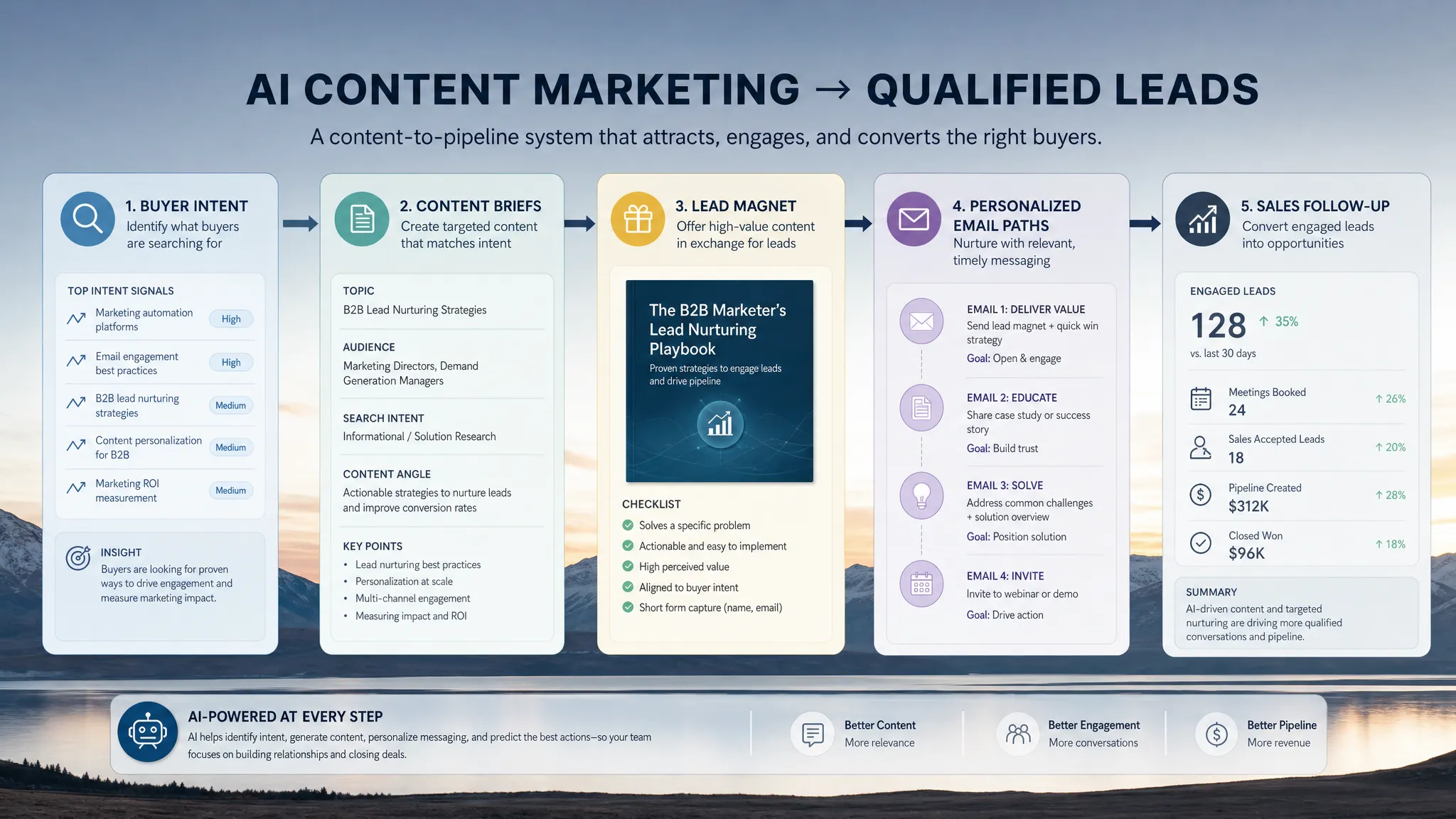
For a broader framework on using AI to connect content with buyer intent, see AIMarketer Hub's guide to AI content marketing tactics that drive more leads.
Useful real estate content usually sits close to a decision. Instead of only writing broad posts such as how to buy a home, build assets that help someone take a next step.
Good options include neighborhood cost breakdowns, home valuation landing pages, open house checklists, local market trend explainers, moving timelines and property type guides. Each page should have a clear conversion path, such as booking a consultation, requesting a valuation, saving a search or downloading a local guide.
Speed still matters, but speed alone is not enough. If five agents respond quickly and all say the same thing, the lead has no reason to choose yours. AI marketing for real estate can improve follow-up by combining fast response with context.
For example, a buyer who asks about pet-friendly condos should not receive the same email as someone requesting waterfront homes. An AI-assisted CRM or chatbot can capture preferences, summarize the conversation and trigger the right follow-up sequence.
| Lead signal | Weak follow-up | Strong AI-assisted follow-up |
|---|---|---|
| Viewed several homes in one ZIP code | Let me know if you have questions | I noticed you were comparing homes near this area. Here are three differences buyers often miss. |
| Requested a valuation | Are you ready to sell? | Here is what affects pricing in your neighborhood, plus a short prep checklist before we meet. |
| Asked about financing | Call me to discuss | Here are common affordability factors to review before touring, and I can connect you with a lender if helpful. |
| Returned after 60 days | Are you still looking? | A few listings similar to your saved homes have changed price. Would you like an updated shortlist? |
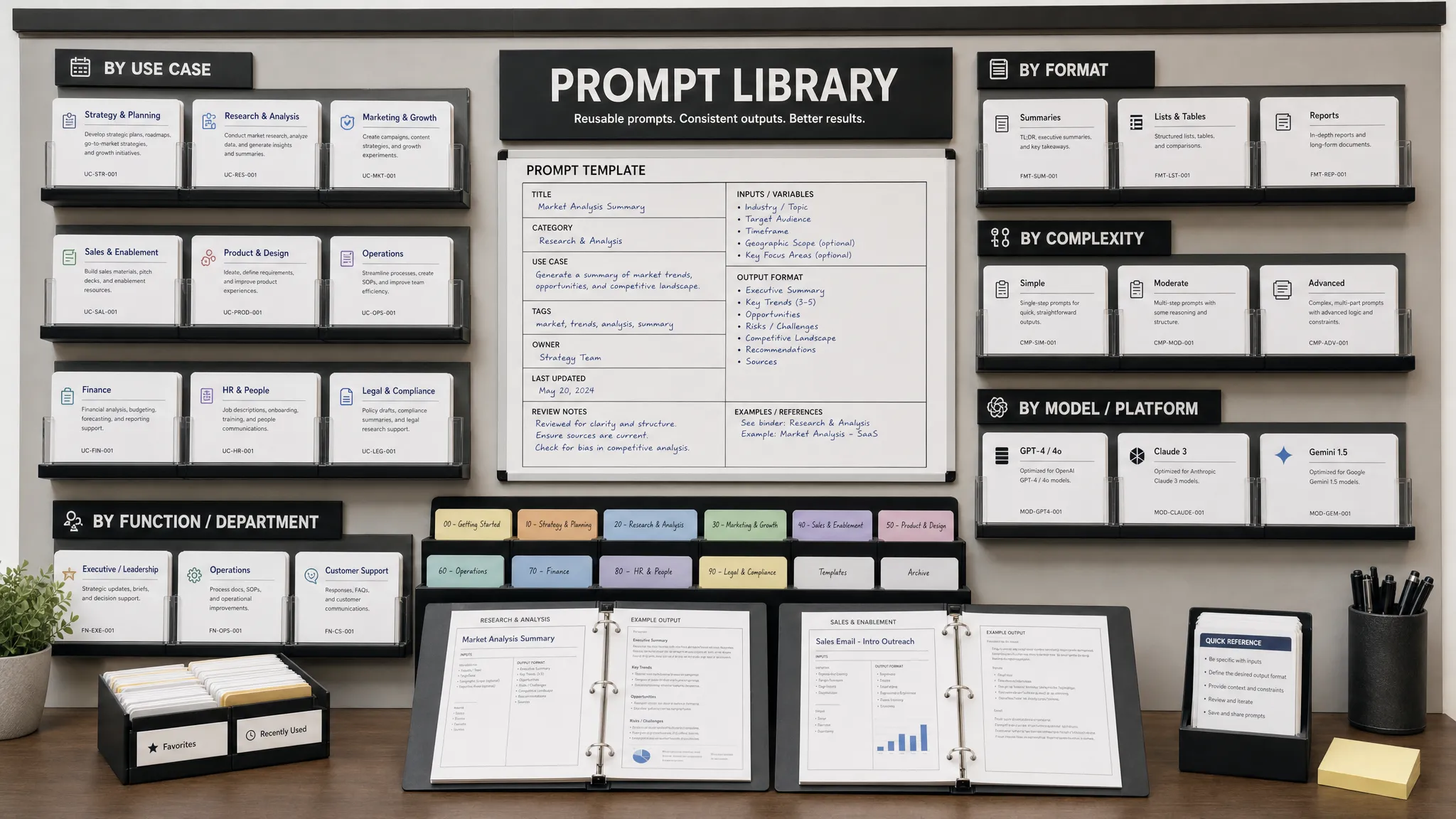
Chatbots can support this workflow when they are designed for qualification, not just website decoration. AIMarketer Hub has a practical guide to AI chatbots for lead qualification that is especially relevant for real estate teams handling high inquiry volume.
A listing page should do more than display photos and wait for someone to click contact agent. It should reveal intent. Which rooms did the visitor view? Did they save the property? Did they compare commute times? Did they open the floor plan twice? These interactions can help your team understand readiness.
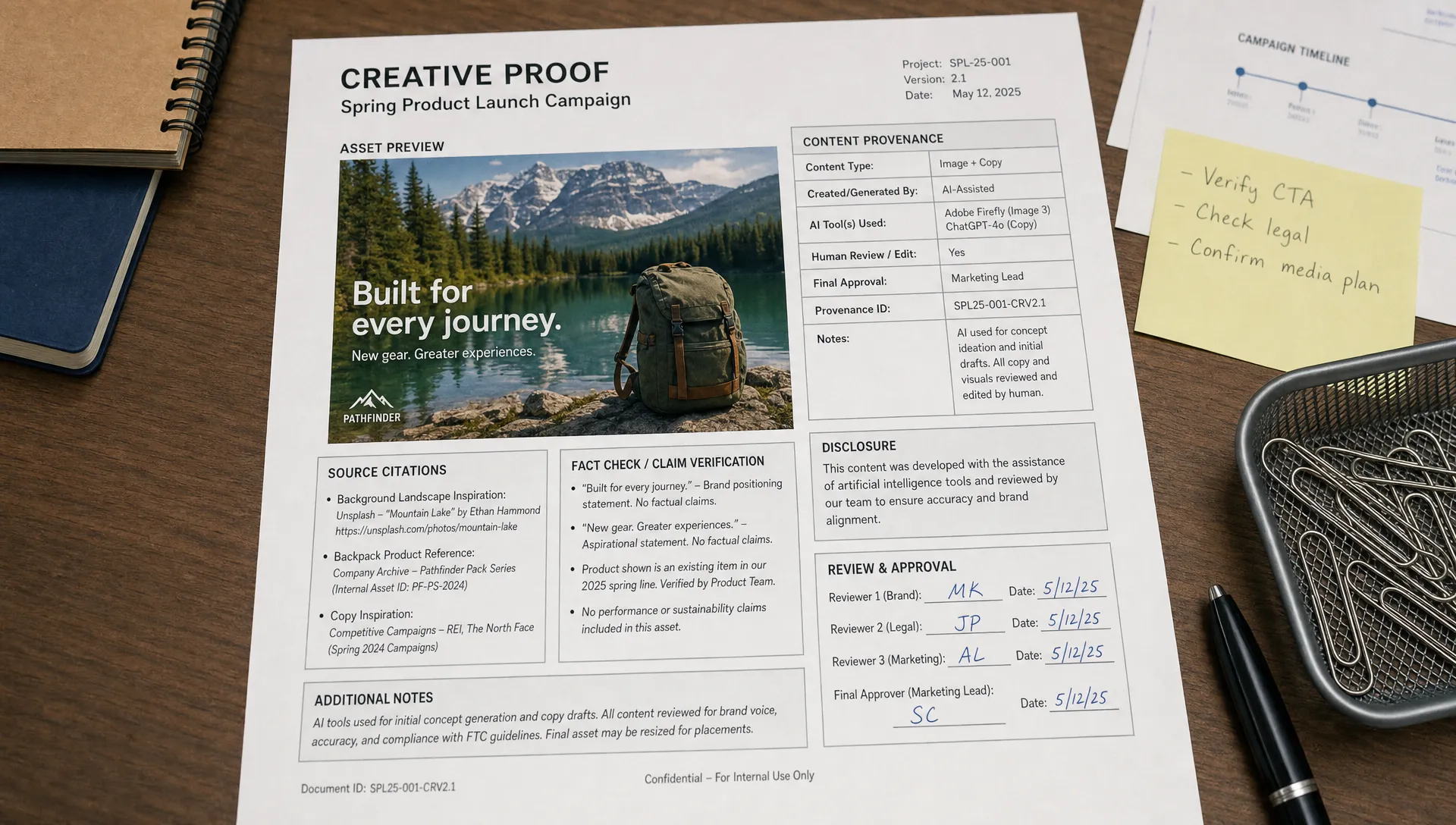
AI can support listing marketing through property descriptions, ad variations, video scripts, image tagging, virtual staging workflows and personalized listing alerts. Use these tools carefully. If an image is digitally staged or materially edited, disclose it clearly so buyers are not misled.
High-end developments and luxury brokerages can go further with interactive tours, configurators and private booking flows. Real estate marketers can learn from how interactive experiences turn attention into measurable action, especially when a digital experience lets someone save a layout, compare finishes, request a viewing or book a consultation.

Paid advertising can generate leads quickly, but it can also waste budget when campaigns optimize for cheap forms instead of qualified conversations. AI marketing for real estate should use paid media to learn which messages, neighborhoods and lead magnets attract serious prospects.
Search campaigns work well for high-intent phrases such as home valuation, homes for sale in a specific neighborhood or real estate agent near me. Social campaigns are better for demand creation, retargeting and lead magnets, such as seller checklists or relocation guides. Portal advertising can still be useful, but it should be measured against appointment quality, not just inquiry volume.
AI can help generate ad variants, identify creative patterns and summarize performance. It should not be used to exclude or prioritize people based on protected characteristics. In the United States, housing advertising is subject to fair housing rules, and platforms such as Meta apply special ad category restrictions to housing campaigns.
Keep targeting broad, focus on property or geography-based relevance where allowed and review all AI-generated copy before launch. Claims about schools, safety, neighborhood demographics or investment returns need particular care.
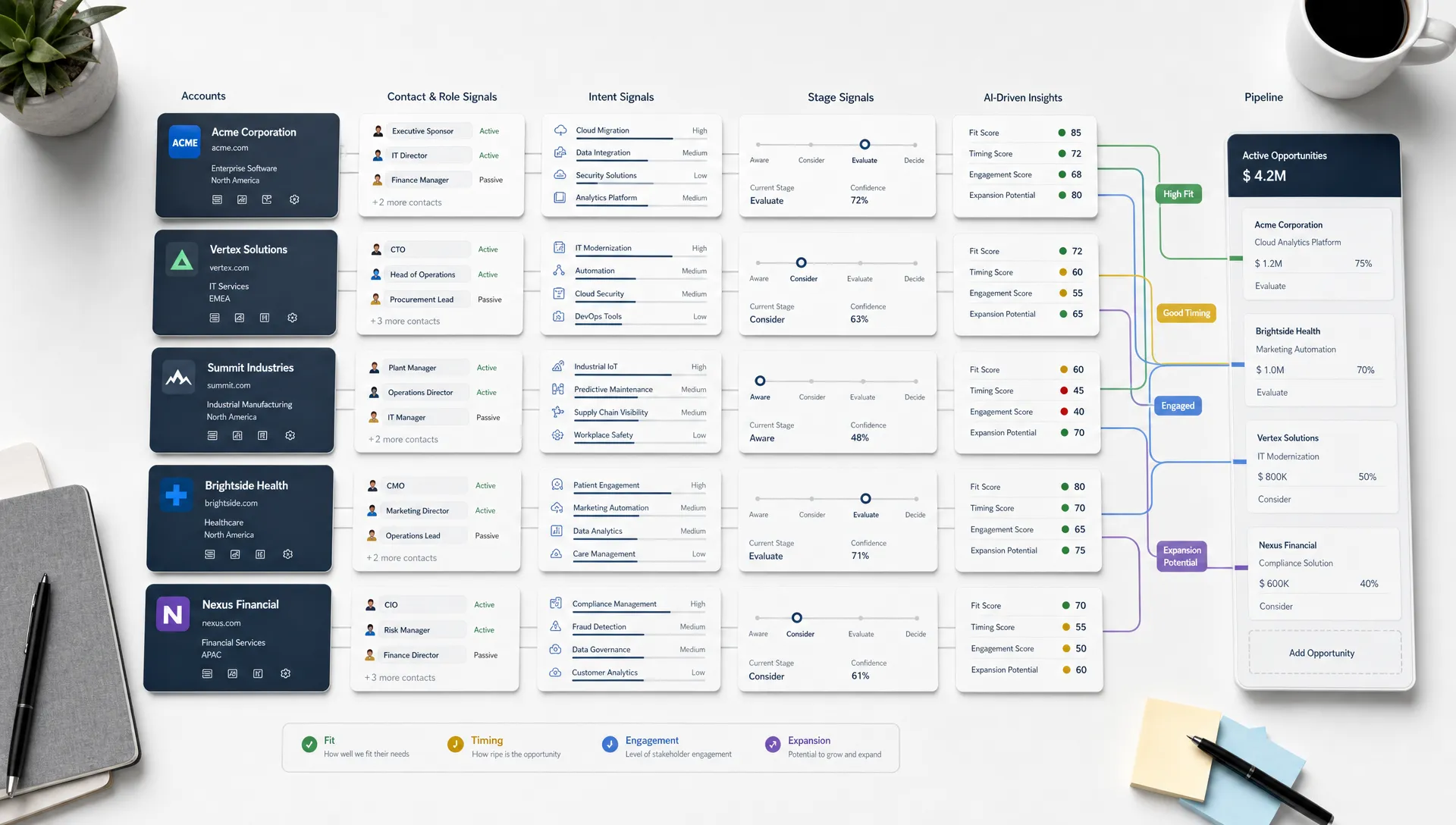
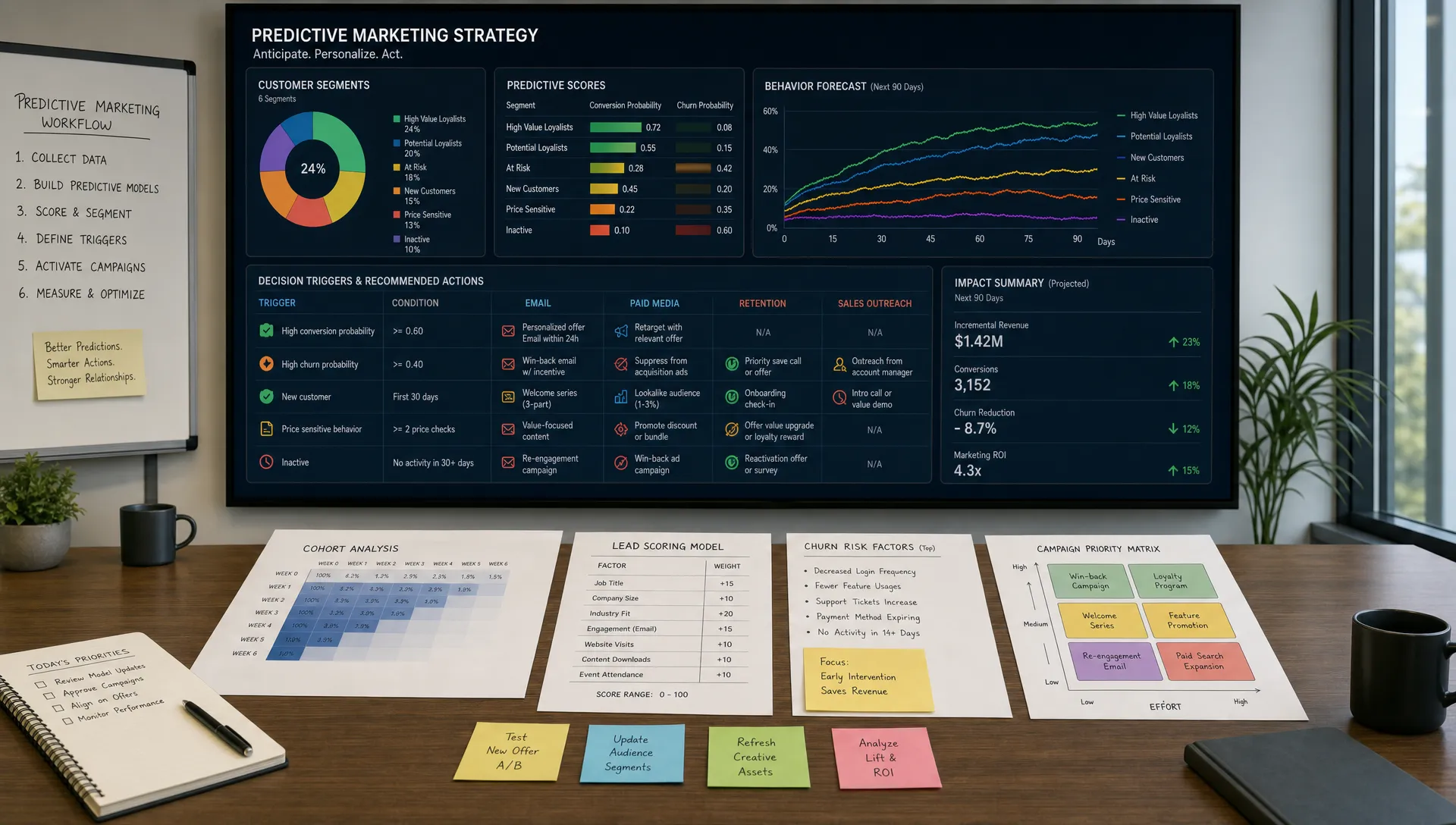
Lead scoring often fails when teams make it too complex too early. You do not need a black box score with dozens of hidden variables. A practical real estate model can start with three categories: fit, intent and timing.
Fit asks whether the prospect matches your service area and property focus. Intent looks at behavior, such as showing requests, repeat listing views or valuation requests. Timing considers whether they are ready now, researching for later or only browsing.
| Score category | Signals to include | Routing action |
|---|---|---|
| Fit | Location, property type, budget range, buyer or seller status | Assign to the right agent or nurture list |
| Intent | Showing request, saved search, repeat visits, chatbot answers | Prioritize for immediate follow-up |
| Timing | Move date, financing status, listing timeline, lease end date | Choose urgent call, short nurture or long nurture |
This is where AI can read messy data, such as chat transcripts, call notes and email replies, then suggest a score or next action. For a simple framework, read AIMarketer Hub's guide on how to score leads with AI without overcomplicating it.
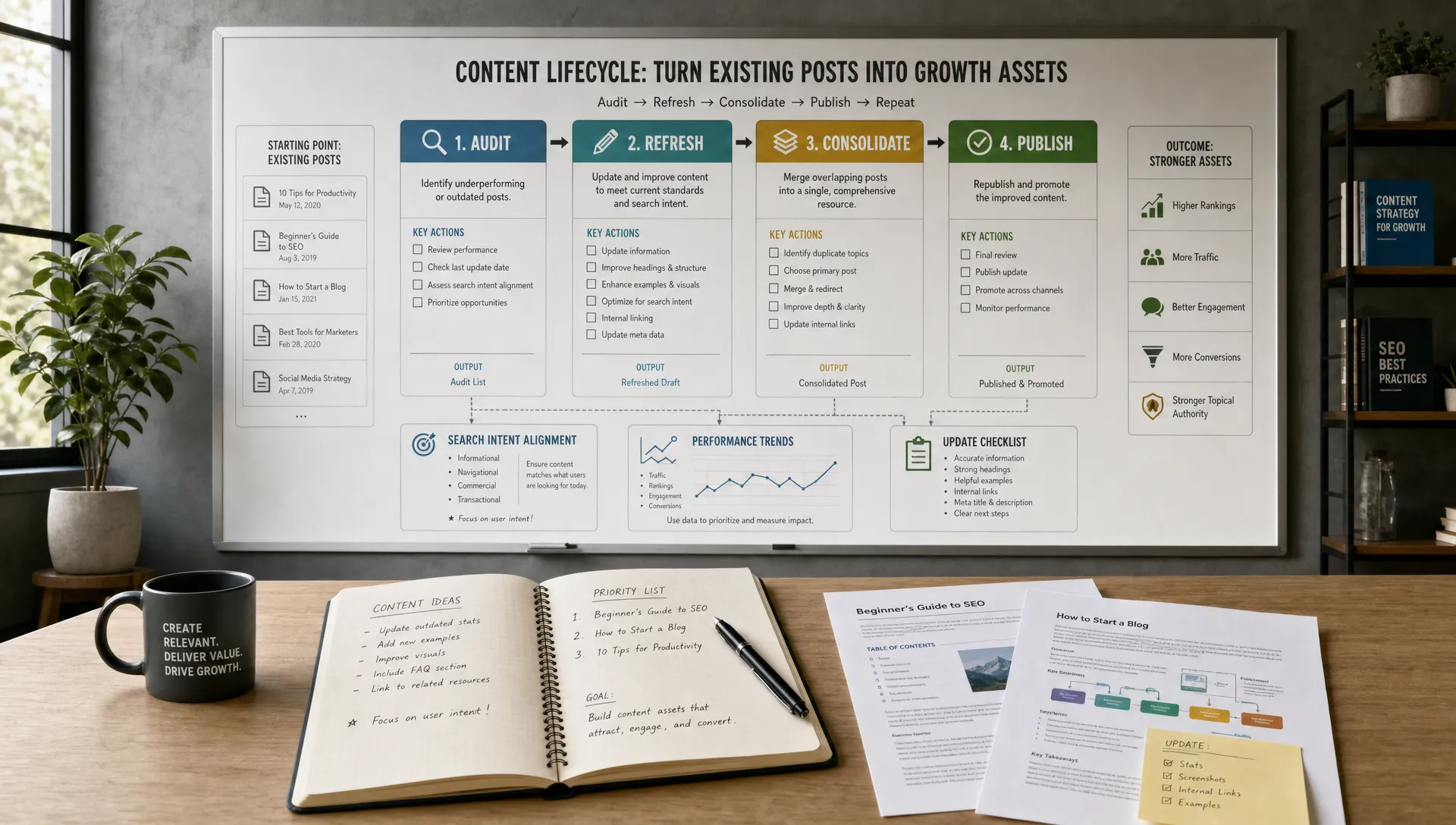
Many real estate leads are not bad leads. They are early leads. A buyer may browse for months before touring. A seller may request a valuation long before listing. Investors may monitor a market until the numbers work.
AI marketing for real estate helps nurture these prospects without requiring agents to write every message from scratch. The key is to align content with the stage of the relationship. Early-stage buyers might receive neighborhood education and affordability resources. Active buyers need listing alerts and showing coordination. Future sellers need market updates, prep guidance and valuation check-ins.
Calculators can also support nurture when they help prospects understand practical constraints. Loan calculators, affordability worksheets and cost-of-moving guides can turn vague interest into a more concrete conversation. The content should help the prospect decide, not pressure them into a call before they are ready.
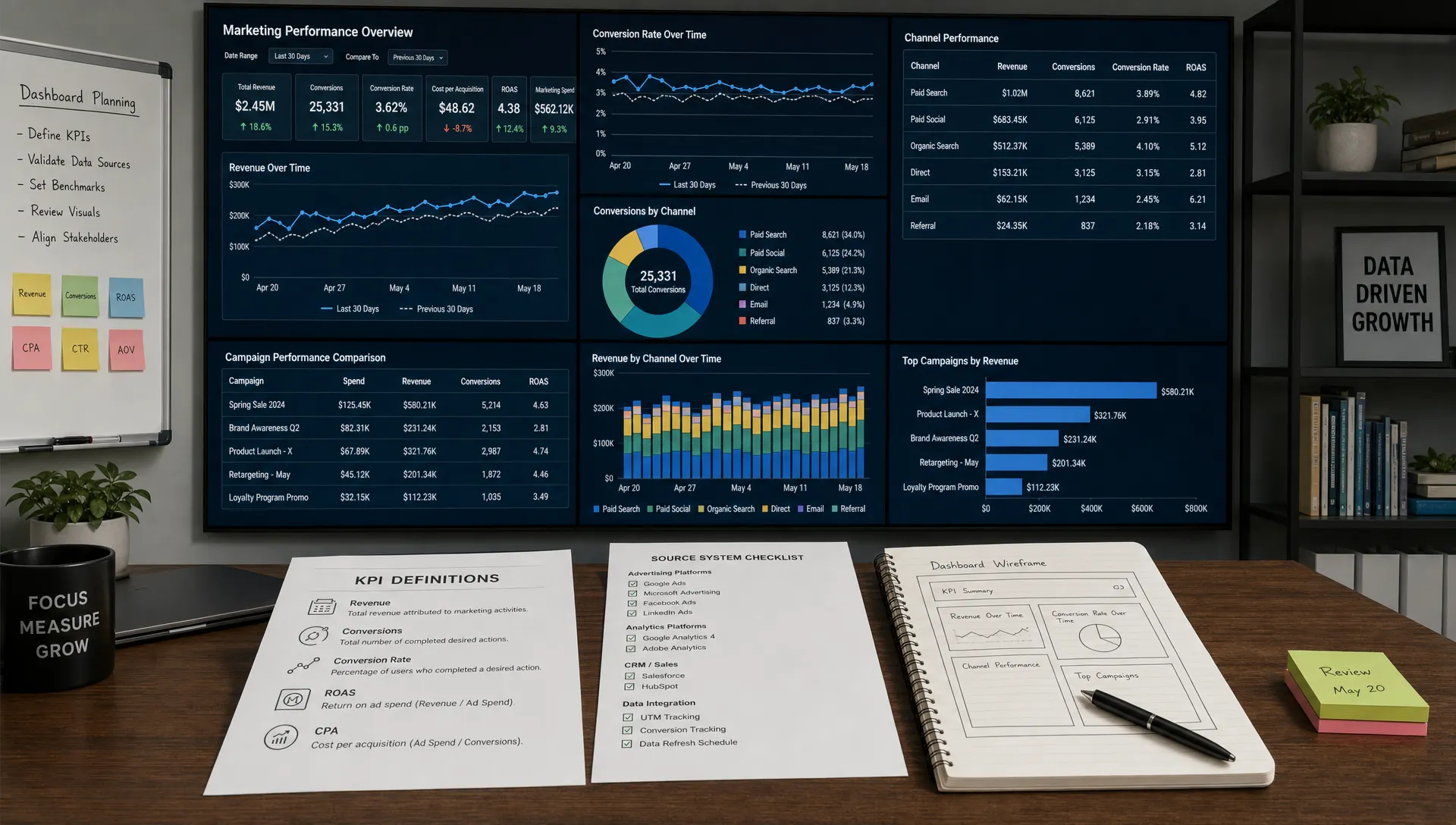
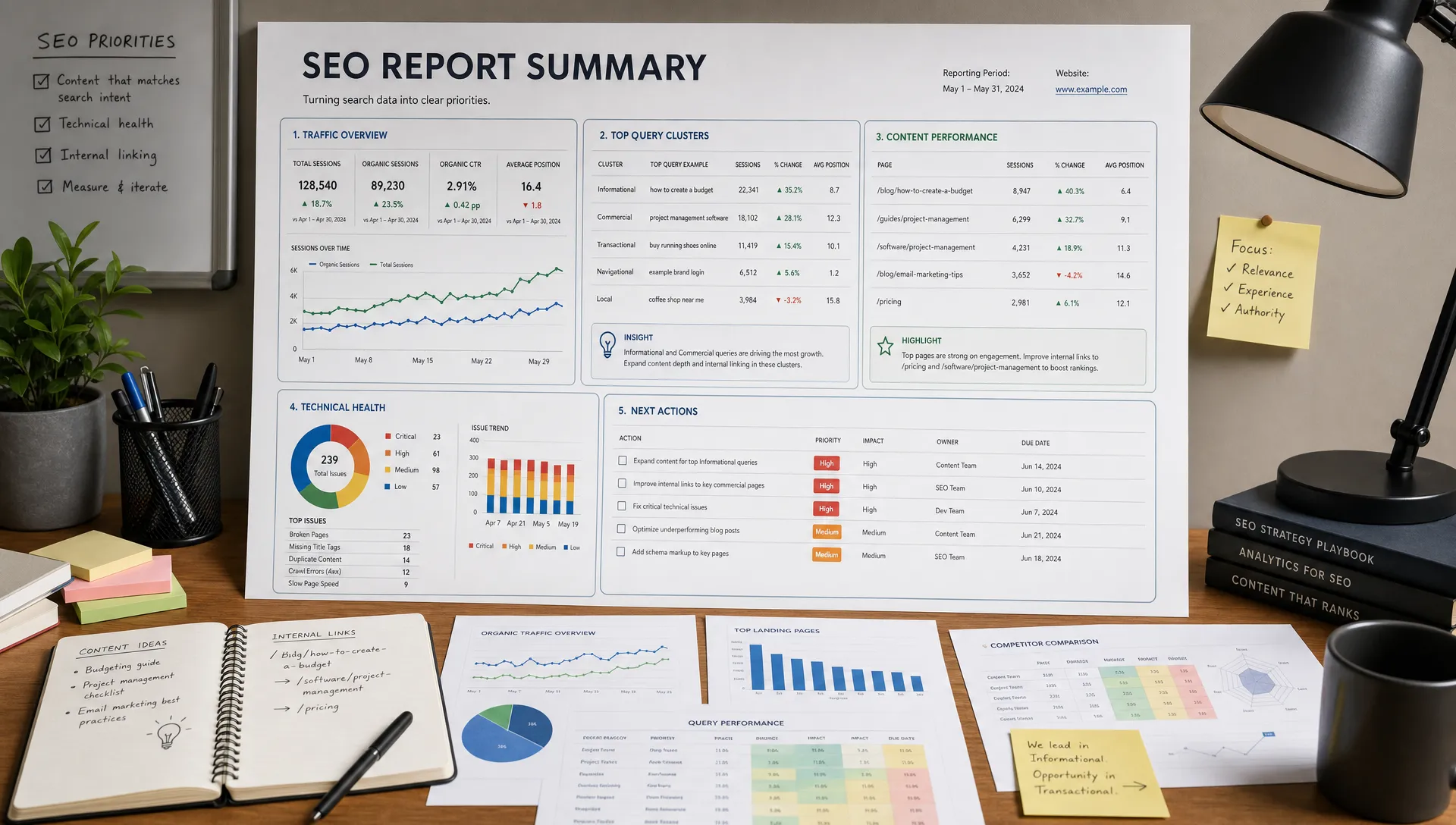
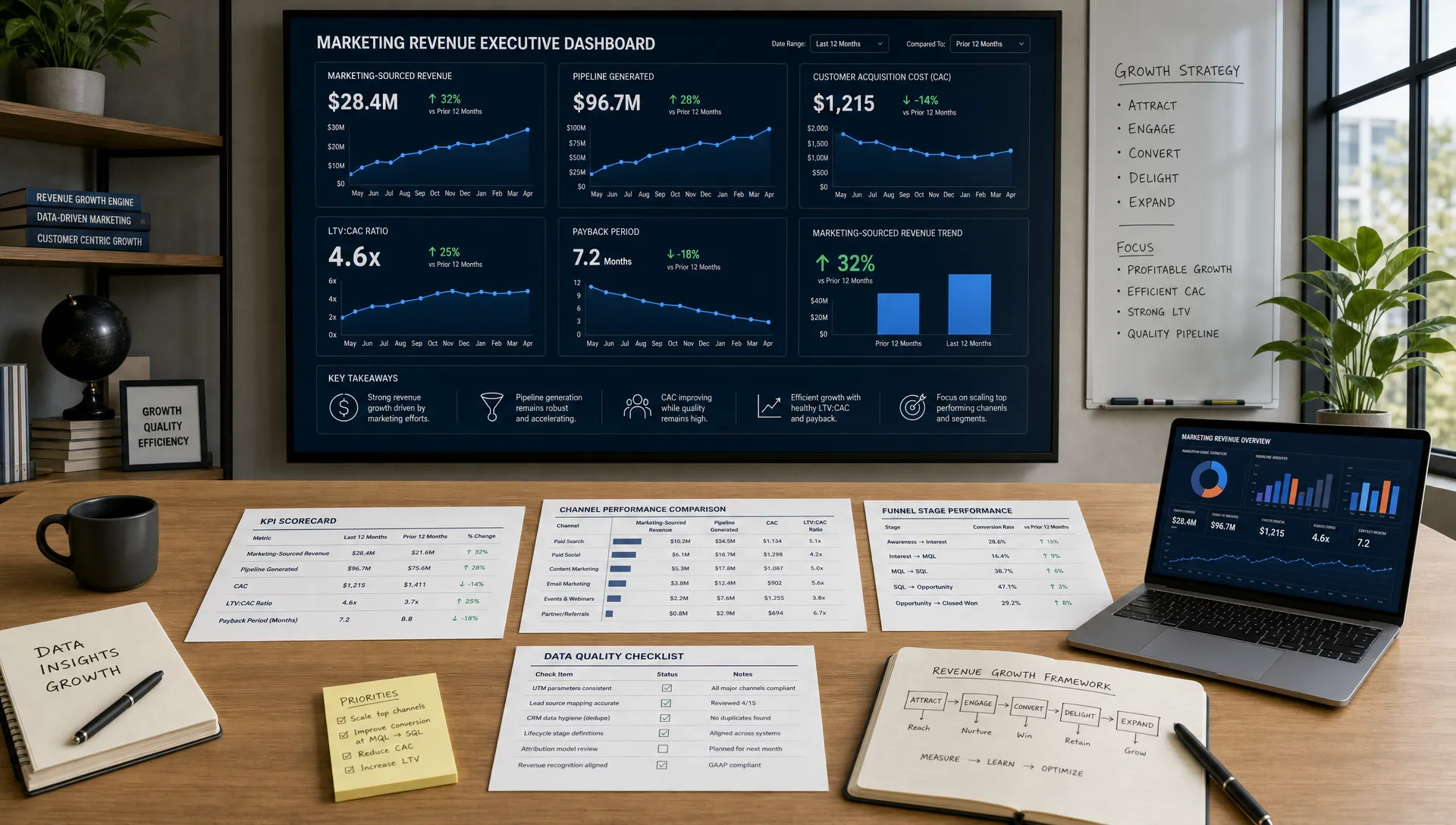
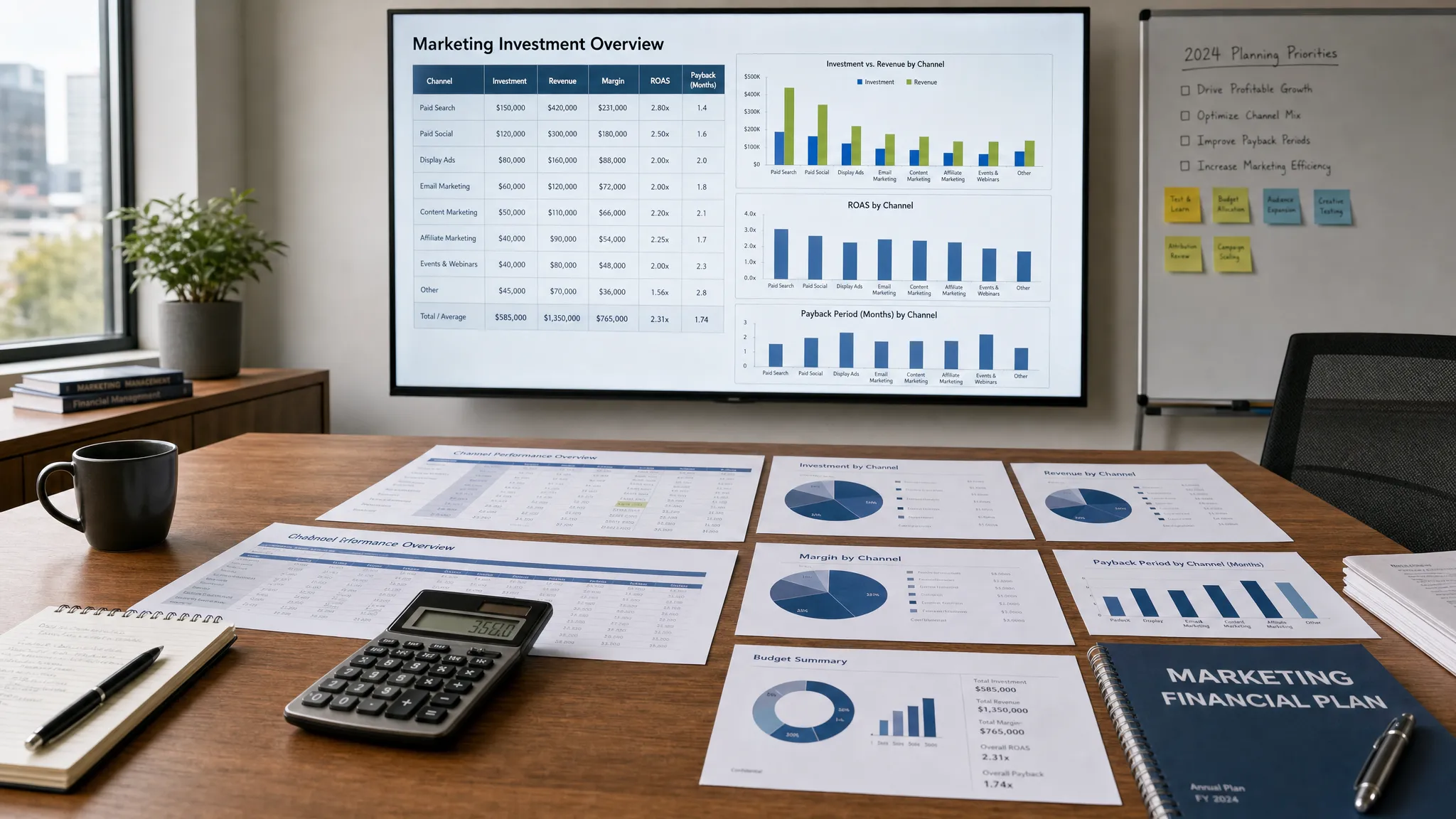
If you only measure cost per lead, AI will help you generate more forms. That may look good in a dashboard and still fail in sales. Real estate teams need to measure whether leads become conversations, appointments, signed clients and closed transactions.
| Metric | What it reveals | How AI can help |
|---|---|---|
| Source to appointment rate | Which channels produce real conversations | Compare performance across SEO, ads, portals and referrals |
| Speed to qualified response | Whether hot leads wait too long | Trigger routing alerts and summarize lead context |
| Content assisted conversions | Which guides or pages influence action | Attribute form fills and bookings to content journeys |
| Lead score accuracy | Whether scoring reflects reality | Compare predicted priority with actual outcomes |
| Nurture reactivation rate | Whether older leads return | Identify engagement spikes and prompt follow-up |
| Opt-out and complaint rate | Whether automation is too aggressive | Flag messaging that needs adjustment |
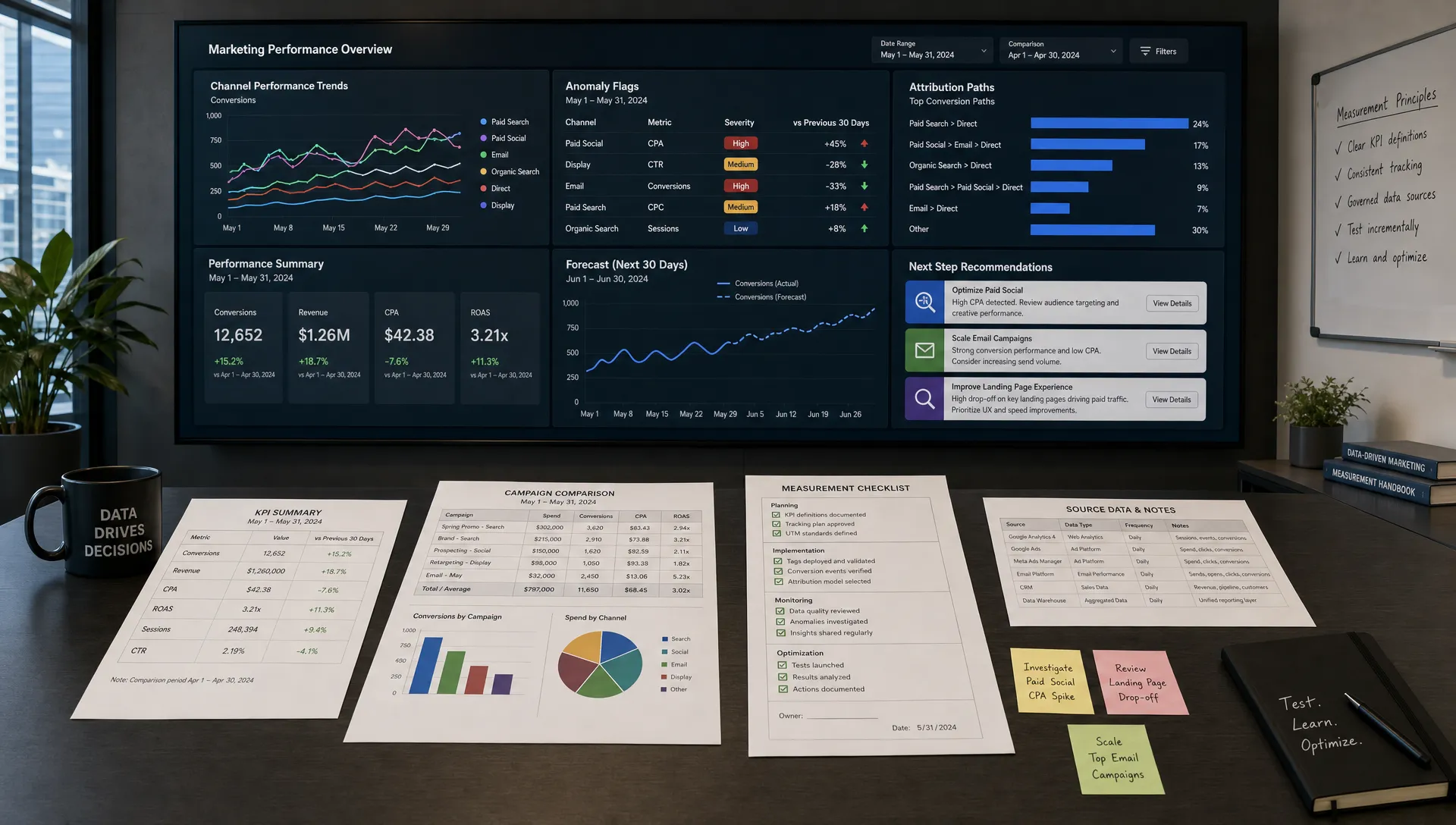
Review these metrics weekly at first. AI-powered analytics are most useful when they create decisions, such as shifting budget, improving a landing page or changing a follow-up sequence.
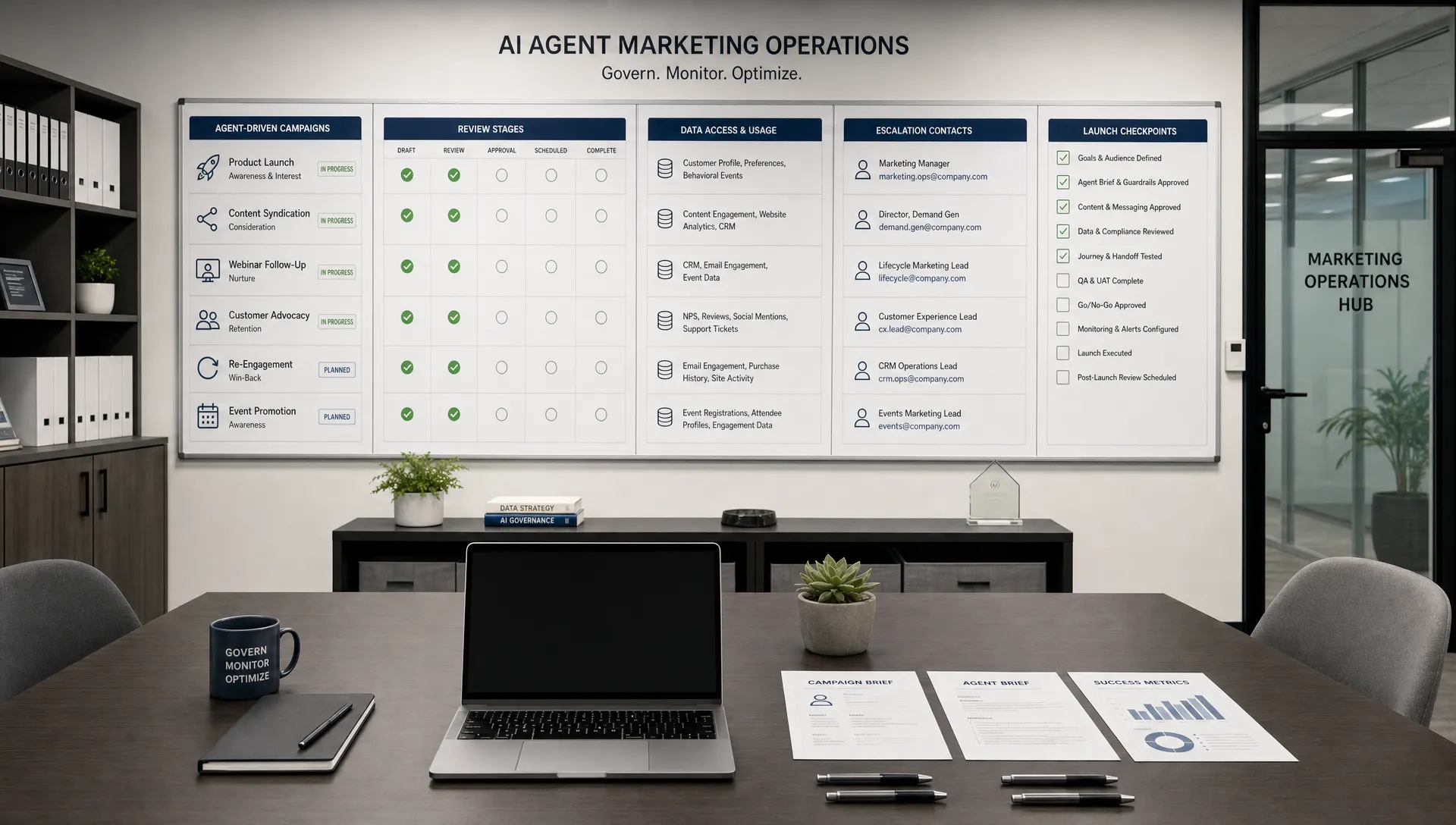
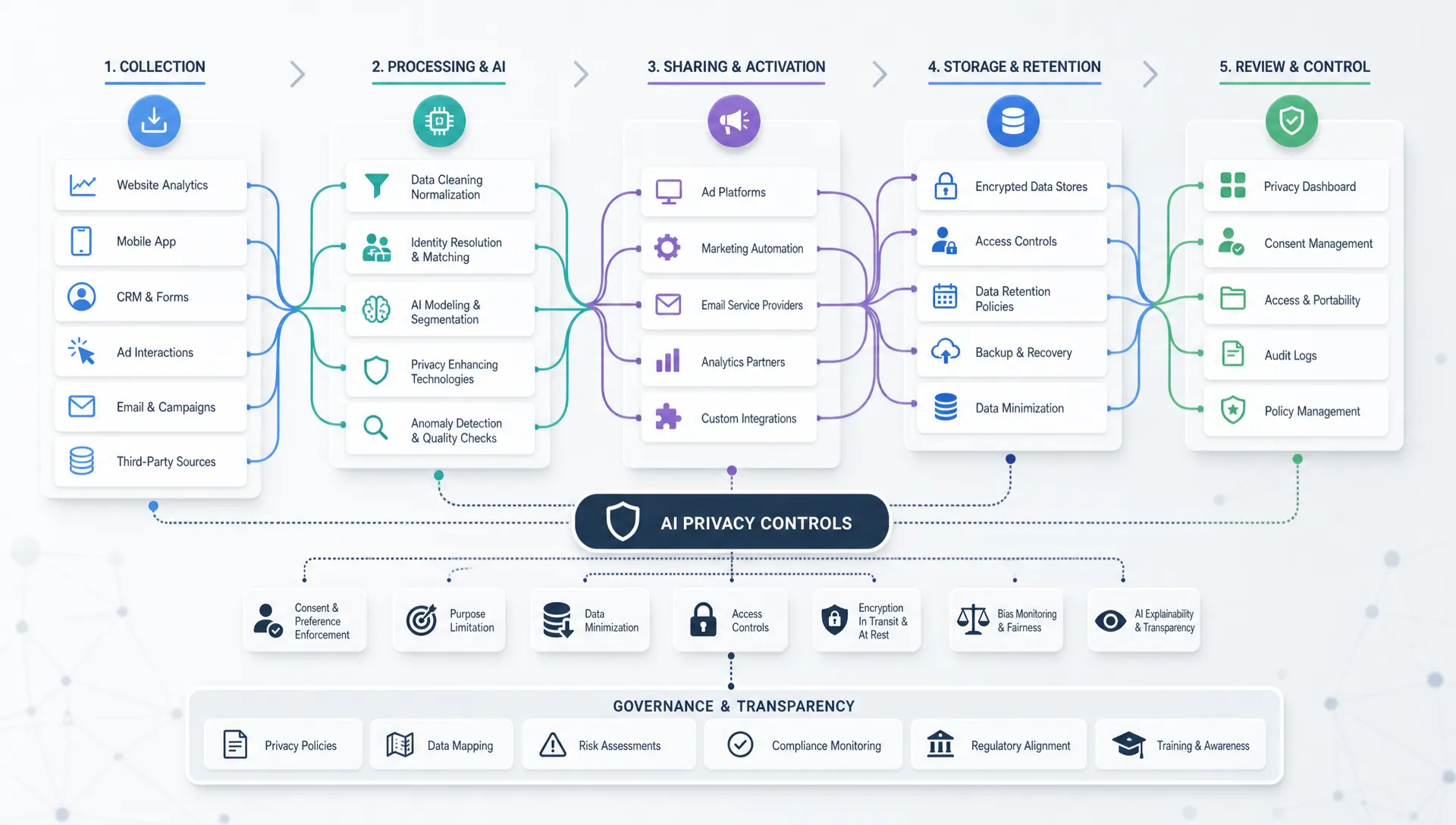
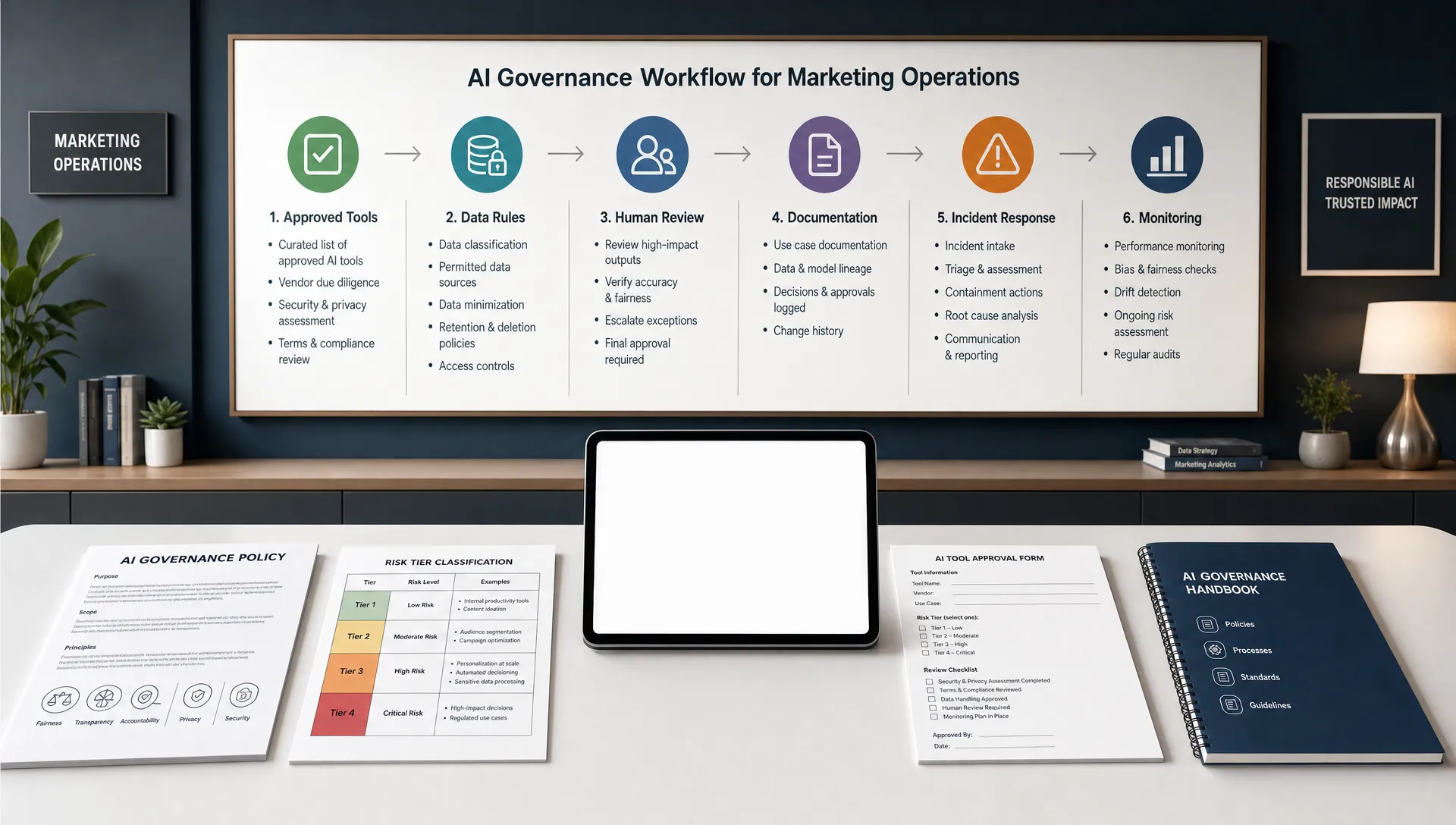
The fastest way for AI marketing for real estate to lose value is to automate inaccurate or noncompliant communication. Real estate teams should create rules for what AI can draft, what humans must approve and what data should never be used.
In the United States, the Fair Housing Act prohibits housing discrimination based on race, color, national origin, religion, sex, familial status and disability. State and local laws may add more protected categories. Marketing systems should not infer, target or exclude prospects based on protected traits.
Privacy also matters. Use consent-based email and SMS practices, honor opt-outs and avoid uploading sensitive client data into tools that are not approved by your brokerage or legal team. Listing details, pricing claims and market statistics should be checked before publication. If AI summarizes a market trend, verify the source before turning it into ad copy or seller advice.
Treat your first month of AI marketing for real estate as a controlled pilot. Pick one audience, one conversion path and one follow-up workflow. A focused system is easier to improve than a broad automation project that nobody trusts.
| Timeline | Focus | Deliverable |
|---|---|---|
| Days 1 to 7 | Segment and audit | Define target lead type, review CRM fields and identify missing data |
| Days 8 to 14 | Content and offer | Build one local guide, valuation page or buyer resource with clear conversion tracking |
| Days 15 to 21 | Follow-up workflow | Create AI-assisted email, SMS or chatbot scripts with human review rules |
| Days 22 to 30 | Scoring and measurement | Add fit, intent and timing scores, then review appointment quality and next actions |
After 30 days, decide based on conversion quality rather than activity volume. If the workflow creates better conversations, expand to another neighborhood, audience segment or listing category.
How can AI help real estate agents generate better leads? AI can identify intent signals, personalize content, automate early qualification, improve follow-up timing and help agents prioritize the leads most likely to become appointments or clients.
Is AI marketing for real estate compliant with fair housing rules? It can be, but only with careful controls. Avoid targeting, excluding or messaging people based on protected characteristics. Review ad settings, prompts, data sources and AI-generated copy before publishing.
What should a small real estate team automate first? Start with one high-friction area, such as website inquiry follow-up, seller valuation nurture or lead scoring. Automating a focused workflow usually produces better results than trying to rebuild the entire marketing system at once.
Can AI replace real estate agents? No. AI can draft, analyze and automate parts of the marketing process, but clients still need local expertise, negotiation support, pricing judgment and trust during a high-stakes transaction.
How do I know if AI-generated leads are good? Track appointment rate, qualified response rate, signed client rate and closed transaction value by source. A low cost per lead is not enough if those leads do not become real conversations.
AI will not make weak positioning, poor follow-up or generic content disappear. It will amplify the system you give it. For real estate teams, the best starting point is a clear audience, useful local content, fast contextual follow-up and simple scoring that agents trust.
AIMarketer Hub brings together AI content generation, marketer prompts, SEO tools, calculators, analytics ideas and practical guides that can help teams build that system without turning marketing into a technical maze.