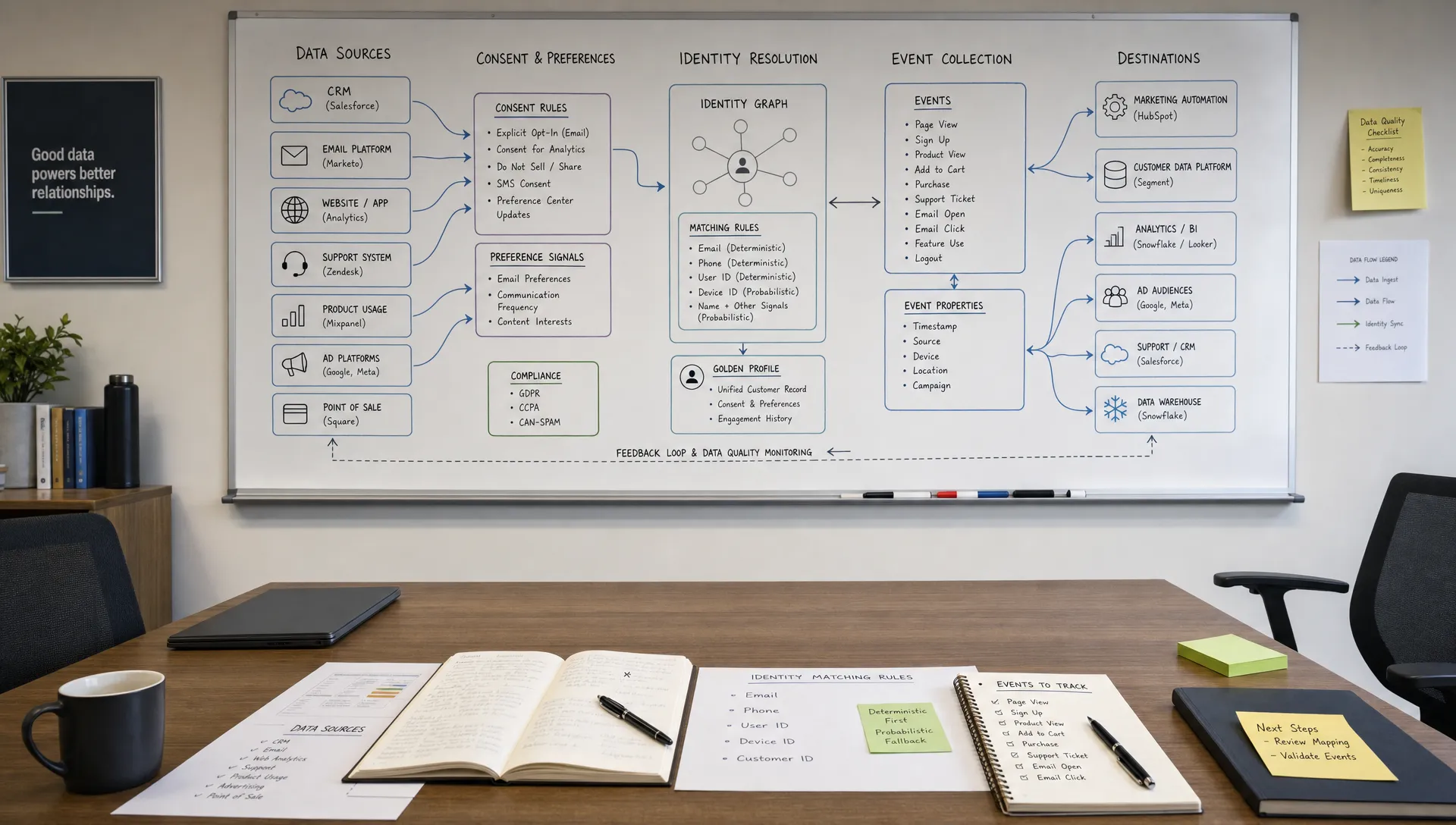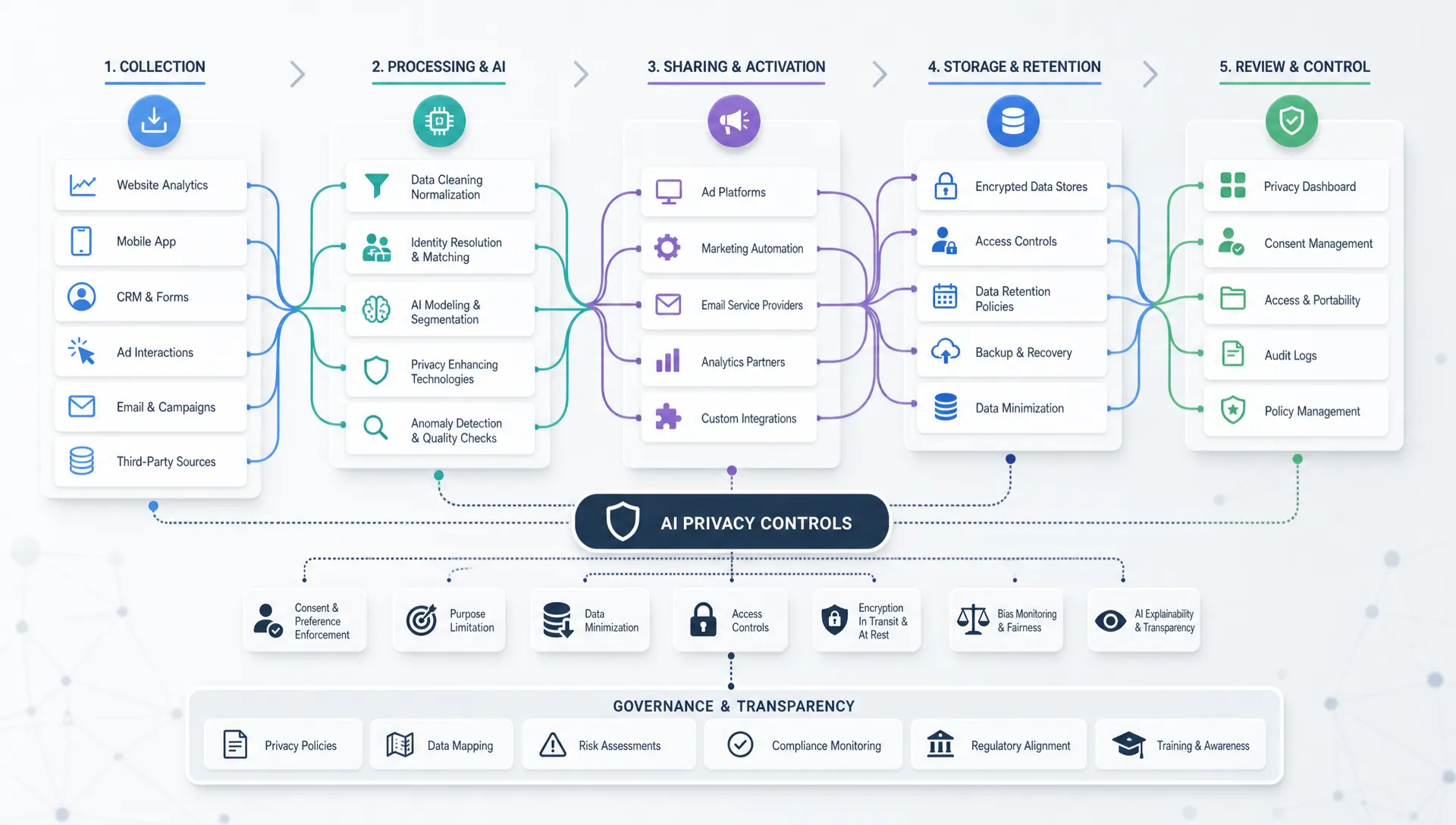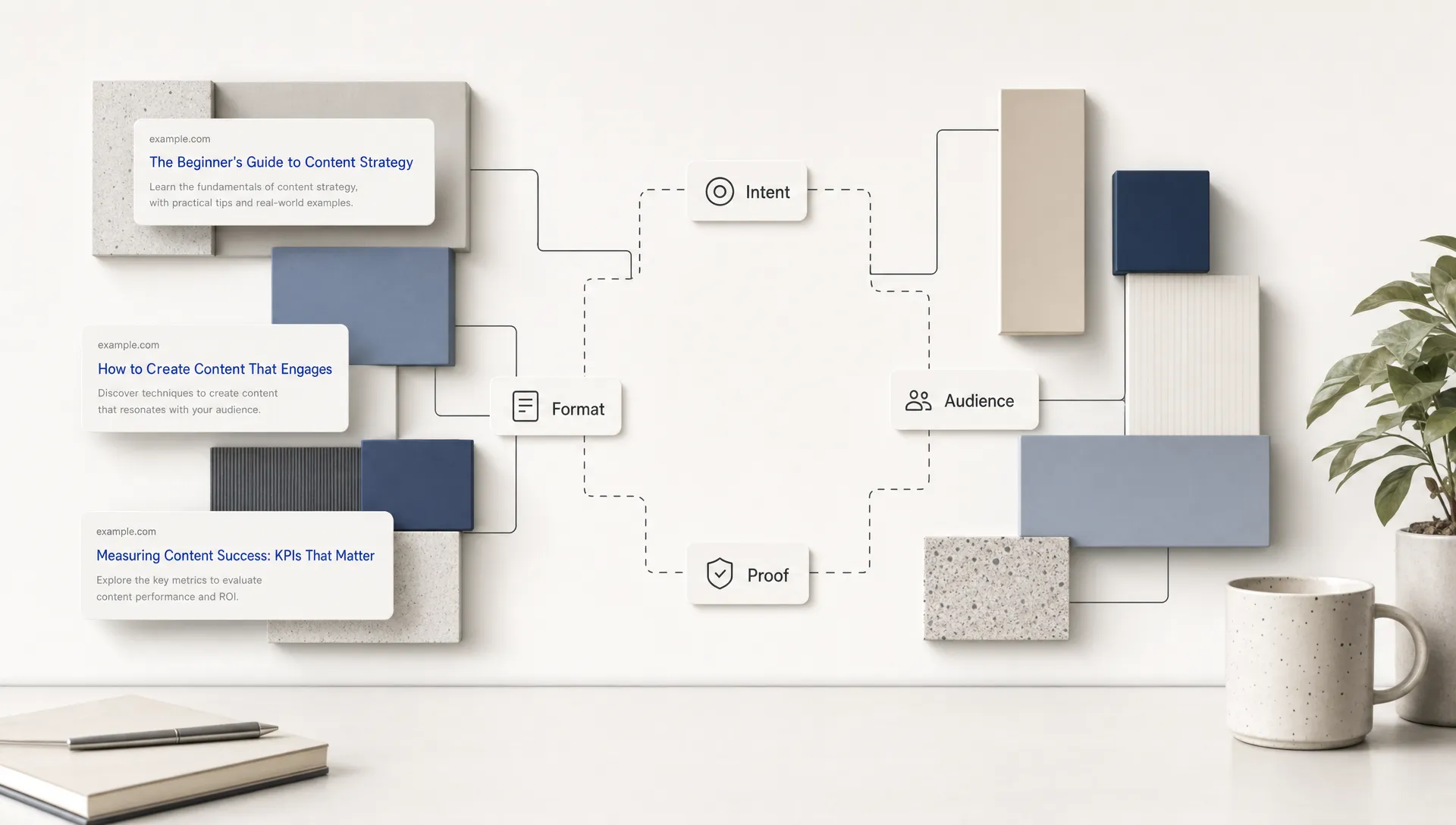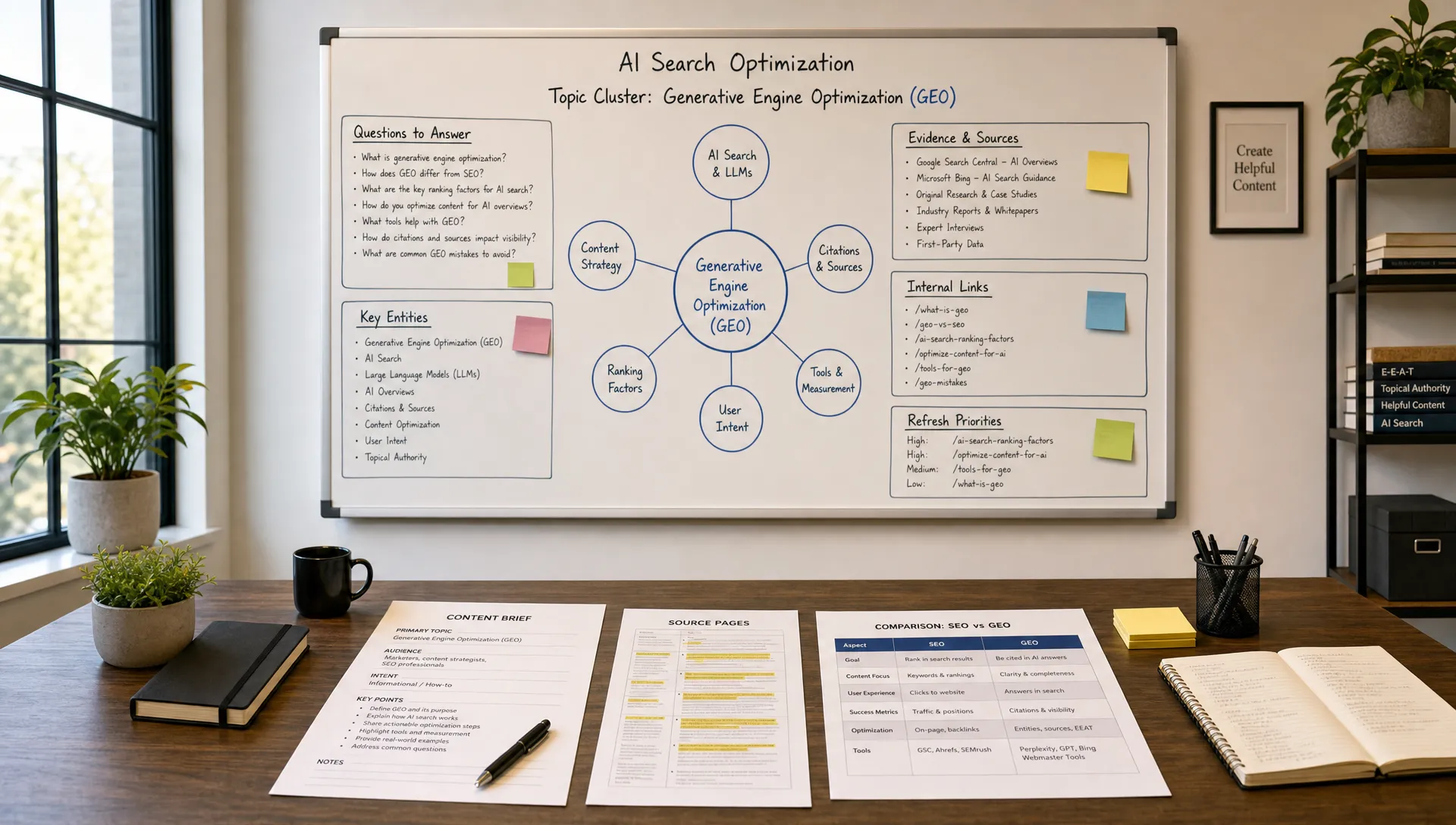
AI marketing for B2B is no longer about testing a few prompts, publishing faster blog posts or adding a chatbot to the website. Those tactics can help, but they only create business value when they fit into a revenue system. The real opportunity is connecting research, positioning, content creation, campaign execution, sales enablement and analytics into one operating model.
That matters because B2B growth is rarely linear. A single deal may involve finance, IT, operations, procurement, legal and an executive sponsor. Buyers compare vendors quietly, consume content out of order and often arrive at a sales conversation with strong opinions already formed. AI tools can reduce the friction in that journey, but only if marketers use them to improve decisions rather than produce more assets.
In 2026, the advantage is not simply having access to AI. Most teams have that. The advantage belongs to teams that can turn messy customer signals into useful strategy, then translate that strategy into campaigns that create qualified pipeline and help sales close.
B2B marketing teams often adopt AI at the task level first. They use it to summarize calls, draft emails, generate ad variations or repurpose webinars into social posts. Those are valid use cases, but they do not automatically improve revenue.
A revenue-focused approach starts with a different question: what decision are we trying to improve? That decision might be which accounts to prioritize, which pain point to lead with, which buying committee member needs enablement or which campaign should receive more budget.
This is where B2B differs from simpler consumer marketing. In B2B, the buyer journey is shaped by risk, consensus and internal justification. A campaign that gets clicks but fails to answer procurement concerns, security questions or ROI objections may look good in a marketing dashboard and still fail in the pipeline.
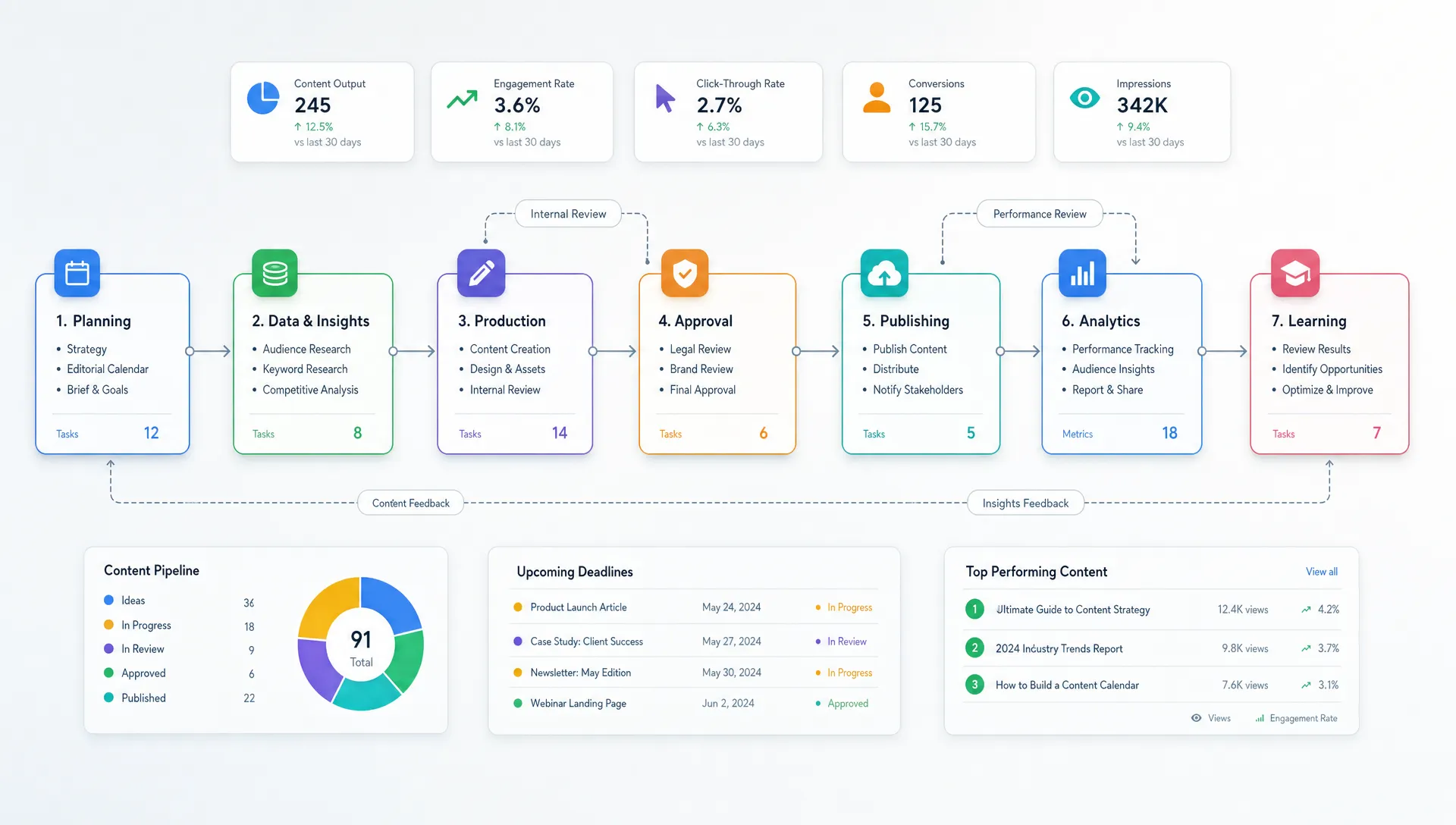
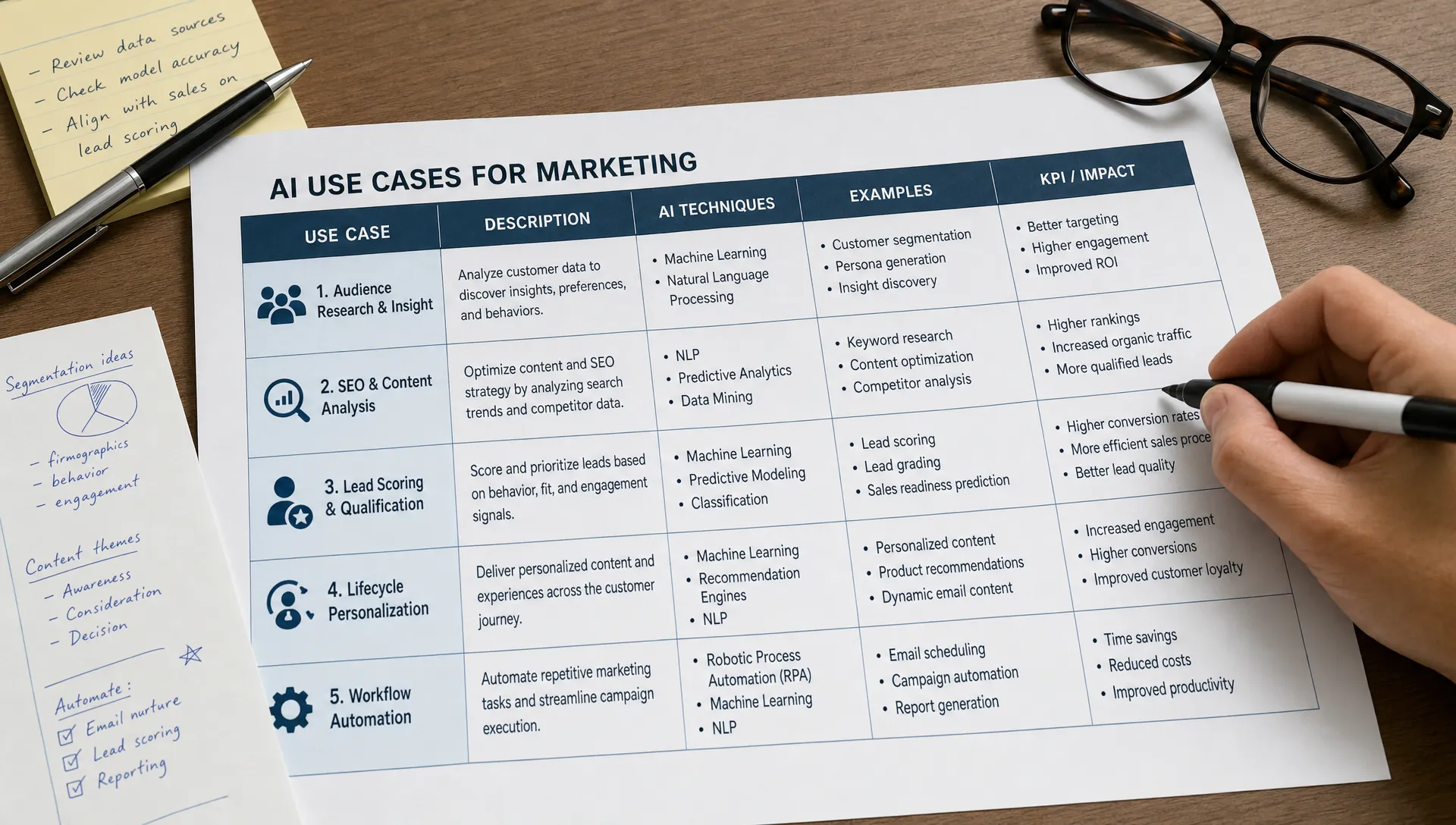
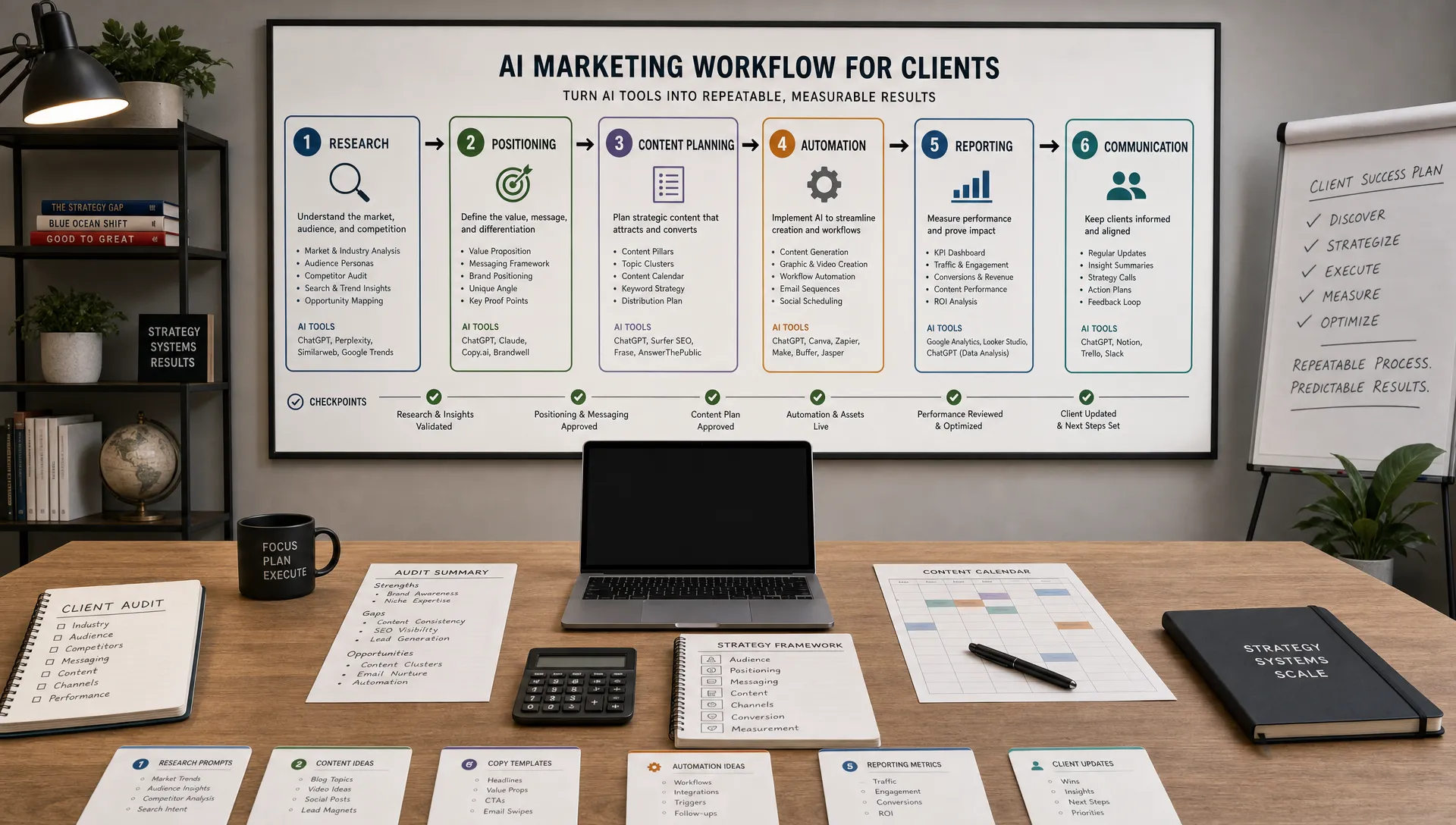
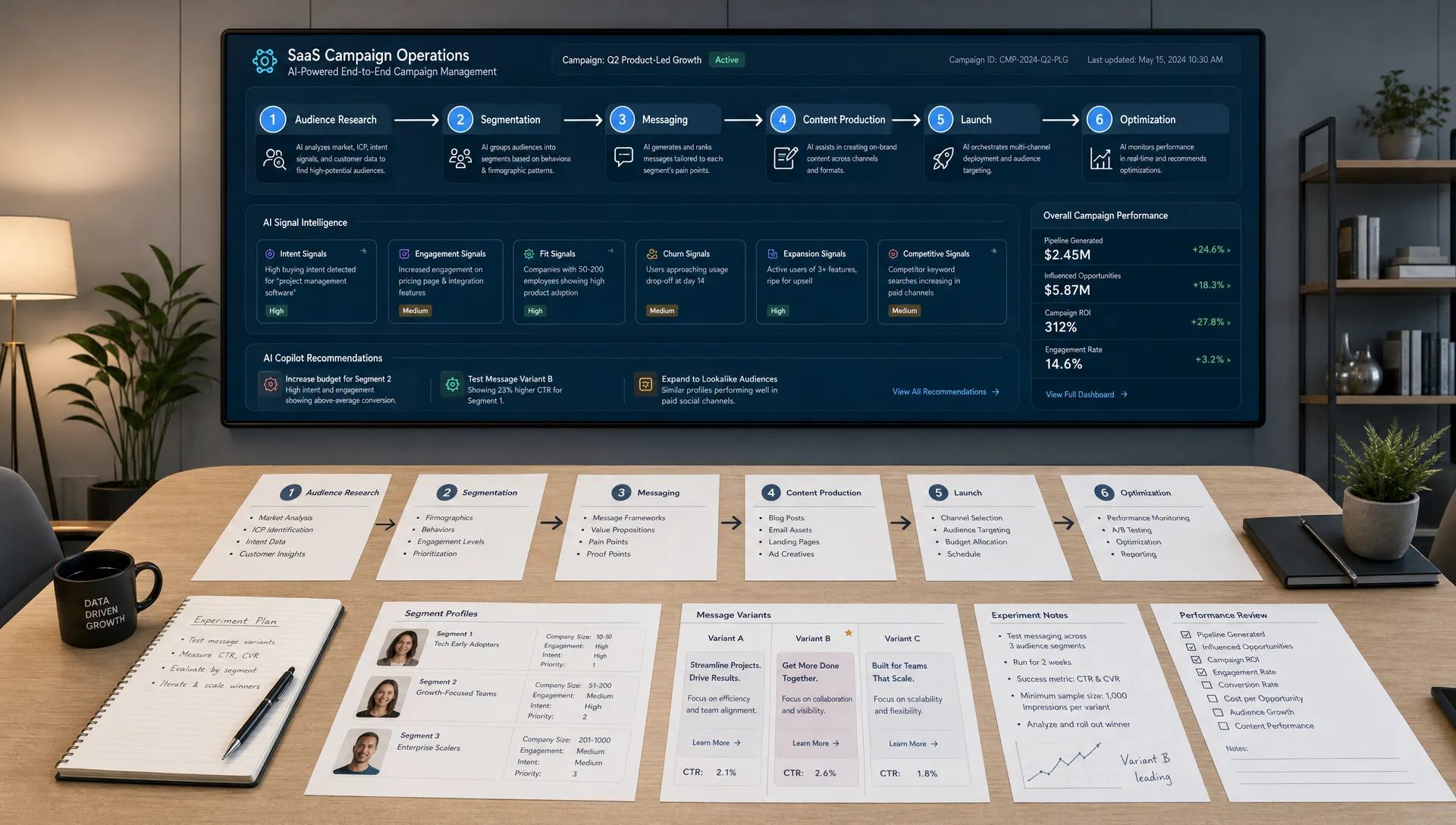
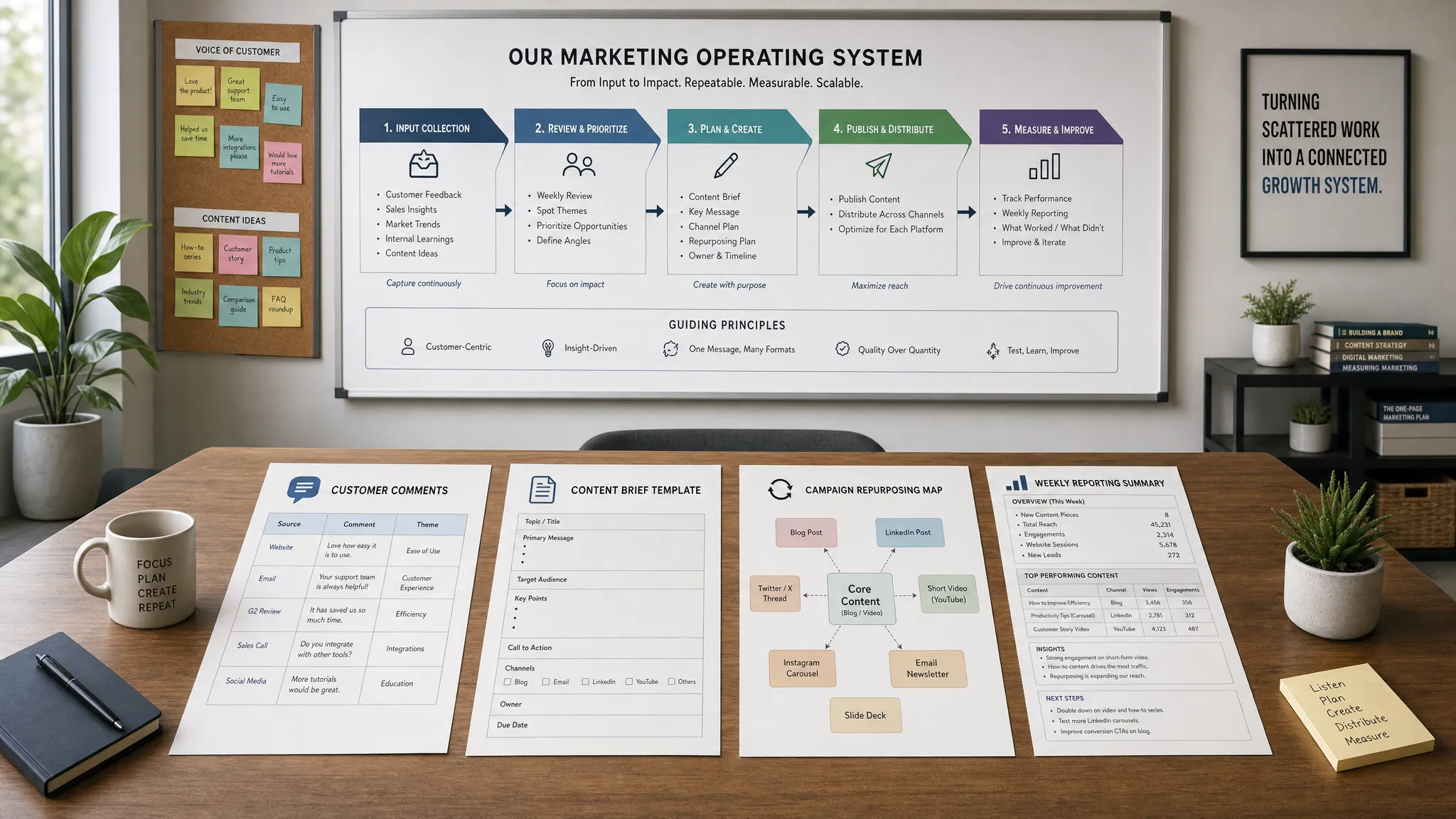
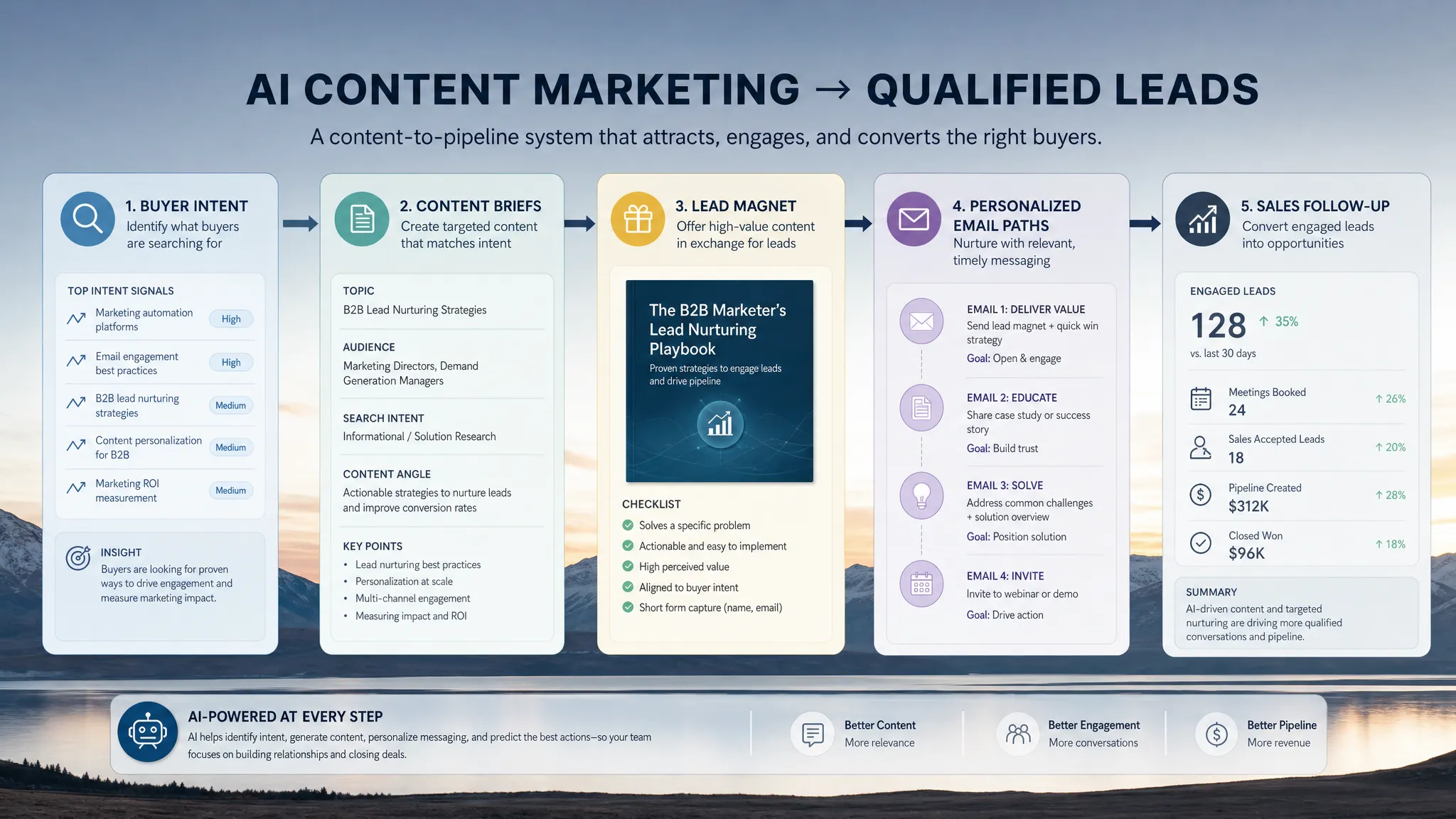
AI marketing works best when it supports the full chain from research to revenue:
| Revenue stage | What AI can help with | Human decision required | Useful revenue signal |
|---|---|---|---|
| Market research | Summarize customer calls, reviews, survey responses and competitor pages | Which patterns are commercially meaningful | Repeated pain points linked to active buying triggers |
| Segmentation | Group accounts by industry, size, intent and use case | Which segments deserve focus | Segment-level conversion rate and deal quality |
| Messaging | Generate and compare value propositions by persona | Which claim is credible and differentiated | Response rates, demo quality and sales feedback |
| Content creation | Draft briefs, outlines, landing pages, nurture emails and sales assets | Which assets match buyer intent | Assisted pipeline, engagement and opportunity influence |
| Campaign execution | Build variants, route leads and automate follow-up | Which workflows protect buyer experience | Meetings booked, MQL to SQL rate and pipeline velocity |
| Analytics | Detect drop-offs, forecast outcomes and identify next tests | Which actions to take next | Revenue, win rate, cycle length and expansion signals |
This table is simple, but it helps prevent one of the most common mistakes in AI marketing automation: optimizing isolated tasks without improving the system.
If the research layer is weak, AI will help you scale weak assumptions. That is why the first step in B2B AI marketing is not content production. It is structured learning.
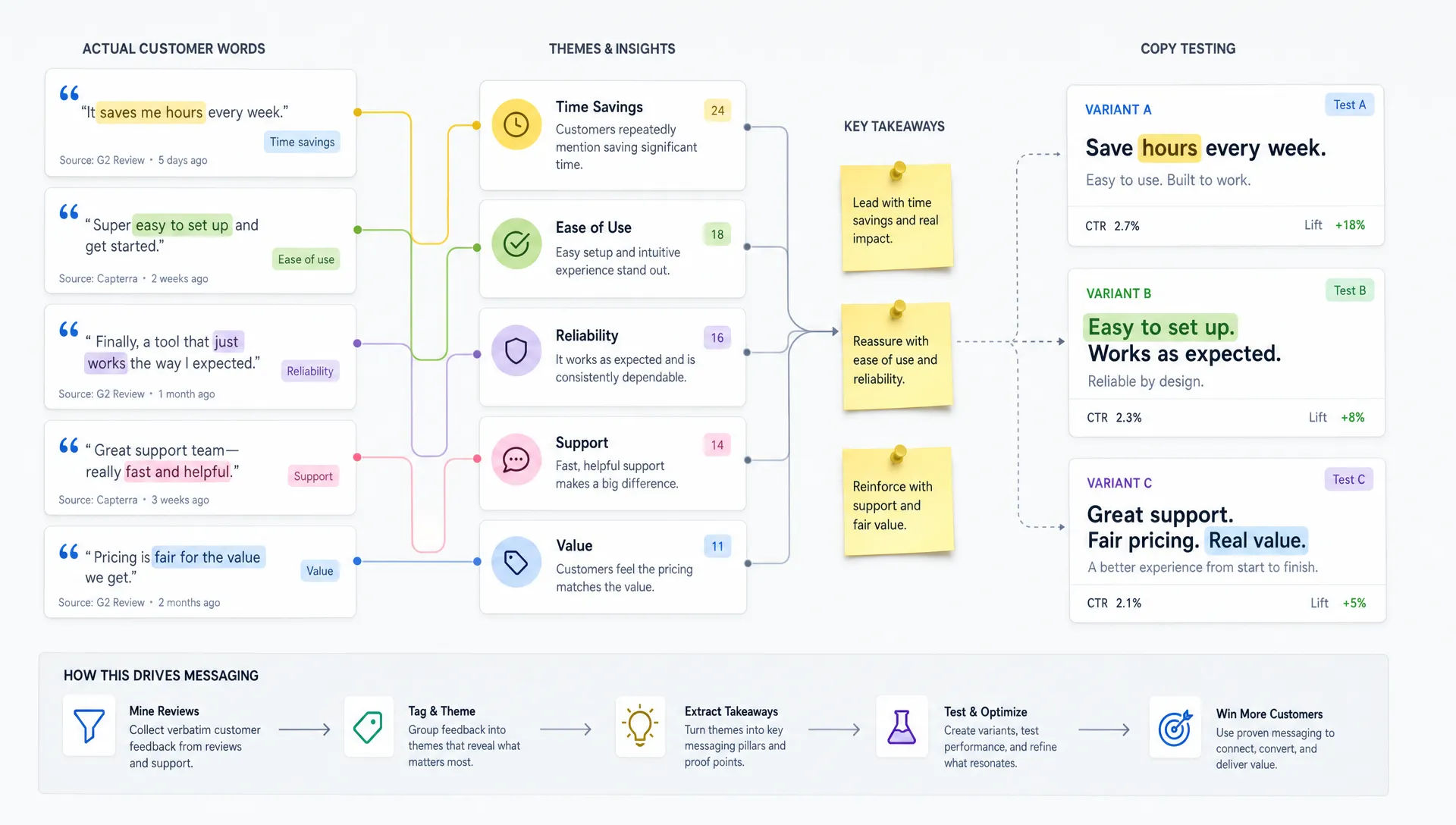
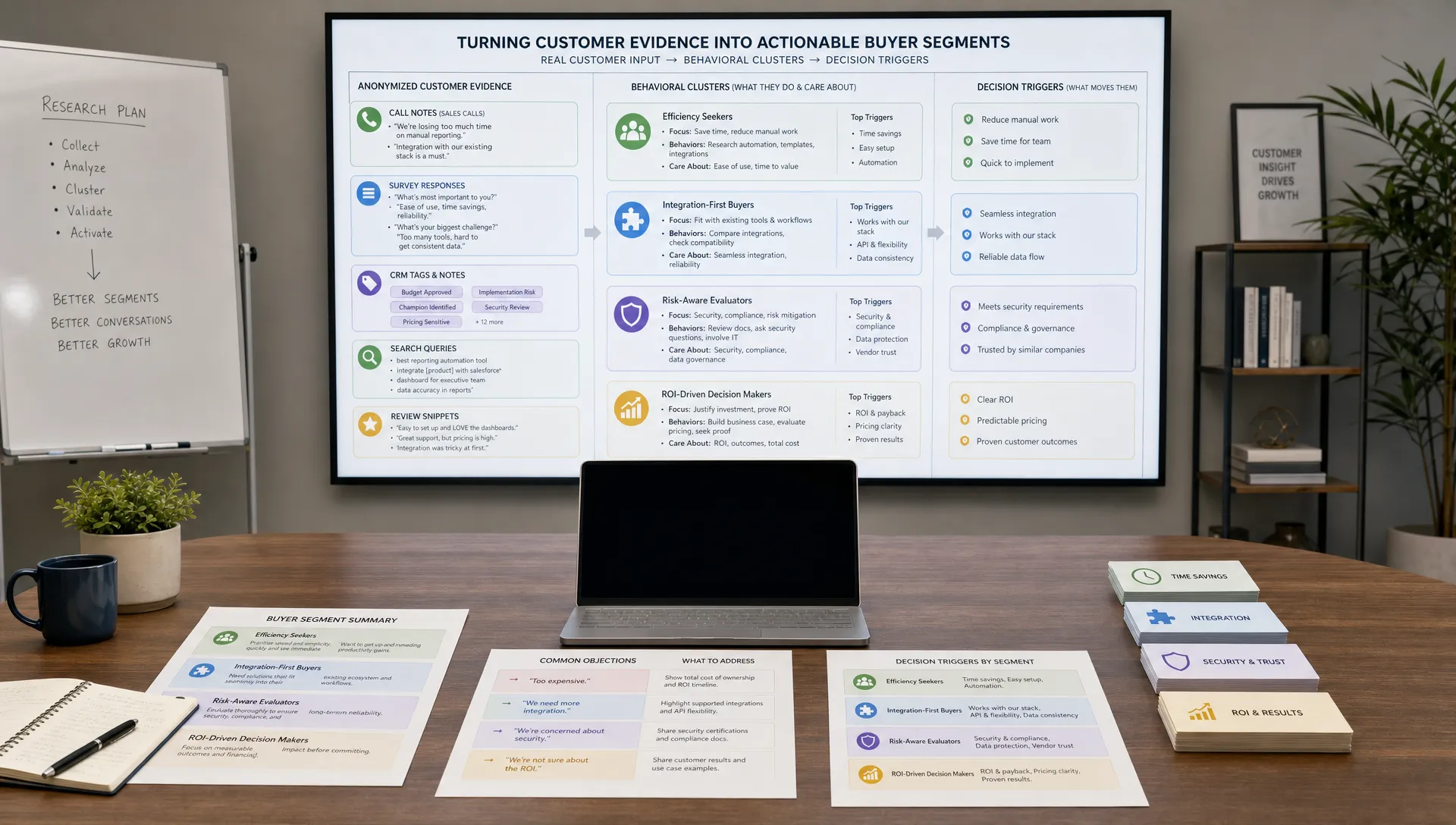
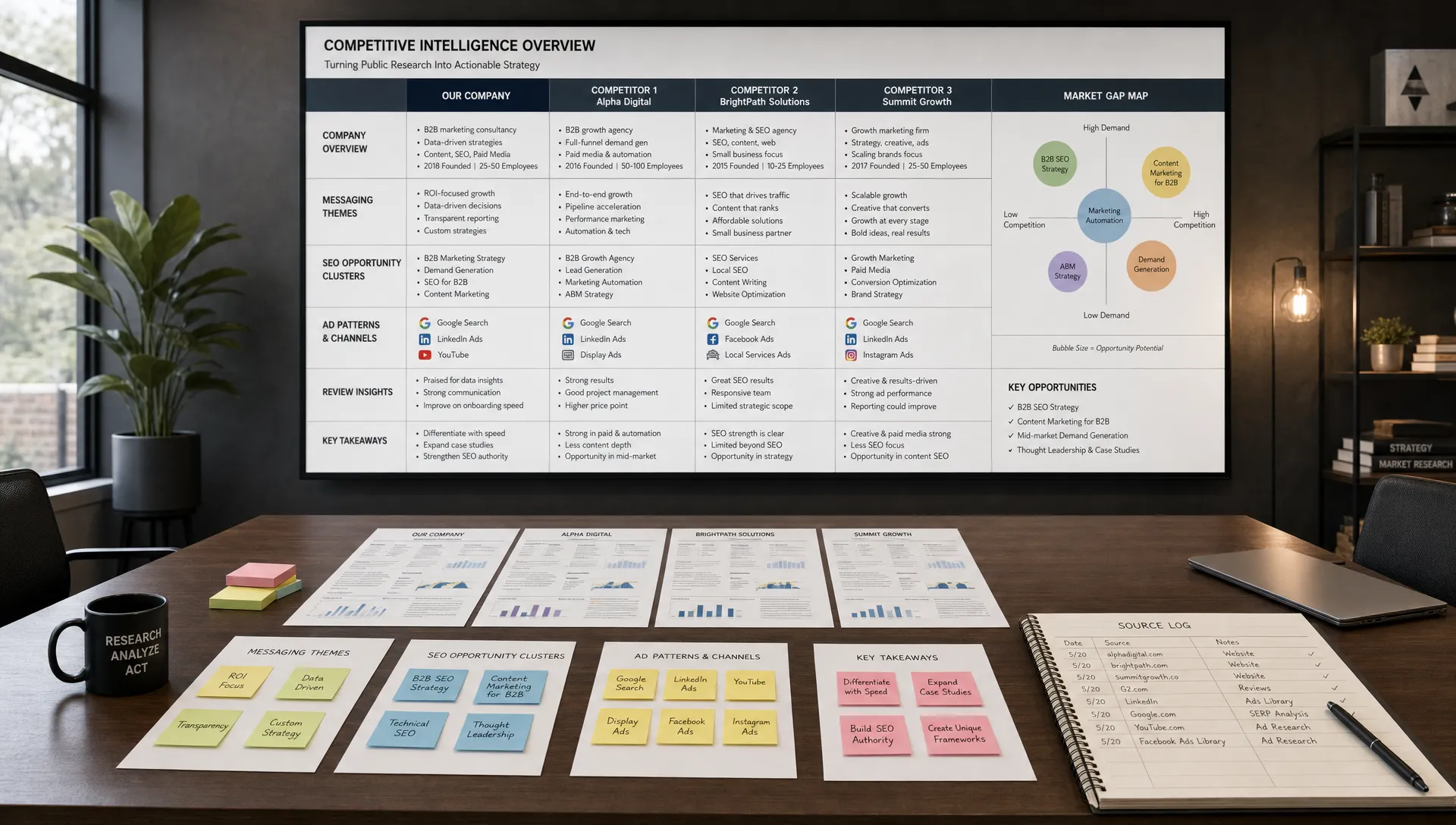
Begin by consolidating the raw material that already exists inside the business. Sales calls, CRM notes, lost deal reasons, support tickets, onboarding questions, customer success notes and demo transcripts contain more practical messaging insight than most generic market reports. AI can help cluster these inputs into themes, but marketers need to decide which themes reveal real buying pressure.
For example, a cybersecurity buyer may mention compliance in a discovery call, but the real trigger might be a failed audit, a board mandate or a new enterprise customer requirement. AI can surface the pattern. A marketer must interpret the urgency, stakeholder context and revenue potential.
Strong B2B research usually answers five questions:
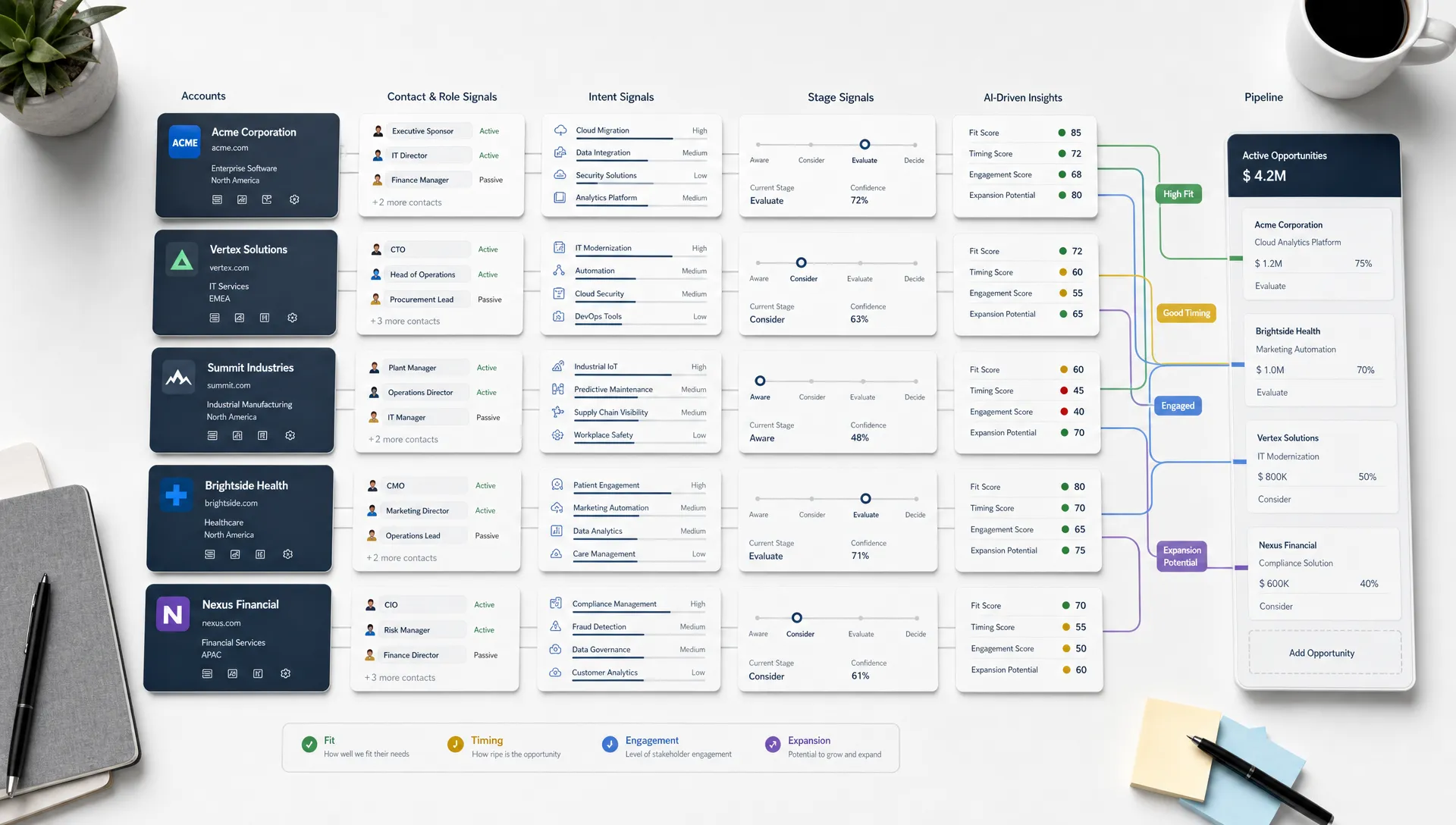
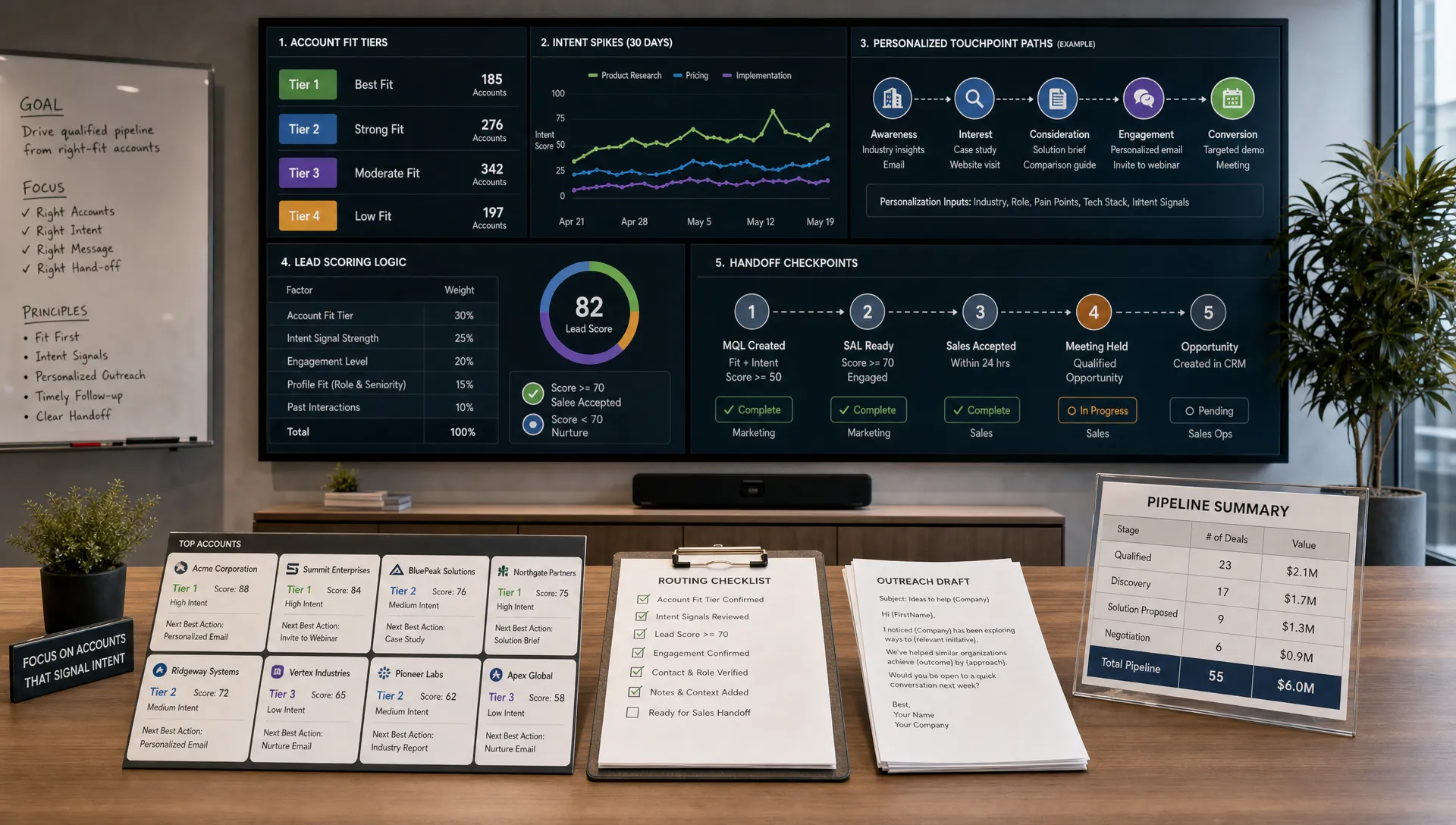
For companies running account-based programs, AI can also help map buying committees, prioritize intent signals and generate account-specific talking points. AIMarketer Hub has a deeper guide on AI for account-based marketing use cases if your growth motion depends on named accounts and high-value pipeline.
The key is to avoid treating AI research as a one-time exercise. Buyer language changes when markets tighten, budgets shift or new competitors appear. Build a recurring research workflow that refreshes insights monthly or quarterly.
B2B positioning has to survive internal forwarding. Your champion may understand your product after a demo, but then they need to explain it to a CFO, a technical reviewer or a senior executive who never attended the call.
AI tools can help generate positioning options, but the strongest messaging still depends on strategic clarity. Before creating campaigns, define the segment, trigger, promise, proof and next step.
A practical messaging framework looks like this:
| Messaging element | Question to answer | Example direction |
|---|---|---|
| Segment | Who is this for? | Mid-market SaaS finance teams preparing for faster reporting cycles |
| Trigger | Why now? | Manual reconciliation is delaying board-ready reports |
| Promise | What changes? | Reduce reporting bottlenecks and improve confidence in monthly close data |
| Proof | Why believe it? | Customer examples, integrations, time savings, audit readiness or analyst validation |
| Objection | What might block action? | Migration effort, data security, cost, internal adoption or unclear ROI |
| Next step | What should the buyer do? | Book a workflow review, calculate potential savings or compare implementation options |
Once these elements are clear, AI can help adapt the message by persona and channel. A CFO may care about risk reduction and forecast confidence. An operations leader may care about fewer manual handoffs. A technical evaluator may care about integration complexity and data governance.
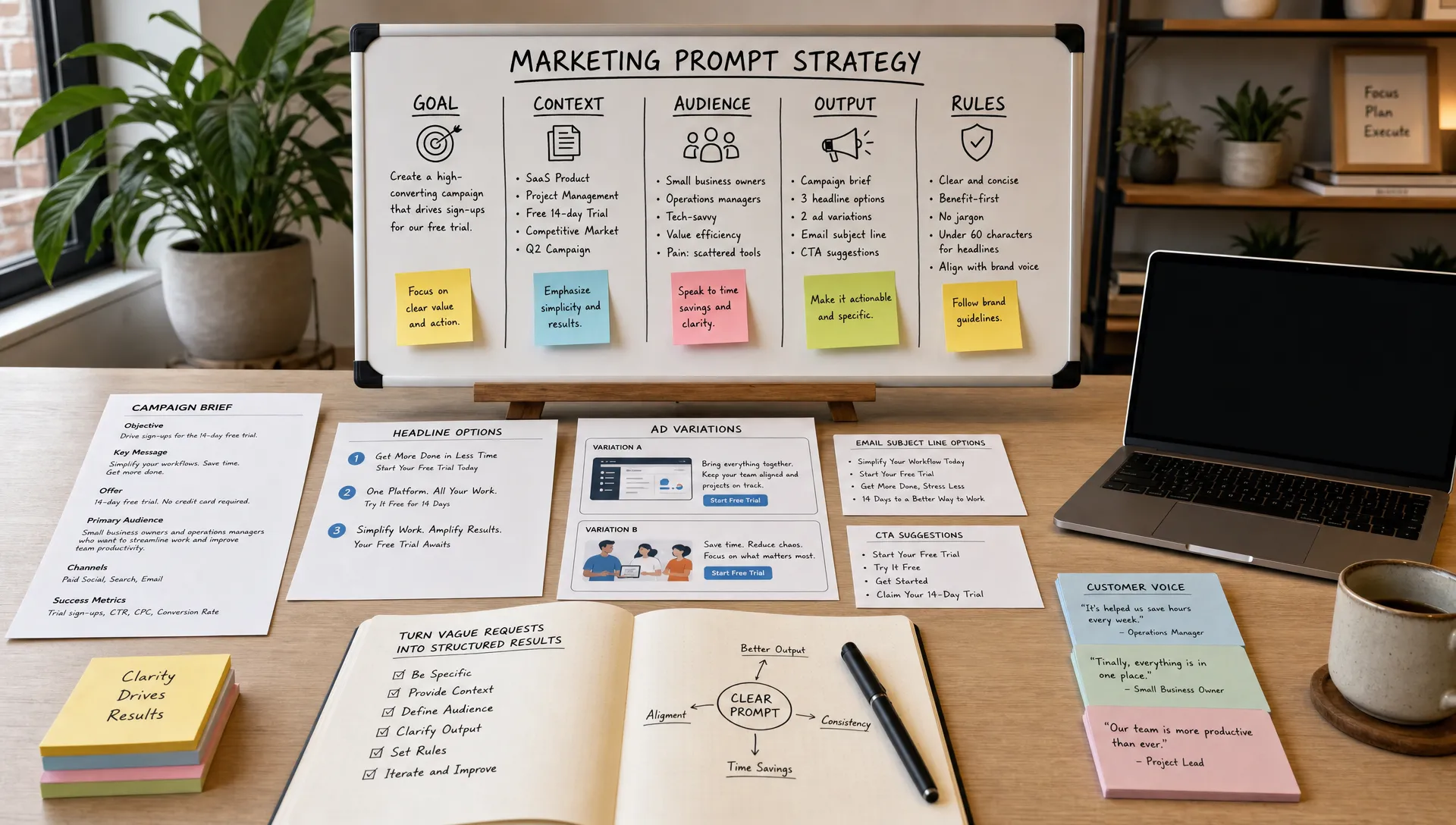
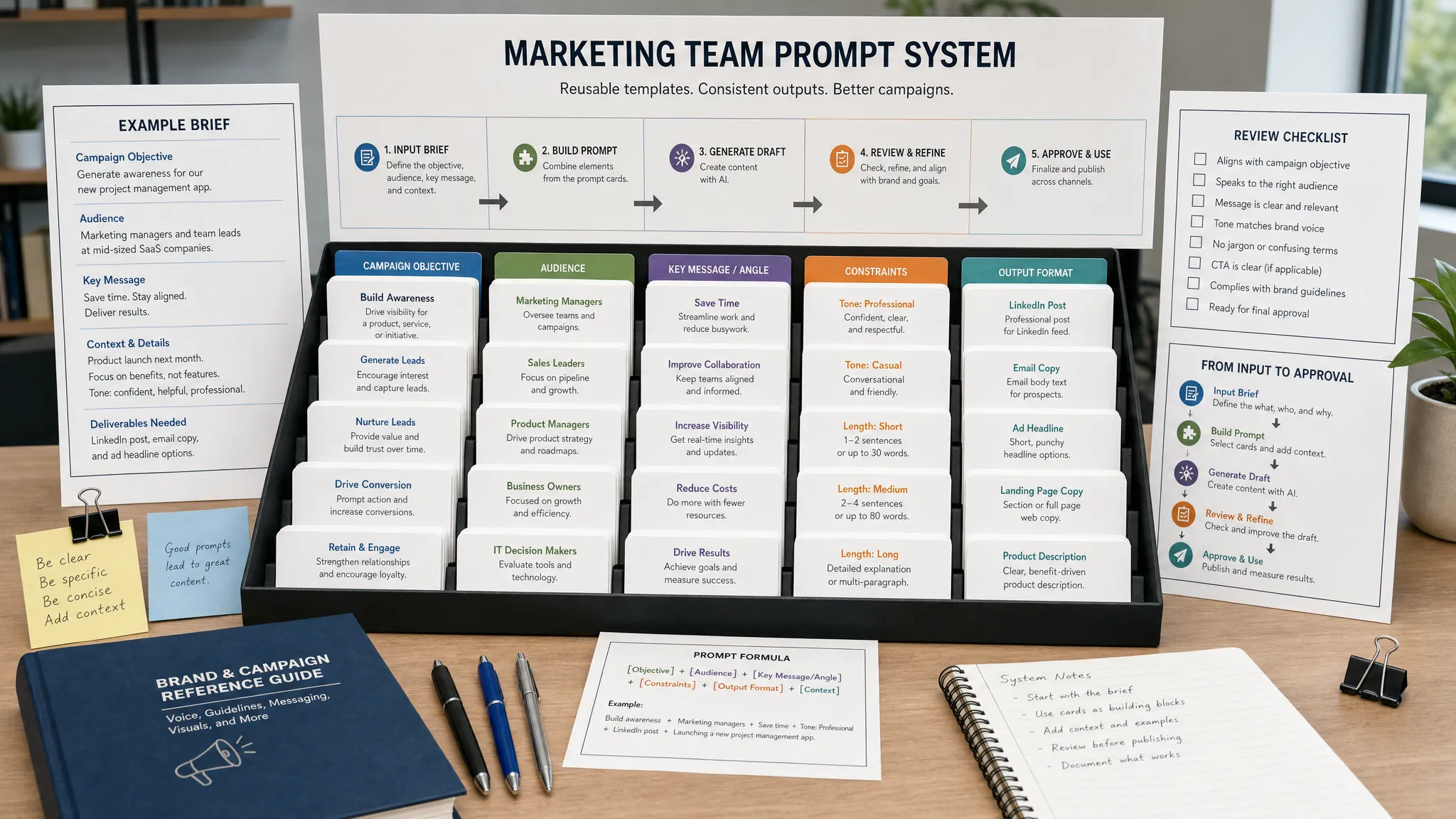
The mistake is asking AI for a generic value proposition without giving it the commercial context. Better inputs create better outputs. Feed the tool real objections, customer quotes, competitor claims and deal-stage context. Then use human review to remove exaggeration, sharpen differentiation and keep the language believable.
AI-powered content creation should not mean publishing twice as much average content. For B2B teams, it should mean covering the questions that stop buyers from moving forward.
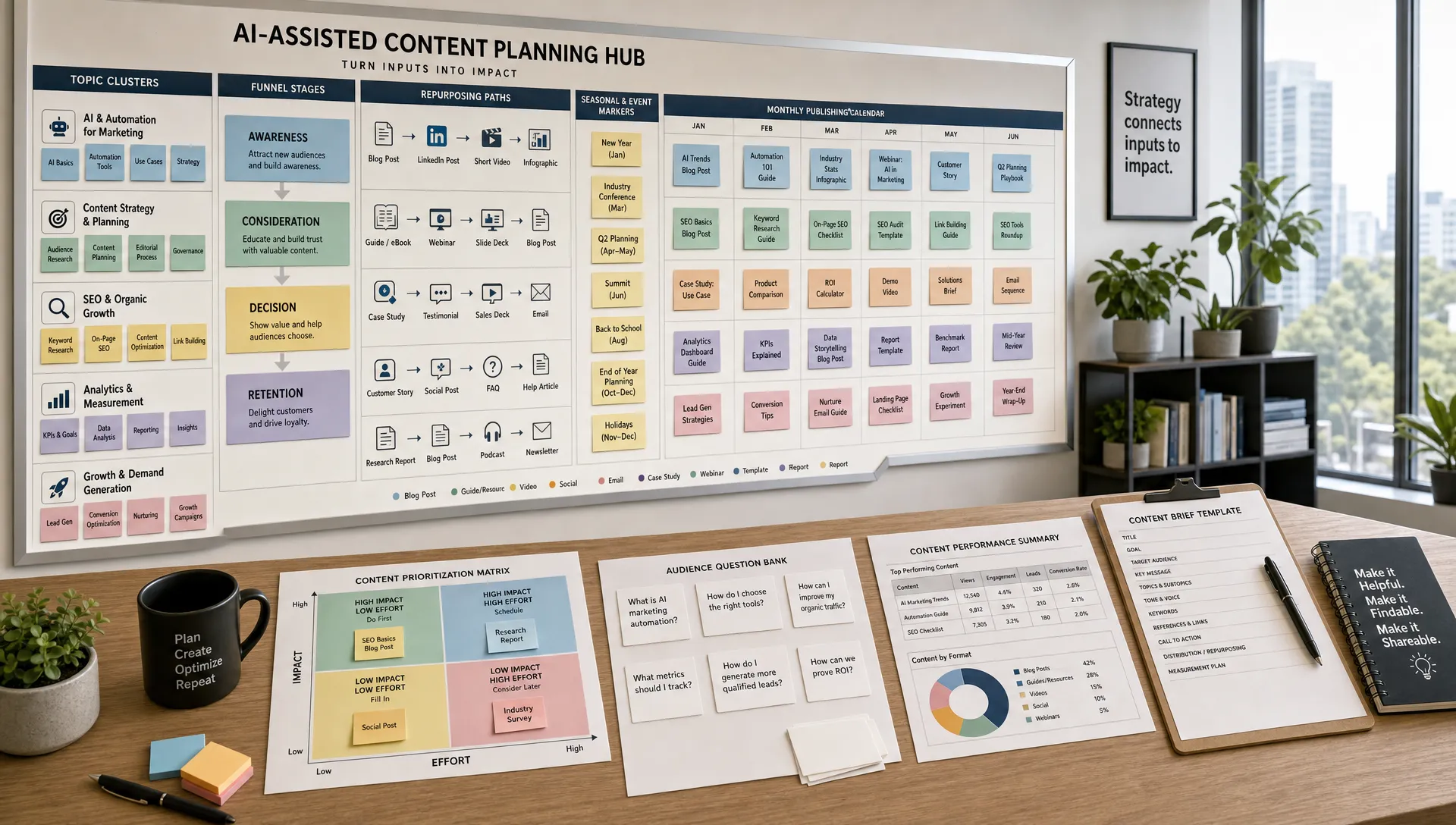
A revenue-oriented content engine includes assets for several stages of buyer intent. Early-stage content helps buyers understand the problem. Mid-stage content helps them compare approaches. Late-stage content helps them justify a decision. Sales-stage content helps internal champions answer objections.
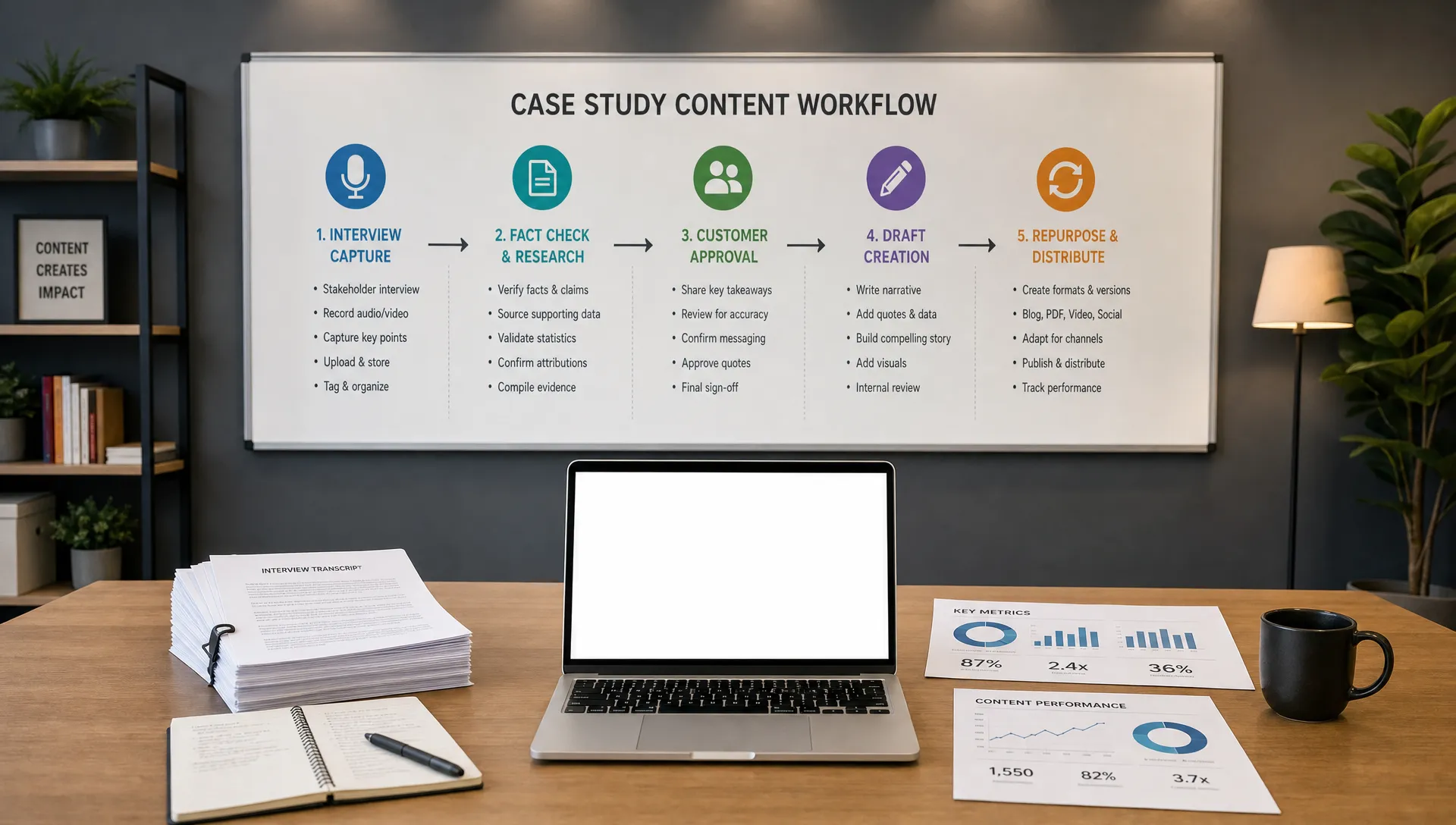
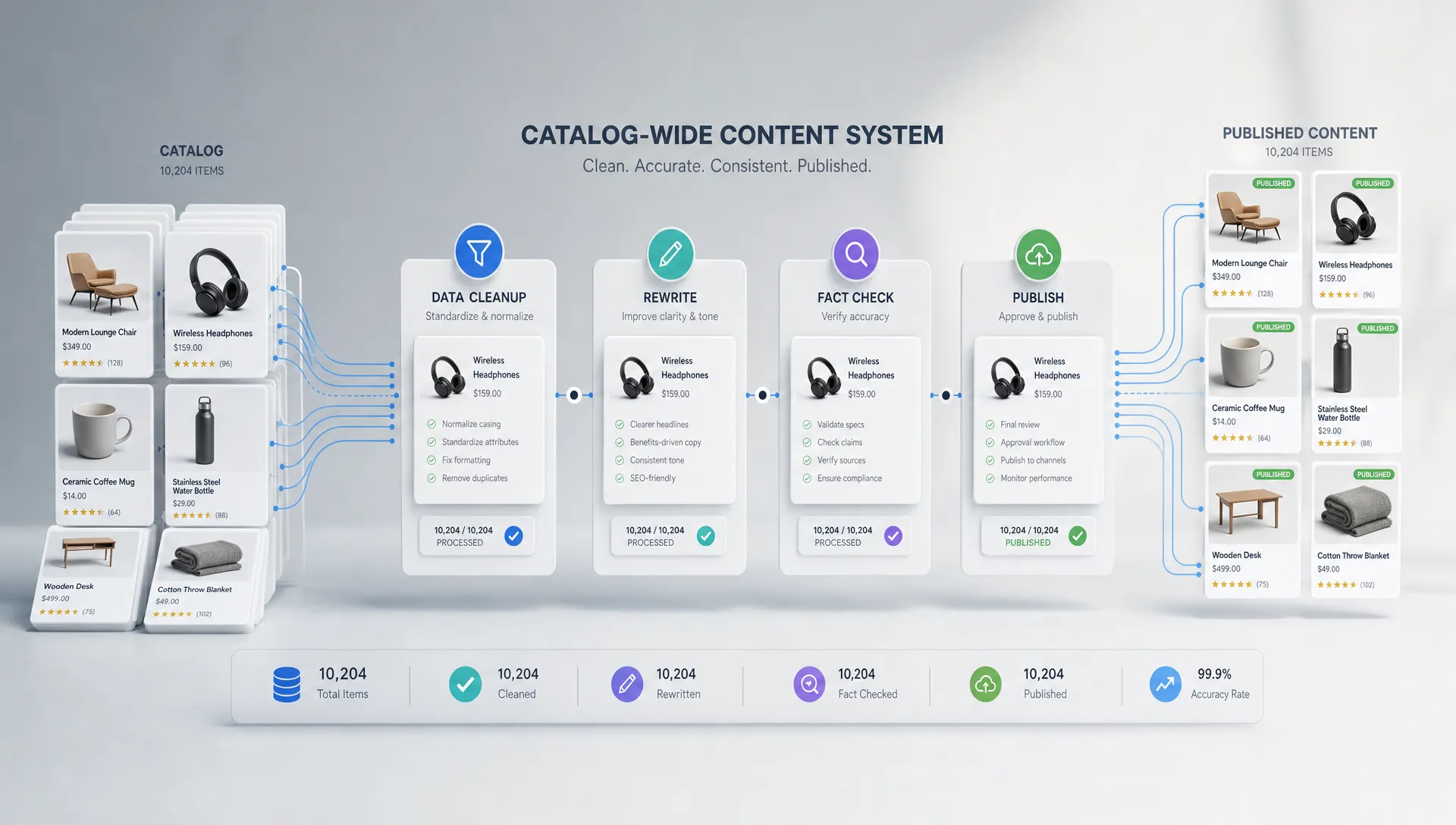
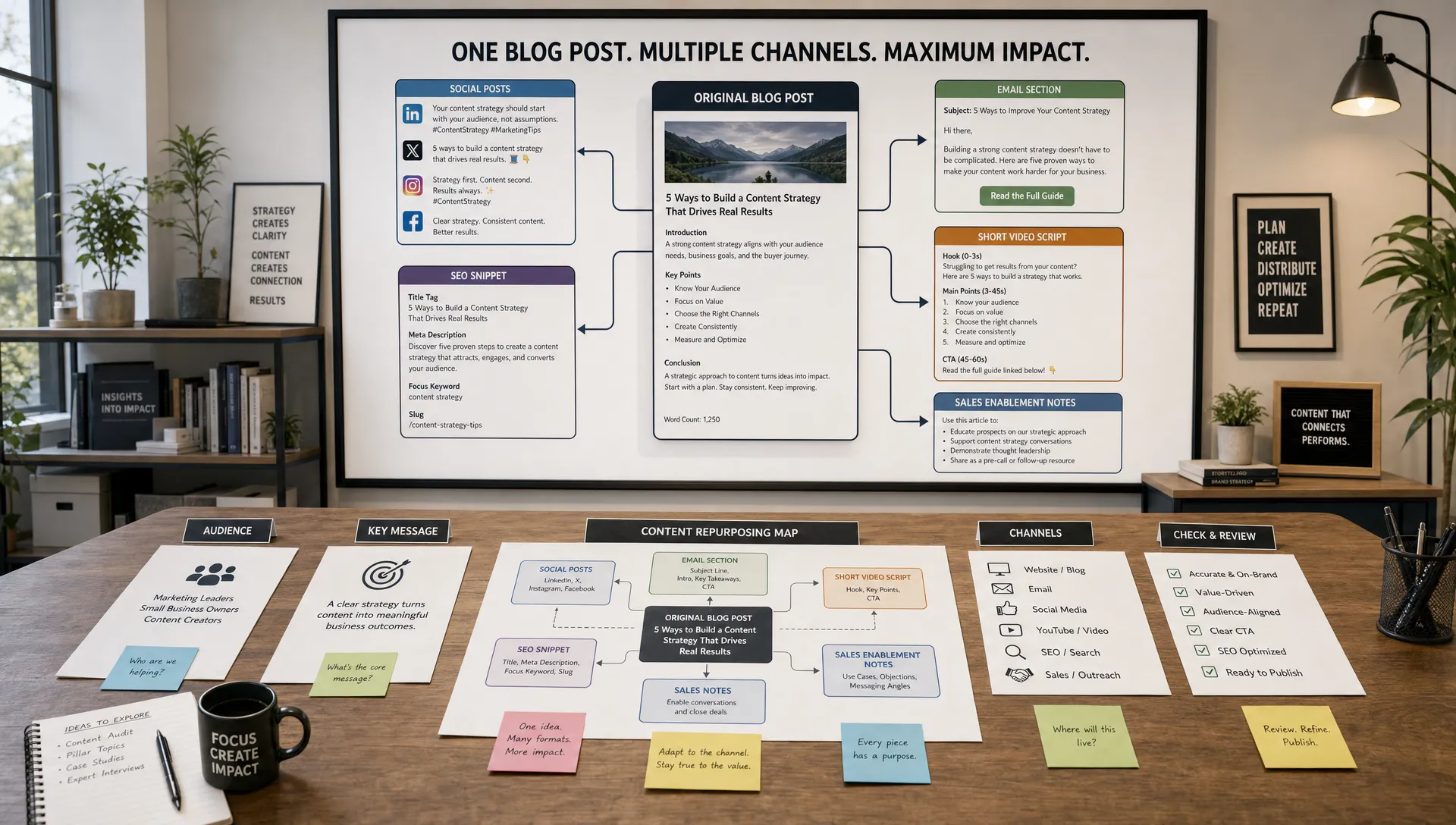
That may include SEO articles, comparison pages, ROI calculators, buyer guides, webinar follow-ups, case study summaries, email sequences, one-page sales sheets and proposal support. AI can assist with all of these formats, but each asset should have a clear job.
For example, a blog post about a market trend may attract search traffic, but a comparison guide may influence opportunities already evaluating vendors. A calculator may not generate high traffic, but it can help a champion build a business case. A security FAQ may never become a top organic landing page, yet it can remove friction late in the deal.
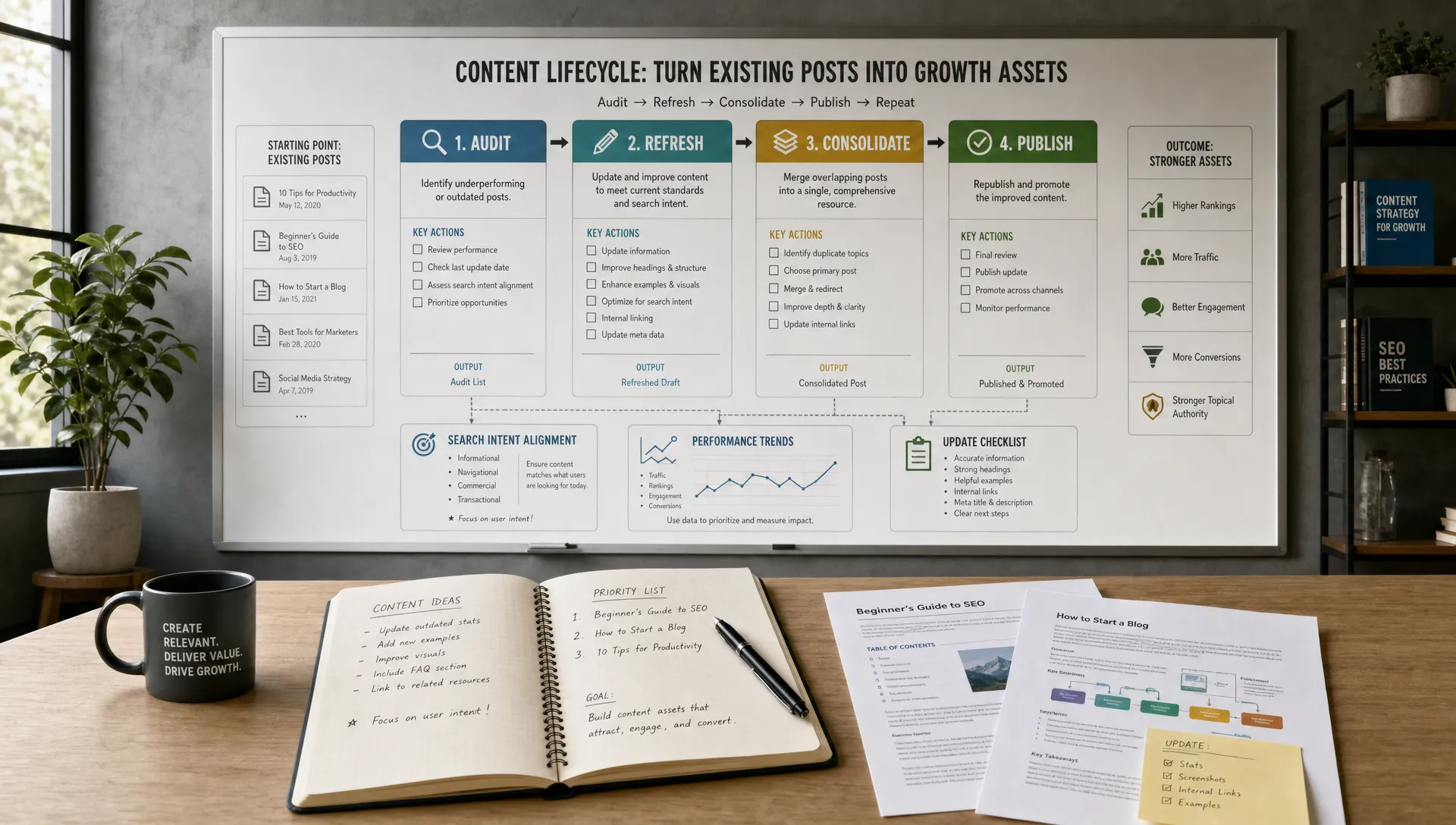
This is where marketers should connect AI content generation to pipeline metrics, not just publication volume. If you want a deeper process for improving returns from AI-assisted assets, read AIMarketer Hub's guide to AI content generation tips for better ROI.
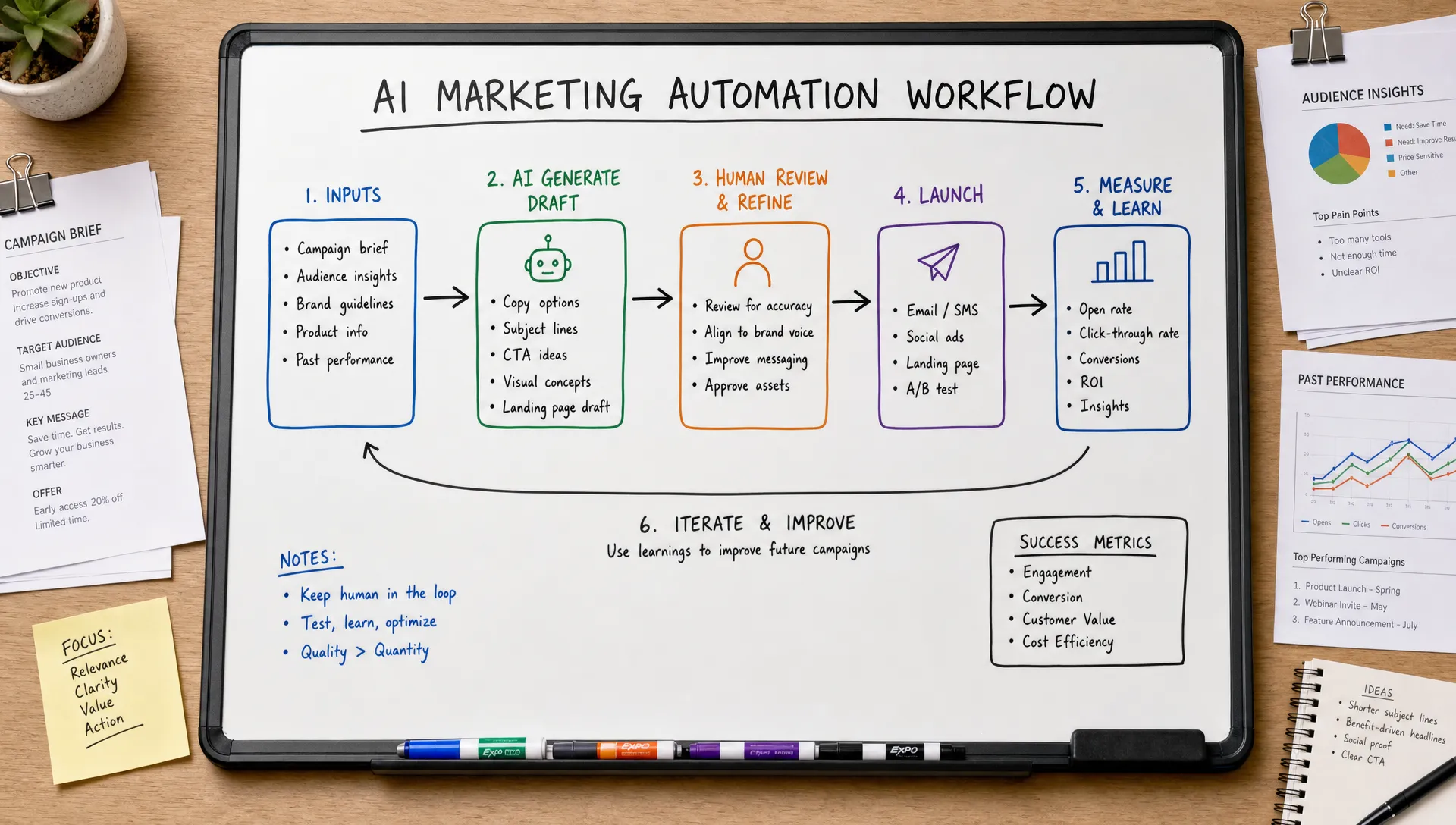
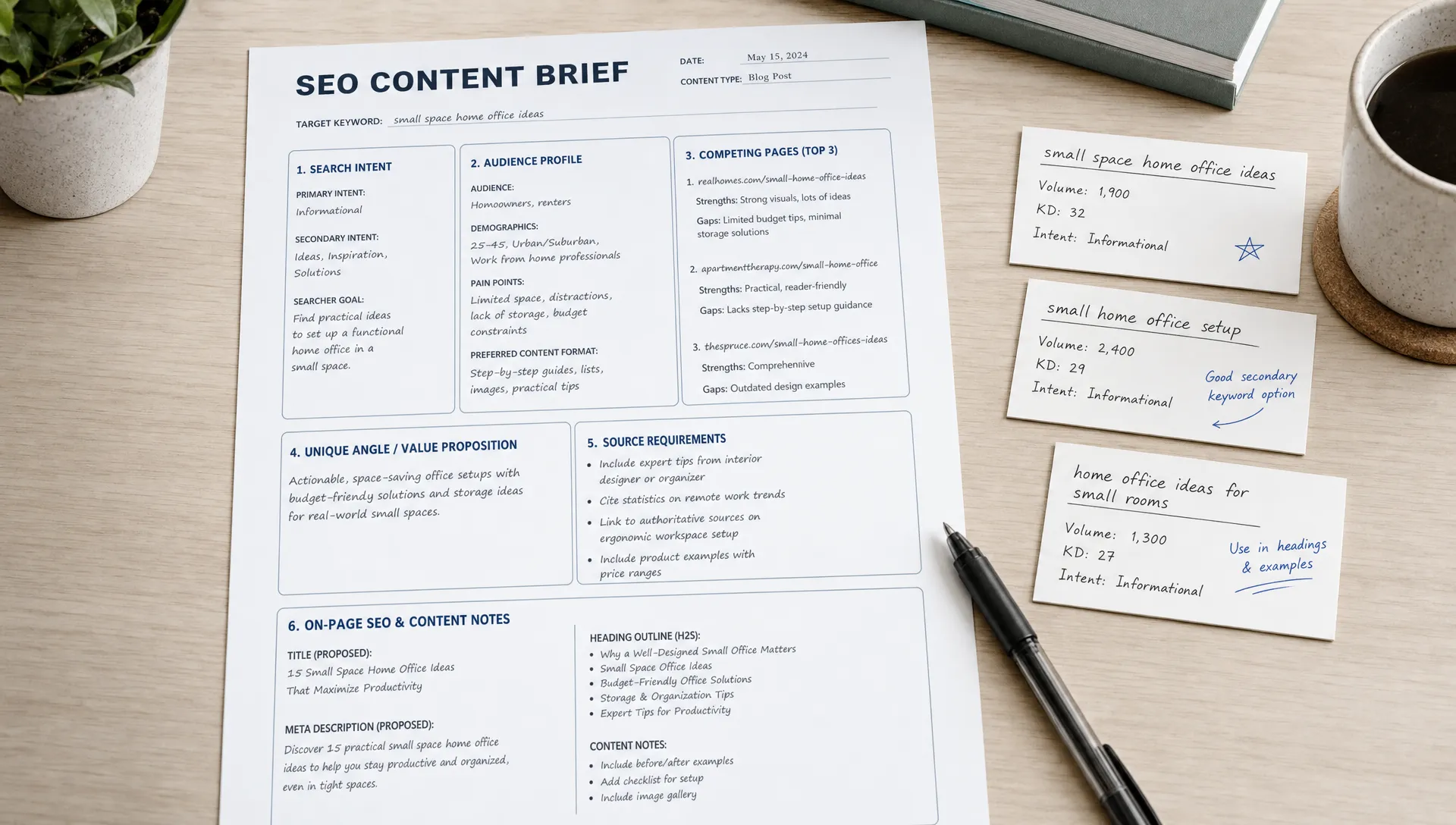
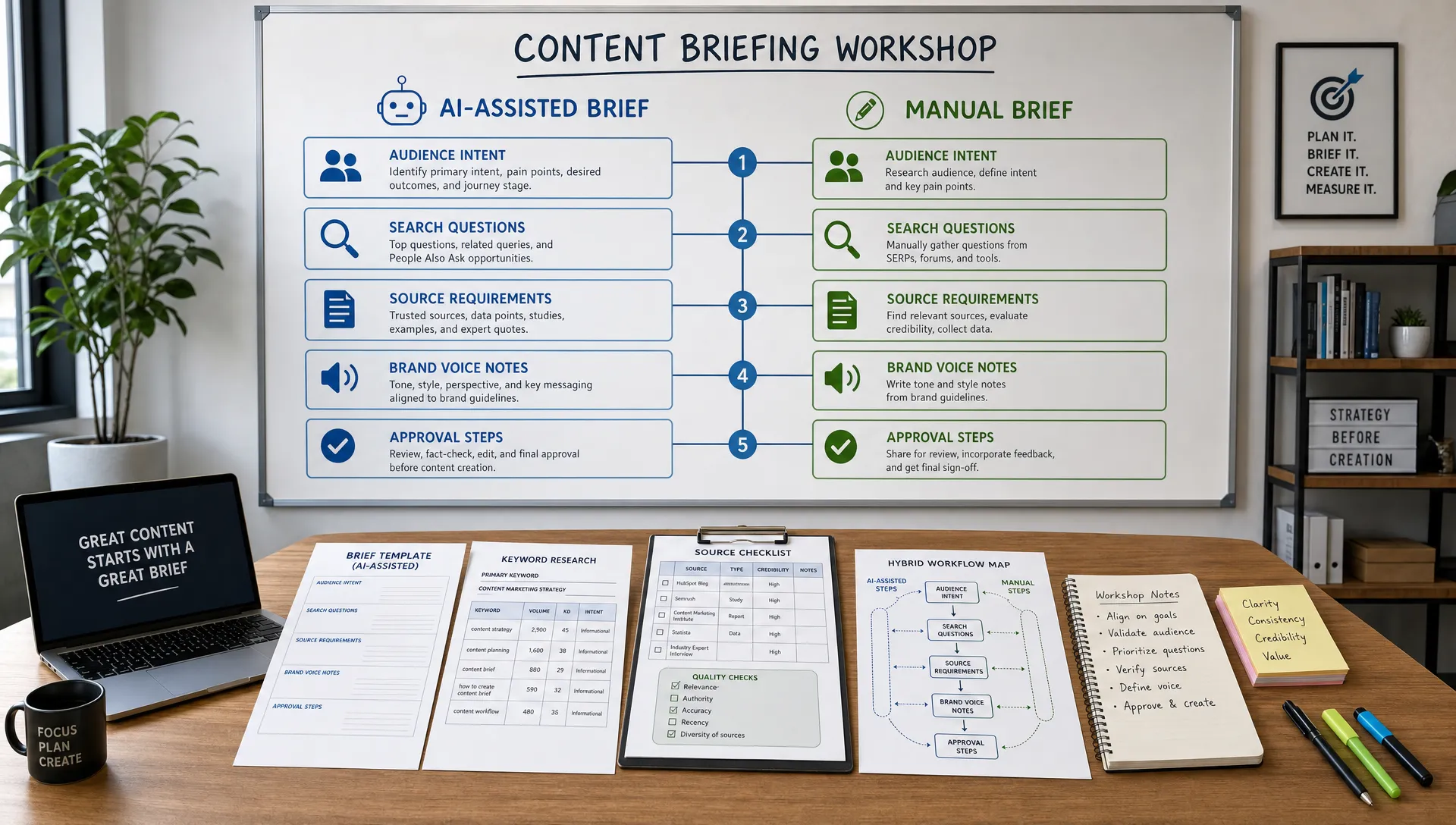
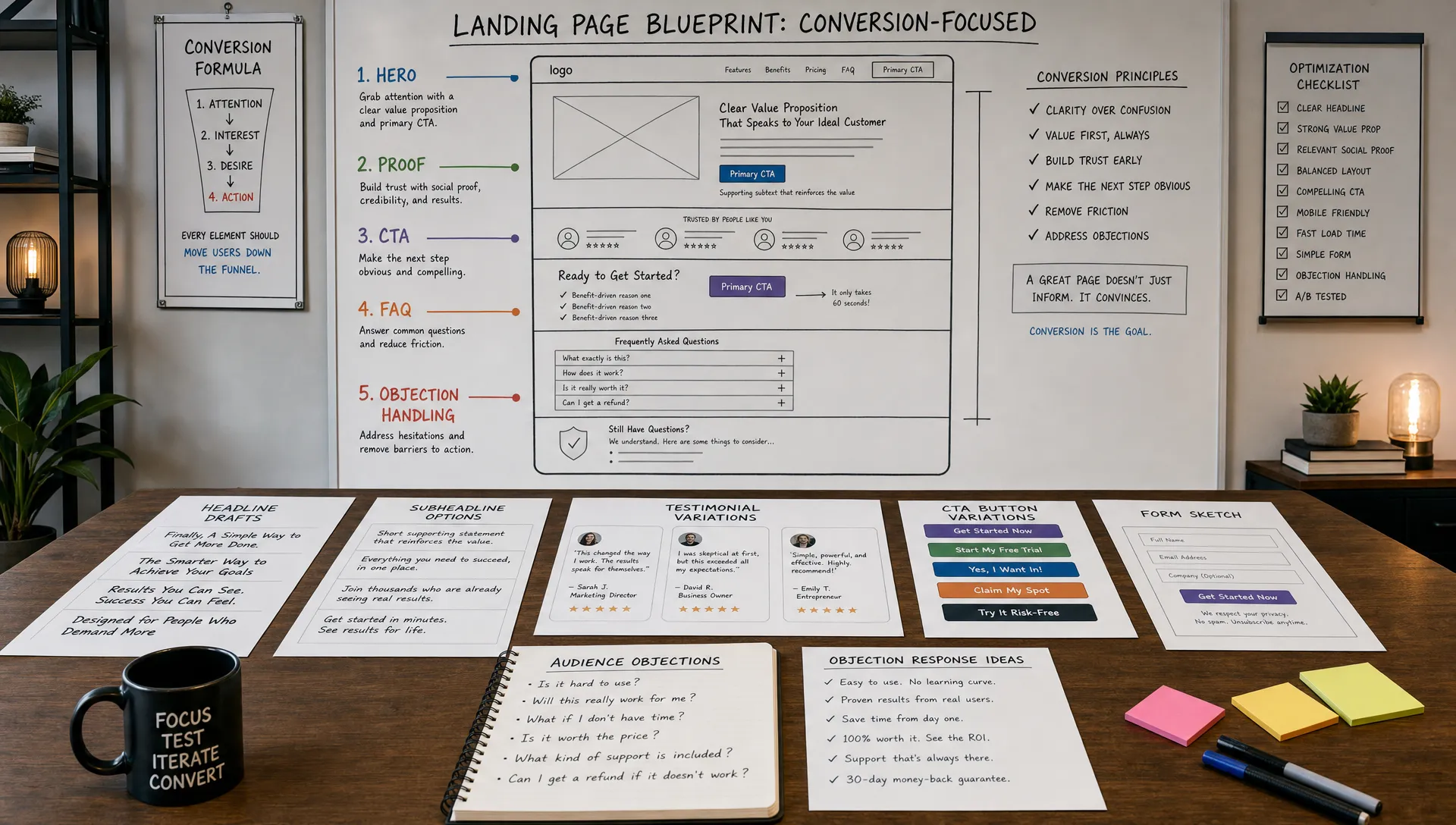
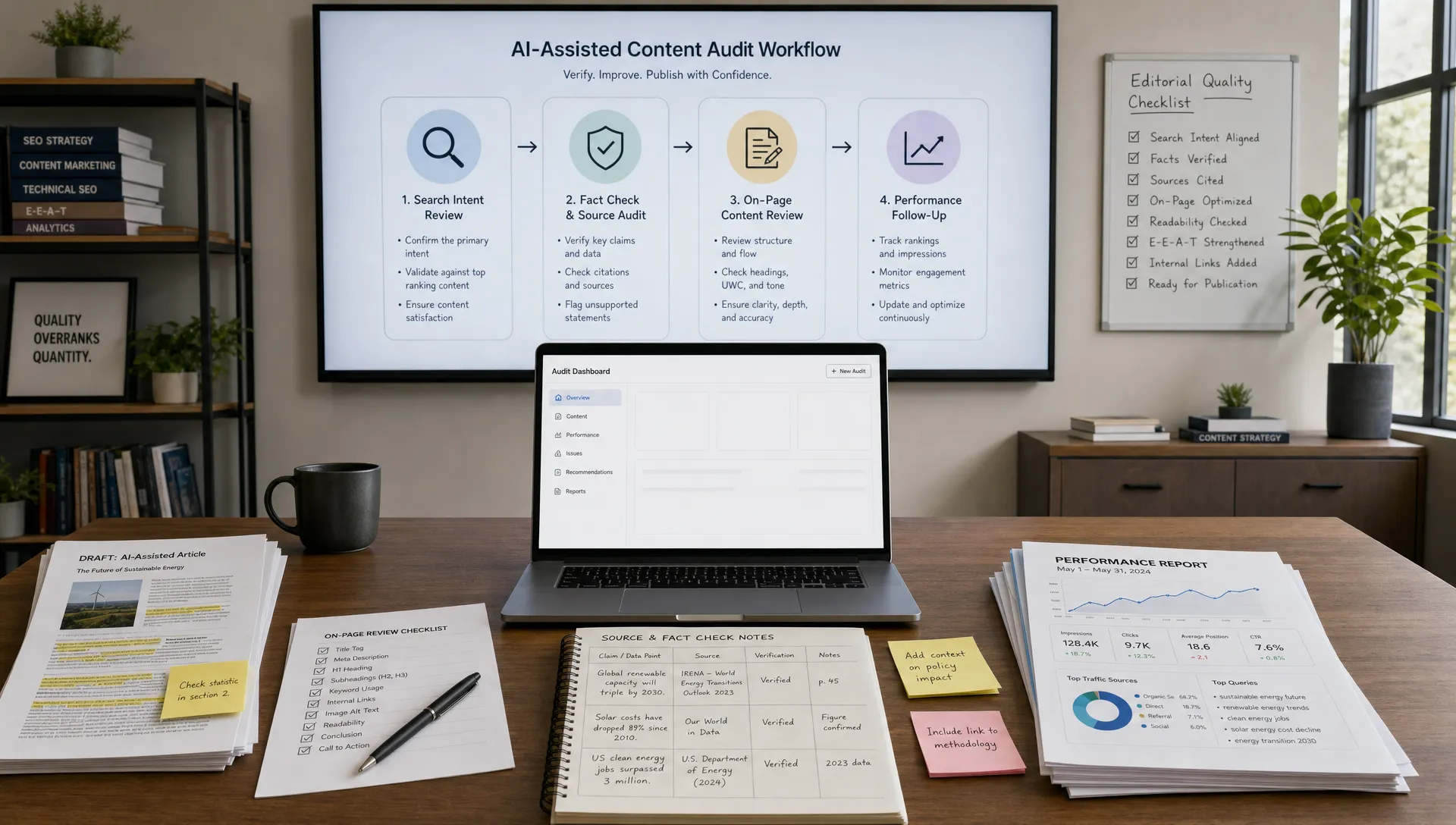
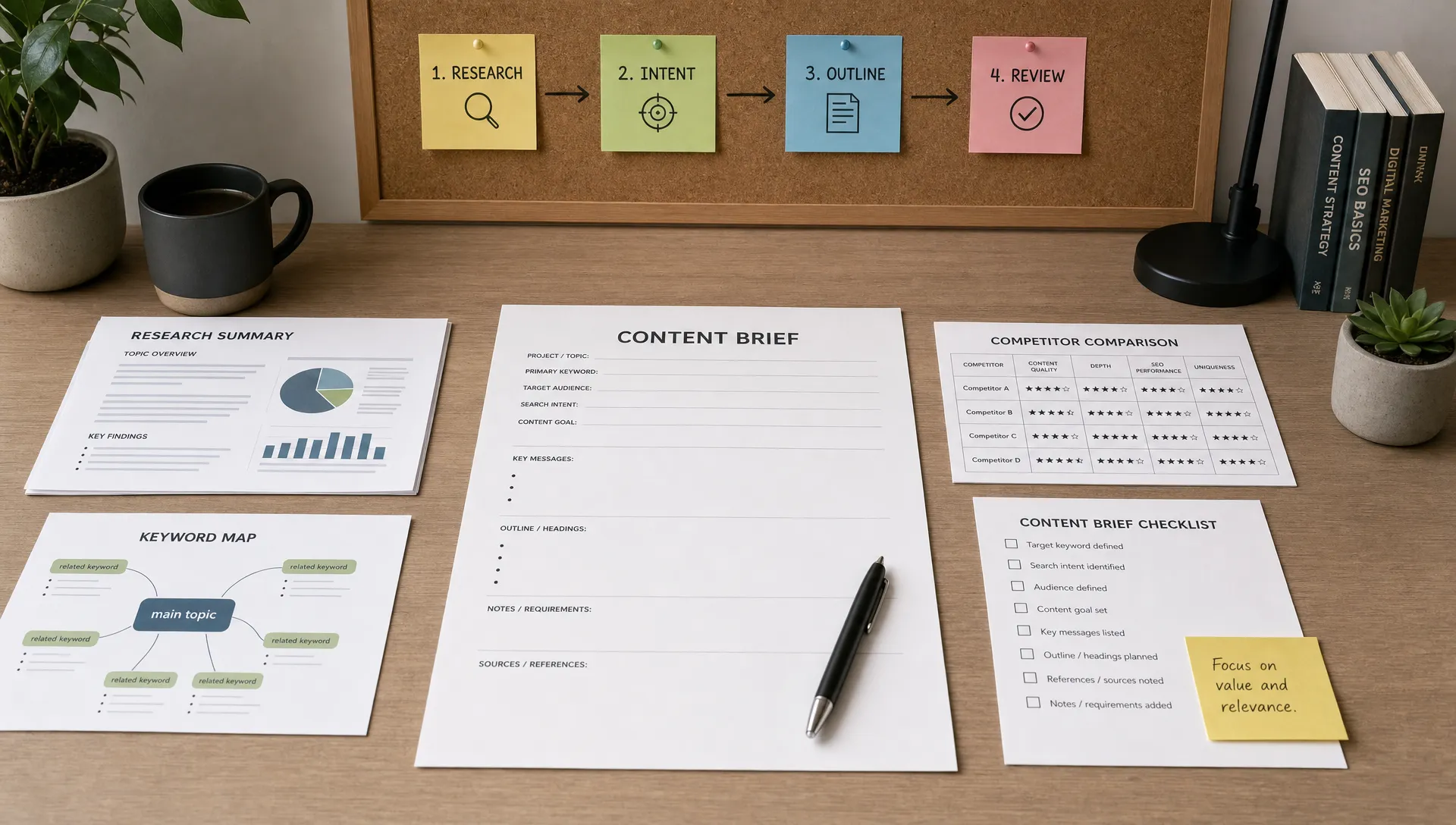
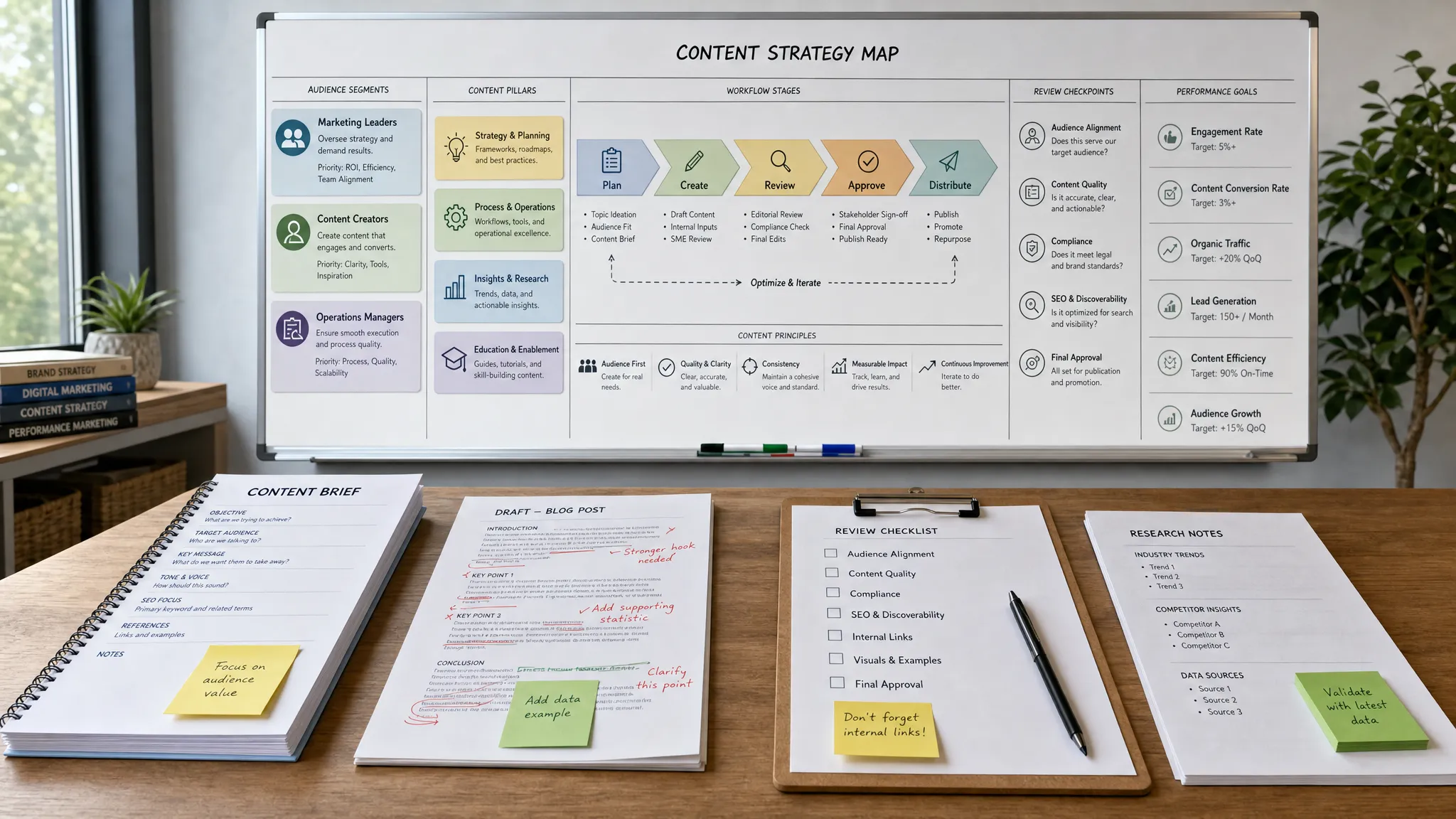
A simple operating rhythm helps keep quality high. Use AI to draft content briefs from customer research. Let subject matter experts add nuance, examples and product truth. Use editors to tighten structure, remove generic phrasing and verify claims. Then feed performance data back into the next brief.

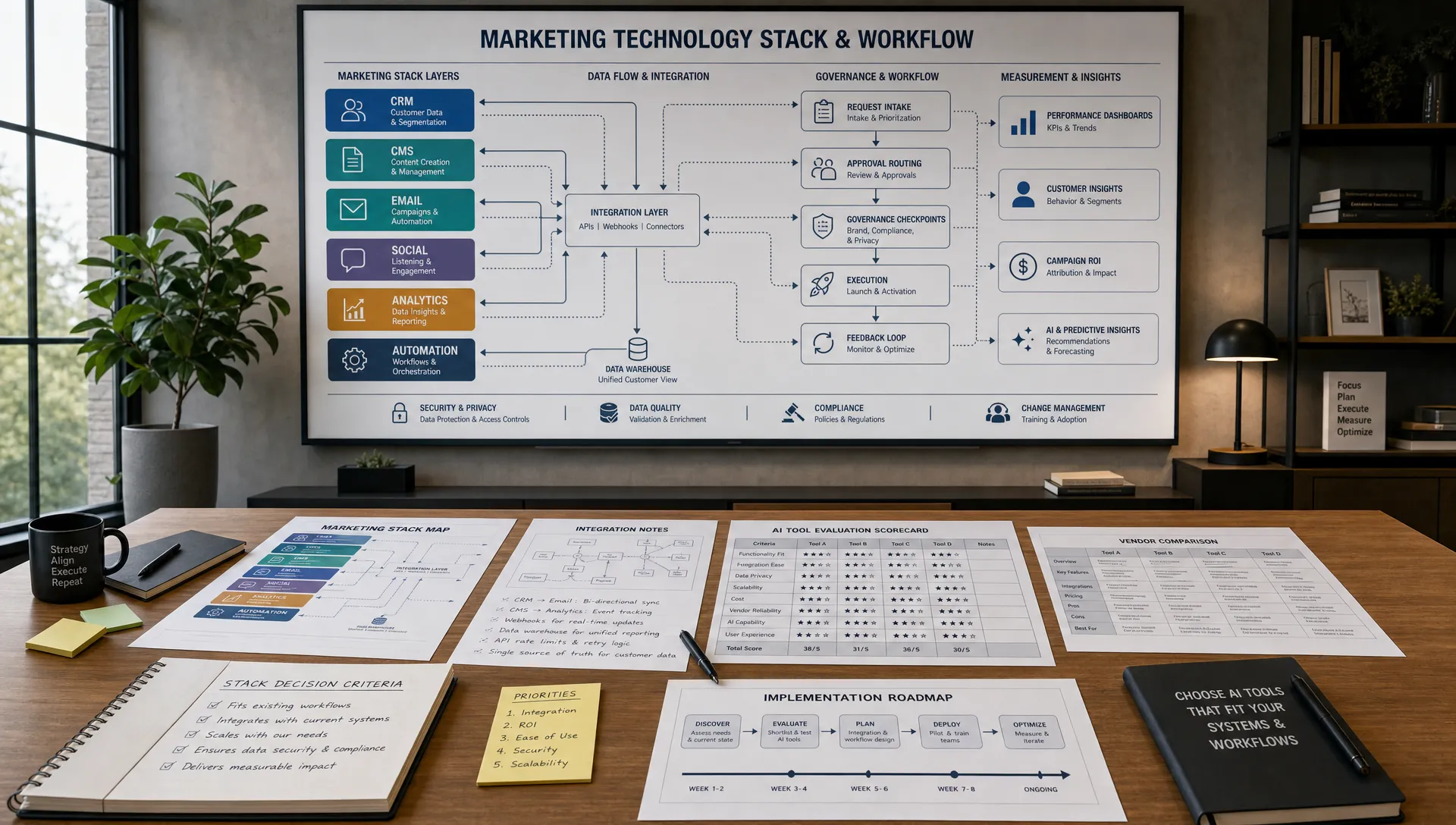
Marketing workflow automation is one of the clearest practical benefits of AI marketing for B2B. A good workflow can help teams respond faster, personalize at scale and reduce manual handoffs. A bad workflow can make serious buyers feel like they are trapped in a generic nurture sequence.
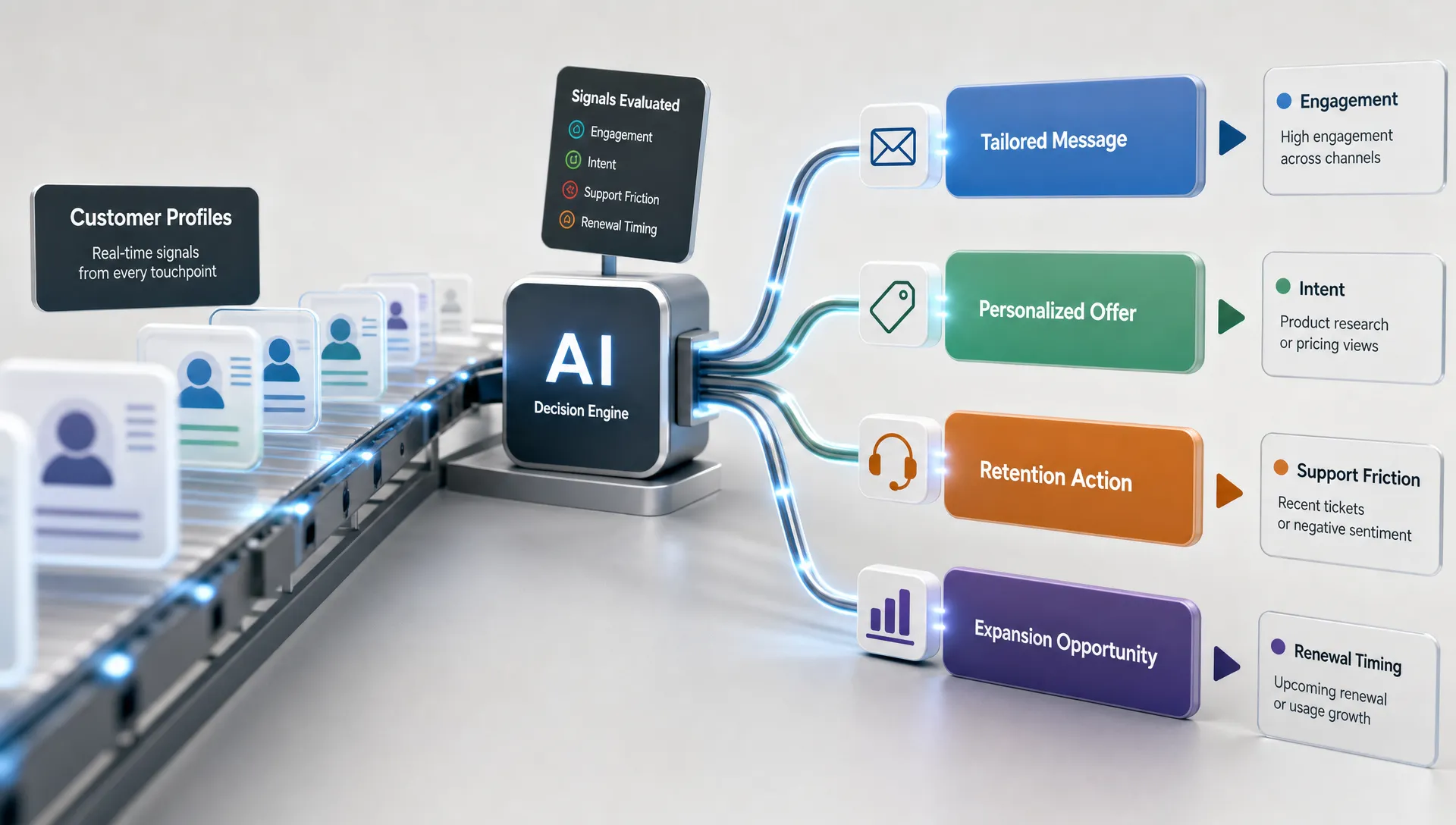
Start with the moments where speed and relevance matter most. When a target account visits a pricing page, downloads an implementation guide or attends a product webinar, the follow-up should reflect that behavior. AI can summarize the engagement history, recommend the most relevant next asset and draft a tailored email for review.
The same logic applies to paid campaigns. AI can help generate ad variations by persona, summarize creative performance and identify which messages are earning qualified engagement. But budget decisions should still consider lead quality, opportunity creation and sales feedback. Low-cost leads are not always valuable leads.
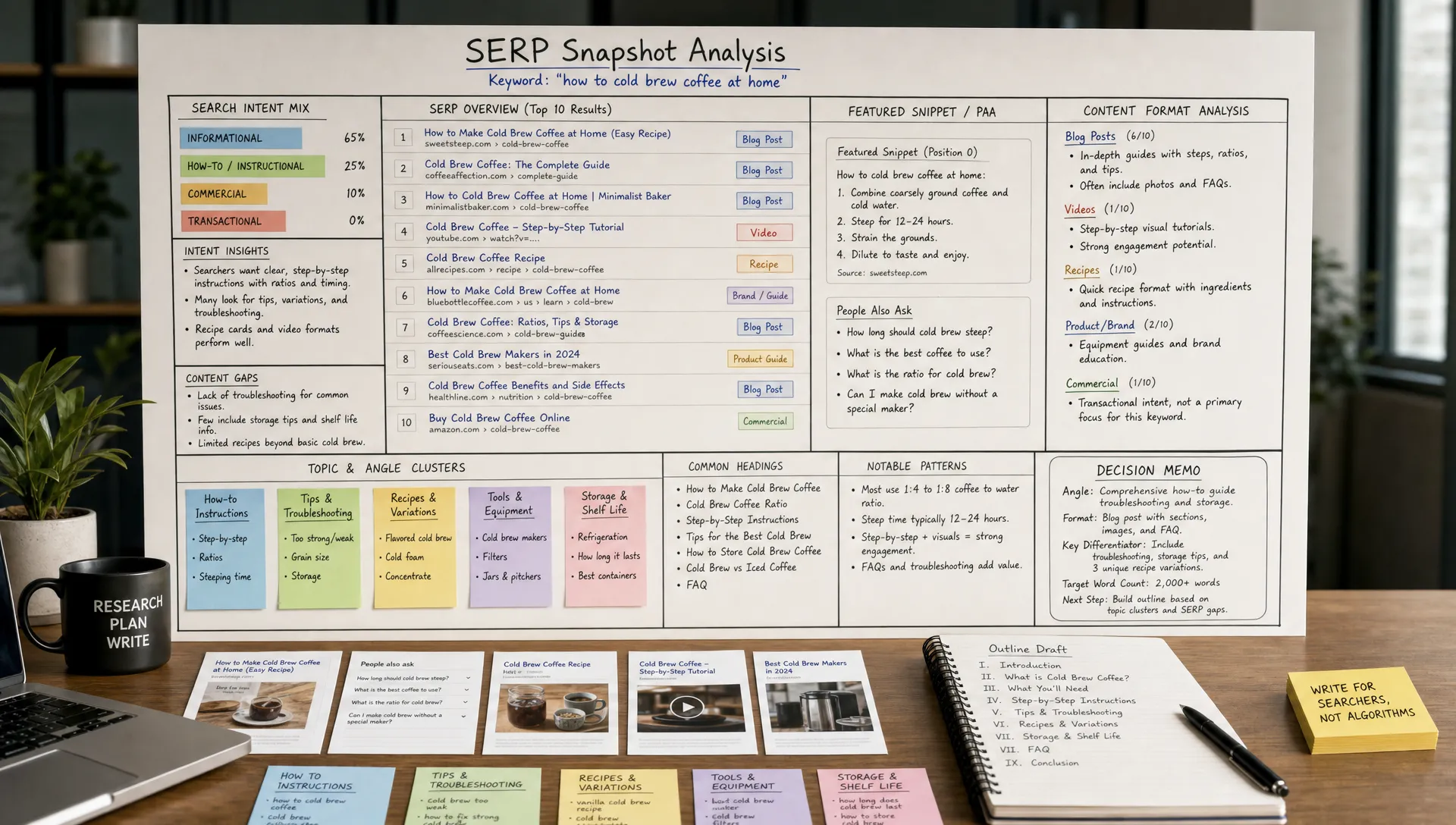
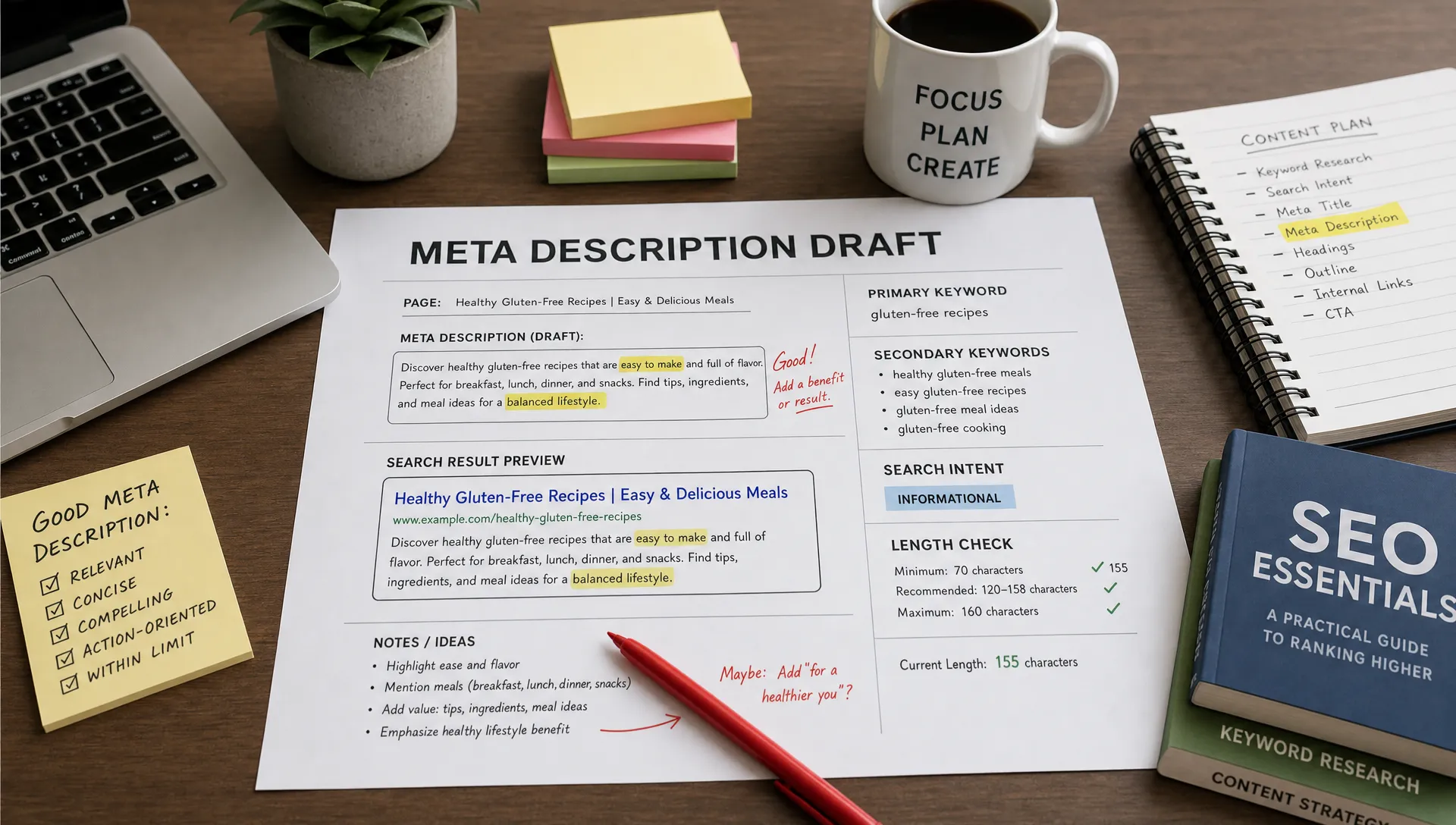
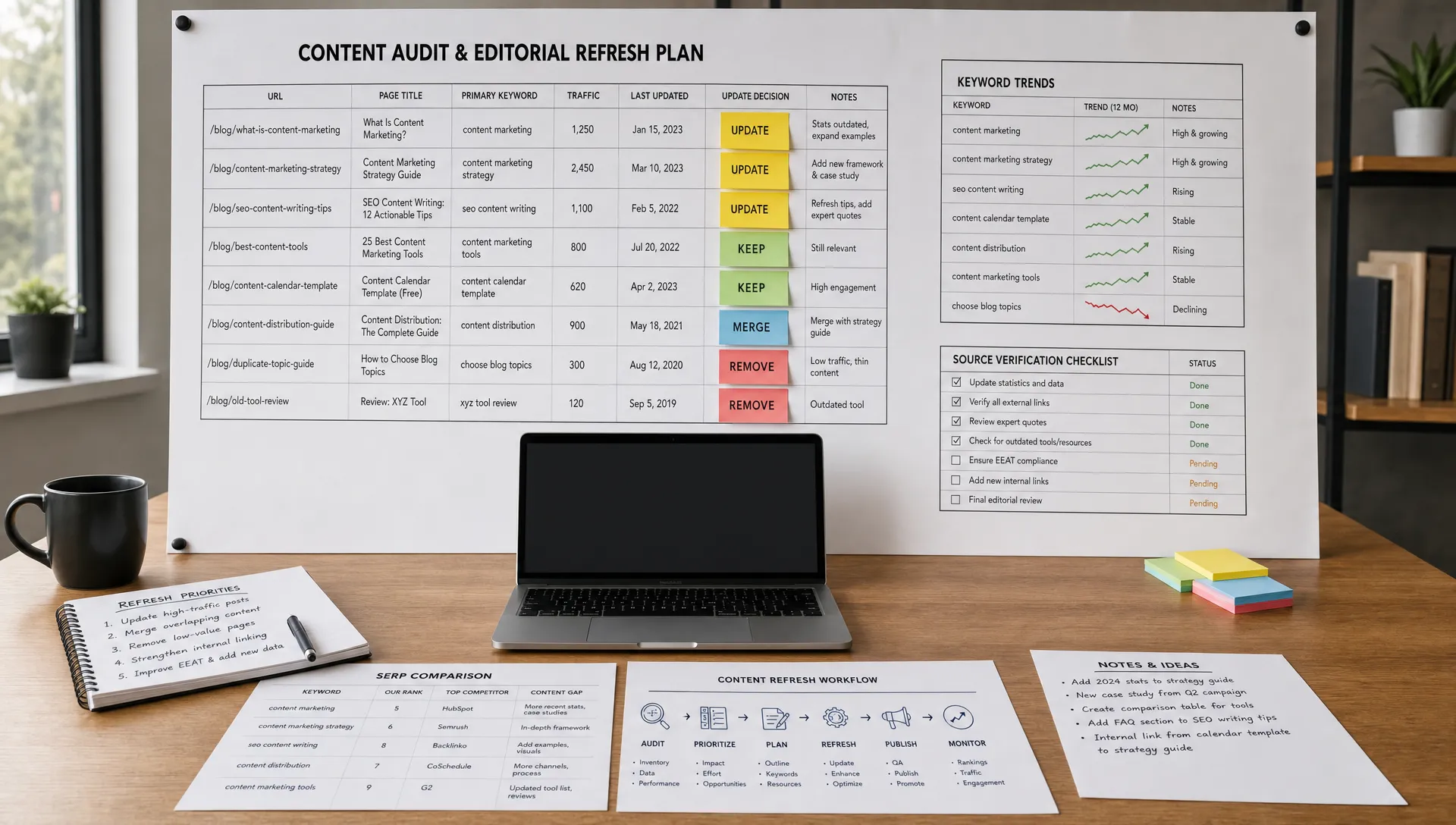
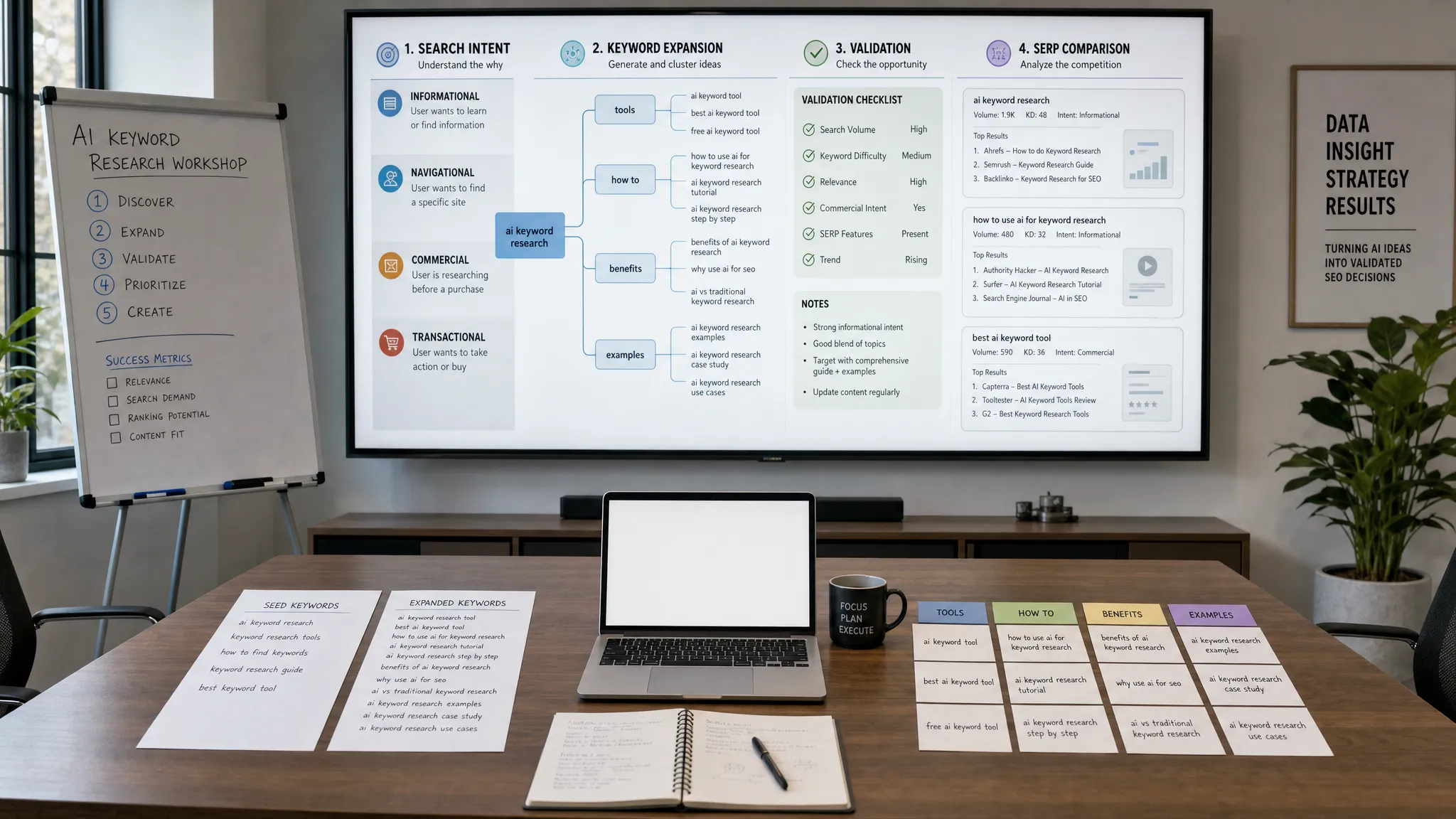
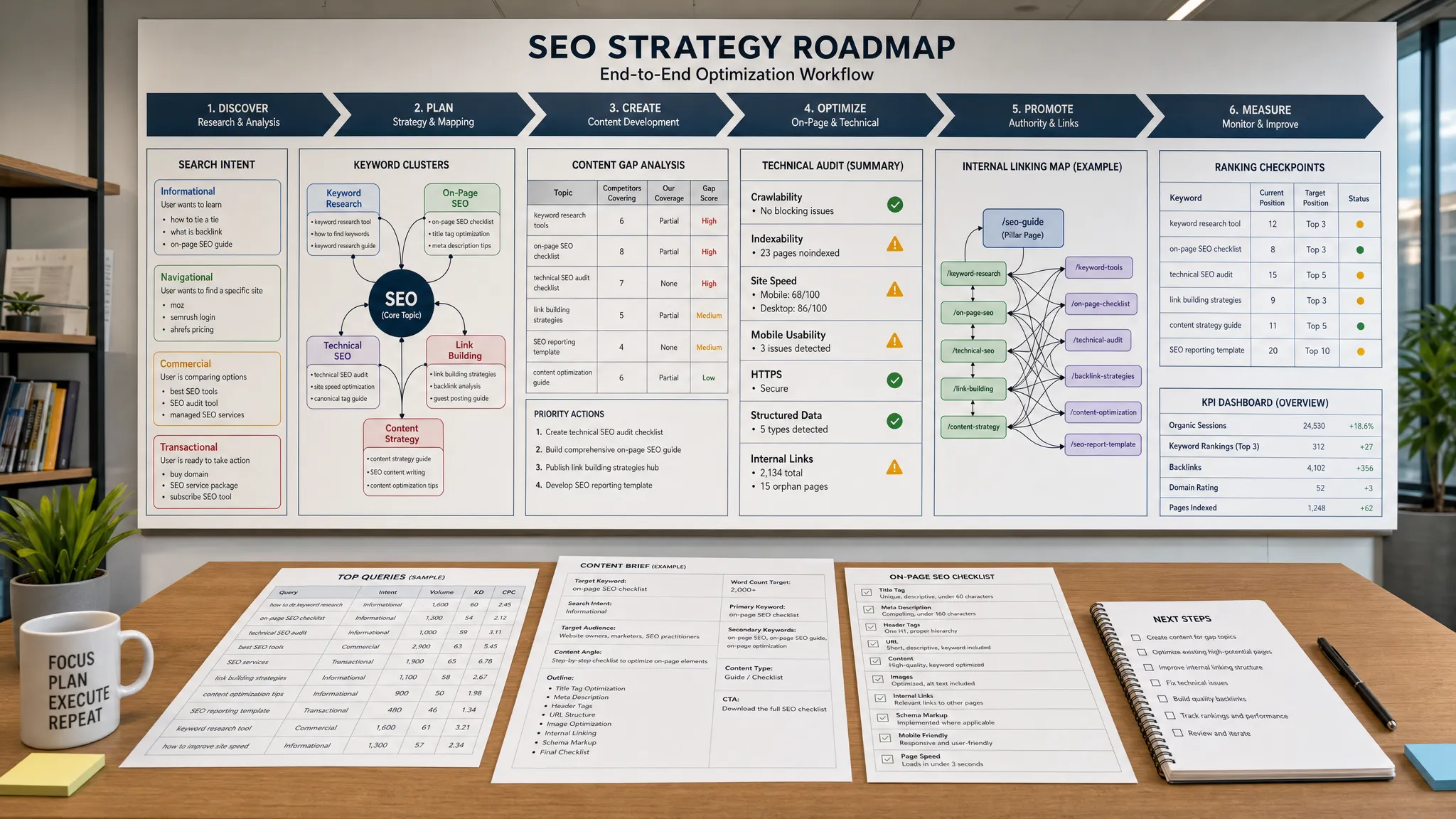
For SEO and organic acquisition, AI can help identify content gaps, cluster keywords by intent and create briefs that match real buyer questions. The goal is not to cover every keyword. The goal is to attract prospects who are researching a problem your company can credibly solve.
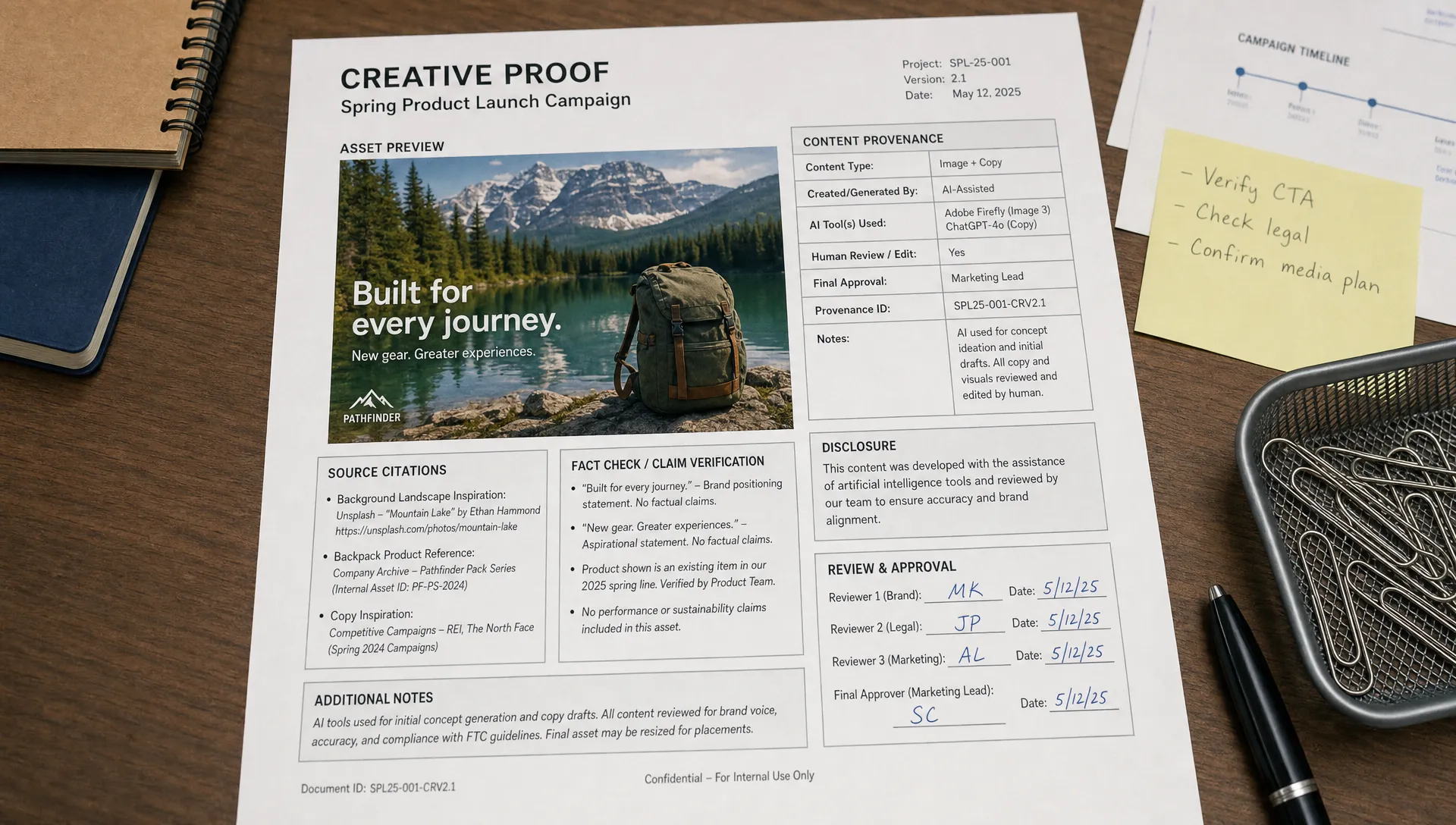
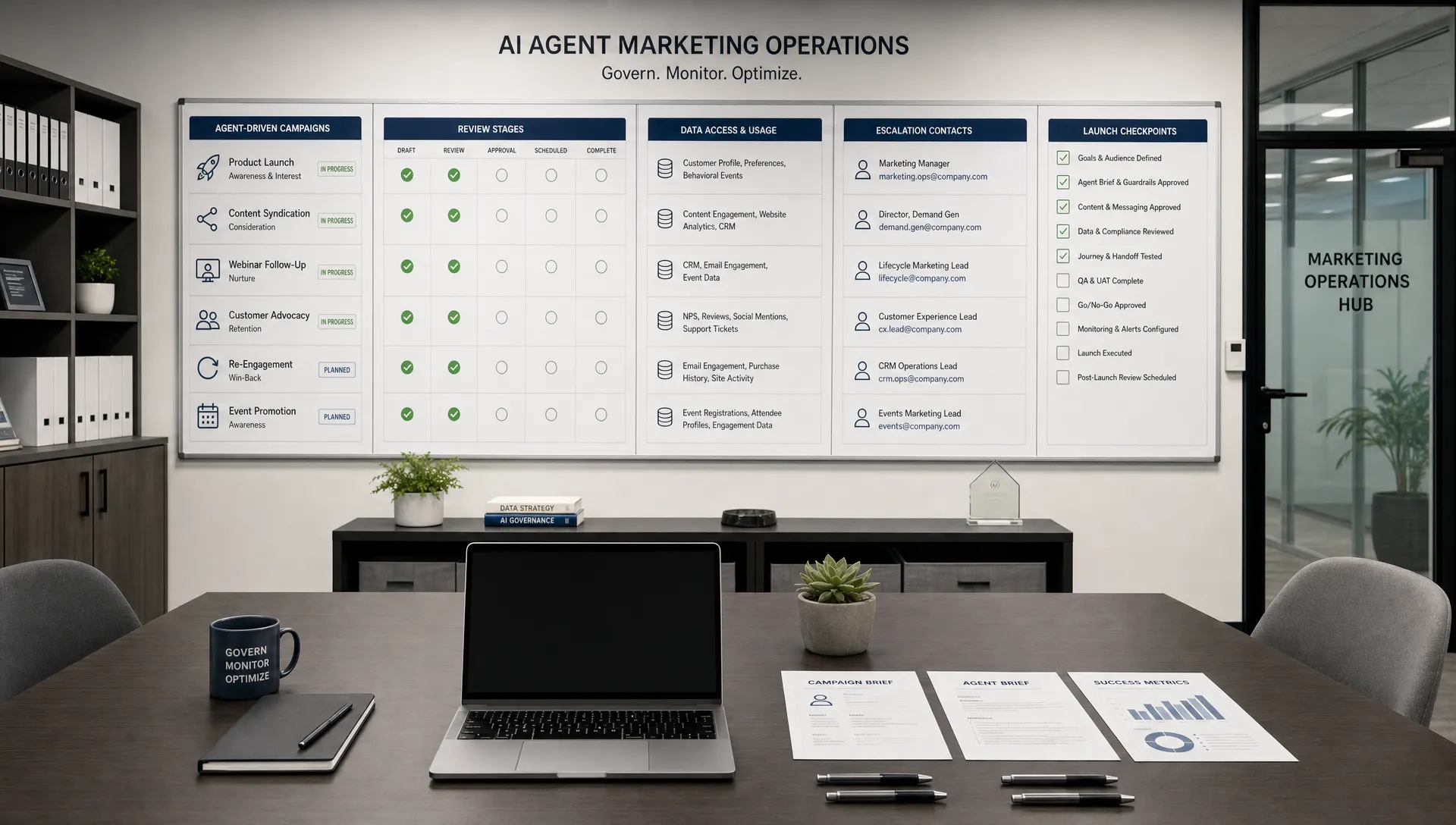
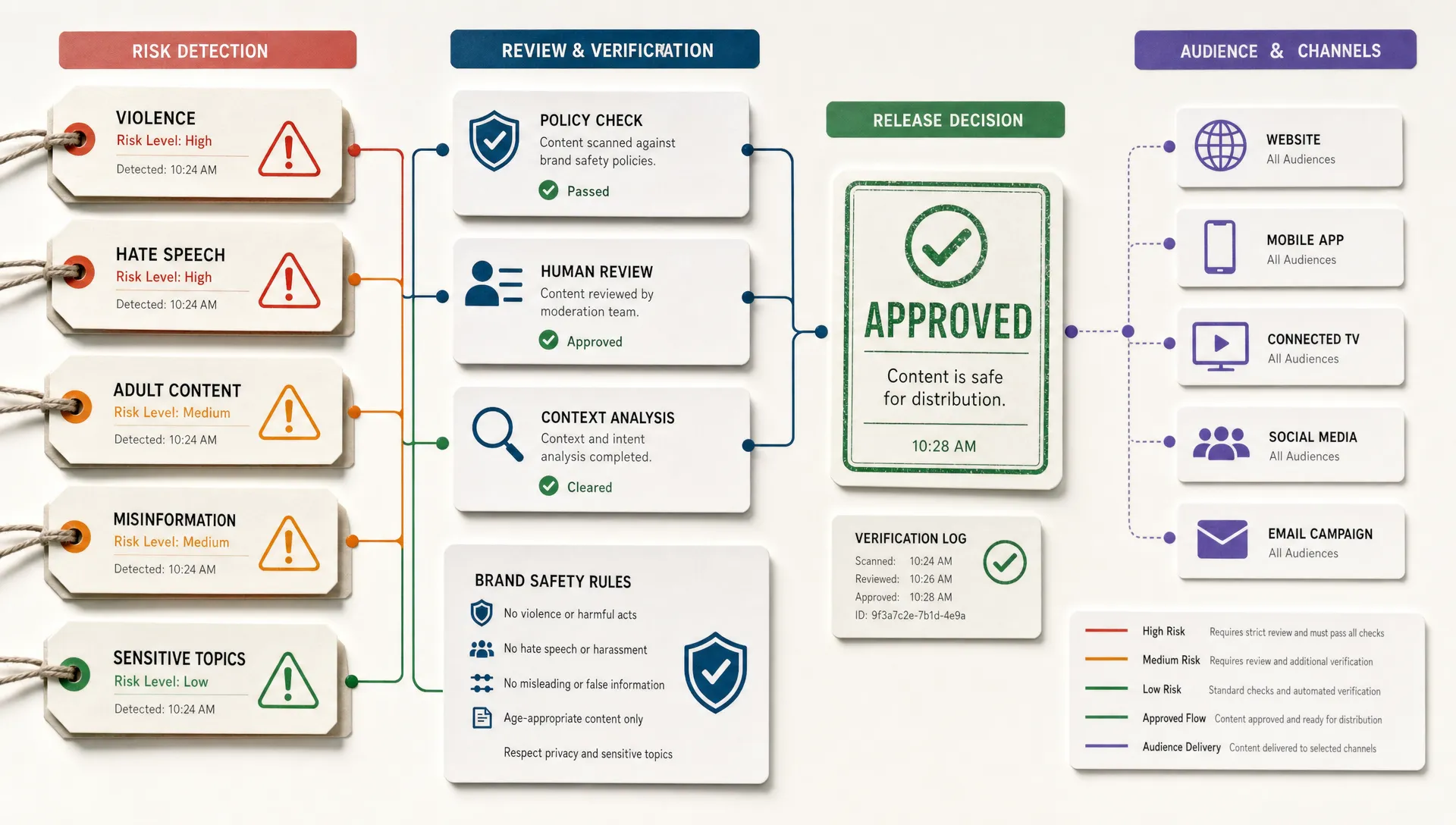
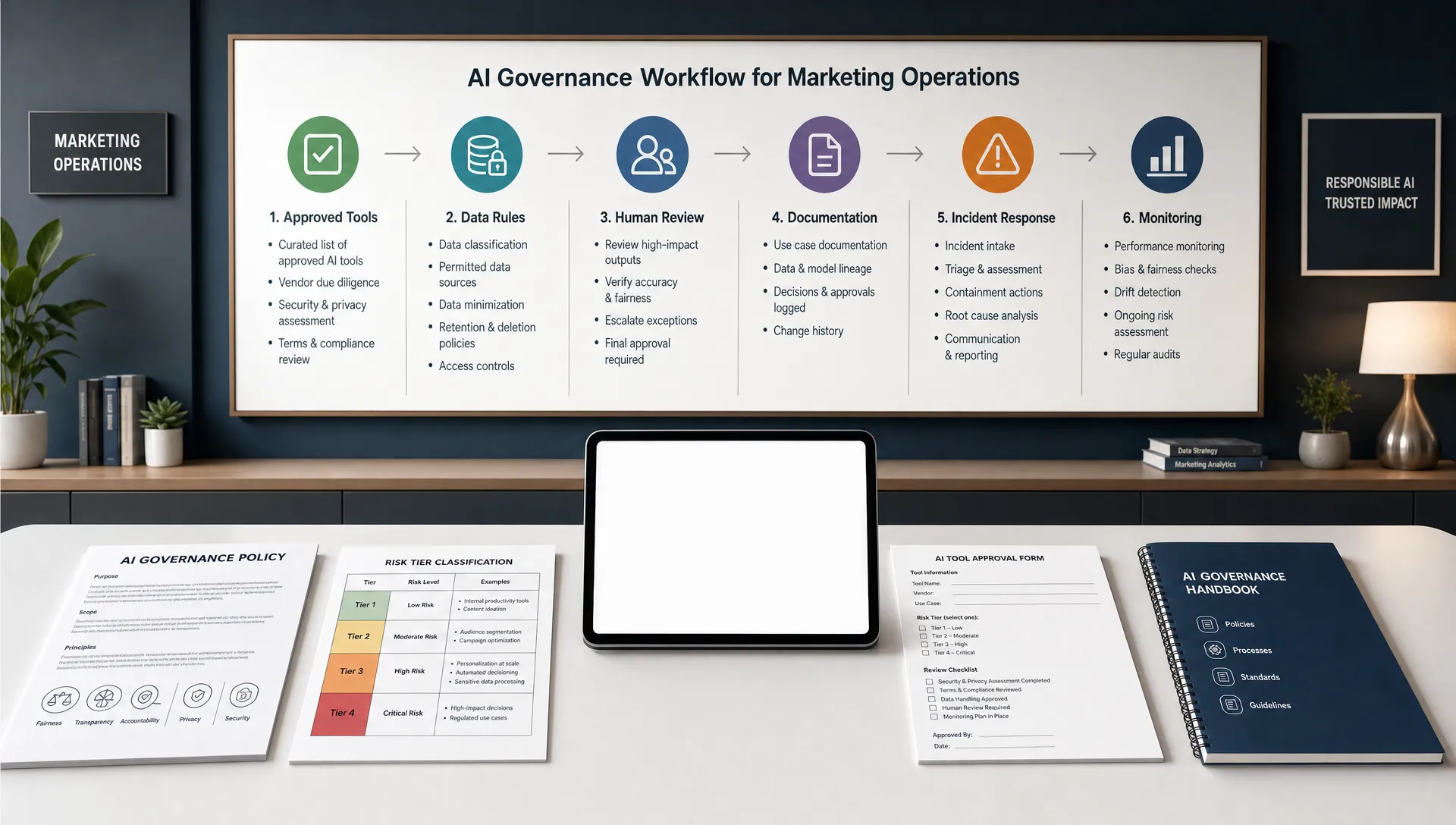
Automation should also respect governance. B2B teams handle sensitive claims, customer data and sometimes regulated industries. Set clear rules for what AI can generate automatically, what requires review and what should never be placed into a public model. This is especially important for legal, finance, healthcare, cybersecurity and enterprise SaaS marketing.
B2B revenue depends heavily on the handoff between marketing and sales. If a campaign generates interest but the account owner receives only a name, email address and content download, the conversation often starts from zero.
AI can make that handoff more useful. It can summarize account activity, identify likely pain points, highlight consumed assets and suggest discovery questions. It can also create call prep notes that connect marketing engagement to sales context.
A strong AI-assisted handoff might include the account's industry, recent engagement, relevant persona, suspected use case, likely objection and recommended next asset. This gives sales a sharper opening and helps buyers feel understood.
AI can also support later pipeline stages. For active opportunities, it can summarize call transcripts, draft mutual action plans, create persona-specific follow-up and help customize proposals. Marketers can use the same insight to build better enablement assets, such as objection handling documents, competitive battlecards and late-stage proof packets.
Some B2B teams also discover that their marketing offer needs a product experience, such as a diagnostic tool, mobile companion, customer portal or lightweight app. In that case, validate the audience, use case and revenue path before building. If you need execution support after the go-to-market logic is clear, a freelance mobile app developer who can build an MVP quickly can help turn a tested concept into a working product experience.
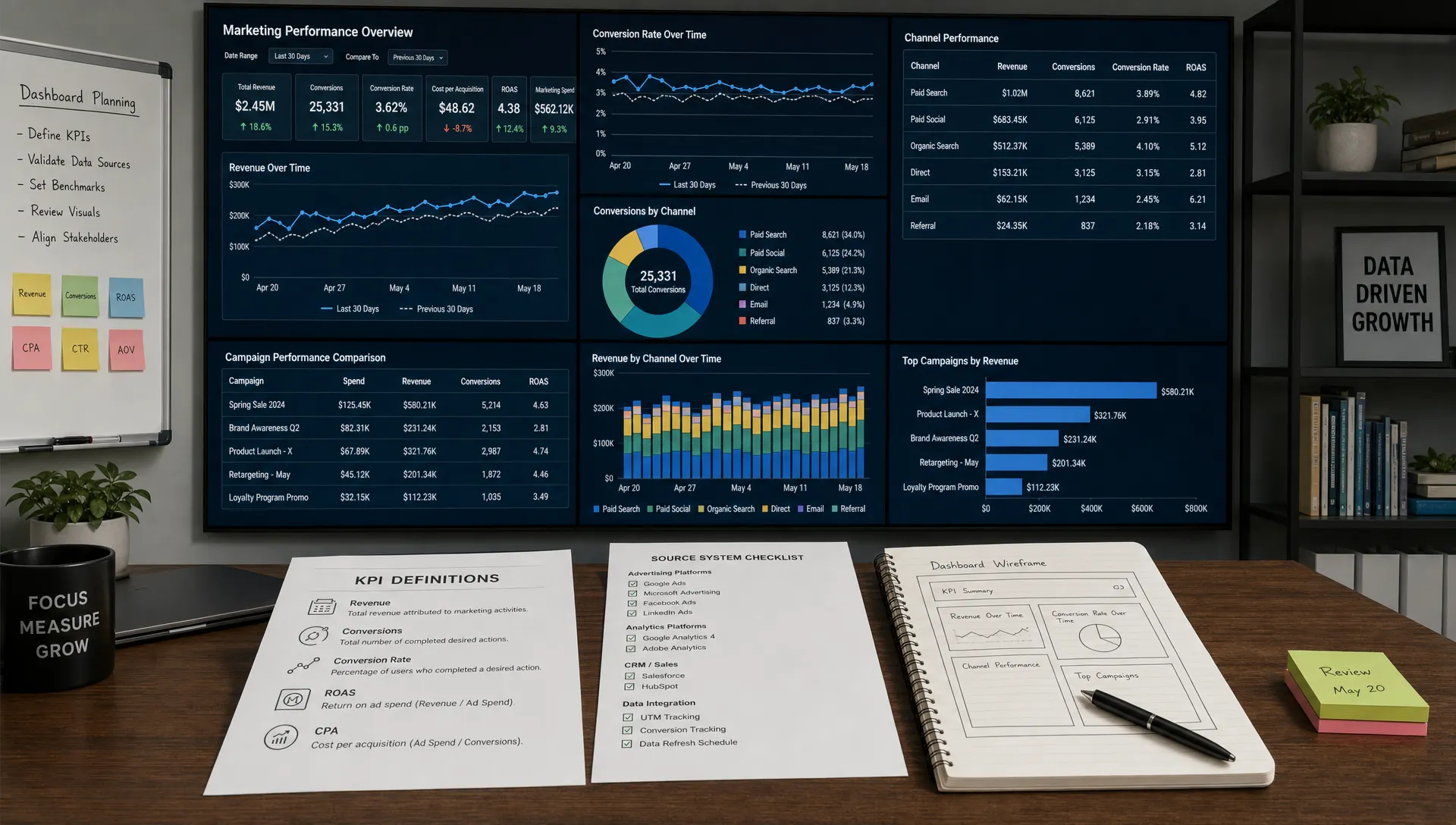
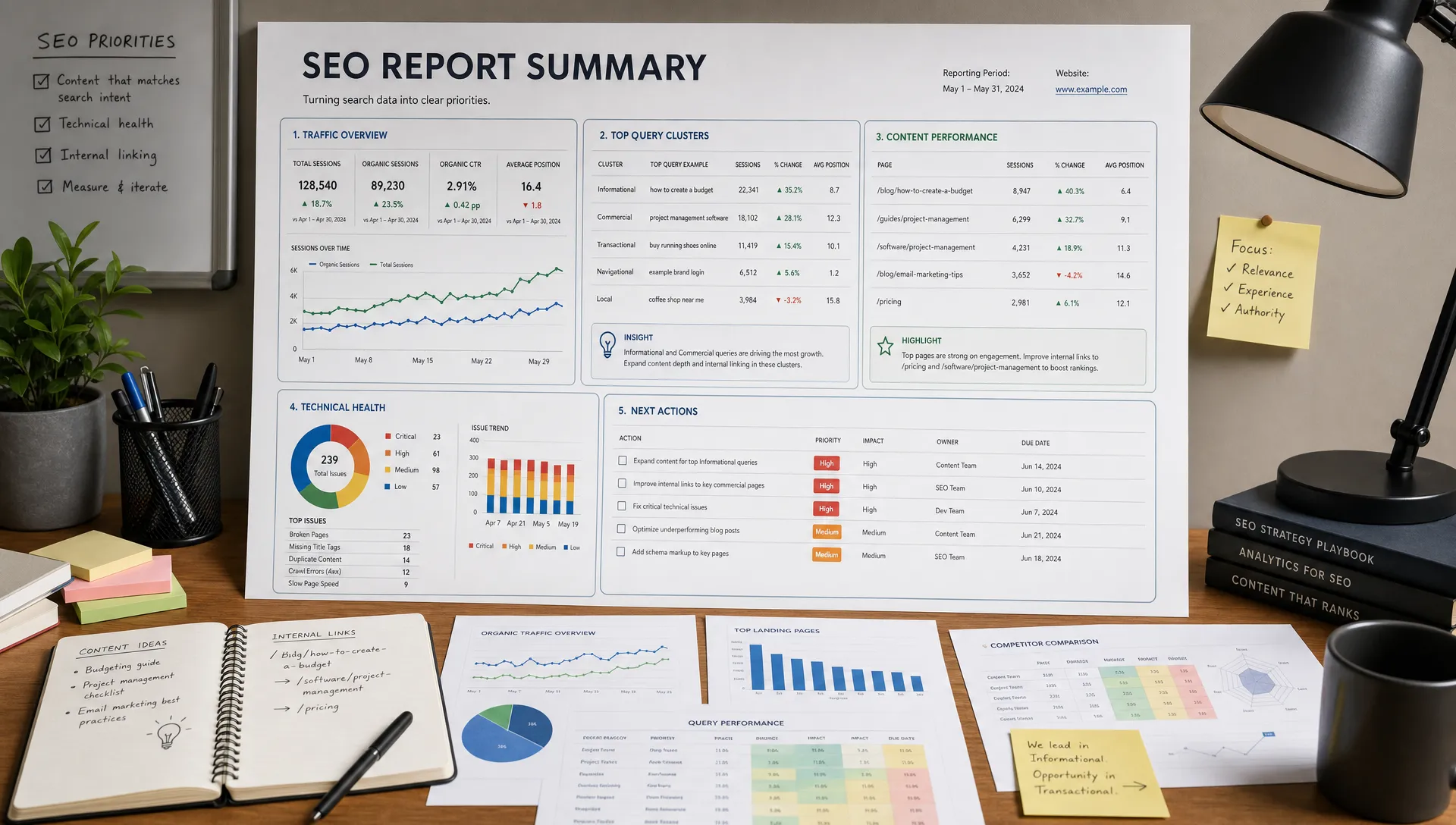
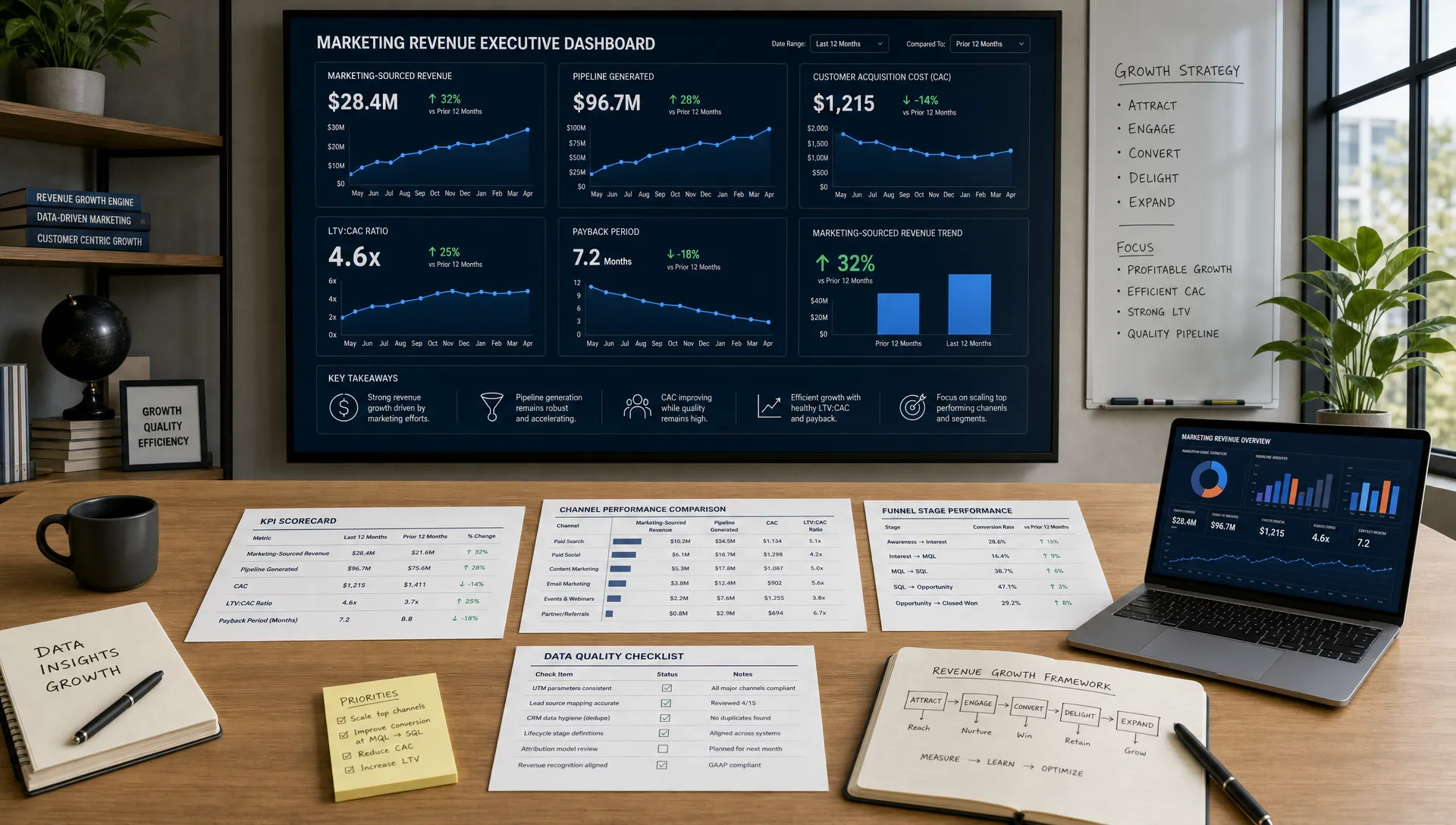
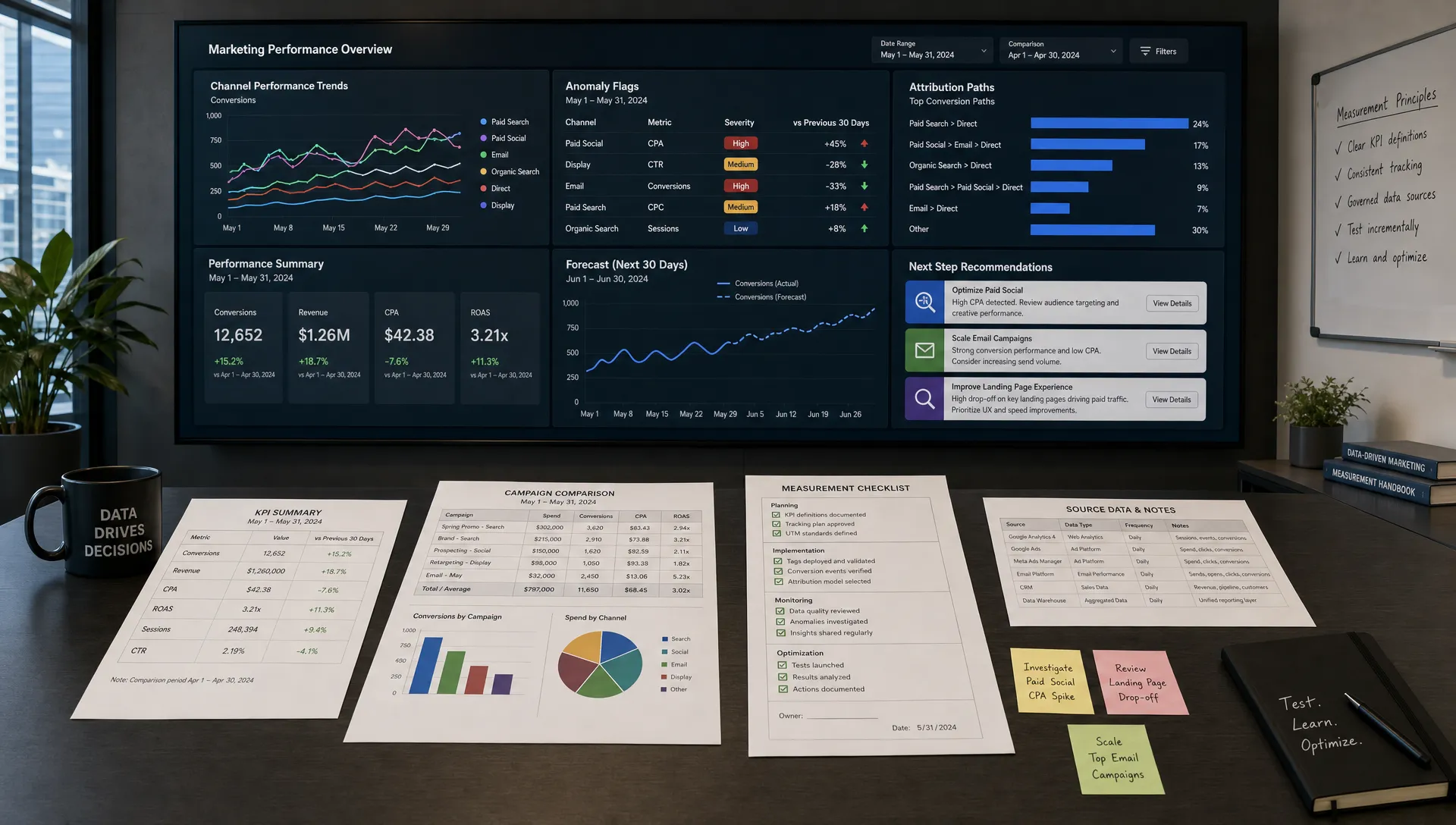
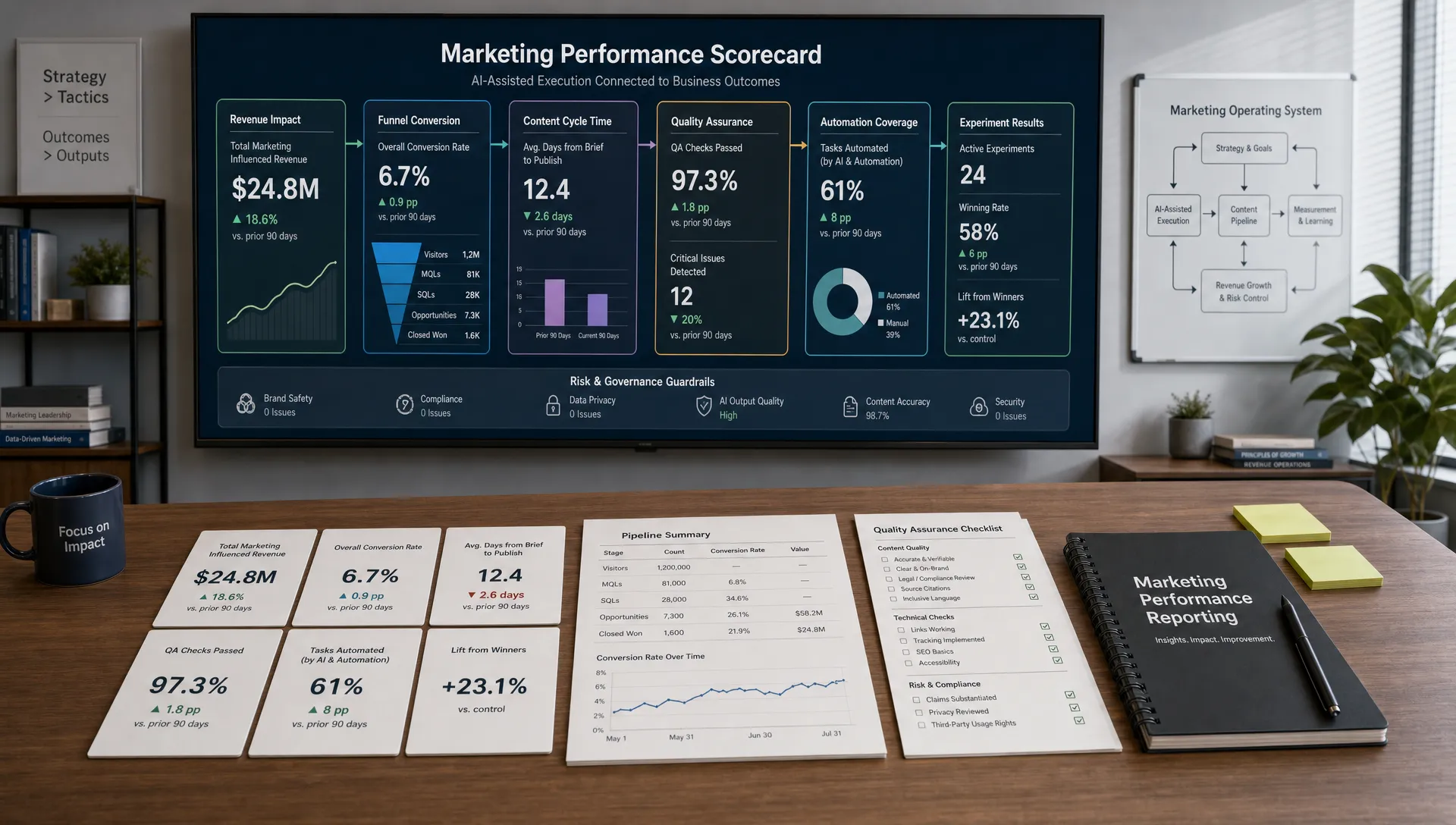
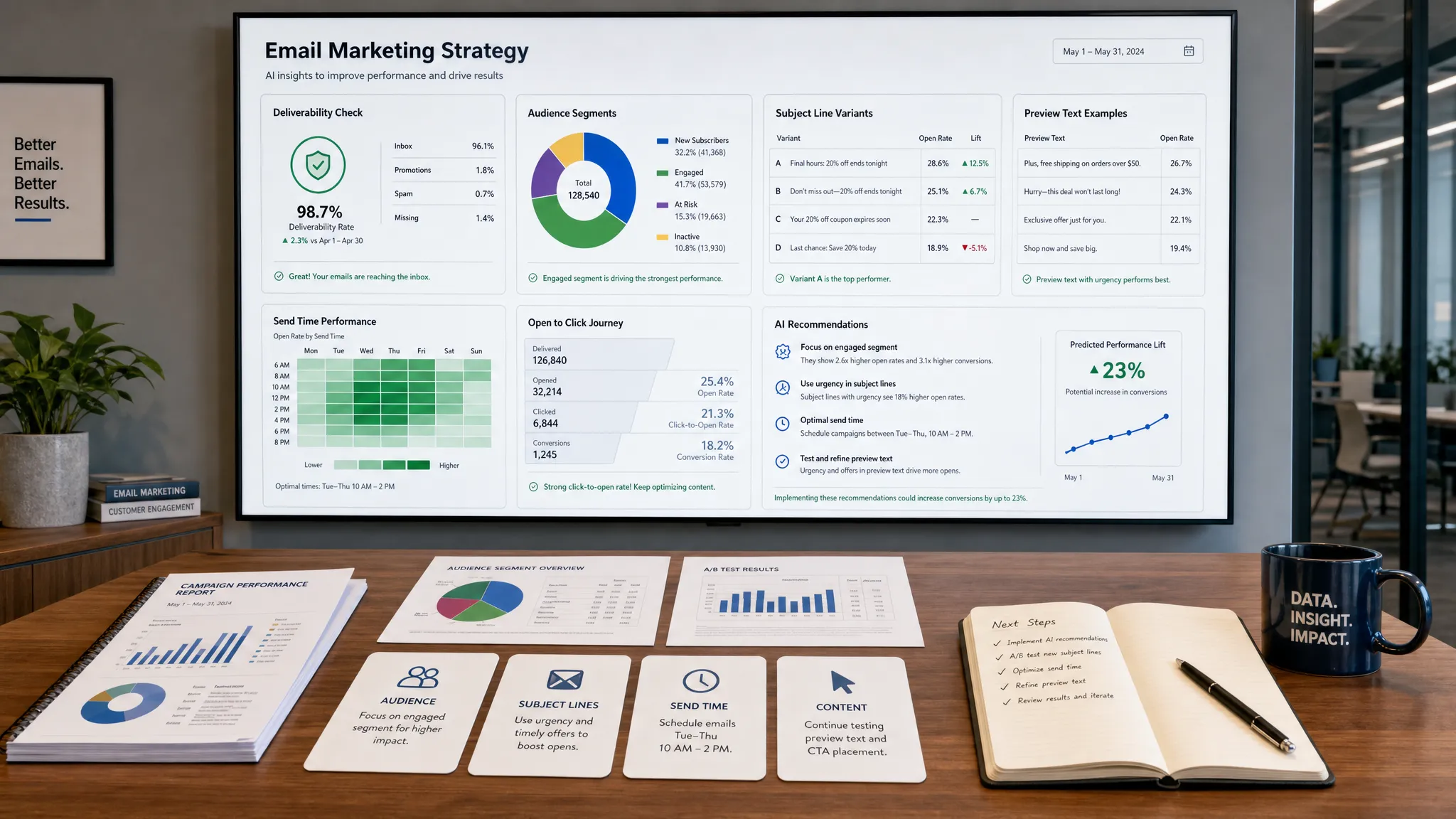
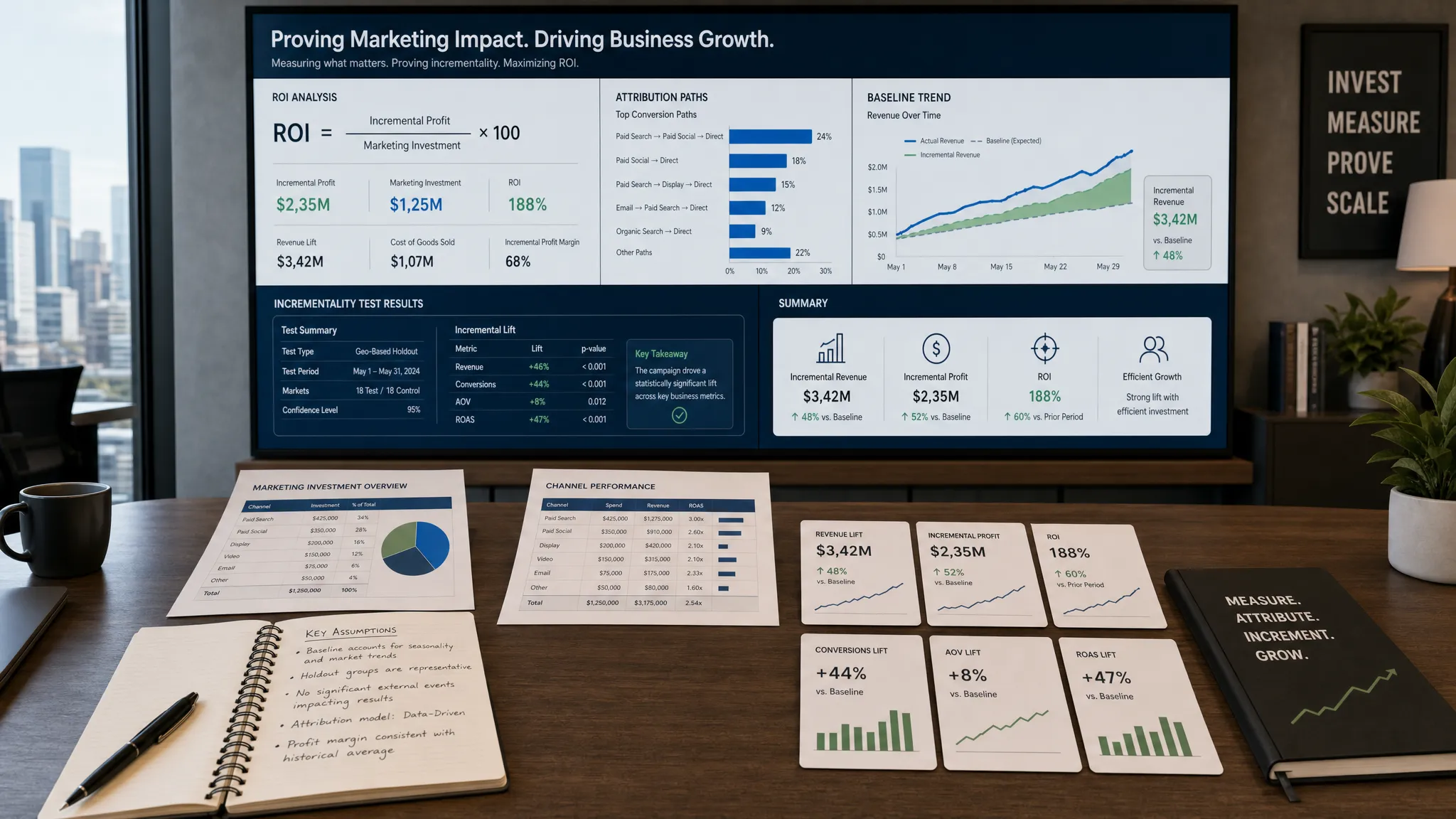
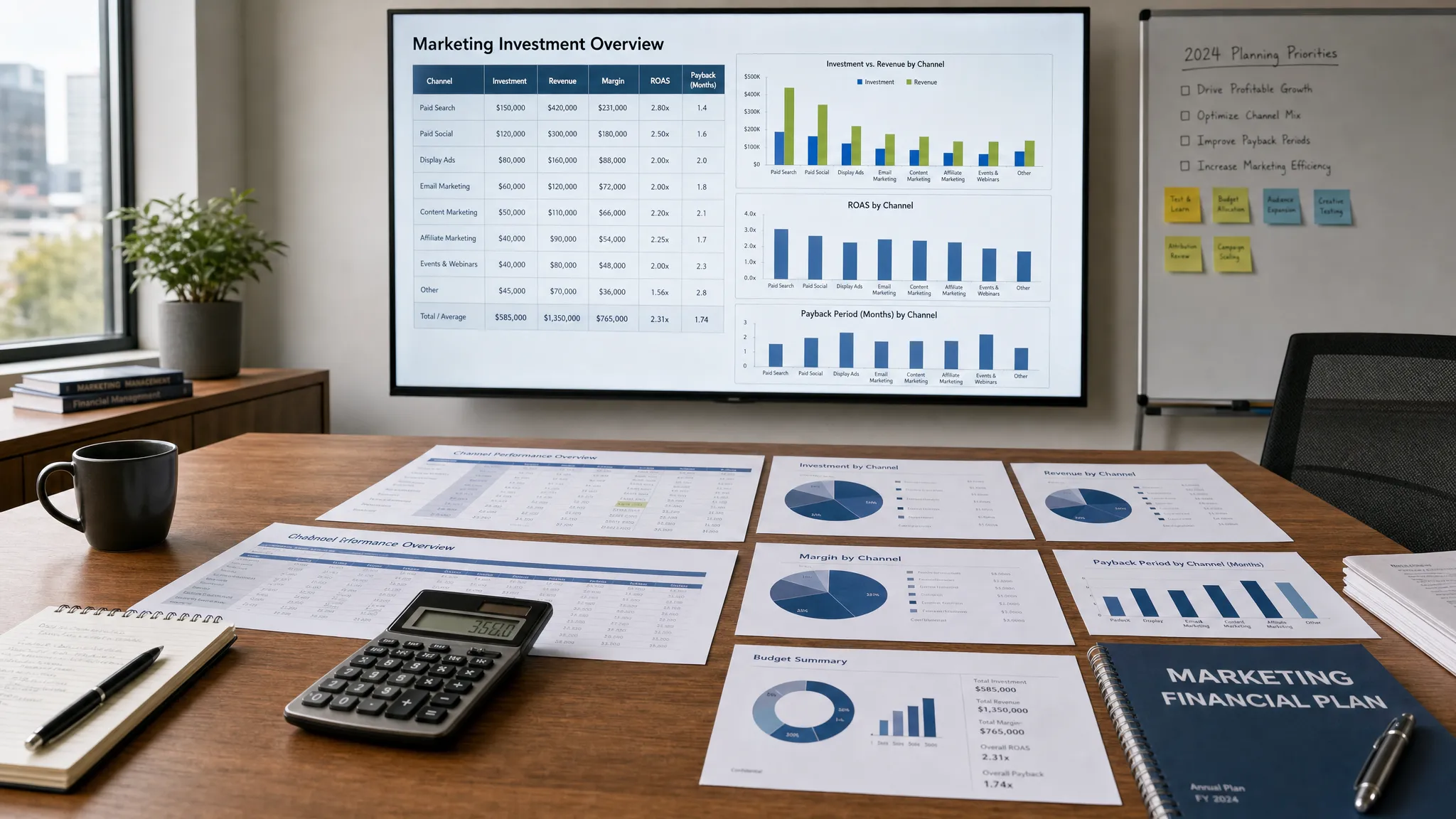
B2B marketers do not suffer from a lack of data. They suffer from scattered data and unclear decisions. AI-powered analytics can help by connecting campaign activity, CRM movement, content engagement and revenue outcomes.
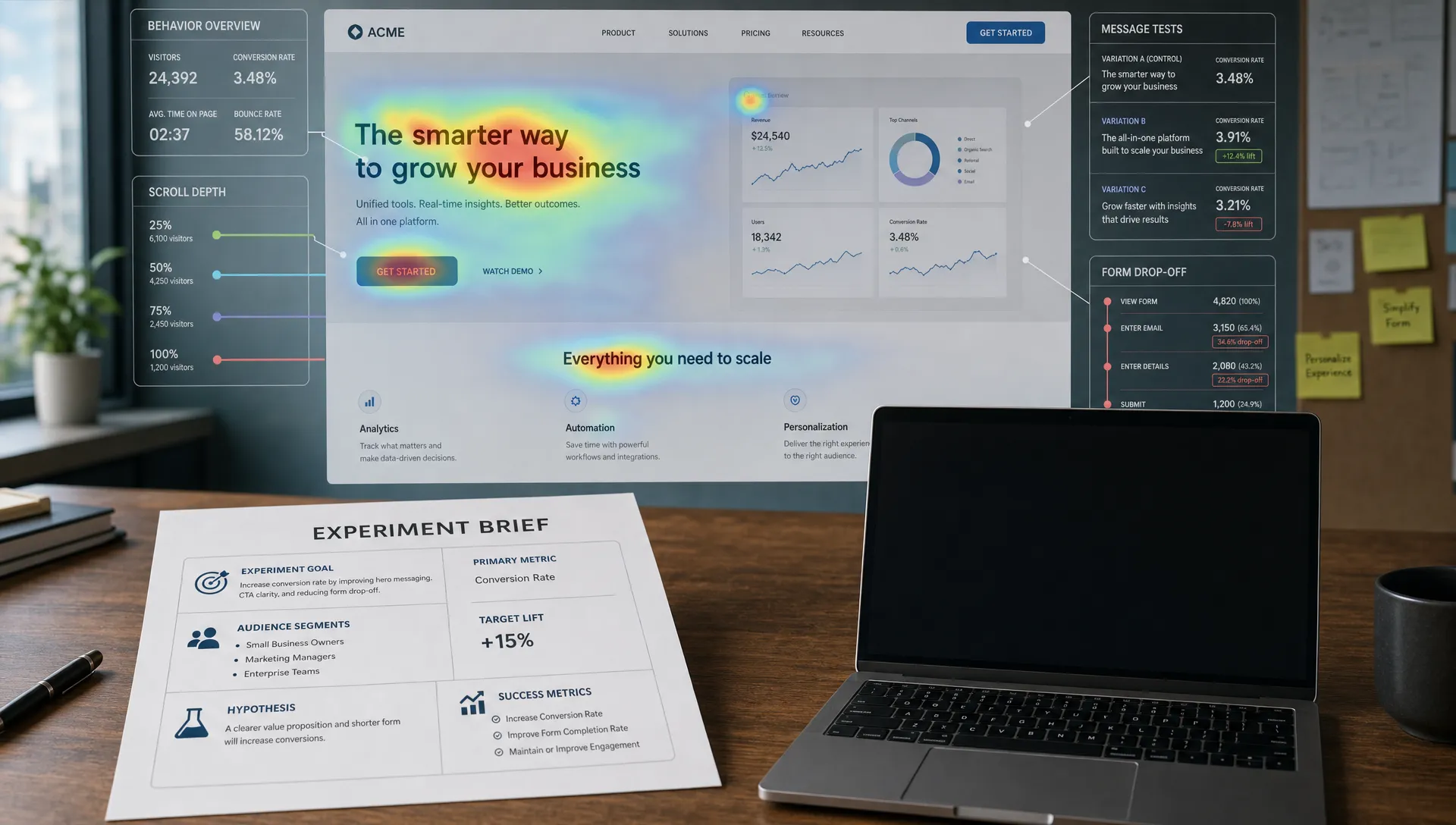
The most useful analytics setup answers practical questions. Which segments convert from opportunity to closed-won at the highest rate? Which content assets are associated with qualified pipeline? Which nurture paths move buyers forward, and which ones create noise? Which accounts show intent but need a different offer or sales motion?
Avoid measuring AI performance only by efficiency. Saving time matters, but revenue teams also need to know whether AI-assisted work improves conversion quality. A campaign that takes half the time to produce but attracts poor-fit leads is not a win.
Useful metrics include:
| Metric | What it reveals | How AI can help interpret it |
|---|---|---|
| Account engagement quality | Whether target accounts are interacting with meaningful assets | Cluster engagement by persona, topic and deal stage |
| MQL to SQL rate | Whether marketing is attracting sales-relevant demand | Identify patterns in leads that sales accepts or rejects |
| Pipeline influenced by content | Which assets support real opportunities | Match asset consumption to opportunity creation and progression |
| Sales cycle length | Whether buyers are moving faster or getting stuck | Detect common friction points by stage and segment |
| Win and loss reasons | What helps or hurts conversion | Summarize themes from CRM notes, calls and closed-lost reviews |
| Expansion signals | Which customers may be ready for growth | Analyze usage, engagement and support patterns when available |
AI can surface patterns faster than a manual spreadsheet review, but it cannot replace judgment. If the model says a content asset influences revenue, marketers still need to ask whether the asset caused movement, reflected existing intent or supported a specific stage of buyer confidence.
Teams that try to transform everything at once usually stall. A staged plan works better because it proves value, creates trust and gives teams time to improve their data.
| Timeline | Focus | Actions | Outcome |
|---|---|---|---|
| First 30 days | Research and alignment | Audit customer calls, CRM notes, top content, sales objections and target segments | Clearer ICP, buying triggers and messaging priorities |
| Days 31 to 60 | Content and workflow buildout | Create briefs, refresh key assets, launch targeted nurture and improve sales handoff templates | More relevant campaigns and better sales context |
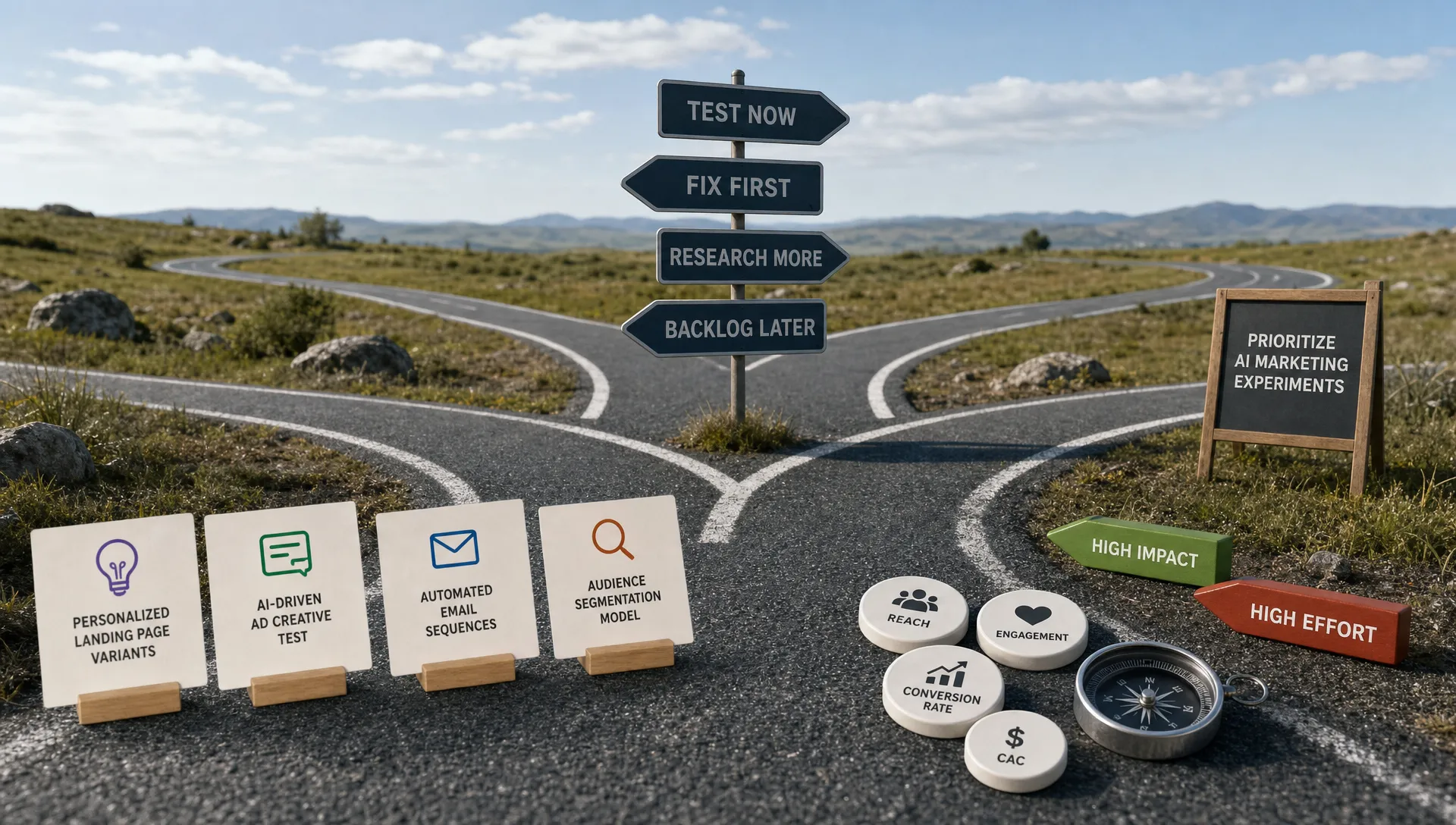
| Days 61 to 90 | Analytics and optimization | Review pipeline signals, compare segment performance, refine automation and prioritize next experiments | A repeatable AI marketing workflow tied to revenue signals |
This plan is intentionally focused. The goal is not to deploy every AI tool available. The goal is to build a repeatable system that learns from buyers and improves revenue decisions over time.
The first mistake is letting AI create content before the team agrees on strategy. Speed amplifies whatever inputs you give it. If the ICP is vague, the messaging is generic or the offer is weak, AI will only help you produce more of the same.
The second mistake is over-personalization without insight. Adding a company name, industry reference or recent news item does not make outreach relevant. True personalization connects to the buyer's likely problem, role, timing and risk.
The third mistake is disconnecting marketing automation from sales reality. If sales teams do not trust lead scoring, campaign notes or AI-generated recommendations, they will ignore them. Build workflows with sales input and review outcomes together.
The fourth mistake is treating AI-powered analytics as an answer machine. Analytics should guide better questions and sharper decisions. It should not become a dashboard that creates confidence without context.
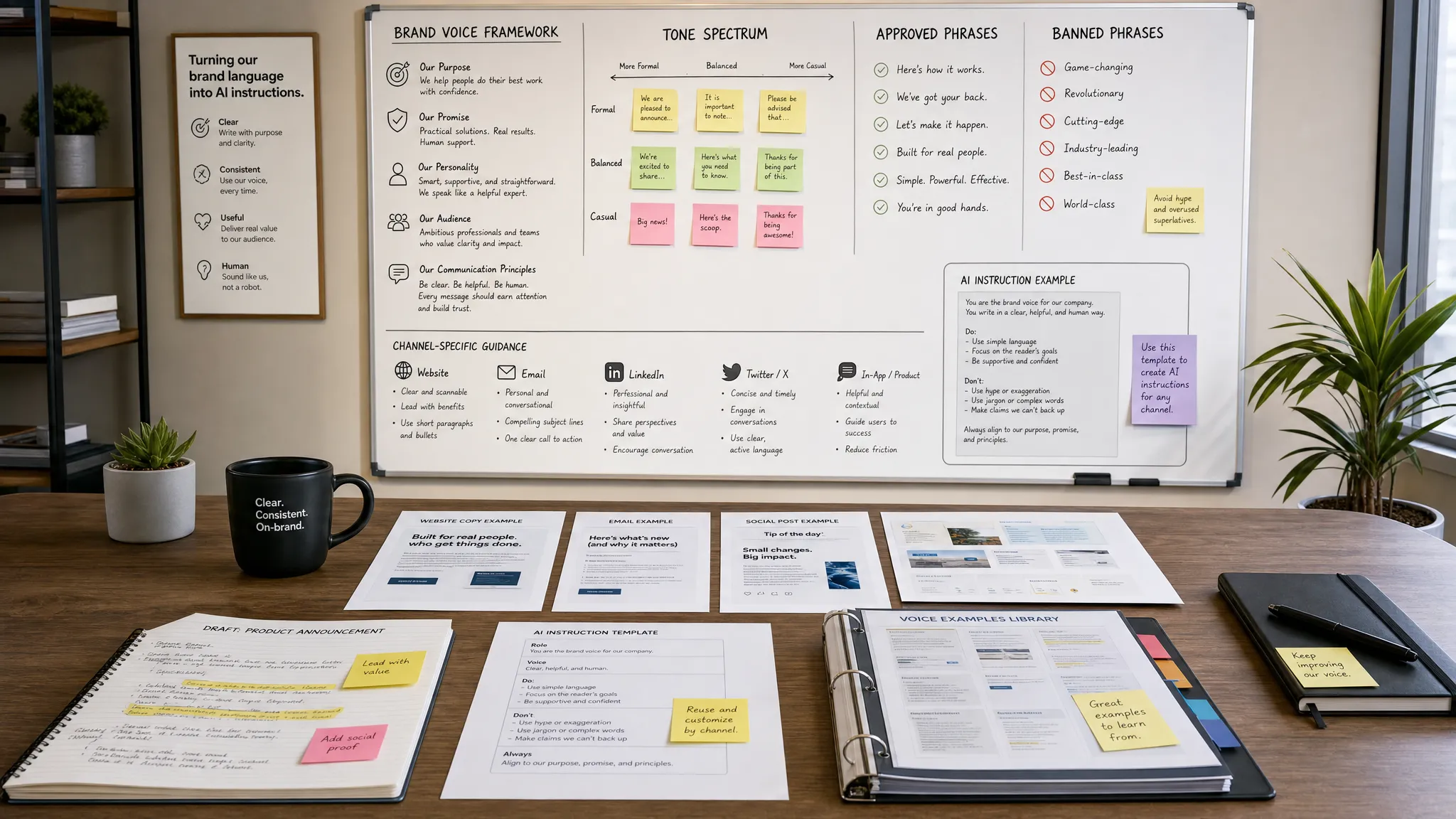
The final mistake is ignoring governance. Define approval standards, data rules, brand voice requirements and quality checks early. B2B buyers notice inflated claims and generic messaging, especially in complex categories.
What is AI marketing for B2B? AI marketing for B2B is the use of AI tools and automation to improve business-to-business marketing decisions across research, segmentation, content creation, campaign execution, sales enablement and revenue analytics.
How can AI help B2B marketers generate more pipeline? AI can help identify high-fit segments, summarize buyer pain points, create more relevant content, personalize follow-up, prioritize accounts and reveal which campaigns are connected to qualified opportunities.
Should B2B teams automate all marketing content with AI? No. AI can speed up briefs, drafts, repurposing and testing, but human review is essential for accuracy, differentiation, brand voice and claims that affect buyer trust.
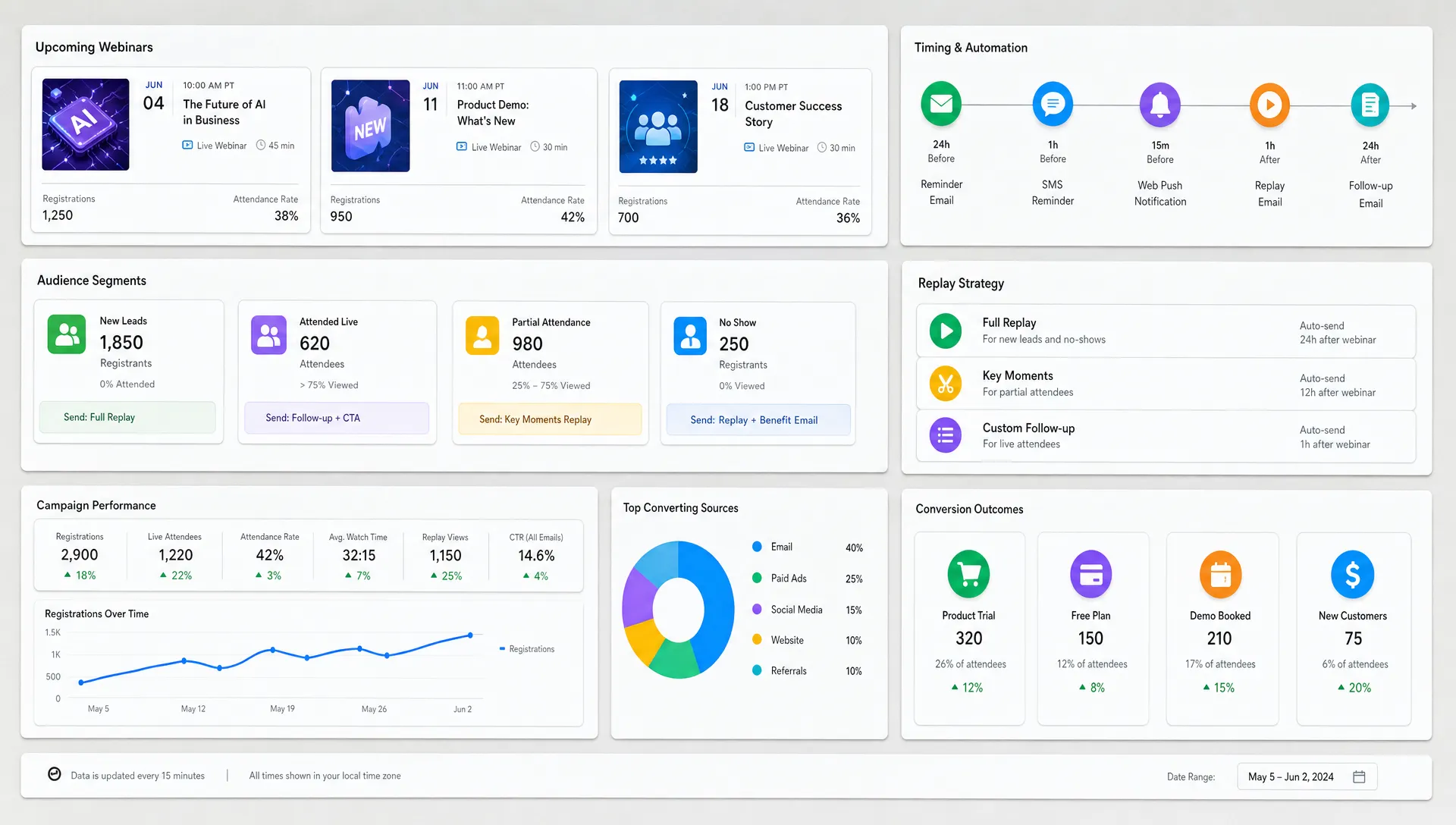
Which B2B marketing workflows should be automated first? Start with workflows tied to clear revenue moments, such as webinar follow-up, pricing-page engagement, demo requests, target account activity, sales handoff summaries and nurture paths for active buying stages.
How do you measure AI marketing success in B2B? Measure both efficiency and revenue impact. Useful signals include qualified pipeline, MQL to SQL rate, opportunity progression, sales cycle length, win rate, content influence and segment-level conversion quality.
AI marketing for B2B works when it connects buyer insight to revenue action. Use AI to learn faster, create with more precision, automate the right handoffs and measure what actually moves pipeline.
If your team wants practical tools, prompt resources, SEO support, AI content generation and industry-specific marketing guides, explore AIMarketer Hub and build a workflow that turns research into revenue with more discipline.