AI influencer marketing works best when AI speeds up research, pattern recognition and reporting, while marketers still make the final call on brand fit. The goal is not to find the creator with the biggest audience. It is to find the creator whose community, content style and commercial influence match the outcome you need.
For many teams, the hard part is no longer discovering creators. AI tools can surface hundreds of possible partners in minutes. The harder questions are more strategic: Which creators are credible? Which audiences are real? Which partnerships create measurable pipeline, sales or customer insight instead of temporary reach?
This guide gives you a practical workflow for vetting creators and measuring results without turning influencer marketing into a vanity metrics exercise.
Influencer marketing has matured beyond sponsored posts and follower counts. Creators now influence search behavior, product education, community trust and buying decisions across TikTok, Instagram, YouTube, LinkedIn, podcasts, newsletters and niche communities.
AI adds both opportunity and risk. It can help marketing teams analyze audience overlap, detect abnormal engagement patterns, summarize comment sentiment and compare creator content against brand guidelines. At the same time, AI-generated content, fake engagement and synthetic audience signals make shallow vetting less reliable.
A strong process protects three things:
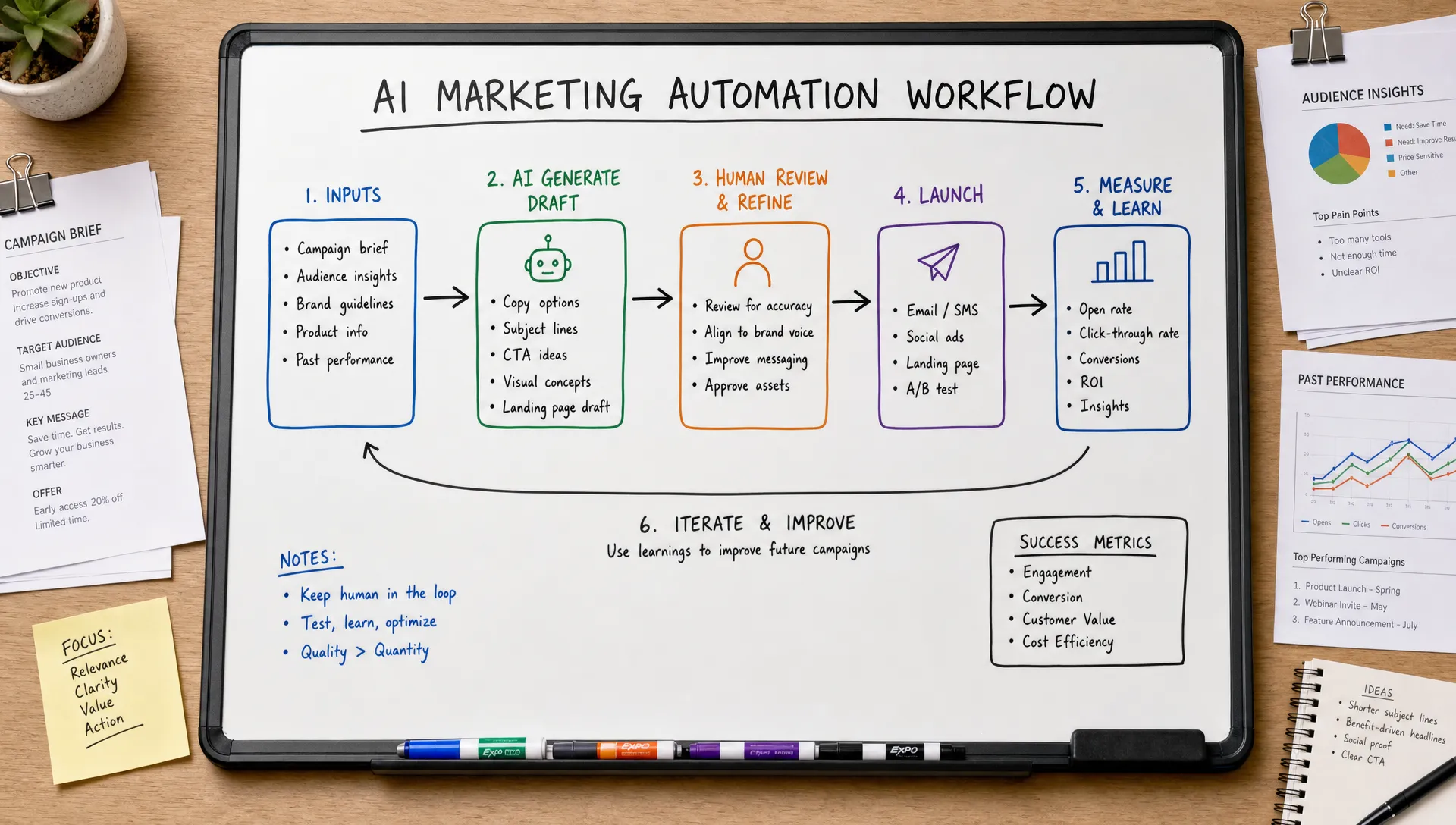
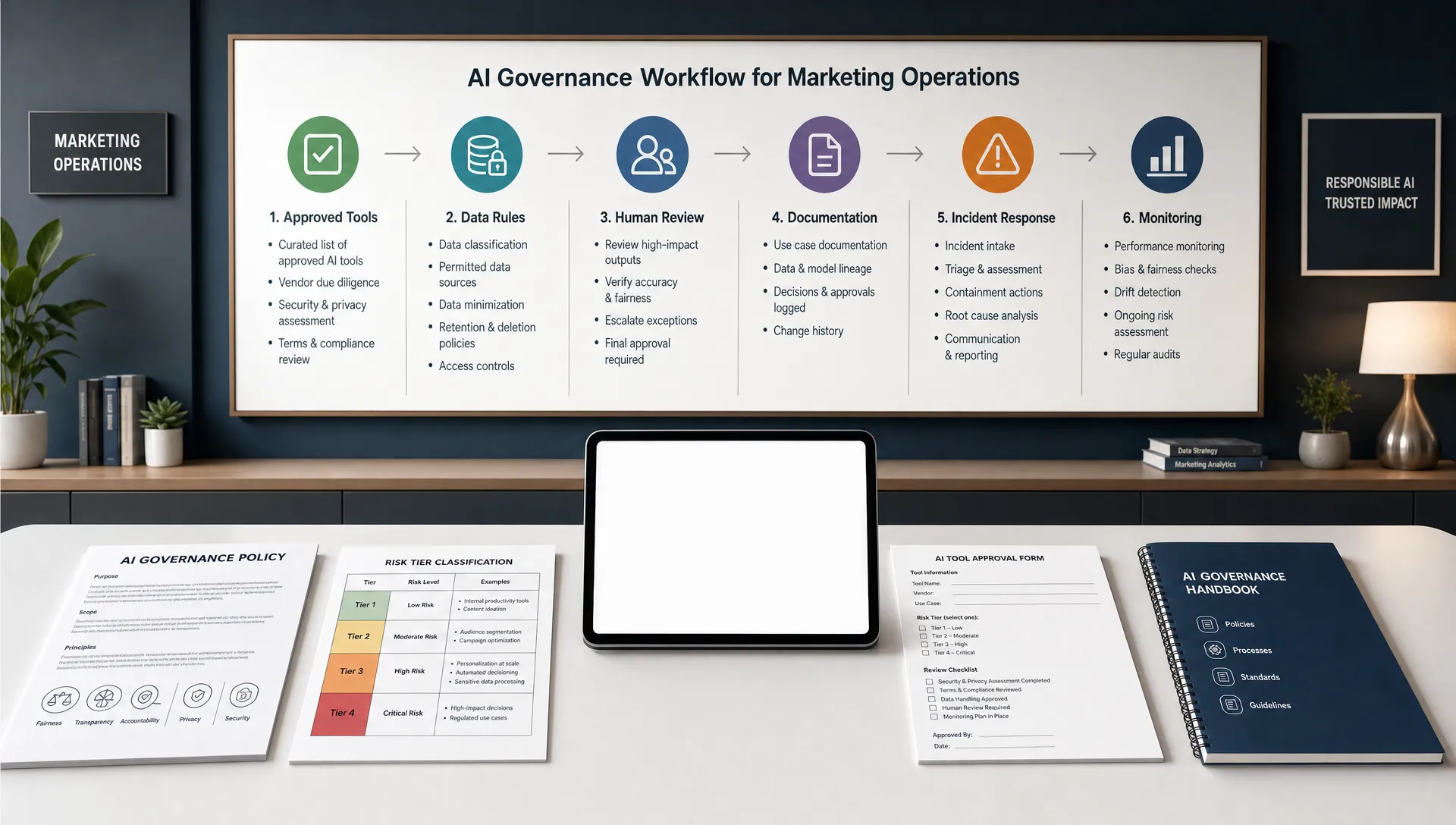
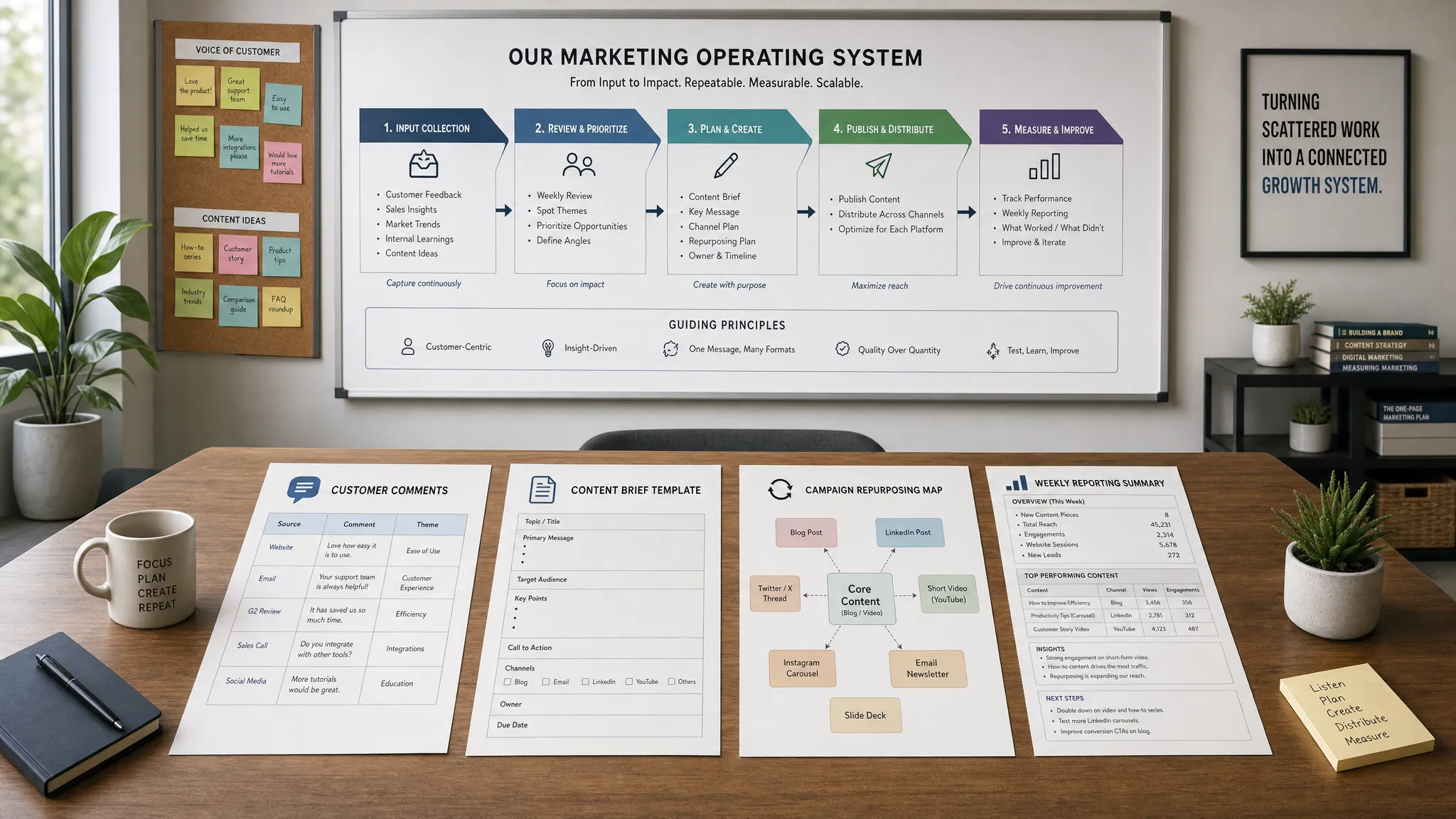
The best teams treat AI influencer marketing as a workflow, not a shortcut. AI narrows the field, highlights patterns and helps with reporting, but human review still determines whether the partnership makes strategic sense.
Creator selection becomes easier when the campaign objective is specific. A creator who is excellent for awareness may not be the right partner for product demos, lead generation or B2B pipeline influence.
Before you build a shortlist, define the campaign in operational terms:
This is where many campaigns fail. Teams approve creators based on aesthetics or follower size, then try to retrofit measurement later. Instead, campaign design should determine the kind of creator you need.
| Campaign goal | Best-fit creator profile | Primary metrics | Useful secondary metrics |
|---|---|---|---|
| Brand awareness | Broad reach, strong platform-native content | Reach, impressions, video views | Share rate, saves, branded search lift |
| Product education | Niche authority, tutorial strength | Watch time, completion rate, clicks | Comment quality, saves, FAQ themes |
| Lead generation | Audience with active buying intent | Form fills, booked calls, cost per lead | Landing page conversion rate, lead quality |
| Ecommerce sales | High trust, clear product use case | Revenue, orders, promo code usage | Average order value, repeat purchase rate |
| B2B pipeline influence | Industry expertise, executive or practitioner audience | Influenced opportunities, meetings, pipeline value | Account engagement, CRM source quality |
If you already use AI marketing automation across campaigns, align influencer activity with the same funnel definitions used in your paid, email and SEO programs. That makes performance easier to compare across channels.
AI influencer marketing can improve vetting by turning creator evaluation into a repeatable research process. Rather than relying on a media kit or a platform dashboard alone, you can use AI-powered analytics to compare multiple signals across audience, content, engagement and risk.
The key is to use AI as an assistant, not as the decision maker. A model can flag anomalies, summarize large volumes of content and group creators by topic, but it cannot fully understand your brand standards, sales cycle or customer nuance without human judgment.
Start by checking whether the creator’s audience matches your ideal customer profile. For B2C brands, that may include demographics, interests, geography and purchase behavior. For B2B brands, it may include job titles, industries, company size, seniority and problem awareness.
AI tools can help classify content themes and infer audience interests from comments, captions and engagement patterns. For example, a creator may appear to cover “marketing,” but their audience could be mostly entry-level content creators, startup founders or enterprise demand generation leaders. Those are very different audiences.
Look for signs of community relevance, not just reach. Valuable signals include thoughtful questions in comments, repeat engagement from recognizable accounts and audience language that matches the pain points your product solves.
Follower count is one of the weakest standalone metrics in creator vetting. A smaller creator with consistent, relevant engagement can outperform a larger creator whose audience is passive or mismatched.
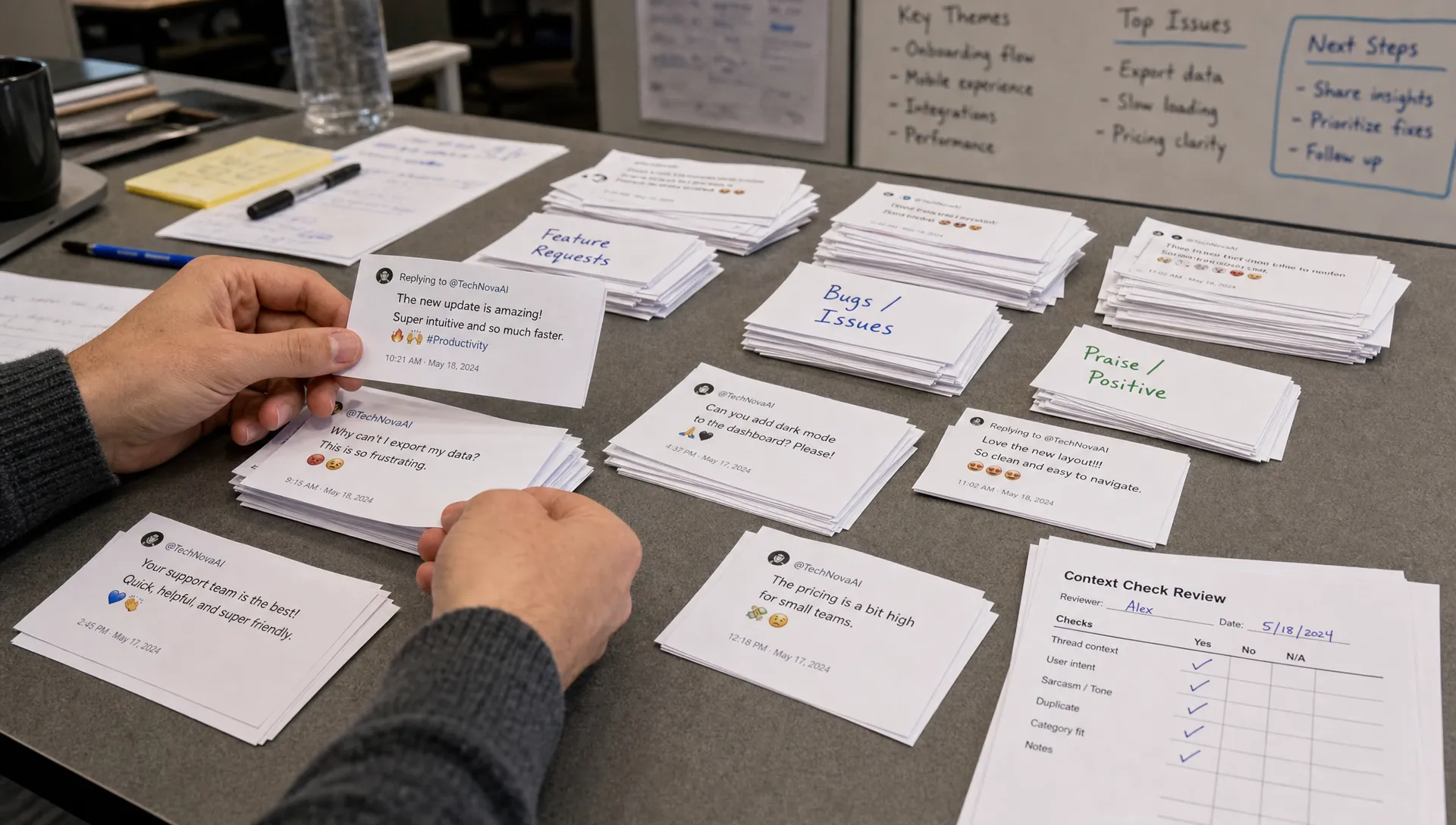
Review engagement quality at the post level. Are comments specific to the content, or are they generic reactions? Does engagement spike unnaturally on sponsored content? Is follower growth steady, or are there suspicious jumps? AI can help flag unusual patterns, but a manual comment review is still one of the fastest ways to assess trust.
For video platforms, compare views, watch patterns and engagement across multiple posts instead of judging one viral asset. Viral reach can be useful, but repeatable relevance is more valuable for most performance-focused campaigns.
A creator may have the right audience and still be wrong for your brand. Review tone, production style, claims, humor, visual language and past brand integrations. The best partnerships feel native to the creator’s channel while still communicating your message accurately.
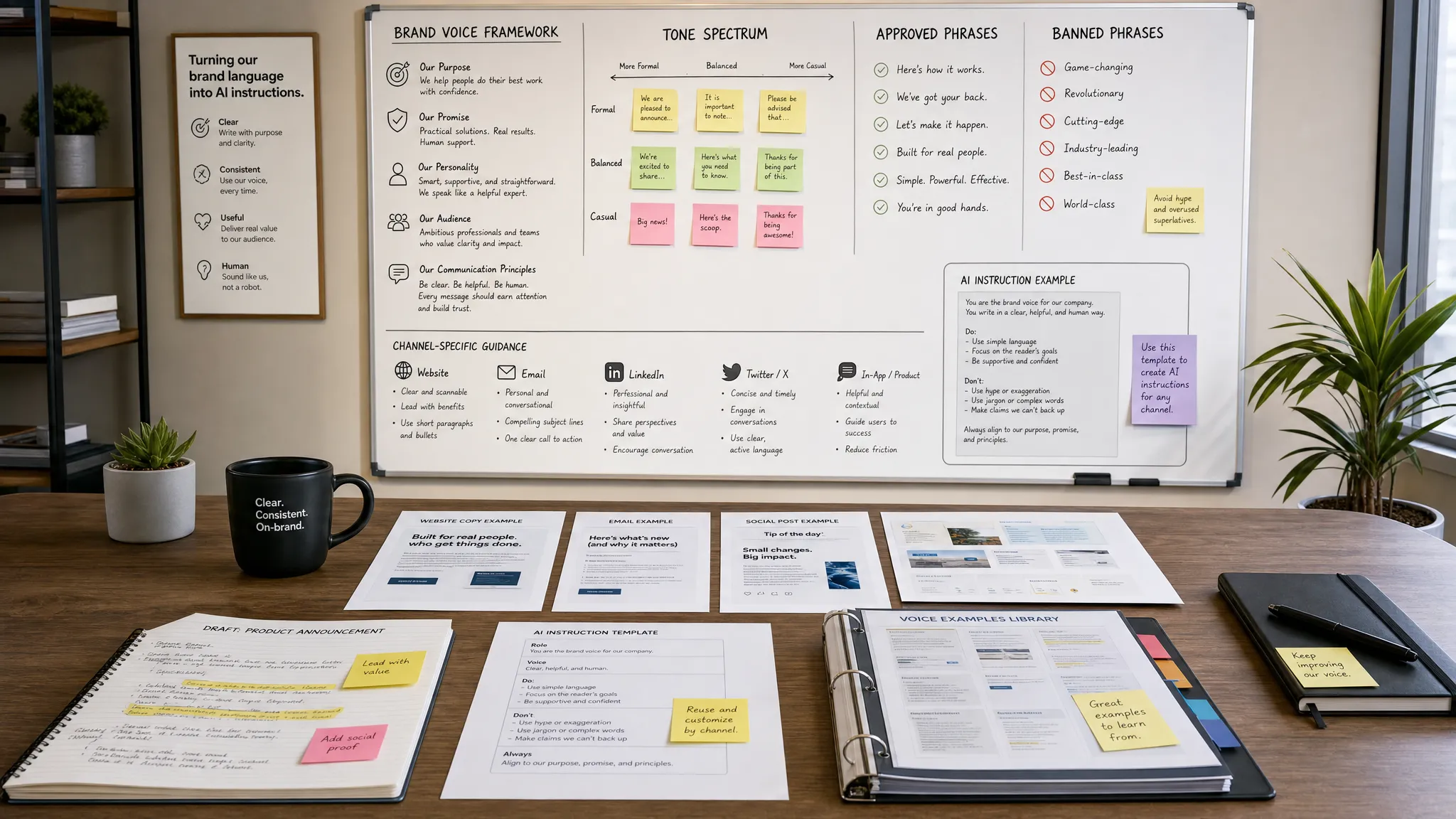
If your team uses AI content generation for briefs or talking points, add a human review step before anything reaches the creator. Creator content should not sound like a generic ad script. Give creators the strategic message, proof points and boundaries, then let them adapt the delivery to their audience.
This is especially important for regulated or trust-heavy sectors such as finance, legal, health, SaaS and professional services. Claims, disclosures and disclaimers need to be clear before the content is produced.
Creator vetting should include a review of prior controversies, offensive content, misleading claims, competitor conflicts and disclosure practices. In the United States, the Federal Trade Commission expects material connections between brands and endorsers to be disclosed clearly. Your contract and brief should make disclosure requirements explicit.
Brand safety is not only about avoiding obvious risk. It is also about making sure the creator can explain your offer responsibly. If a creator frequently overpromises results or uses exaggerated claims, performance may come at the cost of credibility.

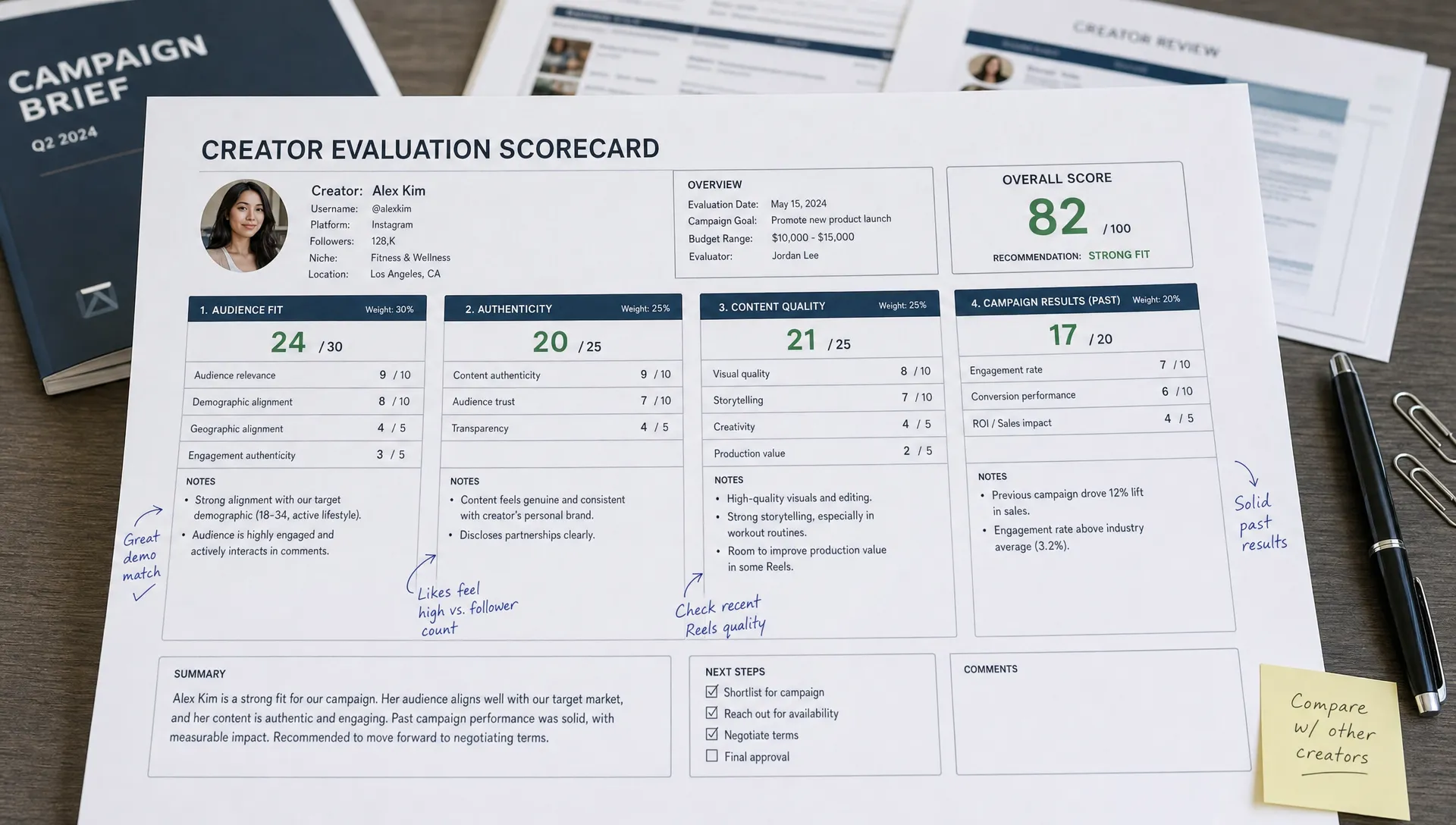
A scorecard keeps your team from overvaluing one attractive metric. It also makes creator selection easier to explain to stakeholders.
Use a simple 1 to 5 scoring system across criteria that match your campaign goal. You do not need a complex model at first. The value comes from documenting the same decision factors for every creator.
| Vetting category | What to review | Why it matters |
|---|---|---|
| Audience match | Demographics, interests, industry, geography | Confirms the creator reaches people you actually want |
| Engagement quality | Comment depth, save rate, shares, watch time | Shows whether the audience pays attention and responds |
| Content fit | Format, tone, storytelling, production style | Predicts whether the campaign will feel native |
| Commercial history | Past sponsored posts, competitor work, conversion proof | Reveals whether the creator can support business goals |
| Risk profile | Disclosure habits, claims, controversy, brand safety | Reduces reputational and compliance risk |
| Operational reliability | Response time, deadlines, reporting, revision process | Prevents delays and unclear deliverables |
For higher-budget campaigns, add a calibration meeting before approval. Have marketing, legal, product and sales review the top candidates against the same scorecard. This helps avoid a common problem: one team loves the creator’s style while another team sees messaging or compliance risk.
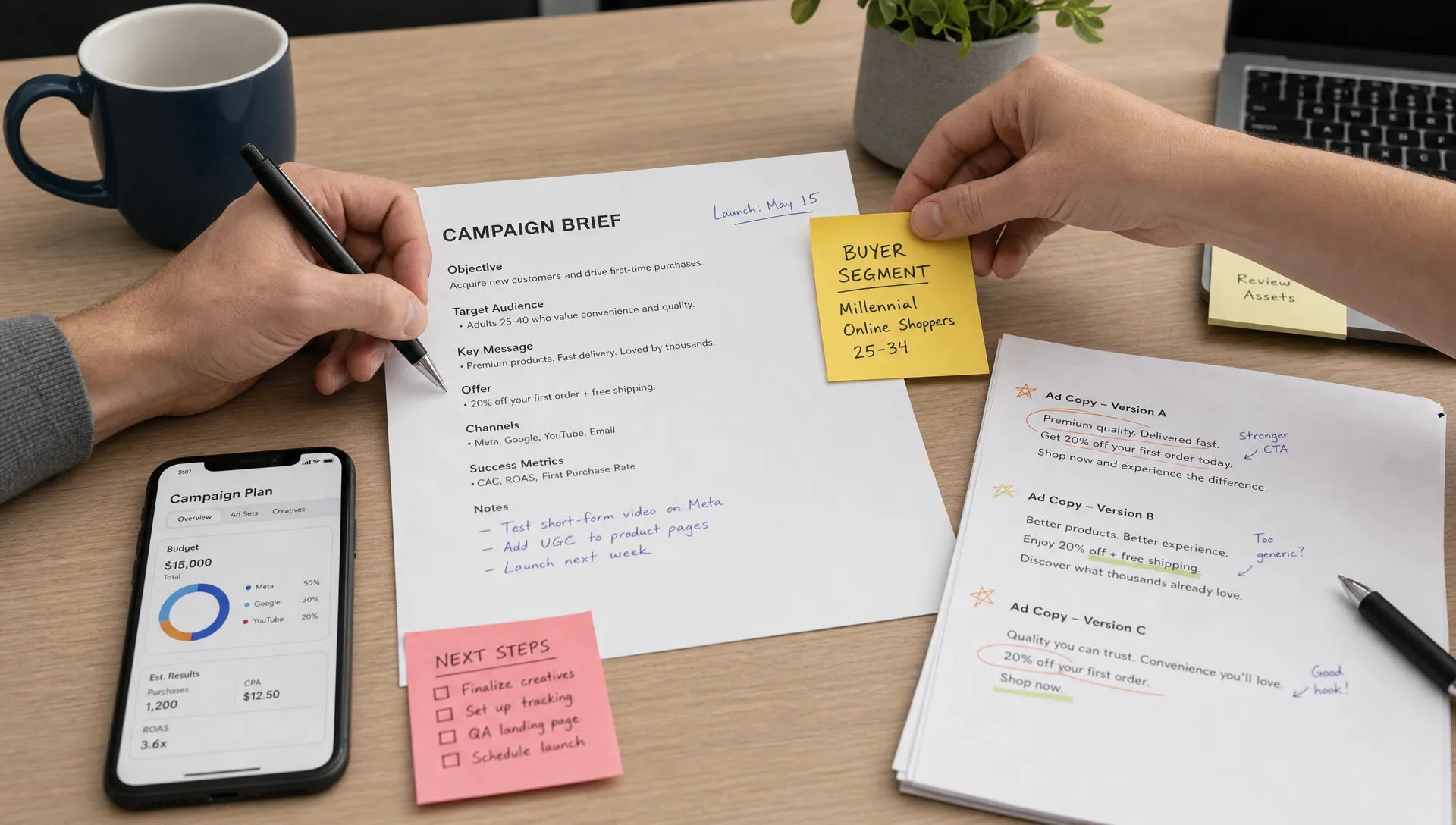
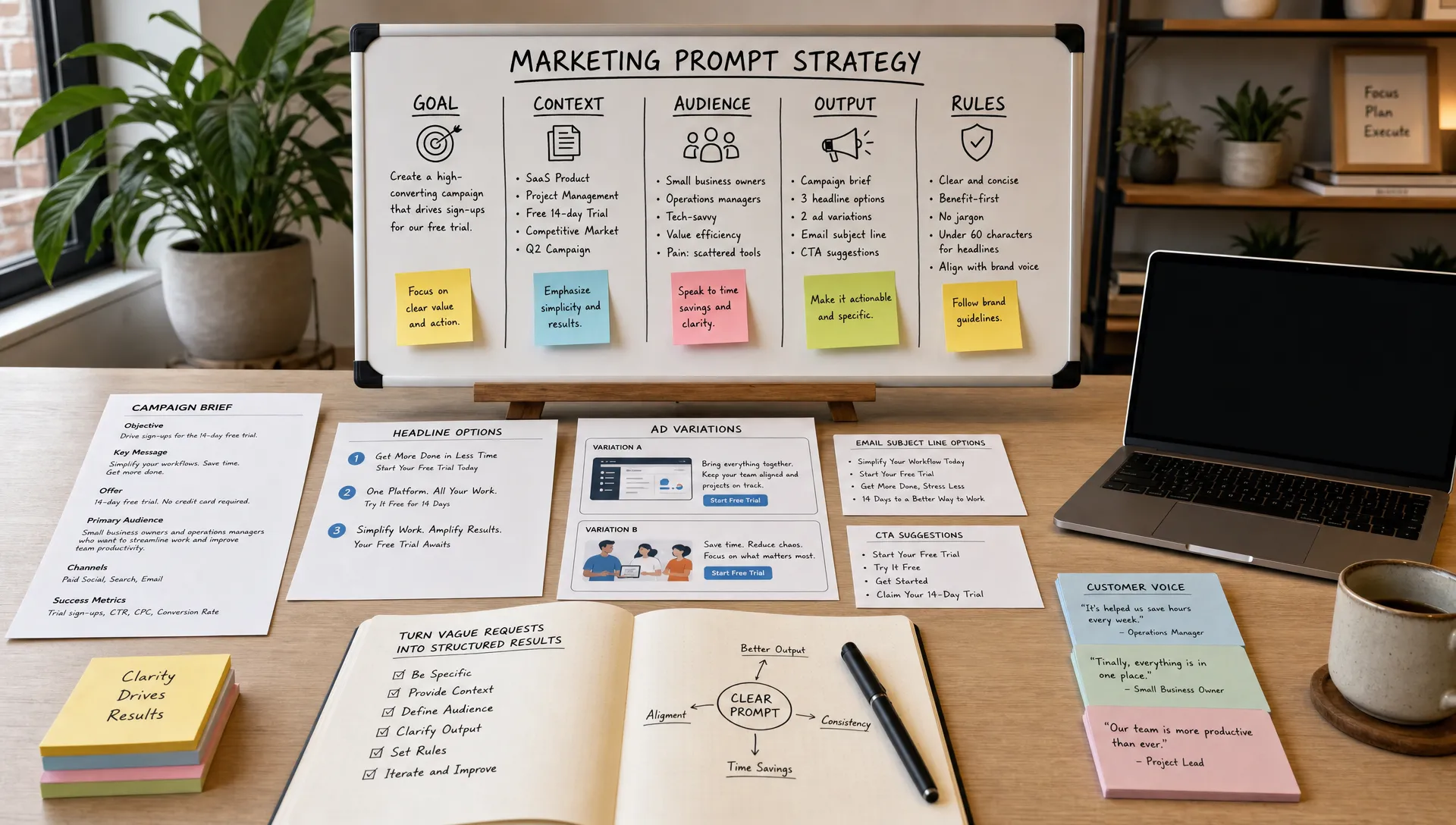
Once you choose a creator, the brief should be specific enough to protect the campaign but flexible enough to preserve the creator’s voice. Overcontrolled briefs often produce content that looks like an ad and performs like one.
A practical brief should cover:
Contracts should also define revision windows, payment terms, exclusivity, cancellation rules and content ownership. If you plan to use creator assets in paid ads, emails or landing pages, secure those rights before launch.
For lead generation and B2B campaigns, confirm where leads go after a creator drives the first action. Influencer campaigns often underperform in reporting because the handoff between landing page, CRM and sales team is vague. If you are still defining that operational layer, this guide to CRM features small businesses should expect is a useful reference point for thinking through pipeline, tasks, reporting and automation requirements.
Measurement should begin before the first post goes live. At minimum, every campaign needs a tracking plan, a baseline and a reporting cadence.
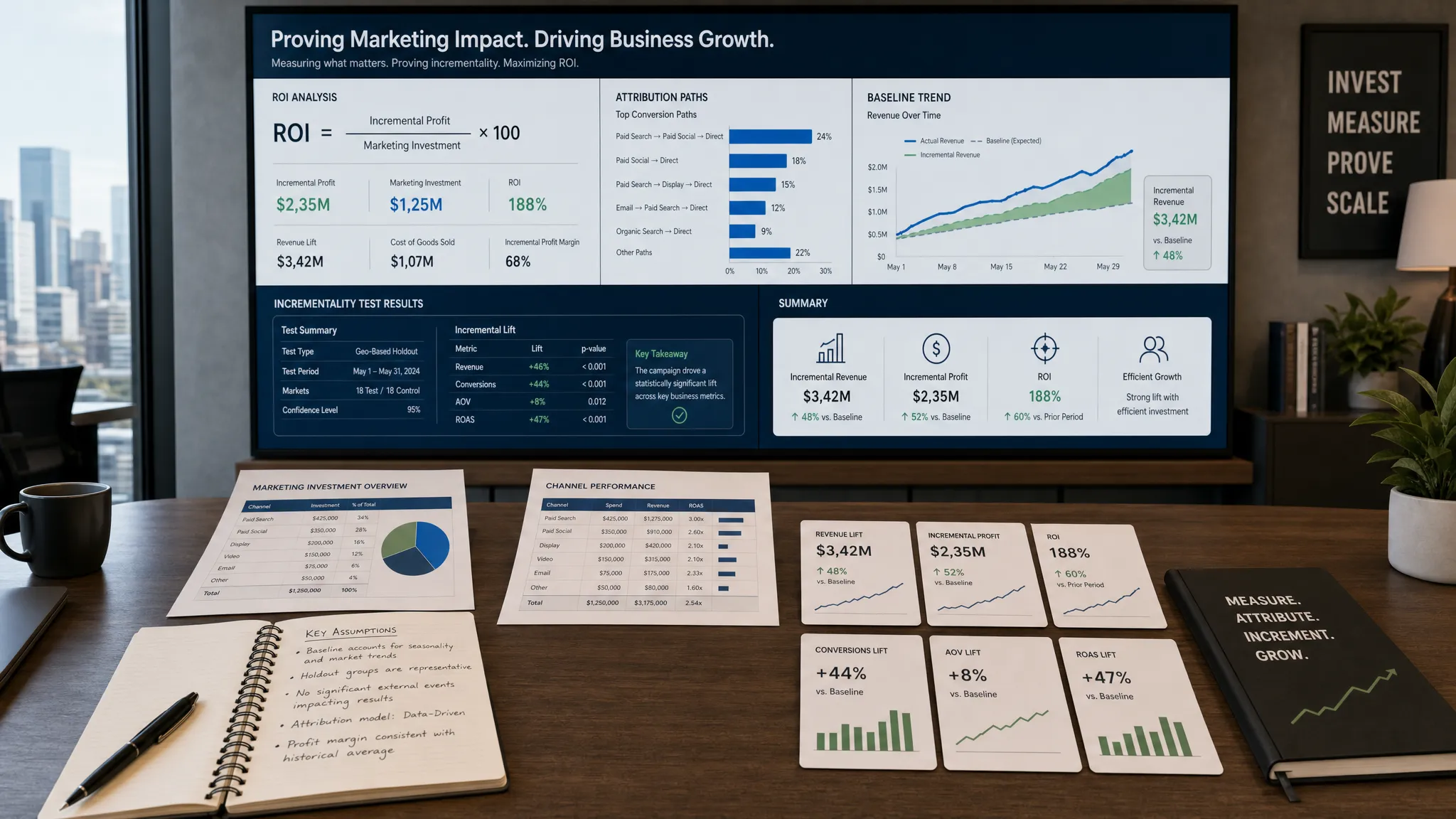
Use platform analytics for content performance, but do not stop there. Reach and engagement tell you whether people noticed the content. They do not tell you whether the campaign created business value.
A stronger measurement setup can include:
If you need a broader framework for connecting AI investments to business results, AIMarketer Hub’s guide on how to measure AI marketing ROI step by step can help you define baselines, costs and attribution logic.
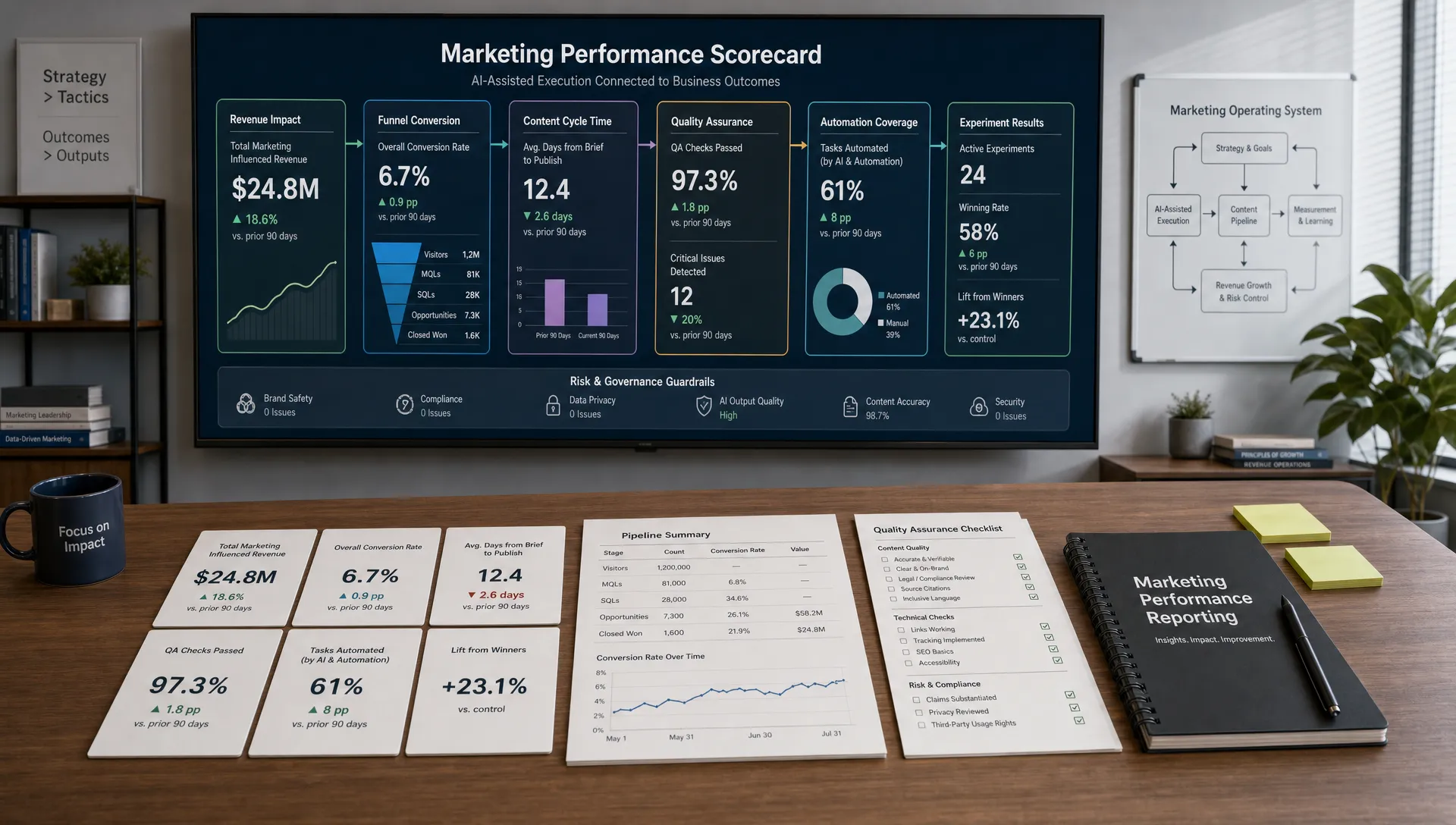
For influencer campaigns, use a funnel-based scorecard rather than one blended report.
| Funnel stage | What to measure | What it tells you |
|---|---|---|
| Awareness | Reach, impressions, video views, audience growth | Whether the creator expanded exposure |
| Engagement | Comments, shares, saves, watch time, click-through rate | Whether the content created interest |
| Conversion | Leads, trials, sales, bookings, revenue | Whether the campaign drove action |
| Quality | Lead score, close rate, refund rate, repeat purchase | Whether the action was valuable |
| Learning | Winning angles, objections, FAQs, audience language | What to improve in future campaigns |
This approach prevents one metric from dominating the story. A creator may generate modest reach but excellent sales quality. Another may produce huge engagement with little buying intent. Both outcomes matter, but they answer different questions.
Influencer attribution is useful, but it is rarely complete. People may see a creator’s video, search your brand later, click a paid search ad, visit your website from another device or buy weeks after the first exposure.
That does not mean measurement is impossible. It means you need multiple signals.
Direct attribution includes UTM clicks, codes, affiliate links and tracked conversions. Assisted attribution includes branded search lift, direct traffic changes, social mentions, post-purchase survey responses and CRM notes from sales conversations. Qualitative evidence includes comment themes, objections and customer language your team can reuse in digital marketing strategies.
For larger campaigns, consider simple incrementality checks. Compare regions, audience segments or time periods where creator activity was active against similar baselines. You may not get laboratory precision, but you can avoid crediting every sale to the last click.
The post-campaign review should answer more than “did it work?” It should explain which creators, messages and formats deserve another investment.
Review performance at three levels. First, compare creators against the original objective. Second, compare individual content formats, such as short video, carousel, livestream, newsletter placement or long-form review. Third, compare message angles. You may find that one pain point drives comments while another drives conversions.
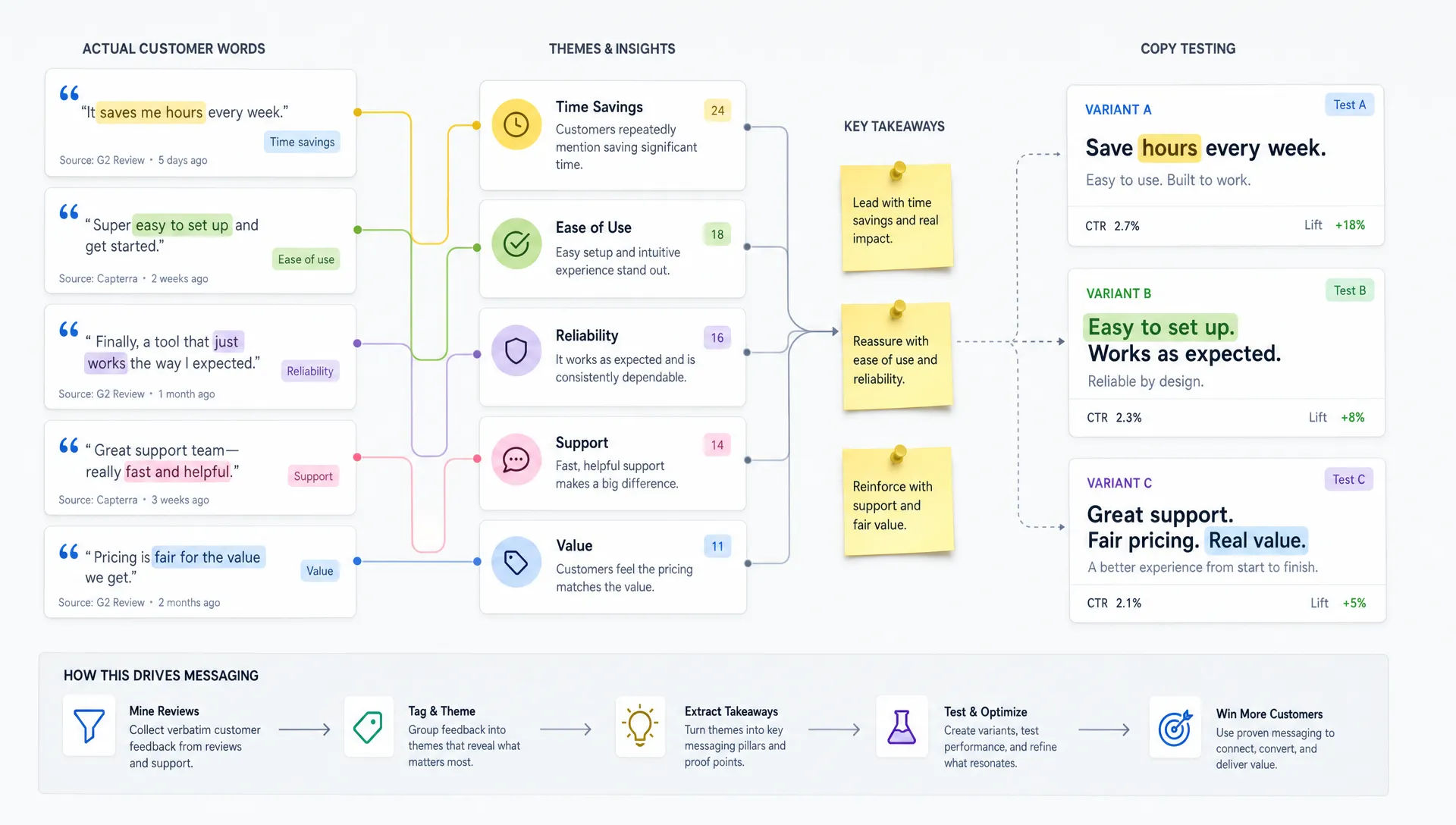
AI tools can speed up this analysis by clustering comments, summarizing objections, identifying top-performing hooks and comparing creative patterns. For example, AI may reveal that tutorial-style posts created fewer clicks but higher lead quality, while humorous posts drove reach without conversion.
This is also where workflow automation can help. Standardize post-campaign reporting templates, feed learnings into your prompt library and update your creator scorecard based on observed performance. For broader measurement discipline, use a consistent set of AI marketing metrics every team should track so influencer activity can be compared with other channels.
The most expensive influencer mistakes usually come from weak planning rather than bad creators.
One common mistake is choosing creators before defining the offer. Even a strong creator cannot fix a weak landing page, unclear call to action or poor audience fit. Another is treating engagement rate as a universal truth. Engagement norms vary by platform, niche and format, so compare creators within the right context.
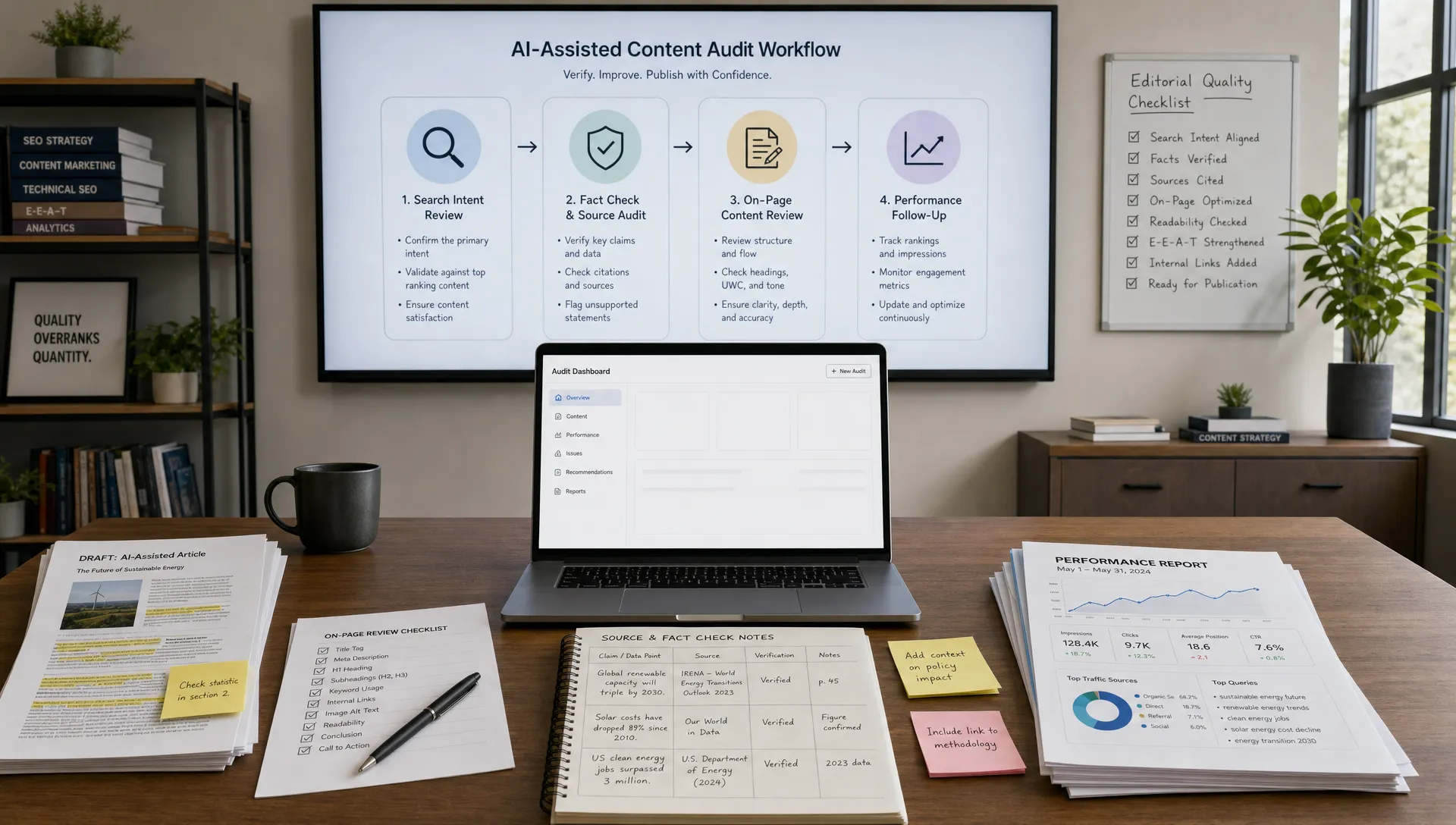
Teams also underinvest in content review. AI can draft briefs, summarize creator history and help with brand checks, but final content still needs human quality control. If your campaign uses AI-assisted scripts, captions or landing page copy, apply the same review standards you would use for owned content. AIMarketer Hub’s AI content quality control checklist is a practical companion for that step.
Finally, do not judge every creator on the first post alone. Some partnerships improve after the creator understands the product, the audience sees repeated exposure and your team refines the offer. Test small, measure carefully and scale what proves itself.
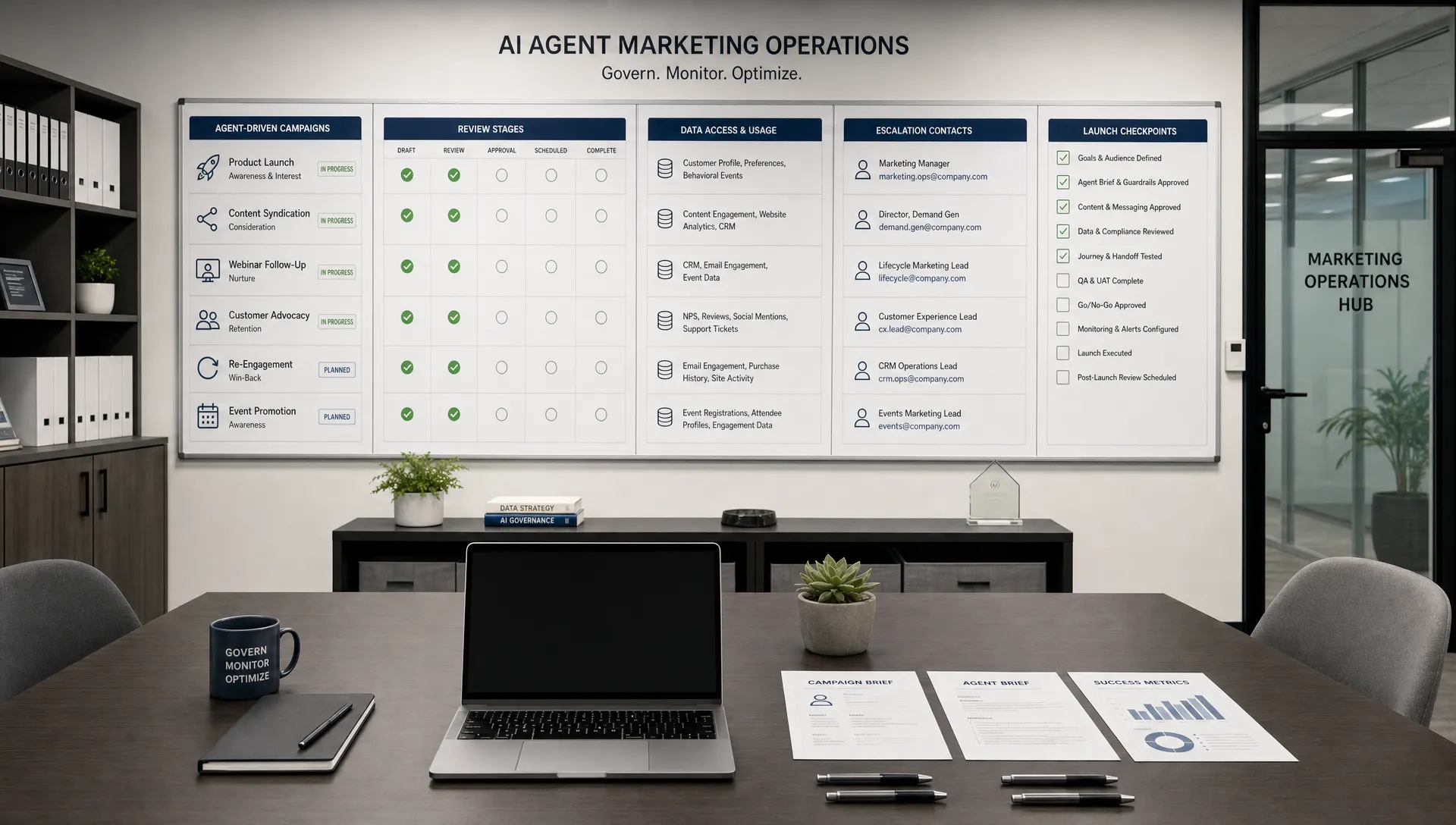
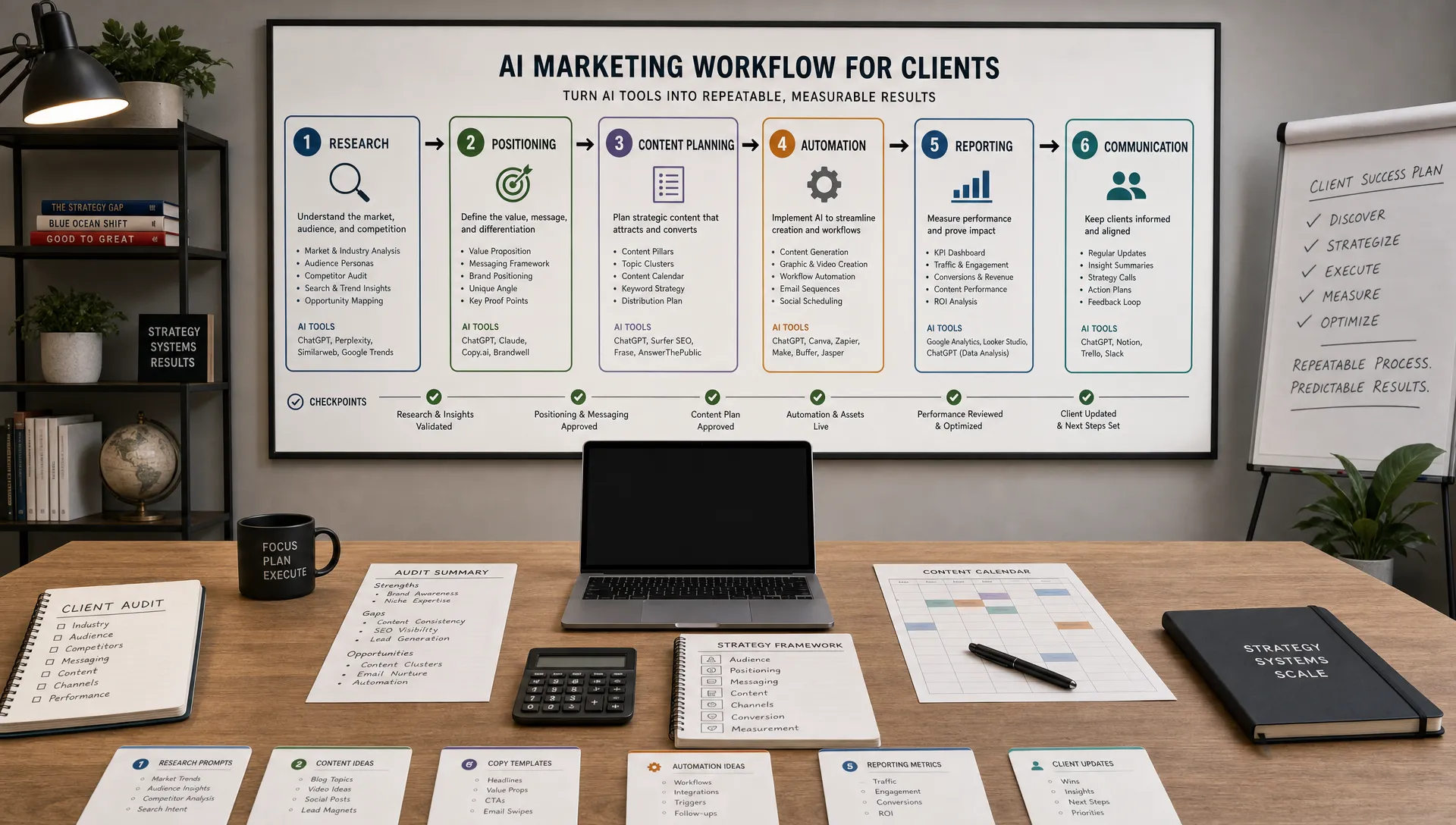
Use this sequence when building your next AI influencer marketing campaign:
This workflow keeps AI in the right role. It accelerates the work that machines handle well, while preserving the strategic judgment that strong marketing still requires.
What is AI influencer marketing? AI influencer marketing uses AI tools to support creator discovery, audience analysis, content review, campaign tracking and performance reporting. It does not replace the creator relationship or the marketer’s responsibility to judge brand fit.
How can AI help identify fake influencers? AI can flag unusual follower growth, low-quality engagement, repetitive comments, suspicious audience geography and inconsistent performance patterns. These signals should be reviewed manually before rejecting or approving a creator.
Which metrics matter most for influencer campaigns? The best metrics depend on the goal. Awareness campaigns may focus on reach and watch time, while sales campaigns should track revenue, conversion rate, average order value and customer quality. B2B campaigns often need CRM-based pipeline and lead quality metrics.
Do small businesses need AI tools for influencer marketing? Small businesses can run creator campaigns manually, but AI tools help reduce research time, compare creators more consistently and summarize performance data. The biggest priority is still a clear offer, reliable tracking and a creator whose audience matches the customer.
How many creators should you test first? Start with a small group of creators across one or two audience segments. This gives you enough variation to learn without spreading the budget too thin. Once you identify strong creator, format and message combinations, scale gradually.
AI influencer marketing becomes more valuable when it is connected to the rest of your marketing system. Creator discovery, content briefs, tracking links, landing pages, CRM data and post-campaign reporting should all support the same business goal.
AIMarketer Hub helps marketers build more practical AI workflows with guides, SEO tools, prompt resources, calculators and automation-focused content. Use these resources to plan campaigns with stronger inputs, cleaner measurement and clearer decisions about what to scale next.