AI hallucinations in marketing are not just awkward mistakes in a draft. They are confident, false outputs that can slip into ads, landing pages, emails, sales enablement, reports and social posts if your team treats AI tools like autopilot instead of an assistant that needs controls.
The risk grows as AI marketing automation becomes part of everyday content creation. A model can invent a statistic, misread a product detail, cite a source that does not support the claim or create a message that sounds polished but violates brand, legal or compliance rules. The fix is not to stop using AI. The fix is to build a workflow that makes false claims hard to publish.
The NIST AI Risk Management Framework organizes AI risk work around governance, mapping, measuring and managing risks. Marketing teams can use the same logic in a practical way: decide what AI is allowed to do, connect outputs to approved sources, review risky claims and track errors over time.
An AI hallucination is a generated output that is not grounded in reliable evidence. In marketing, the problem is often subtle because the copy sounds natural. A headline, product blurb or competitor comparison may be fluent enough to pass a quick read but still be wrong.
Common examples include made-up customer quotes, unsupported performance claims, fake award mentions, inaccurate product specifications, imaginary integrations, outdated pricing, misattributed research and invented legal language. AI-powered analytics summaries can also hallucinate if they turn incomplete data into confident explanations that the numbers do not support.
| Hallucination type | How it appears in marketing | Why it is costly | First control to add |
|---|---|---|---|
| Product detail error | Wrong feature, dimension, plan limit or compatibility claim | Refunds, lost trust and sales friction | Verify against the product source of record |
| Unsupported claim | Best, fastest, guaranteed or proven without evidence | Legal review issues and ad rejection | Require substantiation before publication |
| Fake source | Nonexistent report, broken citation or misquoted research | Damaged credibility and SEO quality problems | Check every citation manually |
| Brand inconsistency | Off-tone promise, risky joke or wrong value proposition | Brand safety exposure | Review against brand guidelines |
| Data misread | Incorrect summary of CAC, ROAS, conversion or cohort data | Bad budget and strategy decisions | Compare AI output with the source dashboard |
Marketing moves fast. Teams are expected to publish across SEO, paid media, email, social, partner enablement and sales content without slowing down campaigns. AI tools help with speed, but speed also reduces the time people spend verifying claims.
The second issue is fragmented knowledge. Product details may live in a sales deck, a help center, a pricing page, a spreadsheet and a Slack thread. If the AI tool is not connected to the right source, it may fill gaps with plausible language.
The third issue is incentive. A marketer asking for stronger copy often gets more confident copy. Without guardrails, the model may turn a careful statement into a risky one because persuasive language tends to sound more specific than cautious language.
The cost of a hallucination depends on where it appears. A wrong sentence in an internal brainstorm is low risk. The same sentence in a paid ad, pricing page or investor-facing report can become expensive.
For example, if a campaign promotes a specialized product category such as shipping containers for sale, the AI draft should not invent container grades, delivery details, warranty terms or modification options. Those details need to come from the business and its approved materials, not from a model filling in what usually appears in that industry.
The FTC holds advertisers responsible for truthful, non-misleading claims, including claims made online. Its guidance on advertising and marketing on the internet is a useful reminder that AI does not remove accountability from the company publishing the message.
Legal risk is the obvious concern, but it is not the only one. Hallucinations can waste media spend when ad copy promises the wrong thing, inflate customer expectations before a demo or send sales teams into calls with inaccurate talk tracks.
SEO can suffer too. Google has stated that automation is not inherently against its policies, but content created primarily to manipulate rankings or content that lacks helpfulness can violate spam policies. Its guidance on AI-generated content and search reinforces the need for useful, accurate and people-first content.
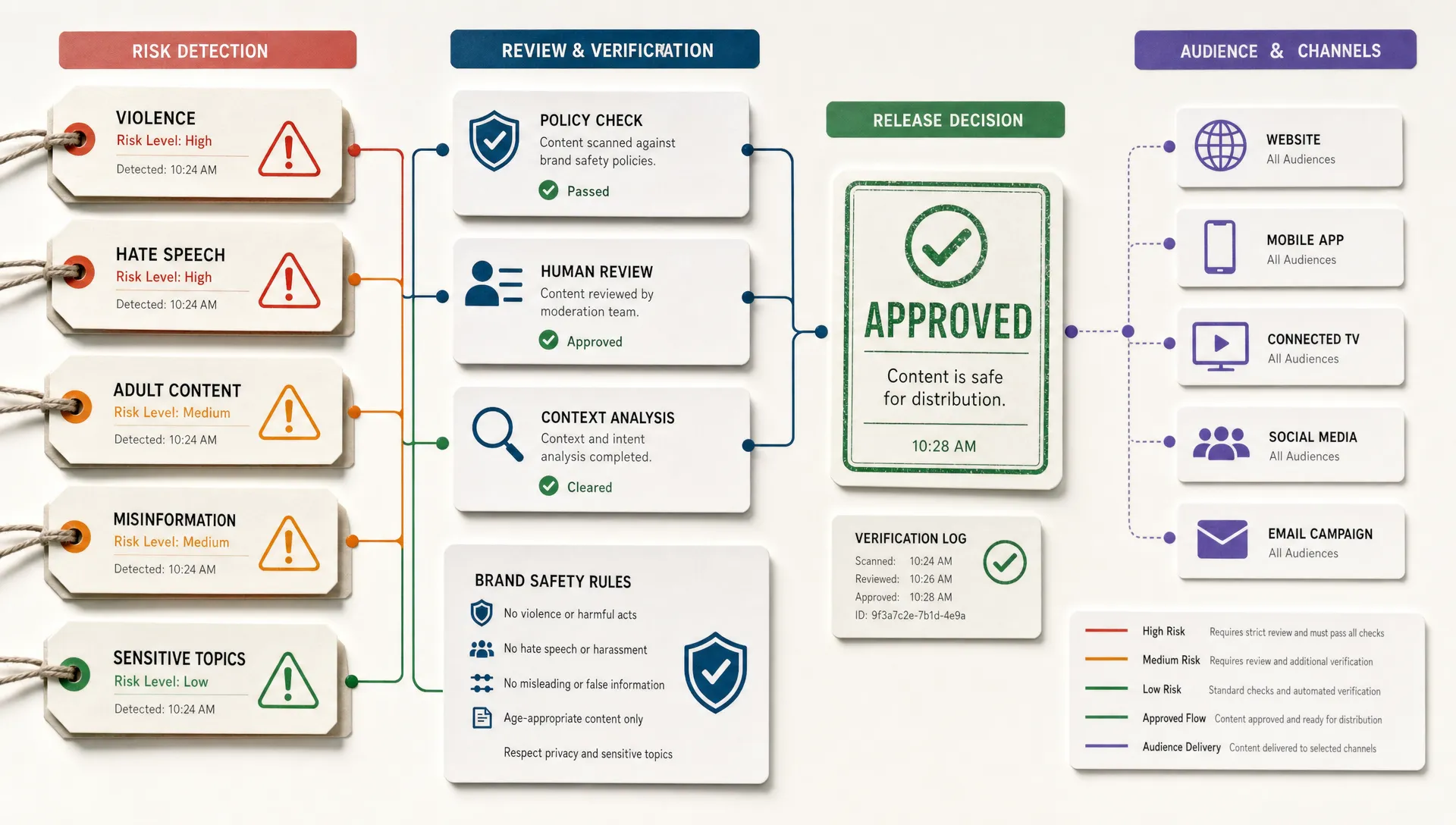
For a broader view of how hallucinated claims overlap with tone, reputation and media context, AIMarketer Hub also covers AI brand safety risks marketers need to manage.
Many teams try to solve AI hallucinations with better proofreading. Proofreading helps, but it happens too late. The better approach is to reduce the chance of a hallucination before the first draft is generated.
Start by deciding which sources are authoritative. For a SaaS company, that may include the live pricing page, product documentation, release notes, security documentation, approved customer stories and legal disclaimers. For a regulated business, approved compliance language may outrank almost everything else.
A useful source hierarchy answers a simple question: if two documents conflict, which one wins? Without that hierarchy, an AI-assisted workflow can recycle outdated material because it was included in a prompt, a draft or a file upload.
Create a small table for your team that identifies the owner, update cadence and allowed use for each source. This turns content review from opinion into verification.
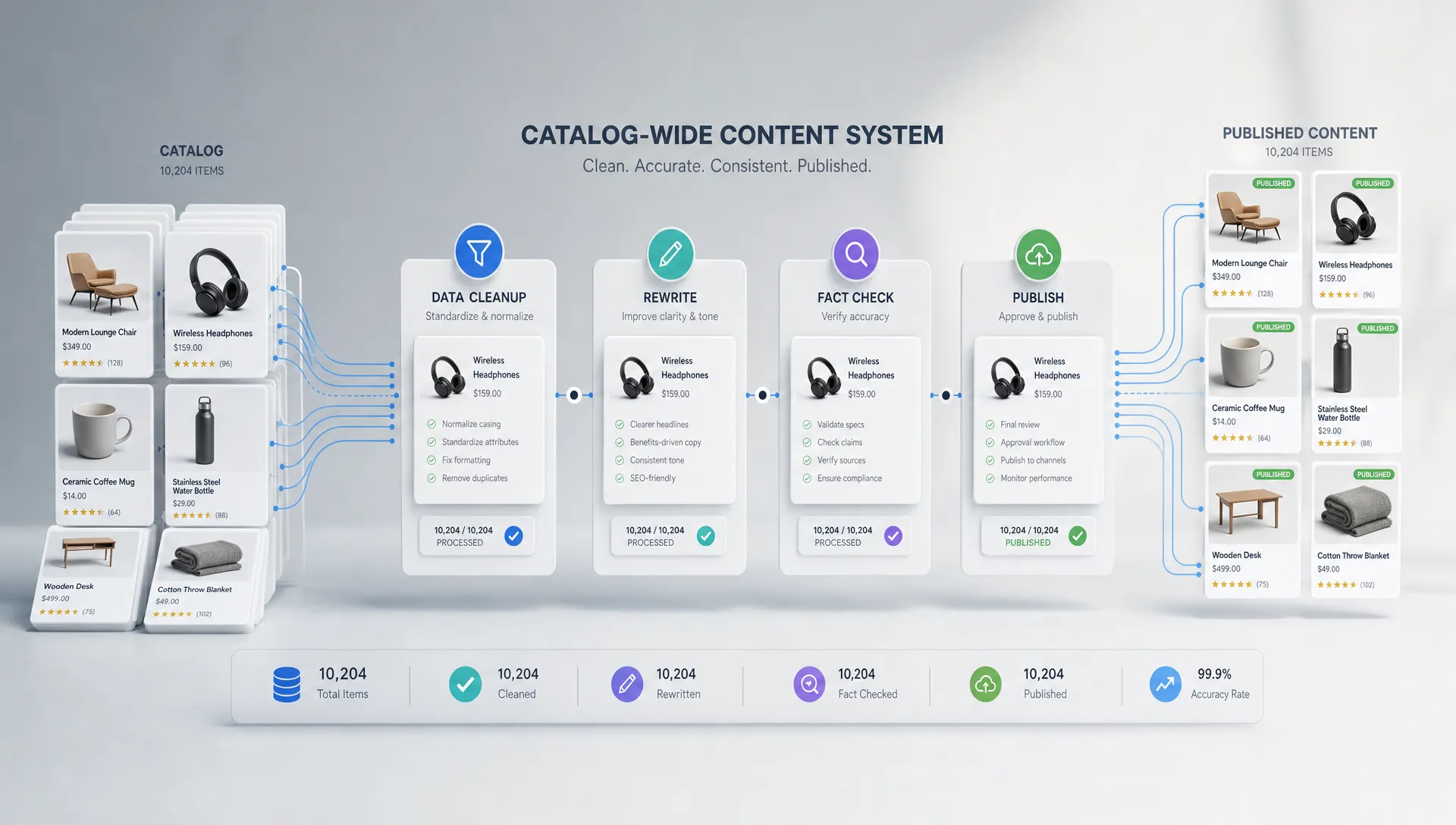
AI is more reliable when it works from approved materials. That may mean pasting source excerpts into a prompt, using a document-grounded AI tool or building a retrieval-augmented generation workflow for larger content operations.
Do not ask for a final landing page from memory if the content depends on pricing, product limits, technical details, compliance language or customer results. Ask the AI to extract claims from approved material first, then draft from those claims.
The practical rule is simple: the higher the business risk, the less creative freedom the model should have with facts.
A safer prompt gives the AI permission to say that the source material does not contain an answer. This feels slower at first, but it prevents the model from covering gaps with confident fiction.
Task: Draft a landing page section using only the approved source material below.
Rules: Do not add features, statistics, customer names, pricing, guarantees or compliance claims unless they appear in the source.
If a needed detail is missing, write: Not available in the provided materials.
Output: Include a claims table after the draft with each factual claim and the source sentence that supports it.
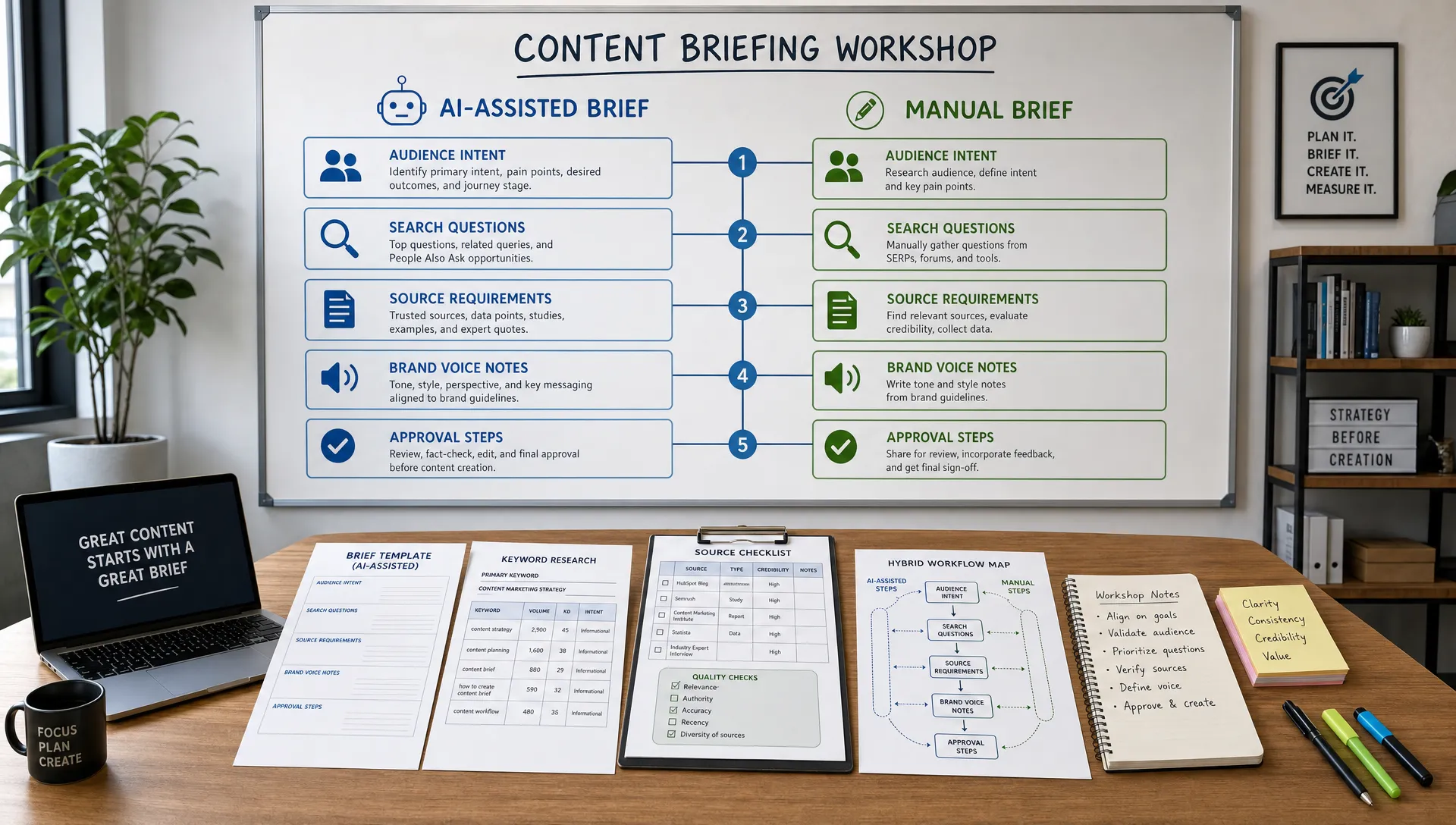
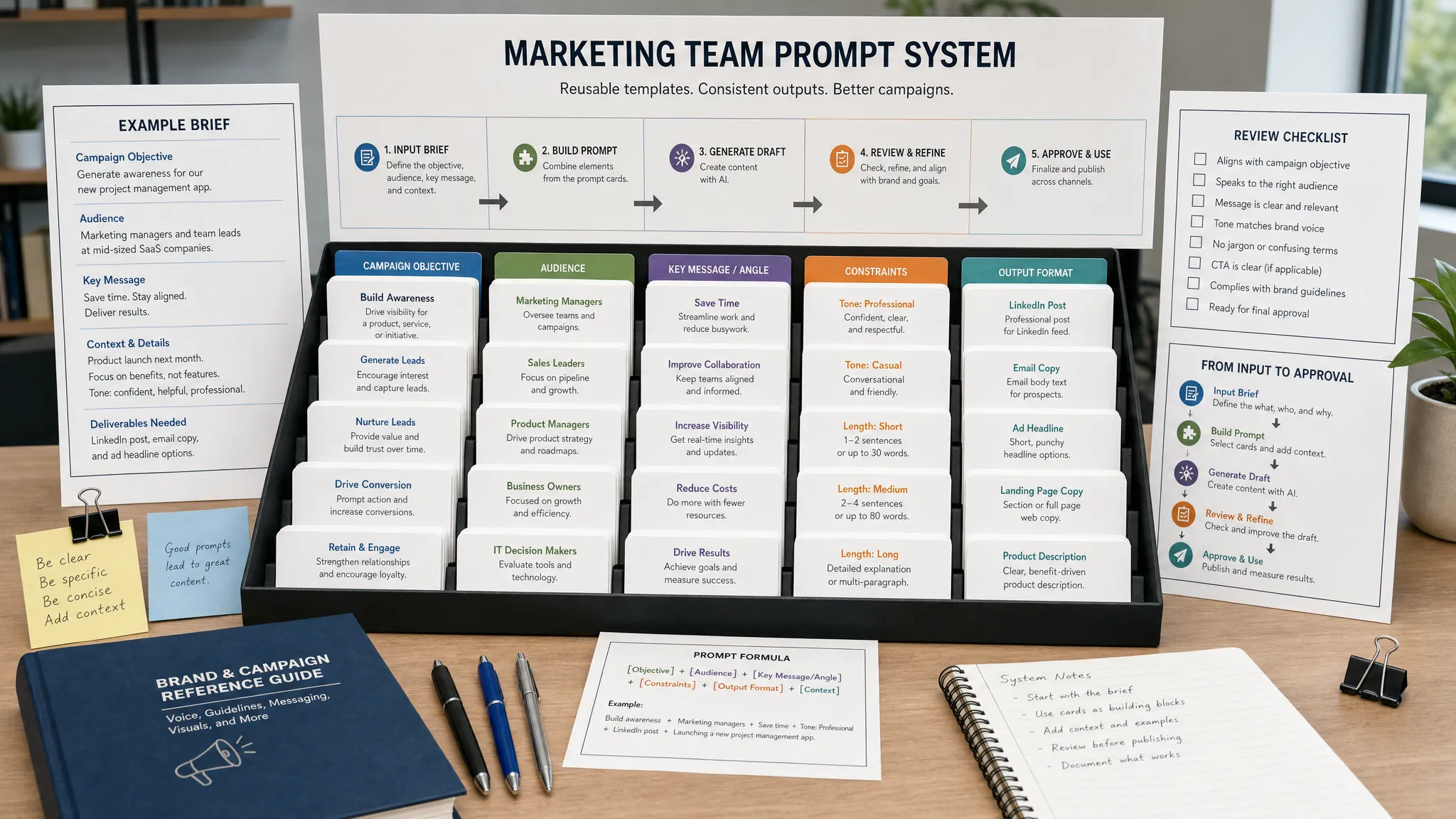
If your team is standardizing briefs, reusable prompt templates for marketing teams can make these rules consistent across writers, channel owners and freelancers.
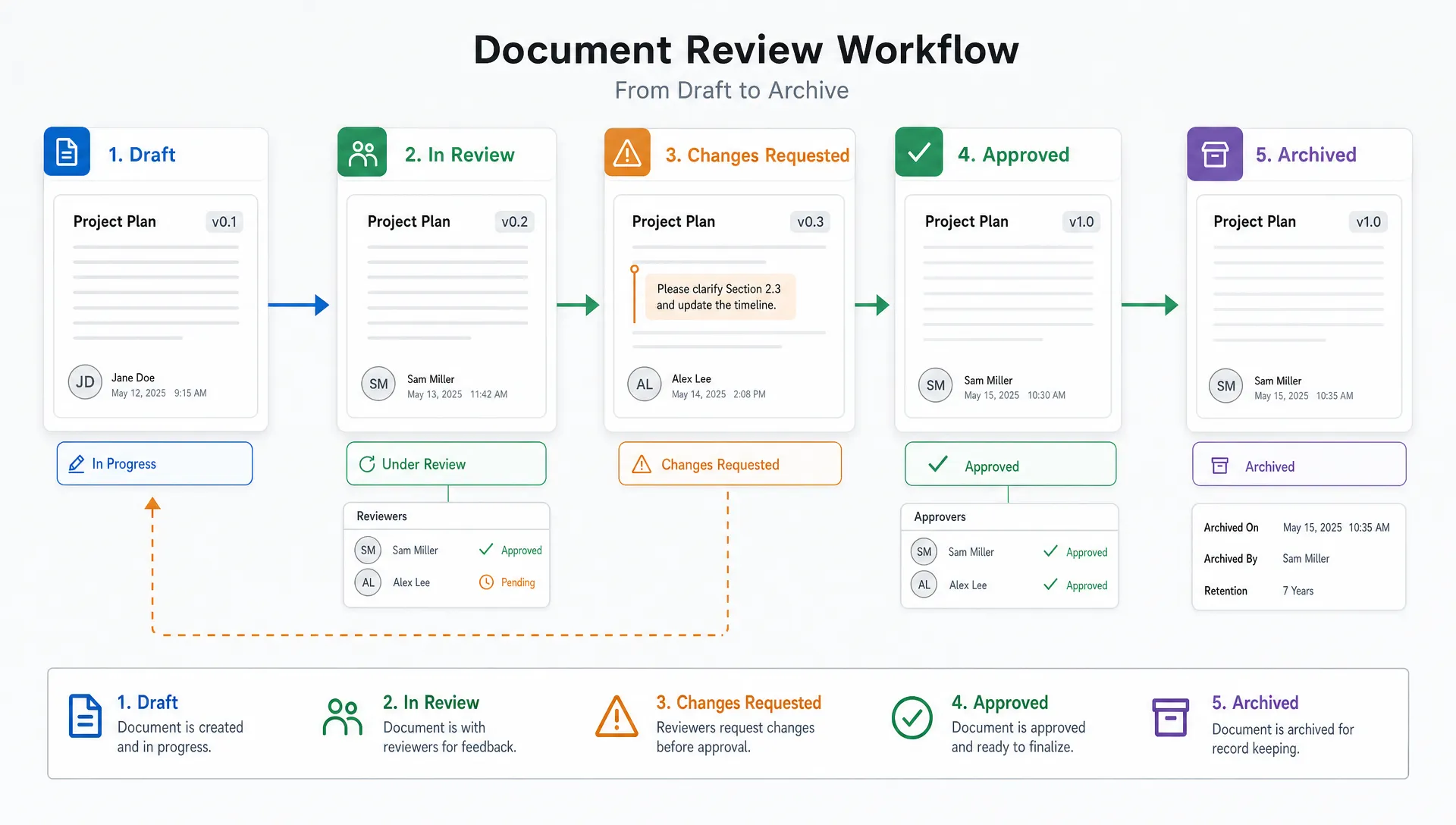
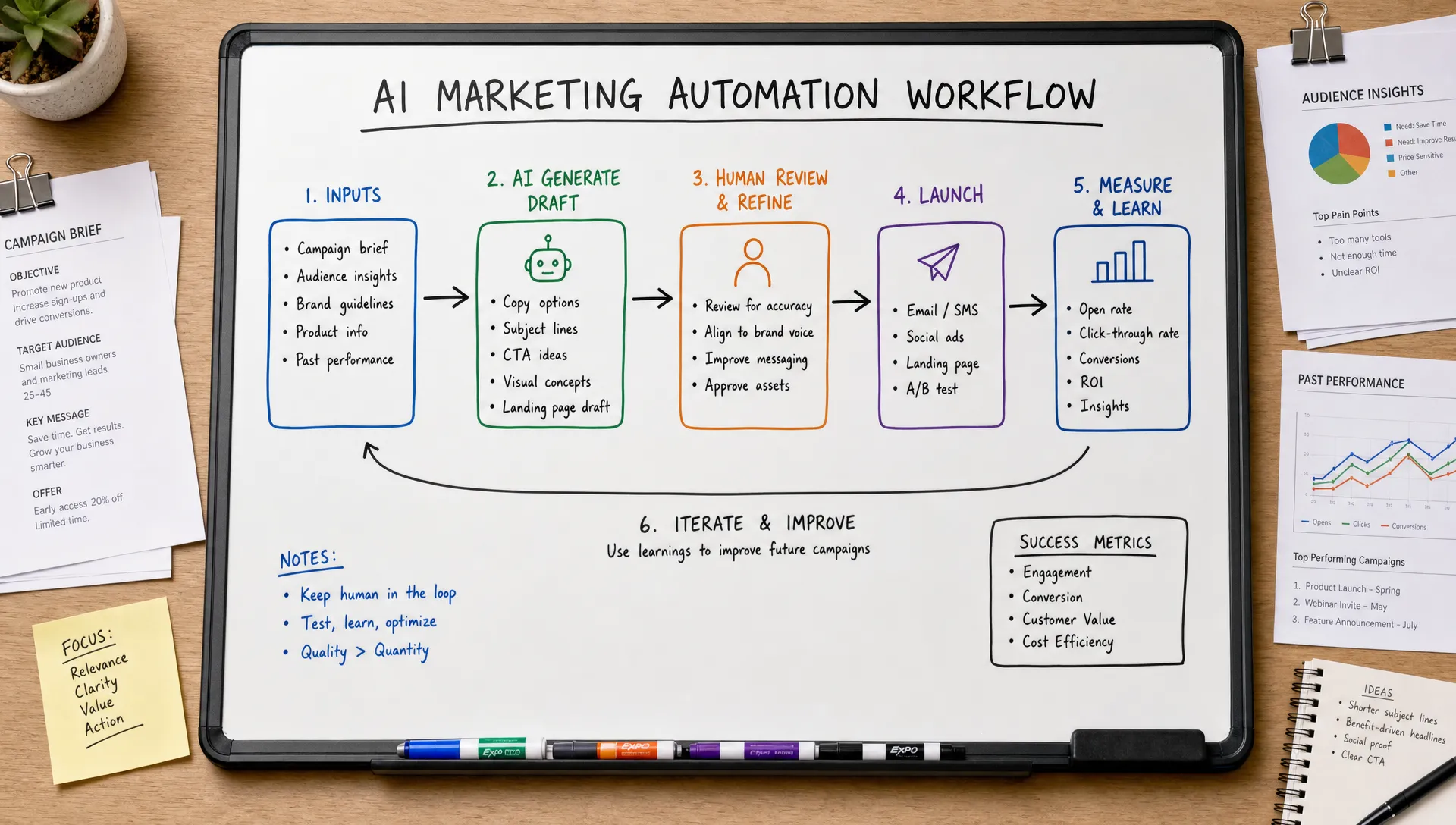
Human review should not be a vague final look. Assign specific checks to specific people or roles. A content marketer can evaluate message clarity, but a product marketer may need to verify positioning and a legal reviewer may need to approve regulated claims.
| Review stage | Primary owner | What to check | Pass condition |
|---|---|---|---|
| Brief review | Channel owner | Audience, offer, source links and constraints | The AI task is specific and source-backed |
| Claim review | Product or subject owner | Features, product details, customer proof and comparisons | Every factual claim is supported |
| Compliance review | Legal or compliance lead | Guarantees, financial claims, health claims, privacy claims or disclosures | Risky language is approved or removed |
| Brand review | Brand or content lead | Tone, voice, positioning and sensitive topics | Copy matches brand standards |
| Final QA | Publisher or editor | Links, metadata, tracking, dates and formatting | Asset is ready for launch |
For teams building a repeatable publishing process, this workflow pairs well with an AI content quality control checklist for marketing teams.

AI hallucinations do not create the same risks in every channel. A strong prevention workflow adapts the review depth to the channel, campaign value and likelihood of customer impact.
SEO content often includes definitions, statistics, examples and comparisons. Those elements are easy for AI to fabricate. Require writers to link each statistic to a real source, verify cited pages and remove any source the reviewer cannot open.
For product-led SEO, add a product accuracy pass. Blog articles can rank for months or years, so an incorrect feature description can keep misleading visitors long after the campaign is forgotten.
Paid media compresses claims into short copy. That makes exaggeration more likely. Words like guaranteed, free, proven, instant, unlimited, certified and official should trigger review unless they are already approved in your claim library.
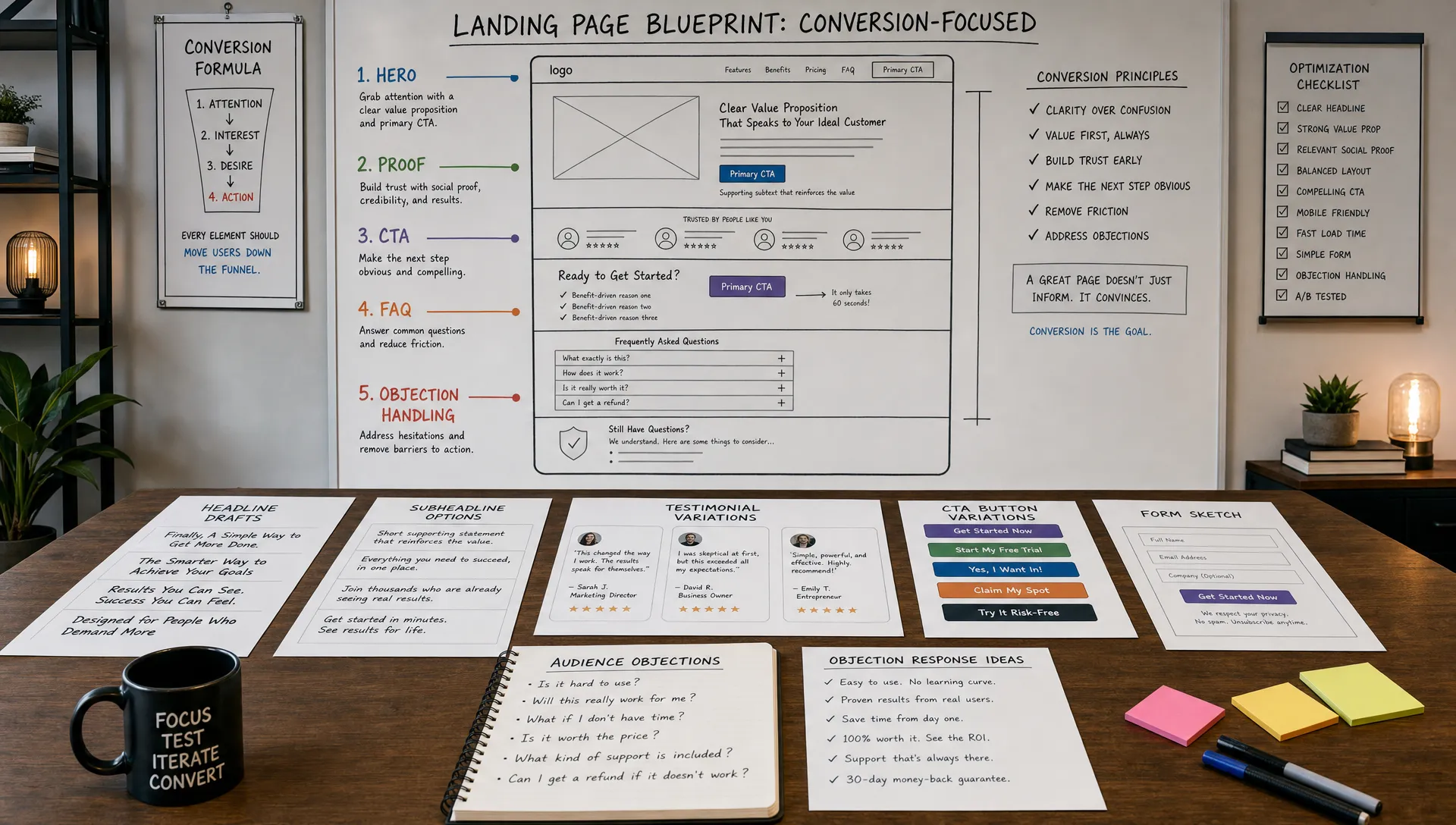
Landing pages need extra care because they connect persuasion to conversion. A hallucinated offer can increase clicks and still hurt revenue if sales or support has to correct expectations later.
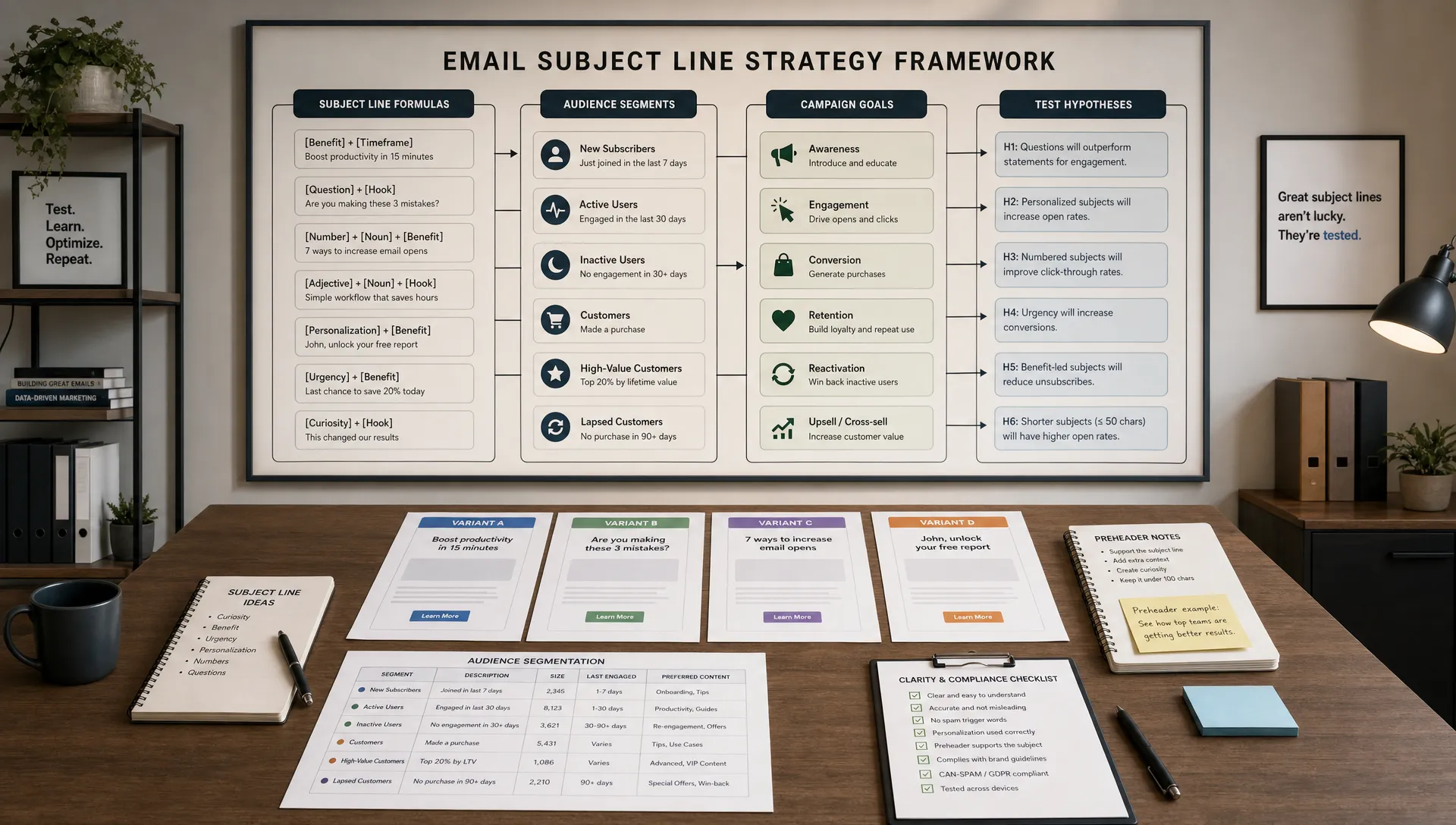
Lifecycle emails often use personalization, segmentation and behavioral triggers. AI can misinterpret segments or generate copy that assumes too much about the customer. For example, a win-back email should not imply a user canceled for a specific reason unless the data supports it.
Add a data-to-message check before sending. The reviewer should confirm that the copy matches the audience rule, suppression logic and current offer.
Social posts are easy to publish quickly, which makes them vulnerable to shallow fact-checking. AI-generated thought leadership can also create generic claims that sound authoritative without saying anything defensible.
Require source links for factual posts, approval for executive bylines and a clear escalation path for sensitive topics. The same applies to AI-generated images, screenshots and charts used alongside the copy.
A simple checklist helps busy teams make better decisions without turning every asset into a legal project. The goal is to match review effort to risk while keeping the process lightweight enough that people actually use it.
| Check | Question to ask | Example of a red flag |
|---|---|---|
| Source check | Can every factual claim be traced to an approved source? | The AI cites a report but the link does not support the number |
| Offer check | Does the copy match current pricing, discounts, terms and availability? | An old promotion appears in a new email |
| Proof check | Are testimonials, case studies and metrics approved for this use? | A draft attributes a quote to a customer who never said it |
| Compliance check | Could the claim be considered financial, legal, health, privacy or performance advice? | The copy promises an outcome the company cannot guarantee |
| Context check | Does the message fit the channel, audience and campaign goal? | A casual social line appears in an enterprise security campaign |
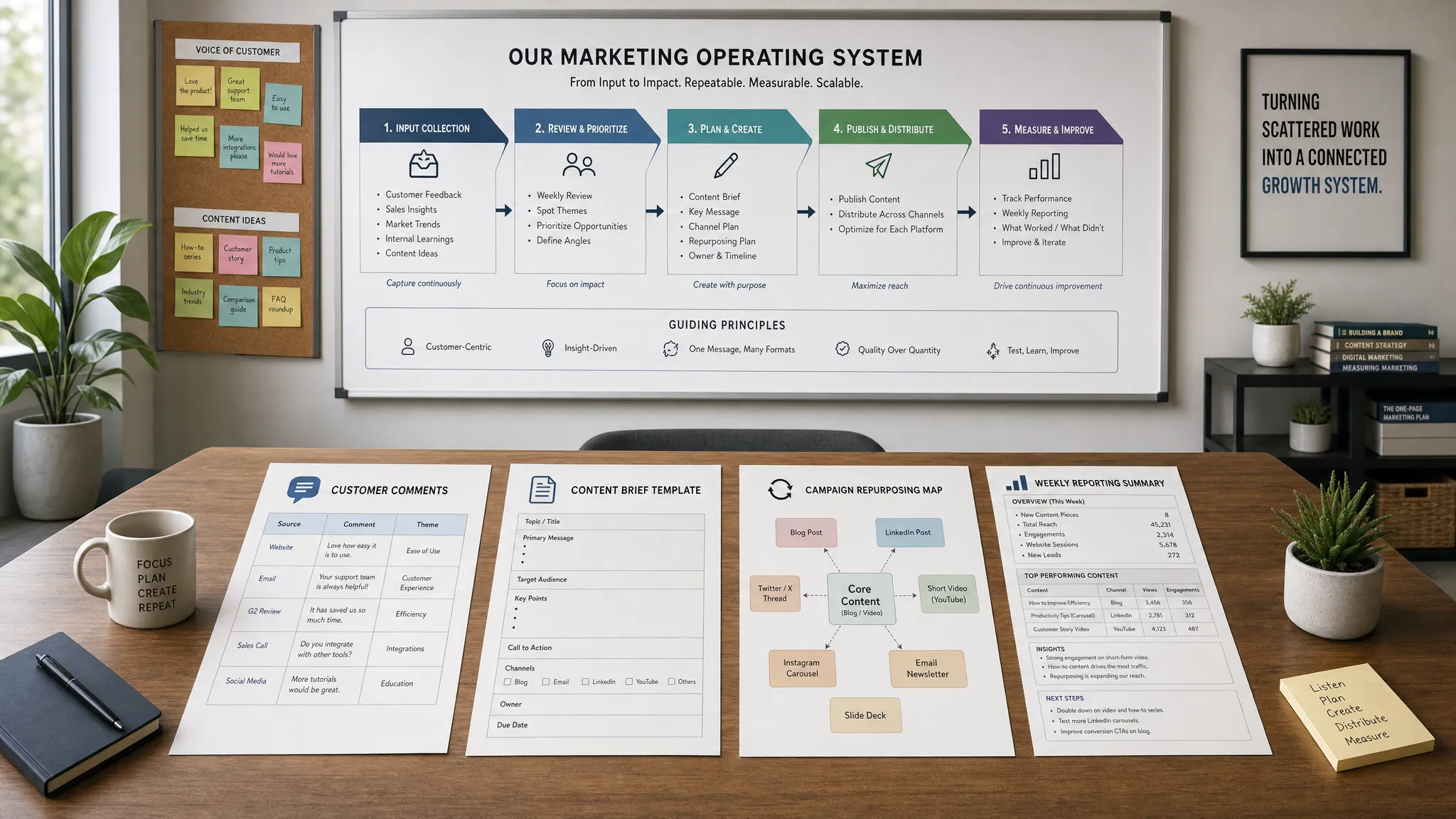
Do not make the checklist optional. Add it to content tickets, campaign launch templates and approval workflows. If the team uses AI tools for content creation at scale, the checklist should be part of the operating system, not a reminder sent after something goes wrong.
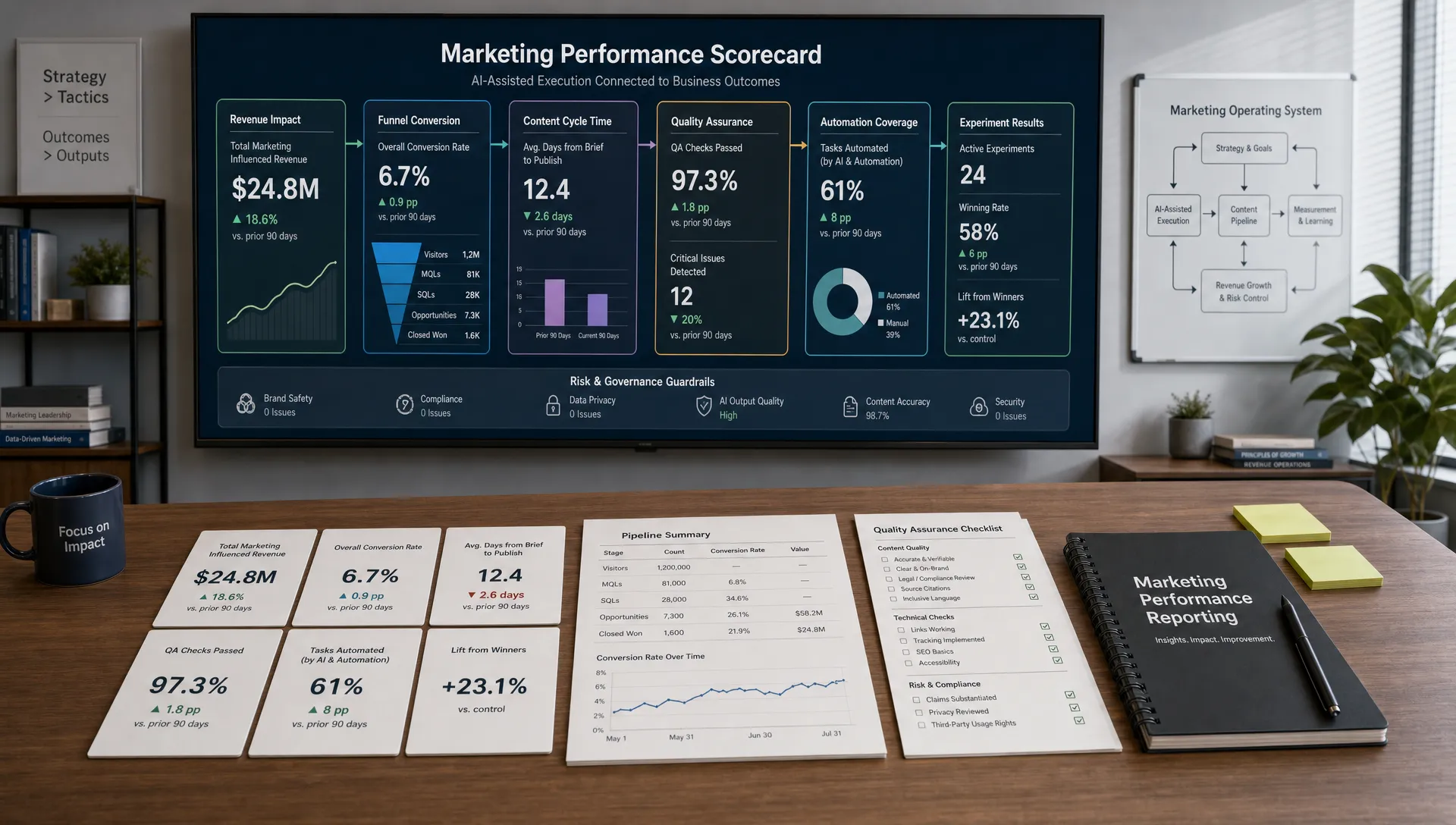
You cannot improve what you do not measure. Track hallucination issues the same way you track broken links, QA bugs or campaign launch errors. The data does not need to be complicated, but it should be consistent.
Useful metrics include:
These numbers help leaders decide where to invest. If most errors come from product descriptions, build a stronger product source library. If errors spike in paid ads, create a pre-approved claims bank. If review time is high but error rates are low, the team may be over-reviewing low-risk assets.
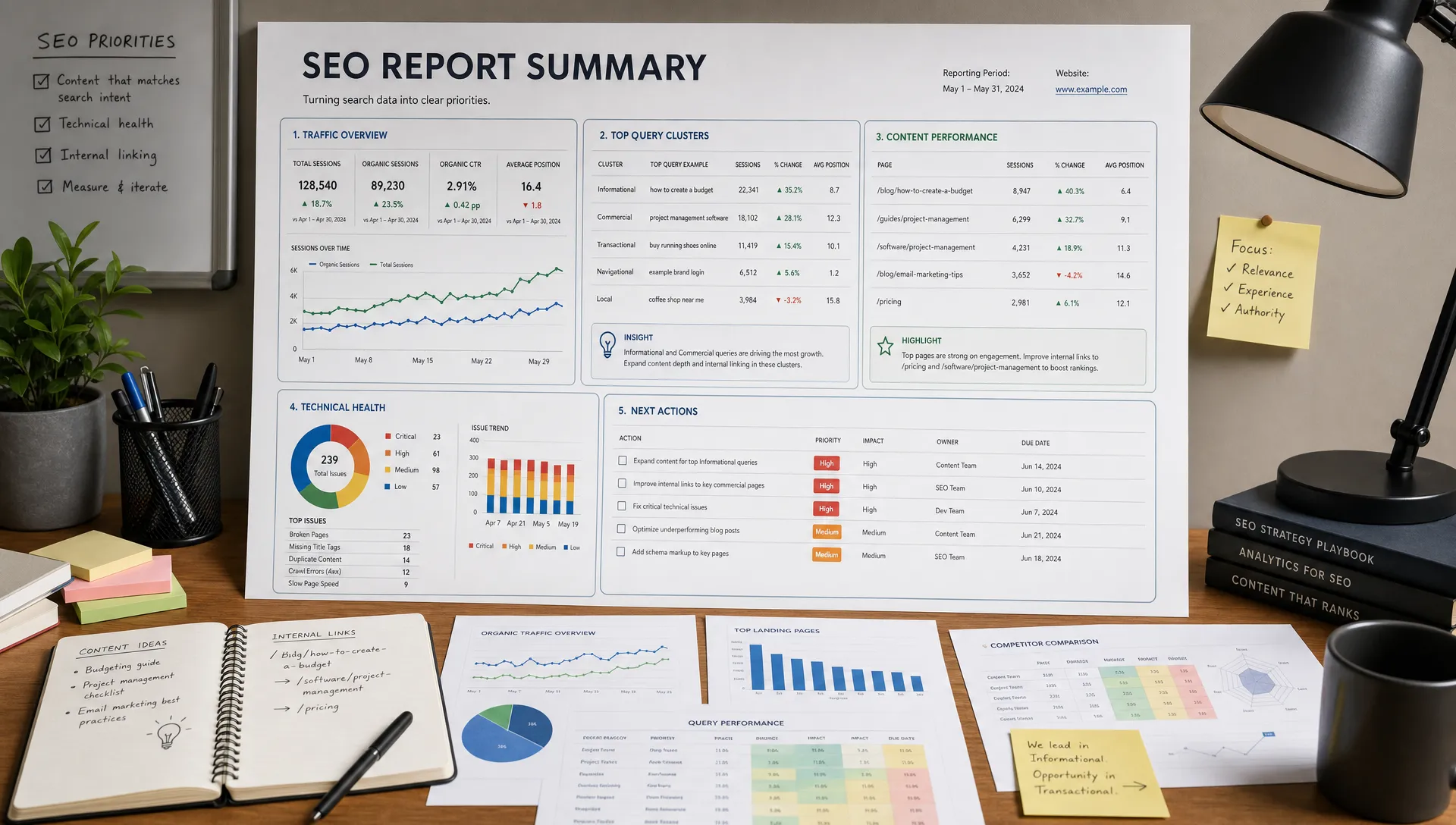
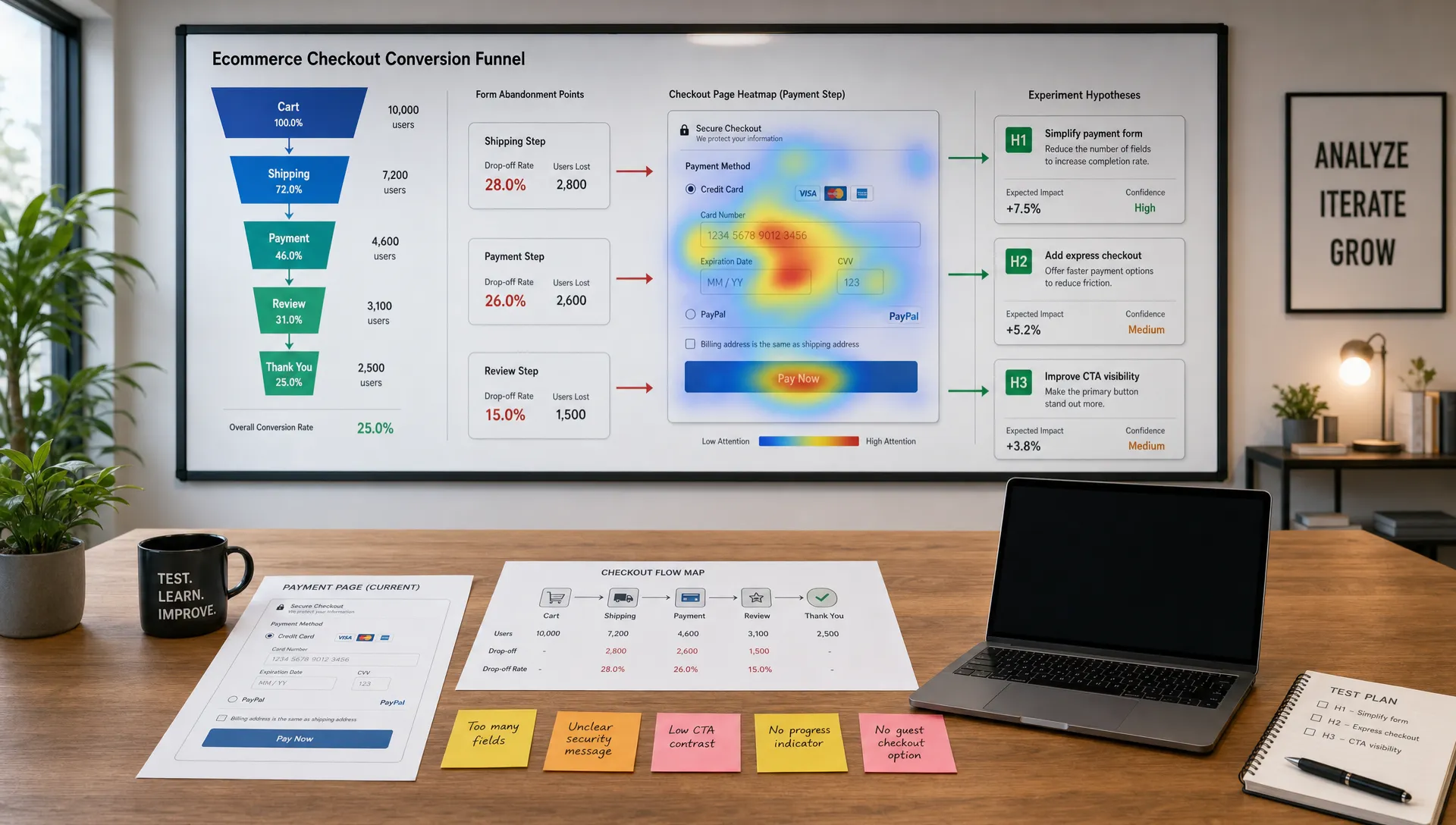
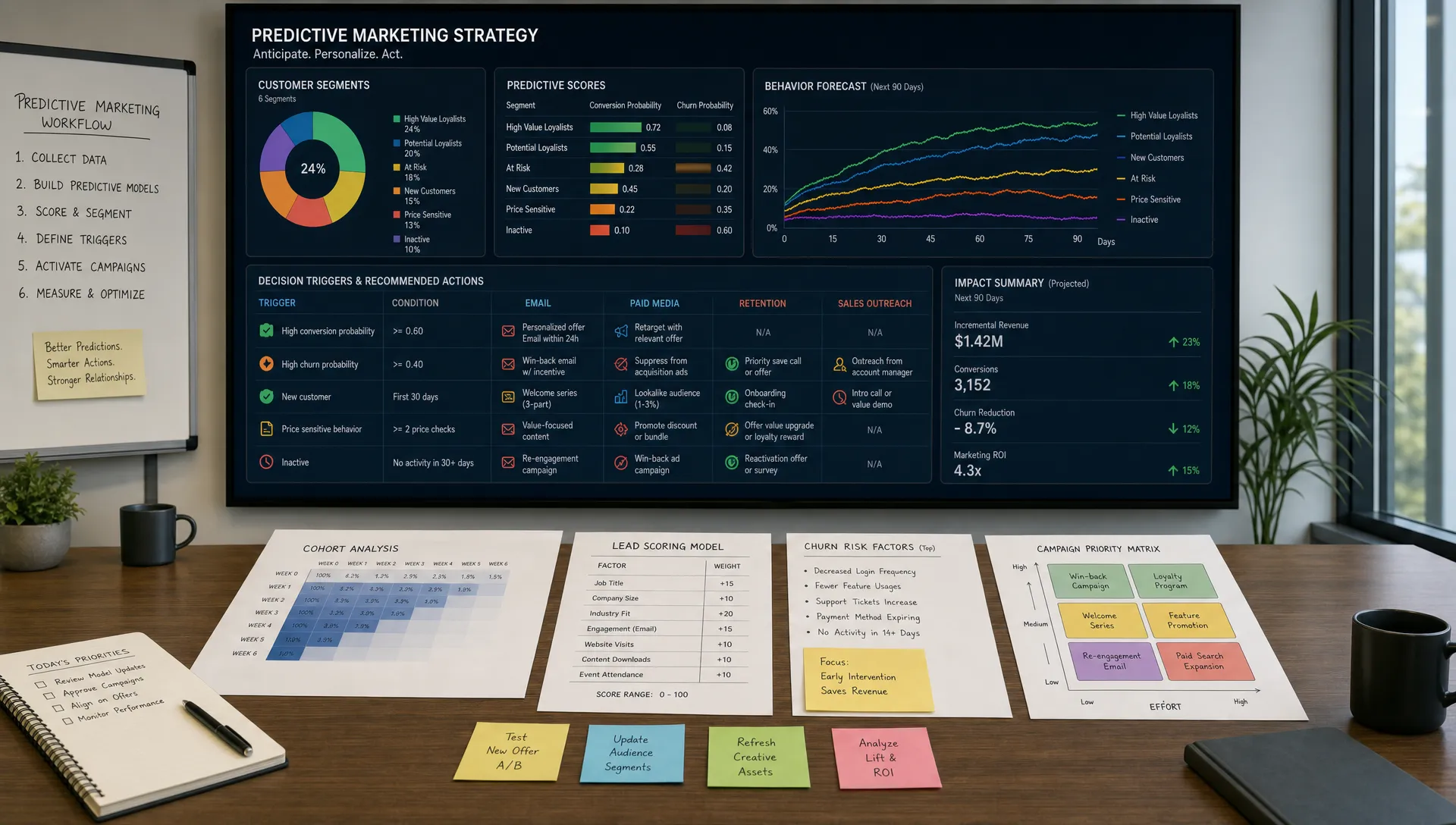
Performance analytics can also reveal indirect signs of hallucination. High click-through with poor conversion, increased refund questions or support tickets about a claim may point to a mismatch between promise and reality.
What causes AI hallucinations in marketing? AI hallucinations usually happen when a model lacks reliable source material, receives an unclear prompt or is asked to generate persuasive copy without factual boundaries. They are more likely when teams ask for speed but skip verification.
Can prompt engineering fully prevent hallucinations? No. Strong prompts reduce risk, especially when they require source-backed claims and uncertainty, but human review and source verification are still needed for publishable marketing assets.
Which marketing assets need the strictest AI review? Review should be strictest for paid ads, landing pages, pricing pages, product claims, legal or financial content, regulated industry copy, customer proof and any content that includes performance promises.
Should marketers disclose that AI helped create content? Disclosure depends on context, audience expectations, platform rules and applicable regulations. Even when disclosure is not required, the content still needs to be accurate, useful and approved by the company publishing it.
AI can help marketers draft faster, test more ideas, summarize data and improve workflow automation. The teams that get the most value are not the teams that publish AI output as-is. They are the teams that connect AI to approved sources, assign review ownership and measure the errors they prevent.
AIMarketer Hub supports that safer approach with AI-powered marketing tools, a prompt library, SEO tools, performance analytics, expert guides and curated resources for marketers working across industries. Use AI to accelerate the work, but keep facts, claims and customer trust under human control.