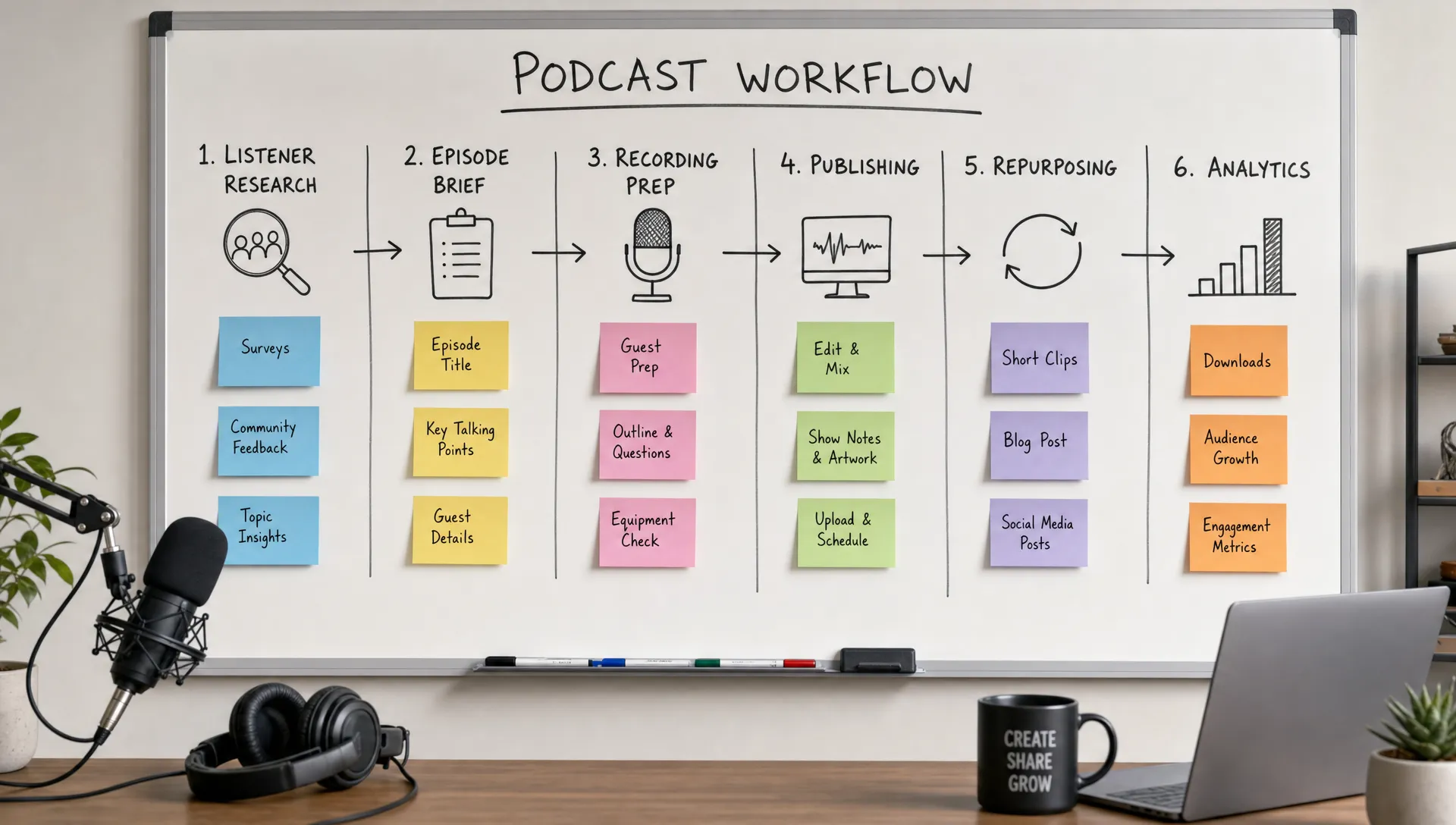
AI for podcast marketing is most useful when it turns every episode into a repeatable growth system, not when it merely writes a few social captions after recording. A strong workflow helps you choose better topics, prepare sharper conversations, publish SEO-ready assets, repurpose the episode for multiple channels and learn from performance data before the next recording.
That matters because podcast growth is rarely driven by one viral moment. Most shows grow through compounding: a clear niche, consistent positioning, discoverable episodes, memorable clips, email follow-up and partnerships that reach the right listeners. AI can speed up each part of that cycle, but only if the human team still owns the strategy, editorial judgment and final voice.
A podcast is not just an audio file. For a marketing team, it can become a research engine, relationship channel, trust-building asset and source of derivative content. The workflow should connect those jobs instead of treating them as separate tasks.
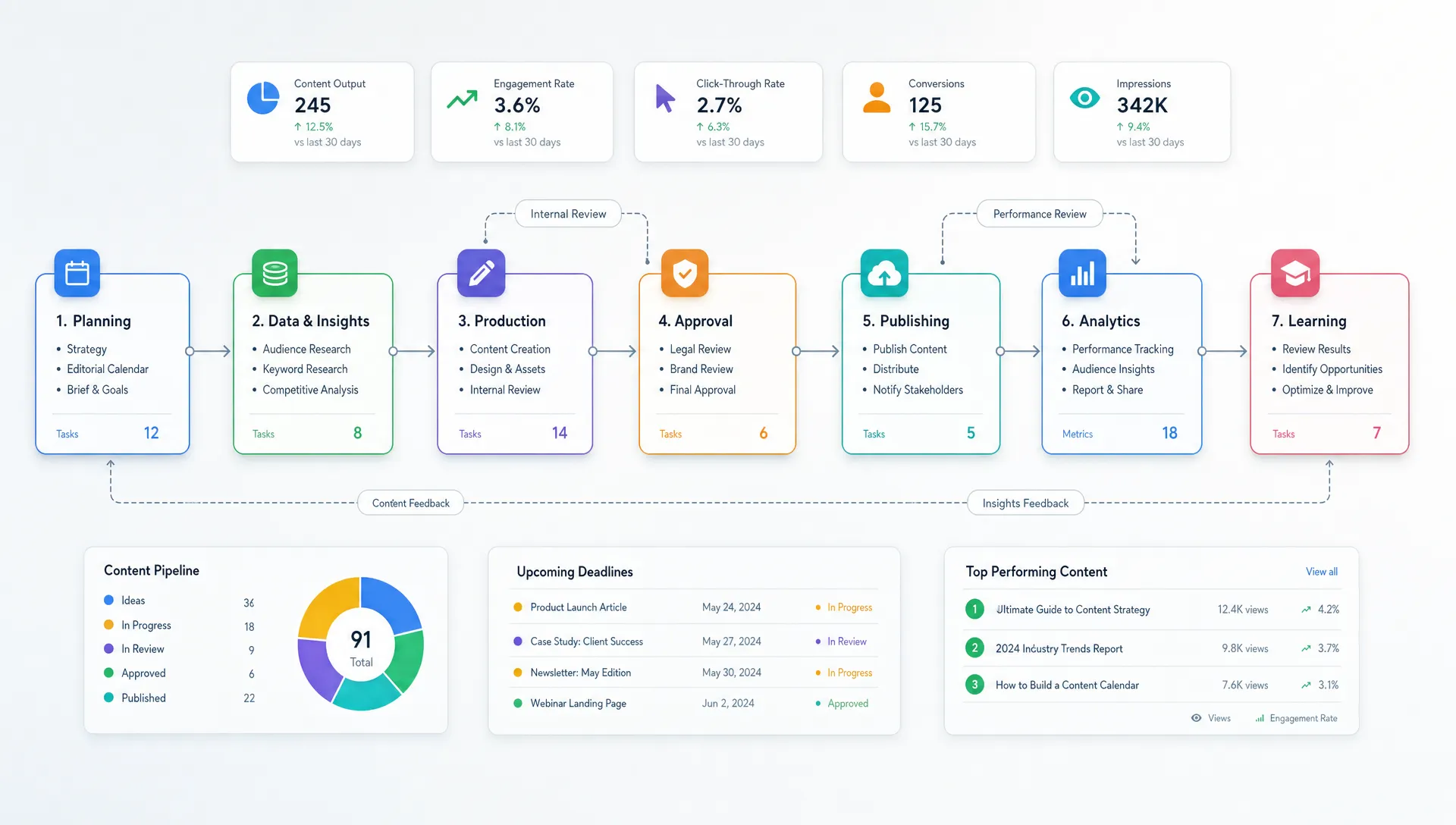
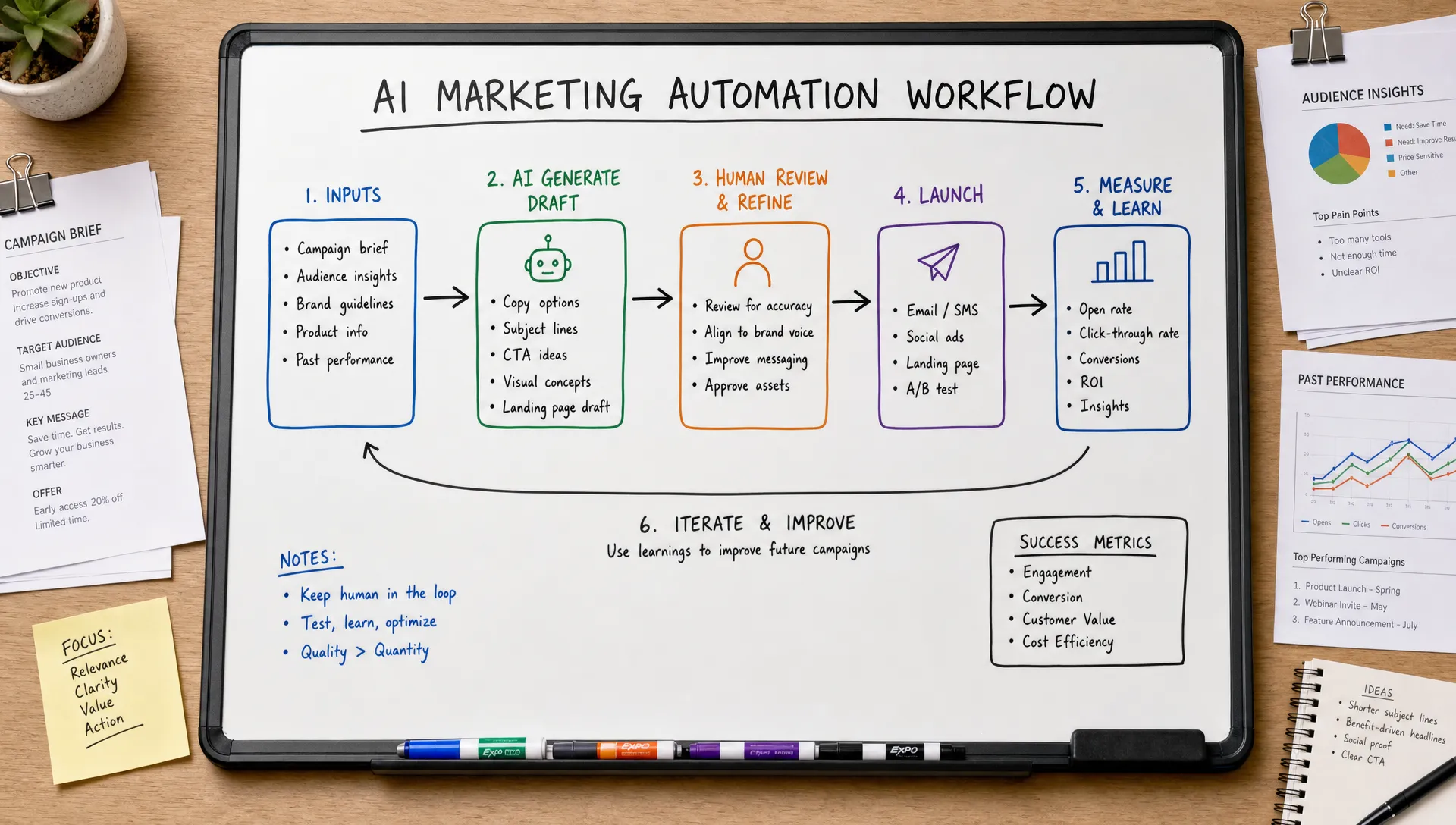
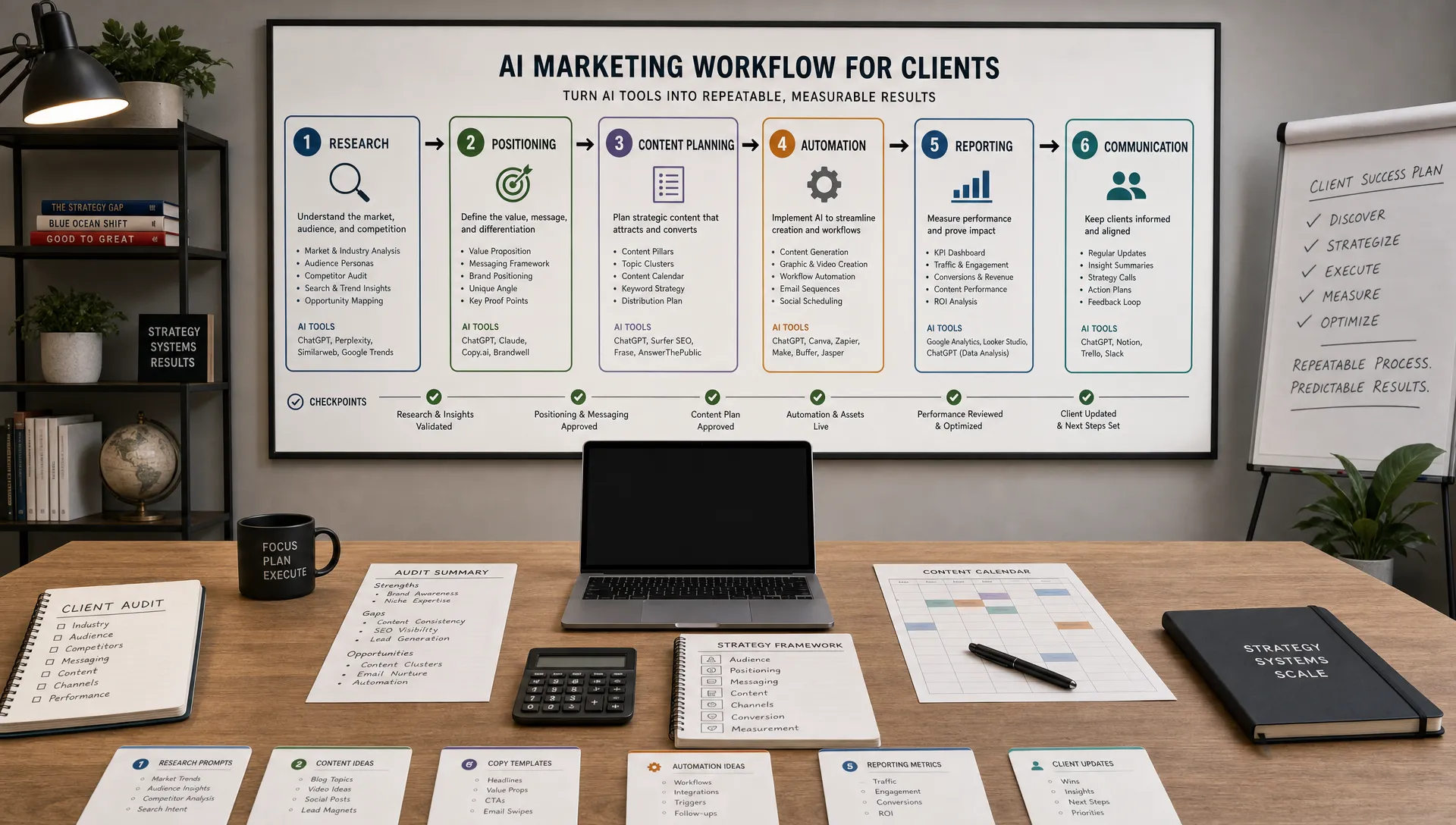
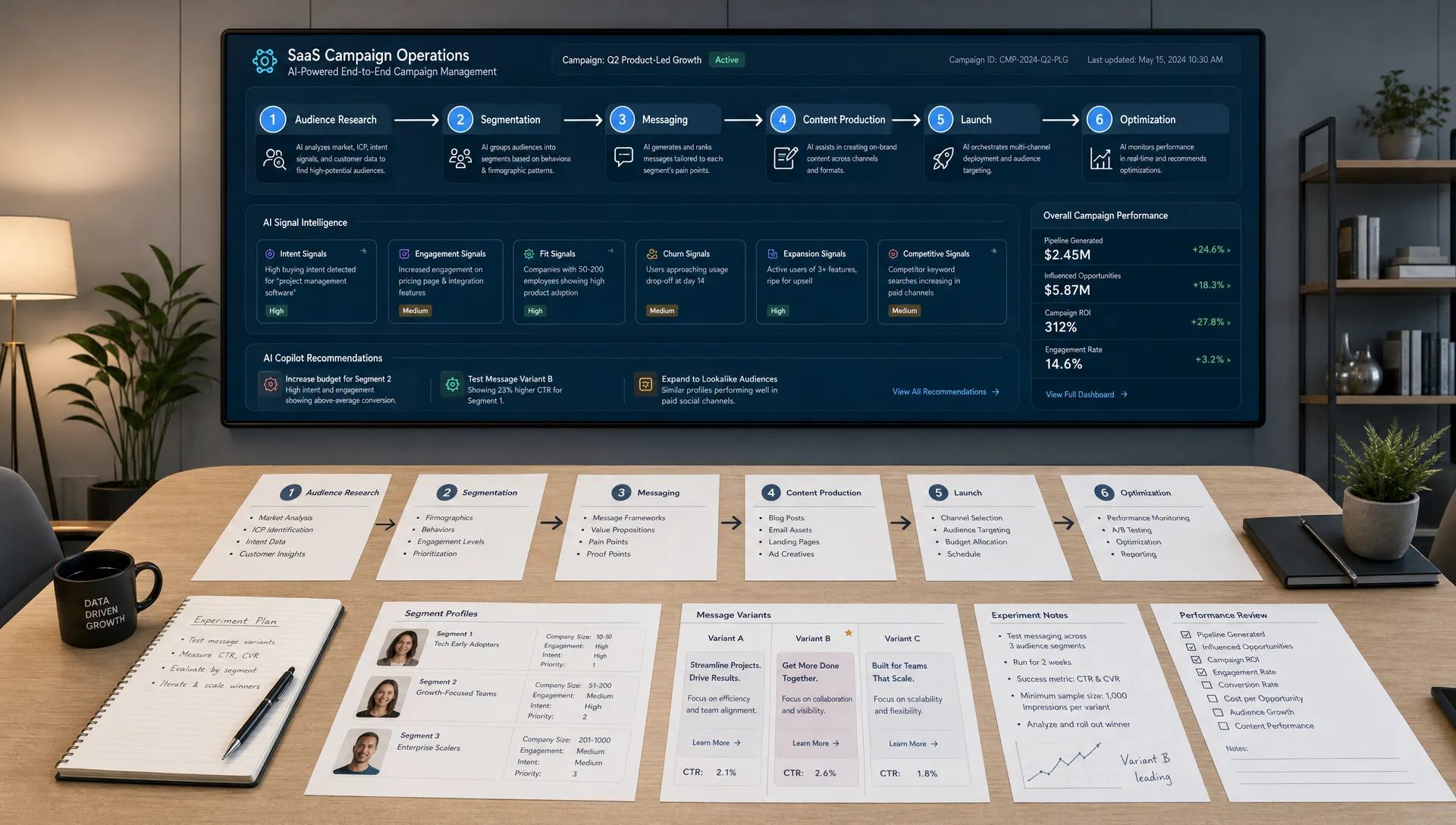
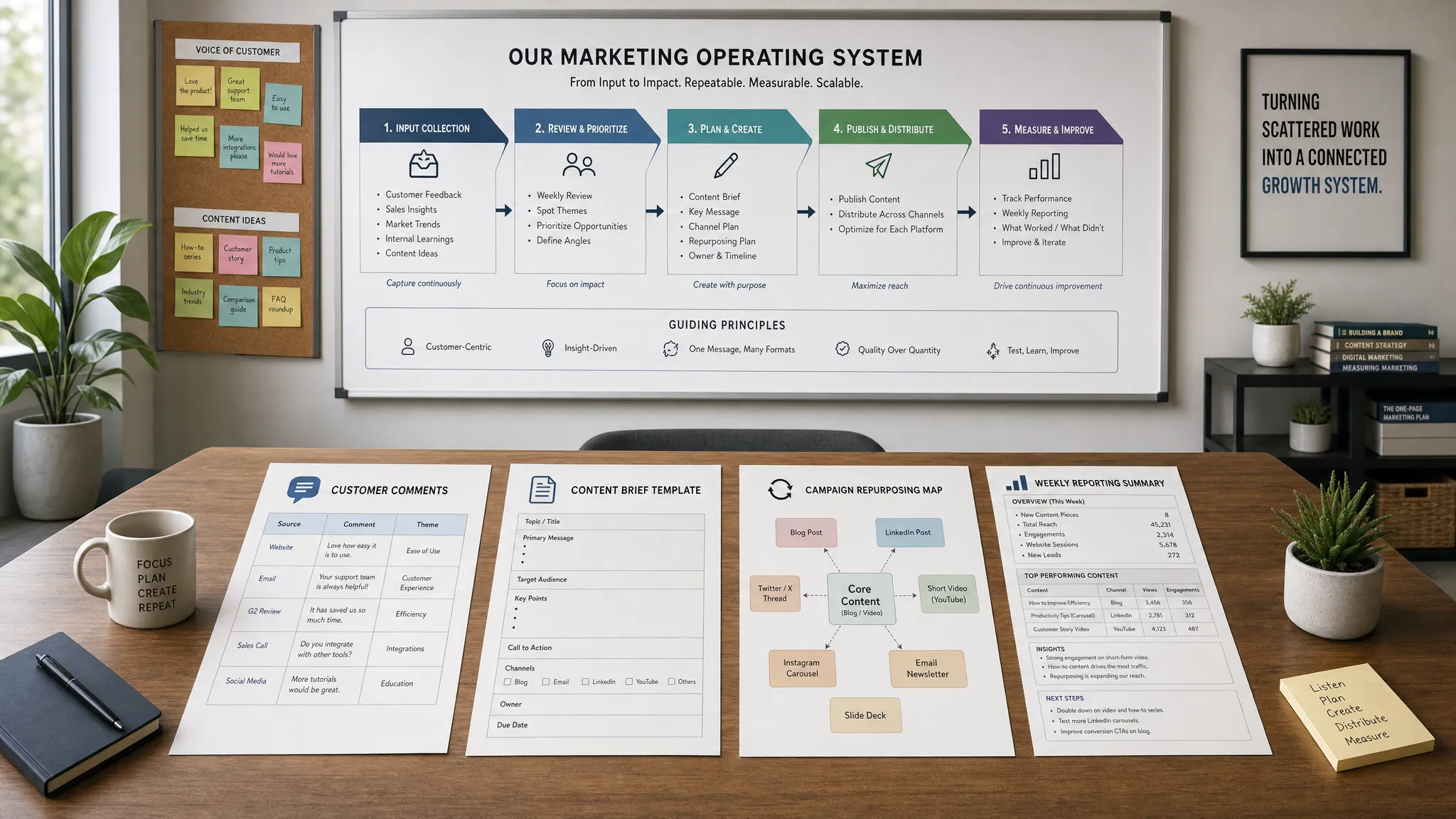
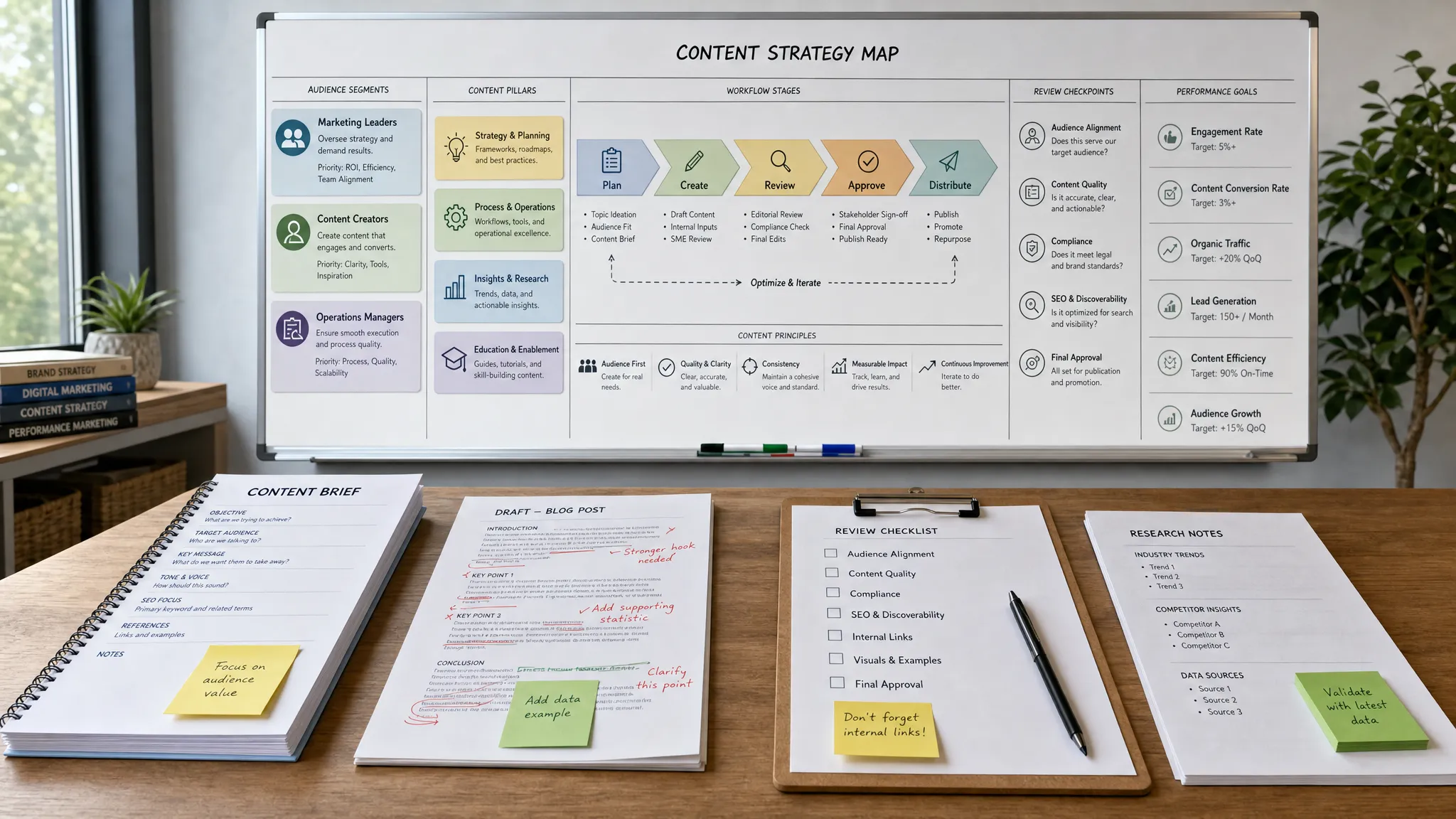
The basic loop looks like this: listen to the audience, choose a topic, prepare the episode, record the conversation, publish it in search-friendly formats, distribute it across channels, measure results and feed those findings back into the next brief. AI tools can support the loop by summarizing research, clustering topics, drafting outlines, cleaning transcripts, generating variations and spotting performance patterns.
The goal is not to make every show sound machine-made. Good AI marketing keeps the host’s perspective intact while reducing the repetitive work around the episode.
Before using AI for podcast marketing, decide what growth actually means for the show. A founder interview show, a B2B education podcast and a local finance show may all want more listeners, but they need different content decisions.
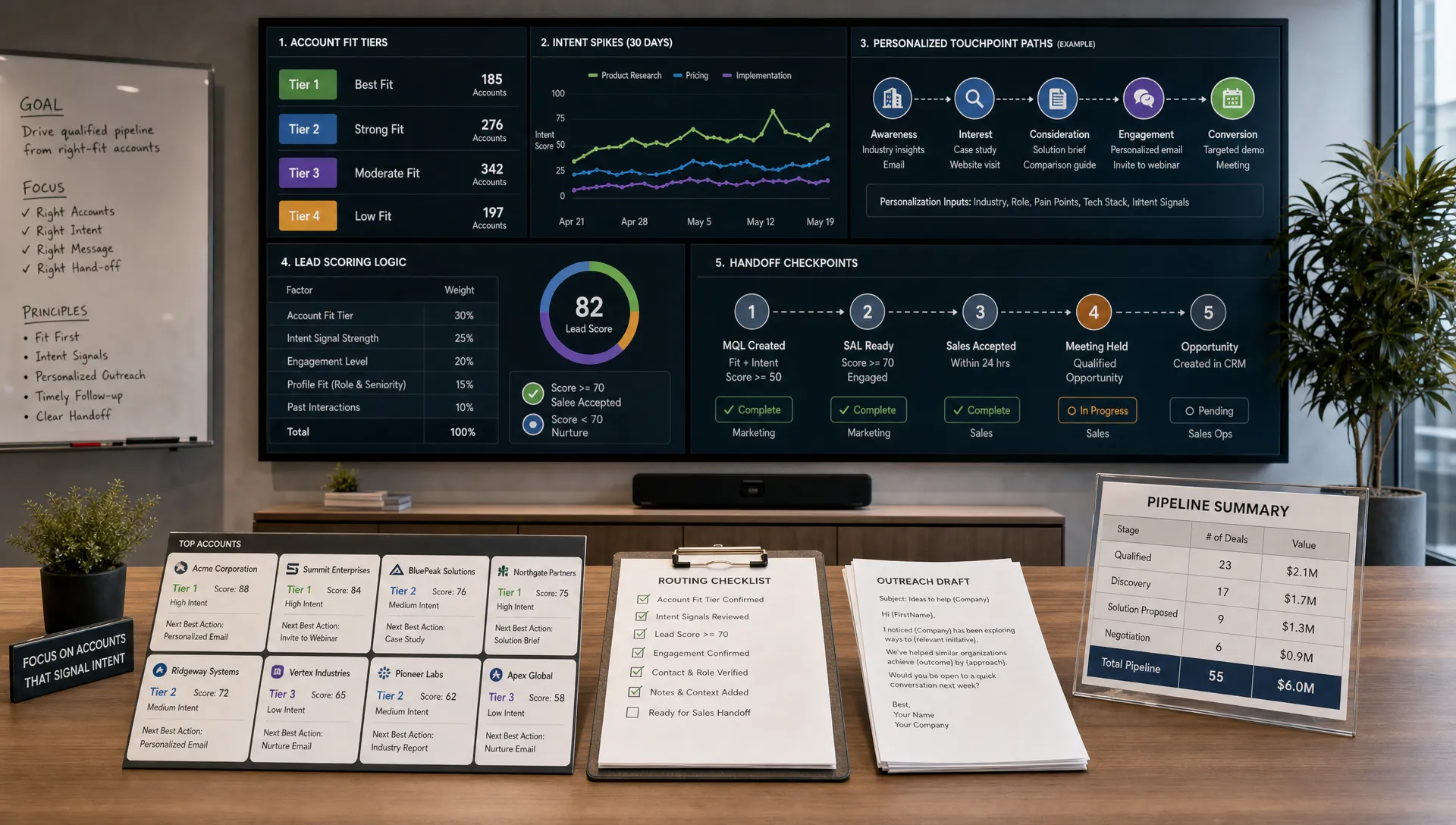
Start with two inputs: the ideal listener and the business outcome. An ideal listener profile should include the listener’s role, level of expertise, urgent problem, buying context and preferred content depth. The business outcome might be newsletter signups, demo requests, community growth, partner relationships or authority in a niche.
| Podcast goal | Useful signal | How AI can help |
|---|---|---|
| Build awareness | Downloads, reach, social shares | Generate topic clusters and promotional angles |
| Capture demand | Search clicks, landing page visits, newsletter signups | Turn episodes into SEO briefs and lead magnets |
| Support sales | Demo assists, sales team usage, account engagement | Create summaries, objection-handling clips and follow-up notes |
| Build community | Comments, replies, reviews, returning listeners | Analyze feedback and surface recurring questions |
This step keeps the show from becoming a general content machine. If the podcast serves a specific audience, the AI output becomes more relevant, less generic and easier to edit.
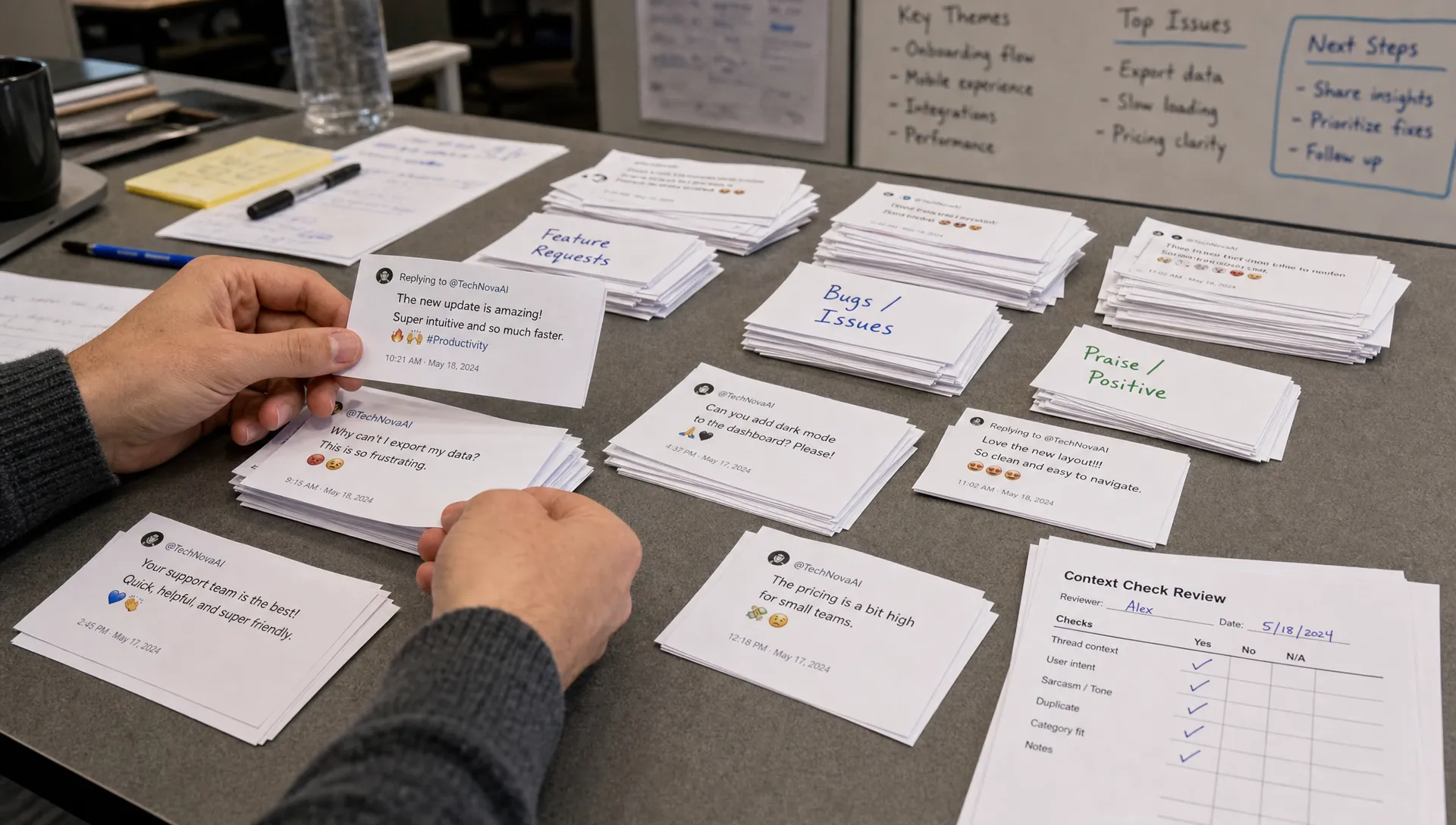
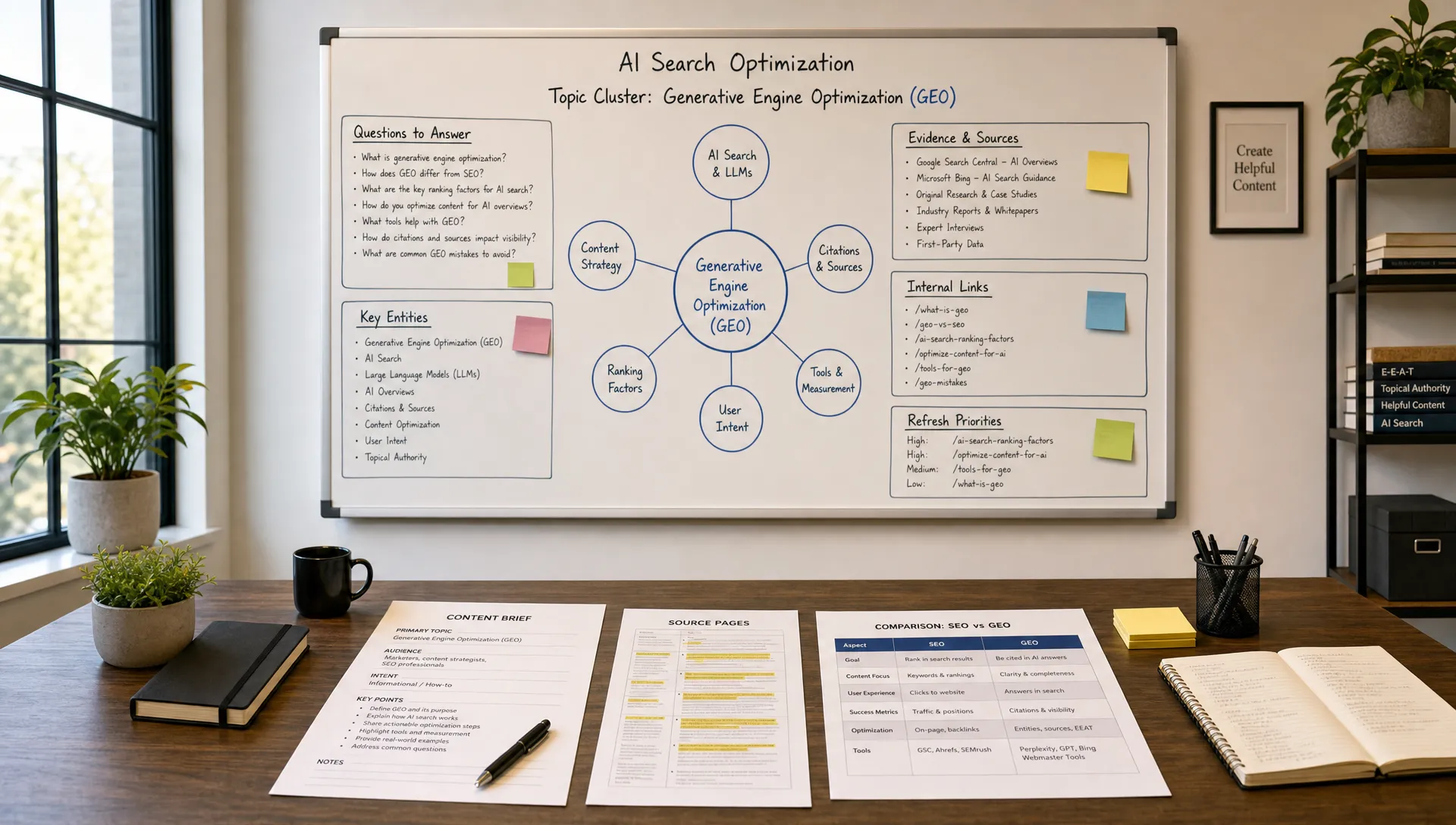
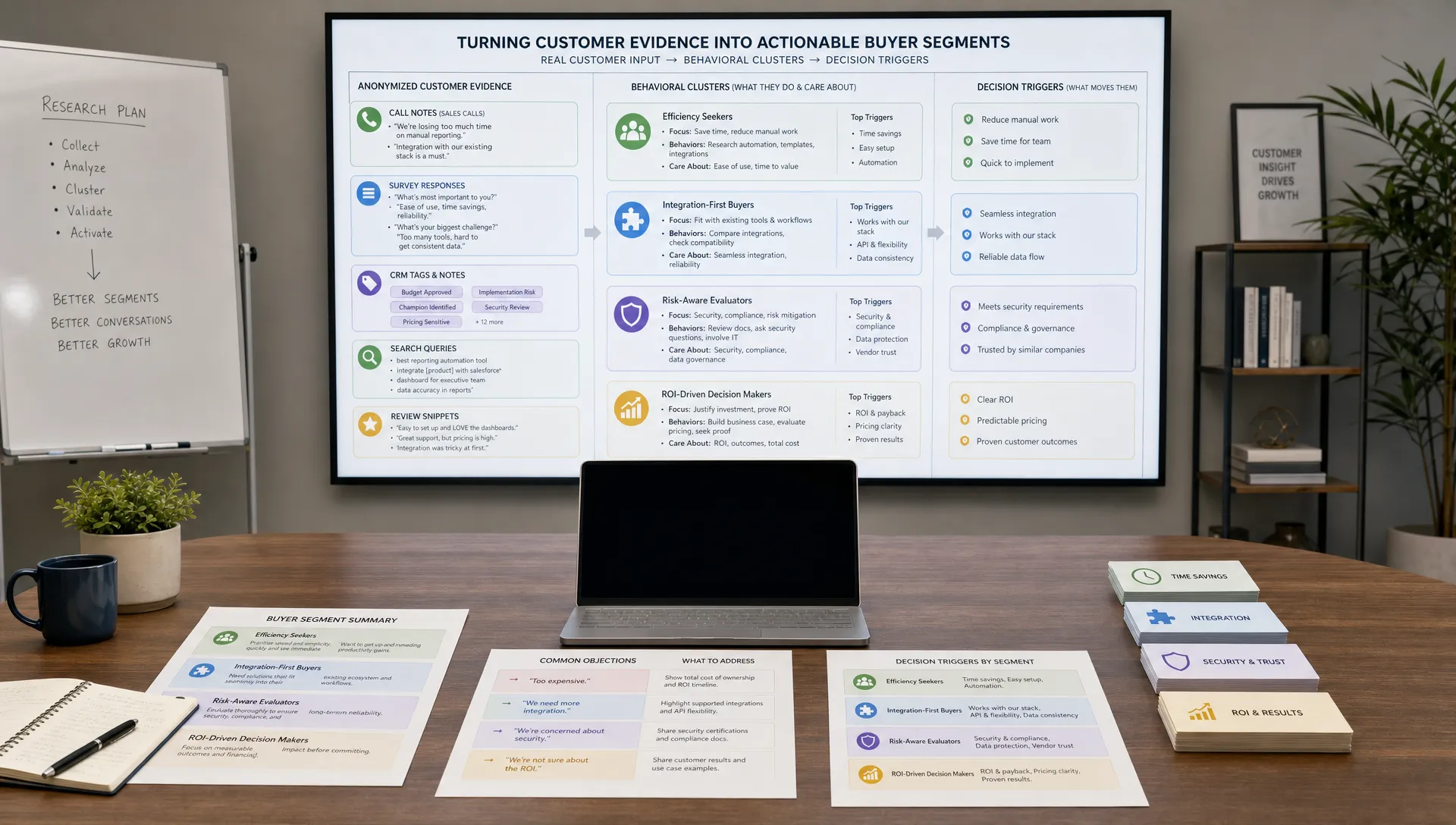
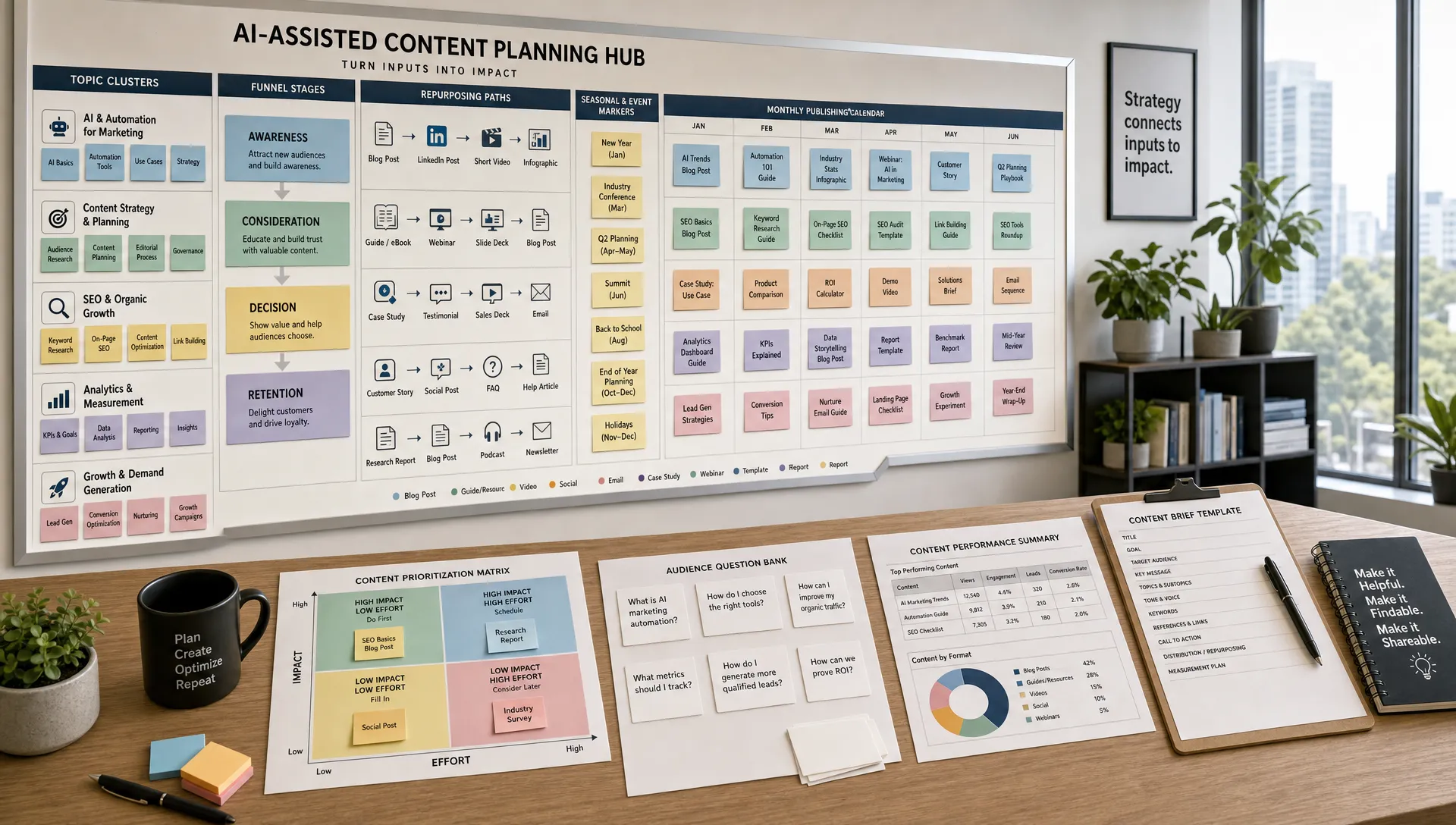
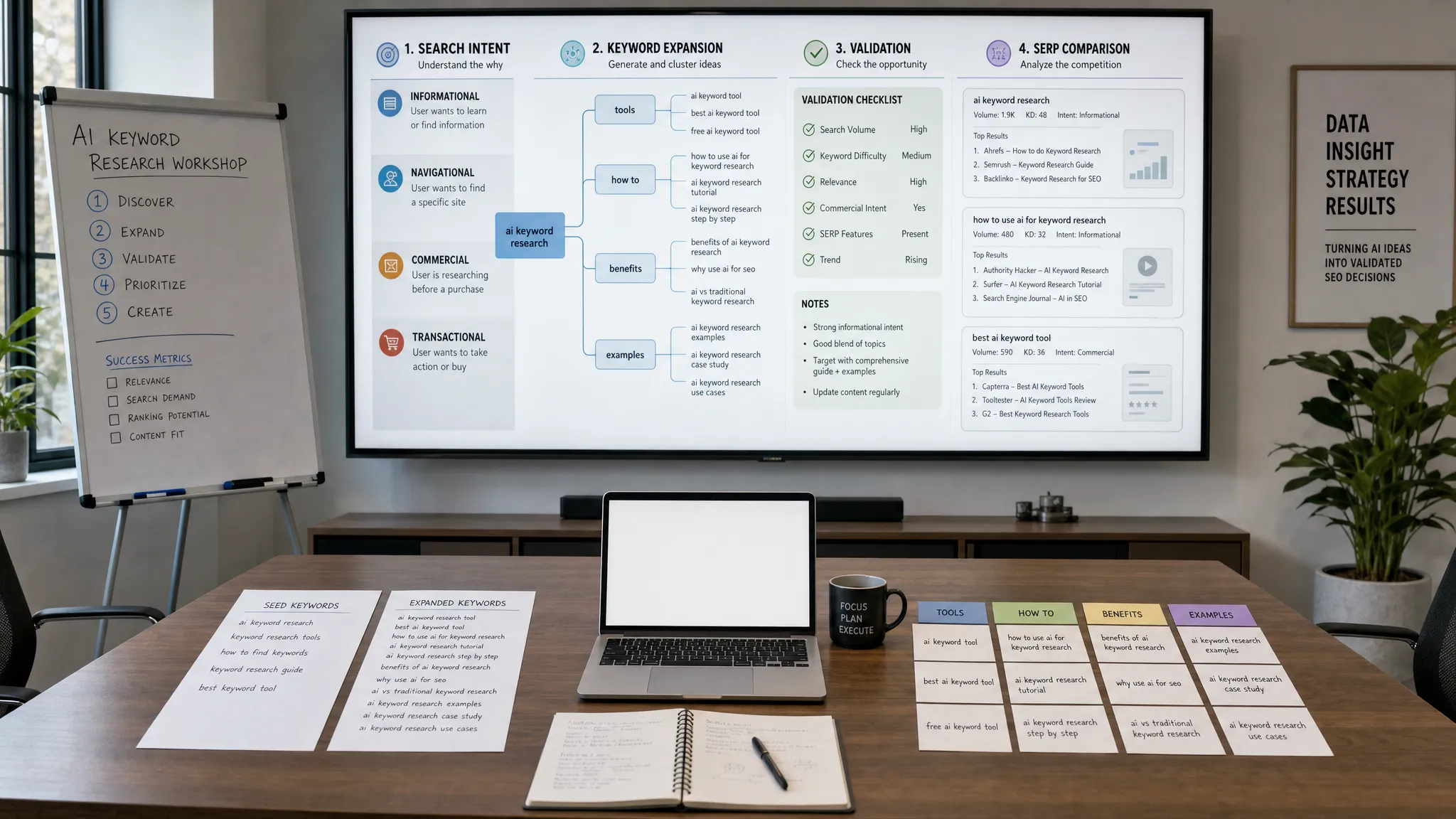
The best episode ideas usually come from real friction: sales calls, customer support tickets, Reddit threads, LinkedIn comments, community posts, webinar questions and keyword research. AI can help organize that mess into usable editorial direction.
Collect 30 to 100 raw audience questions, objections or phrases. Then ask an AI tool to group them by theme, intent and sophistication level. You are not asking it to invent demand. You are asking it to structure what your market already says.
A useful podcast topic cluster includes the listener’s problem, the trigger event behind the problem and the next action you want the listener to take. For example, a SaaS podcast might cluster questions around onboarding, retention and pricing. A marketing podcast might group topics by content operations, analytics, paid acquisition and automation.
For an industry-specific show, context matters even more. A finance or small business podcast in Singapore could create an episode on short-term cash flow options that compares bank credit, invoice financing and regulated borrowing, while referencing practical resources such as a licensed money lender in Singapore when explaining what listeners should verify before applying for a loan.
Once you have clusters, ask AI to generate several episode angles for each one. Then filter them manually. The strongest angles usually have a point of view, a clear listener payoff and enough specificity to stand out in podcast apps and search results.
A weak angle is “Marketing automation tips.” A stronger angle is “How lean B2B teams can automate follow-up without making every email sound templated.” The second version tells the listener who it is for, what tension it addresses and why the episode is worth their time.
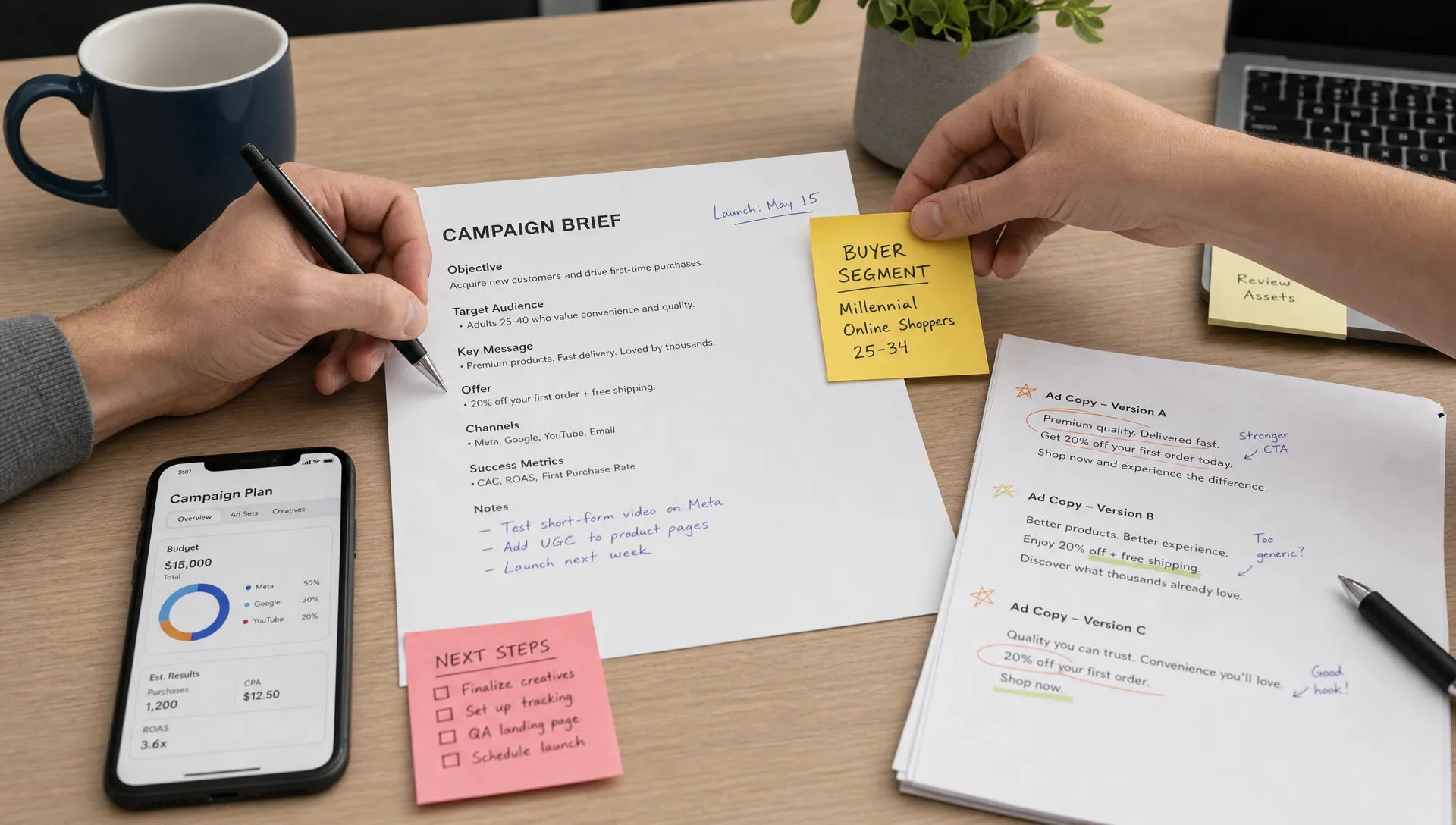
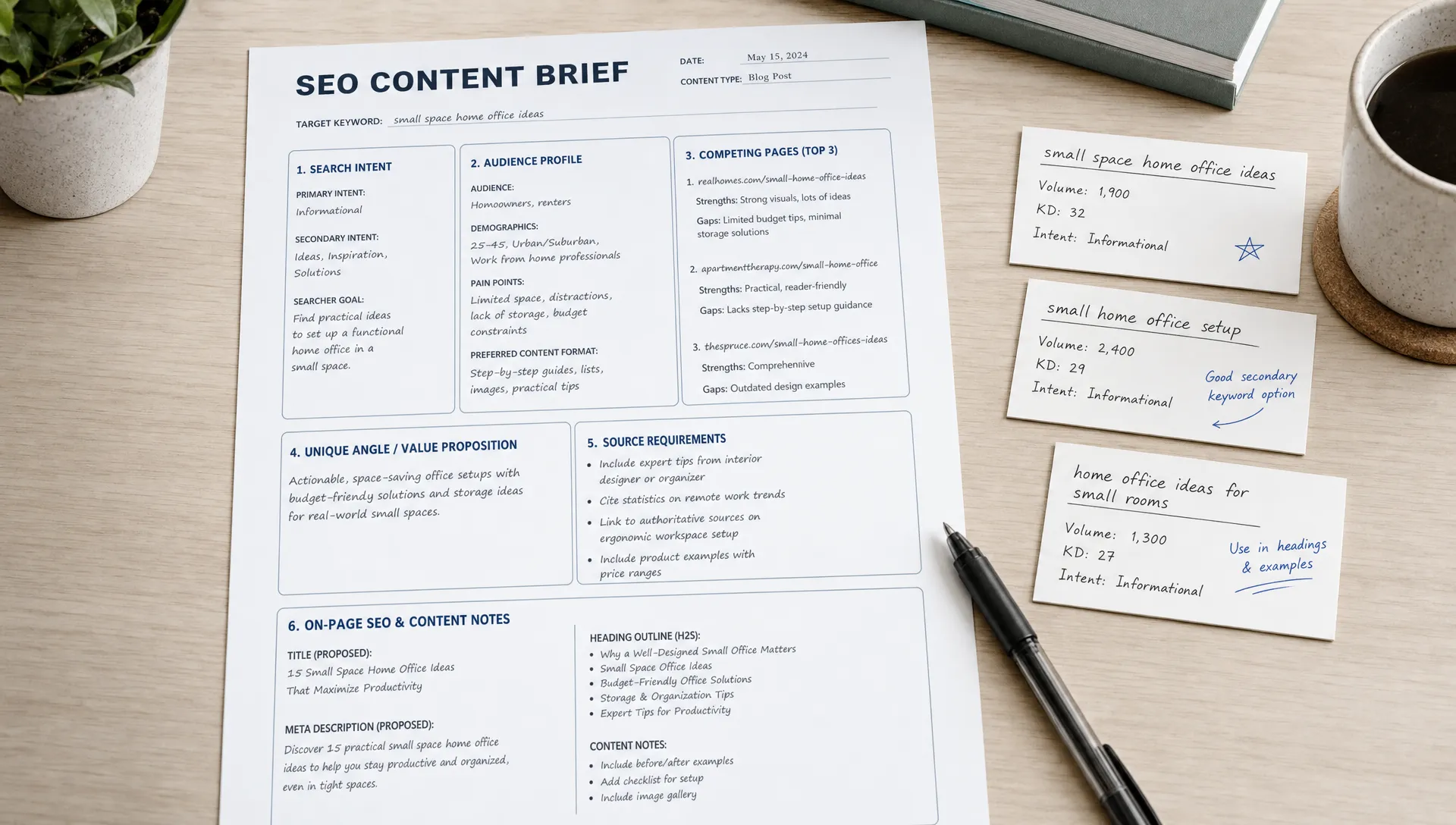
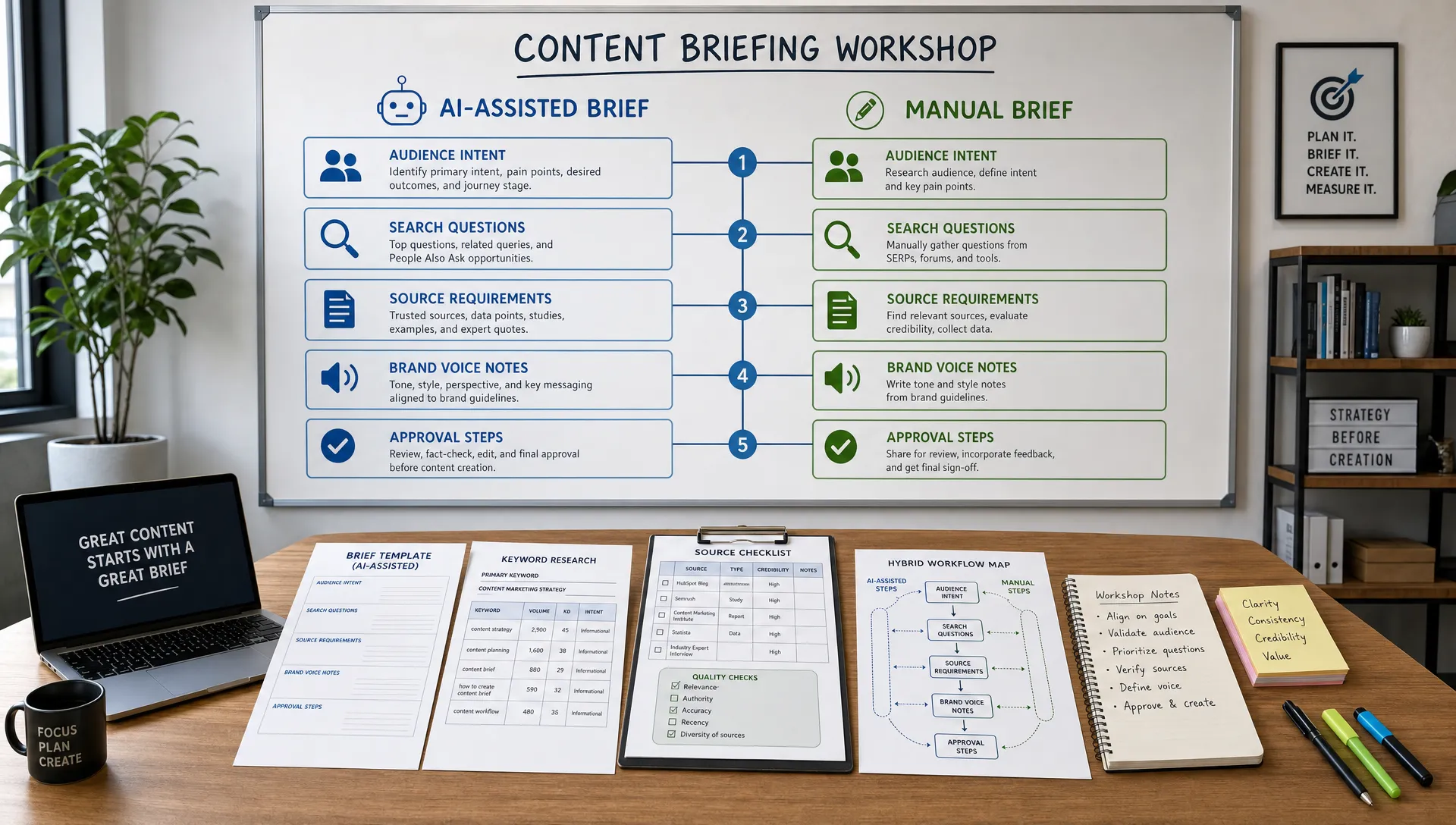
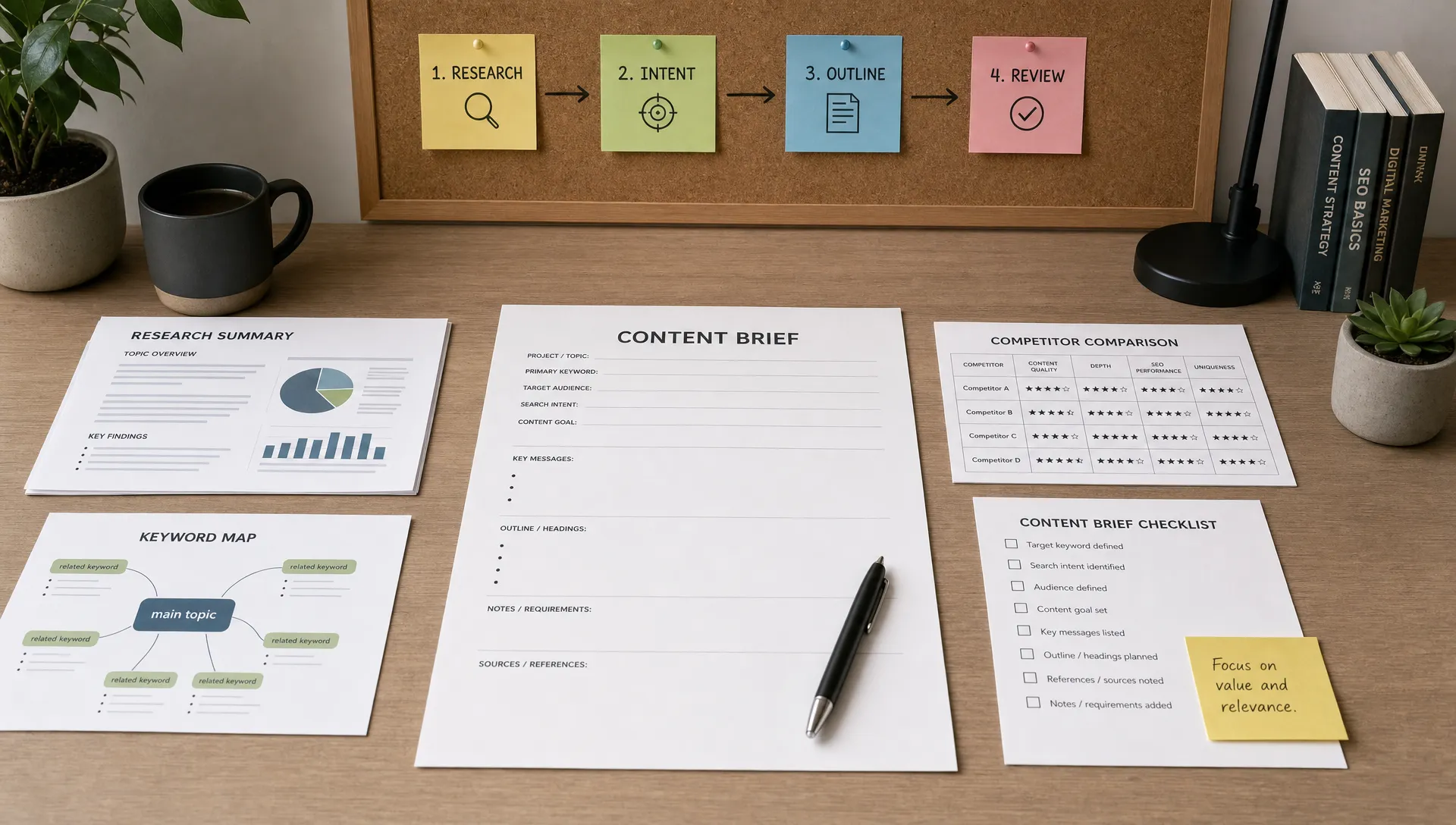
A good brief is the difference between a useful AI-assisted show and a scattered conversation. The brief should give the host enough structure to lead a strong episode without scripting every sentence.
For repeatability, create a standard brief template. If your team already uses structured AI workflows, the same discipline applies here. AIMarketer Hub’s guide to AI workflows for small marketing teams is a helpful companion if you want to systematize the broader process beyond podcasting.
| Brief element | What to include | AI support |
|---|---|---|
| Listener promise | The specific result or insight the episode delivers | Draft several positioning options |
| Episode thesis | The main argument or point of view | Pressure-test clarity and originality |
| Key segments | Three to five discussion blocks | Organize the flow and transitions |
| Guest prep | Guest bio, likely stories, relevant questions | Summarize public information and prior interviews |
| Search angle | Primary query, related phrases, episode title options | Draft SEO-friendly metadata |
| Repurposing plan | Clips, posts, newsletter angle, blog summary | Generate channel-specific asset ideas |
The human editor should review every brief for accuracy, sensitivity and brand fit. AI can make research faster, but it can also overgeneralize, miss nuance or suggest questions that sound plausible yet shallow.
Recording quality improves when the host knows what to listen for. AI can help by creating a pre-interview prep sheet with guest background, likely stories, contrarian angles and follow-up prompts. For solo episodes, it can help arrange your ideas into a natural flow.
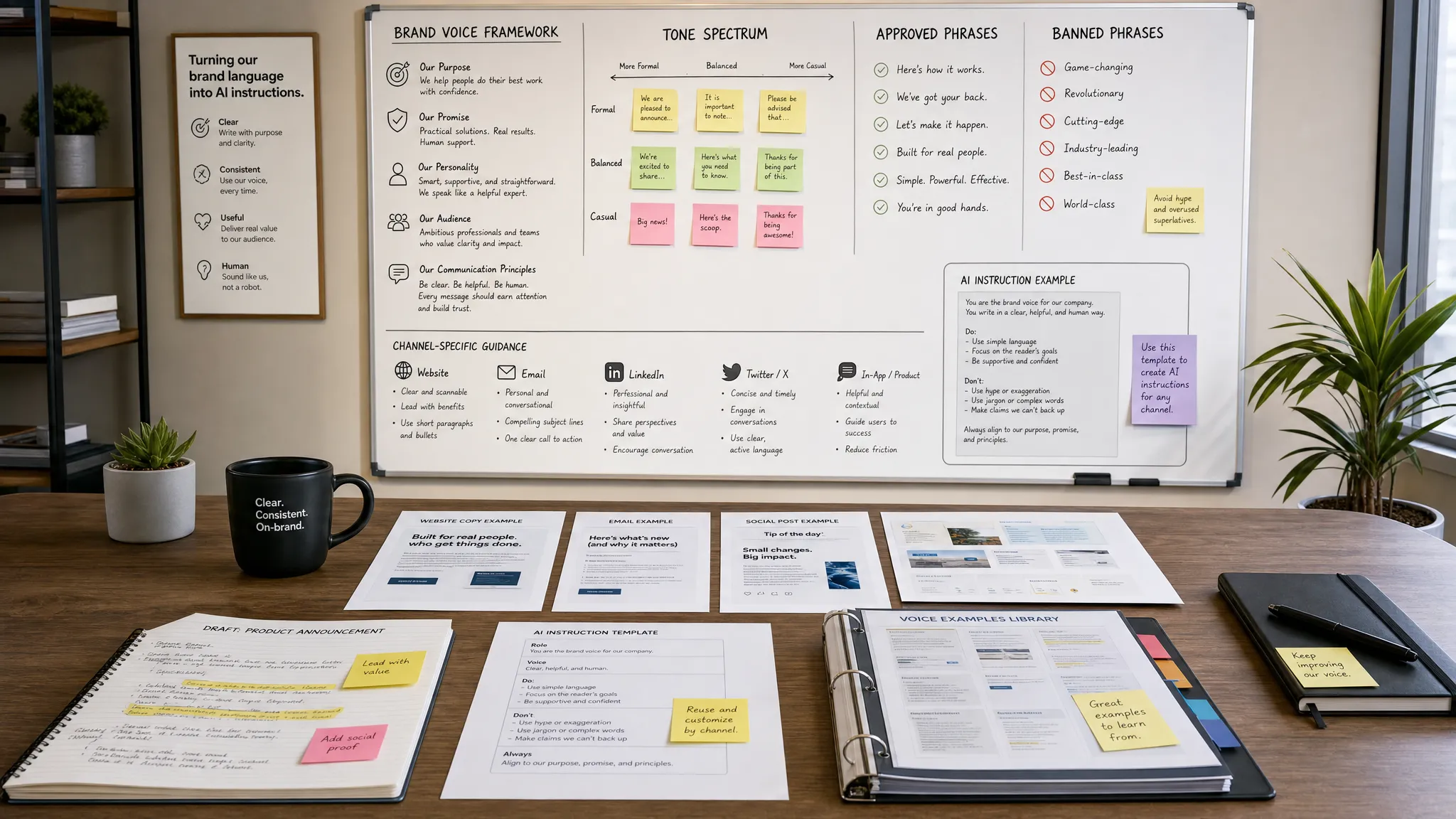
Use AI to prepare, not to flatten the host’s voice. A polished script may read well, but podcast listeners can hear when a host is performing a document rather than speaking from experience. For most marketing shows, a segment outline works better than a full script.
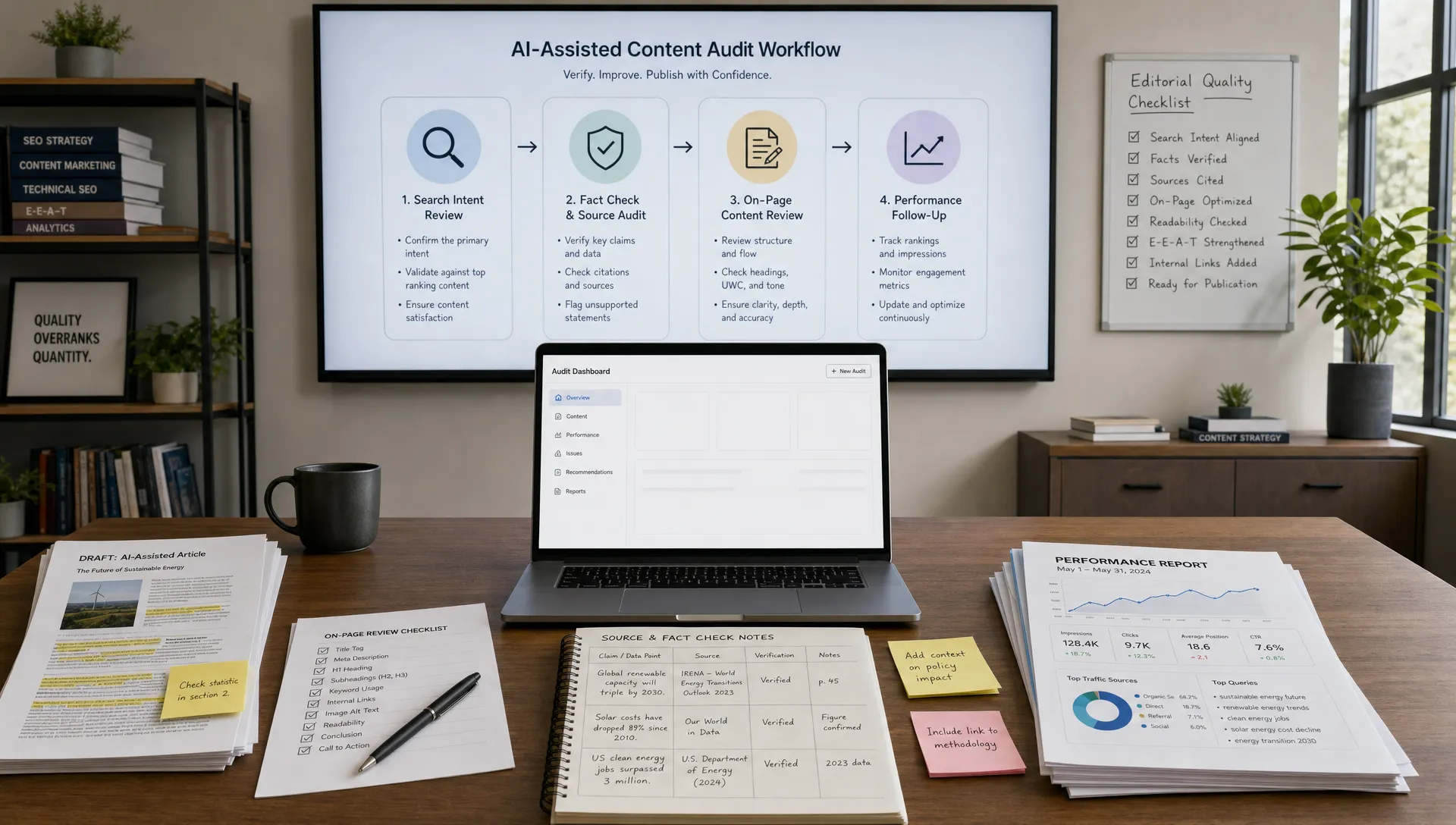
After recording, transcription becomes the backbone of the growth workflow. A clean transcript helps you produce show notes, blog recaps, quote cards, short clips, newsletters and sales enablement snippets. It also gives your team a searchable archive of ideas, examples and customer language.
Many teams lose podcast growth potential at the publishing stage. They upload audio, write a short description and move on. A better approach treats each episode page as a searchable asset that can rank, convert and support future campaigns.
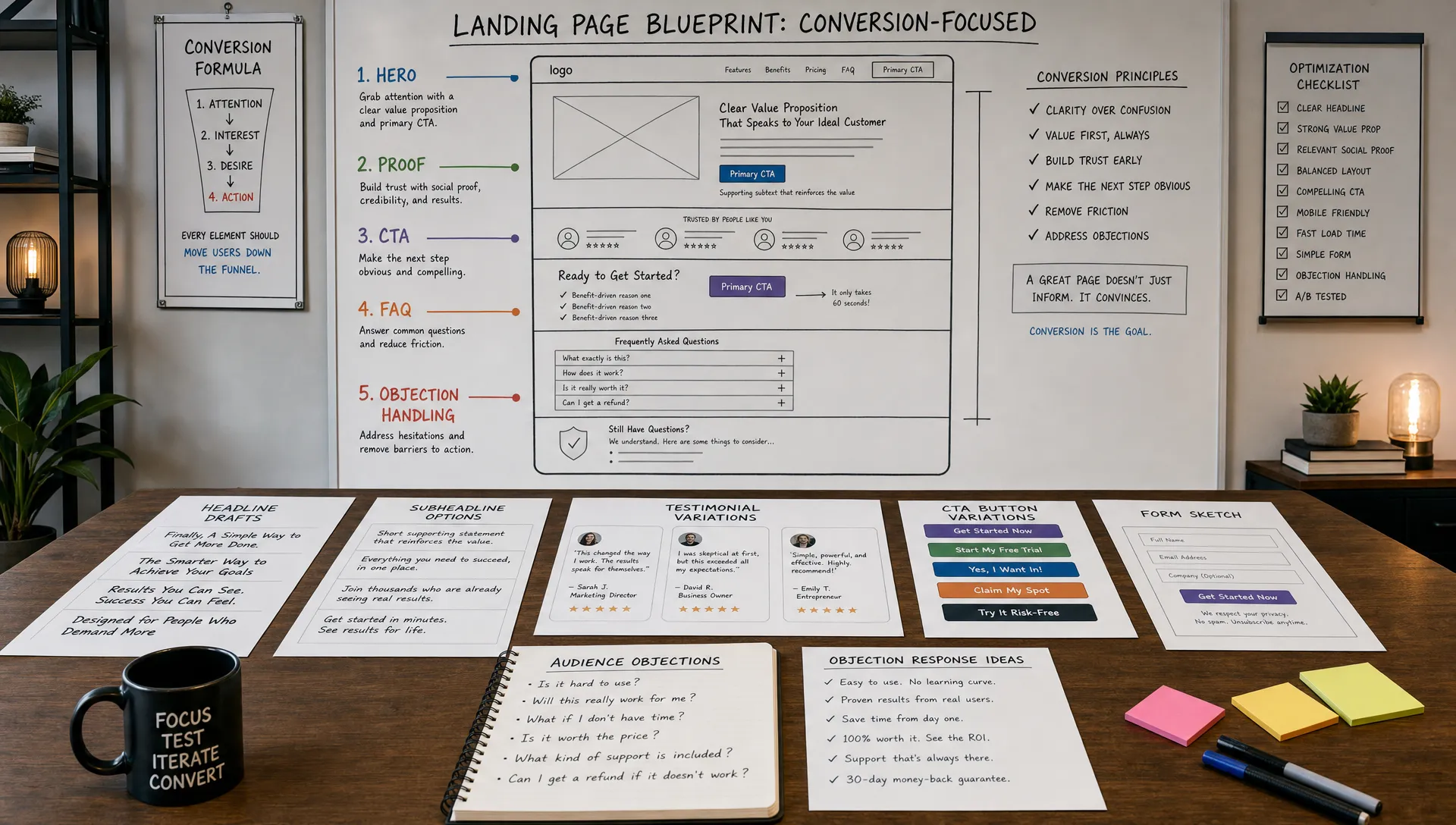
At minimum, create an episode landing page with a clear title, concise summary, embedded player, key takeaways, guest details, transcript or edited transcript and links to relevant resources. The page should answer the searcher’s intent even if they do not listen immediately.
Podcast episode titles need to work in crowded feeds. AI can generate options, but the final title should be specific and readable. Avoid titles that sound like generic blog headlines with no audio appeal.
Compare “AI in Content” with “How to use AI to cut content production time without lowering editorial standards.” The second title is longer, but it gives the listener a clearer reason to press play.
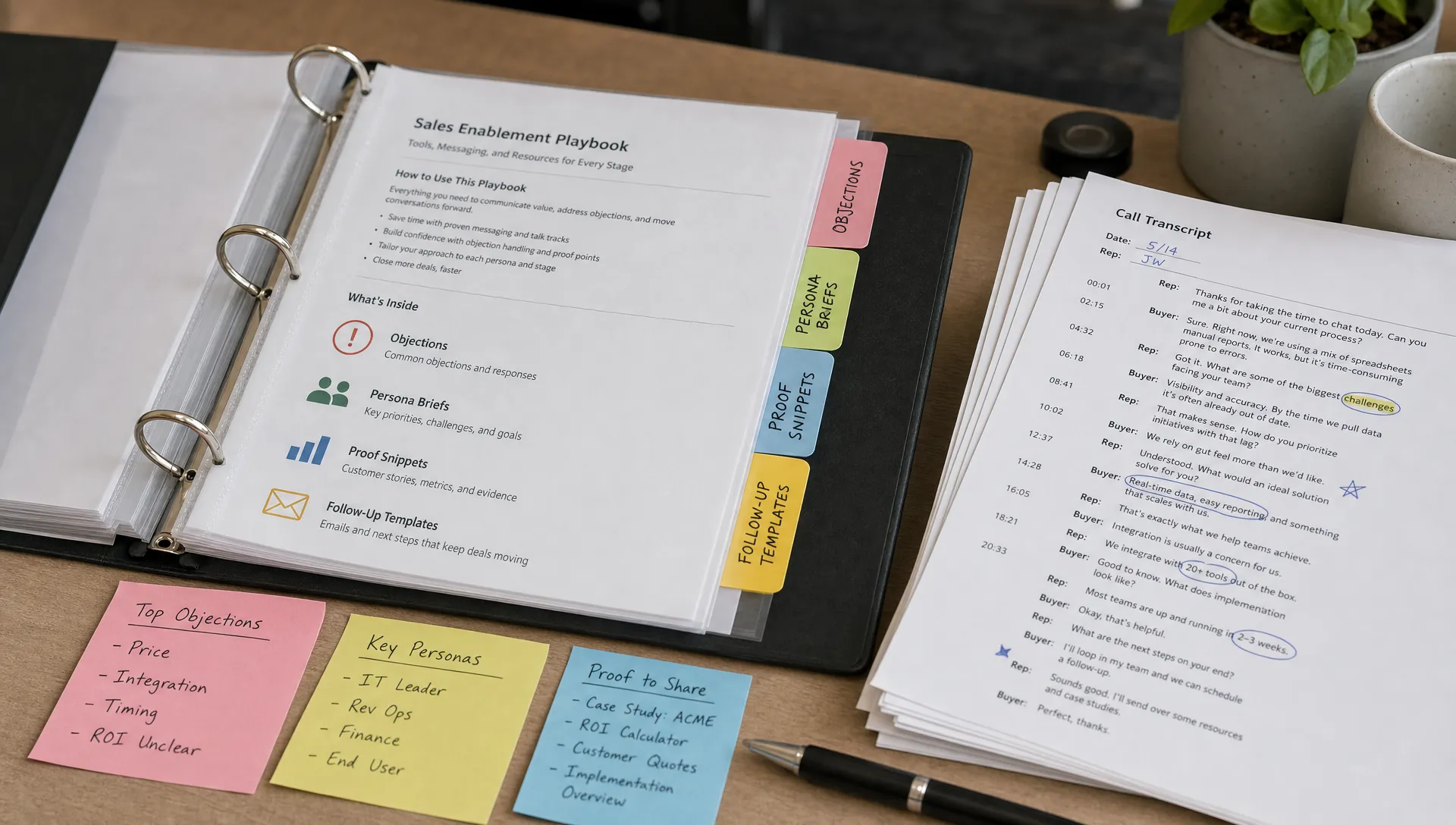
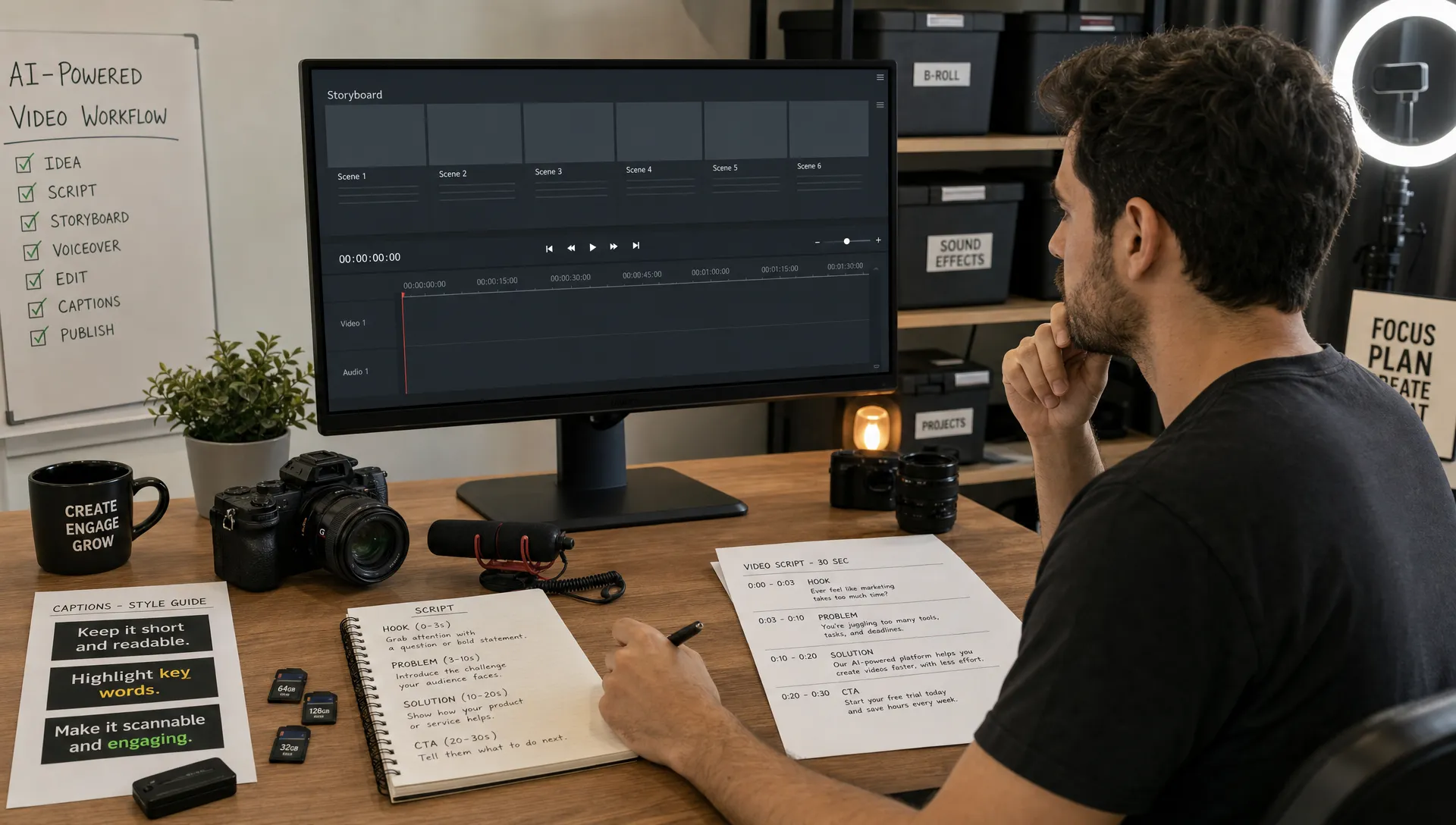
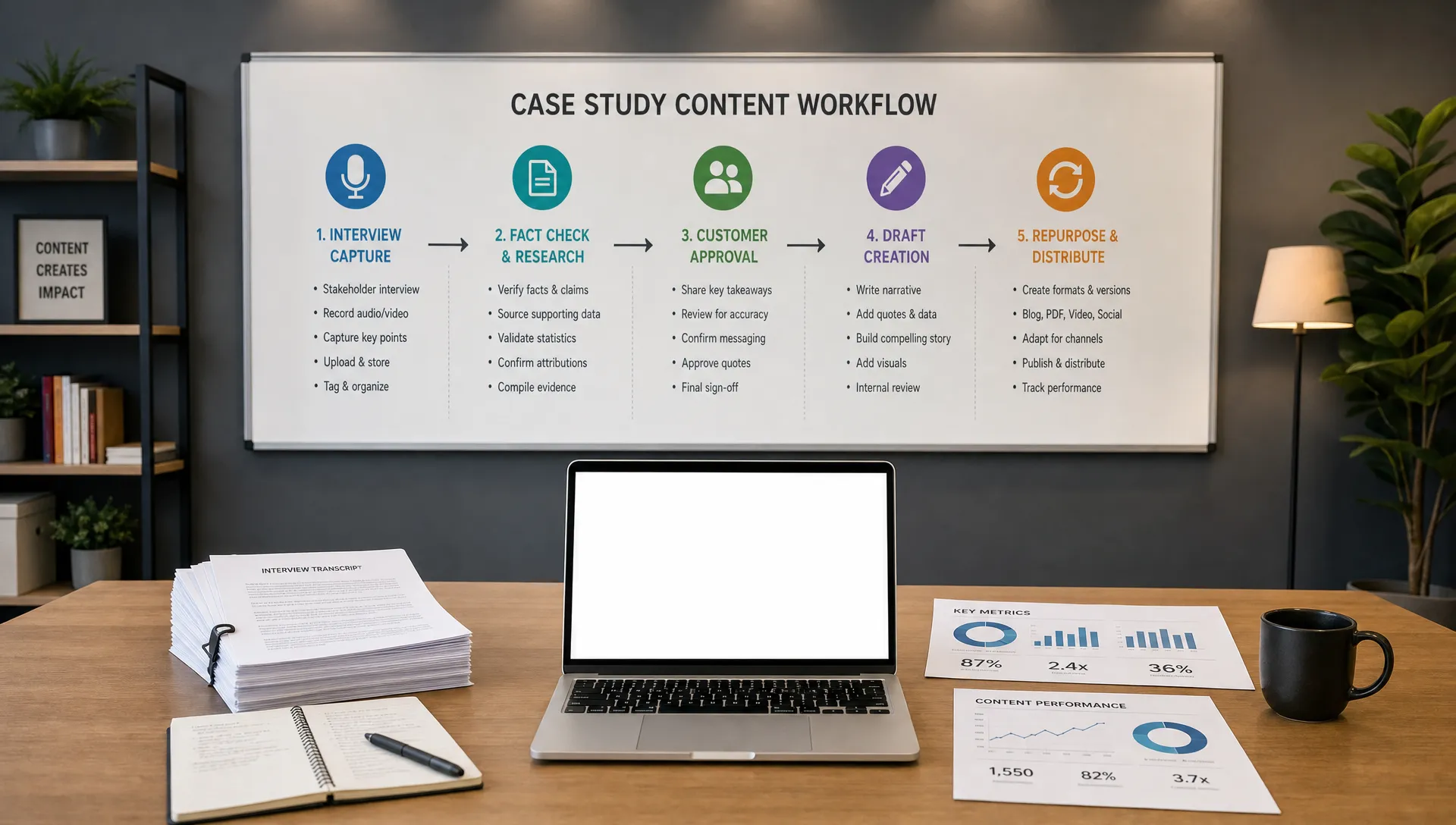
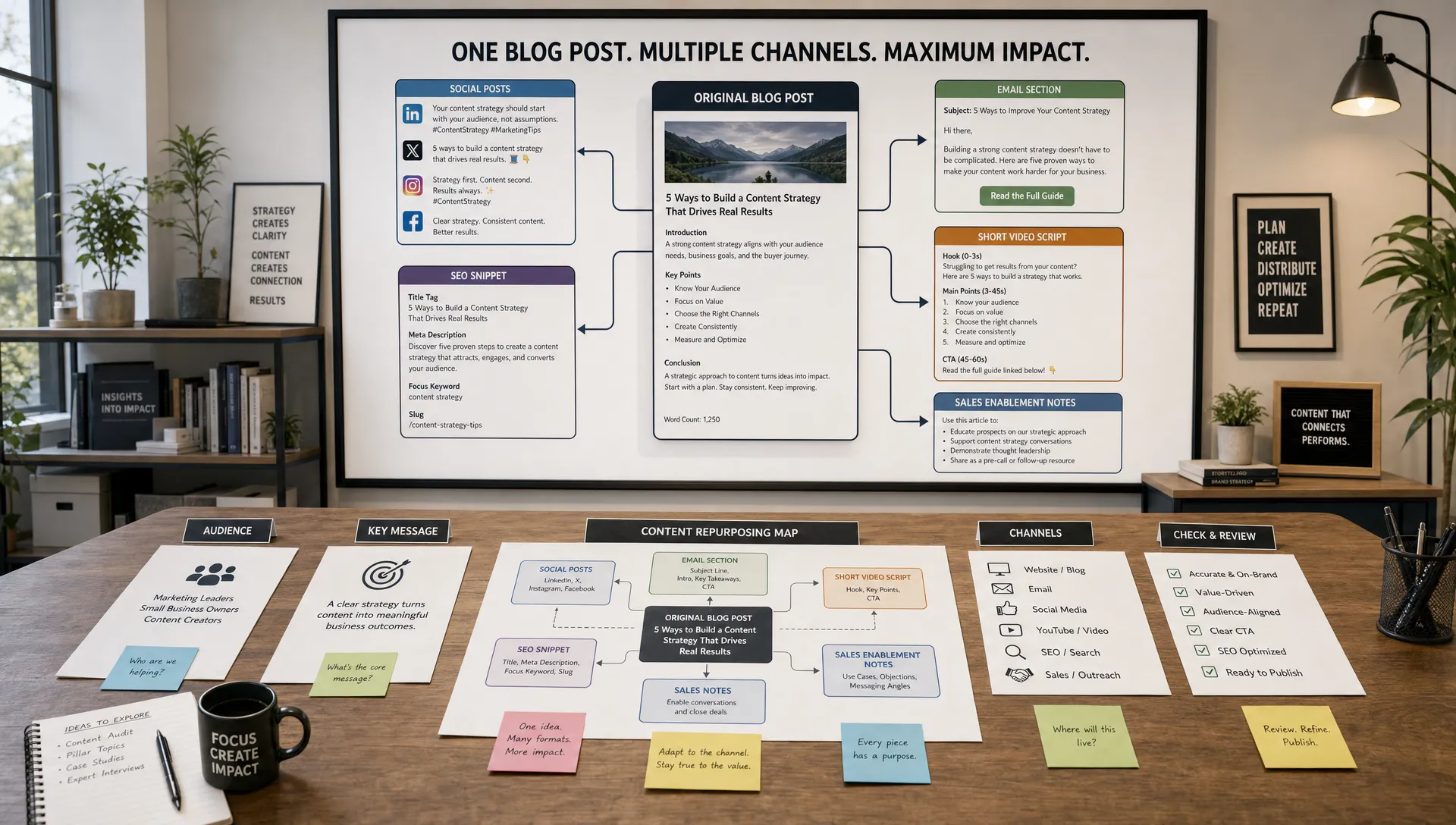
Repurposing is where AI for podcast marketing can save serious time. One episode can become a blog recap, five LinkedIn posts, a newsletter section, short video scripts, quote graphics and a sales follow-up note. The key is to adapt the angle to each channel rather than pasting the same summary everywhere.
If repurposing is a major bottleneck for your team, use a structured method like the one outlined in AIMarketer Hub’s guide to AI content repurposing. Podcast episodes are especially suited to this because they contain stories, opinions, objections and quotable moments.
Podcast promotion should begin before the episode goes live. AI can help draft assets for each channel, but the rollout still needs sequencing and ownership.
A practical rollout might include a teaser before publishing, a launch post on the host’s strongest social channel, guest co-promotion, a newsletter feature, short clips over the next two weeks and a follow-up post that highlights one useful insight. For B2B shows, sales and customer success teams can also use selected clips in relevant conversations.
Use a simple asset matrix so the team knows what to create for each episode.
| Channel | Asset type | Good AI-assisted input |
|---|---|---|
| Point-of-view post, guest quote, carousel outline | Transcript highlights and audience pain points | |
| Newsletter intro, subject lines, key takeaways | Episode thesis and strongest examples | |
| Short video | Clip hooks, captions, title variants | Timestamped moments and emotional peaks |
| Blog | Edited recap, FAQ section, internal links | Transcript and keyword intent |
| Sales enablement | Short summary, objection response, proof point | Specific buyer questions from the episode |
If your team also creates video clips from podcast recordings, the process overlaps with lean video production. AIMarketer Hub’s article on AI for video marketing can help you connect podcast clips to a broader video workflow.
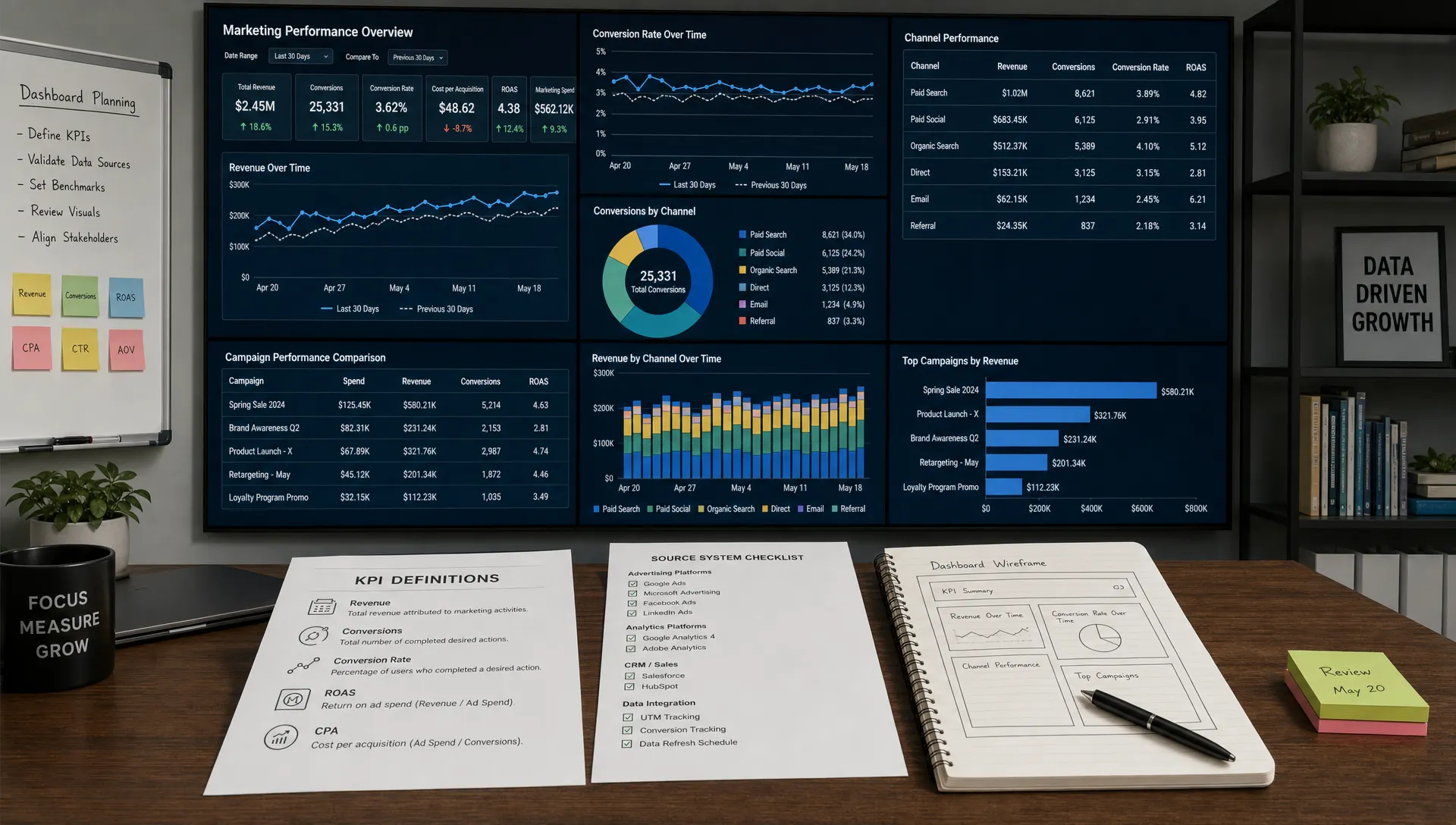
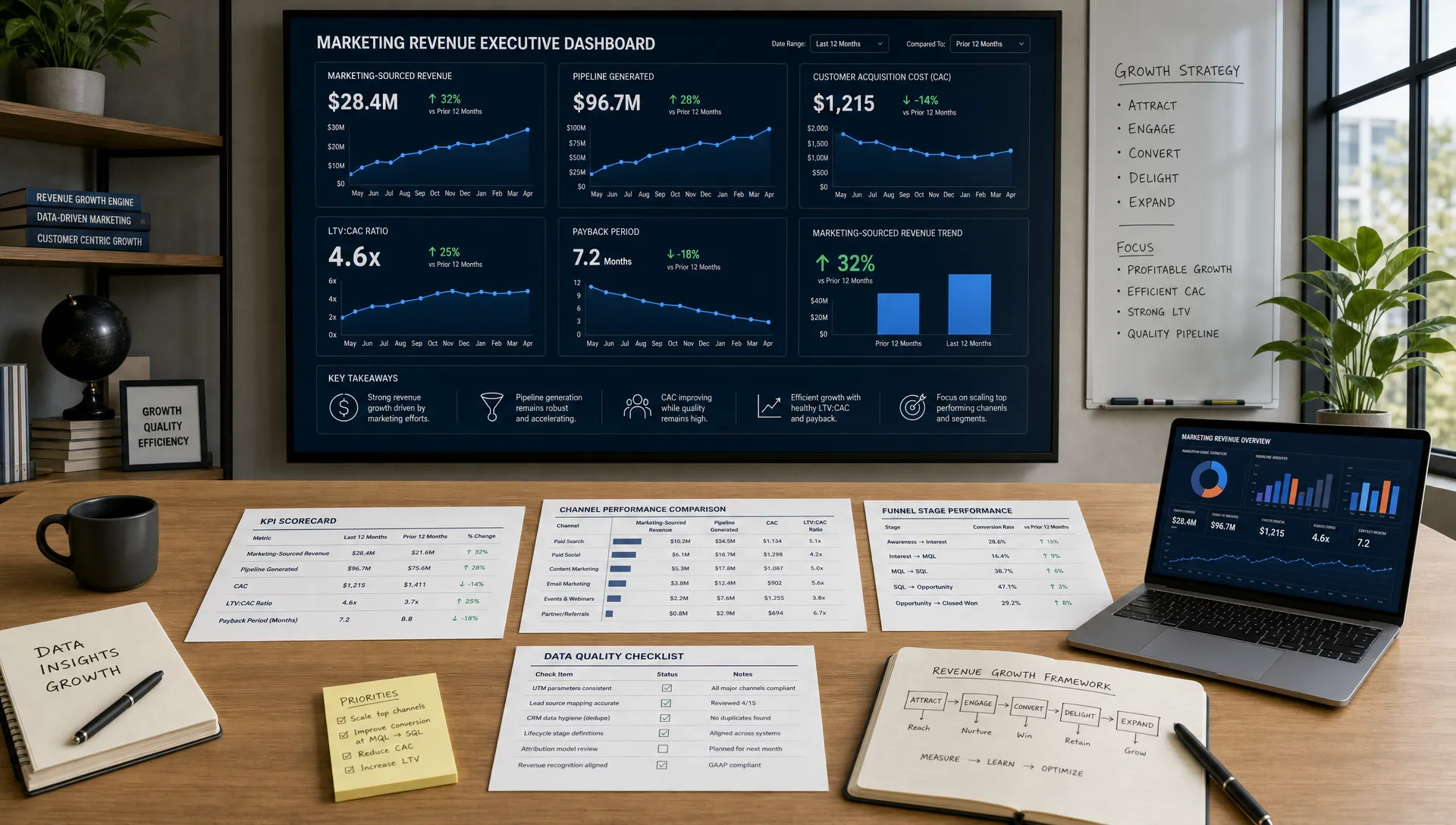
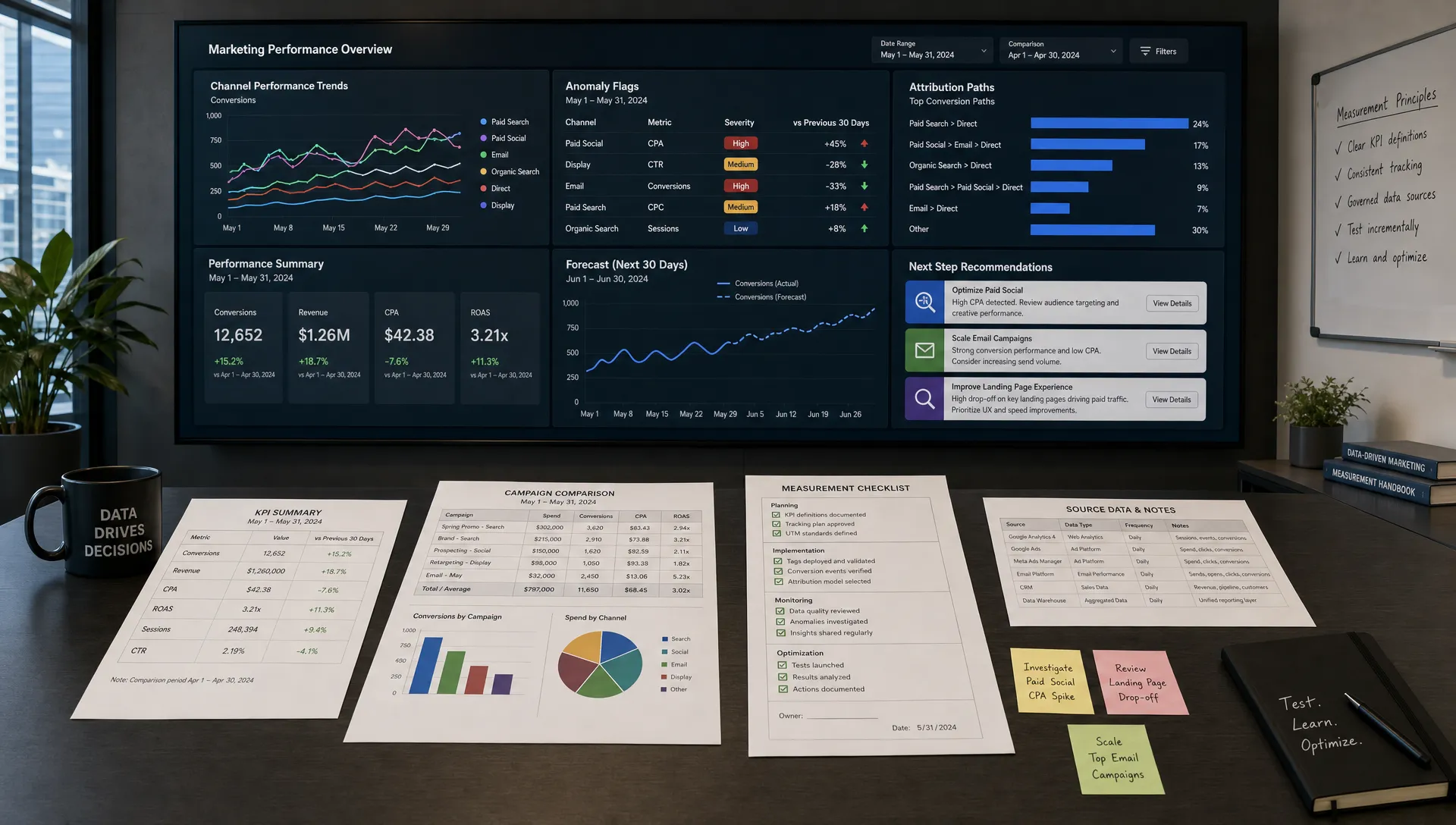
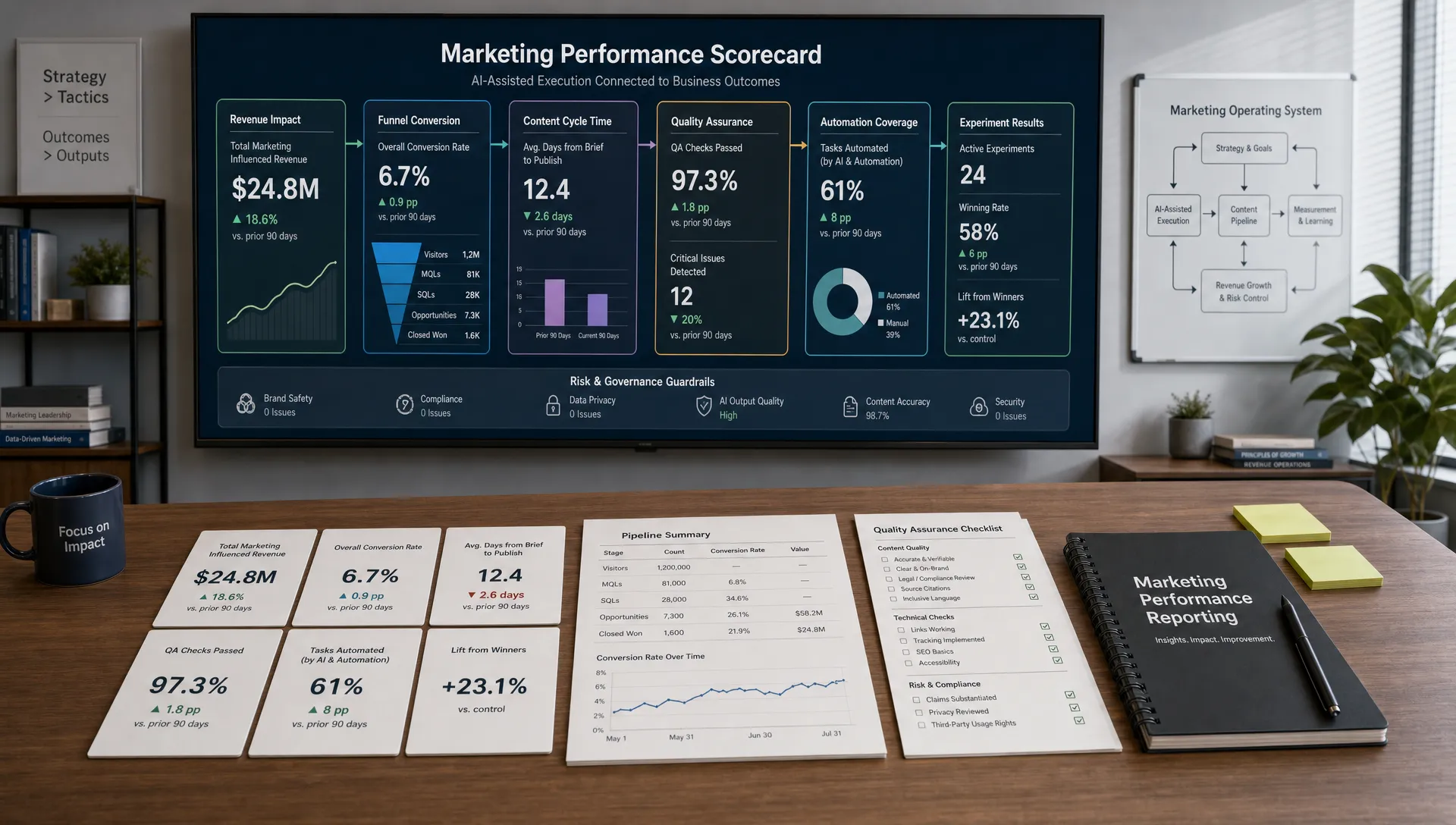
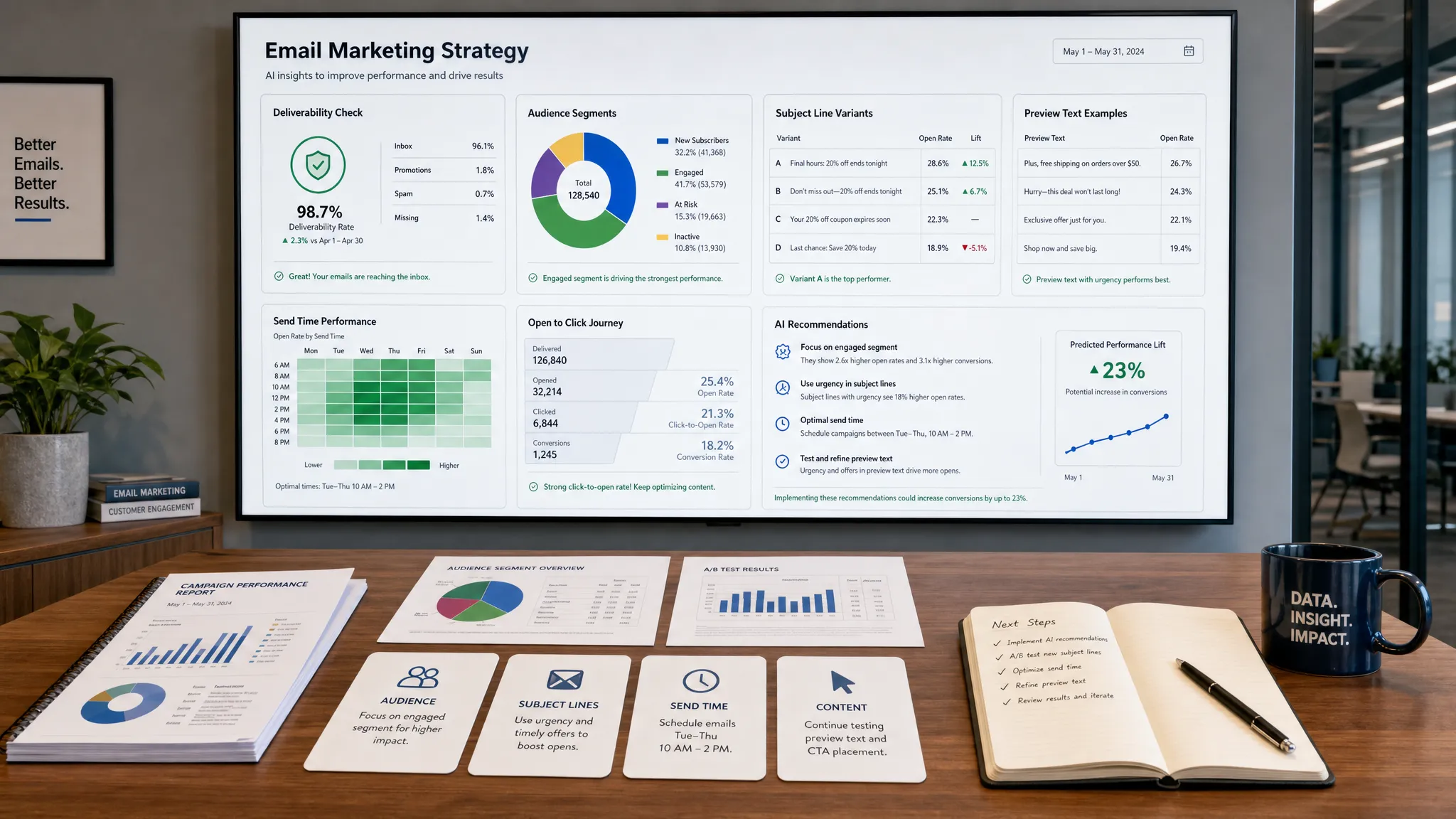
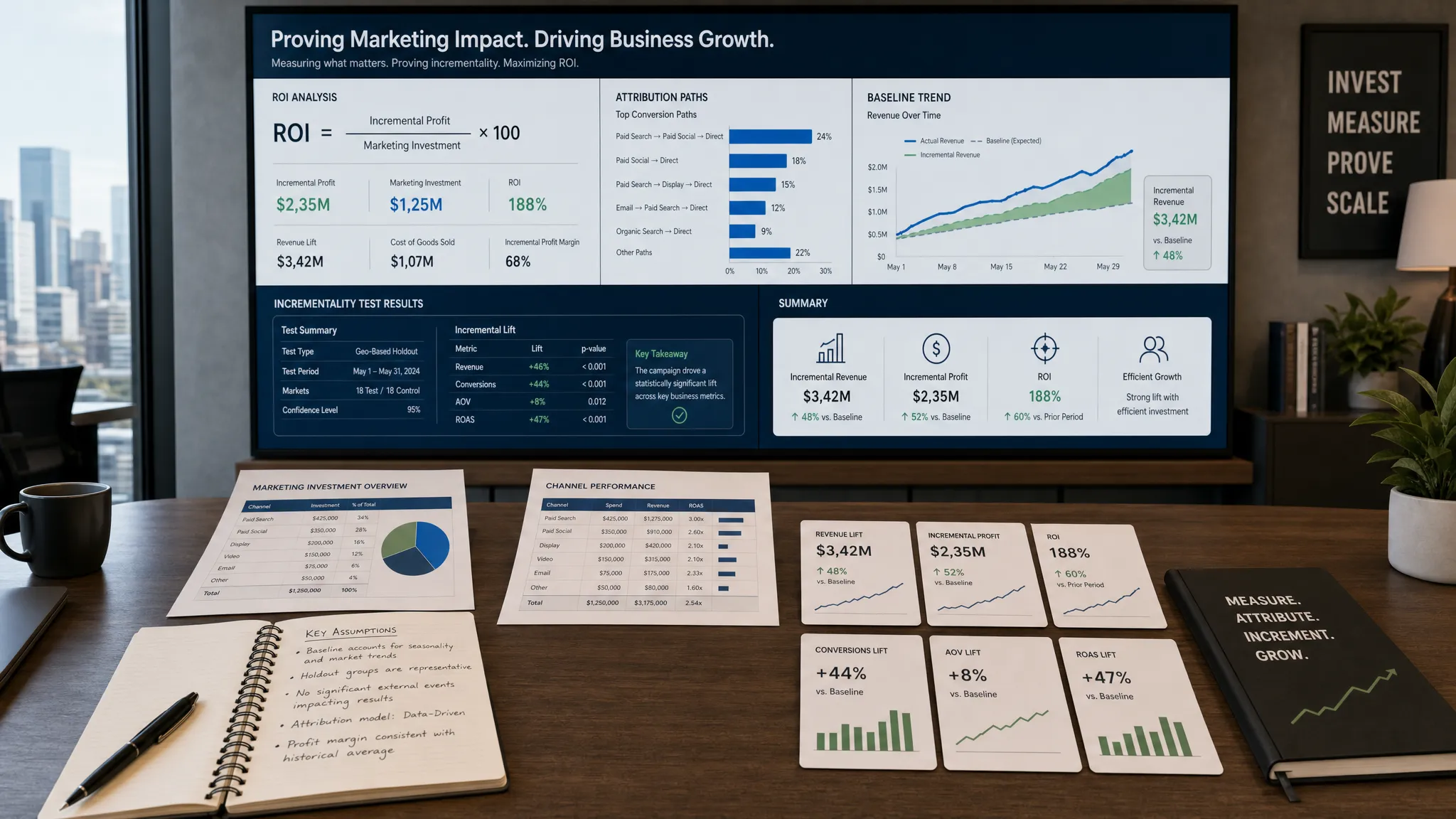
Podcast analytics can be fragmented, so focus on metrics that inform decisions. Downloads matter, but they rarely tell the whole story. Look at retention, episode completion, traffic to episode pages, newsletter clicks, search impressions, social engagement, guest referral traffic and assisted conversions where attribution is available.
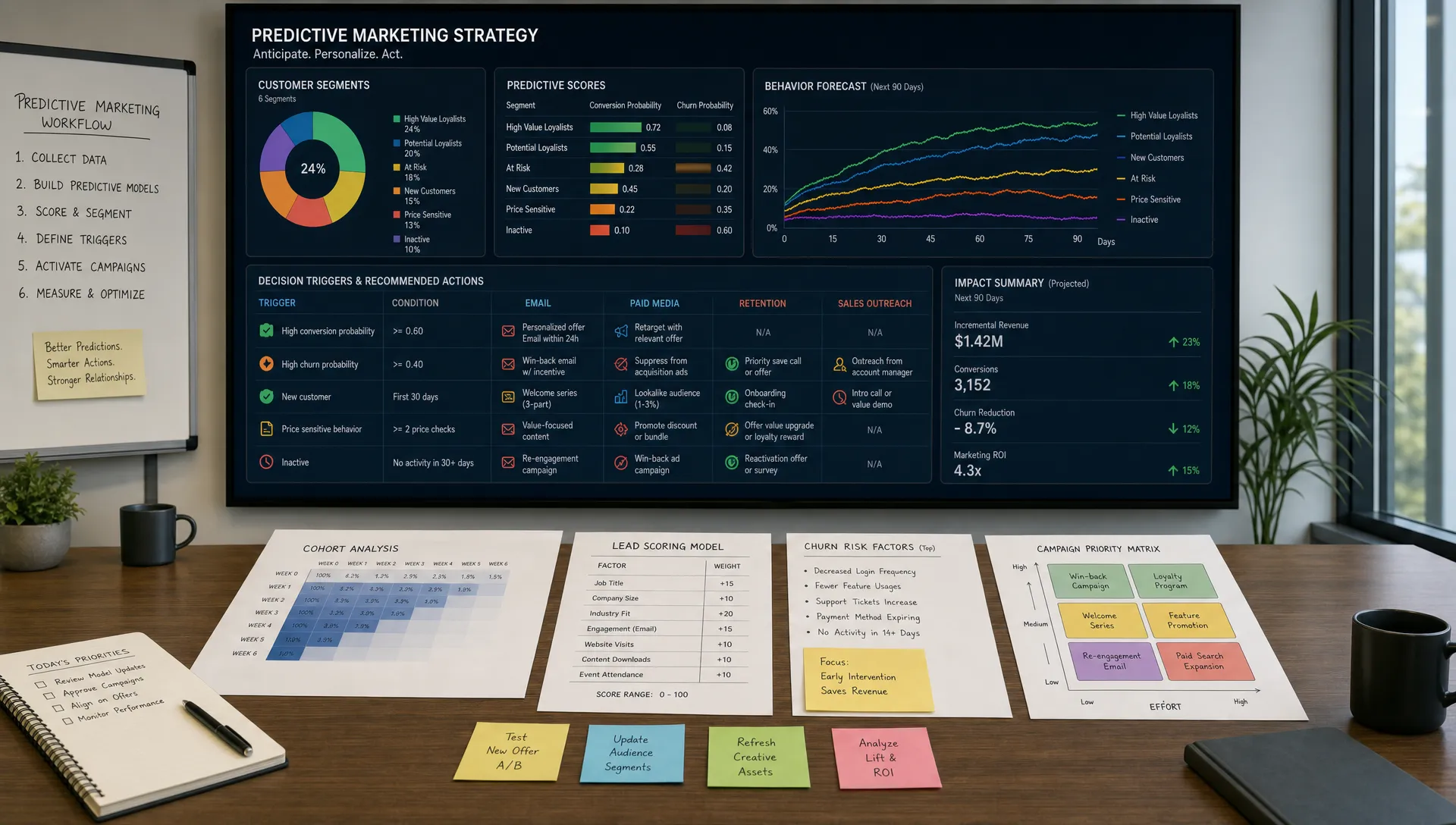
AI-powered analytics can help summarize patterns across episodes. For example, you might ask it to compare the topics, guests, titles and promotional formats of your top-performing episodes. The output will not replace analysis, but it can point your team toward useful hypotheses.
Good measurement answers practical questions: Which topics attract the right listeners? Which titles earn clicks? Which clips generate meaningful comments? Which guests bring engaged audiences? Which episodes support sales conversations?
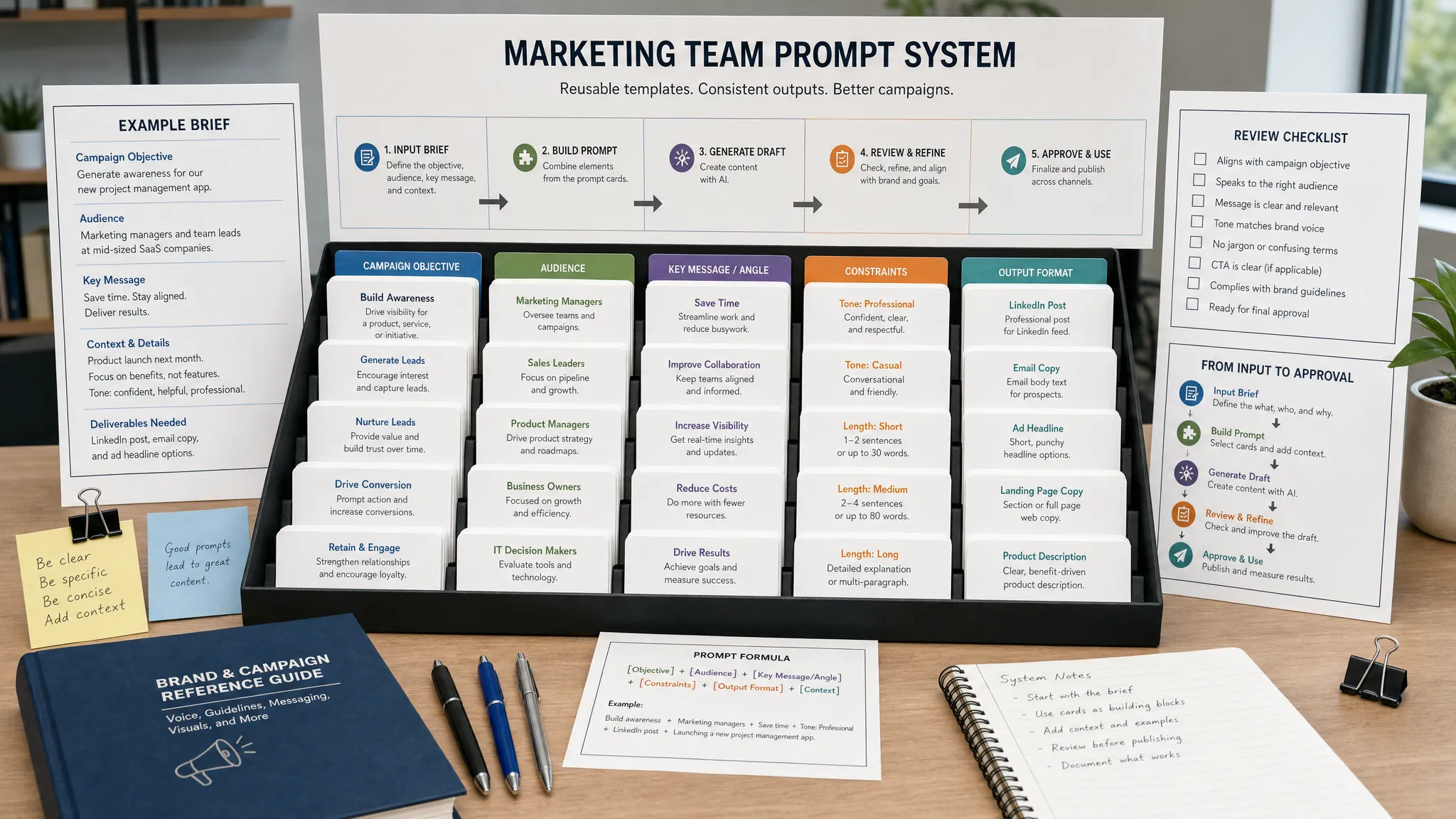
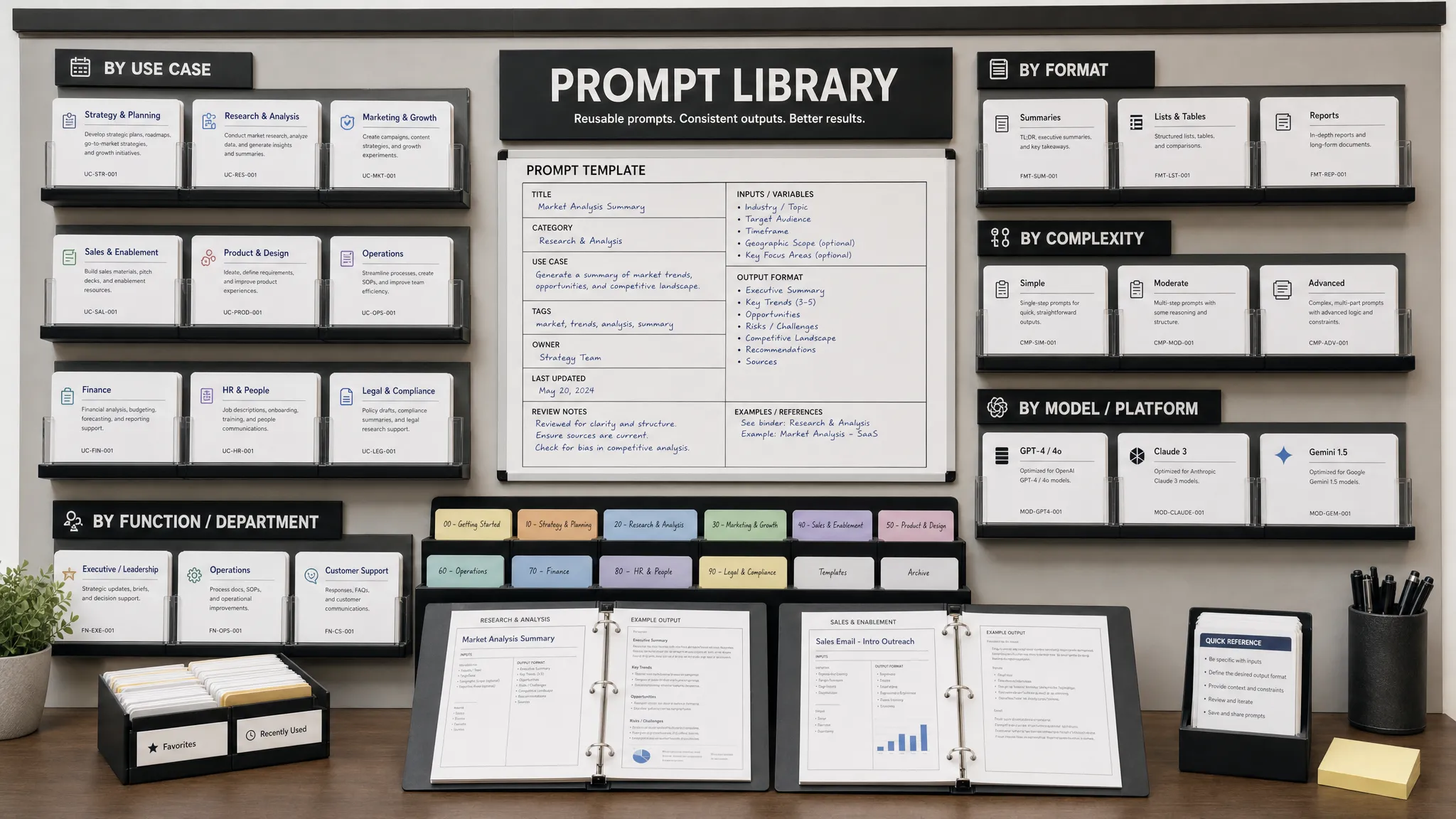
You do not need dozens of prompts to start. A small prompt library is easier to manage and improve over time. Save prompts for recurring tasks, then refine them based on output quality.
Use prompts for these repeatable jobs:
The best prompts include context, role, input data, output format and quality criteria. Instead of asking for “podcast ideas,” provide the audience profile, business goal, recent themes, excluded topics and examples of angles you like.
The first mistake is letting AI choose the strategy. AI can expand possibilities, but it does not know your market positioning unless you give it clear inputs. Without that, it will produce safe ideas that sound like everyone else.
The second mistake is publishing too much derivative content with too little editing. Podcast repurposing should preserve the strongest insight from the episode, not flood every channel with bland summaries.
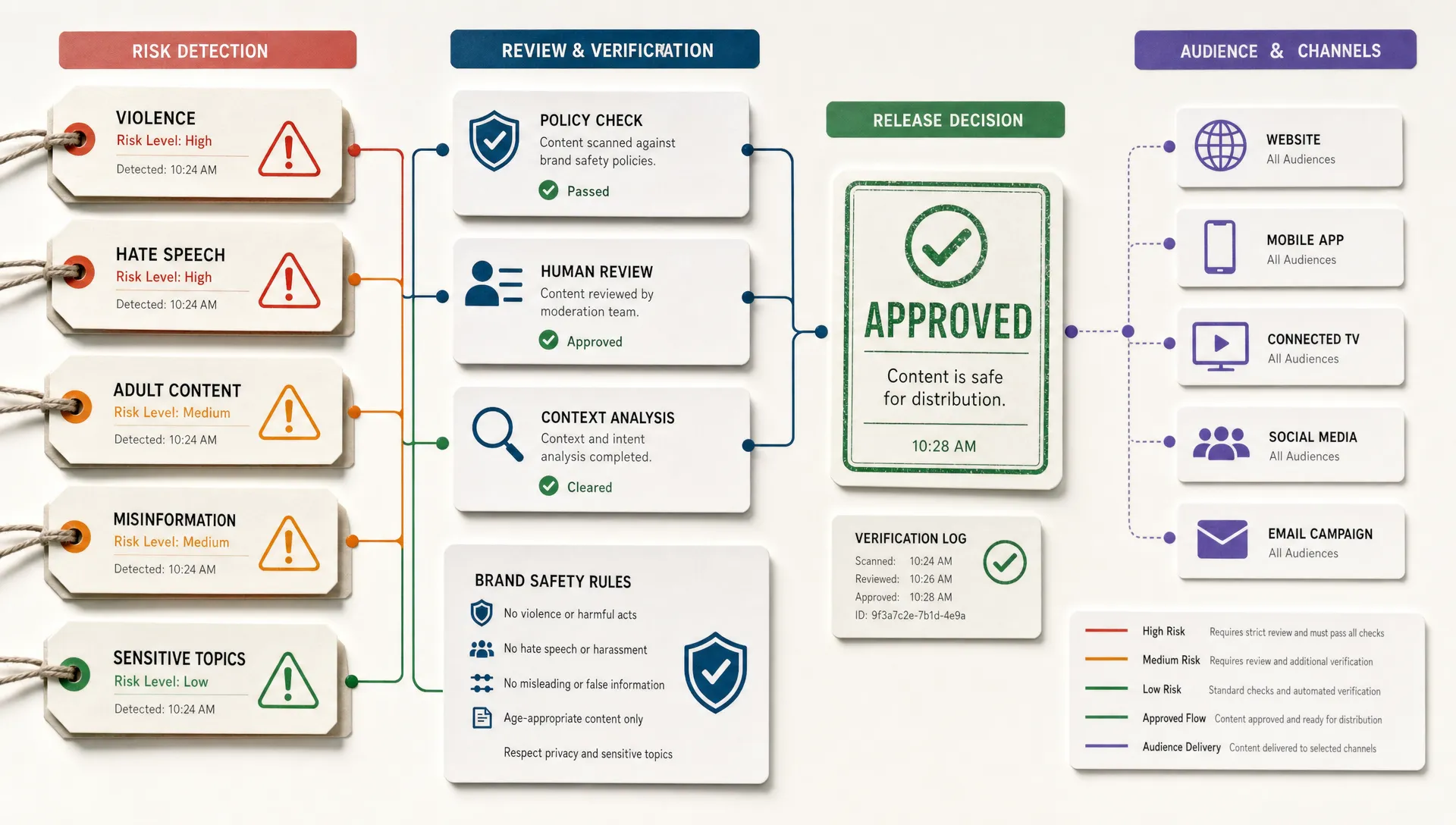
The third mistake is ignoring compliance, accuracy and brand risk. This matters in regulated sectors such as finance, legal services, healthcare and insurance. Human review is not optional when episodes include advice, claims, pricing, eligibility or sensitive topics.
The fourth mistake is measuring only downloads. A small show can still be valuable if it reaches the right buyers, partners or community members. Tie measurement to the purpose of the show, not just the size of the audience.
How can AI help a podcast grow? AI can help identify audience questions, generate better episode angles, prepare briefs, summarize transcripts, create promotional assets and analyze performance patterns. It works best when connected to a repeatable workflow rather than used for isolated tasks.
Can AI write full podcast scripts? It can, but full scripts often make hosts sound less natural. For most business podcasts, AI is more useful for outlines, research notes, segment structure and follow-up questions.
What podcast tasks should stay human? Positioning, final editorial judgment, guest relationship building, sensitive claims, personal stories and the host’s point of view should stay human-led. AI can support these tasks, but it should not replace accountability.
How often should a team repurpose podcast episodes? Repurpose every episode at least into show notes, a newsletter mention and a few social posts. High-performing episodes can justify deeper repurposing into blog articles, short videos, sales assets or webinar themes.
Do small teams need expensive AI tools for podcast marketing? Not necessarily. Start with a transcription tool, a general AI writing assistant, a shared prompt library and basic analytics. Add specialized tools only when a repeated bottleneck becomes clear.
AI for podcast marketing works when it strengthens the whole system: research, briefing, recording, publishing, repurposing, promotion and learning. The teams that benefit most are not the ones generating the most AI output. They are the ones building a consistent workflow that makes every episode easier to discover, easier to share and easier to learn from.
Start with one show, one listener segment and one measurable goal. Build a brief template, repurpose the transcript thoughtfully and review performance after each release. Once the loop is working, AI can help you scale without turning your podcast into generic content.